Reykjavik in one loop is the fast track to getting your bearings, especially with 8-language audio while you ride. You get a hop-on hop-off style ticket (24 or 48 hours) so you can spend more time where it feels right, not where a tour timetable forces you.
I also like how practical the operation is: buses run frequently (every 30–45 minutes depending on season) and people report the service stays close to schedule. And yes, QR codes and an app help you figure out when the next bus is coming, which matters a lot when the wind has opinions.
The main drawback is simple: waiting in cold, wet weather between stops can feel long, and you’ll want to plan for wind (it can be serious). A few riders also note audio/headphone quirks on older setups, so I’d keep a spare earbud plan in mind.
In This Review
- Key things I’d clock before you ride
- Why a Reykjavik hop-on hop-off loop makes sense
- Timing and frequency: how to plan your day around the bus
- Vouchers, headphones, and the reality of boarding
- Stop-by-stop: what each part of the route is good for
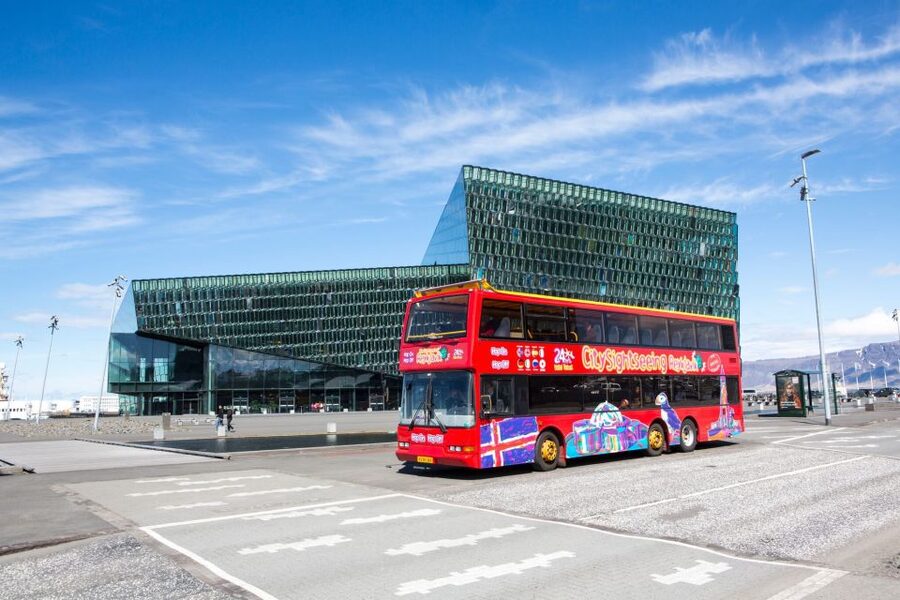
- Harpa Concert Hall and Conference Centre (starting option and also a drop-off)
- Old Harbour (Hop-on Hop-off stop)
- Reykjavík Maritime Museum
- Whales of Iceland
- National Museum of Iceland
- Lækjartorg
- Laugavegur Shopping Street
- Reykjavík Art Museum Kjarvalsstaðir
- Hallgrimskirkja
- BSI Bus Terminal
- Perlan
- Kringlan Shopping Centre
- Hilton Reykjavik Nordica
- Laugardalur Park
- Skarfabakki Harbour (summer only)
- Hofdi House
- Where the tour really delivers (and where it’s just transportation)
- Comfort, cold, and the small issues that matter
- Is the $47 price fair value for one day?
- Who should book this, and who might skip it
- Should you book this Reykjavik hop-on hop-off bus tour?
- FAQ
- How long is the bus loop?
- How often do the buses run in summer?
- How often do the buses run in winter?
- What time are the first and last departures in winter?
- What time are the first and last departures in summer?
- Are mobile and paper vouchers accepted?
- Is entry to attractions included?
- What languages are available for the audio commentary?
- Are pets or luggage allowed?
Key things I’d clock before you ride
- Hop on, hop off, repeat: 24 or 48 hours means you’re not stuck doing everything in one rushed sweep.
- Audio guide in 8 languages: English, Spanish, French, German, Italian, Japanese, Swedish, and Icelandic.
- Frequent departures: Summer runs every 30 minutes; winter every 45 minutes, with an ~80-minute loop.
- Smart stop-finding: QR codes on signs (and an app) make it easier to track the next bus.
- Worth-it anchors: Whale Watching Center, National Museum, Kringlan Shopping Centre, and Skarfabakki Harbour (summer only).
Why a Reykjavik hop-on hop-off loop makes sense
Reykjavik is modern and human-sized, but Iceland weather can turn fast. This bus tour is a clever way to stay warm while still seeing the parts of town that help you navigate the rest of your days. If you’re here for a short visit, the route is designed to hit the key areas without you needing to taxi every time the wind kicks up.
You also get real context while you ride. The onboard guide isn’t just facts for facts’ sake; it connects the city to the surrounding place—Mount Esja looming over the capital, and on clear days the Snaefellsjökull glacier can show on the western horizon. That kind of connection is what helps Reykjavik feel less like a random cluster of buildings and more like a city shaped by nature.
Timing and frequency: how to plan your day around the bus
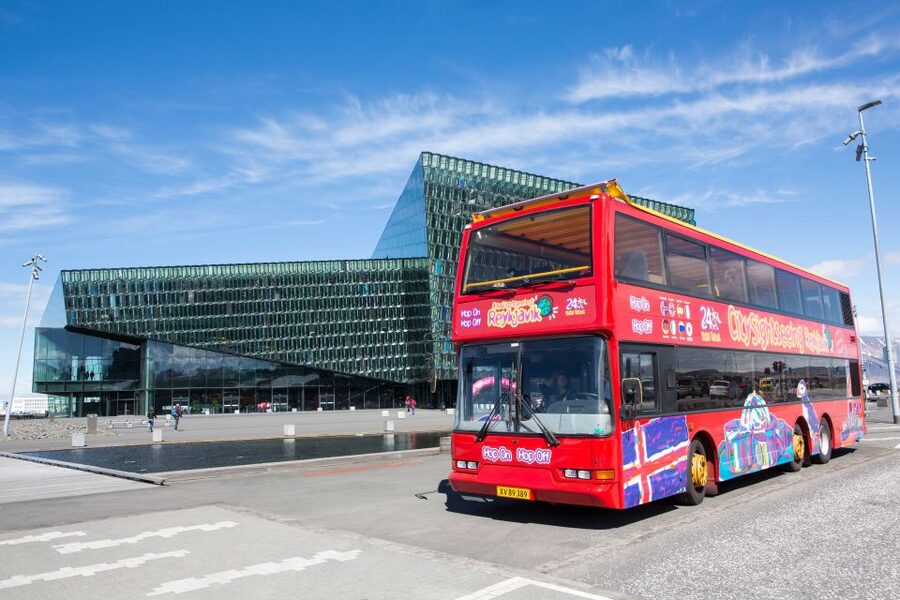
This tour runs on a seasonal schedule, and it affects how much flexibility you actually feel.
- Summer (May 1 to Sep 30): first departure 8:30am, last departure 5:30pm, ~80-minute loop, buses every 30 minutes.
- Winter (Oct 1 to Apr 30): first departure 9:30am, last departure 4:15pm, ~80-minute loop, buses every 45 minutes.
That “~80 minutes” matters because it sets the rhythm for the whole day. If you hop off for a short stop, you can usually get back on the next bus without a huge wait—if you time it right. In summer, the tighter frequency helps you be more spontaneous. In winter, the longer gaps make it extra important to bundle your walking plans together.
Also, note this: weather can disrupt service. If it’s gusty or rough, build in margin. Reykjavik is beautiful, but it doesn’t always care about your schedule.
Vouchers, headphones, and the reality of boarding
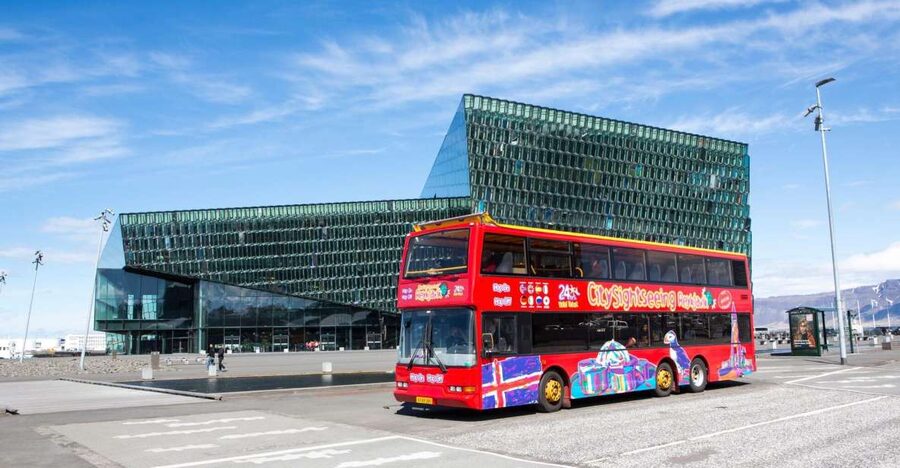
You don’t need to fuss with entry tickets before you board, but you do need the right kind of proof. The tour accepts mobile or paper vouchers, and you can redeem them at any of the stops along the route.
You’ll also want to be ready with the audio headphones. The commentary is provided in eight languages, and you’ll get headphones onboard (and you’ll want them to work right away, not halfway through a story you actually care about).
A small but important operational point: the bus doesn’t automatically stop at every point. In practice, you should let the driver know in advance when you want to get off at the next stop. This is the kind of detail that saves you from the annoying moment of realizing you’re still moving while you thought you’d already arrived.
Stop-by-stop: what each part of the route is good for
Here’s the practical version of what you’ll get from the route—plus what you might want to plan around at each stop.
Harpa Concert Hall and Conference Centre (starting option and also a drop-off)
Harpa is a big “start here” landmark because it’s easy to find and it sets the tone for Reykjavik’s modern side. It’s also a good first stop if you want to settle in with the audio guide early, then decide later how far you want to roam.
If you’re doing a first loop for orientation, starting from Harpa makes it easier to understand where everything else sits relative to the harbor and the main core.
Old Harbour (Hop-on Hop-off stop)
The Old Harbour area is ideal if you’re thinking about the city’s relationship to water and maritime life. Even if you don’t go deep into attractions, the vibe here is very Reykjavik: compact, walkable, and shaped by the sea.
This is a great place to hop off if you want photos without committing to a full museum visit.
Reykjavík Maritime Museum
If you’re the kind of traveler who likes ships, fishing history, and coastal stories, this stop is a strong candidate. The Maritime Museum is also handy for a weather day because it gives you a reason to step inside while the bus continues the loop.
The downside is timing: if you hop off and lose track of the next arrival, you could spend longer than you want waiting to get back on.
Whales of Iceland
This is one of the stops that connects to Iceland’s whale-watching reputation. Even if you’re not booking a whale tour that day, this stop can help you understand how important marine life is to the local story.
I’d use this stop as either a quick browse or a longer pause if it fits your interests.
National Museum of Iceland
This is one of the highlights for a reason: it’s built for anyone who wants the broad heritage-and-history picture. If you only have time for one museum stop, this is the one most likely to feel like you’re getting real grounding.
Keep in mind that entry isn’t included, so you’ll pay for admission separately if you choose to go in.
Lækjartorg
Lækjartorg is a convenient mid-route hub, and it’s useful for people who want to break up the day into smaller walking segments. You can use it as a checkpoint: hop off, wander nearby, then hop back on when you’re ready.
This stop is also practical for avoiding decision fatigue; you don’t have to commit to a long detour to feel like you’re doing something.
Laugavegur Shopping Street
If you want energy, shops, and strolling, this is your stop. Laugavegur is where you can reset your day: browse, snack, warm up, and come back when you’re ready.
You’ll likely lose time here in a good way. The question is whether you’re okay with slowing down your bus loop plan.
Reykjavík Art Museum Kjarvalsstaðir
Art lovers should take a look at this stop, because it gives you a cultural option that’s different from the museums focused on history and maritime topics. If the weather turns nasty, stepping inside an art space can be a solid choice.
Because entry isn’t included, decide ahead of time whether you’re actually going in or just using the area as a break.
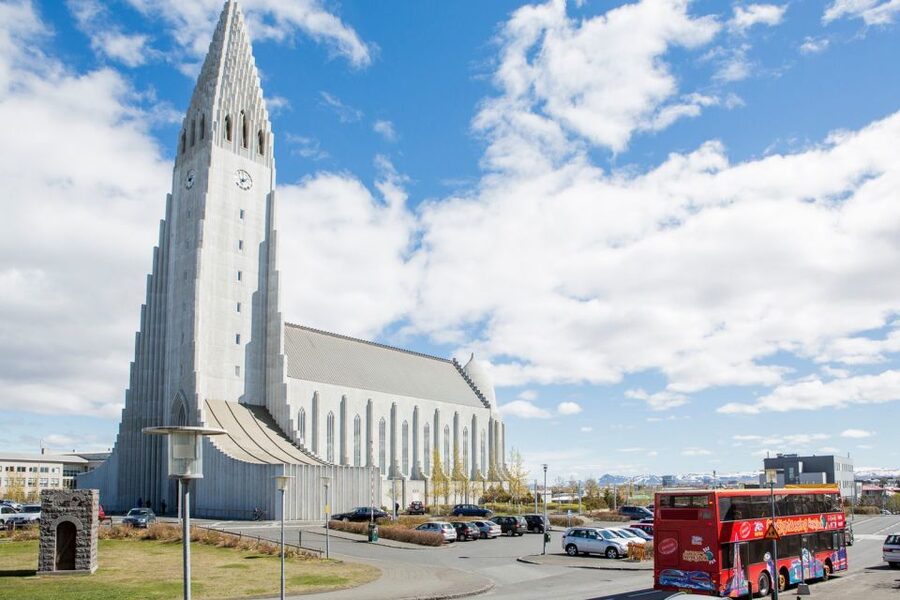
Hallgrimskirkja
This stop is the one you use when you want Reykjavik’s skyline landmark in your plans. Even if you only see it from the outside, it helps you connect where you are in the city.
If you choose to spend more time here, give yourself extra buffer. It’s popular, and it’s easy to linger when the light is good.
BSI Bus Terminal
BSI Bus Terminal is a practical stop because it’s a transport hub. This is useful when you’re combining the hop-on hop-off loop with other plans or just want an easy “reset point.”
It’s not always the most exciting photo stop, but it can be a lifesaver if your schedule gets weird.
Perlan
Perlan is a stop that people often use because it’s a central one in the route and it fits well into a day of varied sightseeing. If you’re the type who likes mixing viewpoints, city landmarks, and short walks, this can be a good mid-to-late loop stop.
Since specific attraction details aren’t guaranteed here, I’d treat it as a strategic stop to check your time and decide what you still want to do.
Kringlan Shopping Centre
This is exactly the kind of stop that makes a bus tour feel worth it on a day you don’t feel like walking in wind. Kringlan is a major shopping option, and it’s a straightforward way to grab what you need without turning it into an expedition.
It’s also where you can plan a clean break from sightseeing and recharge.
Hilton Reykjavik Nordica
This is a route stop that’s useful as a timing tool. You can hop off if you’re near it already for a meal break or if it lines up well with what you want to see next.
Don’t expect it to be a “must stop” landmark, but it can help the day flow smoothly.
Laugardalur Park
This area is tied to the Laugardalur thermal pools and spa, which is a big deal for visitors who want a warm reset. If your body says you need soaking time, this is the stop that supports that plan.
Just remember: thermal pools and spas aren’t included, so it’s an add-on you’ll need to budget.
Skarfabakki Harbour (summer only)
This is the stop you want for views, but only in summer. If your dates are outside May through September, this one won’t fit your itinerary, so don’t build your day around it.
In summer, it’s a great place to slow down and enjoy the water-adjacent feeling without running yourself ragged.
Hofdi House
Hofdi House rounds out the route with a landmark stop that works well for a final stretch. If you’re doing a loop-and-choose approach, this is a good place to check it off and still have time to ride back toward the central stops.
Where the tour really delivers (and where it’s just transportation)
Let’s separate “great sightseeing” from “useful transit.”
Best sightseeing anchors on the route:
- Whale Watching Center-type stop, good for marine curiosity and related browsing
- National Museum of Iceland, best bet for heritage and history
- Kringlan Shopping Centre, ideal when weather and walking fatigue hit
- Skarfabakki Harbour (summer only), built for views and that harbor mood
Everything else works as “connective tissue.” Stops like Old Harbour, Lækjartorg, and BSI help you stitch together a day without turning Reykjavik into a long-distance route march. That’s the real value of hop-on hop-off: you keep control.
Comfort, cold, and the small issues that matter
Reykjavik can be cold even when the sky is nice, and wind can be brutal. The upside is that the bus is set up for this reality—people mention clean buses and working systems, plus heating vents that make a difference.
That said, don’t ignore comfort details:
- If you plan to spend time upstairs, some riders have noted the upper deck can be less warm in certain setups.
- Audio depends on headphone hardware. A few people reported finicky headphone jacks or audio not always working right away.
None of that ruins the tour, but it’s worth knowing so you’re not stuck troubleshooting while everyone else is calmly listening.
Also, one review-based tip you should treat like gospel: use the app and QR code signage to reduce standing around. Waiting in the cold is avoidable if you know when your bus is actually close.
Is the $47 price fair value for one day?
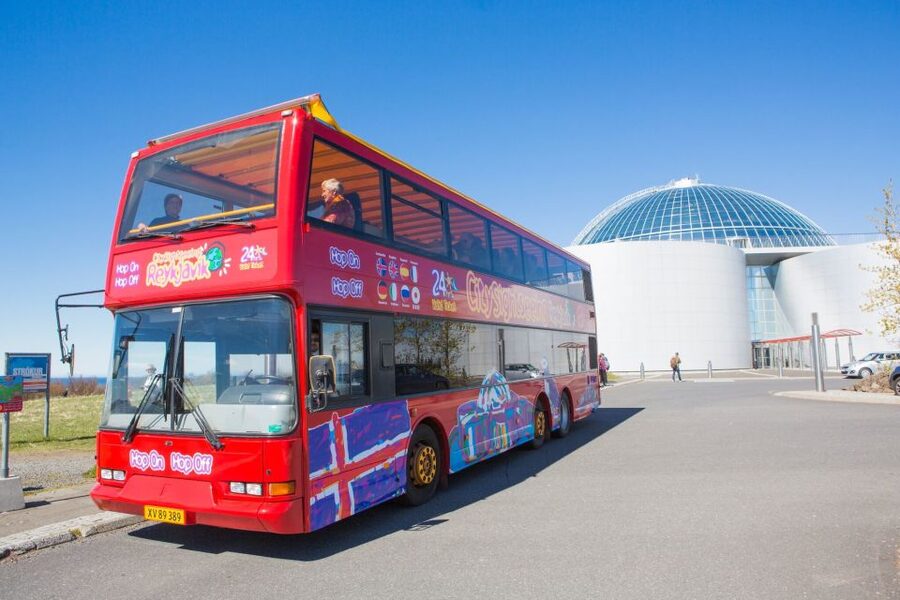
At $47 per person for a day, this isn’t a bargain ticket. Iceland prices aren’t friendly, so “fair” means you’re buying convenience and coverage, not just sightseeing.
Here’s the value math that makes sense:
- You’re paying for transport plus audio commentary plus multiple access windows (24 or 48 hours depending on your ticket choice).
- The loop is about 80 minutes, and departures are frequent, so you can hop around without building a rigid plan.
- You’re covering major sightseeing areas in a single day, which can save taxis—especially if weather changes your plans midstream.
Some people do question whether you need the bus at all because Reykjavik is compact and walkable. I get that. But if you want a low-stress way to orient, plus options for museums, harbor views, and thermal downtime, the tour feels like it earns its keep.
Who should book this, and who might skip it
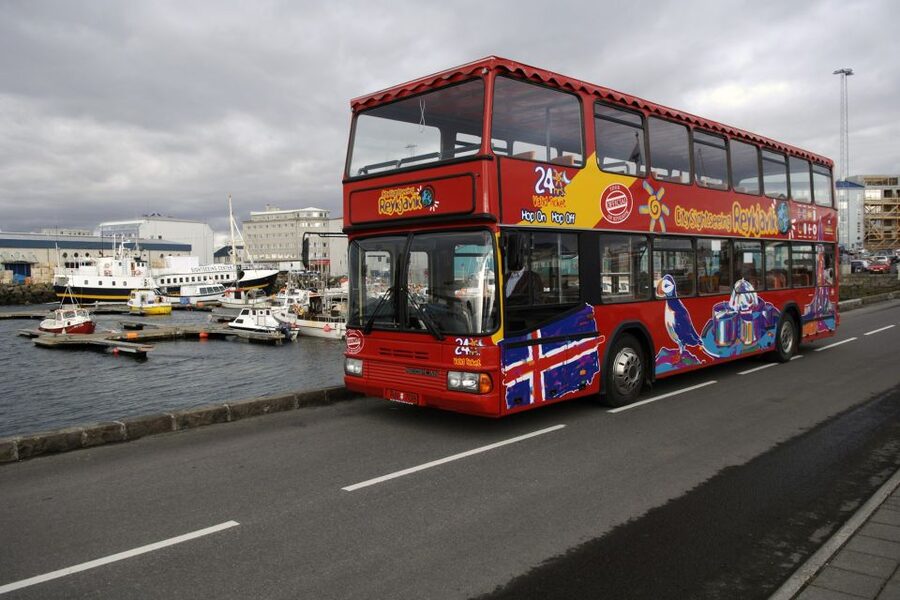
This tour is a great fit if:
- You’re short on time and want an efficient way to cover the core sights
- You’re traveling in rain or wind and want flexibility without constant rideshares
- You want audio context while you move between neighborhoods
You might skip it if:
- You only plan to walk everywhere and don’t need help connecting landmarks
- You prefer tours that focus deeply on one topic or one attraction at a time
Should you book this Reykjavik hop-on hop-off bus tour?
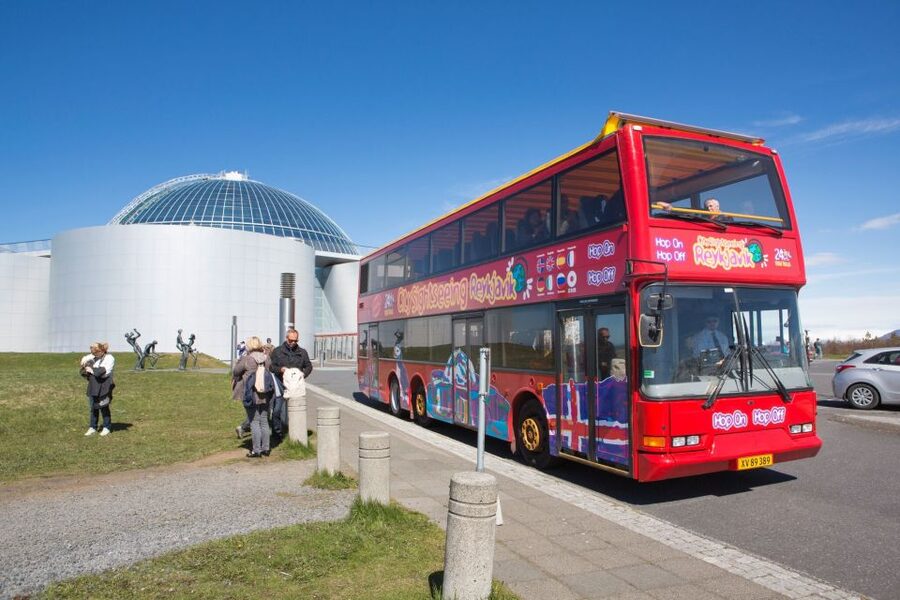
I’d book it if your goal is control—a first-day orientation, a flexible second-day plan, or a weather-proof way to see the main sights without overthinking routes. The audio guide helps you connect places like the National Museum of Iceland and harbor areas to the bigger story of Reykjavik and its surroundings.
If you’re deciding between doing this or spending the day walking only, choose based on your tolerance for cold waiting and your schedule tightness. For most visitors, the bus is the easiest way to turn Reykjavik into a series of doable stops instead of a stressful map problem.
FAQ
How long is the bus loop?
The tour duration is about 80 minutes.
How often do the buses run in summer?
From May 1 to Sep 30, buses depart every 30 minutes.
How often do the buses run in winter?
From Oct 1 to Apr 30, buses depart every 45 minutes.
What time are the first and last departures in winter?
In winter, the first departure from Stop 1 is 9:30am and the last departure from Stop 1 is 4:15pm.
What time are the first and last departures in summer?
In summer, the first departure from Stop 1 is 8:30am and the last departure from Stop 1 is 5:30pm.
Are mobile and paper vouchers accepted?
Yes. A mobile or paper voucher must be provided to board, and vouchers can be redeemed at any stop along the route.
Is entry to attractions included?
No. Entry to attractions is not included.
What languages are available for the audio commentary?
The audio guide is available in English, Spanish, French, German, Italian, Japanese, Swedish, and Icelandic.
Are pets or luggage allowed?
Pets are not allowed. Smoking is not allowed, and luggage or large bags are not allowed.