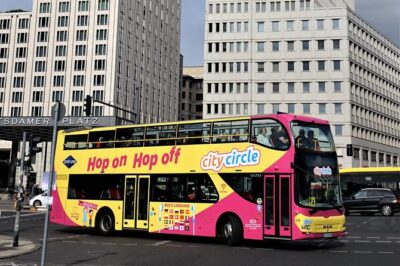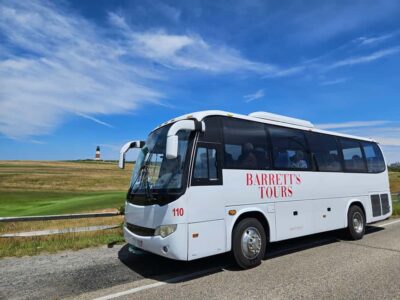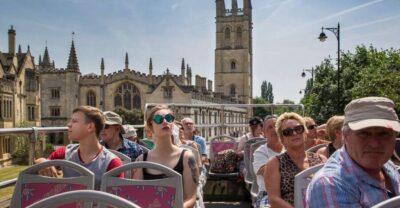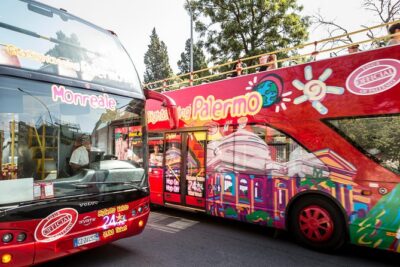
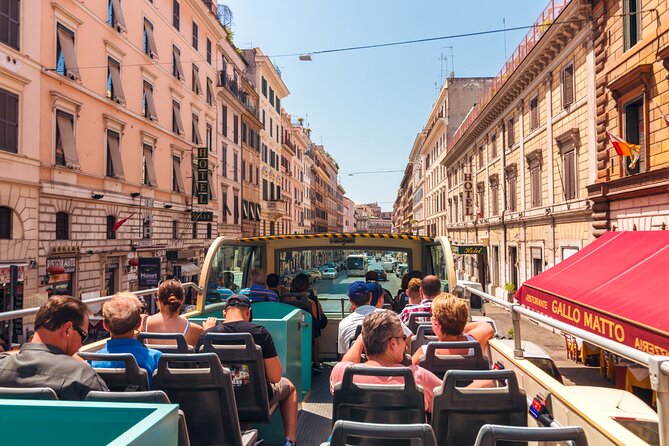
Rome is big; this bus helps you move. This hop-on hop-off route stitches together the major sights, from the Termini area past the Colosseum and onward to St. Peter’s, with panoramic open-top rides and English audio.
What I like most is the time-saving freedom. You choose how long you stay at each stop, and tickets can run for one, two, or three days so you can pace Rome instead of sprinting. I also like the practical mix of famous landmarks and rideable sightseeing points—circus, basilicas, and viewpoints—so you get back on the bus with a plan, not just hope.
The big consideration: Rome heat and traffic can be brutal. Some buses feel warm (especially in summer), crowds can make getting on and off slower, and stops aren’t always right at the exact front door of every attraction.
In This Review
- Key points to know before you board
- How this Rome hop-on hop-off bus fits a real sightseeing day
- Termini to Piazza dei Cinquecento: your launch pad and how to find the buses
- Santa Maria Maggiore stop: a quieter start before the big-name sights
- Colosseum area from Via San Gregorio: great views, but don’t expect a right-at-the-gate stop
- Circus Maximus viewpoint: scenic ride breaks and a different kind of Rome
- Via del Teatro di Marcello to Piazza Venezia: central ruins without the full museum commitment
- St. Peter’s Basilica stop at Lungotevere Tor di Nona: plan for Vatican crowds and bus delays
- Villa Borghese and Piazza Barberini: a practical way to reach central Rome vibes
- The English audio commentary: helpful when you line up with the stop
- Timing, traffic, and summer heat: the comfort reality in Rome
- Where this tour gives great value—and where it can disappoint
- What’s included (and what you’ll need to handle yourself)
- Price and value: is $40.81 a fair deal for your itinerary?
- Who should book this Rome hop-on hop-off bus?
- FAQ
- How long is this Rome hop-on hop-off bus tour?
- Is the audio commentary available in English?
- Does the ticket include entrance fees for the Colosseum or museums?
- Do I need to use my phone to board?
- What should I bring for summer weather?
- Can I cancel and get a refund?
- What if I miss the bus because I’m late?
- Should you book this Rome hop-on hop-off bus?
Key points to know before you board
- Green Line only: boarding is allowed only on GREEN LINE buses, with your voucher barcode scanned at entry.
- Stops are nearby, not at every entrance: expect “walk a bit” even at major sights.
- English audio does the heavy lifting: it’s there to guide you, though it may not always match every moment.
- Traffic can stretch the day: especially in the afternoon/evening, buses may run late.
- Summer comfort matters: bring hat, sunscreen, and water, and plan for long outdoor waits at stops.
How this Rome hop-on hop-off bus fits a real sightseeing day

Think of this tour as your moving base. Rome’s sights are spread out, and walking can chew up a whole day fast. With hop-on hop-off, you trade a little patience (lines, waiting between buses) for flexibility and fewer “how do we get there?” moments.
At its best, this is a smart way to get your bearings fast in a city that can feel like a maze. You ride, you look, you hop off where you want to spend time, and you return to the top deck for transit and views.
The route hits the big names you likely came for: Colosseum area, Circus Maximus viewpoint, and a Vatican-side stop at St. Peter’s Basilica. It also threads through central Rome with stops around Villa Borghese and Piazza Barberini, which is handy if you want a break from the absolute-hottest core sites.
Termini to Piazza dei Cinquecento: your launch pad and how to find the buses
Your first departure is at Piazza dei Cinquecento (TERMINI area, corner with via Cavour, 1). If you’re staying near Termini, this is convenient because it gives you a clear starting point instead of wrestling with transfers right away.
But do yourself a favor: plan to arrive early to the stop and be ready to show your voucher. Boarding is only on GREEN LINE buses, and the barcode on your email voucher is scanned when you enter. This is one of those details that can make or break the experience:
- Download the voucher before you head out.
- Keep your mobile device charged.
- Make sure the barcode is clearly visible for scanning.
If you’ve ever tried to scan something on a dying phone screen in a busy street crowd, you already know the downside. This is avoidable.
Santa Maria Maggiore stop: a quieter start before the big-name sights
The next key stop is Santa Maria Maggiore (P.za dell’Esquilino, 12). This part of the route is useful because it gives you an early dose of real Rome beyond the flashiest postcard moments.
From here, you can stretch your legs and reset your pace before the bus swings toward the Colosseum area. Santa Maria Maggiore also works well as a “time buffer.” If you’re jet-lagged, hot, or just want shorter visits early in the day, this is a good place to hop off without feeling like you must rush.
Colosseum area from Via San Gregorio: great views, but don’t expect a right-at-the-gate stop

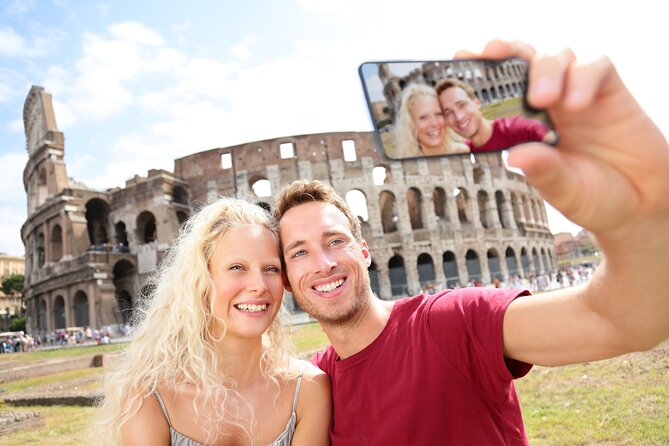
Stop 3 is Colosseum (Via San Gregorio, in front of the Palatine entrance). This is one of the most important locations on the loop because it puts you right where you want to be for the ancient core.
Reality check, though: you’re not guaranteed doorstep access to the Colosseum entrances. The bus stop is positioned so you’re close, but you still likely need to walk a bit to match the entrance that fits your plans. If you hate walking in summer heat, save energy by pairing your bus hop-off with an efficient visit plan (and bottled water).
Also keep in mind that the big sites often create crowd surges. Even if you’re doing this at a smart time of day, boarding your next bus can be slower when lots of people all want to leave the same landmark.
Circus Maximus viewpoint: scenic ride breaks and a different kind of Rome
Stop 4 is Circus Maximus (Belvedere Romolo e Remo). This one feels different from the Colosseum zone. Instead of focusing on one iconic ruin, the viewpoint helps you understand the scale of ancient Rome’s public spaces.
I like this stop because it’s a change of pace. You get a breather from “line up at the entrance” energy and more of that Rome feeling—big space, big sky, and a sense of how the city worked beyond the main monuments.
If you’re traveling with anyone who needs frequent rest stops or prefers shorter excursions, Circus Maximus is often easier to enjoy for a few minutes at a time and then continue.
Via del Teatro di Marcello to Piazza Venezia: central ruins without the full museum commitment
Stop 5 is Piazza Venezia (Via del Teatro di Marcello, 32–34 area). Nearby is Teatro di Marcello’s ruin zone, which is one of those places where you can see the city layered over ancient foundations.
This stop can be a smart “middle” point in your day. After the Colosseum and Circus Maximus, you’re often ready for something that feels significant but doesn’t automatically require a long, formal visit. Use it as a short walk + photo + coffee break moment.
Just remember: these hop-on hop-off stops are designed for convenience across a route, not for exact entrance alignment. If you’re trying to minimize walking as much as possible, plan for a little foot time here too.
St. Peter’s Basilica stop at Lungotevere Tor di Nona: plan for Vatican crowds and bus delays
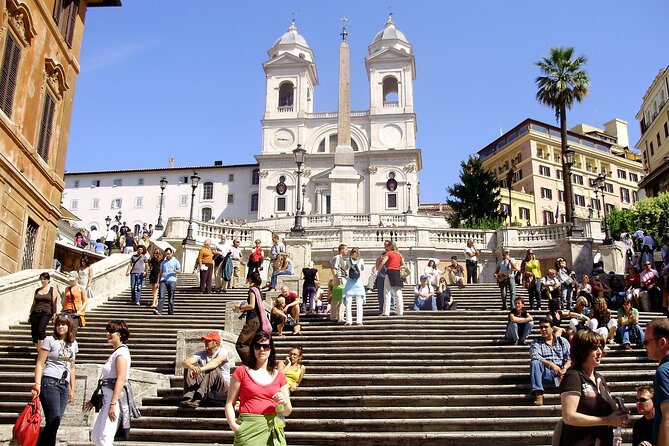
Stop 6 is St. Peter’s Basilica (Lungotevere Tor di Nona, 7). This is the part of the route many people use as their Vatican-side anchor.
Two things matter here:
- Vatican crowds can slow everything down, including your ability to get back on the bus quickly.
- Rome traffic can create delays, and afternoon/evening service is especially likely to run later.
So if you want a smooth day, I suggest you don’t treat the bus as your only timing tool. Build in buffer time. When a bus is delayed, it’s not just your schedule that shifts—your next hop-off plan shifts too.
Also, the bus audio and stop areas don’t replace the need for your own on-site navigation. Bring a simple plan for what you want to see at St. Peter’s so you’re not zig-zagging in crowds.
Villa Borghese and Piazza Barberini: a practical way to reach central Rome vibes
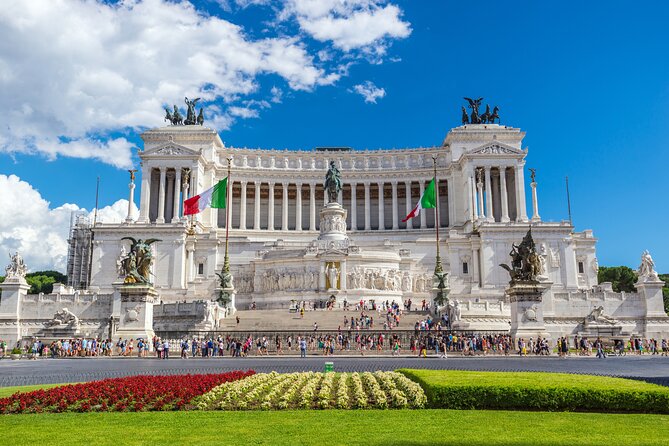
Stop 7 is Villa Borghese (Via Ludovisi, 48–49 area). Stop 8 is Piazza Barberini (Via Barberini, 14). These are great because they help you end up in a more central, tourist-friendly zone with access to parks, viewpoints, and calmer streets than the densest ancient cores.
I like this late-day or afternoon use because once you’ve done the “big monuments,” you can shift to Rome-at-your-own-speed. Hop off where you want a stroll, hop back on if you need a rest, and use the bus to connect you without having to constantly re-check transit routes.
If you’re traveling with kids or anyone who gets tired of walking, this kind of flexible pacing often makes the day feel lighter.
The English audio commentary: helpful when you line up with the stop
The tour includes on-board audio commentary in English, plus panoramic open-top riding. In practice, the audio is what turns a “ride past monuments” into an explanation of what you’re actually seeing.
That said, the experience can vary. Some people report that the audio doesn’t always line up perfectly with where they are on the route, and a few note audio equipment issues. You can reduce frustration by doing two simple things:
- Listen while the bus is moving between stops.
- Use your eyes and the stop location to confirm what you’re viewing rather than relying on the narration alone.
If the audio sounds wrong, ask the staff promptly for help rather than trying to fix it yourself. In a crowd, quick staff assistance matters.
Timing, traffic, and summer heat: the comfort reality in Rome
Rome runs on traffic patterns. This route is subject to city regulations and road conditions, and delays are more likely in the afternoon and evening. If your plan includes time-sensitive tickets or a specific reservation, don’t put everything on hop-on hop-off timing alone.
Then there’s summer. Rome can run hot for long stretches, and you’re on and off the bus at street stops. The tour guidance is clear: bring a hat, sunscreen, and sufficient drinking water.
Some riders describe buses without air conditioning and without shade/roof coverage on certain models, which can make waiting at stops feel longer than it needs to be. My practical advice:
- Start early in the day if you can.
- Plan shorter hop-off visits during peak heat.
- Carry water even if you think you’ll find it at stops.
The open-top view is part of the point, but in the hottest hours, the comfort tradeoff can outweigh the photos.
Where this tour gives great value—and where it can disappoint
This isn’t a museum guide. It’s a bus route that helps you cover ground. When it works, it’s excellent for first-timers and for people who like to steer their own day.
The most praised aspects in the overall feedback tend to be:
- The idea of saving time and seeing key sights across the day.
- The audio commentary and staff help when boarding goes smoothly.
- The relaxed vibe of riding top deck when conditions allow.
- Helpful guides who explain things well, with named staff like Francesco and Sev showing up in positive stories.
The most common problem areas are practical, not philosophical:
- Finding the correct stop and matching your ticket to the right bus can be confusing, especially if signage and scheduling aren’t obvious.
- Crowds can make buses feel full, so hopping off and re-boarding quickly isn’t always guaranteed.
- Bus stop placement is sometimes more general than you’d expect, which can be tough if you don’t want extra walking.
- On hot days, the lack of shade/air conditioning becomes a major complaint.
- Delays and occasional operational hiccups can happen.
In other words: this tour is a good plan, but it’s not a perfect machine.
What’s included (and what you’ll need to handle yourself)
Included:
- Hop-on hop-off sightseeing bus tour
- On-board audio commentary (if available)
- Panoramic open-top bus experience
Not included:
- Entrance tickets to attractions or museums
- Guided tours or guided visits
- Hotel pickup and drop-off
- Food and drinks
So you’re buying transit + audio + flexibility, not admission. For the Colosseum and Vatican areas, you’ll still need to plan and purchase the entry you want. I’d treat the bus as your transport backbone and build attraction visits separately.
Price and value: is $40.81 a fair deal for your itinerary?
At $40.81 per person, this can be a good value if you use the bus more than once and actually hop off at several meaningful stops. The price makes sense for a one-day day pass if you’re doing several major photo moments and one or two real visits.
It gets better if your trip allows 2 or 3 days. Hop-on hop-off works best when it becomes a routine: one day you explore on foot from one stop, next day you return to a different sector of Rome without starting from scratch.
Also note that bookings are commonly made well ahead (around 55 days on average). That doesn’t mean you have to plan that far out, but it is a sign that this is a popular “time saver,” especially in busy seasons.
If you plan to spend most of your day inside timed-entry attractions and rarely use the bus, then the value drops. In that case, you might be better with a more targeted option.
Who should book this Rome hop-on hop-off bus?
This bus fits well if:
- You want a low-effort way to see Rome’s top sights.
- You like flexible pacing over rigid guided structure.
- You want panoramic rides and audio explanations during transit.
- You’re visiting for the first time and need an easy way to connect distant neighborhoods.
It might not fit well if:
- You dislike waiting in heat or in crowds.
- You need stops right at every attraction entrance.
- You prefer every detail to be tightly timed and predictable.
- You can’t easily manage a mobile voucher and barcode scan for GREEN LINE boarding.
For mobility issues, the stop spacing can matter. Since stops can be in general areas rather than right at entrances, you’ll likely still be walking once you get off.
FAQ
How long is this Rome hop-on hop-off bus tour?
The tour is listed as about one day, with tickets also available for one, two, or three days depending on how much time you want to spend.
Is the audio commentary available in English?
Yes. The experience is offered in English, with on-board audio commentary included if available.
Does the ticket include entrance fees for the Colosseum or museums?
No. Entrance tickets to attractions or museums are not included.
Do I need to use my phone to board?
Yes. You download and present the voucher received by email, and boarding is allowed only on GREEN LINE buses where your voucher barcode is scanned.
What should I bring for summer weather?
Rome can be extremely hot in summer. Bring a hat, sunscreen, and enough drinking water for the day.
Can I cancel and get a refund?
Yes. You can cancel up to 24 hours in advance for a full refund. If you cancel within 24 hours of the start time, it won’t be refunded.
What if I miss the bus because I’m late?
No refunds are issued for missed tours due to late arrival, non-arrival, or failure to board the bus on time.
Should you book this Rome hop-on hop-off bus?
Book it if you want a practical way to stitch together Termini, the Colosseum area, Circus Maximus viewpoints, and the St. Peter’s side without constantly reorganizing your day. It’s a solid match for most first-timers because it gives you structure with freedom.
Skip or plan carefully if you’re sensitive to heat, don’t want extra walking from bus stops, or rely on very tight timing. In that case, treat the bus as transportation—not as a guaranteed clock—and build buffer time into your day. With that mindset, you’ll get what you paid for: a flexible Rome route that helps you see more while staying in control of your schedule.