Real history has teeth.
This English coach tour from Berlin gets you to Sachsenhausen with licensed guides trained by the memorial authority, plus round-trip transport that saves you the logistics headache. I like the structure: a guided walk through the camp’s key areas, then time to take it in, not just rush past it.
The main trade-off is time. In about four hours, you’ll see the headline parts, but you won’t have hours to read every single individual story at your own speed. Also plan for moderate walking on uneven ground, and it’s not a great fit if you have limited mobility.
In This Review
- Quick hits
- Why Sachsenhausen makes sense as a Berlin history day
- Price and value: what $68.77 actually covers
- Getting there from central Berlin without the stress
- Stop 1 in Oranienburg: the memorial walk that starts on the bus
- The core sights: commandant’s house, Tower A, and the gate phrase
- The death toll, the infirmary, and experimentation you can’t un-know
- After 1945: Soviet special camp period and more deaths (1945–50)
- How long is enough time in a place this heavy?
- Guide performance: why names like Ariel, Rebecca, and Irish Paul keep showing up
- Practical tips for your Sachsenhausen day trip (so you’re comfortable)
- Who should book this (and who might want a different format)
- Should you book this Sachsenhausen bus tour from Berlin?
- FAQ
- Is this tour in English?
- How long is the Sachsenhausen Concentration Camp bus tour?
- What is the price per person?
- What’s included in the tour price?
- What should I bring for the day?
- Where do I meet the tour?
- What time should I arrive?
- Is the tour suitable for limited mobility?
- Cancellation policy (quick note)
Quick hits
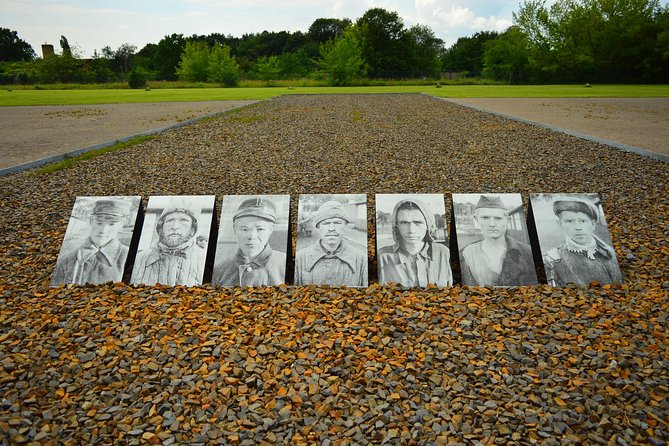
- Small-group coach trip between central Berlin and Oranienburg, about 25–28 people
- Licensed memorial-trained guide leads the walk and answers questions
- Entry included to the Sachsenhausen Memorial
- Tower A and ARBEIT MACHT FREI are part of the guided route
- World War II and the Soviet special camp period are both covered (1936–45, then 1945–50)
- Donation included: €3 per person to the Sachsenhausen Memorial
Why Sachsenhausen makes sense as a Berlin history day
Sachsenhausen sits in the orbit of Berlin, which is exactly why it works as a day trip. You’re not doing a huge overnight mission. You’re doing a focused, adult-sized history lesson with transport handled for you.
What makes this tour especially worthwhile is how it connects the big picture to what you can actually see. You get context before the walking starts—where prisoners were forced to work and what local people around Oranienburg likely understood about the camp system. That matters because the memorial isn’t just a set of buildings. It’s a place where ordinary systems—work, paperwork, bureaucracy—turned into machinery of abuse.
I also like the emotional pacing. You’re guided through the site with a tone that stays respectful. And on the return ride, you’re not just sent away. The guide is there for Berlin tips, so the day ends with momentum instead of a full-body history hangover.
Price and value: what $68.77 actually covers
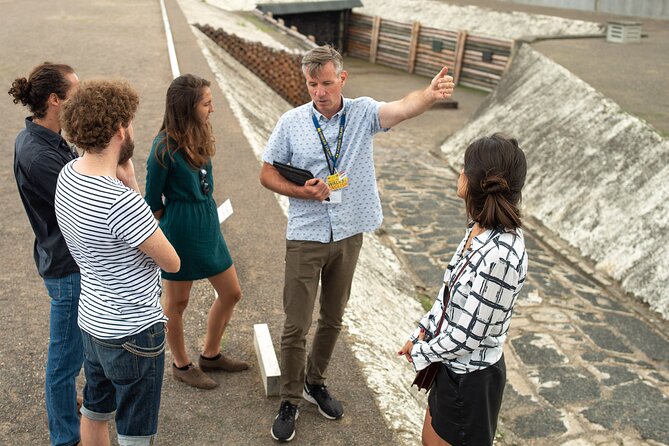
At about $68.77 per person, this tour isn’t priced like a “quick stop.” You’re paying for a full package:
- Air-conditioned round-trip coach
- A licensed guide trained by the memorial authority
- Admission to the Sachsenhausen Memorial
- A €3 donation per person to support the memorial
- An organized group visit in English
So the real value isn’t only the transport. It’s the combination of guide-led orientation and access. Memorial sites are hard to read on your own when you’re trying to figure out what you’re looking at and why it matters. A good guide does more than explain. They help you notice what’s easy to miss when you’re moving fast.
Also: you don’t have to plan dinner around a transfer. You’re back in Berlin the same day, and the tour route is built around seeing the key areas efficiently.
Getting there from central Berlin without the stress
The tour meets at the central starting point listed for the experience (Reichstagufer 17, 10117 Berlin), and the start time is 10:00 am. You’ll want to arrive 15 minutes early. That matters for places like this, where late arrivals can throw off the whole group’s timing.
Once you board the coach, you’re driven to Oranienburg. The day is designed for a smooth flow: outbound orientation en route, walking at the memorial, then an air-conditioned return to the Berlin meeting area (Friedrichstraße is mentioned as the West-side drop point).
Group size stays small—up to around 28 (and described as no larger than 25 in the experience highlights). That’s big enough to share the day, but small enough that the guide can keep track of the pacing.
One more practical note: the tour does involve walking, and it’s not recommended if you have limited mobility or walking impairments. If you’re unsure, it’s worth thinking hard about your comfort with uneven ground and sustained time on your feet.
Stop 1 in Oranienburg: the memorial walk that starts on the bus
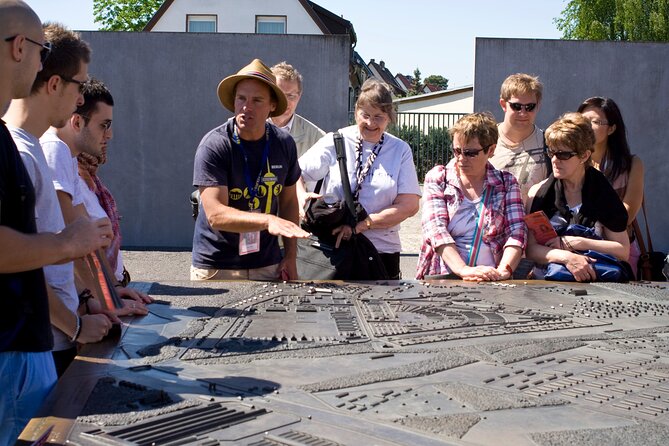
The walking part begins with a setup. En route, your guide introduces Sachsenhausen and helps you understand how the camp system functioned—down to where inmates would have worked around Oranienburg and what the local population may have known about what was happening.
That preface changes how you experience the site. When you reach the grounds, you’re not starting from scratch. You have a map in your head—socially, historically, and spatially.
Once there, you’ll walk around the interior areas of what the itinerary describes as a camp designed under Heinrich Himmler, modern and built to expand with the Nazi camp system. Then you’ll move through key structures tied to administration, control, and punishment.
This is also where the guide’s approach matters. Many guides on this route have a way of making hard facts land with clarity and respect. For example, the tour has been led by guides including Ariel, Hannah, Rebecca, Joseph, and Maria—and names like these show up again and again with themes of calm delivery, clear explanation, and a sensitivity matched to the topic.
The core sights: commandant’s house, Tower A, and the gate phrase
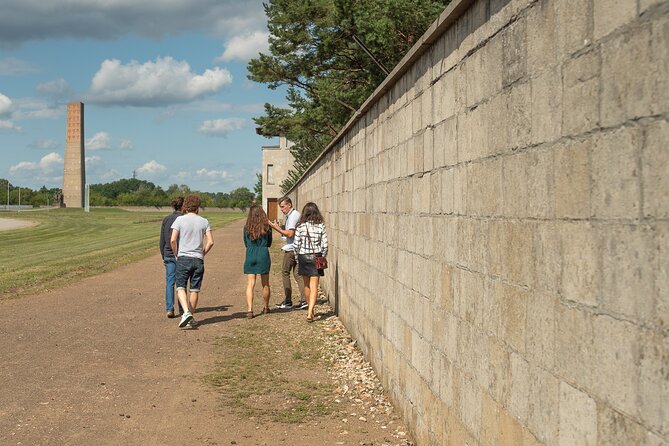
One of the most striking moments in the guided route is passing through areas where control and intimidation were concentrated.
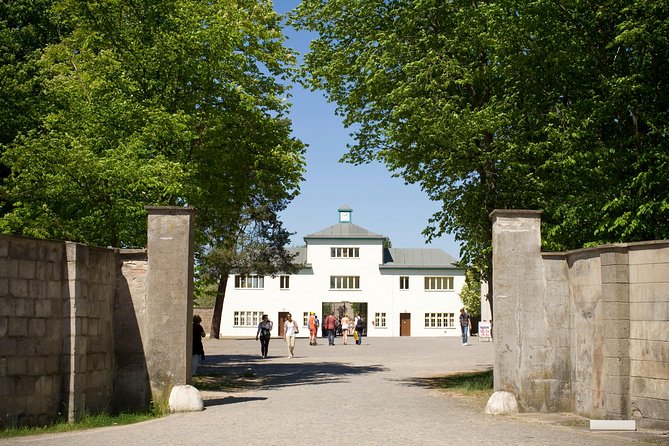
You’ll visit the commandant’s house, then head toward Tower A. This is where the famous words on the gate are still visible today: ARBEIT MACHT FREI. Even if you’ve seen the phrase before, seeing it here—surrounded by the camp’s reality—hits differently. The words weren’t a mystery slogan. They were propaganda wrapped around coercion.
This part of the tour is both historical and physical. You’re moving through spaces built for surveillance and command, and you’re learning what those spaces were meant to do to prisoners and to the system itself.
I’ll be direct: this is not the kind of place where you want to treat it like sightseeing. If you do, the site will correct you quickly.
The death toll, the infirmary, and experimentation you can’t un-know
The tour covers the years of Sachsenhausen’s operation in Nazi Germany and the human cost. You’ll hear that around 35,000 people died during the camp’s operation between 1936 and 1945.
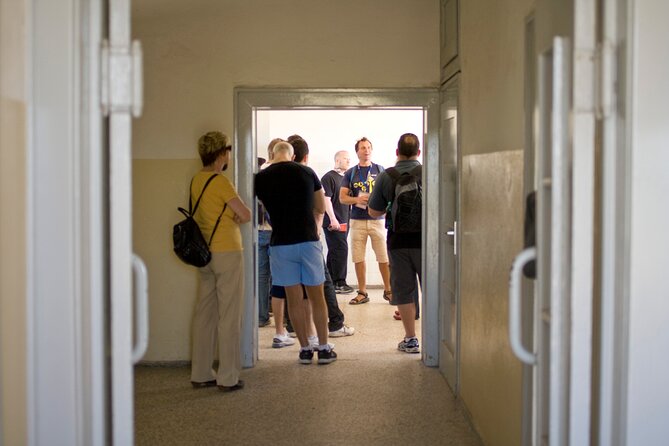
Then the route includes the infirmary barracks, where experimentation took place during the war. It’s a hard stop. The value here isn’t shock for shock’s sake. It’s understanding how violence was organized with medical and scientific language—and how that language was weaponized.
This is one reason I think a memorial-trained guide earns their fee. Without that, the information can become either too vague or too graphic without context. With the right framing, you get a clearer picture of what happened and why it was part of a larger system.
And yes, it can linger. One visitor described an especially intense moment at Z block, with a startling bodily reaction. That’s not something you can plan for, but it’s a reminder: some parts of the grounds are emotionally louder than you expect.
After 1945: Soviet special camp period and more deaths (1945–50)
A lot of tours focus only on the Nazi era. This one doesn’t stop there.
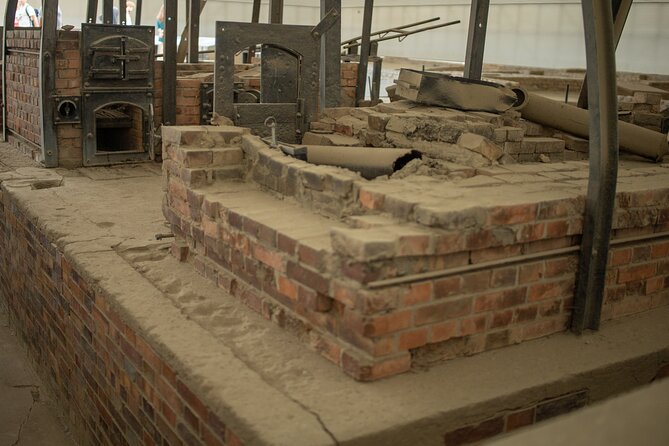
You’ll learn how Sachsenhausen was repurposed by the Soviets as a special camp after World War II. The itinerary notes that an additional 12,500 people died during the post-war period, 1945 to 1950.
That coverage matters because it broadens the story beyond a single regime. You still recognize Nazi crimes clearly, but you also see how imprisonment and abuse didn’t simply disappear after 1945.
It can be a challenging mental pivot—because it means you can’t file the site away as a closed chapter. It’s history, yes. But it’s also a lesson about how power structures can keep operating even after governments change.
How long is enough time in a place this heavy?
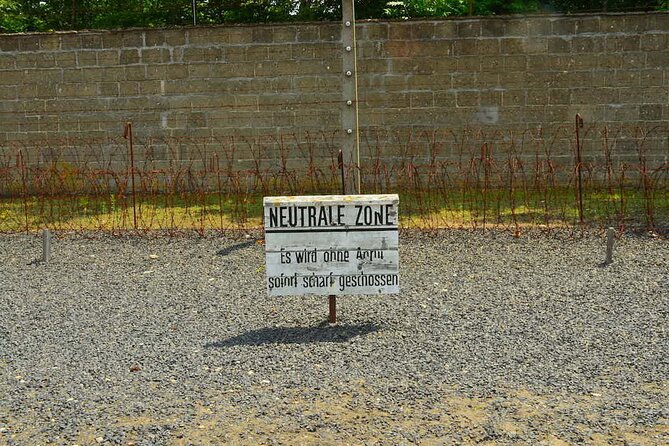
The tour runs about 4 hours, including admission. That means you’ll see the headline parts of the memorial and get the guided explanation that turns those headline parts into meaning.
However, time is the limiting factor. More than one experience note points out an “express” feel. The upside is you get a coherent, well-led overview. The downside is you may not have the quiet minutes needed to read every individual story marker at length.
So here’s how I suggest you think about it:
- If you want a guided framework fast and respectful, this tour fits.
- If you’re the type who reads every panel and wants long pauses in front of personal histories, you’ll likely want extra time—either by returning later or planning an independent visit too.
And for an independent follow-up, your biggest practical move is simple: bring patience. Memorials like this reward slowing down, not rushing.
Guide performance: why names like Ariel, Rebecca, and Irish Paul keep showing up
The tour’s review pattern is consistent: people repeatedly praise the guide’s ability to handle a severe subject with respect, clarity, and structure.
Guides named in the experience include Ariel, Hannah, Rebecca, Joseph, Maria, Irish Paul, Joshua, Mikhail, Jamie S, Klaus, Campbell, and Michal. What ties many of these experiences together is a few traits you should look for when you book:
- Clear explanations that connect the Nazi system to what you see in front of you
- Respectful pacing in emotionally heavy areas
- Willingness to answer questions
- Extra care on the return ride—like suggestions for where to eat and what to see in Berlin
One helpful example from the experience details: Hannah is noted for bringing a personal story into the conversation, which helped a nervous first-time visitor feel more grounded before the camp walk.
No guide can make the topic easy. But the right guide can make it understandable—and understandable is what helps you leave with more than just images.
Practical tips for your Sachsenhausen day trip (so you’re comfortable)
This tour asks you to do a lot of walking in a short window, so comfort isn’t a luxury.
Here’s what I recommend based on what the experience provides and what people highlight:
- Bring snacks and a drink. Food and drinks are not included.
- Dress for cold. One experience note mentions the site felt extra harrowing in snow and cold. Layers matter.
- Wear shoes that handle uneven ground. Your feet will remember this day.
- Bring your patience. The schedule is structured, but the emotions are not.
- Use your mobile ticket when boarding.
- Arrive 15 minutes early at the meeting point. It keeps the whole group moving.
Also: since you’re not in a museum with endless seating, think ahead about your energy level. If you’re likely to need frequent breaks, plan shorter independent time afterward and give yourself a lighter evening in Berlin.
Who should book this (and who might want a different format)
This tour is a strong fit if:
- You want a Berlin-based day trip with transport handled
- You want an English guide trained specifically for this memorial
- You prefer a structured overview in about 4 hours
- You’re visiting Berlin for a short time and want maximum learning per day
You might choose a different approach if:
- You have limited mobility or struggle with sustained walking
- You feel you need much more time to read and reflect on individual stories without group pacing
- You’re the type who likes to wander at your own speed rather than follow a route
Remember: the “express” pace isn’t wrong. It’s just a different goal. This tour aims for coherence, not marathon reading.
Should you book this Sachsenhausen bus tour from Berlin?
If you want a guided, respectful introduction to Sachsenhausen with entry included, a small-group coach ride, and a guide trained by the memorial authority, I think it’s an easy yes.
Book it if your priority is: learn the history clearly, see the camp’s key areas, and return to Berlin ready for the rest of your trip.
Consider another approach if your priority is: spend extra time at every memorial text and story marker with no time limits. In that case, you’ll still benefit from a guide—but you might want a longer format or an additional independent visit.
Either way, go prepared to treat the day with seriousness. This is history you don’t “finish.” You carry it out with you—and that’s exactly the point.
FAQ
Is this tour in English?
Yes. The experience is offered in English.
How long is the Sachsenhausen Concentration Camp bus tour?
It lasts about 4 hours.
What is the price per person?
The price is $68.77 per person.
What’s included in the tour price?
You get an air-conditioned vehicle, a licensed guide trained by the memorial authority, entry into the Sachsenhausen Memorial, the group camp tour, and the return trip back to central Berlin. A €3 donation per person to the Sachsenhausen memorial is also included.
What should I bring for the day?
Food and drinks are not included, so bring snacks and a drink. Comfortable walking clothes and shoes are also a good idea.
Where do I meet the tour?
The tour lists a central meeting point at Reichstagufer 17, 10117 Berlin. The experience also references Friedrichstraße for boarding and the return point, so plan to check the exact instructions you receive at booking.
What time should I arrive?
Arrive 15 minutes before the tour departure time. The start time is 10:00 am.
Is the tour suitable for limited mobility?
It’s not recommended for individuals with limited mobility or walking impairments. The tour says it’s best for people with moderate physical fitness.
Cancellation policy (quick note)
Free cancellation is available up to 24 hours before the start time for a full refund.