Split’s stories start at the bus stop. This ticket pairs the Red Line hop-on hop-off loop with two guided panoramic days, so you can build a Split itinerary around views, beaches, and history. You’ll also get a free guided walk around Diocletian’s Palace, which is the kind of add-on that makes the whole day feel more meaningful.
What I like most is how quickly you can “get your bearings.” The Red Line hits classic spots like Riva Promenade for waterfront energy and Marjan Hill for pine-forest views that feel a world away from the Old Town crowds.
The only real drawback to plan for is timing: the Red Line runs with a 60-minute frequency, so you may wait longer than you expect at some stops. If you already saw the palace in detail on another tour, the walking tour may feel repetitive too.
In This Review
- Key highlights at a glance
- How the 24- vs 48-hour ticket fits real Split days
- Red Line: hop-on views from Riva to Marjan Hill (and beyond)
- Apodos Bus Station (your main anchor)
- Bacvice Beach (sandy break)
- Archaeological Museum (for the “what came before” crowd)
- Poljud Football Stadium (big-city football energy)
- Gallery Mestrovic (art if you can spare time)
- St. Francis Church and Monastery (quiet detail stop)
- National Theatre (the “civic” Split moment)
- Riva Promenade (where your legs take you)
- Marjan Hill (the selfie backdrop people talk about)
- Blue Line panoramic history: Trogir, Salona, and Klis viewpoints
- Apodos Bus Station (departure start)
- Trogir’s cobblestone charm
- Salona Roman ruins (where the timeline stretches)
- Klis area viewpoints (with entries extra)
- Audio + guide context on the road
- Green Line nature and olive country: Ethno-Village, olive oil, and Klis
- Ethno-Village (rustic culture stop)
- Olive Oil and essential oils (hands-on story)
- Olive Oil Museum Klis (where it clicks)
- Secret Dalmatia (the stop with a show factor)
- Klis (again, different angle)
- Diocletian’s Palace walking tour: the part that makes Split snap into focus
- Who leads it (and why names matter)
- What you’ll learn on the ground
- What to do if you want more after the walk
- Price and value: what you pay $31 for, and what costs extra
- Timing tips that stop you from losing time at the stops
- Red Line frequency: plan for waits
- Use the hours that match the mood
- Bring the right small stuff
- Know the wheelchair note
- Who should book this, and who might skip it
- Should you book Split City Sightseeing Hop-On Hop-Off plus Blue/Green extras?
- FAQ
- Is the Red Line hop-on hop-off?
- How often does the Red Line bus run?
- Are the Blue Line and Green Line hop-on hop-off?
- What time are the Blue Line and Green Line tours?
- What’s the meeting point for the bus tours and walking tour?
- Are entry fees included for Klis Fortress, Salona, or Hidden Dalmatia?
- What languages are available for the audio guide?
Key highlights at a glance
- Marjan Hill viewpoints with strong “camera moment” energy and wide island views
- Riva Promenade stop right where the food-and-drink scene lives
- Blue Line panoramic history day from Trogir to Salona and viewpoints at Klis (entries extra)
- Green Line nature and olive stops including Olive Oil Museum Klis (entries extra)
- Diocletian’s Palace walking tour led by guides such as Miron, Ina, and Natasha
- Audio guide in 10 languages on the buses, so you can move at your own pace
How the 24- vs 48-hour ticket fits real Split days
This is a value-heavy setup because you’re not just buying one ride. You’re getting the Red Line hop-on hop-off plus two separate panoramic bus tours (Blue and Green), and a guided walking tour inside Split.
Your choice is 24 hours or 48 hours on the Red Line. Practically, that means:
- A 24-hour ticket works if you want the highlights and one or two longer stopovers (Marjan Hill is the usual “must-do”).
- A 48-hour ticket helps if you like to linger, hop off for photos and coffee, then come back without racing the clock.
The Red Line is designed to be flexible, but it’s not “every few minutes flexible.” Plan around the schedule and use hop-offs strategically. Your time is better spent at the long-view stops (Marjan Hill, Archaeological Museum area) than bouncing around too many short stops.
Red Line: hop-on views from Riva to Marjan Hill (and beyond)
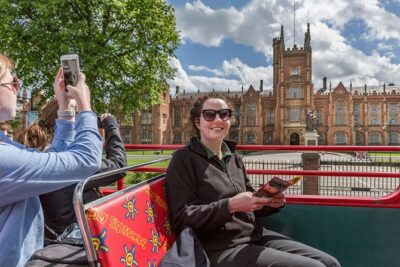
The Red Line is the easy backbone of the day. It runs 10:30am to 5pm, with buses every 60 minutes, and each ride is about 75 minutes. This is open-top, and sun matters—bring a hat.
Apodos Bus Station (your main anchor)
Most routes start from Apodos Bus Station, which is convenient if you’re hopping between Old Town and the waterfront. I like using it as your “home base” when you want to reset and continue later.
Bacvice Beach (sandy break)
This stop is for an instant change of pace. Bacvice is a classic seaside spot, and it’s a good place to stretch your legs, especially if you spent the morning in monuments and stone streets.
Archaeological Museum (for the “what came before” crowd)
If you want more context than a quick photo stop, this is one of the smarter choices. You’ll see it on the Red Line, and it sets you up well for the walking tour later—Split didn’t appear out of nowhere.
Poljud Football Stadium (big-city football energy)
This is a photo stop more than a “wander for hours” stop. Still, it helps you see another side of Split—less postcard Old Town, more modern landmark scale.
Gallery Mestrovic (art if you can spare time)
This one is for people who enjoy sculpture and design. If you’re short on time, you can skip it. If you’re not, it’s a solid use of a bus hop-off slot.
St. Francis Church and Monastery (quiet detail stop)
This is where you slow down. Even if you don’t go in, the location gives you a calmer breather between bus segments and city sights.
National Theatre (the “civic” Split moment)
This is a good stop for atmosphere and photos—think grand facades and promenade-adjacent views.
Riva Promenade (where your legs take you)
This is one of the most practical stops because you’ll be close to the most walkable part of Split’s waterfront life. I like starting or ending here because you can grab something to drink, then decide if you want another bus hop.
Marjan Hill (the selfie backdrop people talk about)
Marjan Hill is the Red Line star. The route takes you through fragrant pine forests, then up to viewpoints over Split and the surrounding islands. This is also where you’ll want your camera ready, since the view is the whole point.
Real planning tip: if you’re going to spend time off the bus, make Marjan Hill your primary stop. It pays off more than hopping through multiple “quick look” locations.
Blue Line panoramic history: Trogir, Salona, and Klis viewpoints
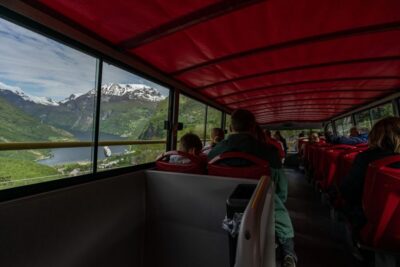
The Blue Line is not hop-on hop-off. It’s a guided panoramic day with set timing. You depart 9:00am and return by 4:00pm. That matters because you’re choosing a full day arc: Old Town learning, Roman-era stops, and then viewpoints that give you perspective.
Apodos Bus Station (departure start)
Again, you’re anchored near the same meeting area, so you don’t have to figure out new transport once you’re in the right zone.
Trogir’s cobblestone charm
Trogir is the first big “wow” break on the Blue Line. This is one of the stops that tends to feel like a reward for the ride time—compact streets, historic vibe, and easy-to-enjoy wandering.
Salona Roman ruins (where the timeline stretches)
This is the historical heavyweight. You’ll see ancient Roman remnants and get a sense of how far back Split’s story goes. Entry fees for Salona Archaeological Park aren’t included, so if you want to go inside, budget that extra.
Klis area viewpoints (with entries extra)
Klis is a key part of why the Blue Line works. The route brings you toward spectacular views and a fortress-side perspective. You’ll also face the “cost planning” item: Klis Fortress entry is not included on the Blue and Green lines.
Some people love this stop most because it turns history into geography. You can see why forts made sense here—this is the view you build strategies around.
Audio + guide context on the road
The Blue Line includes an expert guide, and the bus gives you story time between stops. You don’t have to be “museum-mode” all day, but you’ll come away with a clearer map of what you’re looking at.
Green Line nature and olive country: Ethno-Village, olive oil, and Klis
The Green Line is also not hop-on hop-off. It’s set for 12:45pm to 4:00pm. That makes it an ideal second-day add-on, or a late afternoon option if you want your morning free.
Ethno-Village (rustic culture stop)
This is the softer side of the experience. You’ll learn about traditional ways of life and the surrounding area’s character. Even if you don’t linger long, it gives you a human layer that balances the Roman-focused Blue Line.
Olive Oil and essential oils (hands-on story)
One of the Green Line goals is to show how olive products are made. You’ll get explanations of olive oil and essential oils as part of the tour, which makes the later olive museum visit feel more connected.
Olive Oil Museum Klis (where it clicks)
This is a top pick stop based on feedback you can plan around. People consistently rate Klis and the olive museum as well worth the extra admission. If you’re even mildly interested in food culture or craft processes, this is where you’ll get your money’s worth.
Secret Dalmatia (the stop with a show factor)
Hidden Dalmatia Visitors Centre (listed as Secret Dalmatia) is where you may encounter a short “presentation” style experience. One review called the VR experience okay, while still ranking the day’s other stops as excellent—so think of it as a bonus rather than the main event.
Klis (again, different angle)
You’ll see Klis on this line too, but the tone differs. On Blue, it’s tied to a history day. On Green, it’s tied to nature, craft, and local production. That contrast is useful if you’re doing both tours.
Diocletian’s Palace walking tour: the part that makes Split snap into focus
This free guided walking tour is 1 hour, with departures at 9:30am, 11:30am, 1:30pm, 4:30pm, and 6pm. It’s not a “walk and you’re done” thing. The point is context—why the palace matters and how the space got used over time.
And it’s very practical for you: if you’re using the bus to see the city, the palace walk is where you learn how the city got built on top of itself.
Who leads it (and why names matter)
On different departures, I’ve seen guides such as Miron, Ina, and Natasha lead the palace tour. That’s a good sign because the pacing and storytelling come through in how people describe their sessions.
What you’ll learn on the ground
You’ll learn how Emperor Diocletian built the palace as his retirement home, plus fun cultural connections that help the site stick in your memory. Game of Thrones comes up too, specifically where dragons were kept in the show’s storyline.
Even if you’re not into pop culture, these details do a useful job: they give you hooks. When you’re standing in the palace corridors, you’ll have a mental index for what you’re seeing.
What to do if you want more after the walk
This walk is a great starter. After it, hop back to the Red Line and use Riva Promenade or Marjan Hill for fresh air and a reset. The tour gives you the “why”; the bus gives you the “so what.”
Price and value: what you pay $31 for, and what costs extra
At $31 per person, this package is all about bundling. You’re paying for multiple components at once:
- Red Line hop-on hop-off bus (24 or 48 hours)
- Blue Line panoramic bus day
- Green Line panoramic bus day
- Free Diocletian’s Palace walking tour
- Audio guide in 10 languages with headphones
What’s not included is important for budgeting:
- Klis Fortress entry (Blue and Green)
- Salona Archaeological Park entry (Blue)
- Hidden Dalmatia Visitors Centre entry (Blue)
So here’s the value logic I’d use if I were planning your schedule. If you’re likely to pay at least for one big admission (Klis, Salona, or Hidden Dalmatia), you’re already closer to “net worth it.” If you’re determined to avoid entrances completely, the price is still reasonable for the bus + guide, but you’ll feel less of that all-in bundle benefit.
Also, one review specifically praised the olive museum and Klis as worth additional admissions. If you’re the type who likes to turn tours into tickets into actual exhibits, this package fits your style.
Timing tips that stop you from losing time at the stops
This is where many sightseeing days go wrong, so I’ll keep it practical.
Red Line frequency: plan for waits
The Red Line runs roughly every 60 minutes. That means you shouldn’t treat every stop as a quick look. If you hop off for 10 minutes, you might spend more time waiting than touring.
Use this rule of thumb:
- Spend longer at Marjan Hill and Riva Promenade.
- Keep most other stops as photo-and-stroll lengths.
Use the hours that match the mood
- Morning on Red Line works well for quieter city energy and museum timing.
- Afternoon often works best for viewpoints like Marjan Hill, especially if you like soft light for photos.
- Green Line starts 12:45pm, so it’s a good “second half of the day” plan.
Bring the right small stuff
You’ll walk, climb a little on viewpoints, and wait in sun. Bring:
- Comfortable shoes
- Sun hat
- Sunscreen
- Camera
Comfortable clothes matter too, since you’ll be moving between bus stops and street-level attractions.
Know the wheelchair note
Wheelchair access is listed as wheelchair accessible, but open-top buses can have limited access. If that’s relevant for you, plan for sun and keep expectations realistic about boarding.
Who should book this, and who might skip it
This package is a strong match for you if:
- You want multiple angles of Split in a short time: Old Town context, viewpoints, and day trips.
- You like a mix of bus touring and one guided walk that ties it together.
- You’re interested in at least one paid admission stop like Klis or Salona.
It may be less ideal if:
- Your priority is only one neighborhood or only museums, and you hate waiting around for transport.
- You’ve already covered Diocletian’s Palace deeply and don’t want a second walkthrough.
- You dislike structured timing days (because Blue and Green are set schedule).
Should you book Split City Sightseeing Hop-On Hop-Off plus Blue/Green extras?
I’d book it if you’re trying to do a lot without building a complicated itinerary from scratch. The Red Line gives you an easy way to bounce between waterfront life and the pine-view escape at Marjan Hill. The palace walking tour is the glue that helps everything make sense, and the Blue/Green days are built for perspective—Roman remains on Blue, olive-and-nature on Green.
If you hate schedule gaps, plan your hops around the major stops and accept that this is not a “catch the bus anytime” system. Treat it like a guided structure with flexibility where it matters: views, key sites, and the timing that saves your brain.
FAQ
Is the Red Line hop-on hop-off?
Yes. The Red Line is a hop-on hop-off bus tour, and you can get on and off at specially selected stops.
How often does the Red Line bus run?
The Red Line runs from 10:30am to 5pm, with buses approximately every 60 minutes. The tour duration is listed as 75 minutes.
Are the Blue Line and Green Line hop-on hop-off?
No. The Blue Line and Green Line panoramic tours are not hop-on hop-off. They run on fixed schedules.
What time are the Blue Line and Green Line tours?
The Blue Line departs at 9am and returns at 4pm. The Green Line departs at 12:45pm and arrives at 4pm.
What’s the meeting point for the bus tours and walking tour?
The meeting point is Obala Lazareta 3, 21000, Split for all bus tours and the guided walking tour.
Are entry fees included for Klis Fortress, Salona, or Hidden Dalmatia?
No. Entry fees for Klis Fortress, Salona Archaeological Park, and the Hidden Dalmatia Visitors Centre are not included.
What languages are available for the audio guide?
The audio guide is available in English, Spanish, Italian, German, Croatian, French, Portuguese, Dutch, Swedish, and Russian.