Hip hop’s origin story isn’t in a museum. It’s on Harlem blocks and Bronx streets.
What makes this tour stand out is the mix of guided storytelling, hip-hop musician leadership, and real photo stops like the Apollo Theater plus locations tied to the genre’s early days.
I especially like that the tour is built around a guide who can talk the talk and the craft, with names like Rayza and Mike C showing up as part of the tour’s guiding energy. A key consideration: it’s a 3-hour format with strict vehicle rules, so if you need lots of walking time, stroller space, or you plan to bring larger bags, you’ll want to plan ahead.
In This Review
- Key things that make this tour worth your time
- Starting at 1220 Fifth Avenue: Where your hip-hop ride begins
- The 3-hour route: How the story moves from overlooked hubs to iconic stops
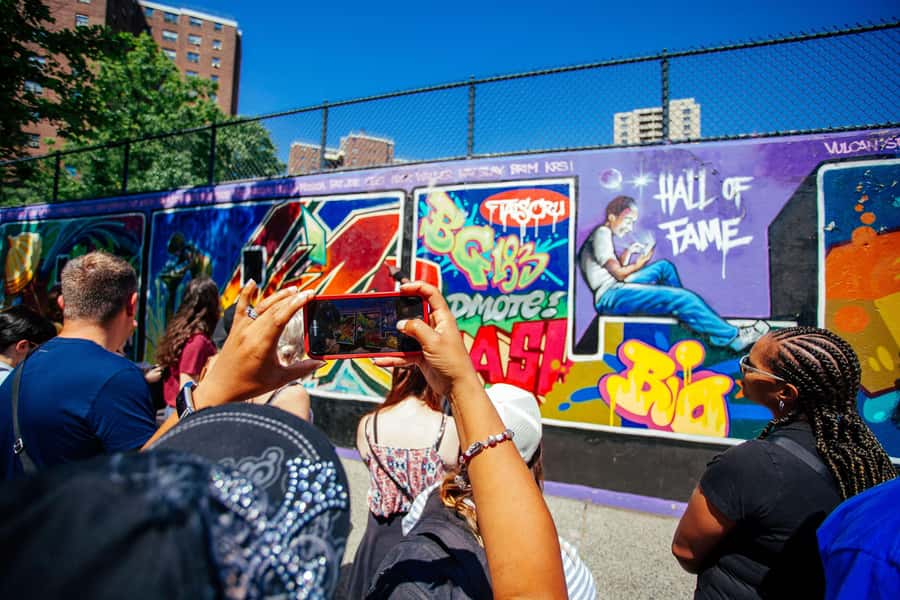
- Graffiti Hall of Fame: Street art as a living timeline
- Apollo Theater in Harlem: A photo stop with real cultural weight
- 1520 Sedgwick Avenue and the Bronx Walk of Fame: Roots you can locate
- The guides are the product: Rayza, Mike C, and driver energy
- Live performance and interaction: Why this isn’t a silent lecture
- Price and value: Is $95 for a 3-hour tour fair?
- Who should book this hip-hop birthplace bus tour
- Want handouts in your language? Check in for printed support
- Should you book it? My practical call
- FAQ
- How long is the Hip Hop Bus Tour?
- What does the tour cost?
- Where do I meet the tour?
- What’s included in the price?
- Is lunch included?
- What language is the tour guide?
- Are strollers or large bags allowed?
- Is smoking or alcohol allowed during the tour?
- Is there free cancellation?
Key things that make this tour worth your time
- Graffiti Hall of Fame stop for street-art context you can see, not just hear
- Apollo Theater photo moment in Harlem, timed for easy camera shots
- 1520 Sedgwick Avenue visit plus Bronx Walk of Fame stops that ground the story
- Hip-hop musician guide format, with live performance and interaction built in
- Manhattan-to-Bronx bus route designed to show how the culture evolved across neighborhoods
Starting at 1220 Fifth Avenue: Where your hip-hop ride begins
You meet at 1220 Fifth Avenue, at the entrance to the Museum of the City of New York. It’s a handy, central pickup point if you’re already in Midtown, and it helps you avoid the usual scramble that can happen with neighborhood tours.
Once you’re onboard, the tone is set quickly: you’re not just passing landmarks from a distance. The bus route is paired with a guided narrative meant to connect the dots between places and people—especially the early conditions that helped hip hop take form. The whole experience runs for about 3 hours, so you get a full story arc without feeling like you’re trapped on a long ride.
One practical note from the rules list: the tour has restrictions on things like smoking, video recording, and audio recording, plus limitations on luggage or large bags, and no strollers/carriages/baby buggies storage included for infants. If you’re traveling light, you’ll find this much easier.
The 3-hour route: How the story moves from overlooked hubs to iconic stops
This tour’s big promise is simple: you ride through parts of NYC that are important to hip hop, including some overlooked historical hubs, not just the places everyone already posts online.
The structure works like this:
- You start with context while you’re moving through Manhattan and the Bronx.
- Then you hit photo-friendly stops where you can point to the story: a major Harlem landmark, and specific Bronx locations.
- Along the way, the guide keeps it grounded in what hip hop actually was at different stages, tied to the people who were there early.
It’s also framed as an overview of over three decades of hip-hop influence. That doesn’t mean you’ll get a textbook timeline. Instead, you’ll get a guided explanation of how the culture evolved through real-world scenes—how blocks, clubs, and creative networks shaped what came next.
For me, the value is that it’s not only nostalgia. It’s also about how the culture built its own rules and platforms: where artists practiced, performed, and gained momentum.
Graffiti Hall of Fame: Street art as a living timeline
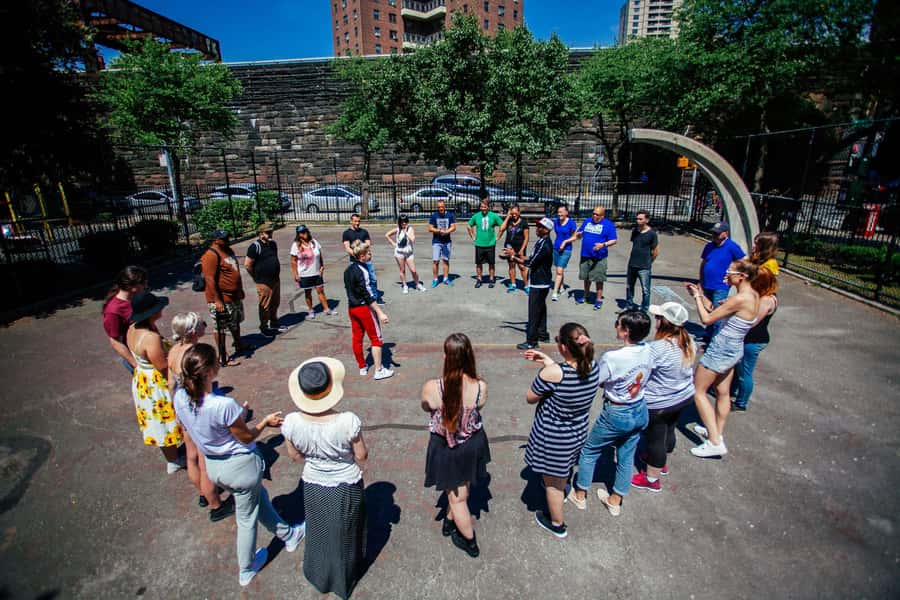
One of the stops you can plan around is the Graffiti Hall of Fame. Even if you’re not the kind of person who hunts for street-art walls on your own, this is the part that helps you see graffiti in the right frame.
Instead of treating graffiti like random visuals, the tour approach links it to creative identity and early expression. In many hip-hop origins stories, graffiti sits right next to the other core elements as a way artists put their mark on the environment and build recognition in public space.
Why this stop matters for you: it gives you a way to understand hip hop’s visual language without needing background reading first. You can stand there, look around, and connect what you see to how the culture communicated.
What to watch for: street-art stops are great for photos, but the tour rules also limit certain filming. If your plan is to shoot lots of video, adjust expectations and rely more on still photos and the guide’s narration.
Apollo Theater in Harlem: A photo stop with real cultural weight

Next up is the Apollo Theater in Harlem—the kind of landmark you’ve probably seen in movies or heard about in music history. Here, it’s positioned as a key connection point: where performance culture met mass attention.
The tour makes the stop photo-friendly, so you’re not fighting for angles while the bus rolls away. You get the moment, take your picture, and move on with a story tied directly to what the Apollo represents in hip hop performance culture.
This is also a good moment for you to pay attention to how the guide explains the relationship between stage and street. Hip hop didn’t just happen in isolation. It traveled—between venues, neighborhoods, and audiences—and the Apollo is one of the most recognizable symbols of that.
Small drawback to consider: photo stops are never as long as you might want on a day trip. If you’re the type who wants to linger and explore the surrounding area independently, you may wish you had more time. Still, for a 3-hour tour, this stop is well placed.
1520 Sedgwick Avenue and the Bronx Walk of Fame: Roots you can locate
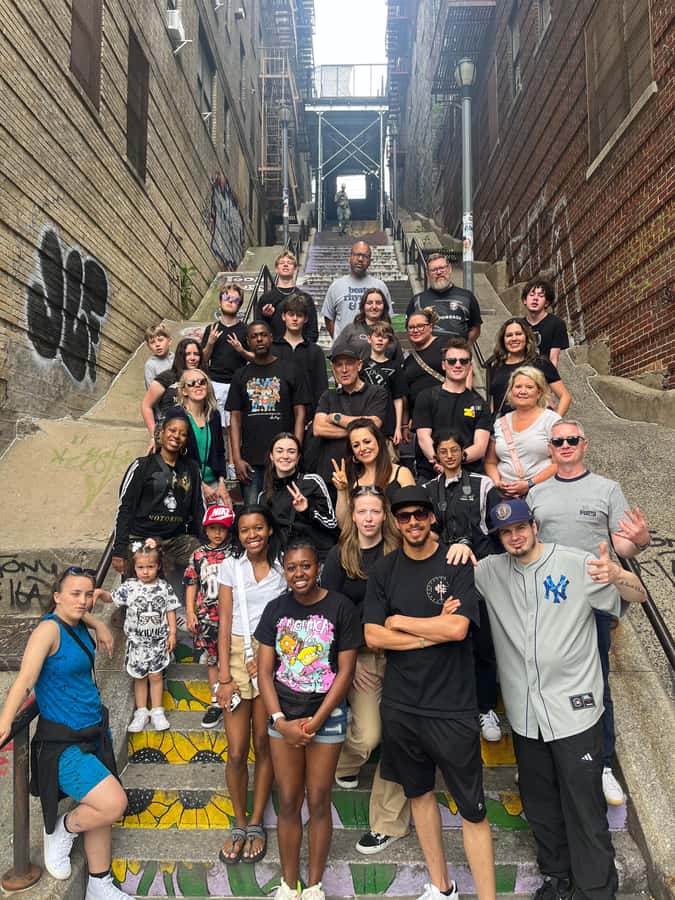
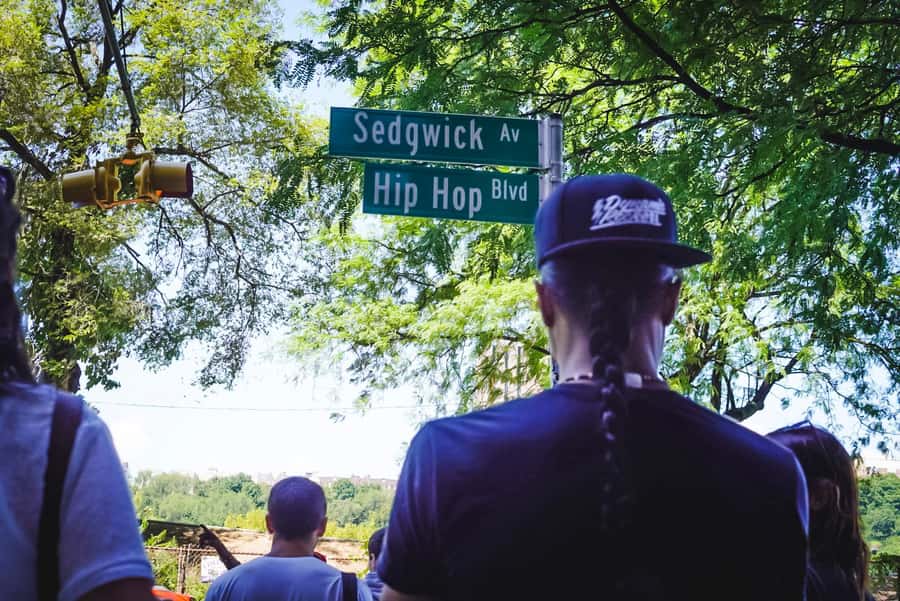
In the Bronx, the tour gets specific. You’ll visit 1520 Sedgwick Avenue, Bronx, NY, and then go to the Bronx Walk of Fame.
Specific addresses and named locations matter, because they turn a story into a place you can remember. Instead of relying on vibes, you’re learning the route of influence—where early scenes were tied to neighborhoods, blocks, and community spaces.
Why these stops are strong:
- 1520 Sedgwick Avenue helps you connect hip hop’s origin story to an exact street location.
- The Bronx Walk of Fame adds a public-facing layer, making it easier to recognize names and cultural markers in a single glance.
Potential limitation: this section is still inside a bus-tour framework. So if you want to do deeper research on your own afterward—looking up other nearby sites or pairing the tour with independent exploration—that’s where you’ll get the most extra value.
The guides are the product: Rayza, Mike C, and driver energy
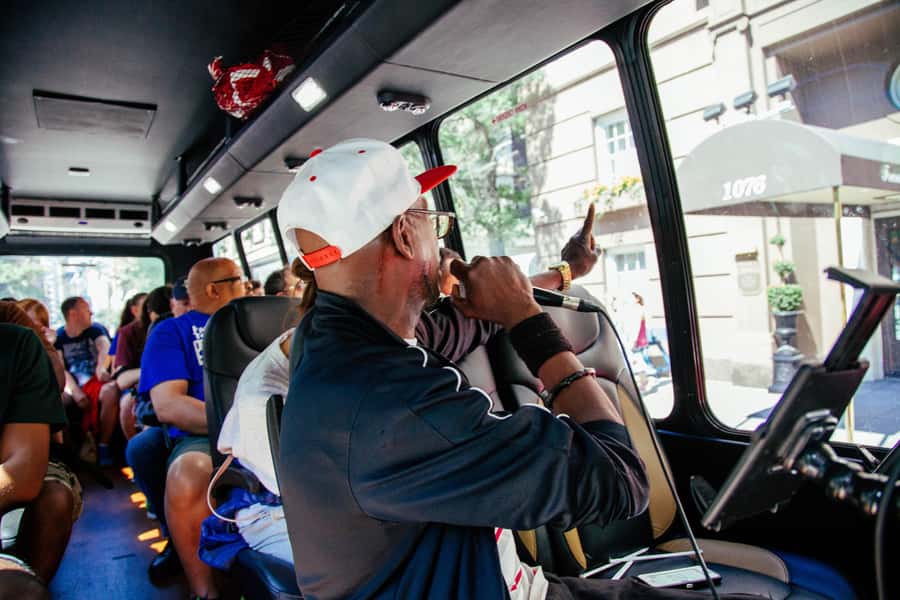
This tour isn’t presented like a script read from a brochure. It’s designed around a guide who’s a hip hop musician guide, and the experience includes live performance plus an interactive experience.
From the guide energy described in the experience feedback, names you might hear associated with the tour include Rayza and Mike C (often with high-energy MC skills). There’s also mention of a driver who helps keep the day running smoothly, which matters more than people think—because if the ride feels chaotic, the story loses its momentum.
What you’ll likely appreciate as a fan:
- The guide isn’t only explaining dates and places; they’re framing the culture with personal know-how and performance instincts.
- The live performance and interaction bits help you stay engaged during the bus ride, so you don’t zone out between stops.
A balanced note: since the experience includes interaction and live elements, it’s better if you’re comfortable being part of a group program rather than quietly observing from the window.
Live performance and interaction: Why this isn’t a silent lecture
The included live performance plus interactive experience changes the feel of the tour. You’re not paying just for a list of stops. You’re paying for the story to be heard through music and stage presence.
That’s a big deal because hip hop is a performance culture. Even when you’re learning about origins, the most accurate way to understand it is through how it sounds and how it moves through a room.
If you like history but don’t want a lecture, this format works well. And if you’re a longtime fan, you’ll still find value because the tour ties big moments to the locations where scenes formed.
Just keep in mind the tour has rules that affect recording (including no audio recording and no video recording). So treat it like a live show day: listen, look, take still photos where allowed, and keep your attention on the guide.
Price and value: Is $95 for a 3-hour tour fair?
At $95 per person for 3 hours, the honest question is value. Here’s how I’d judge it.
You’re paying for four things that usually cost more when they’re separate:
- A musician guide (not just a narrator)
- Live performance
- Interactive moments, not passive sightseeing
- Multiple meaningful stops, including Graffiti Hall of Fame, the Apollo Theater, and specific Bronx locations
Also, the tour is built to save you time. You’re not piecing together multiple neighborhood walks and transit plans. You’re getting a guided route that connects Manhattan and the Bronx, which is especially helpful if it’s your first visit to NYC or you’re short on days.
Where the value may feel different:
- If you’re expecting long explorations at each stop, the 3-hour timing might feel tight.
- If you mainly want to take photos and move on, you may prefer a lighter self-guided plan.
But if you want story + performance + place-specific context, $95 feels pretty reasonable for the package.
Who should book this hip-hop birthplace bus tour
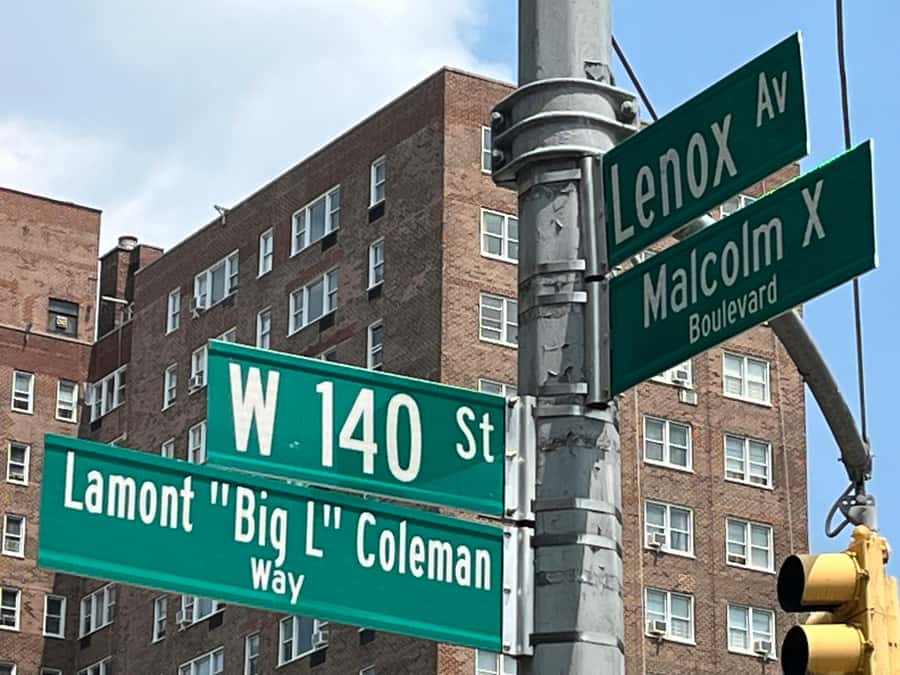
This tour makes the most sense if:
- You’re a hip hop fan who wants place-based context.
- You like seeing the culture explained through performance energy.
- You want a guided NYC plan that connects Harlem and the Bronx in one go.
It may be less ideal if:
- You need to bring strollers, baby carriages, or large bags (these aren’t accommodated).
- You’re traveling with accessibility needs that require non-folding wheelchairs (non-folding options aren’t listed as allowed).
- You want to shoot video or record audio throughout (those are prohibited).
Also, there’s no lunch stop, so plan to eat before or after. And since drinks in the vehicle aren’t included, it’s smart to think about hydration around the tour window based on your own comfort.
Want handouts in your language? Check in for printed support
If you want extra support, the tour offers handouts in multiple languages upon request at check-in, including German, Italian, French, Japanese, Korean, and Spanish. That’s useful because it gives you a way to follow along while the guide is talking, and then reference the key points later.
The guide itself runs in English, so the handouts are a bonus if you want context you can review at your own pace.
Should you book it? My practical call
If you love hip hop and you want more than a sightseeing checklist, I’d book this. The combination of a hip-hop musician guide, live performance, and specific stop locations (like the Apollo area and 1520 Sedgwick Avenue) is a strong mix for a short NYC outing.
I’d hesitate only if you strongly prefer self-guided walking time or if your day depends on bringing strollers/bigger luggage. For most people, this is a smart way to get oriented fast to hip hop’s NYC roots without needing to build the route yourself.
If you’re in New York with a music-first mindset and you want your guide to treat the culture with both respect and fun energy, this one is worth reserving.
FAQ
How long is the Hip Hop Bus Tour?
The tour lasts 3 hours.
What does the tour cost?
The price is $95 per person.
Where do I meet the tour?
You meet at 1220 Fifth Avenue, New York, NY 10029, at the entrance to the Museum of the City of New York.
What’s included in the price?
The tour includes a hip hop musician guide, live performance, an interactive experience, and the bus tour.
Is lunch included?
No. There is no lunch stop.
What language is the tour guide?
The tour is guided in English. Handouts may be available in other languages upon request at check-in.
Are strollers or large bags allowed?
No baby strollers, and there’s a restriction on luggage or large bags. Storage for strollers/carriages/baby buggies is not included for infant bookings.
Is smoking or alcohol allowed during the tour?
Smoking isn’t allowed, and alcohol and drugs are not permitted. Drinks in the vehicle are also not allowed.
Is there free cancellation?
Yes. You can cancel up to 24 hours in advance for a full refund.