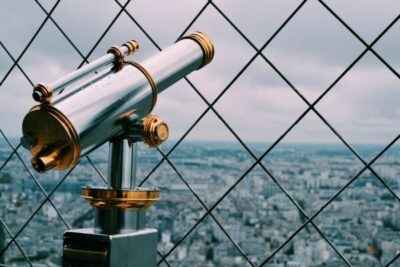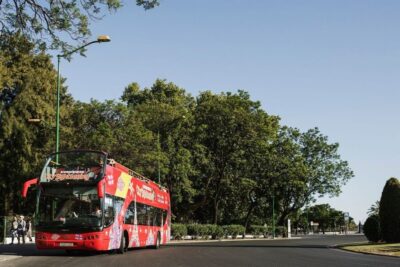
One day, four Tokyo moods. I love how this Hato Bus route mixes a calm shrine stop with serious city views from Tokyo Skytree, and I love that you’re guided in fluent English so the day feels organized instead of chaotic. One thing to consider: it’s a packed 9-hour loop, so you’ll be on the move and you shouldn’t expect long hangs at each place.
The day also breaks up well: a casual tea ceremony (and fragrant Japanese tea) adds a human, low-pressure cultural pause, and the included lunch at Villa Fontaine Grand Haneda Airport gives you a real reset. Guides like Mina, Aki, and Junko-san are often praised for clear explanations and a friendly rhythm, which matters when you’re switching between temples, shopping streets, and viewpoints.
In This Review
- Key highlights worth planning for
- Price and value: what $83 buys you (and what it doesn’t)
- Starting points that matter: Tokyo Station vs Shinjuku East Exit
- Meiji-Jingu: the shrine approach that actually feels like a break
- Imperial Palace Plaza photo stop: what you can see without palace entry
- Passing Rainbow Bridge: a quick Tokyo Bay moment
- Odaiba free time: waterfront photos and shopping with room to breathe
- Lunch at Villa Fontaine Grand Haneda Airport: a real reset
- Asakusa and Senso-ji: old Tokyo with an easy stroll rhythm
- Tokyo Skytree Tembo Deck (350m): the big finish with skyline pay-off
- English guide impact: why names like Mina, Aki, and Junko-san show up
- Comfort, pacing, and accessibility: the realistic stuff you should plan for
- Who this tour fits best (and who should skip it)
- Should you book this Hato Bus Tokyo day tour?
- FAQ
- How long is the Tokyo Hato Bus tour?
- Where is the meeting point for this tour?
- What is included in the price?
- Is the Tembo Galleria ticket included at Skytree?
- Can the lunch accommodate vegetarian or halal needs?
- Is the tour wheelchair accessible?
Key highlights worth planning for
- Hybrid bus comfort with real seat time: you spend less time navigating trains and more time looking out the window.
- Meiji-Jingu forest walk with a full hour: enough time for torii gates and the calm approach without feeling rushed.
- Imperial Palace Plaza photo stop: you’ll see the outer moat and stone bridges even if palace entry is limited.
- Odaiba free time you can shape: waterfront photos, shopping, and extra wandering if you want it.
- Skytree Tembo Deck included (350m): a major panoramic finish without needing another ticket purchase.
- English guide focus: many of the most positive days hinge on guides who explain customs and answer questions clearly.
Price and value: what $83 buys you (and what it doesn’t)
At about $83 per person, this is best viewed as a one-day “Tokyo hits” package where the heavy lifting is done for you: bus transport, an English-speaking guide, a proper Western-style buffet lunch, and entry to the Tembo Deck at Skytree. That combination is where the value lands. If you’ve ever spent hours planning train routes just to see a few big landmarks, you’ll appreciate paying for convenience.
You do still need to bring your own energy. The tour doesn’t include hotel pickup, and you’ll do a mix of walking plus step up/down when getting on and off the bus. Also, the Tembo Galleria ticket (at 450m) is not included, so if you want that higher level, you’ll likely pay extra on the day.
Starting points that matter: Tokyo Station vs Shinjuku East Exit
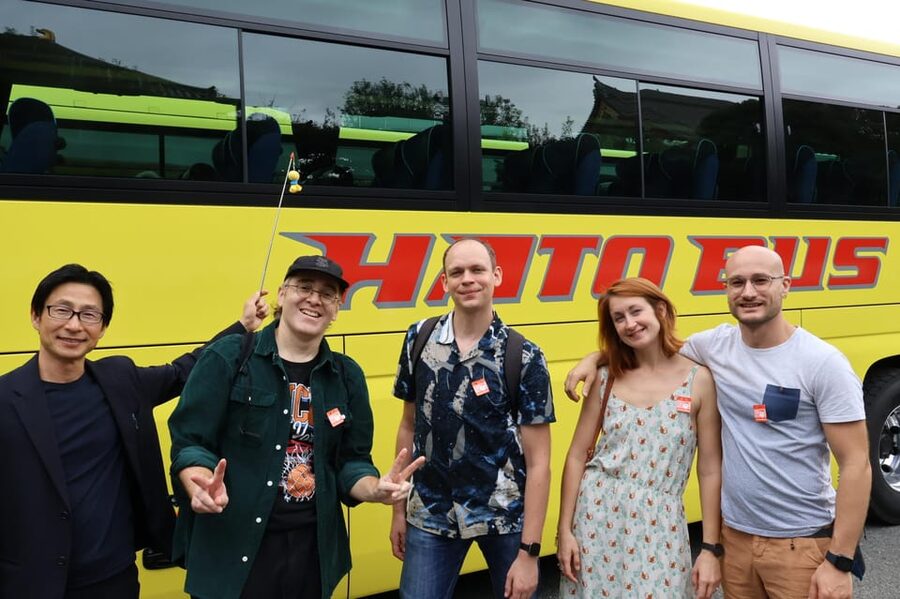
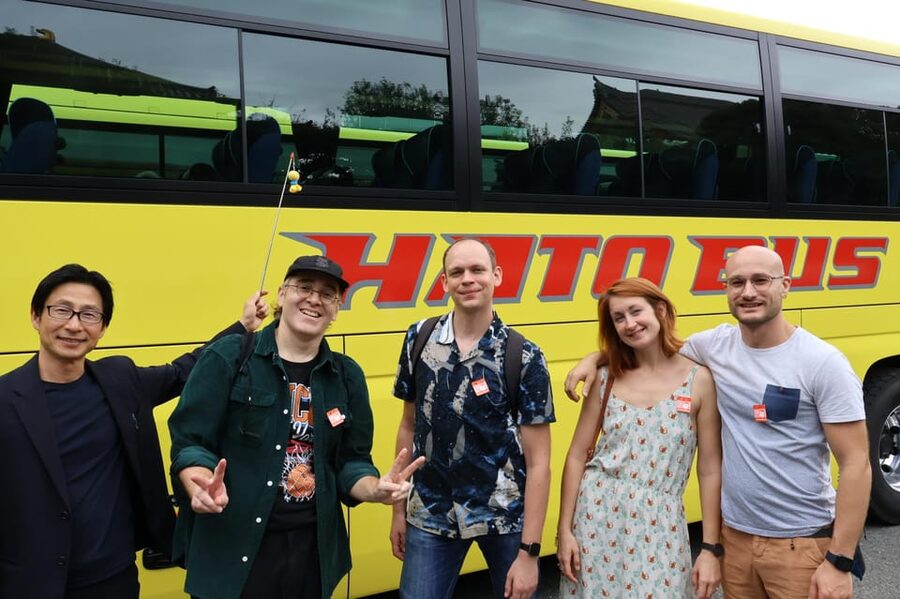
You’ll meet the greeting staff at a designated Hato Bus boarding point. Two starting options are offered: the Hato Bus Tokyo office and the Hato Bus SHINJUKU STATION EAST EXIT. The practical takeaway is simple: pick the one that matches where you’re already staying or where your morning transit is easiest.
Why I think this matters: Tokyo Station and Shinjuku are both easy to get to, but they’re different kinds of busy. If you want the smoothest start, choose the meeting point with the least transfer friction for you. The tour runs as a structured day, so losing time at the start can shrink your enjoyment later, especially at Skytree.
Meiji-Jingu: the shrine approach that actually feels like a break
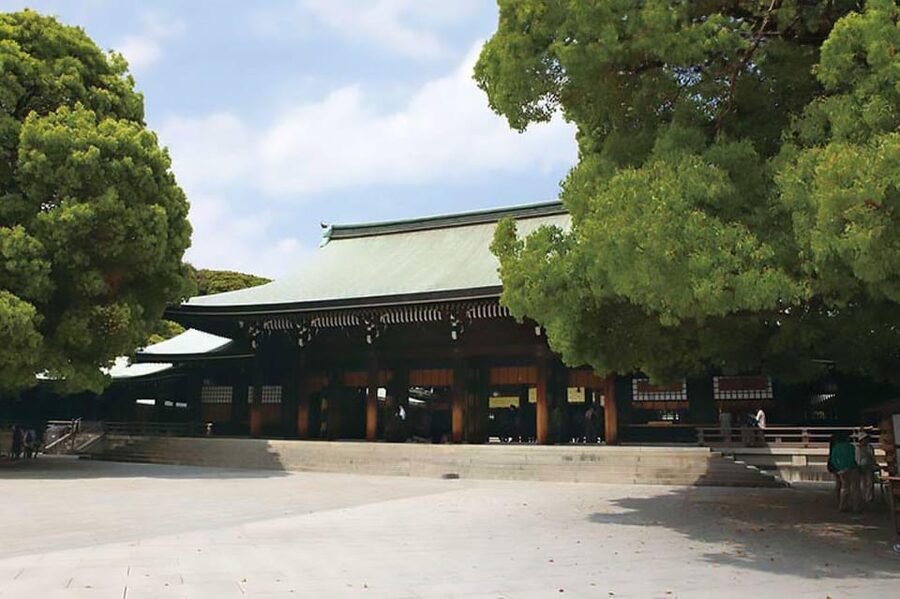
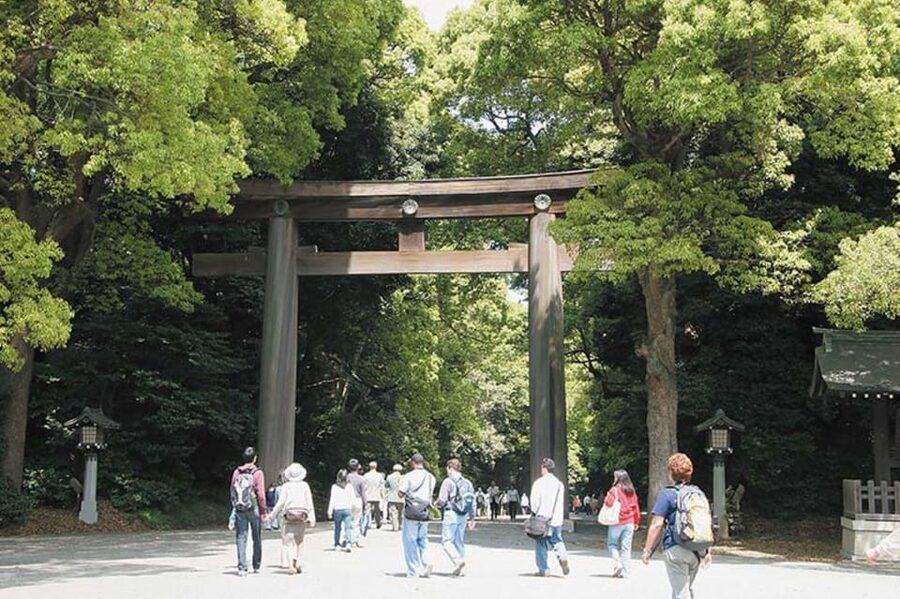
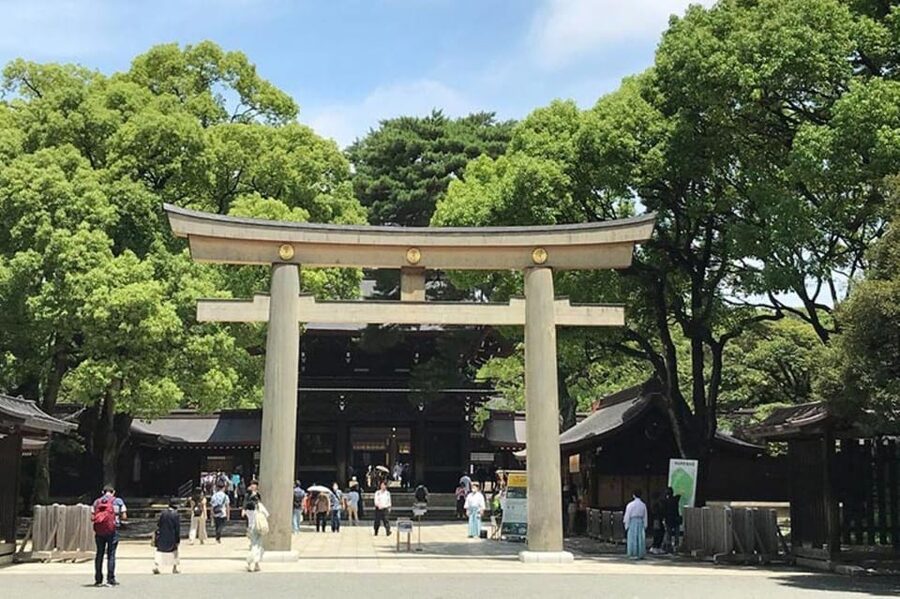
Meiji-Jingu is the kind of place where the city noise drops off fast. You get a full 1 hour here, which is the right amount for moving at a casual pace: you’ll take in the traditional shrine setting, the large torii gates marking the entrance, and the green, forest-like feeling that makes the whole area special.
I like that the guide helps you connect the dots. A lot of first-timers only see the visuals, but the best guiding turns the stop into context—what this Shinto site represents, why the architecture looks the way it does, and what etiquette you should keep in mind while you’re walking through.
Practical note: comfortable shoes are worth it. Even when the walking feels gentle, you’re still on foot for part of the day, and shrine paths can be uneven in spots.
Imperial Palace Plaza photo stop: what you can see without palace entry
Next comes the Imperial Palace Plaza area. Palace grounds themselves are restricted, so you’re not going inside, but you do get a 30-minute photo stop that’s focused on the outer sights: the moat views, stone bridges, and landscaped surroundings.
This stop is a good use of time because you get the signature look of the imperial setting without waiting around for permission or long lines. If you care about photos, aim to take a few wide shots first, then circle for angles that show the bridges and water together.
If you’re someone who hates “drive-by sightseeing,” this one won’t fully satisfy you since it’s a photo stop. But it’s still a worthwhile contrast after Meiji-Jingu, shifting from quiet forest calm to the carefully controlled geometry of the palace area.
Passing Rainbow Bridge: a quick Tokyo Bay moment
You’ll see Rainbow Bridge from the bus as you head toward Odaiba. There’s no long stop here, so treat it like a scenic punctuation mark, not the main event.
Still, it’s a nice reminder that Tokyo isn’t only temples and streets. You’re moving toward the bay, and that transition sets up what comes next.
Odaiba free time: waterfront photos and shopping with room to breathe
Odaiba is Tokyo’s futuristic waterfront side, and you get free time plus a chance to shop if that’s your thing. Even if you don’t buy anything, it helps to have time to wander because Odaiba is full of photo angles—especially with the bay views and the surrounding architecture.
From a pacing standpoint, this is the stop where your personality can steer the day. Want photos and a slow walk along the water? You can do that. Prefer malls and brand stores? You can do that too. One caution: people often wish Odaiba had a bit more time, so if this is your “must see” area, keep your expectations realistic and plan your photo route quickly.
I also like this stop because the bus ride means you can watch the city changing outside the window while you’re between activities. It’s less exhausting than bouncing between train stations.
Lunch at Villa Fontaine Grand Haneda Airport: a real reset
Lunch is included and it’s a Western-style buffet at Villa Fontaine Grand Haneda Airport, with about 1 hour for the meal. This matters more than you’d think. In Tokyo, “one quick snack” can turn into a frustrating hunt. Here, you get a set meal plan and enough time to actually sit down and recharge.
What I especially like is the location logic: you’re not stuck in the middle of downtown lunch chaos. You get a styled, hotel-like setting, and then you’re ready for the afternoon culture leg.
Dietary heads-up: you won’t be able to accommodate vegetarian and halal menus because the buffet is set up for that lunch service. If you need those options, this is a key deciding factor. (In that case, you might want to eat breakfast carefully and be ready with alternatives outside the included lunch.)
Asakusa and Senso-ji: old Tokyo with an easy stroll rhythm
Asakusa is where Tokyo shows you its older face. You get free time for about 50 minutes, which is just enough to do two things well: see Senso-ji Temple and walk Nakamise Street for snacks and souvenirs.
Senso-ji is one of Tokyo’s best-known temple experiences, and the guide framing helps you notice details you might otherwise miss. Nakamise Street adds the sensory layer—traditional shopfronts, tempting food stops, and small local items that make great gifts if you’re into that.
This is also a good stop for balance. The day includes modern viewpoints and futuristic bay views, so Asakusa gives you texture again. If you’re short on time, prioritize what you want most: the temple itself and then one pass through Nakamise. You can always return later in your trip if you want a longer wander.
Tokyo Skytree Tembo Deck (350m): the big finish with skyline pay-off
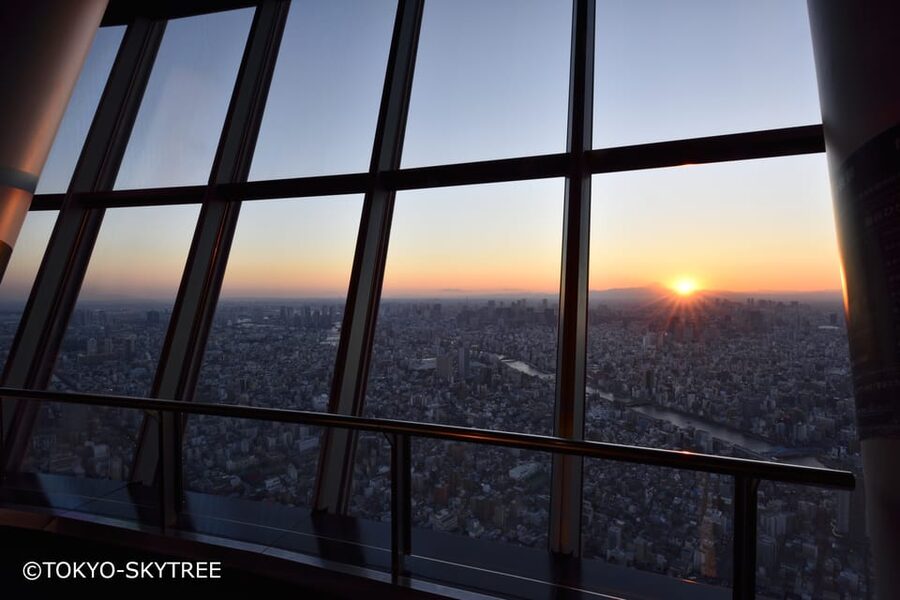
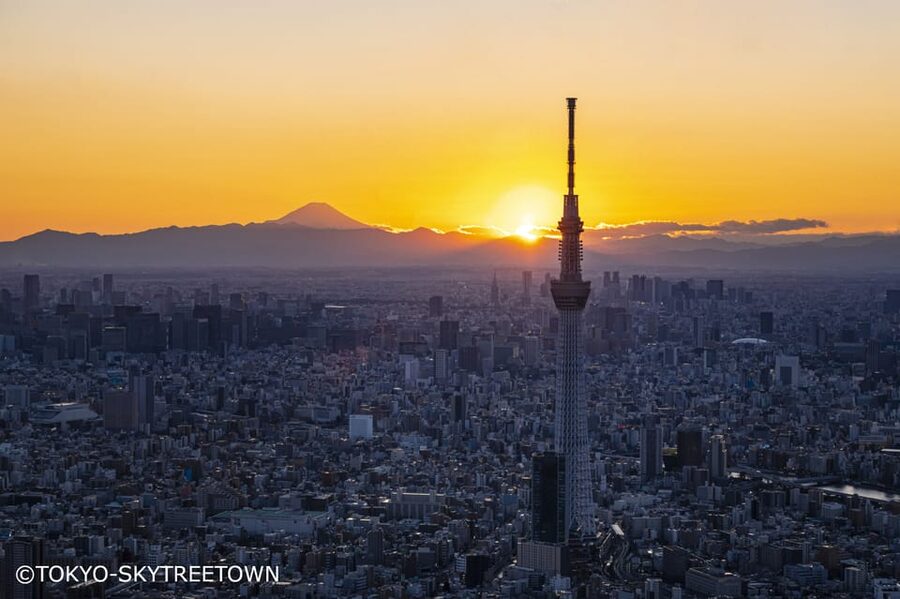
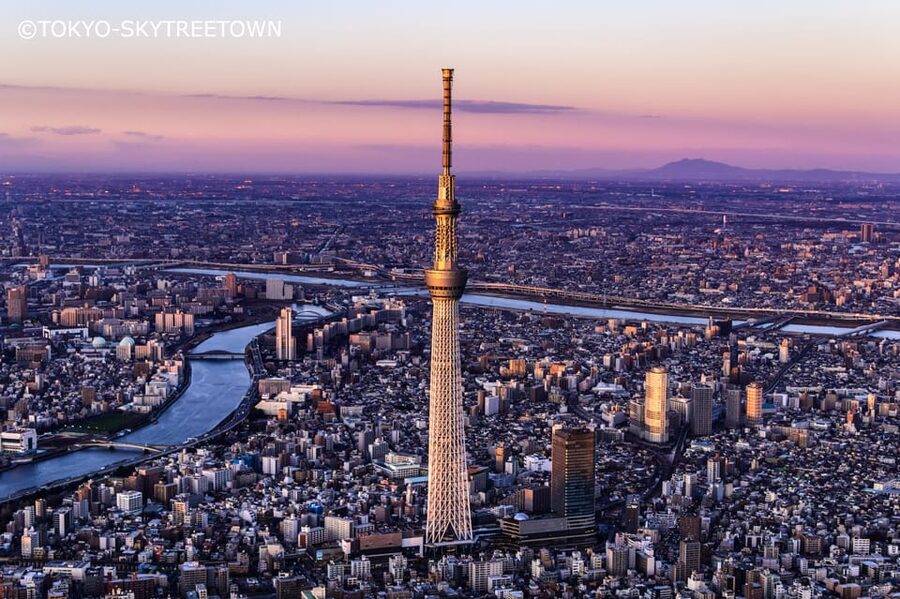
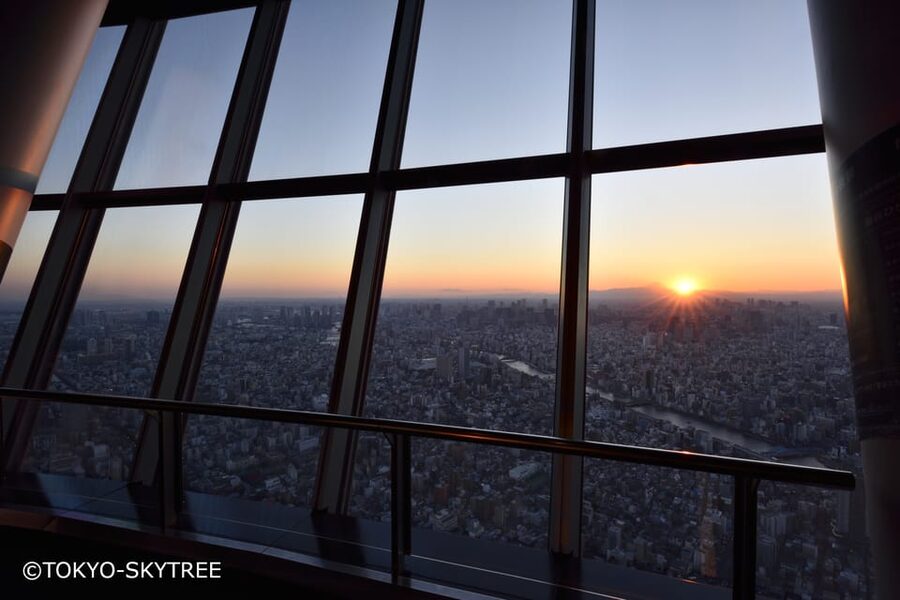
The day ends on a view-focused note at Tokyo Skytree, and the ticket to the Tembo Deck (350 meters) is included. This is one of the strongest points of the tour because it’s a true payoff stop: you get panoramic city views, and on clear days you may even see Mount Fuji.
You’ll have about 1 hour here. That’s enough to go up, scan the city grid, take photos, and come back down without feeling trapped. I also like that this is an indoor-friendly viewpoint option—Tokyo weather can change fast, and you’re still set up to get the experience.
If you want the extra height, the Tembo Galleria (450m) ticket is not included. So decide early if that matters to you. If you’re already getting a major viewpoint with the Tembo Deck, you might not need to spend more—unless you’re a photo-obsessed skyline person.
English guide impact: why names like Mina, Aki, and Junko-san show up
This tour lives or dies by the guide. The format works: you’re seated most of the ride, then you step out with clear instructions, timing, and context. The best English-speaking guides keep the group together and make the day feel like one story instead of separate stops.
I’ve seen guides such as Mina, Aki, Junko-san, and Azumi praised for fluent English and for adding practical tips about customs and how to handle Tokyo on your own after the tour. You’ll also hear small details that help you look like you know what you’re doing—how to walk respectfully, what to notice in architecture, and how to read the flow of each place.
One practical audio note: with larger groups, it can be harder to hear during walking portions unless there’s good sound. If you’re sensitive to hearing issues, try to stay closer to the guide during those segments.
Comfort, pacing, and accessibility: the realistic stuff you should plan for
This is a bus day, not a “sit in one place all day” day. You’ll do a mix of walking, photo stops, and brief free time, plus the physical act of stepping on and off the coach a few times. The tour is wheelchair accessible, but the reality is you may need help navigating steps during boarding and leaving the bus.
I think this is the sweet spot for people who want to see a lot without doing constant train transfers. If you use a rollator or wheelchair, it’s worth it because the route includes time at major sites rather than cramming in tiny look-only moments. Still, go in with comfy shoes and expect uneven walking at certain spots like temple areas.
And yes, it’s a long day. If you’re the type who gets tired fast, plan for a gentle pace during free time and focus on your priorities instead of trying to do everything everywhere.
Who this tour fits best (and who should skip it)
I’d suggest this for you if:
- You’re in Tokyo for a short stay and want a structured, highlights-style day.
- You prefer the comfort of bus transport and clear English guidance over self-navigation.
- You want a classic mix: shrine calm, imperial photo views, a modern bay district, an old-city temple area, and a major skyline finish.
I’d think twice if:
- You need vegetarian or halal options during lunch, since the buffet doesn’t accommodate those menus.
- You want unhurried time at only one place. This schedule moves, and some stops are “just enough.”
- You’re extremely photo-focused on the topmost Skytree level. The Tembo Deck is included, but Tembo Galleria is an add-on.
Should you book this Hato Bus Tokyo day tour?
If you like the idea of getting major Tokyo landmarks in one day with less transit stress, I think this is a strong pick. The included Tembo Deck entry, the buffered lunch plan, and the fact that you’re guided in English make it feel like a complete package rather than a “half-tour” with extra costs.
Book it if you want efficient sightseeing and you’re okay with a busy pace. Skip it if dietary needs are a deal-breaker or if you’d rather slow down and stay longer at fewer neighborhoods. For most first-timers, though, this is a solid way to get your bearings fast—and walk away with a Tokyo “greatest hits” set you can build on tomorrow.
FAQ
How long is the Tokyo Hato Bus tour?
The tour lasts about 9 hours, listed as 570 minutes.
Where is the meeting point for this tour?
The meeting point can vary by option. Starting locations include Hato Bus Tokyo office and Hato Bus SHINJUKU STATION EAST EXIT. The greeting staff meet you at the listed boarding point.
What is included in the price?
Included are bus transportation, an English-speaking tour guide, Western-style buffet lunch, and entry to the Tembo Deck (350m) of Tokyo Skytree.
Is the Tembo Galleria ticket included at Skytree?
No. The ticket for the Tembo Galleria (450m) is not included.
Can the lunch accommodate vegetarian or halal needs?
No. The tour notes that it is unable to accommodate vegetarian and halal menus because the lunch is a buffet.
Is the tour wheelchair accessible?
The tour is listed as wheelchair accessible, but you should expect a few steps when getting on and off the bus.