Mt. Fuji looks different at every stop. This day tour pulls you toward the real thing with Mt. Fuji’s 5th Station views and the calm Oshino Hakkai pond circuit, paced by an English- and Chinese-speaking guide. My only caution: visibility depends on weather, so plan for a Fuji day that might be clear or might be fog.
You’ll start in Shinjuku and ride a round-trip, air-conditioned bus for a full 9 to 10 hours, with free time at Lake Kawaguchiko and Gotemba Premium Outlets on the way back. If you want a structured, low-stress sampler of Fuji-area highlights without renting a car, this format can make a lot of sense.
In This Review
- Key Things You’ll Notice Right Away
- Shinjuku-to-Fuji Timing: How the Day Really Flows
- Mt. Fuji 5th Station: The Highest Bus Stop and Why 40 Minutes Matters
- When Roads Change the Plan
- Lake Kawaguchiko and Craft Park: Views, Optional Lunch, and a Breather
- Oshino Hakkai: Eight Ponds, Spring Water, and a Peaceful Walk
- Gotemba Premium Outlets: Shopping Without the Long Detour
- What to Expect With Outlet Time
- Guide Language and Organization: What Changes Day to Day
- Cost and Value: Is $56.68 a Smart Use of Your Tokyo Day?
- Who This Tour Fits Best (and Who Might Feel Rushed)
- Should You Book This Mt. Fuji, Oshino Hakkai, and Gotemba Day Tour?
- FAQ
- Is the tour price ($56.68) a good deal?
- How long is the tour, and where does it start and end?
- Will I definitely see Mount Fuji?
- What stops are included during the day?
- Is lunch included?
- What should I know about luggage?
Key Things You’ll Notice Right Away
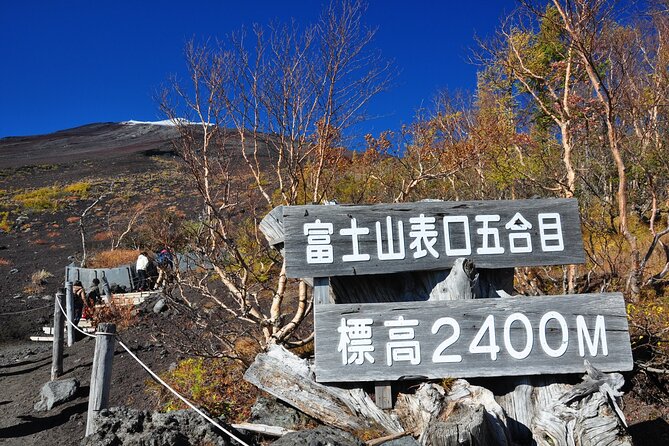
- It’s built around Fuji access: the bus goes as high as 5th Station, the top point you can reach by road.
- Oshino Hakkai is water-focused, not just scenery: eight ponds fed by Mt. Fuji–filtered natural water.
- Lake Kawaguchiko is the classic photo stop: you get time for views and a lunch break option.
- Gotemba Premium Outlets is the return-time reward: shopping with Japanese and international brands.
- Guide language quality can vary: some guides explain well in English, others less so—watch the pace.
- Weather is the main deciding factor: bring a jacket and keep your expectations flexible.
Shinjuku-to-Fuji Timing: How the Day Really Flows
This is a long one-day bus tour, so the main thing you’re buying is time management. You don’t have to figure out trains, transfers, and schedules. You show up at the meeting point in Shinjuku Station West Exit area (not Ueno), then you’re on the road with everyone else.
The tour is listed at about 9–10 hours. That sounds simple, but you should treat it like a full-day commitment. Between driving time and stop time, most of your day is either riding or walking to viewpoints and shops. If you hate rushing, pick your priorities:
- Fuji views and a couple of meaningful stops are realistic.
- Outlet shopping is a bonus, not the main event.
- Lunch is an optional add-on, so keep some flexibility.
One small practical point: the itinerary can shift slightly due to road traffic or weather, and in tough conditions some planned attractions may be reduced. That’s not unusual for Fuji-area days. It’s just something to remember so you don’t feel surprised if the schedule tightens.
Mt. Fuji 5th Station: The Highest Bus Stop and Why 40 Minutes Matters
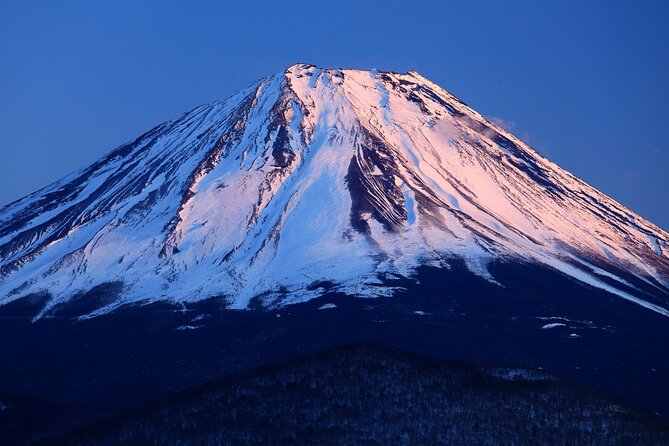
For many people, Mt. Fuji 5th Station is the reason they book. It’s described as the highest point accessible by bus, and it’s where most visitors get the most dramatic sense of altitude without needing to hike. The area also has the usual tourist comforts—shops, places to eat, and lots of viewpoints.
Here’s the catch: your time on Fuji is not long. One review called out that the visit can feel like a quick in-and-out, basically enough for bathroom breaks and a stop at a gift shop. That doesn’t mean it’s bad. It just means you need a game plan:
- Go straight to the best viewpoint first, before you get distracted by shops.
- If it’s cold (and it often is at elevation), bundle up early. The tour itself recommends bringing a jacket/coat, because the 5th Station area can feel much colder than Tokyo.
- Expect postcard moments to be random. Mt. Fuji visibility isn’t guaranteed, and clouds can swallow the mountain even when you’re doing everything right.
A couple of extra details help you understand what you’re looking at when you’re up there. In the Fuji 5th Station area, you may see markers like the Mt. Fuji 5th Station monument and the Fuji Subaru Line 5th Station, which is around the halfway point of the Yoshida Trail (the route that connects the Fujiyoshida Sengen Shrine area to the summit). There’s also a seasonal Mt. Fuji Gogome Kani Post Office, which operates only for limited periods—so if it’s running, it’s a fun quick photo and souvenir stop.
When Roads Change the Plan
One review flagged a situation where the group could not reach the 5th Station due to a road closure. That kind of switch can happen. If you’re visiting during a period with heavy weather or road restrictions, keep your expectations flexible and focus on what the alternative brings you—especially the chance to see Fuji in the distance from a lower but still elevated viewpoint.
Lake Kawaguchiko and Craft Park: Views, Optional Lunch, and a Breather
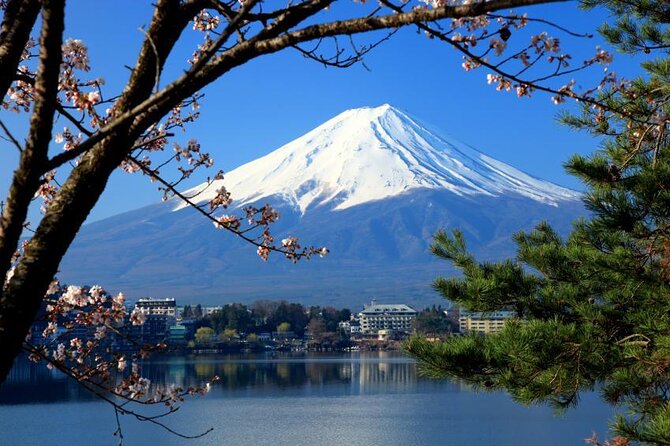
After you get your first Fuji hit, the tour heads to Kawaguchiko Craft Park by Lake Kawaguchi (Kawaguchiko). This stop is about slowing down. You’re not climbing; you’re taking in the lakefront views and the Fuji-area vibe.
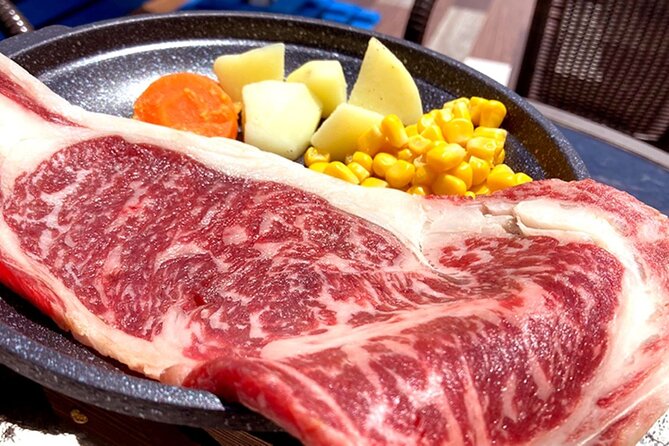
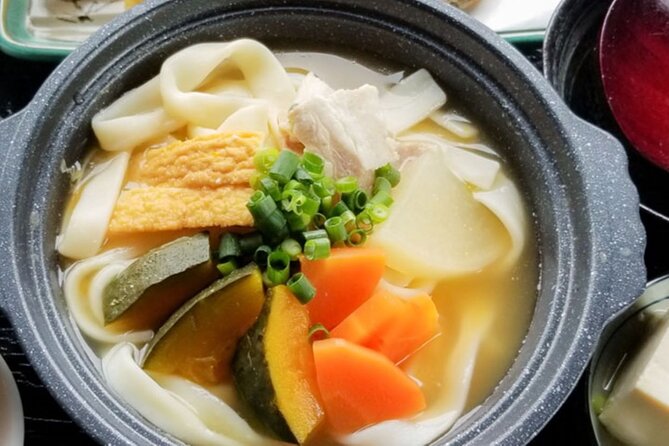
This is also where many people fit in lunch. Lunch is listed as optional, so you may have to choose your preferred lunch type when booking (the tour mentions wine and Japanese as part of the lunch options). The key value of this stop isn’t the specific meal—it’s that you get a real break after time on the bus, plus another chance at Fuji views across the water.
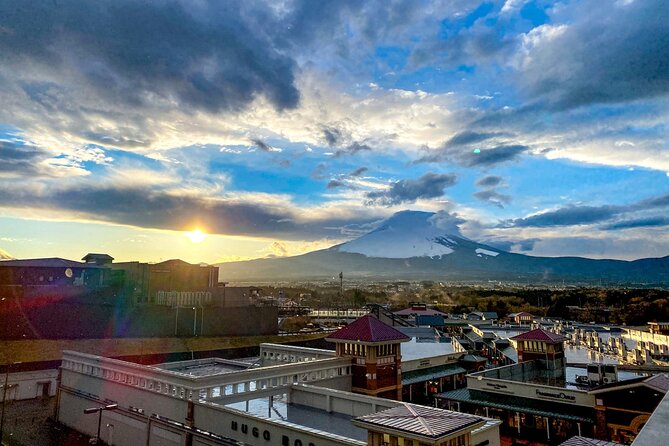
A note that matters for your photos: Lake Kawaguchiko is one of the Fuji Five Lakes and is known for famous reflections of Mt. Fuji when the weather cooperates. When clouds roll in, reflections can disappear fast. So use your time here for a quick view hunt, not a single “wait for the perfect shot” plan.
If your schedule allows a little extra walking in this area, you might also see shrine-side scenery. The provided tour information includes Nino Asama Shrine, an ancient shrine with grounds lined with Japanese yew trees and large zelkova trees, said to be over 1,200 years old. If it’s included in your exact route timing, it’s the kind of calm detour that makes a tour feel more than just a checklist.
Oshino Hakkai: Eight Ponds, Spring Water, and a Peaceful Walk

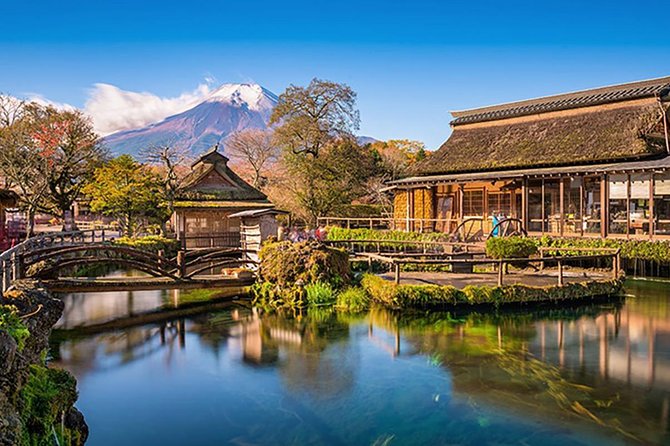
If Fuji visibility is hit-or-miss, Oshino Hakkai is your dependable payoff. The attraction is famous for eight crystal-clear ponds, supplied by water filtered naturally from Mount Fuji. The area is tied to the UNESCO World Heritage setting around Mt. Fuji, and it shows in how carefully the ponds are preserved.
This is where the tour shifts from big views to small, grounded beauty. You’re walking along a village-style area and peering down at water that’s famously clear. It’s also visually interesting because the ponds are part of the broader Oshino Hakkai Springs system, and the information provided notes it’s designated a Natural Monument and included in Japan’s Top 100 Famous Water list.
One handy detail for your budget and expectations: a garden near the entrance is mentioned with an admission fee of 200 yen, paid by putting it in a box by the gate (there’s no reception desk). It’s a tiny detail, but it’s the kind of thing that prevents awkward confusion on the spot.
The ponds themselves can feel simple, but the effect is strong. Clear water at Fuji-area elevation has a crisp, clean look that’s hard to fake with photos. Even on hazier days, Oshino Hakkai still works because it isn’t relying on a single huge mountain reveal.
Gotemba Premium Outlets: Shopping Without the Long Detour
On paper, the outlet stop can feel like a sales pitch. In practice, it can be a nice way to turn the return ride into something useful—if you treat it like a quick sprint.
The tour gives you about 1 hour 30 minutes at Gotemba Premium Outlets, one of Japan’s large outlet malls with a mix of Japanese and international brands. One review called out getting holiday discounts, which is a reminder that timing matters. If you’re traveling during a promotion window, that shopping time can stretch further.
What to Expect With Outlet Time
Outlet malls are huge. With 90 minutes, your strategy matters:
- Decide what you want before you arrive: shoes, jackets, basics, or gifts.
- Use the first few minutes to figure out store locations and exits.
- Don’t plan on browsing every corner.
Also, be realistic: the outlets can feel like any big mall if you’re not in the mood for deals. One review even said it was without interest—so if shopping is your priority, you may wish this stop were longer. If you’re not into shopping, consider it a convenient time sink for snacks and souvenirs while the bus finishes the loop back to Tokyo.
Guide Language and Organization: What Changes Day to Day
A big theme in the reviews is that the experience depends heavily on your guide and how much explanation you actually get. The tour advertises an English- or Chinese-speaking conductor, but one review warned that English coverage can be limited if the guide leans heavily on Chinese during narration.
I’ve seen this in many group tours: even when English is listed, the depth can vary. In this case, the names coming up in feedback include Mei She, Koji, and Yoh, plus George in at least one account. That suggests guide experiences can be uneven, not because the tour is careless, but because language logistics change with group composition.
So how do you protect yourself?
- Listen early on the bus and see how the guide’s English is paced.
- If you care about history and culture, be prepared to get more value from the on-site moments (signage, small observations, short questions) when English explanation is brief.
- If you’re the type who likes facts, arrive ready with a few questions. Guides often answer on the spot even when narration is thin.
Organization is a bright spot in multiple reviews. People praised guides for keeping time and staying on schedule. That matters on a Fuji day because every delay reduces your mountain and photo time.
Cost and Value: Is $56.68 a Smart Use of Your Tokyo Day?
At $56.68 per person, this is priced like a budget-friendly Fuji sampler. The main value is that it includes round-trip bus fare and an air-conditioned vehicle, so you’re not paying extra for transportation. For many travelers, that’s the hidden cost of DIY day trips—time, transit tickets, transfers, and the risk of making a mistake and losing hours.
It also groups several high-demand stops into one pass: Mt. Fuji 5th Station, Kawaguchiko, Oshino Hakkai, and Gotemba Premium Outlets. The value equation becomes simple:
- If you want to see a lot without stress, the bundled format is efficient.
- If you only care about one spot—like a full Fuji experience—you might feel the stops are too short.
Two reviews hit this balance directly: some people loved the “lots of attractions in one” feel, while others said Fuji (the star) doesn’t get as much time as they wanted. This isn’t a scam. It’s the trade-off you’re making for budget pricing and for fitting four major stops into a single day.
Who This Tour Fits Best (and Who Might Feel Rushed)
This is a good fit for:
- First-timers to the Fuji area who want a structured day from Tokyo
- People who don’t want to rent a car
- Travelers who can accept weather uncertainty and still enjoy the ponds, lake, and mountain viewpoints
- Shoppers who enjoy outlet hunting and want that reward on the return
You might not love it if:
- You’re counting on a long, slow Fuji exploration time
- You expect a deep English narrative at every stop
- You hate being on a tight schedule, because the day is built for efficiency
If you’re visiting in winter, one review said it felt worth waking up early to chase clearer Fuji views. If you’re going during rainy stretches, the mountain can vanish into clouds and fog, and then the timing matters even more.
Should You Book This Mt. Fuji, Oshino Hakkai, and Gotemba Day Tour?
I’d book it if your priority is a practical one-day Fuji plan with transport handled, guided storytelling that you can supplement on-site, and at least two of the classic Fuji-area experiences: Oshino Hakkai’s ponds and Kawaguchiko’s lake views. For the price, the format is usually a good deal.
I’d pause before booking if Mt. Fuji visibility is your only goal and you can’t tolerate the chance of clouds. This tour can’t control weather. It can only position you where you can see the mountain when conditions allow.
My final advice: pack layers, keep your plan flexible, and treat the schedule like a sampler. If you do that, you’ll likely come home with photos, peaceful pond time, and a Fuji-day that feels organized instead of exhausting.
FAQ
Is the tour price ($56.68) a good deal?
The price includes round-trip bus fare and an air-conditioned vehicle, plus an English- or Chinese-speaking conductor. Since Fuji-area transportation is usually the hardest part to do cheaply from Tokyo, bundling it into one day is typically what makes the cost feel reasonable.
How long is the tour, and where does it start and end?
It runs about 9 to 10 hours. It starts at Shinjuku Station West Exit area (Shinjuku Sta. West 1 Chome-5 Nishishinjuku) and ends back at the same general Shinjuku area. The bus does not return to Ueno.
Will I definitely see Mount Fuji?
Visibility isn’t guaranteed because it depends on weather conditions. The tour runs rain or shine, but the mountain can be obscured by clouds or fog.
What stops are included during the day?
You’ll visit Mt. Fuji 5th Station, Kawaguchiko Craft Park by Lake Kawaguchi, Oshino Hakkai, and Gotemba Premium Outlets on the way back.
Is lunch included?
Lunch is listed as optional, so it’s not included in the basic package. You may be able to choose your lunch option when booking.
What should I know about luggage?
You can bring one piece of luggage per person. It must be manageable and fit in the vehicle trunk, with a maximum total size of 155cm (height + width + depth). Items stored in the trunk won’t be accessible between stops, so keep valuables with you.