
Ninety minutes can change how you see Charleston. This 90-minute ride covers the historic peninsula with an easy past-to-present story, pairing architecture with local culture, food, and folklore. You’ll spend your time looking up at steeples and ironwork while your guide ties the details to what came before.
Two things I really like are the guide style and the sheer variety of what you notice. In the best runs, Kim sets a friendly pace, keeps the narration going, and answers questions on the fly. The tour also keeps things intimate, with a maximum of 18 people, which makes it feel more like a guided walk than a big-boat lecture.
One consideration: it’s an overview by bus, not a long, stop-and-explore day. If you’re hoping for lots of time hopping out for photos or wandering on your own, you’ll want to plan extra time elsewhere.
In This Review
- Key highlights at a glance
- A 90-Minute Charleston Overview That Gets You Oriented Fast
- Meeting at Charleston Visitor Center and Getting Set for the Route
- From Steeples to Sweetgrass Baskets: What You’ll See
- The kinds of details this tour teaches you to notice
- Gullah to Grits: The Stories That Give the City Meaning
- Why these themes work for real travel days
- Inside the Tour: How It Feels on a Small Bus With Kim
- What to do if you want more from the tour
- Price and Value: Is $32 Worth It?
- Weather, Timing, and Pairing It With Your Day
- Who This Tour Is Best For
- Should You Book This Charleston Bus Tour?
- FAQ
- How long is the 90 Minute Sightseeing Bus Tour of Historic Charleston?
- How much does the tour cost?
- Where does the tour start and where does it end?
- Is the tour offered in English?
- Is there a mobile ticket?
- How many people are on the bus?
- Is it suitable for most travelers?
- When will I get confirmation after booking?
- How far in advance is it usually booked?
- What is the cancellation policy?
- What happens if weather is poor?
Key highlights at a glance
- Kim’s storytelling rhythm: nonstop narration with humor and room for your questions
- Small bus feel (max 18): easier for attention, questions, and a calmer tour
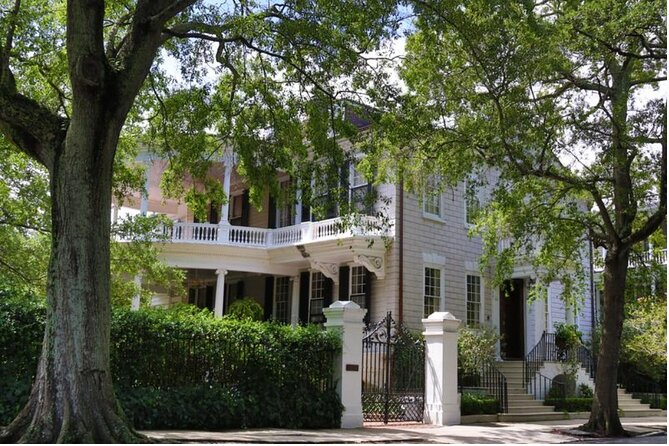
- Spot-the-details route: steeples, sweetgrass baskets, ironwork, brickwork, and bells
- Gullah and food culture themes: grits, she-crabs, and local character in the stories
- Past-to-present perspective: the city’s changes, including renovations, tied into what you see
A 90-Minute Charleston Overview That Gets You Oriented Fast
Charleston can feel like a postcard maze. The streets curve, the architecture changes every block, and suddenly you’re staring at steeples, balconies, and old brick like it’s all connected. A 90-minute overview tour is a smart way to get your bearings without committing your whole day.
This one is built as a guided sweep of the historic peninsula, from the past to the present. You’re not just watching buildings go by. You’re learning how people lived, what shaped the city’s culture, and why certain details matter—like bells, brickwork, and ironwork—rather than treating them like background scenery.
If you plan to do more walking later, this tour can function like a map in your head. By the time you head out on your own, you’ll recognize the kinds of features you’re seeing and understand the stories behind them.
Meeting at Charleston Visitor Center and Getting Set for the Route

Your tour starts at the Charleston Visitor Center at 375 Meeting St, and it ends back there. That matters because it’s central and easy to orient around. Also, the meeting point is described as near public transportation, which is handy if you’re not using a rental car for the day.
Timing is also friendly for short stays. At about 1 hour 30 minutes, it’s the kind of activity you can fit between other plans—an early orientation before museums, or an afternoon “what did I miss?” session after you’ve seen a bit of the city.
The tour uses a mobile ticket, so you can keep everything on your phone and move quickly at check-in. With a maximum of 18 people, the handoff from meeting point to seating tends to feel manageable rather than chaotic.
From Steeples to Sweetgrass Baskets: What You’ll See
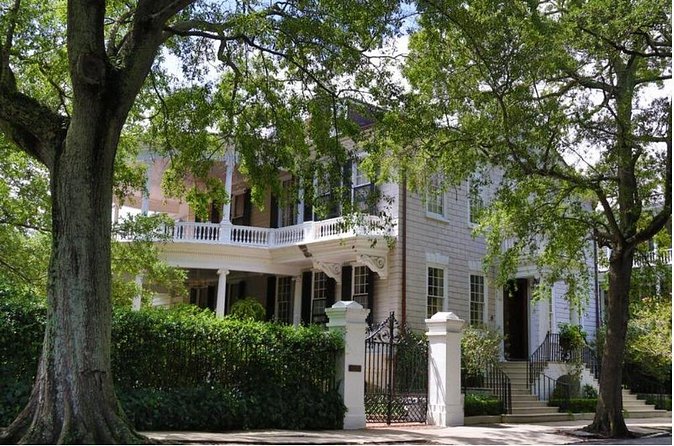
This is a sight-focused ride through Charleston’s historic peninsula. The streets are full of architecture, and the narration points out details that you might otherwise overlook at street level. Think: looking up at steeples, noticing ironwork, and spotting cultural elements like sweetgrass baskets.
As you wind through the area, you’ll be hearing explanations connected to what you’re seeing—so the buildings don’t become a blur of “pretty stuff.” The guide connects the look of the city to the lived reality behind it: how materials were used, what styles signaled, and how the city’s identity shows up in physical details.
The kinds of details this tour teaches you to notice
- Architectural verticals like steeples that help you “read” the skyline
- Ironwork details that reflect craftsmanship and the era you’re looking at
- Brickwork and how it changes across time and renovation
- Bells and religious landmarks as part of daily rhythm, not just decoration
- Sweetgrass baskets as a cultural marker, not an incidental souvenir
Even if you’re not the kind of person who reads plaques, this tour trains your eyes. You start asking different questions while you’re looking—Why does this detail look like this? What does it suggest about the people who built and maintained it?
Gullah to Grits: The Stories That Give the City Meaning
One reason this tour tends to score so well is the theme mix. The narration doesn’t stick to dates and big names. It moves through culture and everyday life—Gullah, grits, and other signals of local identity—while also tying them back to what’s in front of you.
You’ll hear a range of topics that feel oddly specific but in the best way. The tour description points to connections from Gullah to grits, from brickwork to bells, and even from she crabs to striped pigs. That blend matters. It keeps the stories memorable because they’re rooted in lived culture, food, and local personality, not only formal history.
And the best part is the way the guide uses your interests to shape the route’s storytelling. In strong outings, the experience feels tailored—like the guide is listening and then steering the conversation toward what you care about.
Why these themes work for real travel days
Charleston isn’t just architecture. It’s a city where identity shows up in food, language, craft, and community traditions. When a tour ties those threads together, you understand the city beyond the “pretty streets” stage.
If you’re visiting for the first time, these cultural anchors help you interpret what you’re seeing later. A church bell becomes more than a sound. A basket isn’t just a symbol you recognize in photos. The city becomes a story you can follow.
Inside the Tour: How It Feels on a Small Bus With Kim
This tour is capped at 18 people. That small group size is a big deal for a sightseeing bus experience. You get easier eye contact with the guide, clearer audio, and a better chance for your questions to land.
In many of the strongest experiences, Kim is the guide, and that name comes up again and again for a reason. Her style is described as funny and friendly, with a steady stream of details rather than long pauses. She also brings a local perspective, including first-hand understanding of what makes Charleston tick.
Another advantage: she’s not just reciting facts. People describe her as adjusting the tour based on what they care about and even pointing out places that feel meaningful to them. That’s how you get from a generic overview to something that feels personal.
What to do if you want more from the tour
You’ll get the best value if you go in with at least one interest. Examples from the tour’s themes include local food culture, Gullah, or the way the city’s past shows up in renovations. If you ask a question during the ride, you’re more likely to get a story that sticks.
Also, if you’re traveling as a couple or with family, the small bus helps the guide keep the energy up. It’s easier to hear, easier to follow, and easier to enjoy without feeling like you’re squeezed into someone else’s schedule.
Price and Value: Is $32 Worth It?
At $32 per person for about 1.5 hours, this tour sits in the “reasonable orientation” category. It’s not a budget item, but you’re paying for a guided explanation that helps you see more than you would on your own during that time.
Here’s why the value makes sense:
- It’s time-efficient: 90 minutes gets you oriented without eating your entire day
- It’s detail-rich: steeples, sweetgrass baskets, ironwork, brickwork, and bells are explained
- You get context: the tour ties architecture to culture, food, and daily life themes
- Small group size: max 18 people can make the experience feel more human
If you’re the kind of traveler who likes to understand what you’re seeing, this price is easier to justify. If your goal is purely photos and wandering, you may find you’ll prefer time on foot plus a self-guided plan.
But as a first-pass overview, it’s a solid buy. The tour’s description emphasizes past-to-present storytelling, which is exactly what you need early on in a Charleston visit.
Weather, Timing, and Pairing It With Your Day
This experience requires good weather. That’s worth noting because Charleston tours are often outdoors-adjacent (even if you’re seated). If weather looks iffy, plan to be flexible with your schedule.
As for pairing, I’d treat this tour like your “foundation layer.” If you can, do it early so the stories become reference points while you explore. Then you can return to the city with better questions and clearer expectations.
It also works well as a follow-up day activity. If you already walked a few streets and felt like you were staring at details without knowing the connections, this bus ride can turn confusion into understanding without forcing extra museum tickets or a full day commitment.
Who This Tour Is Best For
This one fits best if you want:
- an overview that helps you see patterns quickly
- guided explanations tied to what’s outside your window
- a light but thoughtful mix of architecture and culture
- a small-group atmosphere where your questions are welcome
It’s also suitable for most travelers, and the tour is offered in English. If your group includes people with different interests, the spread of themes—Gullah to grits, brickwork to bells, she crabs to striped pigs—helps keep the ride entertaining for more than one type of visitor.
If you’re traveling with someone who gets impatient with long explanations, the guide’s pace (including humor and continuous narration in the best runs) can help keep things moving.
Should You Book This Charleston Bus Tour?
I’d book it if you want a smart, time-friendly way to understand Charleston’s historic peninsula. The combination of small group size, a guide-led storytelling approach, and the mix of architectural details with culture and food themes makes it a strong orientation tool.
I would not make it your only activity if your travel style is mostly hands-on exploring. This is an overview by bus, so pair it with additional time to walk, browse, and linger on your own terms. Still, as a first or second stop in your schedule, it can save you a lot of guesswork.
If Kim is available on the day you choose, that’s a major reason to lean toward booking. Her described style—energetic, funny, local, and attentive to questions—seems to turn a simple sightseeing loop into a memory you can use while you keep exploring Charleston.
FAQ
How long is the 90 Minute Sightseeing Bus Tour of Historic Charleston?
It runs for approximately 1 hour 30 minutes.
How much does the tour cost?
The price is $32.00 per person.
Where does the tour start and where does it end?
It starts at Charleston Visitor Center, 375 Meeting St, Charleston, SC 29403, USA, and ends back at the same meeting point.
Is the tour offered in English?
Yes, the tour is offered in English.
Is there a mobile ticket?
Yes, the tour uses a mobile ticket.
How many people are on the bus?
The tour has a maximum of 18 travelers.
Is it suitable for most travelers?
Yes, most travelers can participate.
When will I get confirmation after booking?
Confirmation will be received at the time of booking.
How far in advance is it usually booked?
On average, it is booked about 17 days in advance.
What is the cancellation policy?
You can cancel for free up to 24 hours in advance for a full refund. Changes within 24 hours aren’t accepted, and refunds aren’t offered for cancellations made less than 24 hours before the start time.
What happens if weather is poor?
This experience requires good weather. If it’s canceled due to poor weather, you’ll be offered a different date or a full refund.