Night in London looks different from the top deck. This 90-minute open-top ride strings together major sights with live guide stories and classic night lighting, from Big Ben to Tower Bridge. I also like how the route stays tight to the center, so you get a fast feel for where neighborhoods sit without hopping on and off. A key consideration: it can get very cold and windy up top, especially near the river.
If you’re sensitive to chill, plan like a winter sailor. The bus is open-top, and even with the big city lamps on, the wind can bite. You should also know that the upper deck has parts that can be covered, which may block some angles for photos.
In This Review
- Key things to know before you go
- Getting on board at Green Park: your easiest London night start
- Why the 90-minute loop is such good value
- Wellington Arch to Royal Albert Hall: the skyline wakes up
- Harrods and the Westminster approach: lights, scale, and timing
- Big Ben and Parliament from the bus: what makes it feel special
- The London Eye and Royal Courts of Justice: the ride crosses into landmark territory
- St Paul’s Cathedral and the Tower of London skyline: big silhouettes, big feelings
- Tower Bridge to Whitehall to Trafalgar Square: the city gets louder
- Seating and comfort: how to avoid the most common annoyances
- The guide factor: stories, jokes, and better photos
- When it won’t be fully dark: May to July earlier departures
- Who this London by Night bus tour suits best
- Should you book this London by Night open-top bus tour?
- FAQ
- Where do I meet the bus for London by Night?
- How long is the London by Night tour?
- Is the tour guided and in English?
- Is the bus tour wheelchair accessible?
- Are pets allowed on the tour?
- Will it be dark during the tour in summer?
Key things to know before you go
- Green Park boarding: Meet outside Green Park Underground next to the Ritz Hotel on the yellow See London by Night bus.
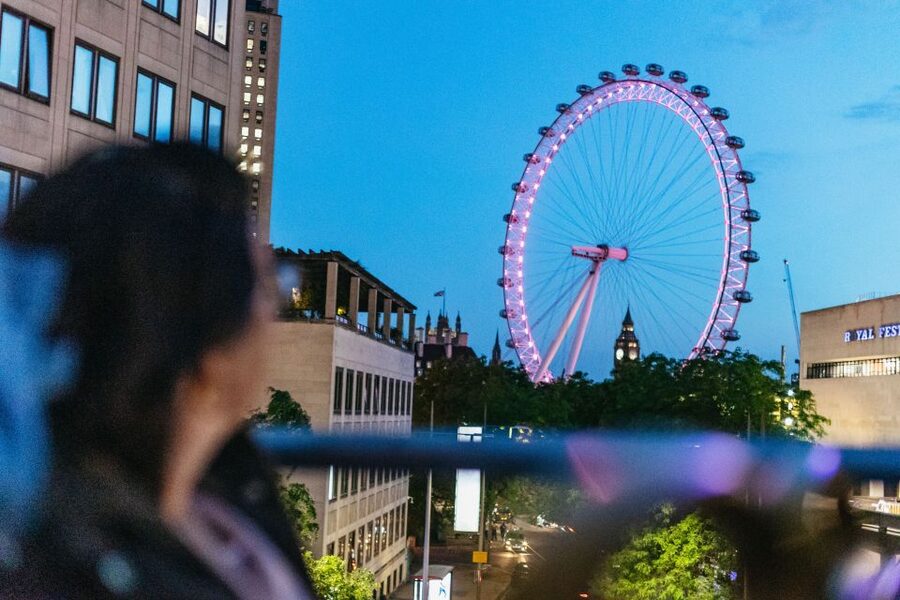
- Big sights, quick viewing: You’ll see Big Ben, the London Eye, and Tower Bridge lit up on one smooth circuit.
- Guides can make it fun: Names like Michael, Matt, Ness, Chris, Shannon, and Max show up often, and the commentary tends to move at a good pace.
- Photo cues help: Expect the guide to warn you when you’re approaching landmarks so you can frame your shots.
- Wind is real: Top-deck cold is the main complaint, so dress for it.
- Light in summer: In May, June, and July, earlier departures may still be bright, not fully dark yet.
Getting on board at Green Park: your easiest London night start
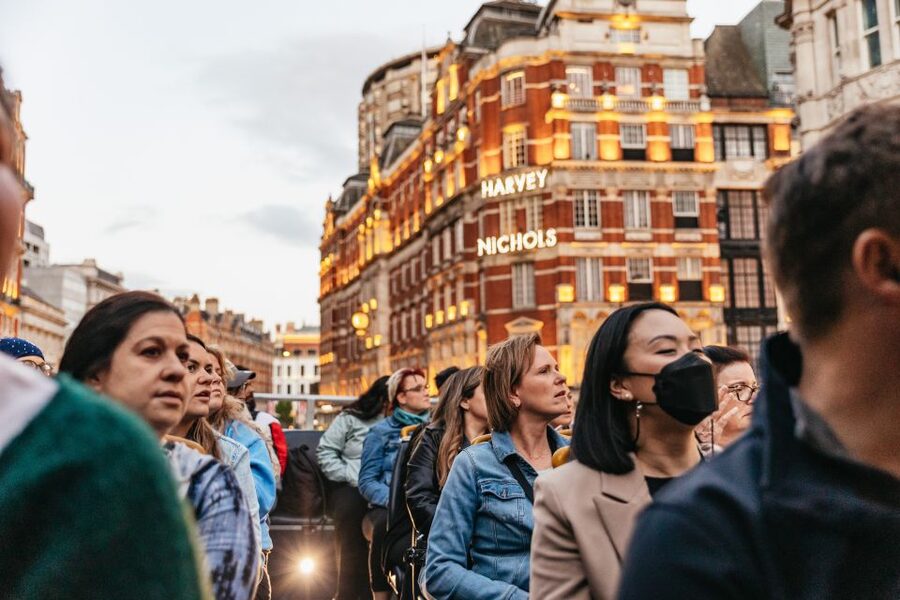
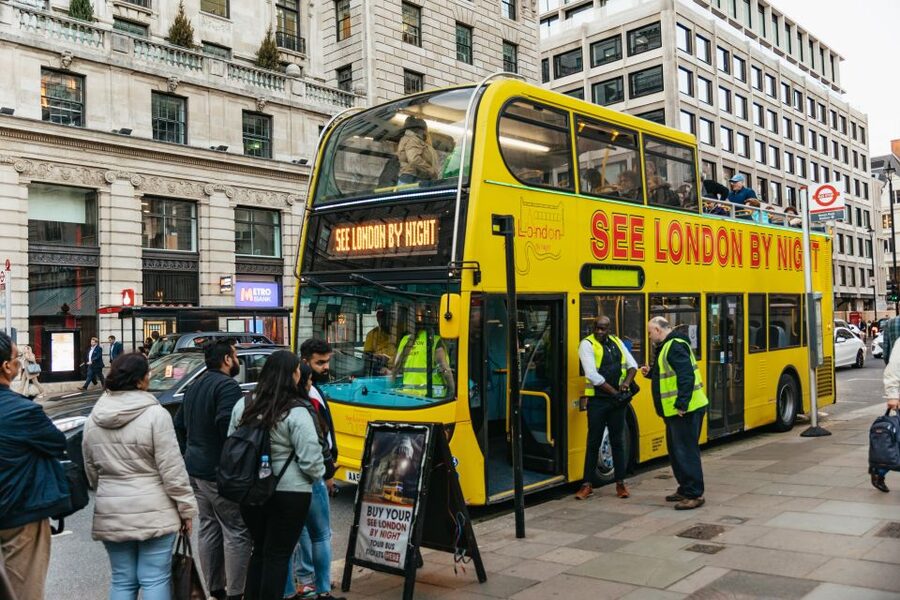
I like that this tour starts in a simple, central spot: Green Park. You board the yellow bus with the See London by Night logo at the bus stop outside Green Park Underground station next to the Ritz Hotel. If traffic disrupts things, look for staff in yellow jackets or use the customer service line.
Why this matters: you don’t have to solve a puzzle at the end of a long day. You’re starting near major hotels and transit, so you can still make dinner plans after.
One small thing to keep in mind: this is an open-top concept. Even if you find a great seat, the weather will still reach you. So when you’re figuring out what time to go, don’t treat it like a warm-weather stroll.
Why the 90-minute loop is such good value
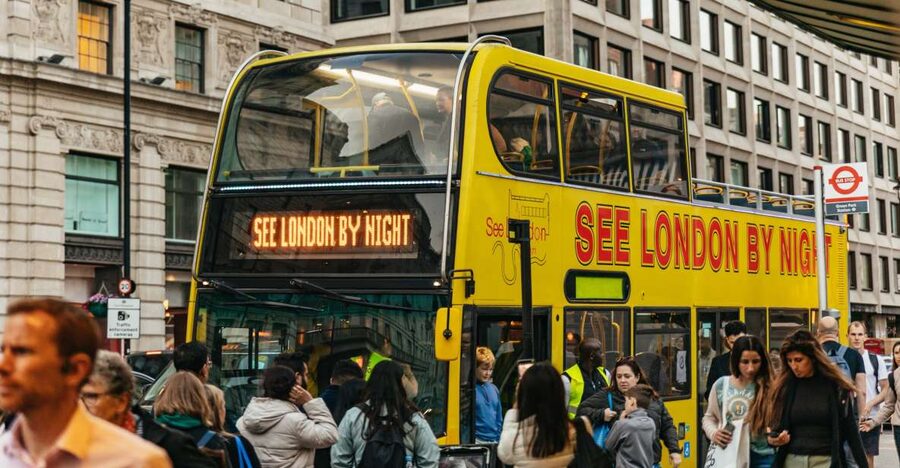
At about $29 per person for roughly 1.5 hours, you’re paying for three things at once: transportation, a guided narrative, and a sightseeing hit list. That combo is the real value here. You’re not just staring at buildings; you’re getting what the guide points out as you move through the city.
This is a smart choice for:
- your first evening in London
- families who want a guided overview without the walking grind
- friend groups who want a shared story of what they saw
- anyone deciding which sights to return to later
It’s also a great “reality check” tour. You see the scale of places like Westminster and the river area, then you can choose if you want to come back for a longer look on your own.
Wellington Arch to Royal Albert Hall: the skyline wakes up
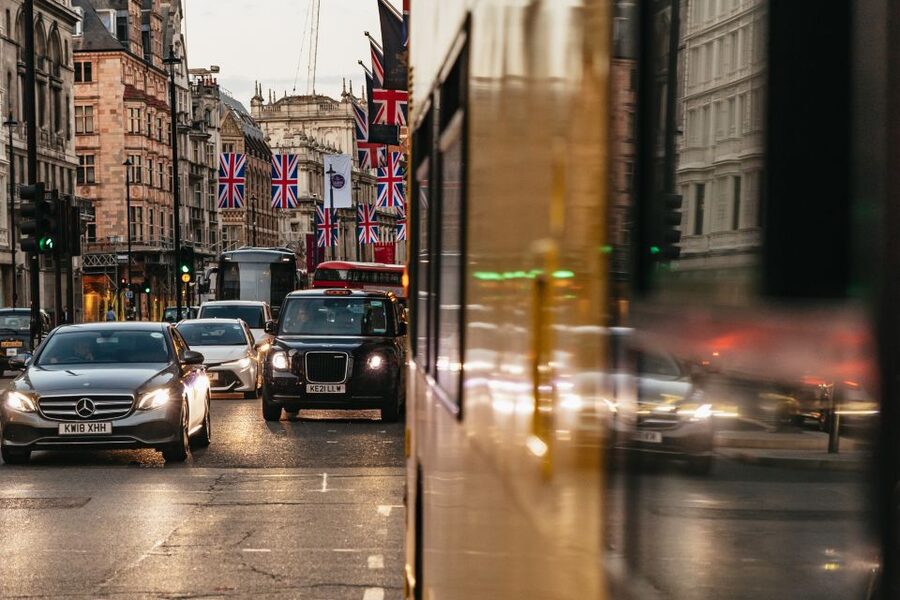
Right after you leave Green Park, you start working your way along the grand “postcard” corridors. You’ll pass Wellington Arch and then glide by Royal Albert Hall and the Natural History Museum area.
What I like about this early stretch: the buildings read well even at speed. Those landmarks have bold silhouettes, so night lighting makes them easier to notice from a bus window or the upper deck. If you’re building a first-timer mental map, this part helps you place the West End and Central London in relation to the museum district.
Photo reality check: early in the ride you’ll get your confidence. Later, the bus gets closer to heavier traffic corridors, and you’ll be more dependent on when the driver slows for shots. Use the first minutes to get your bearings.
Harrods and the Westminster approach: lights, scale, and timing
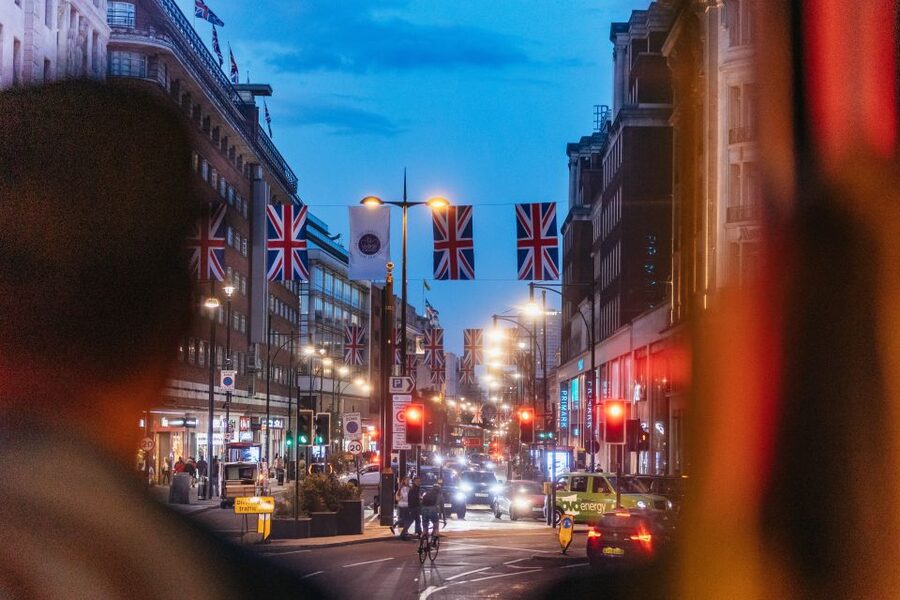
As you continue, you’ll pass Harrods and then head toward Westminster Abbey, Big Ben, and the Houses of Parliament zone. This section is where London shifts from impressive architecture to full-on nighttime drama.
You’ll see how these buildings change with light. The kind of stonework and detail you might miss in daytime becomes clearer in contrast when lamps and illuminated facades kick in. And because the guide is calling out what’s ahead, you’re not just watching—you’re aiming.
Practical tip for photos: don’t assume the perfect shot will happen automatically. When the guide tells you a landmark is coming up, that’s your cue to get ready now—phone up, stance stable, and focus set.
Big Ben and Parliament from the bus: what makes it feel special
Big Ben is one of those sights where distance is both good and bad. From the road, you’ll likely see it in context—part of a bigger composition with adjacent historic structures. From the top deck, you tend to get a cleaner “you are here” view.
The good part: you see the landmark in motion, like a highlight reel of London’s political heart. The tricky part: streets can be busy and angles can be chopped by street-level light poles and passing vehicles.
That’s where the guide’s pacing matters. Many passengers talk about guides like Michael keeping the commentary sharp and funny, which helps you stay engaged even when the bus is moving slower than expected.
The London Eye and Royal Courts of Justice: the ride crosses into landmark territory
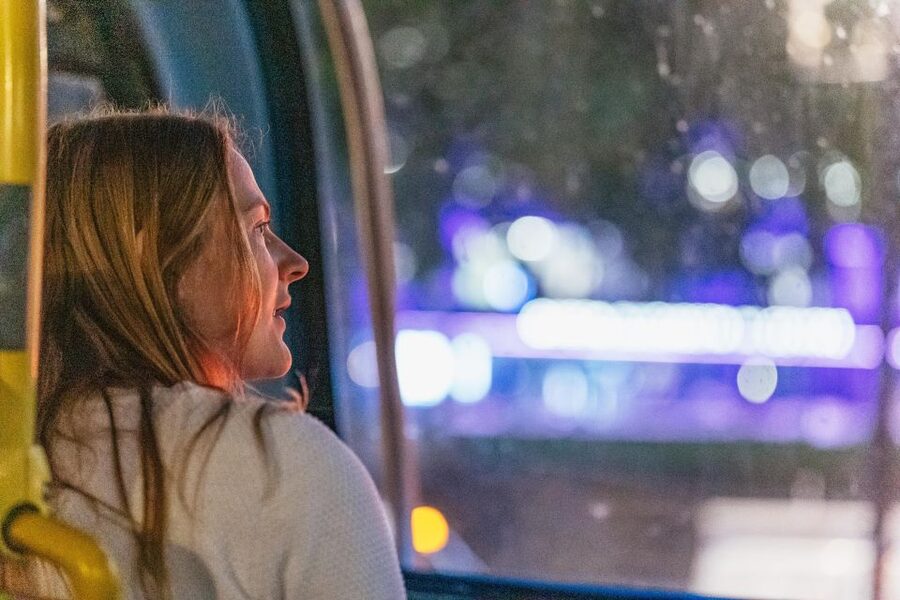
Next up you’ll pass the London Eye and Royal Courts of Justice. This part of the tour helps you understand London’s mix of old and newer icons. You go from centuries-old stone and Gothic lines into modern spectacle lighting.
Even if you don’t step off the bus, you can still see how different the neighborhoods feel. The London Eye area has a more “destination” vibe, while the courts feel formal and grid-like. If you’re planning future visits, you’ll feel the difference without needing a guidebook map.
Tip: if your goal is night photos, keep an eye on reflections. Bus glass and even the bus’s own lighting can cause glare. A quick camera angle shift often fixes it.
St Paul’s Cathedral and the Tower of London skyline: big silhouettes, big feelings
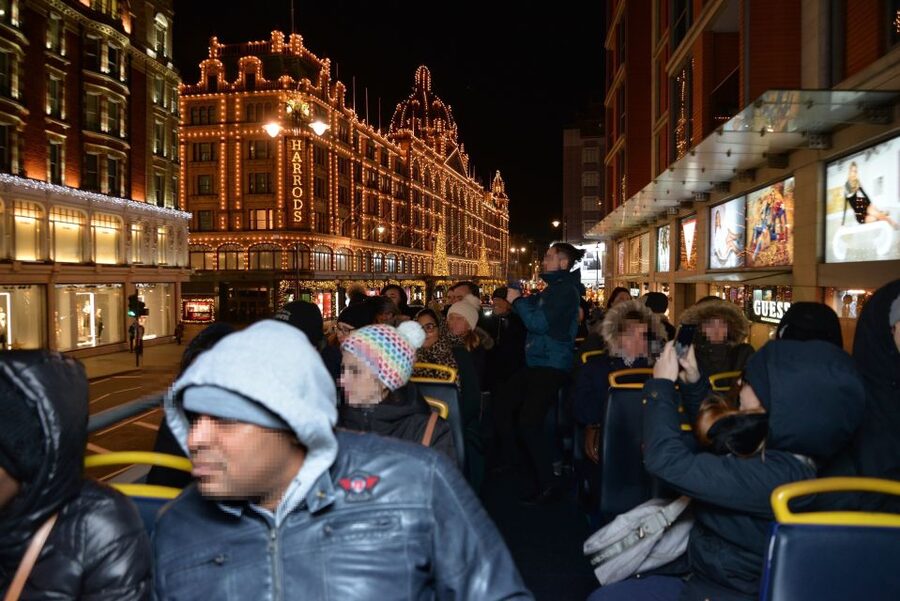
After the central stretch, the tour moves into another standout zone: St Paul’s Cathedral, then Tower Bridge and Tower of London. These are the sights that make the whole idea of a night bus tour click.
From this side of London, the skyline reads like a diagram. St Paul’s dome (even in silhouette) is easy to spot, and Tower Bridge at night is pure icon-energy. As you move through, it’s hard not to feel that London is designed for dramatic evening views.
What to watch for: wind on the upper deck. This is where the cold can become the main event. If you’re feeling chilled easily, you’ll be happier if you plan for it early rather than waiting until you’re already halfway through.
Tower Bridge to Whitehall to Trafalgar Square: the city gets louder
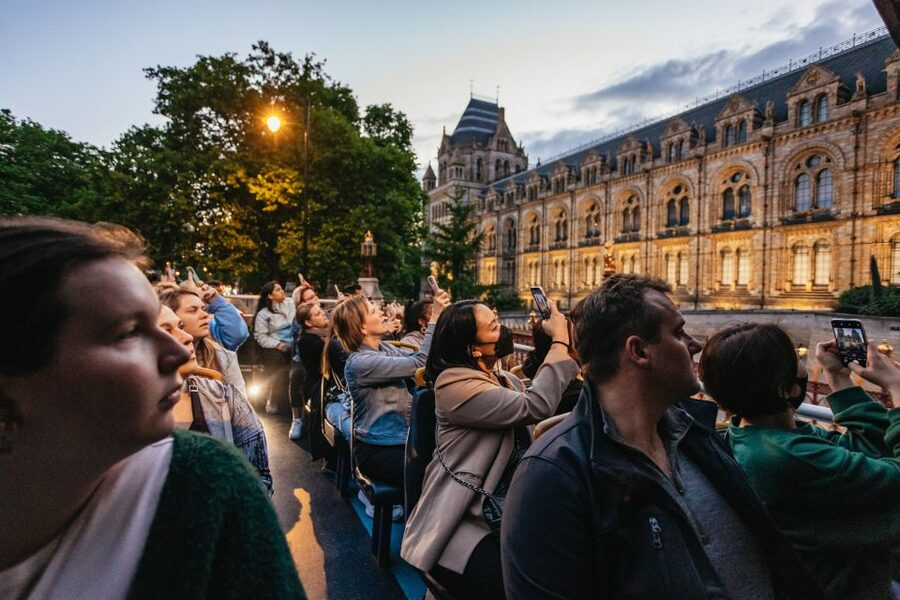
The ride continues toward Whitehall, then Trafalgar Square. Trafalgar Square at night has a different personality than daytime. You’ll see the fountains lit up, and the whole space tends to look active even when you’re just passing through by bus.
Then the tour heads to Piccadilly Circus, where the neon screens add that late-night London glow. This is another “you recognize it instantly” stop. Even if you’ve never stood there, you’ll likely know the skyline from movies and photos.
If your schedule is tight, this is useful. Seeing these areas from the bus helps you decide what’s worth your time on foot later, once you’re warm and taking your time.
Seating and comfort: how to avoid the most common annoyances
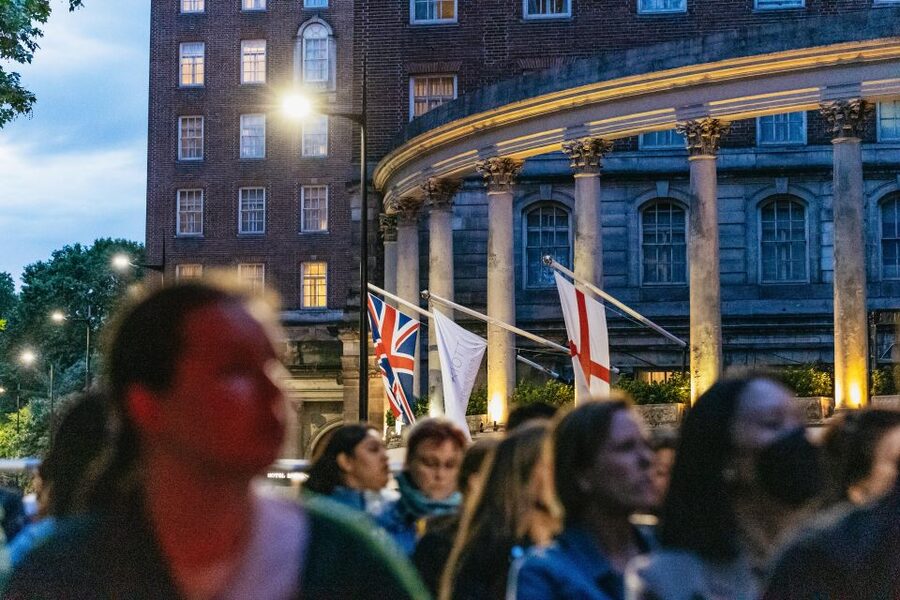
Comfort isn’t a side issue on this tour. It’s part of the experience, because you’re outdoors up top and the air can turn sharp.
Here’s what I’d plan for:
- Bring gloves. Several passengers call it out for good reason.
- Wear layers that you can adjust if you bounce between covered and open sections.
- Expect wind near the river sections and open road corridors.
- If you’re aiming for photos, pick a spot with the clearest sightline, because parts of the upper deck can be covered and block angles.
Also, if you’re particular about cleanliness: one passenger noted that wiping open-top seats with a tissue can leave it looking dirty. It’s not a deal-breaker, but it’s a reminder to keep a small wipe or cloth in your day bag.
The guide factor: stories, jokes, and better photos
This tour lives or dies on the guide. The best ones don’t just list what you’re seeing—they time the story to the sight and keep the group from going quiet.
From the names that show up frequently, you’ll want to be in the right mindset for interactive humor and quick facts. Guides like Michael, Matt, Ness, Chris, Shannon, Max, and others are described as fun, engaging, and able to keep momentum even if the bus hits traffic.
One practical benefit: they often provide photo cues. You’ll hear when a landmark is about to appear, so you’re not scrambling. If you’re traveling with kids or you hate rushing, that warning system helps a lot.
If your group is small on your departure, the experience can feel more personal. One verified booking described a very small bus group, and that kind of setup usually means the guide can respond more easily to questions and attention spans.
When it won’t be fully dark: May to July earlier departures
One thing that can surprise people: in May, June, and July, earlier tours may still be light. That doesn’t ruin the tour. It just changes the look.
If you’re chasing maximum night lighting—especially for Big Ben glow, Tower Bridge contrast, and the neon feel around Piccadilly—later departures give you a darker backdrop. If your schedule only allows earlier times, go anyway and treat it like a transition tour. You’ll still see landmark lighting begin to come alive.
Who this London by Night bus tour suits best
I think this is a strong match if you want:
- a guided overview without long walks
- a one-evening introduction to classic London sights
- an easy way to compare neighborhoods quickly
- a family-friendly plan that keeps moving at a pace that works
It may be less ideal if you:
- hate cold weather and you refuse to dress for wind
- need quiet, undistracted viewing time more than commentary
- want deep access at each landmark (this is primarily a pass-by viewing experience)
Should you book this London by Night open-top bus tour?
I’d book it if you want the simplest path to seeing the headline sights in one evening: Big Ben, the London Eye, Tower Bridge, Trafalgar Square, and Piccadilly Circus—with a live English guide adding stories and timing.
You should also book it if you’re the type who loves night photos but doesn’t want to plan a complex route. This tour gives you structure and photo cues, plus it helps you pick later stops more wisely.
Just go prepared for the weather. If you bring gloves, dress in layers, and choose your seat with sightlines in mind, this tour becomes one of those London nights that feels like a highlight reel—without requiring a full day of logistics.
FAQ
Where do I meet the bus for London by Night?
You board the yellow See London by Night bus at the bus stop outside Green Park Underground station next to the Ritz Hotel. If there’s road disruption, look for staff in yellow jackets.
How long is the London by Night tour?
It’s a 90-minute tour, listed as about 1.5 hours.
Is the tour guided and in English?
Yes. The tour includes a live tour guide and the language is English.
Is the bus tour wheelchair accessible?
Yes, it’s listed as wheelchair accessible.
Are pets allowed on the tour?
No, pets are not allowed.
Will it be dark during the tour in summer?
In May, June, and July, earlier tours may still be day light and not entirely dark. You can check starting times for the schedule you want.