Quebec City goes by fast—this slows it down. I love how this 2-hour panoramic bus tour strings together the UNESCO ramparts and the main landmarks so you can understand what makes the city tick without racing.
Two things I like a lot: the live local guide storytelling and the way the route mixes Old Quebec with nearby Latin Quarter and more modern neighborhoods. That makes it feel like a real orientation, not just a list of photos.
One consideration: this is not hop-on hop-off, and it’s a regular coach (not a double-decker). In bad weather, you’ll mostly be riding and listening, with only brief chances to step out—so plan accordingly.
In This Review
- Key highlights at a glance
- A 2-hour overview that balances Old Quebec and modern quarters
- Price and what you’re really paying for ($38 for transport + a live guide)
- Where you meet, how the bus behaves in real life, and what to bring
- First big payoff: the Château Frontenac connection you’ll remember
- UNESCO ramparts and the Haute-Ville pass-by: seeing the city’s defenses
- Plains of Abraham: what the photo stop is good for (and what it isn’t)
- Grande Allée and the arts side: why this pass-by helps
- Parlementaire hill area: political and religious landmarks in one stretch
- Museum of Civilization and the St. Lawrence River viewpoints
- Comfort, timing, and why a regular bus still works
- Who should book this panoramic tour (and who might skip it)
- Should you book this tour?
- FAQ
- How long is the Quebec City panoramic bus tour?
- Where does the tour start and where do you get dropped off?
- Is this hop-on hop-off?
- Does it use a double-decker bus?
- What languages are available for the live guide?
- What should I bring for the tour?
- Are pets or large bags allowed?
Key highlights at a glance
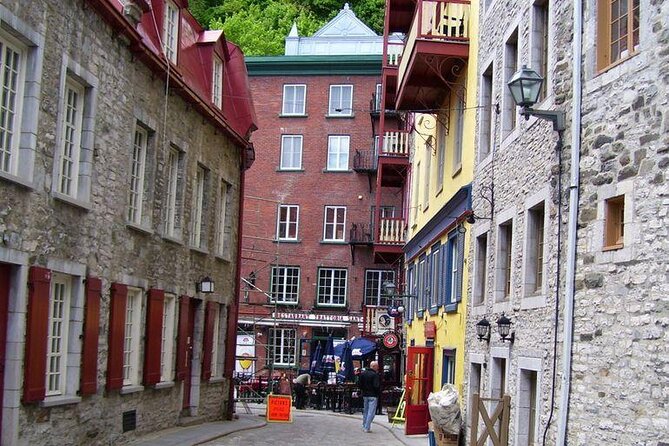
- Château Frontenac view pass-by from a route that actually helps you place it on the map
- UNESCO ramparts and the best-known defensive-walls story in North America
- Plains of Abraham with a timed photo stop so you don’t waste daylight
- Political and religious landmarks passing by: National Assembly, Notre-Dame, City Hall
- French-and-English live guide narration plus humor, seen in guides like Marte, Francois, and Daniel
A 2-hour overview that balances Old Quebec and modern quarters
This tour is built for the first day feeling: you want the big picture, plus enough detail to choose what to do next. Quebec City can feel split in two—Upper Town and Lower Town—and this route helps you connect the dots fast.
You’ll see why Quebec is so strongly associated with French architecture and street life, but you’ll also notice the city isn’t frozen in time. The bus goes through the Latin Quarter area and then swings past more modern neighborhoods. That mix matters. If you only focus on the postcard streets, Quebec can start to feel like a museum. With this, you get the city as a living place: history in stone, and everyday life in the surrounding districts.
The tour also works well if you want an easy way to compare neighborhoods. You’ll pass spots that later become obvious when you walk around on your own—especially near the old fortifications, the Parliament-area hill, and the riverside.
Price and what you’re really paying for ($38 for transport + a live guide)
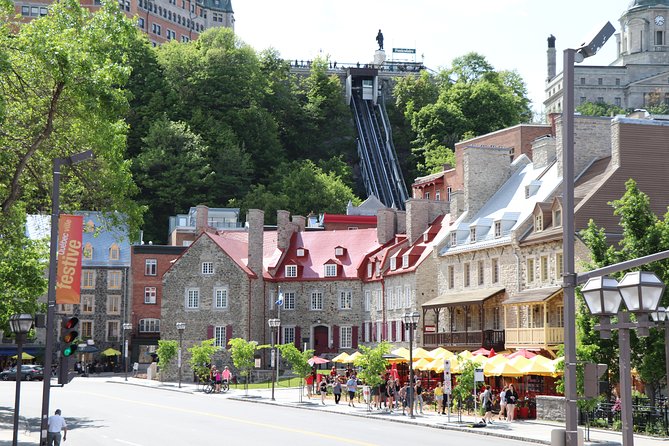
$38 for 2 hours sounds simple, but the value comes from what’s included: transportation plus a live guide who connects landmarks to events and local language. If you were to cover these sights with taxis or rideshares, and then pay for separate paid entry experiences, the math can shift fast.
This tour is also a practical time-saver. Quebec City has steep sections, and parking can be a headache depending on the day. A guided bus route means you can spend your energy on looking, learning, and planning instead of figuring out logistics.
Also, the tour cost includes the “how” of seeing the city—not just the “what.” Guides are praised for their storytelling and humor (names that show up often include Marte, Francois, Daniel, and Yves). That matters because Quebec’s landmarks can look similar from far away. A good guide helps you tell them apart.
Where you meet, how the bus behaves in real life, and what to bring
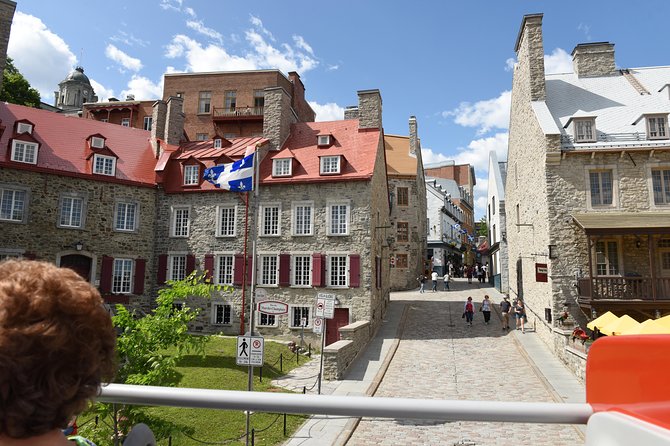
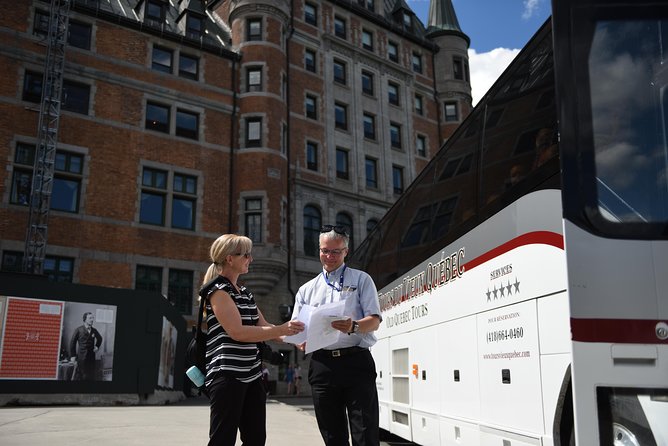
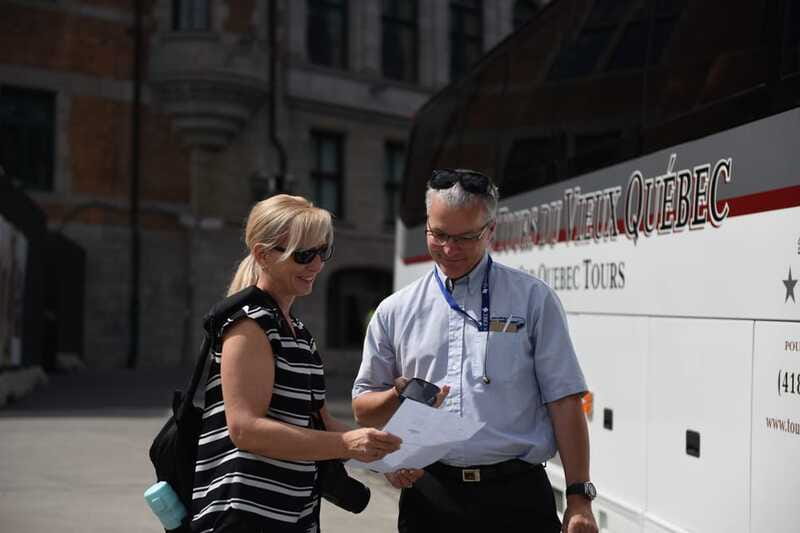
You’ll start at one of two locations: 10 Rue Sainte-Anne or 85 Rue Dalhousie. Arrive about 15 minutes early. The bus will read Unitours or Quebec Tours, so scan the front before you commit to the wrong coach.
This matters: the boarding area can have multiple tour buses in the same general space. One useful tip is to have your ticket sorted before you reach the curb. Exchanging a voucher for a proper ticket at the last minute can add stress.
What to bring is refreshingly basic: comfortable shoes. Even though most of the experience is riding, you do get a short photo stop and you might need to stand for viewing during pass-bys.
A few “know before you go” items are worth repeating:
- No pets
- No luggage or large bags
And seat choice helps. If audio is hard to catch on your departure, sitting closer to the guide area or toward the front may improve what you hear.
First big payoff: the Château Frontenac connection you’ll remember
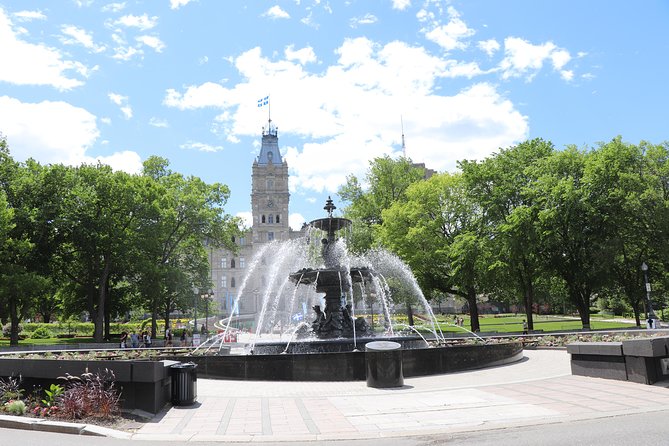
You almost can’t come to Quebec City without seeing Château Frontenac, but the best part is when it becomes part of a bigger story. On this tour, you see it more than once through the flow of the route—first as a key point near the start, then again as you move toward the old-town and Parliament areas.
The guide framing is what makes it click. Château Frontenac is visually dominant, but its role in Quebec’s identity is deeper: it sits in the overlap between tourism, politics, and the city’s old defense geography. Once you’ve seen where it sits relative to the ramparts and the Upper Town viewpoints, you can place it instantly later when you’re walking.
If you’re hoping for a clear photo, go for a side where the light is best on your day. This is one of those places where the same photo can look great or flat depending on angle.
UNESCO ramparts and the Haute-Ville pass-by: seeing the city’s defenses
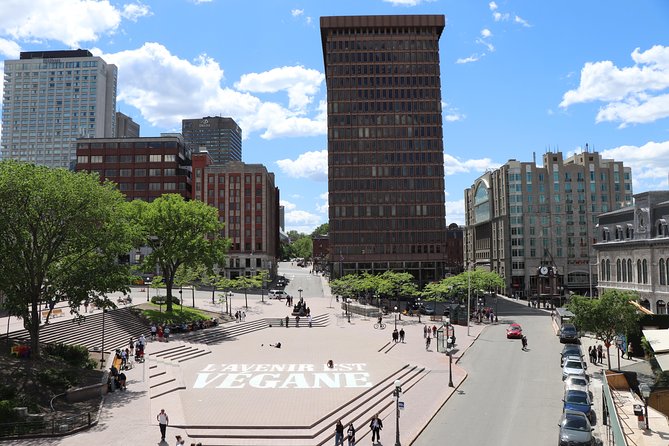
One of the strongest moments in this route is how the bus handles the city ramparts, part of the UNESCO World Heritage listing. These are the standout defense-walls story in North America because they remain standing in their original form.
As you pass by, pay attention to how the guide explains the defensive logic: where walls would have controlled movement, how Upper Town height shaped strategy, and why certain areas became power centers. Even if you know the basics, hearing the city’s defense history tied to where you’re looking helps the walls feel real instead of just scenic.
After that, you move through Haute-Ville (Upper Town) viewpoints. This part is less about stopping and more about building mental geography. You’re learning the routes you’ll want later if you plan to walk on your own.
If the weather is nasty, this is still a good segment because you’re sheltered on the bus. Just bundle up—some departures can be cold and windows can collect ice in winter conditions.
Plains of Abraham: what the photo stop is good for (and what it isn’t)
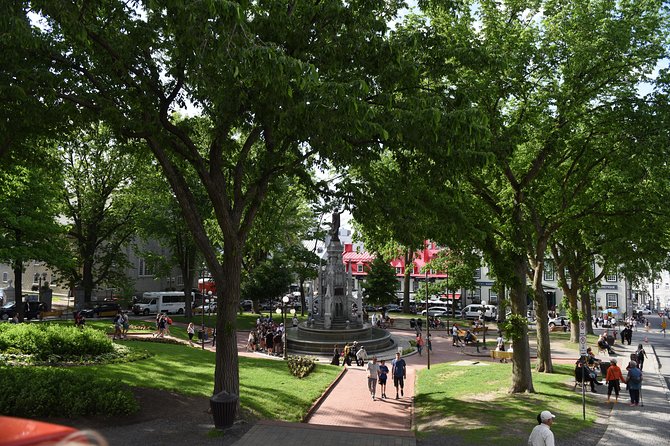
The Plains of Abraham is a must-do sight in Quebec City, and this tour gives you a short timed look: a photo stop with about 15 minutes outdoors and then you’re back on the bus.
Fifteen minutes is not enough to do a full museum visit or a long wander. But it is enough to:
- orient yourself to the open space the battle is associated with
- understand why the surrounding slopes and buildings matter
- take photos that show scale (the plains look different when you see them from the right vantage)
This works especially well if you’re later going to spend time at a nearby attraction. The stop helps you avoid the common problem: walking through the area without understanding what you’re seeing.
In rough weather, this is also when you’ll most appreciate the schedule. You get outside time without committing to long standing in the wind.
Grande Allée and the arts side: why this pass-by helps
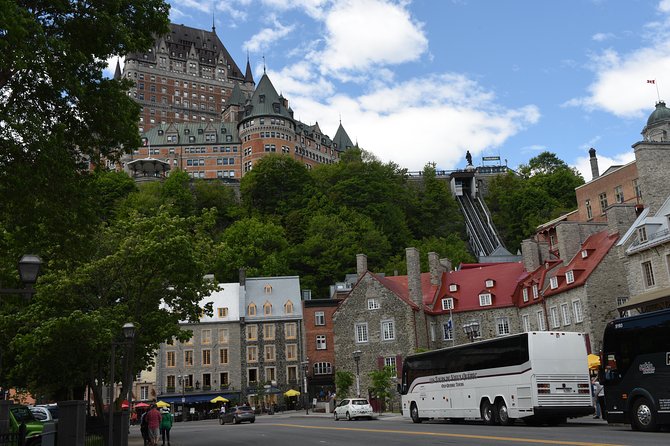
After the plains, the route heads along Grande Allée, a major artery of Quebec City. Even as a pass-by, this section helps you connect the city’s historic spine to its cultural identity.
You’ll also pass the National Museum of Fine Arts of Quebec, which is one of those stops that can sit on your list until the tour puts it into context. If you like art, this pass makes it easier to decide whether it’s worth adding later. If you don’t, you’ll still remember the area because it ties into the routes you’ll use for walking.
This is a good reminder: Quebec City’s “best of” routes aren’t just landmarks. They’re also the corridors that link neighborhoods.
Parlementaire hill area: political and religious landmarks in one stretch
One of the most useful things this tour does is bunch the big names together so you can see how they relate spatially. You’ll pass the area around Vieux-Québec–Cap-Blanc–colline Parlementaire and glide past key sites including:
- the National Assembly
- the Notre-Dame de Québec Basilica-Cathedral
- City Hall
And yes, the guide typically ties these to events and civic life. The effect is practical. When you later stand outside one of these buildings on foot, you’re not guessing what it is or why it matters—you already have the story and the placement.
This is also where Quebec’s French influence comes through strongest. The architecture and the way the city organizes public space around institutions make the whole area feel like it has a job: govern, gather, worship, and commemorate.
If your French is limited, don’t worry. The tour runs English and French, with a live guide in both.
Museum of Civilization and the St. Lawrence River viewpoints
As the tour continues, you’ll pass the Museum of Civilization area and then head toward views of the St. Lawrence River. This part changes the mood from power-and-heritage to atmosphere-and-horizon.
Even a quick pass-by helps because the river is a defining character in Quebec City’s geography. The water changes how the city looks and how the neighborhoods feel. It also helps you plan future walks. Once you’ve seen the river alignment from the bus, you can better decide whether you want a riverside evening or a morning stroll.
If you’re doing other activities the same day, this segment is where you’ll often realize you want to return. Not because it’s a “must,” but because seeing it from the bus gives you an instant sense of what you’d like to slow down later.
Comfort, timing, and why a regular bus still works
This tour runs for 2 hours, with the main value in the packed coverage. It’s not a long sit-and-stare experience, and it’s not built for deep walking. You’ll spend most of the time on the bus, watching the city roll by and listening to the guide’s narration.
A few comfort notes from real-world experience with this type of tour:
- On some departures, seats can be roomy. One review mentioned a not-full bus feeling and good space for choosing viewpoints.
- Winter can mean icy windows. If you’re touring in snow or freezing rain, it’s worth bringing layers and expecting the guide/driver may handle it mid-process.
- The bus is not designed as a hop-on hop-off format. If you’re planning your own stop time, you’ll need to make choices in advance based on what you want most.
One more practical thing: audio can vary. In a couple of cases, people noted hearing was less clear. If that happens on your departure, the fix is simple—move toward the front or toward the speaker area.
Who should book this panoramic tour (and who might skip it)
Book this tour if:
- you want a fast orientation and a shortlist of where to spend real time later
- you like guides who mix facts with humor (many praised guides for jokes and storytelling)
- you’re juggling weather and want to keep sightseeing moving without long walking sessions
Skip it (or pair it with a walking plan) if:
- you want lots of free time inside sites. This is mostly pass-by with one short photo stop
- you’re very audio-sensitive and you know you struggle with speaker systems on buses
- you need to bring large bags or travel with pets (both aren’t allowed)
If you’re a first-time visitor, this is a strong starting move. If you’re returning and just want a quick refresher across Upper Town plus civic/political highlights, it also works—especially since you get the Parliament-area sweep.
Should you book this tour?
Yes, if your goal is to get your bearings fast and build a mental map of Quebec City in just two hours. It’s a good value when you factor in that you’re paying for transportation plus a live guide who explains what you’re looking at—not just pointing out famous buildings.
If you’re visiting in bad weather, or you hate parking and stair-climbing on day one, this kind of guided coach tour can save your trip from feeling like a scramble. If you’re the type who wants lots of time on your feet, treat this as the pre-game and then pick one or two areas to explore in detail after.
FAQ
How long is the Quebec City panoramic bus tour?
The tour lasts 2 hours.
Where does the tour start and where do you get dropped off?
You can start at either 10 Rue Sainte-Anne or 85 Rue Dalhousie, and the tour also drops you off at those two locations.
Is this hop-on hop-off?
No. It is not hop-on hop-off. You stay on the bus for the route and the sightseeing is handled by pass-bys, with a short photo stop.
Does it use a double-decker bus?
No. It is a regular bus, not a double-decker.
What languages are available for the live guide?
The live guide offers commentary in English and French.
What should I bring for the tour?
Bring comfortable shoes, since there are short periods where you may stand or step out for photos.
Are pets or large bags allowed?
Pets are not allowed. Luggage or large bags are also not allowed.