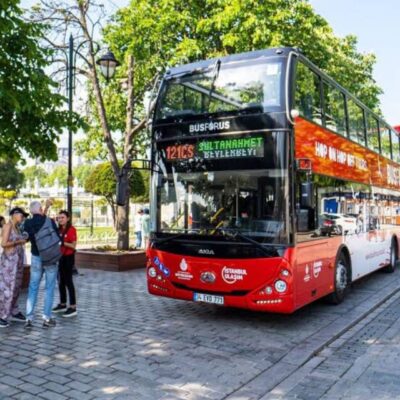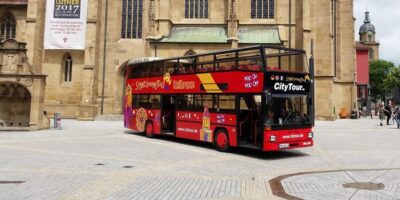
DC glows best from an open-top bus. The Big Bus DC Monuments & Memorials Night Tour turns your first evening in town into a simple circuit of lit-up monuments, with photo time at the Lincoln Memorial and an onboard audio track that keeps the city straight in your head. The trade-off: it’s not hop-on, hop-off, and your total time can vary with traffic and closures.
What I like here is the balance of “see a lot” and “still get a few moments to stand still.” You’ll ride an open-air double-decker, hear an audio commentary (recorded, and sometimes live depending on day), and get short stops that work for photos without turning your night into a walking tour.
One more practical note: seating is first come, first served, and the top deck is the default. If you hate cold after sunset (or if you’re set on a specific photo angle), plan to arrive early and dress for the season.
In This Review
- Key points to know before you go
- The easiest way to start DC at night from Union Station
- How the night bus works: seating, audio, and what you can actually photograph
- The Lincoln Memorial steps stop: 15 minutes that make the whole tour feel worth it
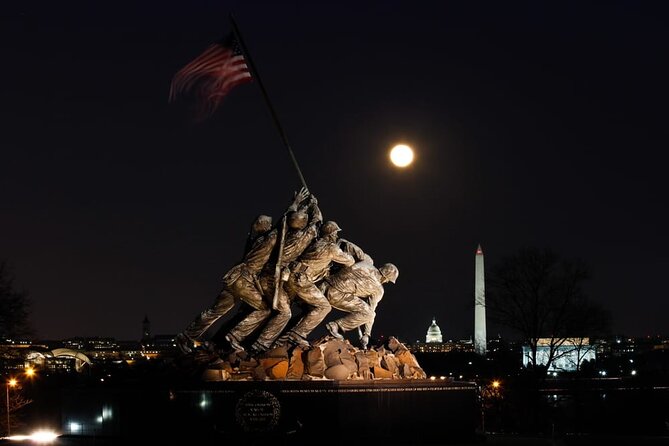
- Iwo Jima Marine Corps Memorial at night: why that stop hits harder after dark
- From the bus: the Jefferson Memorial basin and the Executive Branch sights
- The “missing time” issue: why your night might feel shorter than advertised
- Price and value: is $49 a good deal for a night intro?
- Weather, comfort, and small realities of an open-air ride
- The people factor: drivers, guides, and what good staff actually changes
- Who this night bus tour is best for
- Should you book the Big Bus DC night tour?
Key points to know before you go
- Open-top double-decker views: you’re up high for skyline shots and street-level monument lighting.
- 15-minute Lincoln Memorial photo stop: enough time to grab iconic steps photos and move on.
- Iwo Jima stop is Night Tour only: a dedicated evening moment for this memorial.
- Continuous route, not hop-on hop-off: you can’t jump out for a surprise detour later.
- Audio timing matters: the drive slows to match the commentary, but issues can happen if sound systems fail.
The easiest way to start DC at night from Union Station
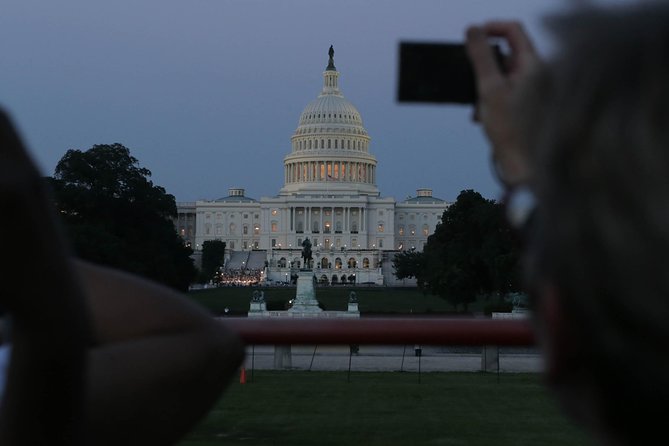
This tour is built for that first-night DC feeling: you want the big sights, you want them lit up, and you do not want to coordinate traffic, parking, or finding the right corners in the dark. The ride starts at Union Station (50 Massachusetts Ave NE) and returns back to that same area at the end.
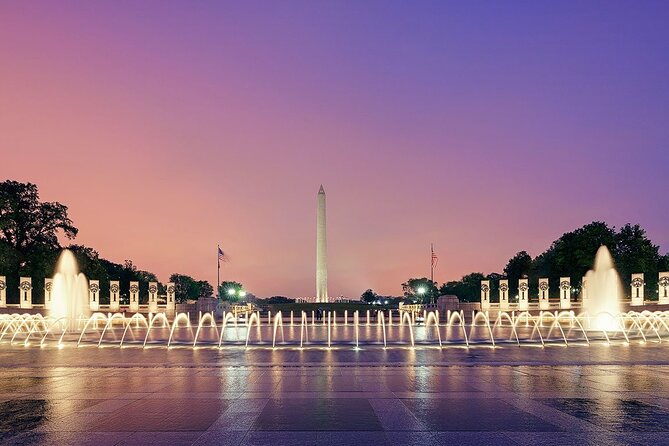
The atmosphere is the real draw. DC looks different after dark—buildings soften, monuments pop with lighting, and the city feels calmer than daytime rush. If you’ve only got one evening, this is the kind of plan that helps you get oriented fast, then figure out what you’ll do the next day.
Quick heads-up on meeting points: the tour info you receive may direct you to Union Station, but the general night-tour guidance also references Stop #1 – L’Enfant Plaza. Double-check your confirmation, especially if you’re traveling on a tight schedule.
How the night bus works: seating, audio, and what you can actually photograph
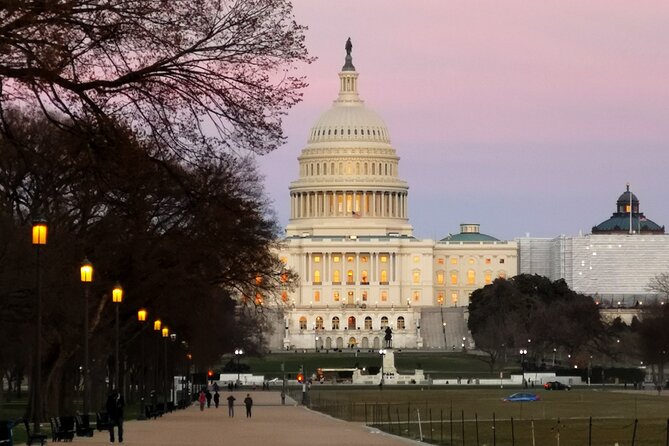
You’ll exchange your voucher and then find your seat on the top or bottom deck. Seats are first come, first served, and you’ll typically sit on the top deck unless you request otherwise. That’s not just a comfort detail—it’s the difference between filming a glowing monument from above and squinting from street level.
Onboard, you’ll use the digital audio commentary (multiple languages). It’s designed to tell you what you’re looking at as you pass major DC highlights. Some people love how the driver slows in sync with the audio, which is a great way to catch a clean shot without sprinting to a new angle.
What can go wrong (and how to protect yourself): a few negative experiences mention audio issues, very short/altered stops, or missed timing when something unexpected happens. You can’t control traffic or closures, but you can reduce the risk by arriving early for the best seat, keeping your expectations realistic about stop lengths, and staying flexible if the day’s route changes.
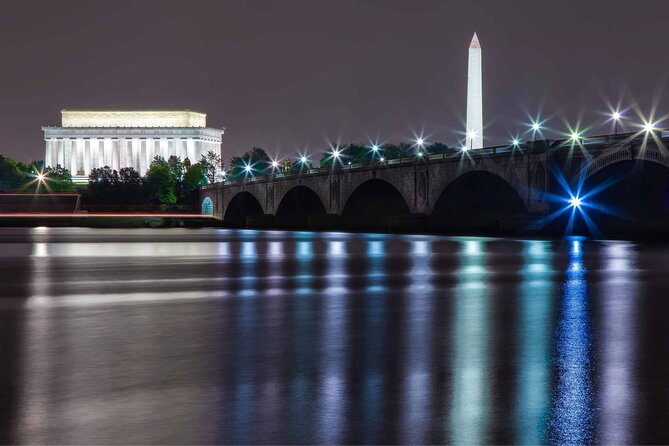
The Lincoln Memorial steps stop: 15 minutes that make the whole tour feel worth it
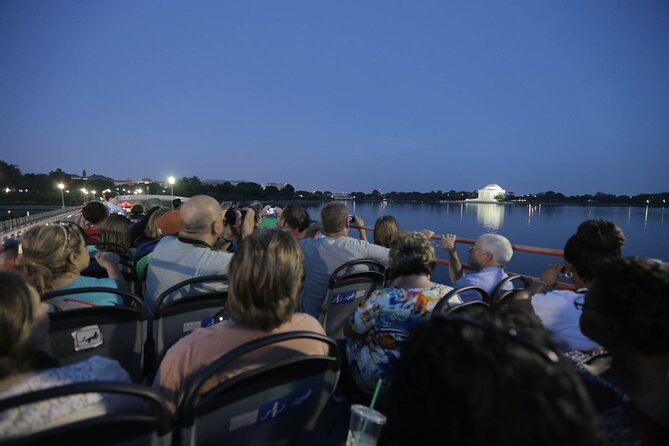
This is the anchor stop. You get a 15-minute photo stop at the Lincoln Memorial, and admission is free. In real terms, that’s enough time to:
- step onto the memorial approach for the classic angle,
- take a few photos up the steps,
- and still get back before the group needs to move.
Night photography tip: if you’re aiming for that iconic “Lincoln centered with steps” look, arrive a minute early within the stop time. Early means fewer people clustering in front of you and more time to reposition your phone/camera without panic.
Also, consider your priorities before you board. Some visitors wanted more time at other memorials (like Vietnam/Korean War areas) and felt the tour’s stop pattern didn’t match what they expected. If those are your must-sees, do the math: this is a short-stop bus tour, not a long-entry memorial day.
Iwo Jima Marine Corps Memorial at night: why that stop hits harder after dark
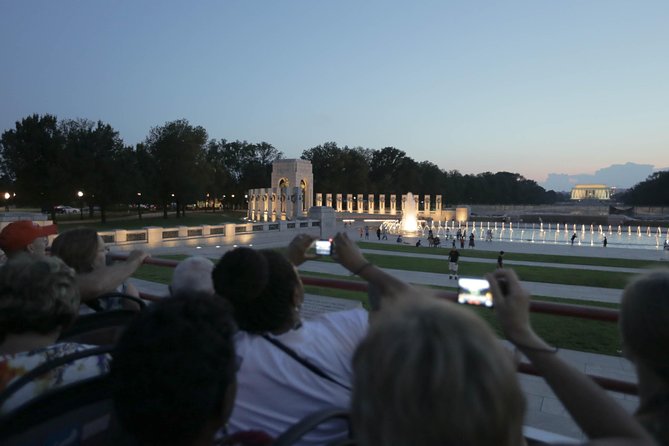
On the Night Tour, there’s a dedicated 15-minute stop at the Iwo Jima Marine Corps Memorial. The lighting here is the point. At night, the scene shifts from “sculpture you walk past” to something heavier and more dramatic in silhouette and highlights.
The big value of a short, scheduled stop is that you’re not guessing where to stand or when you should go. Even if 15 minutes sounds brief, it gives you a clear window for photos and a chance to take in the memorial without rushing through a daytime crowd.
If you’re deciding between different Big Bus night/sunset options, this is one reason the Night Tour stands out: it includes Iwo Jima as an evening stop. That alone can justify choosing this specific departure.
From the bus: the Jefferson Memorial basin and the Executive Branch sights
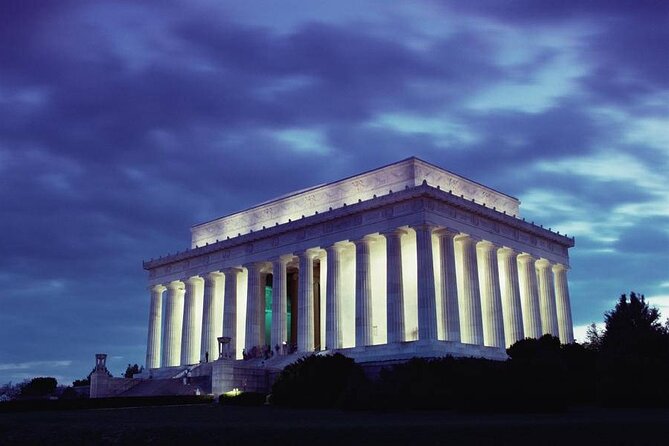
Not every highlight is a stop you can exit for. A lot happens from your seat as you ride the route: you’ll see major memorials and government landmarks from the bus, then get photo chances from the upper deck.
Two parts of the itinerary are especially good from the bus:
- Jefferson Memorial: you’ll get a view of the basin and the memorial’s nighttime look.
- The Executive Branch: you’ll experience the view from the seat of the U.S. government.
If you’re chasing nighttime “wow” photos, the top deck is your friend. Up high, you can frame monuments with the surrounding streets and lighting. If you’re stuck inside (or if you choose lower deck seats), the views can feel less dramatic because you’re missing the vertical angle that makes DC’s lighting look theatrical.
The “missing time” issue: why your night might feel shorter than advertised
The tour is listed as roughly 2 hours 15 minutes (approx.), and the night-tour overview says around 2 hours. In practice, your total time can shift due to traffic, city events, and closures. A few disappointments came down to the experience ending earlier than expected, or stops taking less time than described.
Here’s how to handle this like a smart planner:
- If you’re booking the tour close to dinner plans, give yourself buffer time.
- Don’t schedule other must-do stops that depend on the tour running perfectly to minute.
- If you arrive late, you’re more likely to end up with a less ideal seat, and that can make a “short but good” experience feel shorter.
This is also why the tour’s “continuous route” style matters. Since it’s not hop-on, hop-off, you can’t recover lost sight time by jumping out later.
Price and value: is $49 a good deal for a night intro?
At $49 per person, you’re paying for three things bundled together:
1) an open-top guided viewpoint,
2) audio narration that keeps the sights in context,
3) a couple of real photo breaks (including the Lincoln Memorial stop).
For many first-timers, that’s strong value because it replaces a stack of small costs: multiple rideshares, parking headaches, and time spent trying to “figure it out” in the dark. You also get a structured route instead of trying to self-drive or self-plan at night.
There’s another value lever if you’re considering more DC in the days after: the option to bundle with a Hop-on Hop-off pass with 17 stops can save up to 40%. If you treat this night tour as your setup night, that bundle can make your overall DC strategy much cheaper than piecemeal tickets.
One more thing: the tour operates with a maximum of 50 travelers, which generally helps keep the experience from feeling like total chaos compared to huge buses.
Weather, comfort, and small realities of an open-air ride
Night in Washington DC can be chilly fast. Even if the day was warm, the top deck can feel cold once the sun drops, and that’s exactly when you’ll want your camera ready. Bring layers. You’ll thank yourself when you’re perched in open air with monuments glowing around you.
Rain is another reality. Some people report still having a great time even with drizzling conditions, but open-air means you’ll want a light rain shell or a packable poncho.
Heat can be an issue too, depending on the bus and the day. One unhappy account described poor cooling on a very hot day. You can’t control the vehicle assigned to you, but if you’re sensitive to heat, consider requesting lower deck seating where appropriate—or plan your arrival and water intake accordingly (food and alcohol aren’t permitted onboard).
The people factor: drivers, guides, and what good staff actually changes
A bus tour lives or dies on the people running it. Positive experiences repeatedly highlight friendly, considerate staff and drivers who keep things moving and help passengers find their bearings.
One guide name that shows up in the experience is Nick, mentioned for being good and for sharing fun details—things like trivia about the Pentagon (including how many floors underground) and a detail about the White House fire. That kind of “small fact” approach is exactly what helps a night tour feel more than just a sightseeing loop.
Another name you might hear is Miss Gale, called out in a standout positive evening experience. When staff are on their game, you feel it in the little things: clarity at boarding, smooth reminders at stops, and better photo timing cues.
When staff aren’t able to fix problems quickly—like audio dropping out or a missed stop—you feel that too. If something feels off, speak up immediately at the start or during the stop window. With a tight schedule, last-minute surprises become bigger problems.
Who this night bus tour is best for
This tour fits especially well if you’re:
- in DC for the first time and want a fast orientation,
- traveling with mixed ages or mobility levels who prefer sitting over walking,
- short on time and want a structured night plan,
- the kind of person who enjoys facts while you watch the city roll by.
It can be a mismatch if you:
- want long, on-foot memorial time (this is not built for lingering),
- are obsessed with seeing every memorial up close in one night,
- hate uncertainty around timing caused by traffic or closures.
If you already plan to spend the next day doing deeper memorial visits, this tour becomes the perfect “set the map” night.
Should you book the Big Bus DC night tour?
If you want an easy first evening with open-top nighttime views, timed photo breaks, and audio commentary that helps you connect the dots, I’d book this—especially if you’re pairing it with more DC sightseeing after.
But I’d also go in smart: treat it as a night introduction, not a guaranteed, minute-perfect tour of every memorial. Arrive early for the best seat, dress for the open air, and check your confirmed start location carefully.
If your must-see list is long and specific (Korean War, Vietnam, and several others), consider having a backup daytime plan so your trip isn’t dependent on short bus-stop windows at night.