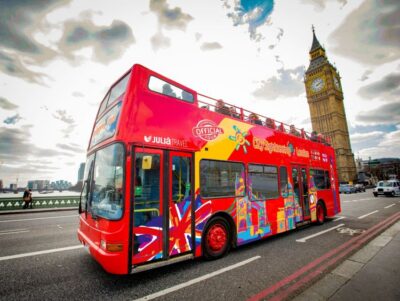
Hong Kong looks different when you can hop on and off. This Big Bus open-top hop-on hop-off tour gives you three route choices, plus audio in 9 languages, with a 24- or 48-hour pass. You ride the city’s key corridors at your own pace, then jump off to explore temples, markets, museums, and coastal sights.
Two things I really like about it: the flexibility (multiple routes and unlimited rides during your pass), and the audio commentary that helps you connect what you’re seeing to Hong Kong’s history and neighborhoods. The main drawback to consider is practical timing: bus frequency can feel slow at certain stops, and a couple reviews flagged issues like audio not working or long waits if you miss a bus.
In This Review
- Key things to know before you ride
- Central to your first ride: how boarding really feels
- The three-route plan: Red for Island, Green for Stanley, Blue for Kowloon
- Central Star Ferry Pier No.7: the easiest launch point
- Mid-Levels Escalator, Man Mo Temple, and Tai Kwun: the old-meets-new stretch
- Causeway Bay to The Peak Tram: views, plus one very practical upgrade
- Stanley on the Green Route: markets, seafront mood, and a slower Hong Kong
- Aberdeen and the south-side water feel: why this route works
- Kowloon on the Blue Route: Avenue of Stars to museum time
- How hop-on hop-off works in real life: timing, the app, and smart hops
- The included ferry and water options: making the pass feel bigger
- Audio commentary in nine languages: helpful context, but bring your own curiosity
- Wi-Fi and onboard comfort: small perks that matter in heat
- Price and value: when $53.14 feels fair
- Final verdict: should you book Big Bus Hong Kong?
- FAQ
- What routes are included on the Big Bus Hong Kong pass?
- How long is the tour experience?
- Is the pass valid for 24 hours or 48 hours?
- What attractions or transport are included in the ticket?
- Are there any optional add-ons with the 24-hour ticket?
- Do I need to use the hop-on hop-off pass on consecutive days?
- Is Wi-Fi available on the bus?
- What happens if the experience is canceled due to weather?
- Can I cancel for a full refund?
Key things to know before you ride
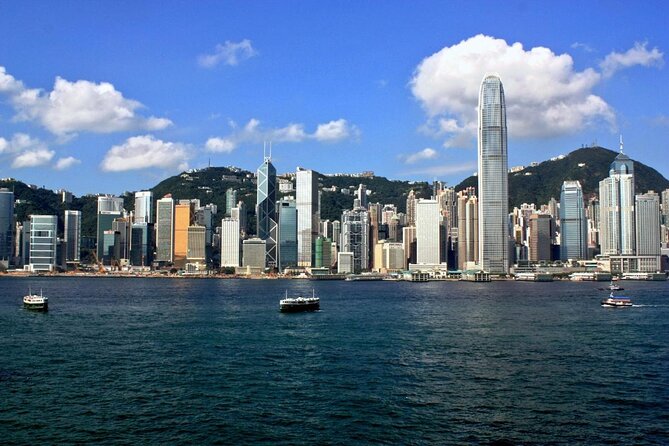
- Three routes, one ticket: Red for Hong Kong Island highlights, Green for Stanley and the south, Blue for Kowloon sights.
- Star Ferry is included: so you get an actual water-based crossing without hunting for tickets.
- Peak Tram options come with the 48-hour ticket: a smart add-on if you want views from Victoria Peak.
- Green Route often wins hearts: it’s the fastest way to feel how different the south side feels from Central and Kowloon.
- Live planning helps, but GPS can drift: the app’s tracking is useful, yet you should still keep an eye on timing.
- Kowloon stops can mean longer waits: plan your hops with some cushion.
Central to your first ride: how boarding really feels
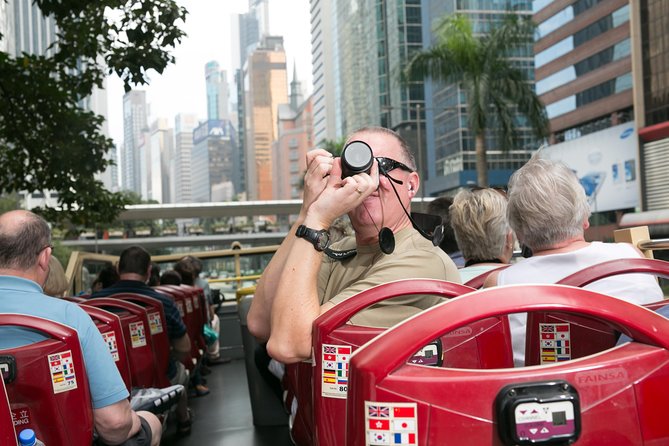
Big Bus starts you at Central’s Star Ferry Pier No.7 area, which is a helpful anchor point. Once you exchange your voucher or pick up your ticket at the pier kiosk, you board the double-decker open-top bus and set up for narration while you cruise.
The open-top format is part of the appeal. You’ll get that breeze, plus the easy photo angles that you do not get inside a normal bus. It also makes Hong Kong’s hills and curves feel more dramatic, so keep a light grip on the rails when the road gets twisty.
If you’re staying on or near Central, you’ll likely do fine on foot. But one practical tip I’d take seriously: Central-area walking in humidity can drain you. If the stop feels far from where you are, a quick taxi ride to the bus point can save your energy for sightseeing.
The three-route plan: Red for Island, Green for Stanley, Blue for Kowloon
This tour works because it lets you choose where you spend time. Your 24- or 48-hour pass covers all three routes, so you’re not stuck doing one loop only.
Red Route (Hong Kong Island) is the “classic highlights” side. It threads through Central and Mid-Levels, then keeps climbing your way toward Causeway Bay and The Peak Tram zone.
Green Route (Stanley) is a different Hong Kong. It heads to the south side—think seafront neighborhoods, coastal scenery, and a more relaxed rhythm than Central or busy shopping streets.
Blue Route (Kowloon) focuses on Kowloon’s major sights and museum stretch. It connects entertainment areas, night-market energy, and big-name cultural stops like M+ and the Hong Kong Palace Museum.
If you’re tight on time, you can still “see a lot.” But the real win is picking one route to linger on and using the others for context.
Central Star Ferry Pier No.7: the easiest launch point
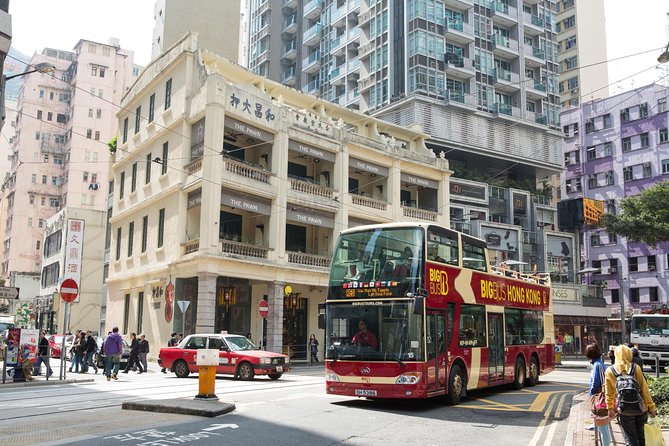
Your first stop is Central Star Ferry Pier No.7, and that’s not just a random number. Central is a hub, and anchoring your day here keeps the tour from feeling like a scavenger hunt.
From this pier area, you can also think about your day’s rhythm. If you plan to use the included Star Ferry ticket, it’s a simple way to break up land travel with a water crossing.
One small mindset shift: don’t treat this as a single attraction day. Treat it like transportation that also happens to show you Hong Kong’s headline locations from the top deck.
Mid-Levels Escalator, Man Mo Temple, and Tai Kwun: the old-meets-new stretch
On the Red side, the tour climbs from Central toward Mid-Levels, with the Mid-Levels Escalator stop as a key landmark. This is one of those places where Hong Kong’s vertical city design feels real, not just described.
Then you hit Man Mo Temple, a strong contrast to modern office towers. It’s the kind of stop where hopping off makes sense because the temple experience is about pacing, not just a quick photo.
Next up is Tai Kwun, which is a major cultural site you’ll likely want a bit of time inside. The bus ride gives you the context; the best part comes after you step off and explore the area at walking speed.
If you like getting your bearings fast, this section does that. If you hate walking uphill, try to time your hop-off so you’re not doing long climbs twice in one hour.
Causeway Bay to The Peak Tram: views, plus one very practical upgrade
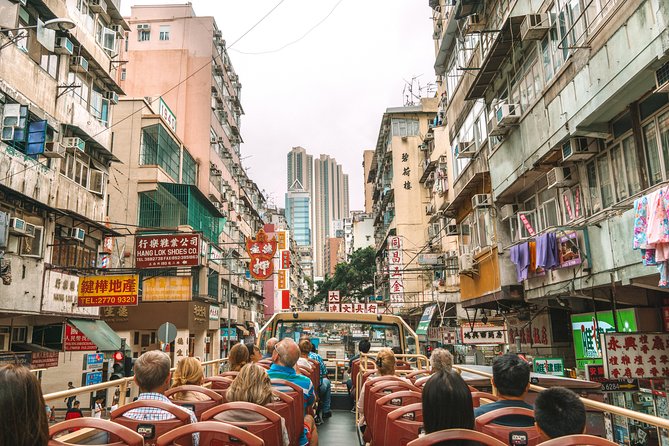
The Red Route keeps going past Causeway Bay and the Park Lane Hong Kong area. This is where Hong Kong shifts into shopping energy, high-rise density, and quick access to major transit.
Then the tour funnels you toward The Peak Tram. The Peak Tram itself is the payoff. It’s one of those Hong Kong moments where the city looks totally different—built-up, layered, and spread across the water.
Here’s the value angle: this tour includes the Peak Tram as part of certain 48-hour ticket package options (listed as a Peak Tram Special Combo). If you choose 48 hours, you’re basically stacking transit sightseeing with a ticketed highlight that’s otherwise separate from bus-only tours.
Go earlier or later depending on your comfort with crowds, but do not skip the views if you’re doing just one Peak moment. You can also use your bus time to arrive, then treat the tram as the main “destination stop.”
Stanley on the Green Route: markets, seafront mood, and a slower Hong Kong
The Green Route is the one many people end up loving most, especially if you’ve already seen Central and Kowloon before. It turns the volume down and takes you toward places that feel more coastal, more relaxed, and less like a straight shot through the business center.
Stops include Stanley, plus the seafront corridor around Repulse Bay. From there, the tour moves toward Ocean Park and along Kwun Hoi Path, then it continues to Aberdeen.
In practical terms, Stanley and Repulse Bay are great because you can choose what kind of traveler you feel like being that day:
- Want browsing and atmosphere? Stay around Stanley longer.
- Want beach-and-walk vibes? Repulse Bay is the right direction.
- Want a big activity day? Ocean Park gives you a built-in anchor.
One real-world tip: the Green Route is a long day if you try to do everything. Pick one or two key stops and give them time, then ride the bus between them to reset.
Aberdeen and the south-side water feel: why this route works

When a city has islands, bays, and steep roads, you often miss the coastline unless you plan. The Green Route helps with that because it’s not only about pointing at water—it actually gets you to neighborhoods that feel shaped by it.
After the seafront stretch, the tour reaches Aberdeen. This is where you’ll feel the distance between “tourist center” Hong Kong and Hong Kong’s working waterfront identity.
If your day plan is smart, this part of the route prevents your trip from feeling like only shopping streets and museum boxes. You get variety: temples and climbs earlier, then a coastal change of pace.
Kowloon on the Blue Route: Avenue of Stars to museum time
The Blue Route brings you to classic Kowloon landmarks and several major museum stops. It starts at the Bruce Lee Statue on the Avenue of Stars, which is a good “Hong Kong entertainment geography” introduction.
Next is Temple Street, a stop that’s perfect if you want to feel night-market energy without committing to a long guided tour. Even if you do not shop much, it helps you understand how Kowloon lives after dark.
From there, the route includes Wholesale Fruit Market, then you reach shopping and culture anchors like Langham Place. If you’re taking a break from walking, it’s a comfortable place to reset.
Then the big museum stretch:
- M+ Museum
- Hong Kong Palace Museum
- Hong Kong West Kowloon Station
This is the part where the pass becomes especially valuable. You can hop off, spend time, then catch the bus when you’re ready. In Hong Kong, that flexibility matters because your energy levels will change fast.
One caution: a few people noted longer waits on the Kowloon side. If you’re timing museum entry or you’re juggling multiple stops, give yourself buffer time rather than assuming perfect bus spacing.
How hop-on hop-off works in real life: timing, the app, and smart hops
The pass is valid for 24 or 48 hours, and you can hop on and off at any stop along the routes during that time window. In theory it’s easy. In practice, your experience depends on two things: your timing and whether you plan your hops around bus frequency.
A pattern I’d plan for: the bus can come at about an hourly pace on some routes and stops. If you miss one, you may be stuck waiting rather than continuing immediately. That turns a “hop on and hop off” plan into a “wait and decide” plan.
The Big Bus app and its live tracking can help you line up your next pickup. One note of realism: tracking is based on GPS updates, so it may not be perfectly precise. Also, if a stop has no one waiting, the bus may just continue—so don’t wander off to grab one last photo and assume the bus will circle back.
My advice: decide your next hop before you leave the bus stop area. Then treat each stop like a small appointment.
The included ferry and water options: making the pass feel bigger
The tour includes a Star Ferry Ticket, and that’s a strong value add. Hong Kong’s identity is tied to water, and a ferry crossing is an easy way to see neighborhoods from a different angle without extra planning.
With the 48-hour ticket, you get choice of a Peak Tram Special Combo, or either Hong Kong Water Taxi or Sampan Houseboat options (as stated in the inclusions). That means the 48-hour pass can go beyond bus sightseeing and turn into a mini transport sampler.
If you’re the type who likes variety—one coastal moment, one tram moment, and a ferry—48 hours is a better fit. If you want the highlights but you’re also watching your time tightly, 24 hours still works, especially if you stick to one route theme per day.
Audio commentary in nine languages: helpful context, but bring your own curiosity
The audio commentary is one of the strongest reasons to pick this tour. You’ll hear commentary in 9 languages, and it’s meant to connect landmarks to stories you might miss from just walking around.
The open-top ride also makes it easier to listen. You’re not cramped, and you’re moving through different neighborhoods quickly enough to keep the narration relevant.
That said, it’s not a substitute for deeper museum visits. Some people felt the headset info was light, while others were happy with the narration and clarity. Think of the audio as a “road guide” that sets your expectations, then use your time off the bus to do the actual exploring.
If audio is important to you, arrive ready to test the headphones on board early. And if something seems off, get it handled quickly with staff; the support team has been praised as friendly and helpful, including names like Razvan and Ana in their customer replies.
Wi-Fi and onboard comfort: small perks that matter in heat
You get free Wi-Fi, which helps with maps, bus tracking, and quickly translating what you see when you hop off. It’s also useful when you’re deciding whether to stick with a stop or adjust on the fly.
The buses themselves are described as clean and comfortable, with drivers handling steep, narrow streets as they move between neighborhoods. A bit of cautious driving energy can show up in comments—curves feel sharper on double-decker routes—so sit stable and enjoy the view.
This is the kind of tour where small comfort wins add up. Hong Kong weather can be demanding, and spending less time sweating between stops makes the day feel better.
Price and value: when $53.14 feels fair
At $53.14 per person, the ticket is not cheap. The question is whether it replaces multiple separate tickets and saves time you’d spend getting around.
Here’s what pushes it into “value” territory:
- Three routes means one pass can cover Island, south-coast sights, and Kowloon.
- Star Ferry is included, so you’re not adding that cost separately.
- 48-hour add-ons can include Peak Tram and either water taxi or sampan houseboat options.
If you only ride one short loop and never use the hop-off flexibility, the price can feel steep. But if you plan at least one route day around a “long stop” (temple, museum, Stanley, Peak), then the pass starts to make financial sense.
If you want a smart two-day plan, a common winning order is Green first, then Red, and finish with Blue. It’s an efficient way to go from relaxed south-coast mood to iconic Island climbs and then into Kowloon’s museum and city-life stops.
Final verdict: should you book Big Bus Hong Kong?
Book it if you want:
- A low-effort overview of Hong Kong across Island, south coast, and Kowloon
- Unlimited hop-on hop-off time over a 24- or 48-hour window
- Included value like Star Ferry and possible Peak Tram or water transport options (with 48 hours)
Skip it or plan around it if:
- You need very tight timing and hate waiting. Some stops can mean longer gaps between buses.
- You prefer guided explanations inside museums. This tour helps with context, but you still want to spend time inside your chosen stops.
My practical rule: if your trip includes multiple neighborhoods and you’re unsure how to connect them, this tour is one of the easiest ways to get moving fast. If you already have a very detailed self-guided plan for specific sites, you might not need all three routes.
Either way, the bus gives you a smart starting point: hop off when something grabs you, and use the next ride to reset your feet and your schedule.
FAQ
What routes are included on the Big Bus Hong Kong pass?
You can use three routes during your pass: Hong Kong Island (Red Route), Stanley (Green Route), and Kowloon (Blue Route).
How long is the tour experience?
The experience is listed as about 2 hours.
Is the pass valid for 24 hours or 48 hours?
Yes. You can choose a 24-hour or a 48-hour pass, and your ticket gives access to the routes during that time.
What attractions or transport are included in the ticket?
Included items are a Star Ferry Ticket, audio commentary in 9 languages, and free Wi-Fi. With the 48-hour ticket, you also get a choice of Peak Tram Special Combo, Hong Kong Water Taxi, or Sampan Houseboat.
Are there any optional add-ons with the 24-hour ticket?
The provided details list the special Peak Tram combo or the water transport choices as included with the 48-hour ticket.
Do I need to use the hop-on hop-off pass on consecutive days?
Yes. The pass must be used over consecutive days.
Is Wi-Fi available on the bus?
Yes, free Wi-Fi is included.
What happens if the experience is canceled due to weather?
This experience requires good weather. If it’s canceled due to poor weather, you’ll be offered a different date or a full refund.
Can I cancel for a full refund?
Free cancellation is available. You can cancel up to 24 hours in advance for a full refund, and cancellations within 24 hours are not refunded.
If you’d like, tell me your travel dates (and whether you’re doing 24 or 48 hours), and I’ll suggest a simple route order that fits your priorities like Peak views, museums, or Stanley and the south coast.