Munich can feel huge on day one. This hop-on hop-off bus tour is a fast way to get your bearings and line up what you want to visit on foot later. I like how the buses are consistently clean and how the pre-recorded audio commentary in English helps you understand what you’re seeing without breaking your walking pace. The main thing to watch is that you may hit longer gaps between buses or route confusion, so you’ll want to plan your transfers instead of assuming every stop runs perfectly on time.
The big win here is flexibility: you’re not stuck with one set itinerary. You can stay on as a moving overview, then hop off whenever you want (within the loop and the day’s operating hours), with access lasting 24 or 48 hours after your first ride.
Below, I’ll walk you stop-by-stop, what each area is good for, and the couple of snags I’d keep in mind—so you can decide if this is the right shortcut for your Munich trip.
In This Review
- Key Highlights at a Glance
- How the Big Bus Hop-On Hop-Off Loop Works
- Price and Value: Is $29.12 Worth It?
- The Core Route: Karlsplatz, Pinakotheken, Odeonsplatz, Eisbach
- Stop 1: Karlsplatz (Stachus)
- Stop 2: Pinakotheken (Galleries & Exhibitions)
- Stop 3: Odeonsplatz
- Stop 4: Eisbach / English Garden
- Stop 5: Deutsches Museum (Temporarily closed)
- Altstadt Classics: Marienplatz and Max-Joseph-Platz
- Stop 6: Marienplatz / Tal
- Stop 7: Max-Joseph-Platz
- Loop back to Karlsplatz
- The Second Route: Nymphenburg, Olympiapark, BMW Welt, and Schwabing
- Stop 2 (Second Route): Nymphenburg Palace (Southern garden side)
- Stop 3 (Second Route): Olympiapark München
- Stop 4 (Second Route): Ludwigstraße 31
- Stop 9 (Second Route): Olympiapark / BMW Welt & Museum
- Stop 10 (Second Route): Schwabing
- Upper Deck Viewing and Audio: How to Get the Most From It
- Timing, Frequency, and Route Confusion (The Stuff That Can Trip You Up)
- Stop-by-Stop Strategy: When to Hop Off vs Stay On
- Who This Tour Fits Best in Munich
- Should You Book This Munich Hop-On Hop-Off Bus?
- FAQ
- How long is the Big Bus Munich hop-on hop-off experience?
- Do I get a ticket that lasts more than one ride?
- Is the commentary available in English?
- How many routes are there?
- Which major stops are included?
- Is the Deutsches Museum stop usable during closure?
- What are the operating hours?
- Is the tour easy to reach without a private transfer?
- Can I cancel and get a refund?
Key Highlights at a Glance
- 24 or 48-hour hop-on access means you can spread sightseeing across your arrival day and beyond
- English audio in 9 languages makes it easy to follow along without a guide in your face
- Two main routes cover both the core sights and the west/north highlights
- Upper deck viewing is a strong photo move when the weather cooperates
- A stop for Deutsches Museum is included, but it can be closed during your dates
How the Big Bus Hop-On Hop-Off Loop Works
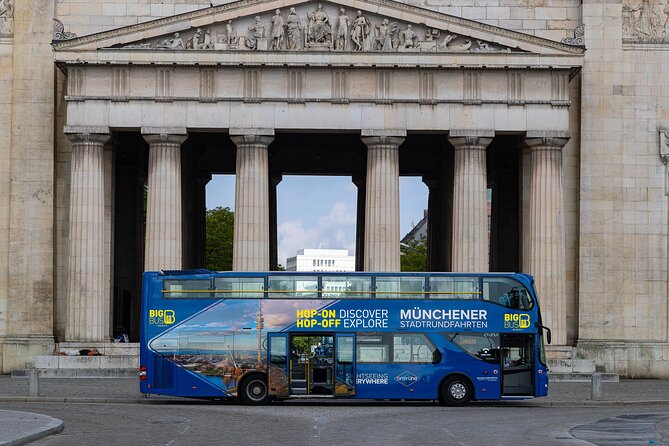
This is a classic hop-on hop-off setup: you ride, listen, and get off to explore any stop that fits your energy. The tour runs on central routes (your ticket choice determines which one you get), and the circuit is described as about 1 hour per loop—with some extra time at stops depending on traffic and timing.
You’ll use pre-recorded commentary with audio available in English, plus 9 other languages. Most visitors find this cuts planning work fast: instead of guessing which square or building is the big deal, the narration puts context on the windshield view.
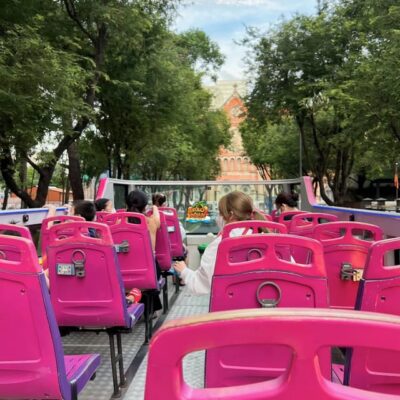
Your top viewing option is the open-top upper deck on a good day. Even on less-than-perfect weather, staying up top usually helps because you can see across the streets more easily than from curb level.
Price and Value: Is $29.12 Worth It?
At $29.12 per person, the value really depends on your walking style and your time. If you want a quick orientation plus a handful of photo-worthy stops, this can pay off in a single day because you can reuse the same ticket across multiple loops.
Here’s the practical way to judge it: if you’re arriving after a long flight, dealing with a rain day, or you just want to map out neighborhoods before committing to paid tickets, a hop-on bus is one of the least stressful ways to do that. One of the strongest themes from real-world feedback is using the bus on an arrival day to figure out where everything is and then decide what to chase next.
But if you’re hoping for a lot of unique stops packed into a short time, the bus may feel a bit limited. Some people found the loop shorter than expected and didn’t get enough chances to hop off when they wanted. If that’s you, plan to treat the bus as a launch pad, not the whole sightseeing plan.
The Core Route: Karlsplatz, Pinakotheken, Odeonsplatz, Eisbach
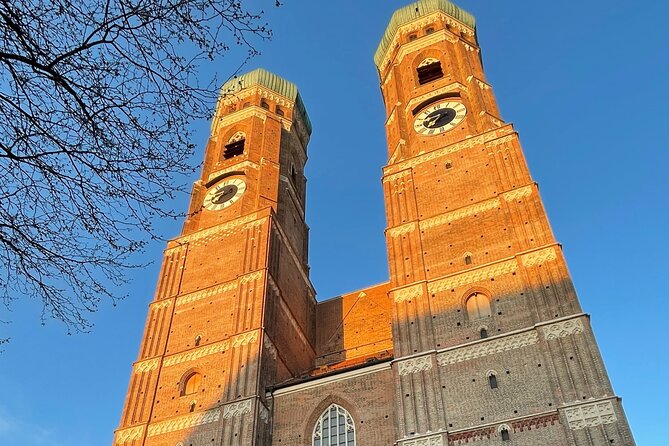
This route is built for Munich’s “greatest hits” in the center and near the English Garden. You’ll get a smooth overview of major squares and cultural areas, plus one standout nature-meets-city moment with Eisbach.
Stop 1: Karlsplatz (Stachus)
Karlsplatz is one of those central places where you can orient quickly. From here, the bus puts you close to the heart of town, so it works well if you plan to walk a bit after you get off. If you’re using public transit during your stay, this area is also a useful anchor point.
Stop 2: Pinakotheken (Galleries & Exhibitions)
If you’re into museums and art, this is the area to remember. Even if you don’t plan to enter every museum, it’s a strong place to understand the “museum quarter” feel of Munich. The bus helps you line up which one you want to prioritize later.
Stop 3: Odeonsplatz
Odeonsplatz is where Munich looks more ceremonial and historic. It’s a good stop for photos and for a quick walk if you want to experience the square atmosphere rather than just drive past it. If your goal is understanding how Munich’s center is layered—old power, modern city—this stop supports that.
Stop 4: Eisbach / English Garden
This is one of the most “Munich” moments on the route. Eisbach is tied to the broader English Garden vibe, and it’s a spot where you can see how the city holds onto outdoor life. It’s a great choice if you want a breath of air and an easy break between museum-and-square sightseeing.
Stop 5: Deutsches Museum (Temporarily closed)
The bus still lists Deutsches Museum as a stop, but it can be temporarily closed depending on dates. If you’re hoping to enter on the day you ride, treat this as a “see it from the outside and move on” kind of stop when closure happens. It’s still useful as an orientation marker because the museum sits in a prominent area.
Altstadt Classics: Marienplatz and Max-Joseph-Platz
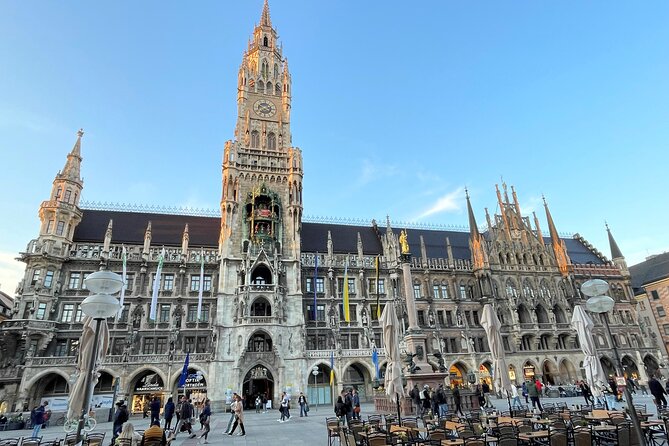
This stretch keeps you in the most recognizable Munich views. If you’re thinking about where to spend time on foot later, these are the stops that usually matter.
Stop 6: Marienplatz / Tal
Marienplatz is the center point for many classic Munich walks. Getting off here gives you a strong starting location for exploring Old Town energy on your own. Even if you don’t stay long, you’ll get a feel for the city’s rhythm and where the pedestrian areas pull people in.
Stop 7: Max-Joseph-Platz
Max-Joseph-Platz is a satisfying counterpoint: it feels more open and elegant. This stop is a good one if you like architecture and want a calmer photo break after the busier core. It’s also helpful for understanding how Munich’s main axes connect the squares.
Loop back to Karlsplatz
After the city center segment, the bus route returns toward Karlsplatz. This matters because it lets you finish your loop without constantly recalculating where you are in town. It’s a relief when you’re tired and just want a straightforward return to a familiar point.
The Second Route: Nymphenburg, Olympiapark, BMW Welt, and Schwabing

The other central route shifts gears. Instead of focusing on classic center squares, you trade some old-town feeling for palace gardens, modern attractions, and the energy of Olympiapark and BMW areas.
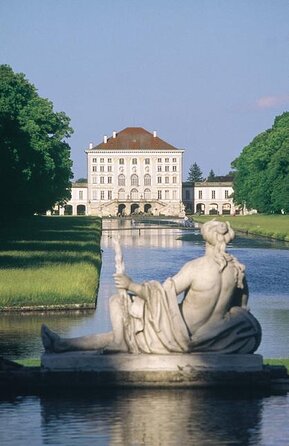
Stop 2 (Second Route): Nymphenburg Palace (Southern garden side)
Nymphenburg Palace is a big change of pace—and the bus gives you a convenient way to connect without committing to a long transfer. The stop is set on the southern garden side in front of the palace, which is handy if you want a quick taste of the grounds before deciding whether to go deeper.
This stop is especially useful if you’re mixing sightseeing styles: a palace in the morning, city squares later, and maybe museums depending on time.
Stop 3 (Second Route): Olympiapark München
Olympiapark is a contrast to the central historic vibe. If you want open views and a modern-feeling part of town, this is your move. It also pairs nicely with a later hop to the BMW area, since they’re on the same general arc of the route.
Stop 4 (Second Route): Ludwigstraße 31
This is a more urban, street-level stop. You’ll use it to connect to other parts of Munich without having to calculate every bus or rail leg. It’s not the kind of place you always build an entire day around, but it can be a practical hinge point.
Stop 9 (Second Route): Olympiapark / BMW Welt & Museum
If you’re even slightly curious about modern Munich, this area is worth the ride. The bus ties Olympiapark and BMW Welt & Museum into one convenient stop, so you’re not forced to stitch together separate legs across town. It’s also a strong choice for visitors who want a clean “see it from the bus, then decide” plan.
Stop 10 (Second Route): Schwabing
Schwabing is where Munich starts to feel more like a neighborhood with its own character. The bus stop makes it easy to sample that vibe without committing to hours of navigation. If you want to wander, pick up a snack, or simply feel local, this is a practical place to get off and roam.
Upper Deck Viewing and Audio: How to Get the Most From It

The best way to use this tour is to treat it like a mobile orientation and information source. Sit upstairs when you can, plug into the narration, and let the commentary tell you what you’re looking at while you watch the city slide by.
A common plus is how smooth and informative the audio can be, especially in English. People also like that the buses are easy to ride and designed for comfort, with a setup that works for first-timers.
Two small practical notes from real-world experience matter here. First, some visitors found that headphones may not be packaged separately, so you might prefer to bring a quick cleaning wipe or ask staff about a clean option if you’re picky. Second, a few people reported occasional issues with audio being out of sync or having pauses—so if something seems off, don’t assume you missed the stop. Look outside and double-check the stop name on signage.
Timing, Frequency, and Route Confusion (The Stuff That Can Trip You Up)
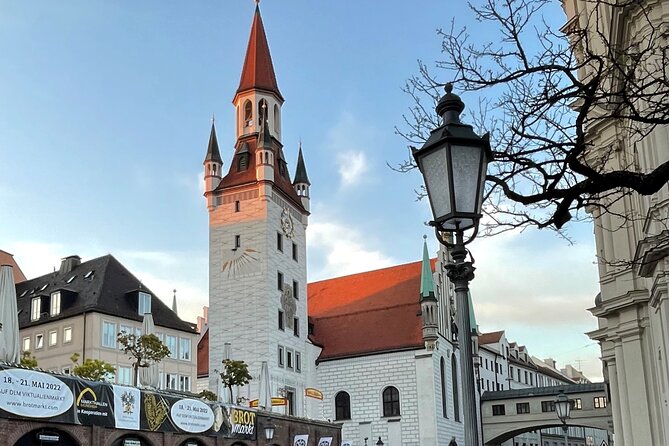
This is where your plan wins or loses. Some feedback points to long waits between buses, while others say the interval feels just right. The difference often comes down to traffic, where your bus is on the route cycle, and whether you’re choosing the right line at the right stop.
I recommend this simple strategy: use the bus stop and line system carefully, then rely on the company’s app features for live tracking when possible. In multiple comments, people were told to use live tracking to plan the day and avoid getting stuck guessing when the next bus arrives.
Also, be alert at the start of your day. One person got placed on the wrong route and ended up riding a loop they didn’t want for hours. That’s the kind of mistake you can prevent by slowing down at the first boarding point, checking that you’re on the correct color/route, and confirming the direction before you pull away.
Finally, keep a bit of buffer time. Even when the tour is marketed as about an hour, people noticed some circuits feel longer because the bus spends time waiting at stops. If you have a timed museum ticket, don’t schedule it back-to-back right after your hop-on ride.
Stop-by-Stop Strategy: When to Hop Off vs Stay On
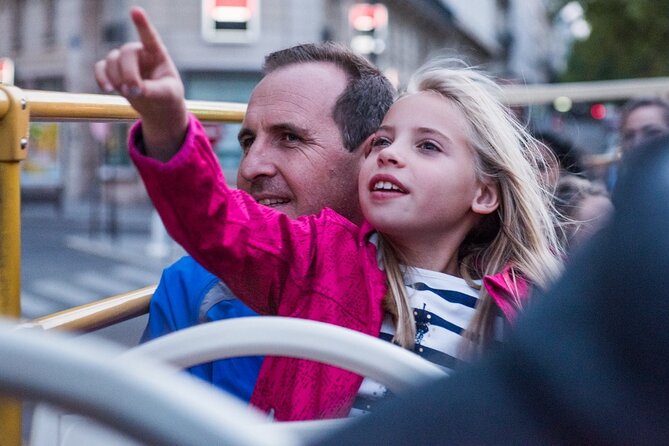
Here’s the way I’d use this tour so it feels worth the money.
Hop off when the stop is a place you might actually walk around:
- Marienplatz if you want Old Town energy on foot
- Max-Joseph-Platz for architecture photos and a calmer pause
- Eisbach / English Garden when you want a break from streets and museums
- Nymphenburg Palace area if you want gardens and palace grounds time
Stay on when you mainly want the overview:
- Pinakotheken if you’re deciding which museum to prioritize later
- Odeonsplatz if you’re more interested in the square view from the upper deck
- Ludwigstraße 31 if it’s more of a connection point than a full-on destination
This approach helps you avoid the common disappointment: spending time waiting for buses when your real goal was to see places up close. Use the bus for the big-picture view, then spend your walking energy where it counts.
Who This Tour Fits Best in Munich
This works well for several types of travelers.
It’s a good match if you:
- want an arrival-day orientation without stress
- can’t walk far and prefer less legwork
- like getting a quick overview first, then choosing museums or neighborhoods afterward
- want an easy rainy-day activity with views from the open upper deck when the weather improves
It’s less ideal if you want nonstop stops in a short time or if you’re very sensitive to timing. If you hate waiting, or you need strict schedules, you may feel the loop is too limited. Also, if you’re the type who demands detailed, constantly updated information with no room for audio hiccups, you’ll want a backup plan.
Should You Book This Munich Hop-On Hop-Off Bus?
Yes, if you want a simple first pass through Munich and you’ll use the ticket flexibility to revisit areas later. At $29.12, it’s easiest to justify when you think in terms of time saved: you’re paying to reduce planning, reduce walking early on, and get a clear sense of where you want to spend money and effort next.
Hold off if you’re expecting tons of distinct stops close together, or if your schedule is tight. The biggest weaknesses are not the sights—it’s the operational rhythm: bus gaps, route confusion at the start, and occasional audio timing problems.
If you’re flexible and you treat this as orientation plus a few targeted get-offs, it’s a smart way to start Munich.
FAQ
How long is the Big Bus Munich hop-on hop-off experience?
The duration is listed as about 1 hour per loop.
Do I get a ticket that lasts more than one ride?
Yes. Your hop-on hop-off access is valid for 24 or 48 hours from the time of your first use.
Is the commentary available in English?
Yes. The tour includes pre-recorded commentary available in 9 languages, including English.
How many routes are there?
There are 2 central routes depending on your ticket choice.
Which major stops are included?
Key stops include Karlsplatz, Pinakotheken, Odeonsplatz, Eisbach / English Garden, Deutsches Museum, Marienplatz / Tal, Max-Joseph-Platz, Nymphenburg Palace, Olympiapark München, the BMW Welt & Museum area, and Schwabing.
Is the Deutsches Museum stop usable during closure?
The stop is listed, but Deutsches Museum may be temporarily closed during your dates, so entry may not be possible.
What are the operating hours?
From Tuesday to Sunday and also across the later date ranges, it’s listed as 10:00 AM to 5:00 PM.
Is the tour easy to reach without a private transfer?
Yes. It’s listed as near public transportation, and there is no hotel pick-up or drop-off.
Can I cancel and get a refund?
Free cancellation is offered if you cancel at least 24 hours in advance for a full refund. If you cancel less than 24 hours before the start time, the amount paid is not refunded.