San Francisco hills look easier from a bus. I love the hop-on hop-off flexibility to shape your own day, and I love the earbud audio that gives you history while you’re moving. One thing to plan for: some stops are a walk from the main entrance, so you’ll want comfortable shoes and a weather-ready layer.
This is an easy way to see the big names without doing math on transit routes. The Red Route hits downtown, North Beach/Chinatown, Golden Gate Park, the Golden Gate Bridge viewpoints, and ends up at the waterfront by Pier 39.
You’re not renting a car, and you’re not stuck in one place all afternoon. Still, traffic can stretch the schedule, so if you have a tight window for one must-see, give yourself breathing room.
In This Review
- Key highlights at a glance
- Why a Big Bus SF loop is the smart way to start
- Price and value: what $56.10 buys you (and how to choose 24 vs 48 hours)
- When a 24-hour pass is enough
- When 48 hours is worth it
- Timing and the 12:30 pm start: how to plan your day without rushing
- Riding comfort: seats, open deck, and wind on the bridge
- Stop-by-stop: what each Red Route stop is best for (and what to watch)
- Stop 1: Big Bus Tours Visitors Center (99 Jefferson St)
- Stop 2: Ghirardelli Square
- Stop 3: North Beach / Chinatown area (Columbus Ave)
- Stop 4: Embarcadero Center (Clay St)
- Stop 5: Ferry Building
- Stops 6 and 7: Union Square and the Hilton area
- Stop 8: Civic Center (Earl Warren Building area)
- Stop 9: Alamo Square
- Stop 10: Haight-Ashbury (near 1816 Haight)
- Stop 11 and Stop 12: Golden Gate Park access points
- Stop 13: North Vista Point (Golden Gate Bridge)
- Stop 14: Palace of Fine Arts
- Stops 15 and 16: Lombard Street (two nearby viewpoints)
- Stop 17: Pier 35 / Cruise Terminal
- Stop 18: Pier 39
- Audio earbuds and the app: how to get real value from the commentary
- Upgrades that can actually improve your day
- 1-hour Panoramic Sunset Tour
- Digital Chinatown walking tour (1 hour)
- Aquarium of the Bay admission
- Half-day wine tour (2 wineries and Sausalito) with the 24-hour pass
- Timing reality check: traffic, crowds, and why your plan should breathe
- Who should book this Big Bus SF Red Route (and who might not love it)
- Final verdict: should you book this tour?
- FAQ
- What time does the Big Bus SF Red Route start?
- Do I need to go to a central location to redeem my ticket for the day tour?
- What time is the last bus?
- How often does a bus arrive at each stop?
- Is the tour wheelchair accessible?
- Are pets allowed on board?
Key highlights at a glance
- Earbud commentary, not live chatter: recorded stories come through the included earbuds so you can actually hear them.
- Open-top for the Golden Gate: if the wind cooperates, the upper deck across the bridge is the payoff.
- Apps help you plan: live bus tracking and route info are built into the downloadable app.
- Downtown stops are close to major landmarks: Union Square, Civic Center, Ferry Building, and the Embarcadero are all part of the loop.
- Pier 39 is your waterfront finish line: great if you add Aquarium of the Bay to your day.
- 48 hours can be a smarter choice: the route is solid, but hopping with time to spare works better.
Why a Big Bus SF loop is the smart way to start
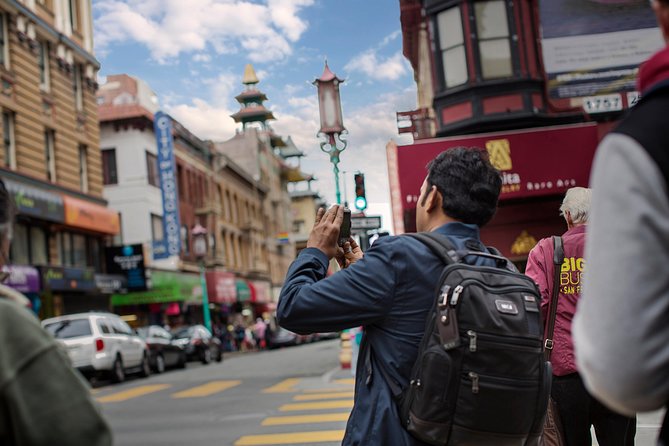
San Francisco is the kind of city where good intentions meet steep hills fast. A hop-on hop-off bus doesn’t just move you from view to view—it gives you a quick sense of where everything sits. After one loop, you’re better at planning walks, museum stops, and neighborhoods on your own.
I also like that this tour feels built for real days, not just photo ops. You can ride the full route once, then get off where you want to linger—Ferry Building for a snack run, Golden Gate Bridge viewpoints for photos, or Lombard Street for the classic curve.
The biggest practical plus is that you skip the parking headache and stop-start driving across busy areas. If you’re traveling with kids, older relatives, or anyone who gets tired on hills, staying seated for long stretches is a real comfort.
Price and value: what $56.10 buys you (and how to choose 24 vs 48 hours)
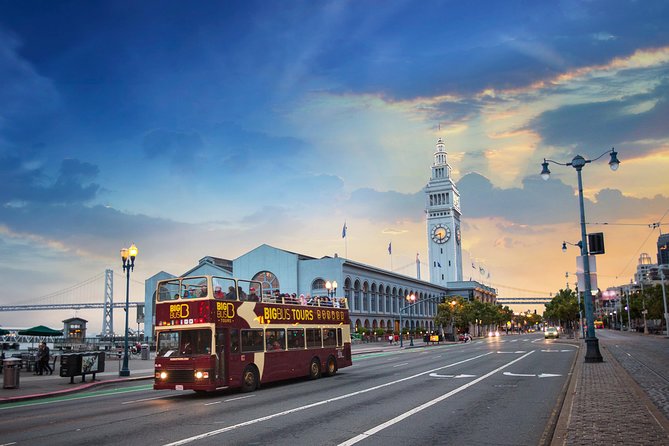
At about $56.10 per person, you’re paying for a day (or two) of transportation plus audio and optional add-ons. That price starts to make sense when you compare it to the cost and stress of rideshares for multiple neighborhoods, especially with SF traffic.
Here’s the key value trick: the ticket isn’t only for one ride. With either a 24-hour or 48-hour pass, you can start at any stop and keep returning to the bus during operating hours after first use.
When a 24-hour pass is enough
A 24-hour pass works when you’re efficient. You’ll ride the loop once, hop off for your top two or three priorities, and head back on quickly. If you already know exactly what you want—say Golden Gate Bridge, Pier 39, and Chinatown—a 24-hour pass can feel like a good deal.
When 48 hours is worth it
A 48-hour pass is better when you want to slow down. SF is full of short detours that turn into half-days: a coffee stop near Union Square, a museum stop in Golden Gate Park, or a longer walk around North Beach and Chinatown. If you can spare an extra day, the extra bus time usually pays off.
Timing and the 12:30 pm start: how to plan your day without rushing
This tour starts at 12:30 pm and runs during operating hours, with the last bus departing Stop #1 at 5:00 pm. That timing matters. If you hop off late, you might have fewer chances to return before the route ends for the day.
Also, the trip duration is listed at around 2 hours for the ride itself, but your day can stretch quickly once you start hopping. The smartest approach is to think in chunks: morning-ish neighborhoods on the front half, then bridge/park and the waterfront on the back half.
One more timing note: buses don’t follow a perfect, no-traffic clock. The schedule can tighten or loosen depending on the city. Build your day around priorities, not around hoping every connection is instant.
Riding comfort: seats, open deck, and wind on the bridge
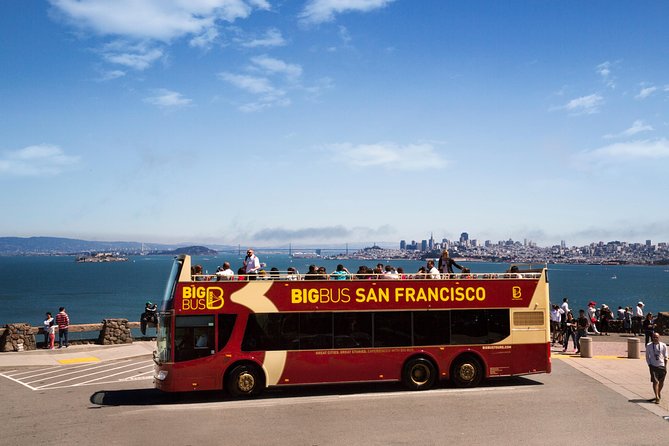
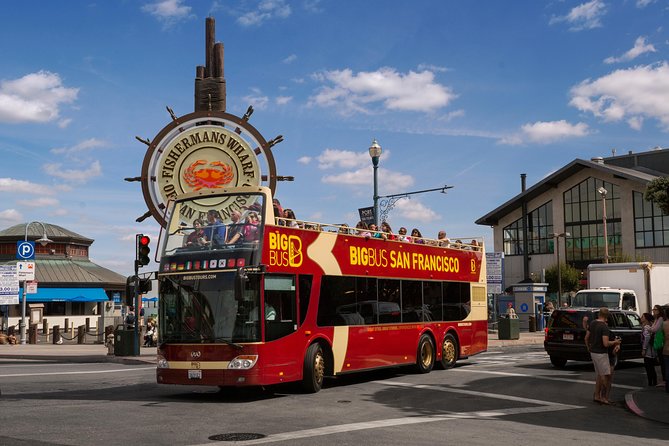
This is an open-top, double-decker bus, and you’ll feel the difference immediately once you’re upstairs. If the weather is decent, the open deck is the best way to get that SF “big air and big views” feeling.
For the Golden Gate stretch, bring a wind layer even when the day feels warm. There’s a reason people talk about being prepared when you cross—wind hits you harder on an open deck than you expect.
If you care about views, get on earlier rather than later. Some riders recommend grabbing the upper-deck seats near the front when you can.
Stop-by-stop: what each Red Route stop is best for (and what to watch)
The Red Route runs through major SF landmarks, with 17 stops that cover iconic sights and useful neighborhoods. In practice, you’ll use the stops like checkpoints: hop off, explore, then hop back on when you’re ready.
Stop 1: Big Bus Tours Visitors Center (99 Jefferson St)
Start here if you want the easiest activation and direction. It’s the hub area where you can redeem vouchers if needed, and it’s also where the last bus departure is referenced in the tour info.
Practical tip: treat this as your “reset” point. If you’re early, you can get oriented before you commit to hopping around.
Stop 2: Ghirardelli Square
This is a great first hop for a classic waterfront treat. It’s also a nice neighborhood landing pad because it’s close to other Embarcadero-area sights and scenic walking routes.
Watch for the usual waterfront pattern: it can get busy, and you may end up doing your viewing in short bursts.
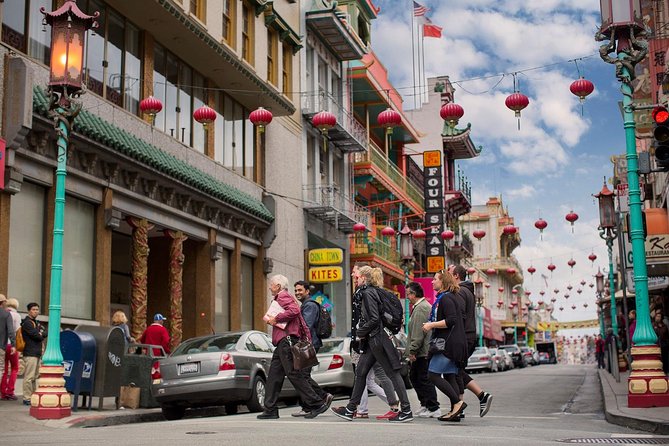
Stop 3: North Beach / Chinatown area (Columbus Ave)
This stop is handy because it places you between two neighborhoods people love for different reasons—North Beach for an old-school Italian vibe and Chinatown for shops and street energy.
If you only have one Chinatown moment, plan to spend longer here. The walking and food options are where this area turns from “quick visit” into “why am I still here.”
Stop 4: Embarcadero Center (Clay St)
Think of this stop as your downtown-to-waterfront bridge. From here, you can walk to sections of the Embarcadero that feel more polished and office-dense, then hop back on when your legs need a break.
If you’re building a food plan, this stop can keep you from wasting time backtracking.
Stop 5: Ferry Building
Ferry Building is one of the best places on the route to turn sightseeing into snacks. You’re in the sweet spot of waterfront views and easy strolling.
The only catch is time. It can be tempting to linger, and if you lose track of the bus schedule, you’ll feel it later.
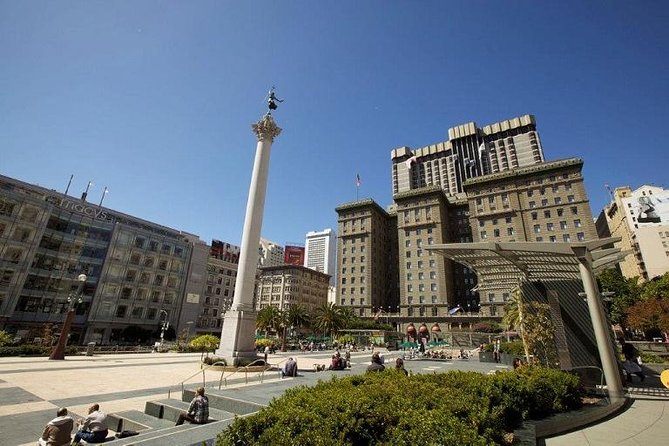
Stops 6 and 7: Union Square and the Hilton area
These stops put you right in the core of shopping and city-center energy. Union Square is also a good “meeting point” if you’re traveling with people who want different things—retail for some, quick rides to sights for others.
Keep in mind: this is a busy area. If you want photos without crowds, you’ll have a better time aiming for off-peak moments.
Stop 8: Civic Center (Earl Warren Building area)
Civic Center is useful because it connects you to museums and grand architecture without requiring a long transfer. It’s also a calm-ish pause compared to the street-level bustle of other downtown blocks.
If you like walking, this is a place where you might choose to get off, orient yourself, and then decide on a nearby detour.
Stop 9: Alamo Square
Alamo Square is all about the “I know that view” Painted Ladies moment. This stop gives you an easy access point for that iconic skyline view.
Just don’t expect everything to be right next to the exact place you’re picturing. It’s a walk-and-look kind of stop.
Stop 10: Haight-Ashbury (near 1816 Haight)
This is the stop for retro San Francisco. Even if you don’t go deep into every shop, it’s a solid launching point for vintage shopping streets and neighborhood browsing.
Haight can be a lot. If you get sensory overload, limit your time here and plan your recovery ride back upstairs.
Stop 11 and Stop 12: Golden Gate Park access points
Golden Gate Park is huge, so stop locations matter. On Mondays through Saturdays, the park stop is outside the California Academy of Sciences. On Sundays and public holidays, it uses a different Golden Gate Park stop (Lincoln Way at 9th Avenue).
This is a big reason hop-on hop-off tours work: you get park access without guessing which entrance is easiest. Still, Golden Gate Park is so large that you’ll want to pick a single area if you only have a few hours.
Stop 13: North Vista Point (Golden Gate Bridge)
This is one of the big “photo, breathe, then keep going” moments on the route. The lookout parking area off the highway is where you can catch bridge views without complicated transit.
In wind, this stop can feel brisk. Plan layers and keep an eye on footing if it’s windy or damp.
Stop 14: Palace of Fine Arts
This stop is a relaxing counterpoint to the bridge. Palace of Fine Arts feels like a place to slow down, take photos, and walk a bit without needing a formal plan.
Even if you’re not a museum person, it’s still a great stop for scenery and a quick reset.
Stops 15 and 16: Lombard Street (two nearby viewpoints)
Lombard Street is a must for many first-timers, and the route gives you multiple Lombard-area drop points. That can help if one side is crowded or if you want a shorter walk depending on where you plan to end up next.
One practical consideration: this is a popular photo stop, so expect crowds and wait time around the curve.
Stop 17: Pier 35 / Cruise Terminal
This stop is a practical waypoint on your way to the waterfront finish. It’s less of a “one must-do photo” and more of a place to reposition before you move into the heavier tourist zone.
If you’re tired, this can be a good time to grab a snack and plan your Pier 39 time.
Stop 18: Pier 39
Pier 39 is the endpoint you’ll keep coming back to. It’s a strong choice if you’re adding Aquarium of the Bay because the aquarium is located on the waterfront at Pier 39.
Pier 39 can be lively. If you want a quieter experience, you’ll likely enjoy it more at earlier or later parts of the day.
Audio earbuds and the app: how to get real value from the commentary

The tour includes digital audio commentary with souvenir earbuds, and the big advantage is simple: you get city context without needing to catch a live guide’s timing.
You’ll also get a downloadable app with route info and live bus tracking. That matters in SF. If you can see which direction buses are coming and how far they are, you waste less time standing around.
A couple of real-world gotchas show up in people’s experiences. Sometimes audio might not be perfect on every bus, and sometimes the app can fail to show buses clearly at a stop. My advice is to treat the app as guidance, not an absolute guarantee. If you’re relying on a specific connection, start earlier.
Also, use the earbuds early in the day. The first portion sets the tone, and it helps you recognize what you’re looking at later—especially with neighborhoods like North Beach/Chinatown and the park.
Upgrades that can actually improve your day
This tour has optional add-ons depending on which pass you choose. These upgrades are most worthwhile when they match your “style” of sightseeing.
1-hour Panoramic Sunset Tour
With the sunset option, you’re adding a focused 1-hour sunset experience. This can be a good fit if you want the bridge and skyline energy without spending your whole time guessing where the best views will be.
Just remember: the sunset tour still depends on weather and timing. If your day is already late, you may end up with less flexibility to hop around beforehand.
Digital Chinatown walking tour (1 hour)
If you want Chinatown with context, the 1-hour digital walking tour can be useful. A guided-style walking format helps you turn streets you’d normally walk past into a story you can follow.
Aquarium of the Bay admission
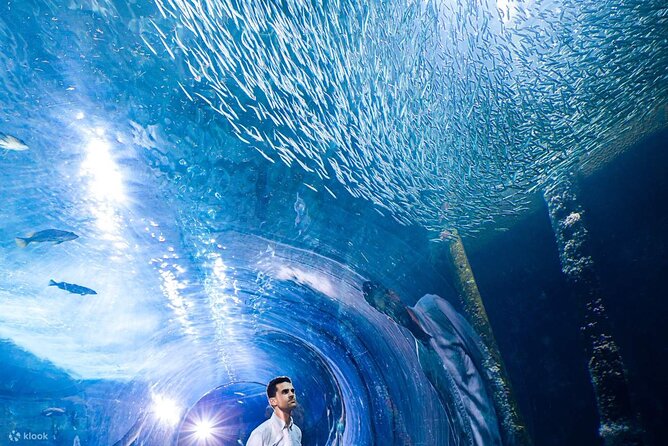
If you’re traveling with kids, aquarium fans, or anyone who wants indoor time that still feels like a “vacation moment,” the aquarium admission with the package is a clear value add. It’s also tightly paired with the Pier 39 finish area.
Half-day wine tour (2 wineries and Sausalito) with the 24-hour pass
This is the kind of upgrade that works when you want a change of pace from city streets. A half-day format with transportation by motorcoach can be a relief if you don’t want to manage driving or transit out of town.
Timing reality check: traffic, crowds, and why your plan should breathe
SF traffic can be stubborn, and that affects bus timing. Even when the route is well-run, you might hit a longer wait at a stop. Plan around that by deciding your “must do” before your “nice to do.”
Crowds matter too. Popular stops like Lombard Street and Pier 39 can pack in more people than a casual lineup. If you want a smoother experience, treat your hop-off time as a flexible window rather than a strict appointment.
Weather is the other big factor. Wind on the upper deck is real, and cool evenings can make long sit-outs uncomfortable. Bring a warmer layer than you think you need if you’re staying on top longer.
And if you’re sensitive to time disruptions, keep your schedule light. SF can throw curveballs—events, protests, or temporary detours. If your day has strict constraints, you’ll enjoy the tour more when you’re not trying to force every minute into a fixed plan.
Who should book this Big Bus SF Red Route (and who might not love it)
This is a great match if you want easy orientation and flexible sightseeing. It’s especially good for first-time SF visits when you don’t yet know where neighborhoods connect, and for families who need frequent breaks from hills.
It’s also a good choice if you’re moving solo or in a small group and you like controlling your own pace. The hop-on hop-off format keeps you from committing to one rigid tour itinerary.
Where it may frustrate you: if you expect every stop to drop you at the exact doorstep of every attraction. Some stops are close, but walking distance varies, and you’ll lose time if you’re rushing from one place to another.
It can also feel less ideal if you’re trying to squeeze in everything before late afternoon. With the last bus listed at 5:00 pm from Stop #1, your final hop-offs need a little common sense.
Final verdict: should you book this tour?
If you’re spending a short time in San Francisco and want a simple way to see the big highlights—Golden Gate Bridge viewpoints, Golden Gate Park, Chinatown/North Beach, Lombard Street, and Pier 39—this is a strong value. The combination of hop-on hop-off freedom plus earbud audio plus app tracking is exactly the kind of structure that helps SF feel manageable.
I’d book it if you can do at least one priority in the late morning/early afternoon window and keep your evening flexible. I’d think twice if you have a tight schedule with hard deadlines, or if you hate walking between stop points and entrances.
If you can spare a second day, choose the 48-hour pass and let the route do what it’s best at: giving you the lay of the land, then letting you return to the places that pull you in.
FAQ
What time does the Big Bus SF Red Route start?
The start time listed is 12:30 pm.
Do I need to go to a central location to redeem my ticket for the day tour?
For the day tour, you can show a printed or electronic ticket at any stop along the route to board. (Redeeming vouchers at the Visitors Center applies when you have a voucher to exchange.)
What time is the last bus?
The last bus departs Stop #1 (San Francisco Visitor Center) at 5:00 pm.
How often does a bus arrive at each stop?
Buses arrive approximately every 30 minutes, though traffic can affect timing.
Is the tour wheelchair accessible?
Yes. Wheelchair-accessible vehicles with lifts are available, but not all buses have lifts. If you need an accessible vehicle, you should note it at checkout in the special requirements box.
Are pets allowed on board?
No pets are allowed on board, except ADA service animals.