
Rome looks different from the top deck.
This City Sightseeing Rome hop-on hop-off bus tour is a practical way to map out your day across big-name landmarks without locking yourself into a rigid schedule. I like that you can hop on and off as many times as you want around the loop, and the onboard audio guide gives you context as you pass key sights.
The main drawback to plan around is Rome itself: traffic, crowding, and occasional access restrictions can stretch your time between stops, so the “ideal” route can feel slower than the 1.5–2 hour loop suggests.
In This Review
- Key things to know before you ride
- Rome in One Circuit: How the Hop-On Hop-Off Works
- A smart way to use the loop
- Start Points in Rome: Terminal A to Piazza Barberini
- What the Onboard Audio and Wi‑Fi Actually Change
- English audio and using it well
- Colosseum Stop Suspended and Traffic Changes: Protect Your Day
- The big “Rome traffic” reality
- Using Hop-Off Time Smartly at Piazza Venezia and the Vatican
- Piazza Venezia: best for icon photos and orientation
- Vatican area: pair the ride with a walk plan
- Piazza di Spagna and Piazza Barberini: the “stroll and snack” zone
- Price and Value at About $16.24: When It’s Worth It
- Night Tour Option: When the 90 Minutes Helps
- Who This Hop-On Hop-Off Bus Tour Fits Best
- Should You Book This Rome Hop-On Hop-Off Bus Tour?
- FAQ
- How long is the regular hop-on hop-off loop?
- Is this tour hop-on hop-off?
- Does the bus have an audio guide?
- Is Wi‑Fi included on the bus?
- What’s the Colosseo stop situation?
- Do I need to print anything?
- Where does the Night Tour leave from, if I select it?
- Are food and drinks included?
- What should I know about stop access on specific days?
Key things to know before you ride
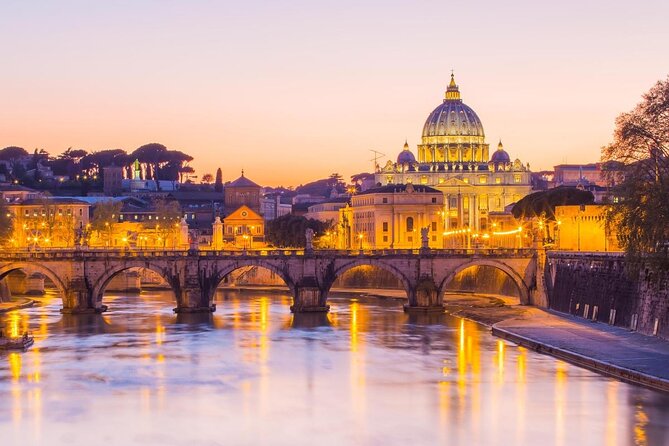
- Hop-on, hop-off flexibility lets you build a personal itinerary instead of following one fixed walk.
- Onboard audio in eight languages helps you understand what you’re looking at while you’re traveling.
- Free onboard Wi‑Fi makes it easy to share photos or check what you want to do next.
- Colosseum stop is temporarily suspended, so don’t count on stepping off right at the Colosseo stop.
- Municipality rules can change access without much notice, which can affect which stops are usable on your day.
- Stop spacing and waiting can vary—especially if buses idle at stops or get delayed by traffic.
Rome in One Circuit: How the Hop-On Hop-Off Works
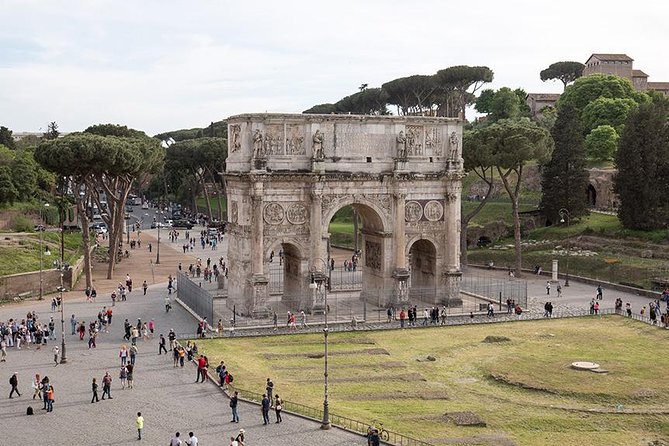
This is the classic Rome format: you board at one of the designated stops, ride the loop, and get off whenever you want to explore. The full circuit runs about 1.5 to 2 hours, but the real value is that you’re not stuck for the whole time—you can repeat the route as many times as you need during your planned outing.
You’re also getting an onboard audio guide, offered in eight different languages on the Open Bus system. That matters because Rome isn’t just “pretty buildings”—it’s layers of time, and the narration helps you connect what you see (ruins, squares, churches, and grand monuments) to the story behind it.
A smart way to use the loop
I’d treat the bus like a moving orientation tool. Ride the loop once to get your bearings, then hop off where you want more time—especially if it’s your first trip to Rome or you want to pace yourself without sprinting from stop to stop.
Start Points in Rome: Terminal A to Piazza Barberini
Your loop is built around ten labeled stops, so you can work around where you’re staying and where you want to spend energy. Here’s the route logic, stop by stop, and what you can realistically plan around.
Terminal A – Via Marsala, 7
This is one of the main boarding points (labeled Terminal A). If you’re starting out, it’s a good idea to begin here so you can ride the loop and decide what to revisit.
Giolitti stop – Via Giovanni Giolitti, 38 (Stop n. 1 Giolitti)
This stop is also a key anchor point. If you want to hop on and start building your plan early, it’s a handy option—particularly because it’s part of the central cluster of terminals on this route.
Terminal C – Piazza dei Cinquecento (Stop 3)
Piazza dei Cinquecento shows up as another terminal-style stop. You can use it as a re-entry point if you hop off elsewhere and want to rejoin without guessing where the next bus might be.
Santa Maria Maggiore – Via dell’Esquilino (Stop n. 2)
If you’re looking for a big church-and-square experience, this is your stop. It’s a solid “walk and look” area where you can take your time without needing to commit to a long guided program.
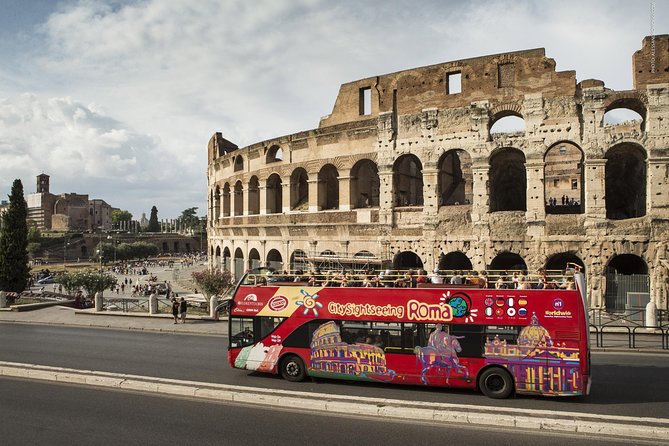
Colosseo area – Via di San Gregorio (Stop n. 3 Colosseo: temporarily suspended)
This is the big complication. The Colosseo stop is suspended until further notice, so don’t plan your timing around stepping off exactly at Colosseo on this route. You may still see the area from the bus, but the “walk right from the stop” convenience is currently missing.
Circo Massimo – Piazzale Ugo la Malfa (Stop n. 4)
Circo Massimo is part of the bus loop and tends to be a favorite for quick photos and longer strolls depending on heat and crowd levels. Just note that certain days with heavy traffic restrictions (like Sundays and selected public holidays) can affect which stops are reachable.
Piazza Venezia – Via del Teatro di Marcello, 12 (Stop n. 5 Piazza Venezia)
Piazza Venezia is one of those locations you’ll keep hearing about in Rome. This stop gives you access to the Vittorio Emanuele II Monument area (and the surrounding viewpoints), which is great for people who want a broad, iconic orientation stop.
Vaticano – Lungotevere Tor di Nona, 7 (Stop n. 6 Vaticano)
This is your gateway to the Vatican area. Even if you’re not doing a long museum day, the bus ride plus the narration helps you understand why this side of Rome is so important.
Piazza di Spagna – Via Ludovisi, 47 (Stop n. 7)
This stop places you near one of Rome’s classic strolling zones. It’s a good place to hop off when you want to slow down, shop less (or more), and just wander.
Piazza Barberini – Via Barberini, 2 (Stop n. 8)
Another major “end up wandering” stop. If you’re trying to cover Rome’s signature squares and streets without planning every meter precisely, this is the kind of stop that makes the hop-on format work.
What the Onboard Audio and Wi‑Fi Actually Change
The audio guide is the difference between a bus ride that’s just sitting in traffic and a bus ride that gives you momentum. The narration is designed to explain each sight you pass, and you’ll hear key highlights that you’d otherwise miss while looking at Rome from street level.
I also like the free onboard Wi‑Fi. It doesn’t turn a bus into a hotel, but it does help in a very Rome way: you can quickly look up opening hours for the next stop you’re aiming for, check your route in the app, and share photos without hunting for signal outside.
English audio and using it well
The tour is offered in English, and you’ll get onboard commentary as you go. If you’re the type who likes to understand what you’re photographing, plan to wear the headphones for most of the loop. That’s where the narration lines up best with the landmarks you’re actually passing.
Colosseum Stop Suspended and Traffic Changes: Protect Your Day
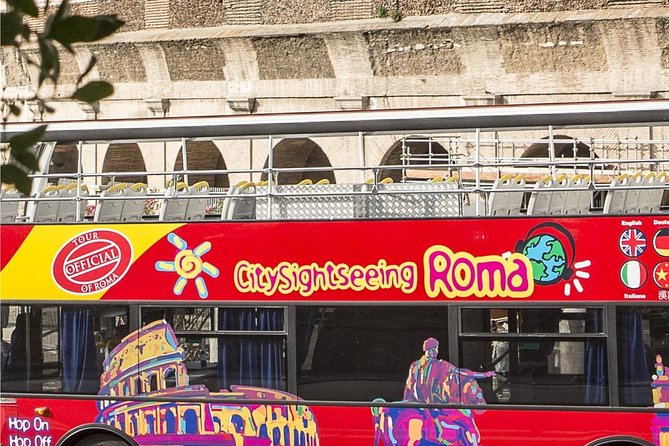
Here’s the practical part. Rome can disrupt any hop-on hop-off system, and this one includes some explicit warnings that you should take seriously.
1) Colosseum stop n. 3 is suspended
Right now, the bus stop labeled for Colosseo is temporarily unavailable. If your “must-see” is standing right at the Colosseum area from the bus, adjust your plan. Consider using the bus for orientation and rely on a nearby walking route or another transport option for the actual visit.
2) City access rules can change without warning
Rome Municipality Authority may impose new regulations or restricted access for hop-on hop-off tours. That can affect how many stops are available and which parts of your route feel reachable on the day you go. The itinerary you experience may differ from what you expected, so be flexible.
3) Sundays and selected public holidays can restrict traffic
On Sundays and some holiday periods (including Easter), traffic restrictions may impact stops frequently, including Colosseo or Circo Massimo. If your calendar pins you to those days, I’d aim to build a plan that doesn’t depend entirely on one single stop.
The big “Rome traffic” reality
Even when everything is technically running, traffic determines how quickly you can move. The loop is listed as 1.5 to 2 hours, but in real life the time between stops can feel longer—so set your expectations that your ride may be slower in peak or disrupted conditions. Think of this as sightseeing transport, not a timed shuttle.
Using Hop-Off Time Smartly at Piazza Venezia and the Vatican
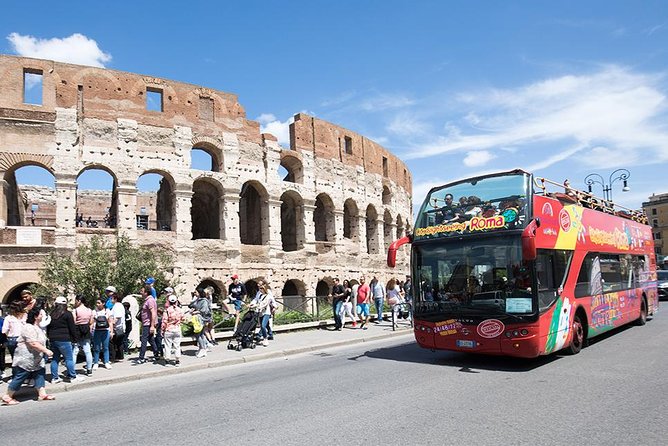
The bus tour works best when you use each hop-off as a mini mission. You don’t need to do everything. You just need enough time to make each stop worthwhile.
Piazza Venezia: best for icon photos and orientation
If you’re aiming for the Vittorio Emanuele II Monument area, this stop is your anchor. I’d hop off, spend time around the viewpoint zones, and then decide whether you want to continue exploring on foot or rejoin the bus for the next leg.
Vatican area: pair the ride with a walk plan
The stop labeled Vaticano (Lungotevere Tor di Nona, 7) is where you can connect your bus sightseeing to a Vatican-area walk. Even if your main Vatican day is later, this stop helps you understand the layout and saves you from guessing directions at street level.
Piazza di Spagna and Piazza Barberini: the “stroll and snack” zone
These two stops are good for a more casual pace. When heat, fatigue, or crowds make long museum time feel like too much, you can still enjoy Rome’s street energy by hopping off here and wandering.
Price and Value at About $16.24: When It’s Worth It
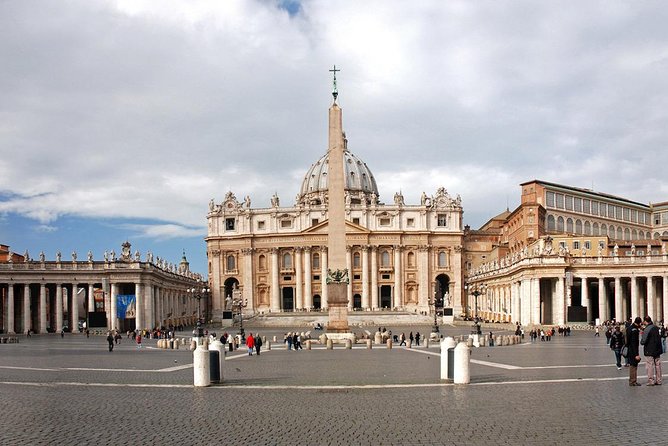
The listed price is $16.24 per person, and the value depends on how you use the hop-on format.
If you’re using the bus to do three things—(1) get an overview of Rome’s main sights, (2) hop off for a couple of walk sessions, and (3) avoid exhausting transit decisions between distant areas—then this price can feel fair. The loop touches many of the big “first trip” names in Rome, and the onboard narration adds real usability.
Where the value can slip is if you only ride briefly. If buses idle or stops become temporarily inaccessible (like the Colosseo stop suspension), you may feel like you paid for transport rather than sightseeing. So I’d approach this tour as a tool—one that gets better the more thoughtfully you use it.
Night Tour Option: When the 90 Minutes Helps
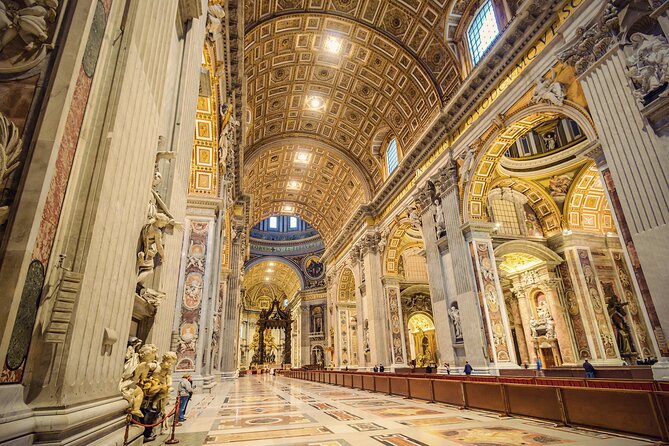
If you choose the Night Tour ticket option, it’s different from the day loop. It leaves from Via Giolitti, 32, runs one loop only, and lasts about 90 minutes.
A small planning note: the 21:00 departure may be postponed up to 15 minutes for operational reasons, but the service is still meant to run and the tour conditions stay the same. If you’re hoping to cover everything at night, keep your expectations realistic—one loop is best for a highlights-style evening, not a replacement for daytime visits.
Who This Hop-On Hop-Off Bus Tour Fits Best
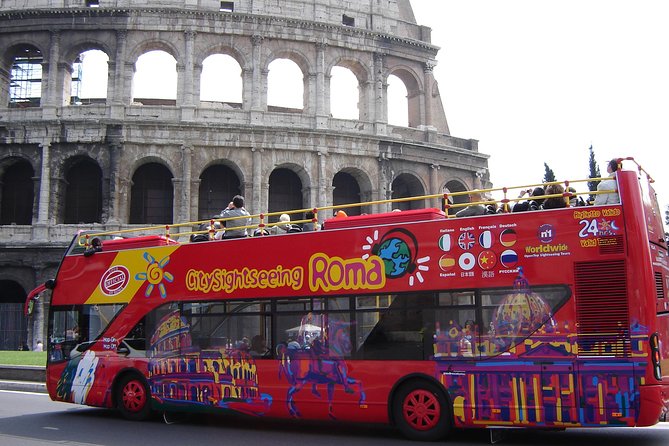
This tour is a great match for:
- First-timers who want an easy way to build an itinerary around Rome’s major landmarks.
- People who prefer to move on their own schedule rather than follow a fixed walking tour.
- Anyone who likes learning on the move, thanks to the eight-language audio guide.
- Visitors who want a low-effort way to travel between key clusters (Vatican area, Piazza Venezia, and the Spanish Steps zone).
It may be less ideal if:
- Your day depends on one very specific stop—especially with the Colosseo stop suspended.
- You hate waiting. Rome delays can happen, and this system can experience longer gaps between buses depending on conditions.
Should You Book This Rome Hop-On Hop-Off Bus Tour?
Yes, I think you should book if you go in with the right mindset: use the bus to orient yourself, hop off where you want time, and stay flexible about stop availability. At $16.24, the combination of loop sightseeing, audio narration, and onboard Wi‑Fi can be a smart first-day move.
But don’t treat it as a guarantee of perfect timing. Plan a little buffer, and if Colosseum is central to your day, adjust your route before you arrive—because the Colosseo stop on this loop is currently suspended. If you’re willing to work around Rome’s traffic and regulations, you’ll get a smooth, low-stress way to see a lot of Rome without burning out.
FAQ
How long is the regular hop-on hop-off loop?
The full loop typically takes about 1.5 to 2 hours.
Is this tour hop-on hop-off?
Yes. Your ticket lets you hop on and off at the tour stops as many times as you wish during the validity period.
Does the bus have an audio guide?
Yes. There is onboard audio commentary in eight different languages on the Open Bus system.
Is Wi‑Fi included on the bus?
Yes. The bus includes free Wi‑Fi onboard.
What’s the Colosseo stop situation?
Stop n. 3 (Colosseo) is temporarily suspended until further notice.
Do I need to print anything?
No. You can use a mobile ticket as you board.
Where does the Night Tour leave from, if I select it?
The Night Tour leaves from Via Giolitti, 32 and it’s one loop only.
Are food and drinks included?
No. Food and drinks are not included.
What should I know about stop access on specific days?
Rome Municipality Authority may impose new regulations and restricted access for hop-on hop-off tours without warning, which can affect stops. Sundays and selected public holidays may also have traffic restrictions impacting certain stops.