Buenos Aires rewards you when you learn the city’s layout fast. This 3-hour panoramic bus tour is a quick way to see old and brand-new sides of Buenos Aires, with a bilingual guide and real neighborhood context. I like that you get both the views and the background: you’ll spot big landmarks like the Colón Theatre and the Obelisk, then connect them to stories about immigrants, streets, and local life.
My other favorite part is how the route strings together contrasting areas you’d otherwise bounce between on your own. You’ll move from traditional corners like San Telmo to the color-and-football energy of La Boca, then finish in the central sights area near the Obelisk. One drawback to plan for: the schedule is tight, and because it’s a group bus tour, you can’t wander off freely between stops.
In This Review
- Key Points at a Glance
- Getting Your Bearings Fast in Buenos Aires
- Price and What You Really Get for $55
- Pickup to First Views: Retiro and San Nicolás
- Monserrat: The Oldest Core and Plaza de Mayo Photo Stop
- San Telmo: Tangos, Tardiness of Time, and Historic Streets
- La Boca: Caminito, Tenements, and Boca Juniors Passion
- Puerto Madero: Modern Buenos Aires and Women’s Tribute
- Palermo and Recoleta: Elegant Streets, Parks, and Big Museums
- The Final Stretch Near the Obelisk
- Best For: Who This Tour Fits
- Practical Tips So You Enjoy the Full 3 Hours
- Should You Book This Buenos Aires Panoramic Bus Tour?
- FAQ
- How long is the Buenos Aires Panoramic Bus Tour?
- Where does the tour include photo stops?
- What neighborhoods will I see during the tour?
- Does the tour offer pickup from my hotel?
- What languages are available with the guide?
- What do I need to bring with me?
- Is the tour suitable for people with mobility impairments?
Key Points at a Glance
- Panoramic city views that quickly place you around Colón Theatre and the Obelisk
- A bilingual, certified guide using English, Portuguese, and Spanish
- Photo stops built in for Plaza de Mayo and Caminito
- Neighborhood contrasts on one route: Palermo, Recoleta, San Telmo, La Boca, Puerto Madero
- Group timing matters, so you’ll want to arrive ready and on time
Getting Your Bearings Fast in Buenos Aires
If you’re short on time—or you’re trying to avoid the first-day chaos of figuring out where everything is—this tour is designed for that job. A panoramic bus gives you that clean “from above” perspective while you learn what you’re actually looking at.
The biggest value here is speed with context. Instead of just passing buildings, the guide helps you understand why neighborhoods developed the way they did: where immigrants arrived, how old Spanish settlement areas shaped the center, and why certain streets became cultural magnets. You also get practical landmark moments—like the Obelisk and Colón Theatre—so your photos won’t feel random when you later map the city.
Just know it’s still a group tour. You’re not doing an all-day slow stroll. You’ll be moving, listening, and stopping in set windows.
Price and What You Really Get for $55

At $55 per person for about 3 hours, this isn’t a “cheap and cheerful” hop-on deal. It’s paying for three things you don’t always get when you self-plan: guided explanations, coordinated photo stops, and pickup/meeting-point convenience.
Is it worth it? Usually, yes—especially if:
- it’s your first visit and you want orientation fast
- your Spanish is limited and you’d rather not guess your way through history and customs
- you’d rather spend a morning seeing several neighborhoods than tracking down each by subway and bus
If you prefer total flexibility—staying longer where you like a street, skipping where you don’t—then you may feel the tightness. One person pointed out that the time windows can feel strict and everyone needs to stay together. That’s the trade.
Pickup to First Views: Retiro and San Nicolás
The tour starts with pickup from your hotel or a nearby meeting point, depending on where you’re staying. If your location isn’t exactly a hotel on their list, you’ll be directed to the closest practical hotel pickup, or you’ll choose the meeting point option if you’re outside the pickup area.
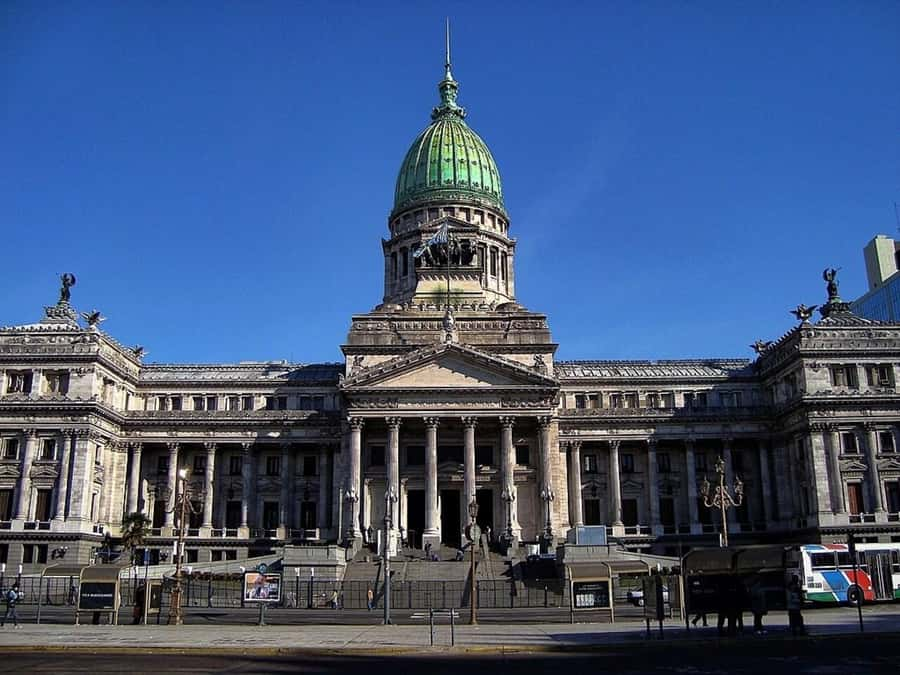
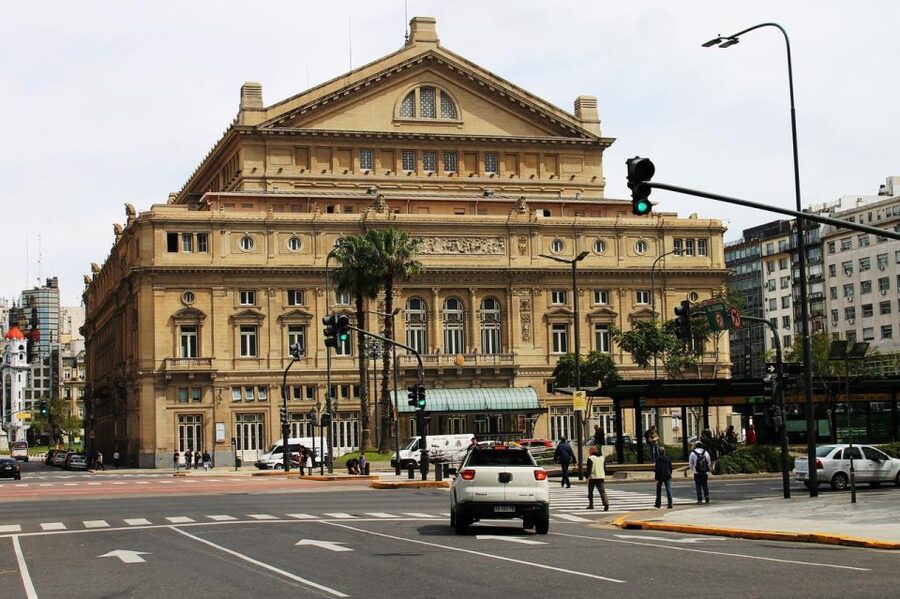
From there, the route heads into San Nicolás, one of the city’s most central zones. This is where Buenos Aires starts feeling like a postcard of classic downtown. You’ll take in the area around the Obelisk, Colón Theatre, and Corrientes Avenue—famous for performing arts and nightlife. Even if you don’t go inside a theater, seeing the scale from the bus helps you understand why people call it the avenue that never sleeps.
You’ll also notice the vibe shift compared with residential neighborhoods. San Nicolás feels like the hinge between business-day Buenos Aires and the cultural streets that light up later.
Monserrat: The Oldest Core and Plaza de Mayo Photo Stop
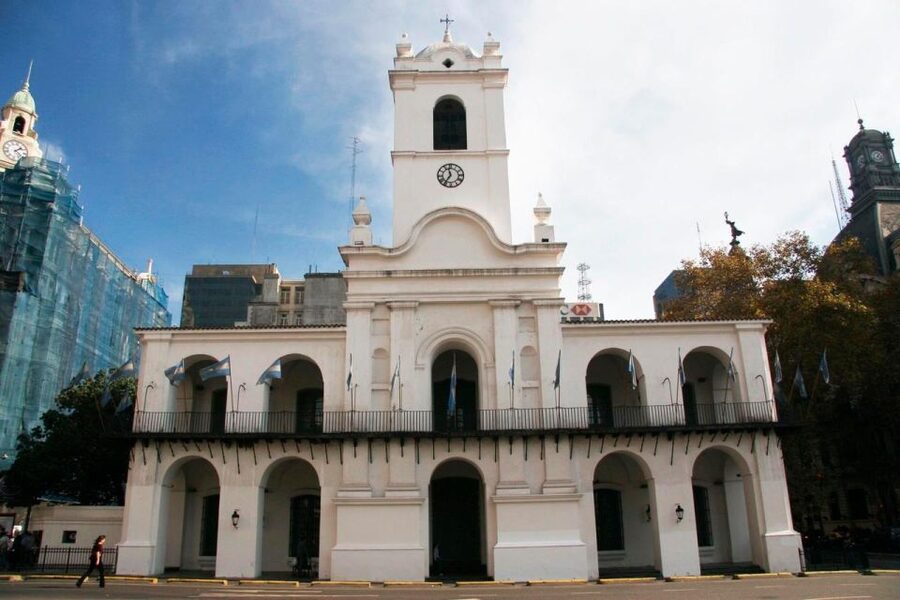
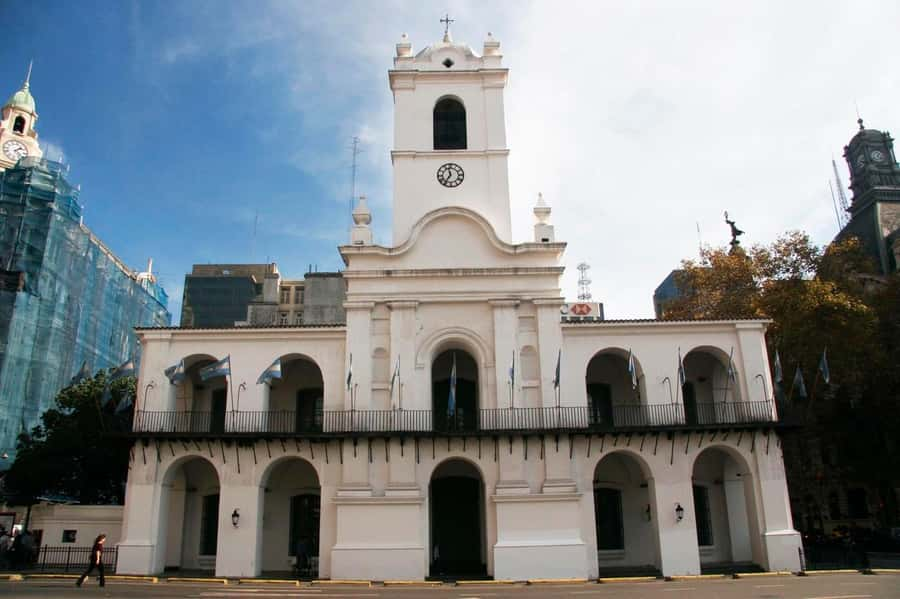
Next comes Monserrat, described as the oldest neighborhood in the city, tied to the first Spanish settlers. This is the Buenos Aires of institutions and major government buildings, and the guide’s job is to connect the dots so it doesn’t blur into “pretty old stuff.”
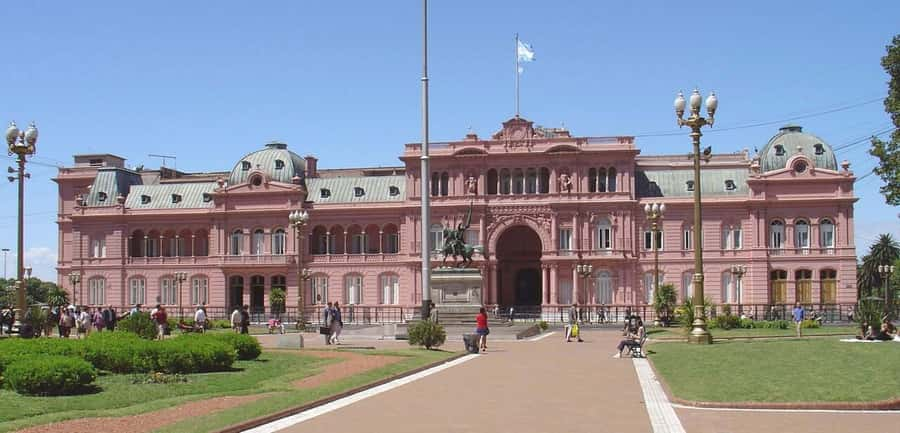
You’ll get a photo stop at Plaza de Mayo, which is a smart move because it’s one of those places where you want a clear, timed shot. The tour also includes a guided look at key landmark areas such as:
- Cabildo
- Casa Rosada (Government House)
- Buenos Aires Cathedral
- Avenida de Mayo
A practical thought: plazas like this can be active and busy at street level. The bus view and photo stop keep it manageable. If you want deeper time inside museums or official buildings, you’d plan that separately.
San Telmo: Tangos, Tardiness of Time, and Historic Streets
After Monserrat, the tour moves to San Telmo, one of the oldest and most traditional neighborhoods. This part of the city tends to feel slower and more character-heavy, and it pairs well with what you learned in the center.
You’ll pass through and be guided around areas tied to the Casco Histórico—the historic core—and you’ll hear about the tango culture that lives in the neighborhood (including tanguerías). Key mentions include:
- Defensa Street
- Lezama Park
- Casa Mínima
Here’s the reality check that helps: on a bus tour, you get the “map reading” version of San Telmo. If you love wandering, you’ll probably want to come back later for longer time on foot. But as a first sweep, it’s an excellent way to spot what you’d want to revisit.
La Boca: Caminito, Tenements, and Boca Juniors Passion
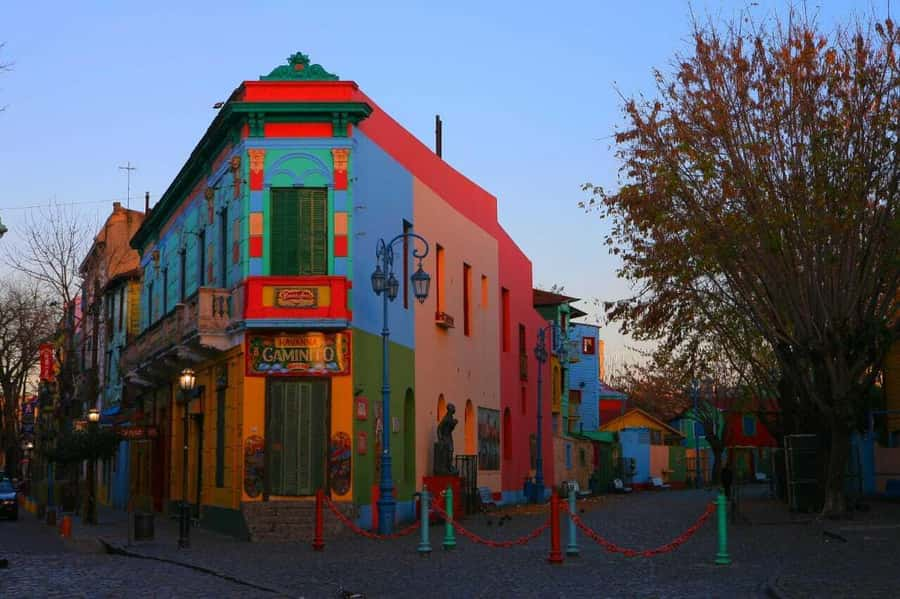
Then comes the most visually memorable stop: La Boca. This is the neighborhood known for its color, its immigrant roots, and its football obsession. The tour gives you a guided walk between the areas around Caminito and the neighborhood’s historic tenements, plus the cultural link to Boca Juniors.
There’s a useful backstory here: immigrants chose this area because of local work opportunities. They built homes with materials like wood and sheet metal, and people used leftover shipyard paint to color the walls. It’s not just a cute photo spot; it’s a visible result of how people lived and worked.
You’ll have a photo stop at Caminito with a set time window (about 30 minutes). That’s enough to get your images and feel the atmosphere, but it’s not enough to be picky about the perfect corner. If you’re serious about photography, show up ready, bring stable footwear, and be quick about framing.
Puerto Madero: Modern Buenos Aires and Women’s Tribute
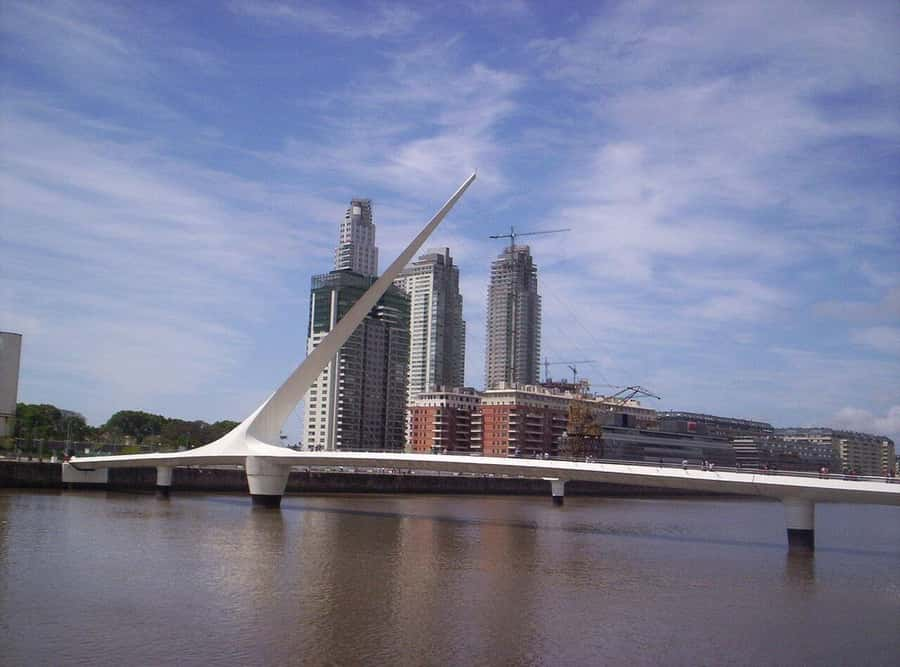
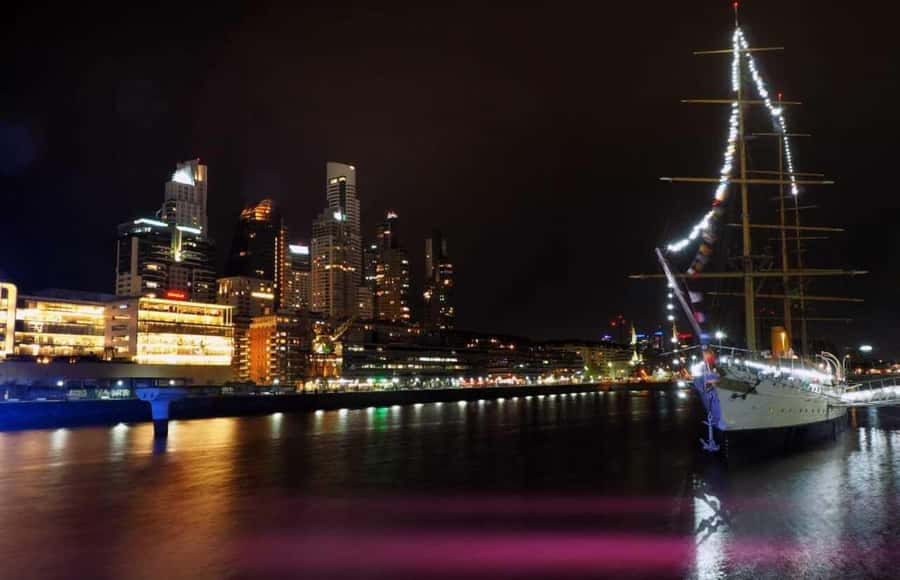
After La Boca, the city shifts again. Puerto Madero is modern and planned, and it feels like a different Buenos Aires altogether. If Monserrat and San Telmo show you the older city identity, Puerto Madero shows what Buenos Aires has become more recently.
This area includes standouts such as:
- Puente de la Mujer (Women’s Bridge)
- Costanera Sur Ecological Reserve
- Tango Monument
Puerto Madero is also where you’ll likely appreciate the “big picture” part of this tour. The guide’s route choices help you understand that Buenos Aires isn’t one mood—it’s a series of moods stacked on top of each other.
Palermo and Recoleta: Elegant Streets, Parks, and Big Museums
As the tour continues, you’ll move into Palermo and then Recoleta, two of the city’s most well-known neighborhoods.
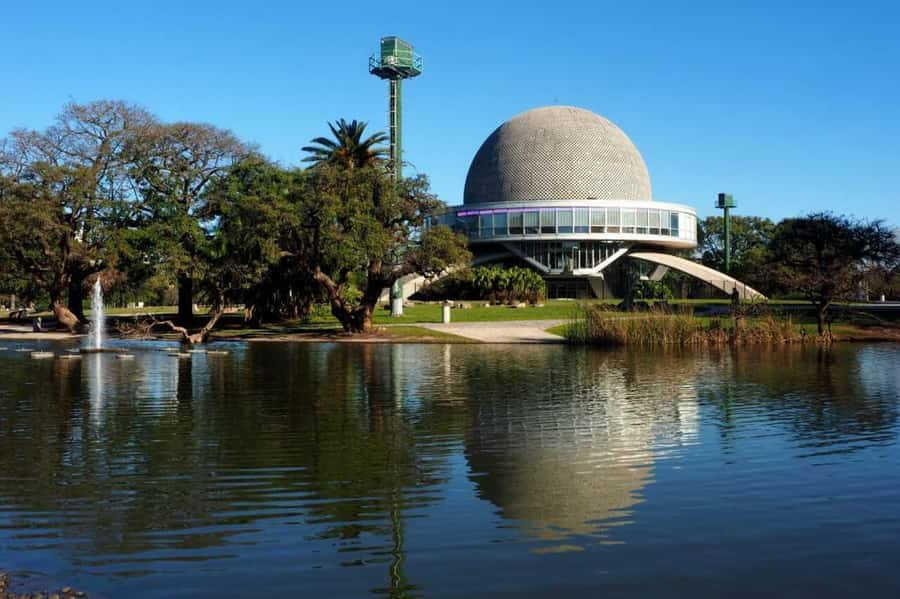
In Palermo, the tour highlights the city’s large park area (Los Bosques de Palermo) and stops at or near notable landmarks including the Galileo Galilei Planetarium, Plaza Italia, and Malba Latin American Art Museum. You’ll also hear about the Hippodrome. Palermo tends to feel like Buenos Aires with more space—less hard-edge downtown.
Then comes Recoleta, described as one of the city’s more elegant areas. Here the mood shifts again, toward refined streets and famous institutions. Key points include the Recoleta Cemetery, the National Museum of Fine Arts, Carlos Thays Park, and the renowned Law School.
If you’ve got even a little time after this tour, Recoleta is often where people decide they want to stroll longer. Just remember you may not get that extra wandering during the bus schedule. This tour is about seeing the essentials, not lingering.
The Final Stretch Near the Obelisk
The tour ends in the center at the Obelisco. That’s a convenient finish because it puts you near major streets and makes it easier to connect to dinner, a museum, or a night out without feeling stranded far from everything.
If you’re planning your evening, think of the Obelisk area as a practical launching pad. You’ll likely recognize more of what you see later because the guide’s route gave you the mental map.
Best For: Who This Tour Fits
This tour is a strong match if you:
- want a first-time orientation across multiple neighborhoods
- like learning the “why” behind city scenes (immigration, settlement patterns, neighborhood identity)
- appreciate having photo stops handled for you
- want a guided experience without needing to line up tickets or figure out transport between far-flung areas
It’s less ideal if you:
- want to explore at your own pace stop-by-stop
- dislike group timing and waiting for the full group
- need mobility accommodations (this tour isn’t suitable for people with mobility impairments)
Practical Tips So You Enjoy the Full 3 Hours
To get the best experience out of a set-route bus tour, a few small habits matter:
- Wear shoes you can stand in during guided parts and the short photo stop windows.
- Bring your passport or ID card (a copy is accepted).
- If you care about photos in La Boca and Plaza de Mayo, be ready to move quickly—your time on the ground is limited.
- If you get motion sensitive, consider it before boarding; bus rides are part of the deal here.
Should You Book This Buenos Aires Panoramic Bus Tour?
I think you should book it if you want a guided “city sampler” that covers the historic core, classic downtown landmarks, and the color-heavy neighborhood most people associate with Buenos Aires. For many first-timers, it turns the city from a blur into a set of places you can name and understand.
Skip it—or plan to supplement it—if you strongly prefer flexibility. Since the schedule moves and group members stay together, you won’t have the freedom to chase side streets for an extra hour. In that case, pair this with a separate, slower neighborhood visit later (especially if San Telmo or Recoleta grabs you).
If your goal is to learn the city layout quickly and leave with recognizable landmarks and better instincts for where to go next, this tour is a solid buy.
FAQ
How long is the Buenos Aires Panoramic Bus Tour?
It lasts about 3 hours.
Where does the tour include photo stops?
The tour includes photo stops at Plaza de Mayo and Caminito.
What neighborhoods will I see during the tour?
You’ll visit areas including Retiro, Palermo, Recoleta, San Nicolás, Monserrat, San Telmo, La Boca, and Puerto Madero.
Does the tour offer pickup from my hotel?
Yes. Pickup is included from your hotel or meeting points. If your pickup location isn’t a hotel, it will be changed to a nearby hotel location, or you should select the meeting point option.
What languages are available with the guide?
The live guide offers English, Portuguese, and Spanish.
What do I need to bring with me?
Bring your passport or ID card. A copy is accepted.
Is the tour suitable for people with mobility impairments?
No, it’s not suitable for people with mobility impairments.