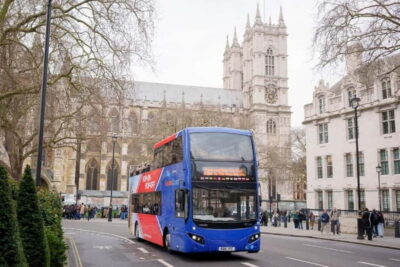
Chicago nightfall gets darker fast. This ghost bus tour turns Chicago’s notorious crimes into walk-stops you can actually handle, with guides who steer the story from legend to real places. I especially love the mix of true-crime history and paranormal-style theatrics (the Devil Baby, Dillinger, Death Alley, and more), and I like how the bus keeps you off the worst dark-street wandering. One thing to plan for: several stops are short and outdoors, so you’ll need to be okay with cold, rain, and quick get-in/get-out moments.
You meet at the Congress Plaza Hotel & Convention Center at 520 S Michigan Ave, then circle through Lincoln Park and downtown before ending back where you started. The experience runs about 3 hours, is offered in English, and uses a mobile ticket—with a bus that can hold up to 50 people.
In This Review
- Key points to know
- Meeting at Congress Plaza and the bus ride that saves your feet
- Jane Addams Hull-House Museum and the Devil Baby origin
- Lincoln Park and the City Cemetery question: unmarked graves and missing names
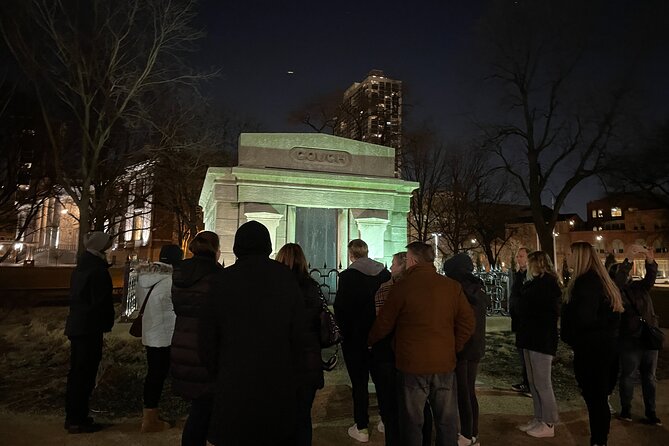
- Couch Mausoleum and the ghost-story stop you can’t Google
- Chicago History Museum: Abe Lincoln’s bed and the ghost question
- South Pond Bridge and the St. Valentine’s Day Massacre site
- Lincoln Park Zoo and the cemetery-underneath idea
- Biograph Theatre for Dillinger’s end
- S.S. Eastland Memorial and the tragedy that won’t let go
- James M. Nederlander Theatre and Death Alley
- Guides, ghost-hunting gear, and how interactive it gets
- Price, value, and what you get for $59
- Should you book this Chicago Hauntings ghost bus tour?
- FAQ
- How long is the Chicago Hauntings Original Ghost Bus Tour?
- Where do I meet the guide, and does the tour end there too?
- What kinds of stops does the tour include?
- Is there much walking?
- Is the tour offered in English, and do I get a mobile ticket?
- Are children allowed on the tour?
- Do I need my own transportation to get to the pickup point?
- What if the weather is bad or I need to cancel?
Key points to know
- Short, practical stops built for seeing a lot without a long slog on foot
- True-crime + hauntings: Devil Baby, Capone-era violence, Dillinger’s end, and big disaster memorials
- Hands-on ghost tools like EMF readers and dowsing rods (and sometimes a dowsing gem)
- Bus comfort helps on rainy nights, and there’s often a bathroom onboard
- Multiple guides with different personalities—I’ve seen names like Tony, Larry, Jen, Sadie, and Joann mentioned for strong storytelling
- Some famous locations changed over time (like the St. Valentine’s Day Massacre site now being a parking-lot area), so manage expectations for what you’ll see
Meeting at Congress Plaza and the bus ride that saves your feet
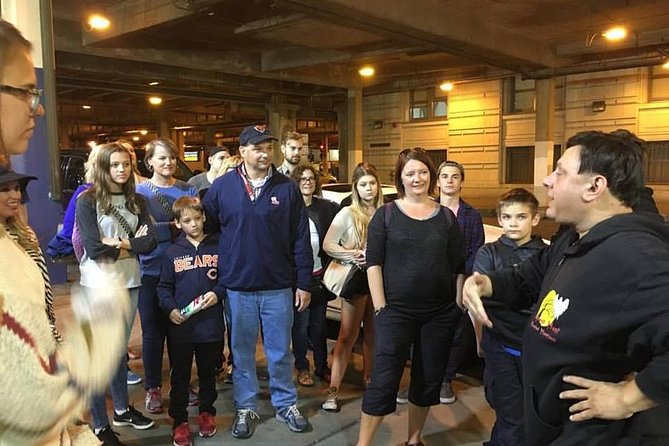
The tour starts outside the Congress Plaza Hotel & Convention Center (520 S Michigan Ave). It’s a good pick-up point because it’s central and easy to find, and you’re in a lively hotel/convention setting before you head into the darker part of town.
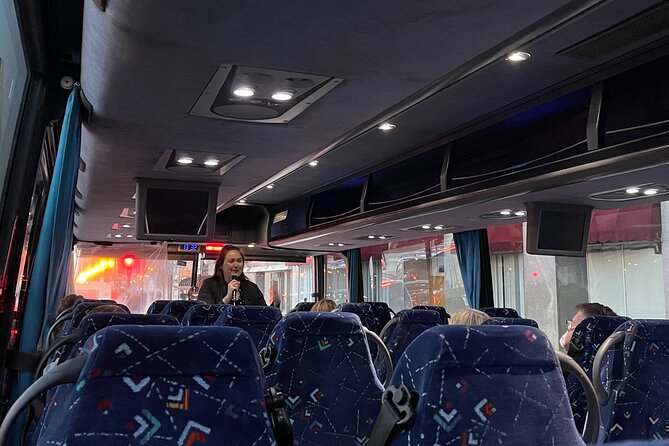
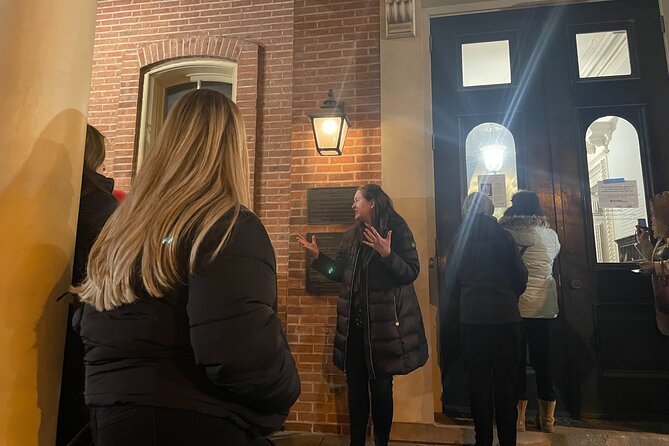
Once you board, you’ll get that classic ghost-tour rhythm: the guide talks as the city lights slide by, then you hop out for a brief moment to look around and absorb the story at the actual spot. This is the main value here. Even though it’s a hauntings tour, you’re not committing to a long nighttime march. The bus does the heavy lifting.
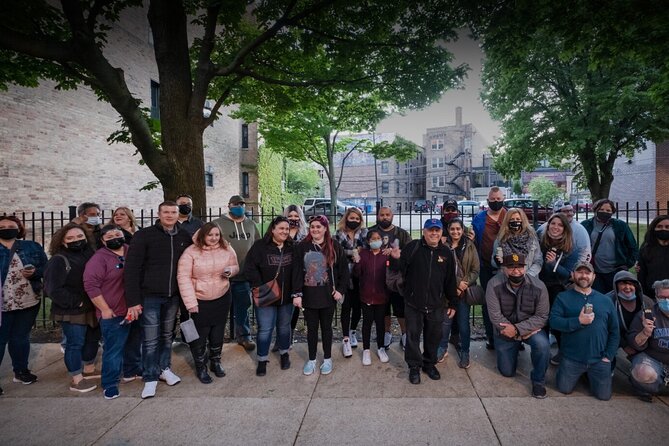
Group size is capped at 50, so it feels like a real group, not a tiny private séance with just you and your date. You’ll still have time to ask questions if your guide opens the floor, and some nights are more interactive than others.
One more practical note: downtown can feel intense at night. Police presence downtown can make the atmosphere feel a little tense, even if nothing is wrong. If you’re easily rattled, that’s worth keeping in mind when you’re deciding whether the tour vibe matches your comfort level.
Jane Addams Hull-House Museum and the Devil Baby origin
The first stop is the Jane Addams Hull-House Museum, with a focus on the story of the so-called Devil Baby. The idea is simple: you’re not just hearing spooky talk—you’re learning how a specific local tale spread and why it stuck in Chicago’s imagination.
This is also a nice pacing choice for stop one. You’re fresh, you’re not drenched yet, and you’re anchored by a real institution tied to the neighborhood’s history. The tour keeps your time here short—about 15 minutes—so don’t expect a full museum visit. Think of this as an orientation stop: enough to understand the legend and connect it to place.
If you’re a horror-movie fan or you like true-crime style storytelling, this part usually clicks fast. It’s not purely about facts in a lecture format. It’s more like storycraft with historical grounding, which is often the sweet spot for a mixed audience—people who want scares plus context.
If it’s raining, keep your eyes on the guide and the route, not the pavement. Quick stops are easier when you’re dressed for weather and ready to move.
Lincoln Park and the City Cemetery question: unmarked graves and missing names
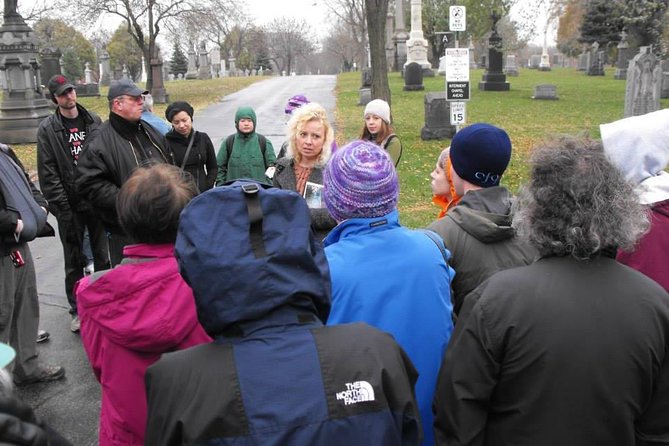
Next up is Lincoln Park, with the tour’s stop-time focus on the old City Cemetery and the question of what happened to so many graves over time. This is where the tour leans into the “Chicago got complicated” side of its identity—big population, big history, and some deeply unsettling losses.
The cemetery context matters because it’s not just a ghost story. The tour frames it around scale—thousands of unmarked graves, and the idea that many people disappeared from recorded history. That’s heavy material, but it gives the ghost-tour theme a real foundation: the eerie feeling comes partly from absence.
You’ll get about 15 minutes here and likely a small stroll area, depending on the evening’s conditions and crowd. The tour aims to keep you moving enough to stay warm and safe while still letting you feel like you’re standing in the middle of something that doesn’t have a simple ending.
If you don’t love graveyard vibes, this stop can feel like a lot. But if you like dark history that’s tied to real events and real neighborhoods, this is one of the more meaningful parts of the route.
Couch Mausoleum and the ghost-story stop you can’t Google
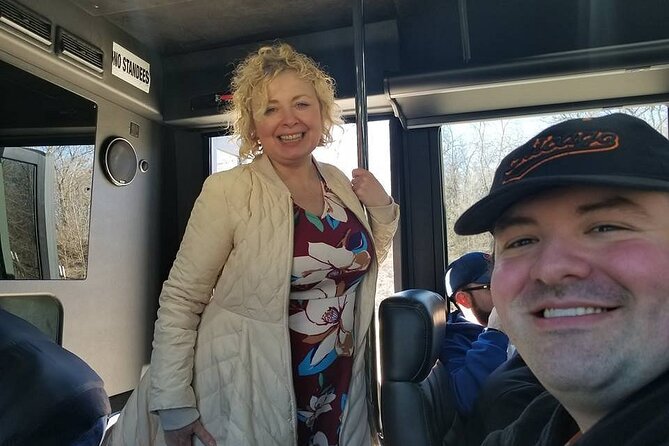
Then the route hits the Couch Mausoleum, and the pitch is very specific: who’s actually buried there and what eerie things people link to it. Mausoleums can be hard to place on a casual sightseeing walk. On this tour, you get a guide to frame what you’re looking at and why it became part of Chicago’s haunting folklore.
The time is short—about 10 minutes—so the value is not deep sightseeing. It’s interpretation. You’re trying to leave with a mental picture of the story and a sense of how the building became a character in the city’s ghost lore.
This stop also helps balance the emotional tone. You’ve had tragedy and mass stories; now you get a focused landmark puzzle. If you’re the type who likes hearing the “wait, is that the real story?” angle, you’ll probably enjoy this one.
Chicago History Museum: Abe Lincoln’s bed and the ghost question
Another quick stop is tied to the Chicago History Museum, with the tour’s hauntings question centered on sightings of a ghost around Abe Lincoln’s bed. Even if you’re skeptical, this is a fun kind of storytelling: it’s built around a specific, visual anchor.
You’re only there about 10 minutes, so you won’t get a full museum experience. Instead, you’re getting a “why do people say this?” moment—how legends attach to famous rooms and famous objects, and how that turns into a recurring campfire story.
This stop works best when you enjoy mixing famous Chicago history with the supernatural angle. If you’re hoping for heavy factual lectures only, you might find the paranormal claims are more in the form of lore and possibility than proof. Still, it’s a compelling pivot after cemetery weight.
South Pond Bridge and the St. Valentine’s Day Massacre site
Now the tour turns darker in a more pop-culture way. You’ll pass the bridge over South Pond—often called Chicago’s most famous suicide bridge—and the guide connects it to the kind of haunting stories that grow where tragedy happened.
That’s a short stop—about 5 minutes—but it’s designed as a mental gut-check. Even without a long walk, the story lands because the guide ties the location to the pattern of headlines, rumors, and local memory.
Then comes the big mob-hit stop: the St. Valentine’s Day Massacre area at 2122 N Clark St. The tour keeps it brief—about 10 minutes—and you get the reality check most people appreciate: this famous 1929 site isn’t frozen in time. It’s now more modern around it, and the massacre location is essentially a parking-lot area in today’s view.
This is one place where expectations matter. You’re not going to reenact the movie scene. You’re standing in a real city block that carries a legendary event under its current surface. If you enjoy that kind of history-through-place, it’s worth it. If you need an obvious, preserved landmark, you may feel like you wanted a little more.
Lincoln Park Zoo and the cemetery-underneath idea
The route continues with Lincoln Park Zoo, with the tour’s twist that the old City Cemetery sat underneath. It’s a strange mental picture, and that’s exactly the point.
You’ll spend around 10 minutes here. For some people, the appeal is simple: it’s a zoo, so the setting keeps the evening from going fully grim. For others, it’s the odd fact-or-legend angle that makes them lean in. When a city uses space in layers, the stories tend to stack too.
This stop also keeps you from getting lost in just one theme. Yes, this tour is horror-leaning. But it’s also about how Chicago repurposes land, buildings, and memory—often without removing the ghost in the narrative.
Biograph Theatre for Dillinger’s end
Next is the Biograph Theatre, tied to the story of John Dillinger’s demise. Again, it’s short—about 10 minutes—but this stop often becomes a favorite because it’s crime-history with a built-in sense of momentum.
Dillinger stories are already dramatic, and the guide’s job is to connect that drama to the physical spot. You’re not just hearing a summary—you’re being walked through why the place mattered and how that moment lives on in Chicago’s true-crime culture.
The bus-and-walk rhythm works well here: you get the explanation, you get the location moment, then you roll on before your attention drifts.
If you want the “real Chicago” version of gangster lore, this is one of your best chances to get it in a single night.
S.S. Eastland Memorial and the tragedy that won’t let go
Then the route shifts toward disaster history with the S.S. Eastland Memorial. The theme is an unbelievable boat tragedy that killed hundreds, and the tour adds a haunting angle—how some stories never seem to fade.
You’ll have about 10 minutes at this stop. Memorials are one of the best places for ghost-tour storytelling because the mood is already solemn. The guide’s job is to explain the event and then share why people associate it with lingering haunting narratives.
This is also where you’ll see the tour’s overall tone. It isn’t constant scare-camp chaos. It’s more like: here’s what happened, here’s why it matters, and here’s why people still talk about it in the dark.
If you’re sensitive to tragedy themes, you might feel this stop the most. If you like respectful but spooky storytelling, you’ll likely find it haunting in a thoughtful way.
James M. Nederlander Theatre and Death Alley
The final major storytelling stop is the James M. Nederlander Theatre, tied to the worst theater fire in American history and the name Death Alley, connected to patrons who jumped.
This is one of the longer stops—about 15 minutes. That extra time helps because theater-fire stories need a bit more explanation to make sense. The guide’s pacing is key: give people enough background to understand why the nickname spread, then bring it back to what makes the location part of Chicago’s haunting lore.
If you like the blend of human drama and “how did this happen” details, this is a strong closer. It also feels thematically consistent: you started with a legend tied to fear, and you end with fear made literal and historical.
After the last stop, you head back to the original meeting point.
Guides, ghost-hunting gear, and how interactive it gets
The experience lives or dies with the guide, and the names mentioned in past tours give you a clue about what you can hope for. I’ve seen Tony highlighted as a strong storyteller, along with Larry, Jen, Sadie, and Joann. People consistently describe the guides as funny, educational, and willing to make the group part of the night.
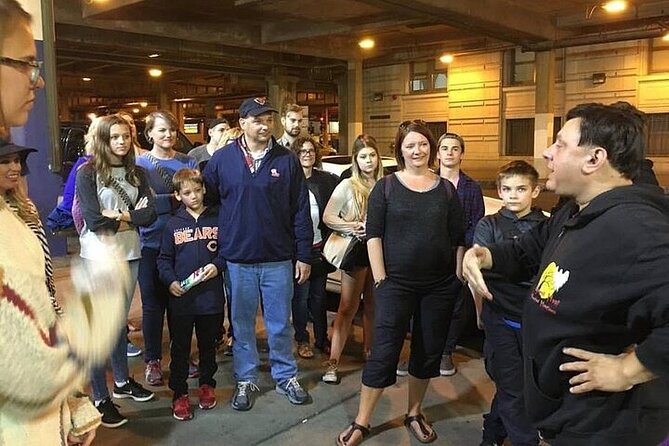
On top of storytelling, you may get hands-on participation with ghost-hunting tools. That can include EMF readers, dowsing rods, and even a dowsing gem moment where the guide uses the tool as part of the ritual-style narrative. One recurring theme: your guide can let you try the gear yourself, not just watch.
The interactivity level can depend on the night and how the group stays on pace. But the overall format encourages engagement. That’s especially helpful for couples and families who don’t want a purely lecture-style tour.
One more practical detail: on rainy nights, you might not be able to fully shelter between stops. Bring a rain layer you can move in. The bus helps, but some stops require you to step outside.
Price, value, and what you get for $59
At $59 per person for about 3 hours, the value comes from concentration. You’re packing multiple locations into one evening with a guide telling the story at each place. You’re also skipping the hassle of driving and finding parking for a route that jumps across different neighborhoods.
The bus comfort is a real part of the deal. If you’ve ever tried to do a walking-only ghost tour in cold weather, you already know why this approach matters. One practical bonus mentioned is that the bus can have a bathroom onboard, which makes the night much more bearable if you get stuck in wet weather or longer-than-expected stop times.
Your one cost consideration: transportation to and from the pickup point is not included. So if you’re staying outside downtown, budget for getting to Congress Plaza on time. The tour itself covers the bus route and the guiding.
Also, the tour is rated 3.8 out of 5 overall. That’s not bad, but it does suggest a mix of experiences—usually explained by guide style, weather, and how much you personally like the paranormal angle. If you want guaranteed theatrical goosebumps, no ghost tour can promise that. If you want a well-paced, story-forward night with plenty of famous Chicago locations and a few surprises, it’s a solid pick.
Should you book this Chicago Hauntings ghost bus tour?
Book it if you want a smart way to see Chicago’s darker side in one night. This tour is especially good for true-crime fans, people who like local legends tied to real places, and anyone who wants to avoid hours of walking in the dark.
Pass or think twice if you hate outdoor standing around in bad weather or you prefer tours with long stops and museum-level exploration. Some stops are quick, and a few locations are modernized enough that you’ll mostly be taking in the story rather than a preserved scene.
If you do go, do yourself a favor: wear shoes you can move in fast, bring a rain layer, and come ready to treat it like a guided story night—not a guaranteed paranormal broadcast. The fun is in the mix: Chicago landmarks, hard history, and a little bit of spooky equipment time.
FAQ
How long is the Chicago Hauntings Original Ghost Bus Tour?
It runs about 3 hours, with the timing described as approximate.
Where do I meet the guide, and does the tour end there too?
You meet outside the Congress Plaza Hotel & Convention Center at 520 S Michigan Ave, Chicago. The tour ends back at the original meeting point.
What kinds of stops does the tour include?
You’ll head to sites connected to the Devil Baby at Jane Addams Hull-House Museum, the old City Cemetery area, the Couch Mausoleum, the Chicago History Museum area tied to Abe Lincoln’s bed, the South Pond suicide bridge, and several major true-crime and disaster memorial locations including the St. Valentine’s Day Massacre site, Dillinger’s Biograph Theatre site, the S.S. Eastland Memorial, and the James M. Nederlander Theatre.
Is there much walking?
There is some walking. Most of the time you’re on the bus, and you’ll disembark for short strolls and brief landmark moments at multiple stops.
Is the tour offered in English, and do I get a mobile ticket?
Yes. The tour is offered in English, and you receive a mobile ticket.
Are children allowed on the tour?
Children must be accompanied by an adult, and most travelers can participate.
Do I need my own transportation to get to the pickup point?
Yes. Transportation to and from the pickup/drop-off location is not included.
What if the weather is bad or I need to cancel?
The experience requires good weather. If it’s canceled due to poor weather, you’ll be offered a different date or a full refund. You can cancel for a full refund if you cancel at least 24 hours in advance.