Darwin in four hours can work. This half-day coach loop is a fast way to get your bearings and then choose where to go next, with expert local commentary and two big-ticket museum stops. I especially like the Darwin Botanic Gardens (built to survive cyclones and even wartime impacts) and the Darwin Aviation Museum, anchored by a B-52 on permanent loan from the US Air Force.
You do need to plan for the pacing. The Botanic Gardens stop can feel short, with one guide-led visit running about 15–20 minutes, so don’t count on a long wander if you want every corner.
The guides can make the whole thing better. I’ve seen names like Libby, Mel, and Pablo associated with this tour, and they’re praised for being fun as well as informative, plus they’ll point out what else to see around town while you’re riding.
In This Review
- Key highlights to look for
- A smart way to see Darwin: four hours, not a full day
- Hotel pickup and air-conditioned comfort between stops
- Darwin Botanic Gardens: cyclones, WWII, and marine plants
- Chinese Temple and the meaning of place in Darwin
- Stokes Hill Wharf area: a quick waterfront reset
- Darwin Aviation Museum: the B-52 anchor and 19 aircraft
- Museum & Art Gallery of the Northern Territory: Aboriginal art, culture, and science
- Price and value: $77 for two entries plus pickup
- Who this tour is best for
- Should you book this Darwin city coach tour?
- FAQ
- How long is the Discover the City of Darwin half-day tour?
- What’s included in the price?
- Are hotel pickup and drop-off included?
- Which language is the live guide?
- Do I need to pay right away?
- Can I cancel if my plans change?
Key highlights to look for
- A tight afternoon route that hits major sights without you having to drive
- Darwin Botanic Gardens survival story, including cyclones and World War II impacts
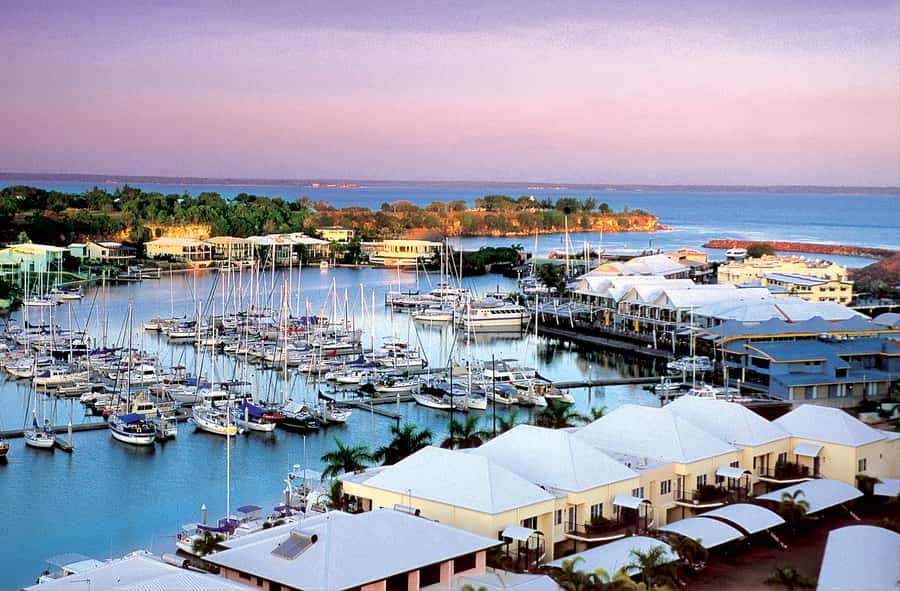
- Chinese Temple + waterfront contrast with a stop in the Stokes Hill Wharf area
- Darwin Aviation Museum’s standout B-52 plus rare air-raid footage and 19 aircraft on display
- Museum & Art Gallery of the Northern Territory with the largest permanent Aboriginal artwork display in Australia
- Air-conditioned coach with hotel pickup, so you spend less time hauling bags around town
A smart way to see Darwin: four hours, not a full day
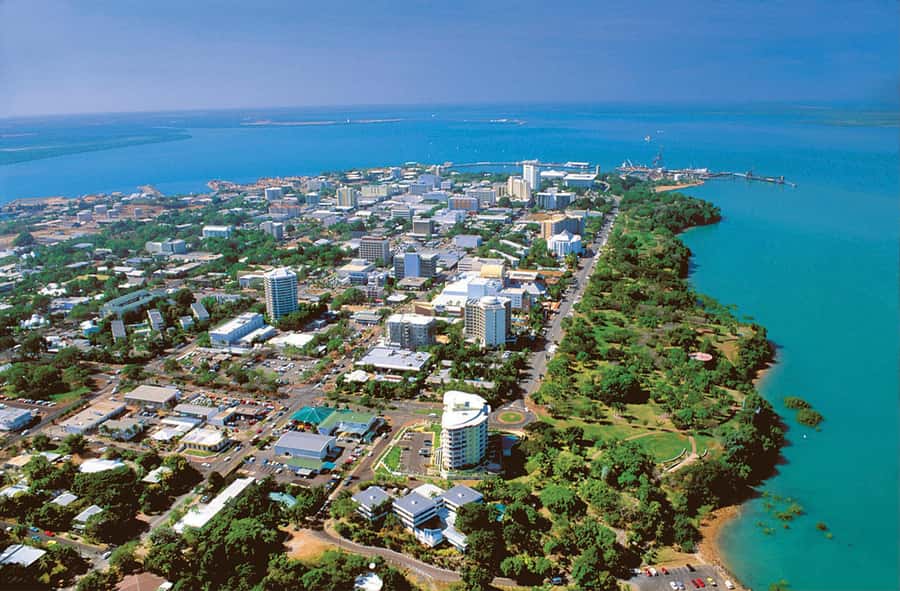
Darwin can be deceptively spread out, especially if you’re trying to squeeze sightseeing into a short stop. This tour is built for that problem. In about four hours, you get an organized sampler of the city’s most memorable sights, and you still have enough time afterward to follow your personal interests.
What I like is that it doesn’t waste your time with only one theme. You’re moving from gardens to heritage sites to military aviation to art, culture, and science. That mix helps you understand Darwin as more than a single kind of destination.
If you want a deeper, slower day, this isn’t trying to replace that. It’s more like a strong first draft of the city—use it to decide what deserves your second, longer visit.
Hotel pickup and air-conditioned comfort between stops

Your day starts with selected hotel pickup and drop-off, which matters a lot in Darwin. Without this, you’d be weighing parking, heat, and travel time between scattered points.
The coach is air-conditioned, so the ride time feels manageable even on warmer afternoons. Also, you’ll have a driver-guide who handles the route and provides commentary while you’re traveling, not just while you’re standing still at a stop.
One practical note: pickup times start before the scheduled tour time, and you should confirm your exact pickup window with the local partner after booking. That keeps you from waiting around longer than you want.
Darwin Botanic Gardens: cyclones, WWII, and marine plants

The Darwin Botanic Gardens are one of those places where the setting and the story both matter. The gardens didn’t just survive Darwin—they survived cyclones and the direct effects of World War II. That history gives the visit extra meaning beyond a normal garden stroll.
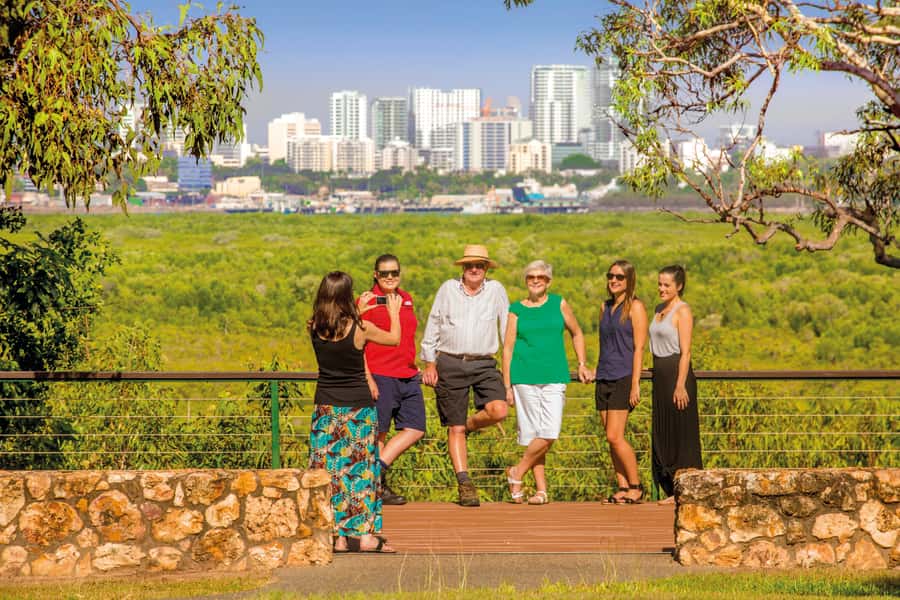
What’s especially interesting is how the grounds work with the geography. The site extends inland from the sea to a plateau, so you get different planting environments in one place. And there’s a rare feature: you can find marine and estuarine plants naturally in the gardens’ grounds.
You’ll also have a chance to spot local wildlife, which adds motion to what could otherwise be a purely scenic stop. The garden is at its best when you slow down and look for details, like how different plant zones sit side by side.
The only caution: don’t count on a long leisurely wander. One departure reportedly offered closer to 15–20 minutes for the gardens, and that’s great for a quick highlights walk—but not for people who want a deep botanical meander.
Chinese Temple and the meaning of place in Darwin
After the gardens, you’ll visit the Chinese Temple, a stop that shifts the mood and gives you a clearer picture of Darwin’s cultural layers. Even if you’ve seen temples elsewhere, the setting in Darwin adds context: the city’s story includes waves of people who built communities and traditions where they landed.
This is also a nice “breather” between larger stops. Gardens can put you in a calm headspace, and the temple gives you a different kind of focus—more heritage and symbolism than scenery.
The tour keeps moving, so think of this as a meaningful stop rather than a long stay. If you want photos, this is the moment to grab them before the day turns toward museums.
Stokes Hill Wharf area: a quick waterfront reset
Next comes the Stokes Hill Wharf area, which adds a necessary waterfront contrast. Even without getting stuck in a long walk, this kind of stop helps you understand Darwin’s waterfront relationship—where the city faces out, not just inland.
I like wharf-area stops on city tours because they remind you the city is practical as well as historical. You get a sense of activity and location, and you can use what you see here to decide if you want to return later for a longer look.
Because the tour is only four hours, you should treat this as a viewpoint and orientation moment. It’s less about a single major attraction here and more about placing the rest of the day in a real-world map of the city.
Darwin Aviation Museum: the B-52 anchor and 19 aircraft

If there’s a single reason this tour wins for many people, it’s the Darwin Aviation Museum. It’s one of Australia’s major aviation museums, and the centerpiece is a B-52 Bomber on permanent loan from the United States Air Force.
The museum’s strength isn’t just the aircraft. You also get context through film and archival material. There are rare amateur footage clips of the first air-raid in Darwin, plus original footage pulled from Japanese archives. That combination makes the aviation display feel tied to real events, not just hardware.
On top of the B-52, there are 19 aircraft on display, covering a range of eras and aircraft types. You can see jet fighters like Mirage and Sabre models, along with a Royal Australian Wessex helicopter. That spread helps you compare different military aviation approaches without having to study aviation history first.
One of the best ways to enjoy this stop is to pick one aircraft you’re most curious about and then let everything else support that interest. If you’re not a plane person, it still works, because the footage and the museum layout do the heavy lifting for you.
Museum & Art Gallery of the Northern Territory: Aboriginal art, culture, and science
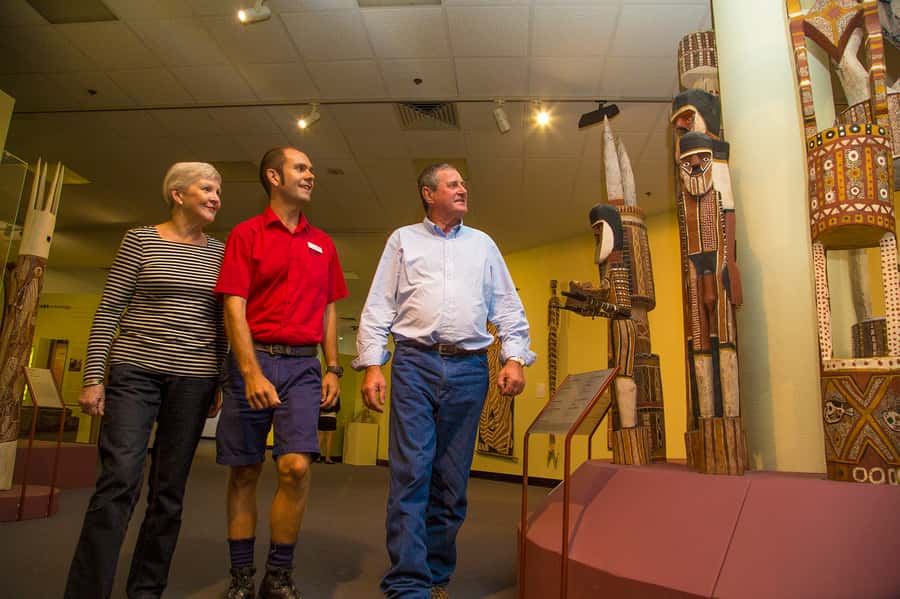
The other major museum stop is the Museum and Art Gallery of the Northern Territory, and it’s a strong pairing with the aviation museum. One puts you into wartime aviation history; the other broadens the lens to art, culture, and research.
This museum includes internationally renowned artistic, cultural, and scientific collections and research programs. That matters because it’s not only a place to look at objects—it’s also a place where discovery and documentation are part of the experience.
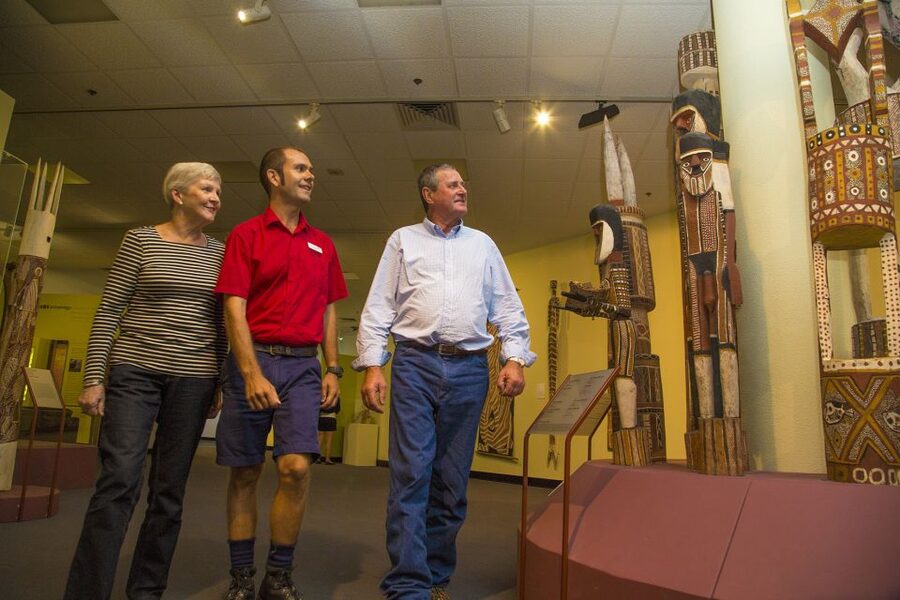
The headline draw here is the largest permanent display of Aboriginal artwork in Australia. That’s a big claim, and it’s the kind of reason you shouldn’t skip if you care about seeing important work in a serious museum setting.
You’ll also find an eclectic range of visiting exhibitions, so the museum feels like it has both a permanent core and ongoing change. Even if you only have a short time here, you’re still seeing collections that stand as part of Australia’s wider museum ecosystem.
Practical tip for this stop: don’t try to cover every gallery detail. Instead, spend your time where the biggest permanent display is, then pick one or two rotating exhibitions to sample. With this tour’s half-day structure, that approach keeps you from feeling rushed.
Price and value: $77 for two entries plus pickup
At $77 per person for a four-hour city tour, the value comes from what’s included rather than how “cheap” it feels. You’re paying for an air-conditioned coach, a driver-guide, hotel pickup and drop-off, and entry to both museums.
That package is especially useful in Darwin, where transportation time can eat into limited sightseeing hours. Instead of juggling multiple tickets and figuring out how to get from garden to wharf to museums, this tour lines it all up in one afternoon.
The real question isn’t whether you’ll like every stop equally. The question is whether you want your time organized around two major museum experiences. If aviation museums and Aboriginal art/cultural exhibitions are on your must-see list, the pricing starts to look fair fast.
Who this tour is best for
This tour is a good fit when you:
- Want a first-day orientation to Darwin that shows you what the city is really about
- Prefer a coach format that handles driving for you
- Care about both aviation history and museum-quality Aboriginal art and culture
- Want a guide to explain what you’re seeing while you move between places
It’s less ideal if you:
- Want long, unhurried garden time (the Botanic Gardens stop can be around 15–20 minutes)
- Plan to do deep, slow museum reading in every gallery (this is a sampler, not a full museum day)
Should you book this Darwin city coach tour?
Book it if you want a structured half-day that mixes Darwin Botanic Gardens, the Chinese Temple, the Stokes Hill Wharf area, the Darwin Aviation Museum, and the Museum and Art Gallery of the Northern Territory—with transport and entries handled for you. At $77, you’re buying convenience plus two major indoor stops that you might not get to on a tight schedule.
Skip it only if your priority is extended time at one location, especially the gardens. If your heart is set on wandering outdoors for a long stretch, you might do better combining a short guided visit with a later self-guided return.
Either way, this tour is a strong way to see what Darwin offers and decide what deserves your extra time.
FAQ
How long is the Discover the City of Darwin half-day tour?
The tour lasts 4 hours.
What’s included in the price?
You get an experienced driver/guide, travel in an air-conditioned coach, entry to the Darwin Aviation Museum, entry to the Museum and Art Gallery of the Northern Territory, and selected Darwin hotel pickup and drop-off.
Are hotel pickup and drop-off included?
Yes, pickup and drop-off are included for selected hotels. Pickup times start before the scheduled tour time, so you’ll need to confirm the exact time with the local partner.
Which language is the live guide?
The live tour guide provides commentary in English.
Do I need to pay right away?
No. You can reserve now and pay later.
Can I cancel if my plans change?
Yes. Free cancellation is available up to 24 hours in advance for a full refund.