Five UNESCO stops in one morning is handy. This shared bus tour links Kathmandu’s UNESCO World Heritage sights with the added stop at Budhanilkantha, all starting near Thamel and running about 6 hours.
I like the practical setup: you gather by 11:00 am, then a driver takes the group by shared local bus with minimal downtime while pickup happens. One thing to consider is that the tour format is basic—so bus cleanliness and how much you hear at each stop can vary, meaning you may want to ask the driver a few questions on the spot.
In This Review
- Key Highlights to Know Before You Go
- A 6-Hour Kathmandu UNESCO Hit List From Thamel
- Getting on the Bus: Hotel Malla Meet Point and Pickup Options
- Swayambhunath: City Views and a Temple Complex Feel
- Pashupatinath: Big Views, Major Religious Architecture
- Boudhanath Stupa: UNESCO Peace and People Watching
- Kathmandu Durbar Square: Heritage Walk-Through Energy
- Budhanilkantha: A Final Stop With a Different Feel
- What the Shared Bus Tour Feels Like on the Ground
- Price and Value: Why $11 Can Be a Smart Deal
- Small Frictions to Plan Around (Briefing and Bus Comfort)
- Who Should Book This Kathmandu Heritage Bus Tour
- Should You Book This Tour or DIY the Stops?
- FAQ
- Where do I meet for the tour in Kathmandu?
- What time should I arrive for pickup?
- Which sites are included in the tour?
- How long is the Kathmandu Rich Heritage bus tour?
- How much does the tour cost?
- Are meals included?
- Is pickup available if I’m not staying right in Thamel?
- What languages will the driver speak?
- Is this a shared bus tour?
- Is there private group availability?
- Is free cancellation offered?
Key Highlights to Know Before You Go
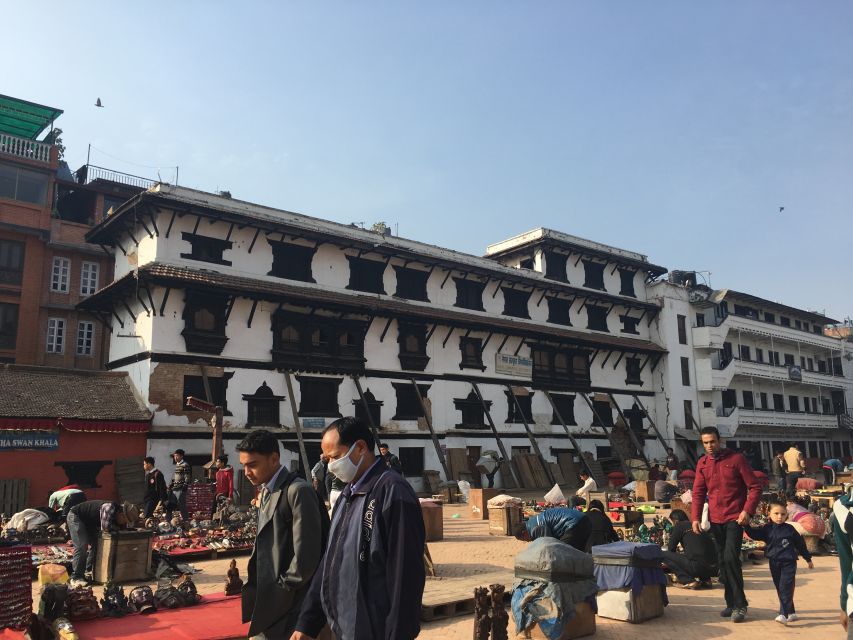
- UNESCO World Heritage sites covered in one day (Swayambhunath, Pashupatinath, Boudhanath, Kathmandu Durbar Square)
- Thamel meeting point near Hotel Malla for an easy start in the main tourist area
- Shared local bus pace, with round-trip transfers and multiple pickup options
- Driver communication in English and Hindi, so you’re not stuck guessing
- Budget-friendly value for a first Kathmandu overview at $11 per person
- A steady day of major sights, ending back next to Thamel
A 6-Hour Kathmandu UNESCO Hit List From Thamel
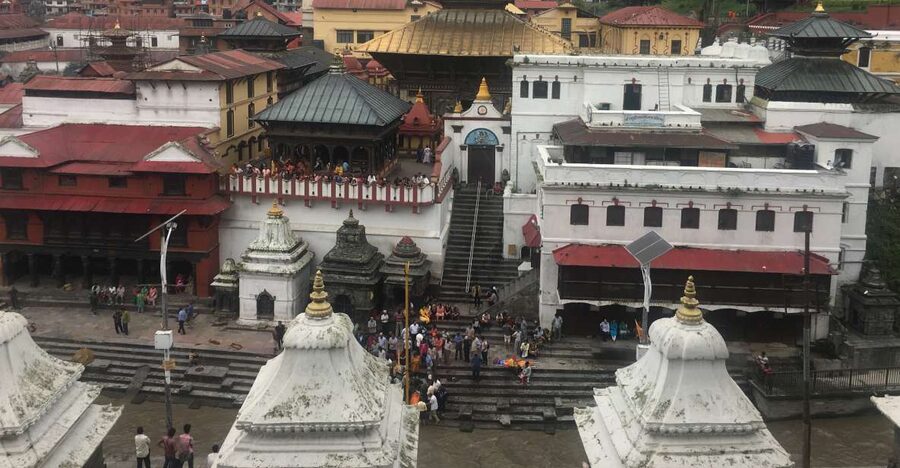
If you want a fast, organized introduction to Kathmandu’s spiritual and architectural landmarks, this is a solid way to do it. You’ll hit multiple big names in the Kathmandu Valley, with UNESCO World Heritage stops built into the route: Swayambhunath, Pashupatinath, Boudhanath, and Kathmandu Durbar Square. Then the day finishes with Budhanilkantha, which adds another change of pace without turning your day into a travel marathon.
I also like that the tour is designed for motion. It’s a shared bus with a driver, and the plan is to keep moving rather than spending long stretches parked. For many people, that matters more than a fancy program—especially when your goal is to see as much as possible in one outing.
The trade-off is simple: because it’s a shared local bus setup, the experience can feel “hands-on and practical” rather than polished and scripted.
Getting on the Bus: Hotel Malla Meet Point and Pickup Options
Most departures start at the meeting area opposite Hotel Malla’s main entrance gate in Thamel. You’re asked to be there early—between 9:50 and 10:20 am—so the group can settle before the 11:00 am start time.
Here’s the key practical detail: the bus is set up to pick you up and keep going. It will stop to collect you, and parking isn’t allowed, so you’ll want to be ready where you’re told instead of drifting around waiting for the bus to find you.
Pickup options also include several other stops, such as Thamel, Amrit Science Campus, Barahi Chouk, Pokhara Lakeside, The Malla Hotel, and Sorhakhutte. Drop-off options mirror the same style, including Amrit Science Campus, Barahi Chouk, The Malla Hotel, Pokhara Lakeside, and the route ends back near the Thamel area.
If you’re trying to minimize walking with luggage or you’re not staying directly in Thamel, check your closest pickup point before you book. One smart move: arrive at your pickup spot early anyway, because this is a bus you join, not a vehicle that waits indefinitely.
Swayambhunath: City Views and a Temple Complex Feel
Swayambhunath is your early anchor. This stop is one of the highlights on the day, and it’s also one of the better “see it from multiple angles” places on the route. The tour description emphasizes views of Swayambhunath, which is exactly why it works well as Stop 1—before crowds and heat build, you can take in the overall feel of the complex.
What you should plan for here is time spent looking up and around. Even if you don’t stay inside every area, you’ll get plenty from the setting and the scale of the place. It’s also a good moment to reset mentally for the rest of the day: you’re moving from a guided ride into a heritage-site walk.
Practical note: because the bus is a shared setup, you’ll likely need to keep your stop-time focused. Don’t assume you’ll have unlimited browsing time at each temple.
Pashupatinath: Big Views, Major Religious Architecture
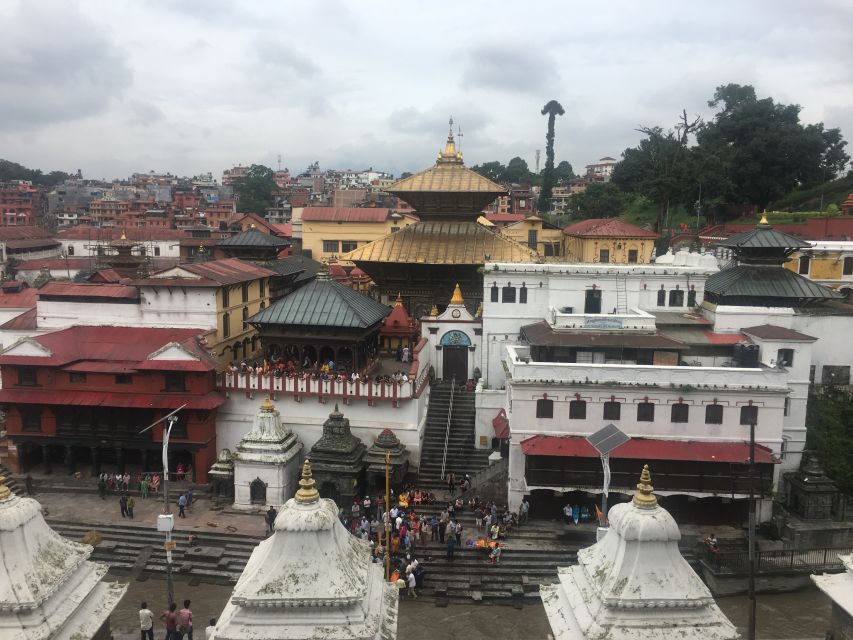
Next up is Pashupatinath Temple, another landmark where the day is built around sightseeing and views. The tour promises views of Pashupatinath as well, and that’s where you’ll want to spend your attention—zooming out for the overall setting and then coming back for close looks at architectural details.
This is a stop where it helps to have the right mindset. Even if you’re not there for religious study, you can still appreciate the architecture and how the site functions as a living place of worship. The tour’s broader goal is to teach Nepalese culture, history, and architecture, and Pashupatinath is one of the clearest places for that “read the buildings and setting” approach.
A consideration: religious sites often involve areas with rules and restrictions. The most reliable way to handle that during a shared tour is to follow the driver’s lead and watch what others are doing, rather than trying to force a route.
Boudhanath Stupa: UNESCO Peace and People Watching
Then you’ll reach Boudhanath Stupa, another UNESCO World Heritage stop. This part of the day is a nice contrast to the busier energy of some other Kathmandu sites. Boudhanath is where many people slow down, because a stupa gives you a different kind of viewing—more about circling, lingering, and taking in how people interact with the space.
If you like photography, this is often where you’ll feel thankful the tour has you there. Stupas are naturally photogenic from several angles, and the area around them tends to give you both wide context views and closer texture.
Also, this stop is a good one for questions. The tour includes a driver (English and Hindi), and if you want context—what this site is, what to notice, how it connects to the rest of Kathmandu Valley—Boudhanath is an ideal time to ask.
Kathmandu Durbar Square: Heritage Walk-Through Energy
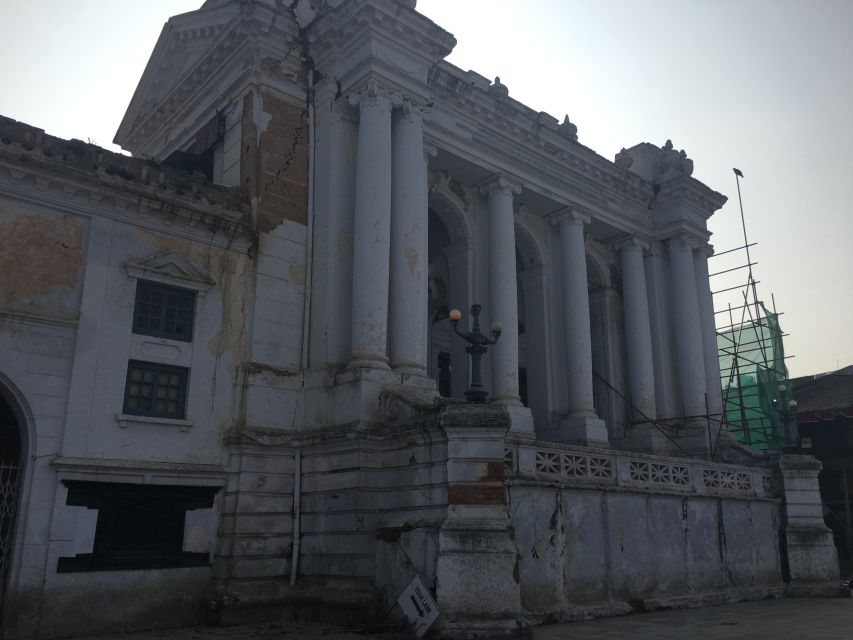
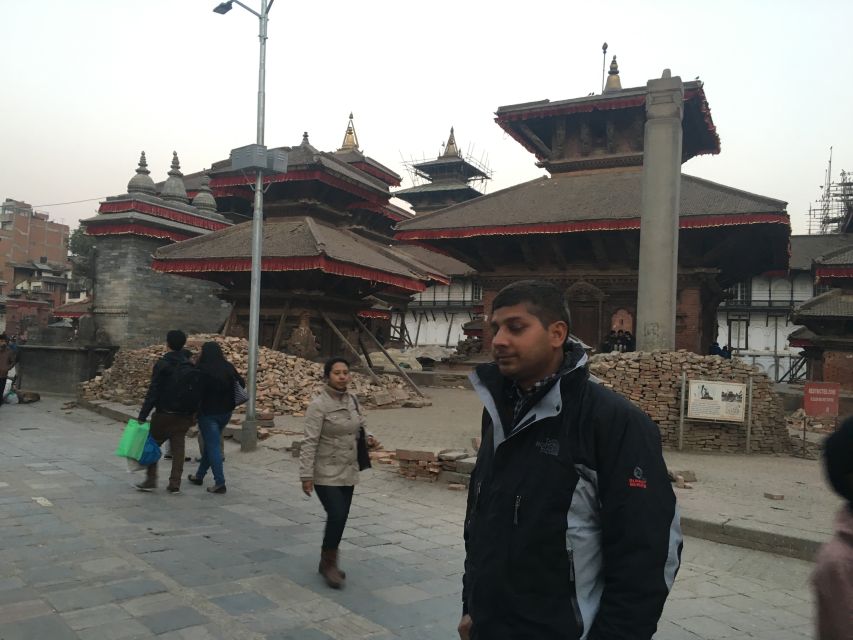
Kathmandu Durbar Square is the day’s heritage-and-stonework moment. This is one of the UNESCO stops, and it’s typically where you’ll see the “city as museum” side of Kathmandu—courtyard-style heritage spaces, architectural layers, and the sense that the location has been important for a long time.
This isn’t a stop that works only as a photo stop. You’ll get more value if you pace yourself and do a mini-rotation: look at the overall square first, then focus on doorways, facades, and the relationship between buildings and open space. Even on a bus tour where time is limited, the square rewards attention.
One caution: because the day is structured around multiple major sights, your time here may feel brisk compared to doing the square on your own. If you have a strong interest in architecture, treat this as your “highest-attention” stop and cut down on extra wandering elsewhere.
Budhanilkantha: A Final Stop With a Different Feel
The last major sightseeing stop is Budhanilkantha. The tour includes it as part of the cultural and architectural story of Kathmandu, and it works as a closing chapter after four heavyweight UNESCO sites.
Budhanilkantha is also a good mental wind-down. You’ve already covered the big UNESCO names, so this final stop helps you finish the day without the pressure of matching one temple highlight to the next. You can focus on how the setting feels, how the architecture looks in motion, and how the area communicates a local sense of place.
After all stops, the bus brings you back to the same general area near Thamel, so you’re not stranded across town at the end of a full day.
What the Shared Bus Tour Feels Like on the Ground
This isn’t a private car tour. It’s a shared local bus with a driver, and the day is designed around that reality. The upside is cost and convenience. The bus also supports the idea of doing Kathmandu in a way that feels local—because you’re riding with other people and moving like a real neighborhood route.
The possible downsides come from the same place. One person’s experience flagged that the bus wasn’t very clean, and another noted that the driver didn’t always give a briefing about the places before arriving. That means your personal success with this tour depends on how proactive you are.
Here’s how to make it work anyway:
- Sit where you can see the road and learn the route quickly.
- Use downtime on the bus to ask the driver quick questions about what you’re about to see.
- If you care about cleanliness, bring a small packet of tissues or wipes.
- Keep your stop expectations realistic: you’ll see a lot, but you won’t slow down like you would on an all-day private guide.
This is a good tour if you want structure without paying premium prices. It’s less ideal if you want a detailed, stop-by-stop lecture and a top-tier comfort level.
Price and Value: Why $11 Can Be a Smart Deal
At $11 per person for around 6 hours, the math is straightforward: you’re paying for round-trip transport plus guided movement between major sites. For many first-time visitors, transportation and coordination are where time disappears. Here, you’re buying back time with a ready-to-go plan.
The value gets even better if you’re aiming to check off multiple UNESCO sites in one outing. Doing those same stops independently can become expensive quickly once you add taxis, multiple entry fees, and the mental load of route planning. This tour solves that by bundling it into one day and one meeting area.
Just remember what you’re not paying for: meals aren’t included, and the bus is basic by design. You’ll want to budget for food stops you choose (purchase on your own during the day).
Small Frictions to Plan Around (Briefing and Bus Comfort)
Two practical issues can show up on a shared bus day like this:
1) how much context you receive before each site, and
2) how clean the bus feels.
If you want a clearer understanding of what you’re seeing, don’t wait for a perfect lecture moment. Ask right away. Even a short explanation of what to notice—architecture details, why the site is important, what kind of visitor experience to expect—can transform the day from sightseeing into understanding.
On bus comfort, don’t over-romanticize the word basic. Bring what you need for the ride: sun protection for earlier temple stops, and a small comfort kit for long days. You’ll be happier if you assume the bus ride is functional, not luxurious.
Who Should Book This Kathmandu Heritage Bus Tour
I’d point this tour toward you if:
- you’re in Kathmandu for a short time and want a concentrated overview
- you want to see major UNESCO sites without the cost of private transport
- you’re comfortable with a shared group pace
- you prefer a plan you can join easily from Thamel
I’d think twice if:
- you’re expecting a fully scripted, in-depth guided explanation at every stop
- cleanliness and comfort on the bus are top priorities
- you want long, slow wandering at just one or two sites
Should You Book This Tour or DIY the Stops?
Book this tour if you want a practical “see the highlights” day that pulls multiple major Kathmandu sites into one schedule—and you’re fine guiding yourself with questions. The $11 price makes it a low-risk way to get your bearings and understand what you want to see again.
Skip it in favor of a private plan if you need deep commentary, perfect timing, or you know you’ll want extra time at one specific site. For architecture lovers who can’t get enough context, a private guide can pay off quickly.
If you’re flexible and you show up early at the meeting point near Hotel Malla, this is the kind of day that helps you start Kathmandu with confidence.
FAQ
Where do I meet for the tour in Kathmandu?
You meet opposite of Hotel Malla’s main entrance gate across the road in Thamel.
What time should I arrive for pickup?
You should be there between 9:50 and 10:20 am for pickup, with the group meeting at 11:00 am.
Which sites are included in the tour?
The tour visits Swayambhunath temple complex, Pashupatinath Temple, Boudhanath Stupa, Kathmandu Durbar Square, and Budhanilkantha.
How long is the Kathmandu Rich Heritage bus tour?
The duration is about 6 hours (one day).
How much does the tour cost?
The price is $11 per person.
Are meals included?
No. Meals are not included, but you can purchase food during the day.
Is pickup available if I’m not staying right in Thamel?
Pickup is optional, and there are multiple pickup options listed, including Thamel, Amrit Science Campus, Barahi Chouk, Pokhara Lakeside, The Malla Hotel, and Sorhakhutte.
What languages will the driver speak?
The driver speaks English and Hindi.
Is this a shared bus tour?
Yes. It’s a shared local bus with a driver, with round-trip transfer.
Is there private group availability?
Yes, private group options are available.
Is free cancellation offered?
Free cancellation is available up to 24 hours in advance for a full refund.