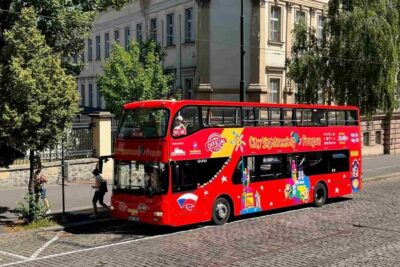
A DMZ day can be a lot more manageable. This cost-benefit shuttle gets you out of Seoul in an air-conditioned ride, with English support that helps the sights make sense. I like that you get an organized, timed flow without feeling handcuffed, and I especially like that the day is built around the DMZ as both war history and a peace symbol. One thing to plan for: the DMZ admission fee is extra, so the real total is higher than the $31 headline price.
You’ll also want to be ready for a passport day. This tour uses a mobile ticket, caps group size at 100, and can run up to about 10 hours depending on local conditions. If you expect a super long, slow wander with every detail spelled out, you might feel a bit rushed. Still, for a first DMZ visit, it’s a strong, sane way to go.
Key Highlights
- Cost-focused transport from Seoul in an air-conditioned vehicle
- English support (simple instructions) plus a Q-and-A friendly vibe from Han and Jo
- A full 7-hour DMZ block with multiple named sites and Imjingak Park
- Self-paced browsing while still getting on-bus context so the day clicks
- Mobile ticket for smooth entry on the day
- Up to 10 hours total if conditions require it
In This Review
- Price breakdown: $31 plus the DMZ admission add-on
- Meeting at Sejong-daero and getting out of Seoul fast
- The bus briefing that makes the DMZ stops land better
- Inside the DMZ: the 7-hour sweep of key sites
- Imjingak Park time and the peace symbolism you can pace yourself
- Guide duo: why Han and Jo answer your questions
- How long you really have, and what can change up to 10 hours
- Who should choose this cost-benefit DMZ shuttle
- Should you book the Cost-Benefit DMZ Shuttle Bus?
- FAQ
- What is the total duration of the DMZ shuttle tour?
- How much does the tour cost, and is the DMZ admission included?
- Where do I meet the guide in Seoul?
- Do I need a passport for this experience?
- Do they use a mobile ticket?
- What happens if weather is poor?
Price breakdown: $31 plus the DMZ admission add-on
At $31 per person, this looks like a budget-friendly way into one of the most talked-about places in the world. The reason it feels like value is simple: you’re paying for direct shuttle transport plus structured time at the DMZ area. You’re not spending your energy negotiating transit, timing, or language-heavy logistics.
Then comes the catch. The DMZ admission fee is not included in the tour price, and the overview notes an admission add-on of about $10. So your practical “all-in” budget is closer to the mid-$30s than $31.
Here’s how I’d think about it: if you’re going to pay separately for transportation and then still need help understanding what you’re seeing, that’s where the costs can quietly climb. This shuttle bundles the hardest part—getting you there and keeping the day on track—so the extra admission fee feels like a normal add-on, not a surprise.
Meeting at Sejong-daero and getting out of Seoul fast
The day starts at 92 Sejong-daero, Jung District, Seoul, with the activity ending back at the same meeting point. That matters because you’re not trying to solve the end-of-day problem while tired and hungry. You also get the comfort of knowing the tour is anchored to a specific hub in the city.
The transfer from Seoul is about 50 minutes, which is long enough to settle in but not long enough to turn the day into a bus-only marathon. You’ll also notice the tour is set up for regular participation: it’s described as suitable for most travelers, and it requires a passport.
Practical tip: show up with your passport handy and your phone charged. The tour is mobile-ticket based, and on a DMZ day, you want zero time wasted.
The bus briefing that makes the DMZ stops land better
One of the smartest parts of this tour is that you’re not just dropped at a set of sights. The experience includes information you hear on the bus, and that’s the part that upgrades the whole day.
DMZ sites can blur together if you don’t have context. With this shuttle, the content is meant to make the stops more satisfying and special, so you’re not standing there wondering what the names mean. The theme is very clear: the DMZ as history and as a symbol of peace.
There’s also a specific historical anchor you’ll encounter in the tour’s framing: July 27, 1953, after three years and a month of war. The point of that reference isn’t trivia for trivia’s sake. It gives you a timeline you can hold onto while you move through the area.
In plain terms: you’ll get a story to attach to what you see, and that changes the feeling of the day.
Inside the DMZ: the 7-hour sweep of key sites
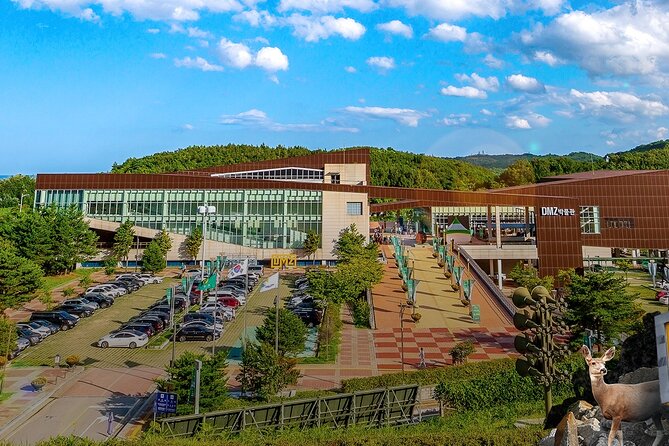
Once you reach the DMZ area, you’re looking at about 7 hours there. That time window is where the real decision-making happens, because you’ll be balancing multiple stops without infinite time at each one.
The tour is designed to cover major named areas, including:
- Third Tunnel
- Dora Observatory
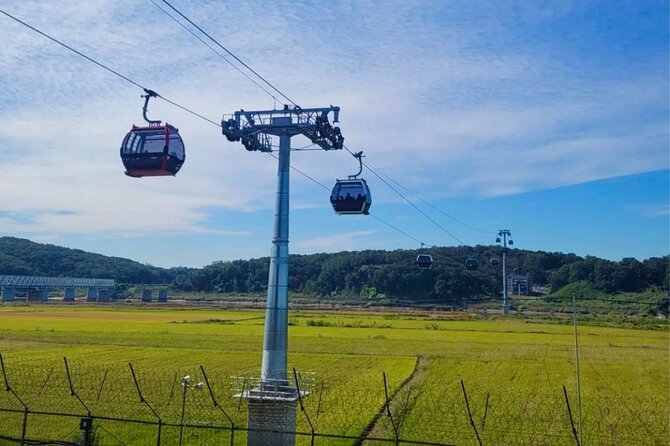
- DMZ Peace Gondola
- Dokgae Bridge
- Pyeonghwa Nuri Park
- Beat 131 Bunker Exhibition Hall
Here’s what I like about this kind of routing. You get breadth. For a first-timer, that’s valuable. You’re not forced into one single site while the rest of the DMZ stays out of reach.
The drawback is also predictable: 7 hours goes fast when you’re moving between named areas and still want time to actually look around. If you’re the type who needs long pauses, this schedule may feel like it’s asking you to make decisions. The good news is the tour is described as allowing you to explore at your own pace, so you can slow down where you care most.
Imjingak Park time and the peace symbolism you can pace yourself
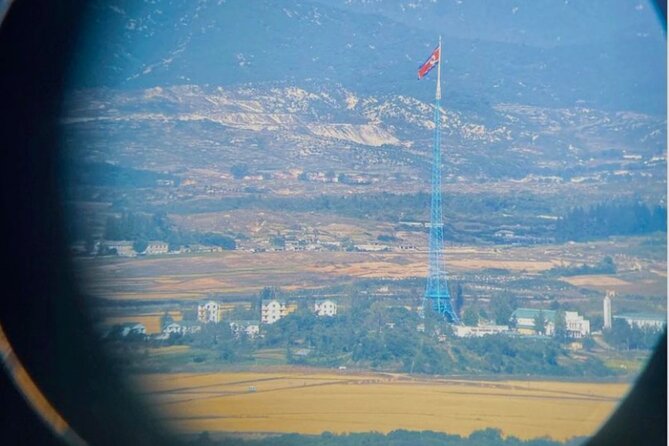
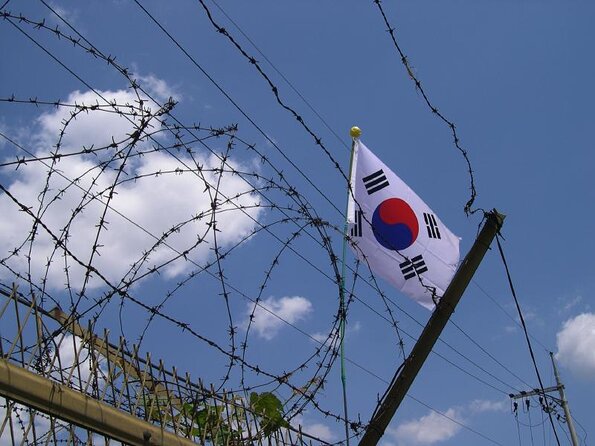
A key part of the DMZ experience on this shuttle includes Imjingak Park. The DMZ tour framing emphasizes the area as more than just remnants of conflict. It’s described as a place that symbolizes peace, connecting the Korean Peninsula with nature.
That matters because it nudges your mindset. Instead of treating this as purely bleak, you’re encouraged to notice the contrast: war history in the same zone as the idea of peace.
If you take the tour’s own approach—history first, peace second—Imjingak Park fits naturally. It gives your brain a visual reset after the more intense named sites like tunnels and bunkers.
I also like that this is part of the day without turning it into a lecture marathon. You get the bus info, then you have space to move through the area and decide where your attention goes.
Guide duo: why Han and Jo answer your questions
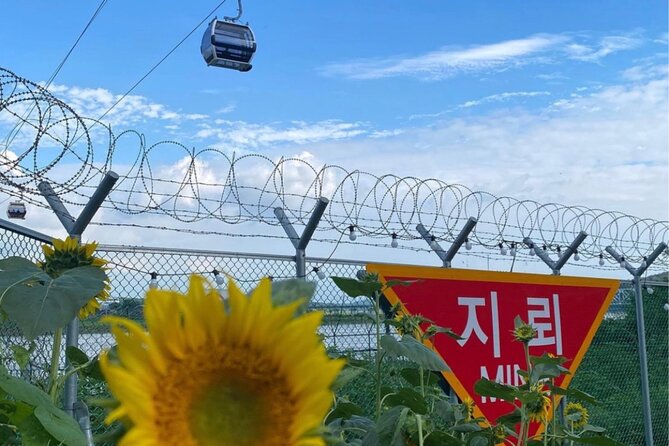
The experience is supported by staff, and the tour details call out English staff for simple instructions. What makes this better than a basic shuttle is the human factor. The guide Han is mentioned as kind and very informative, and the support from Jo comes through strongly as well, especially for answering questions.
That combination matters on a DMZ day because you’ll naturally have questions that go beyond what’s printed on a sign. When someone on the ground can address them, the day stops feeling like passive sightseeing and starts feeling like understanding.
Even if you don’t ask questions, having a guide who can answer things gives you confidence. You’re not left guessing what you’re looking at.
How long you really have, and what can change up to 10 hours
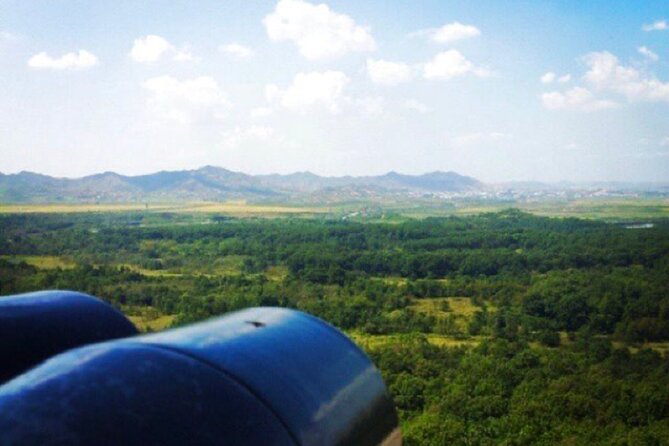
The tour runs about 8 to 10 hours total. You should plan on an all-day block. The overview also notes the tour can be extended up to 10 hours depending on local conditions.
That flexibility is important to know because DMZ operations and sight access can be sensitive to the day. So your best approach is to treat this like a fixed-day commitment with wiggle room, not a tight half-day plan.
If you hate the idea of uncertainty, this might annoy you. But if you’re the kind of traveler who plans around sights, weather, and timing, this is normal. In exchange, you get a structured, organized day without the stress of self-planning transport.
Who should choose this cost-benefit DMZ shuttle
This is a great fit if you:
- Want a budget-conscious DMZ trip without building the logistics yourself
- Are visiting Seoul and want a day-long DMZ experience that includes multiple key named sites
- Like the idea of getting on-bus context so you understand what you’re seeing
- Prefer a group experience with a clear start and finish at the same meeting point
It’s less ideal if you:
- Want a deeply slow, unhurried exploration of one or two sites only
- Expect DMZ admission to be included in the base price
- Don’t like spending a long stretch away from Seoul
One more point: the tour can have up to 100 travelers, so it won’t feel like a tiny private briefing. Still, group size at this level tends to work fine when the route is organized and the staff keeps things moving.
Should you book the Cost-Benefit DMZ Shuttle Bus?

I’d book it if you want the DMZ experience without the hassle tax. The value comes from transportation, structured time, and English support that helps the sights land better. The inclusion of major named areas like the Third Tunnel, Dora Observatory, and the DMZ Peace Gondola means you’re not walking away feeling like you saw only one slice of the DMZ story.
I’d hesitate if you’re sensitive to time pressure or if you’re hoping admission fees are fully included. Also, because the tour depends on good weather, it’s wise to keep your schedule flexible around that day.
If this is your first DMZ visit from Seoul and you want the most practical route at a fair price, this shuttle is one of the smarter ways to go.
FAQ
What is the total duration of the DMZ shuttle tour?
The tour runs about 8 to 10 hours, with a DMZ portion of about 7 hours. It can be extended up to 10 hours depending on local conditions.
How much does the tour cost, and is the DMZ admission included?
The tour price is $31 per person. The DMZ admission fee is not included in the tour price, and the overview notes an extra admission fee of about $10.
Where do I meet the guide in Seoul?
You meet at 92 Sejong-daero, Jung District, Seoul, South Korea. The tour also ends back at the same meeting point.
Do I need a passport for this experience?
Yes. The tour requires a passport.
Do they use a mobile ticket?
Yes, the tour uses a mobile ticket.
What happens if weather is poor?
The experience requires good weather. If it’s canceled due to poor weather, you’ll be offered a different date or a full refund.