Tokyo’s best hits in one long loop. I like the bilingual guide and the big finish at the Skytree observation deck. One thing to consider: some stops are more photo-and-go than long stays, so if you want deep guided time at every landmark, this format may feel tight.
You get a classic first-time Tokyo route: Shibuya for the famous crossing view, Meiji Shrine for a calm walk, then Imperial Palace exterior photos before drifting to Hamarikyu Gardens by Tokyo Bay. The pace is designed to cover a lot, which is great for planning, but you’ll want to keep expectations realistic.
Bring comfortable shoes and plan for a full day on the move. If you’re traveling with limited time in Tokyo and want a structured plan that hits the top sights, this works well.
In This Review
- Key points to know
- A one-day loop through Tokyo’s top sights, in real-world order
- Meeting at Ginza and handling the 7-hour rhythm
- Shibuya Crossing: seeing the world’s busiest vibe from the bus
- Meiji Shrine guided walk: where the day slows down
- Imperial Palace photos: great exterior, tight guided time
- Hamarikyu Gardens by Tokyo Bay: quiet garden time that breaks up the rush
- Shinjuku and Akihabara: quick city-glimpse drives, not full neighborhood tours
- Asakusa and Senso-ji: your chance to slow down in Tokyo’s old-town feel
- Tokyo Skytree: the skyline payoff (and the reason to save energy)
- Price and value: what $80 buys (and where it might feel short)
- Guide style and what you should look for on the day
- Who should book this tour, and who should not
- Should you book this Tokyo highlights day?
- FAQ
- Where is the meeting point?
- How long is the tour, and where does it end?
- Is lunch included?
- What’s included in the price?
- What’s not included?
- Is the tour accessible for wheelchair users?
Key points to know
- Bilingual Spanish/English guide helps you follow the day without guessing
- Skytree entry included puts you at a major skyline viewpoint at the end of the tour
- Meiji Shrine gets the longest guided time (70 minutes) for an actual stroll, not a drive-by
- Hamarikyu Gardens access is included for a quieter, garden-style reset near Tokyo Bay
- Skytree is the finish line of the day, so plan your next move from there
A one-day loop through Tokyo’s top sights, in real-world order
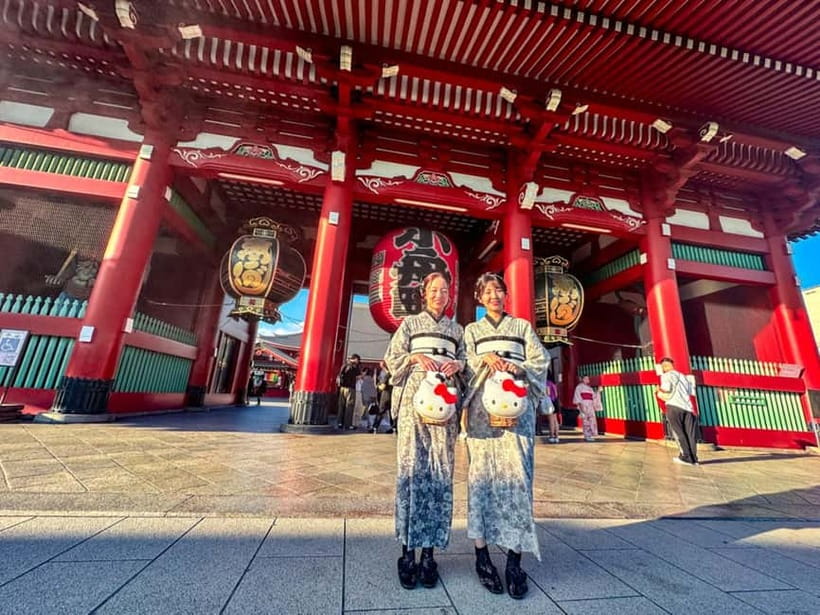
This tour strings together Tokyo’s headline attractions in a way that feels practical: you start near Ginza, work your way through Shibuya and Shinjuku, then head into the more traditional sides of Tokyo at Meiji Shrine and Asakusa. The endgame is Tokyo Skytree, so you’re saving one of the best viewpoints for last.
At a glance, the itinerary reads like a greatest-hits album: Meiji Shrine, Imperial Palace, Senso-ji in Asakusa, and Skytree. Underneath that, it’s really a route-planning exercise. Tokyo is big. Covering these places with guided timing saves you the guesswork and the transit stress.
The route also gives you a nice mix of city energy and calmer spaces. You’ll look down from busy intersections and neon areas, then walk into places that feel more about quiet rituals, gardens, and temple approach.
Meeting at Ginza and handling the 7-hour rhythm

You meet your guide at Ginza Inz 2, right across from Tokyo Hands. It’s easy to find once you know the exits: you can use Ginza Station Exit C9 or JR Yurakucho Station Central Exit.
Arrive about 10 minutes early for check-in. That small buffer matters more than you’d think in Tokyo, where trains, crossings, and sidewalks can make you feel like you’re late even when you’re not.
The day is listed as 7 hours, with the tour ending at Tokyo Skytree. That matters because your energy management should match the schedule. You’ll likely spend less time resting than you expect, so plan on hydrating and re-applying sunscreen even if you think you’ll be indoors at some points.
Shibuya Crossing: seeing the world’s busiest vibe from the bus
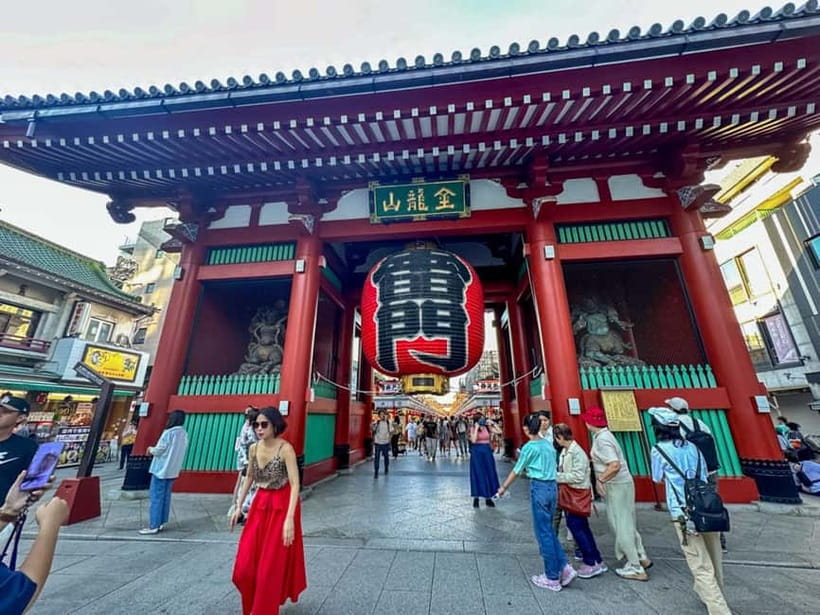
The itinerary includes Shibuya Crossing as a scenic drive. That’s important. You’re not promised a long walking block or a guided deep explanation of the crossing. Instead, the value here is the immediate, panoramic “wow” from the bus angle.
From the viewpoint offered during the drive, you get that signature Tokyo scene: streams of pedestrians crossing from multiple directions, with traffic-like movement but on foot. If you want the crossing as a photo moment (and to orient yourself for later independent wandering), this stop does the job.
Possible drawback? If your dream is to fully control your own walking time at Shibuya, you may find the visit shorter than what you expected. This is a classic “you see it, then you move on” section.
Meiji Shrine guided walk: where the day slows down
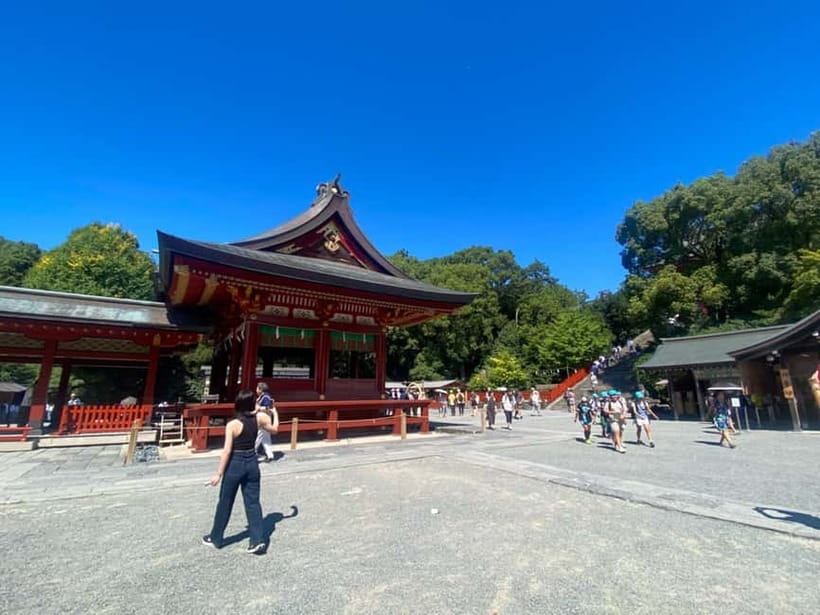
Meiji Shrine is the emotional reset of the tour. You get a guided visit for about 70 minutes, which is long enough to actually feel the change from the city streets.
The shrine area is described as a spiritual retreat in a lush urban setting, and that’s exactly what you’ll notice: the noise level drops, and your walk starts to feel like a different pace of Tokyo. You’ll have time for a relaxed stroll, and the guide’s commentary is aimed at helping you understand the Shinto traditions you’re seeing.
What I like about this stop is the balance between guided structure and personal breathing space. You can follow along, then step aside for photos without feeling rushed every minute.
Tips that make this part easier: wear breathable clothing, bring water, and keep your hat handy. Sun gets serious fast in Tokyo, and shrine paths still feel like you’re outside even when you’re surrounded by trees.
Imperial Palace photos: great exterior, tight guided time
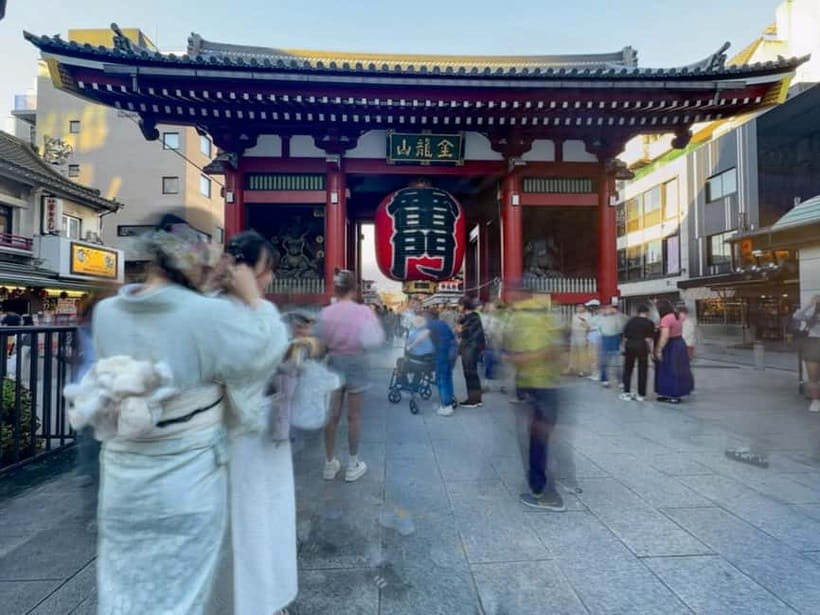
Next comes the Tokyo Imperial Palace with a guided visit of around 30 minutes. This portion is mainly about capturing photos of the grand exterior, rather than touring deep into the grounds.
That photo focus is good if you’re happy with “big picture” landmarks. You’ll come away with the look of the place, and it’s a strong contrast to Meiji Shrine. One stop is quiet and ceremonial; the next is monumental and formal.
If you were hoping for a long guided history lesson, this is the section where you need to calibrate. The time is brief by design, because the tour has a lot to pack in and still reach the later neighborhoods.
Hamarikyu Gardens by Tokyo Bay: quiet garden time that breaks up the rush
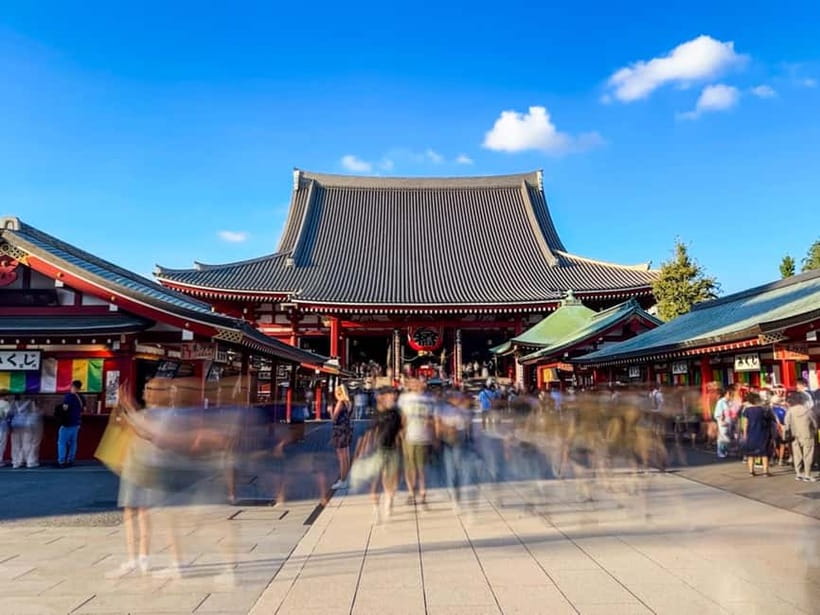
Then you get a calmer interlude at Hamarikyu Gardens, with about 40 minutes on-site and garden access included.
This is where the tour finds its pacing balance. After city driving and short landmark windows, you’re suddenly walking through a more traditional garden design by Tokyo Bay. It’s the kind of stop that’s less about ticking off another site and more about letting your eyes rest.
Even if you’re not the type to love formal gardens, you’ll likely appreciate the break from hard city angles. It’s also a useful “reset stop” before the tour heads toward Asakusa’s temple area and finally Skytree.
Wear shoes you don’t mind for walking on paths. Comfortable footwear is not a suggestion on this tour; it’s the difference between enjoying the garden and feeling annoyed by every step.
Shinjuku and Akihabara: quick city-glimpse drives, not full neighborhood tours
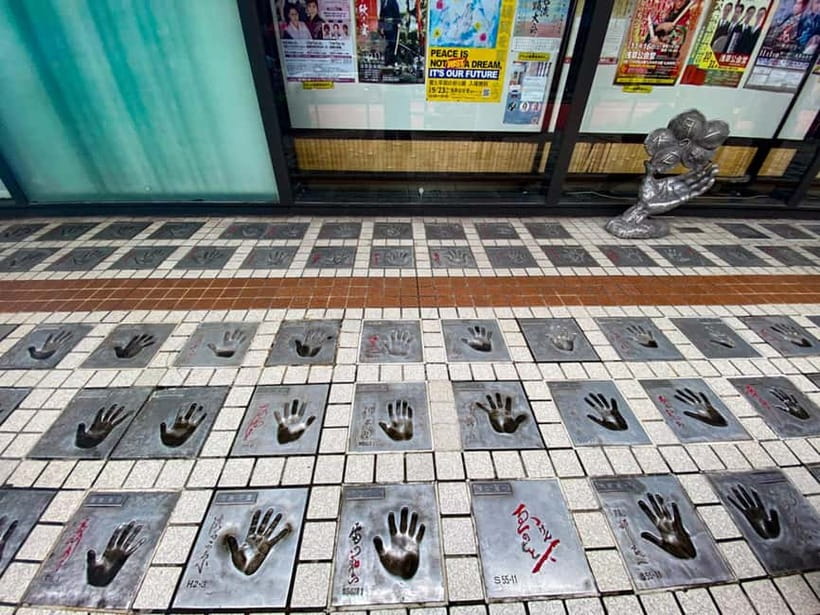
The itinerary includes Shinjuku as a scenic drive, plus a note about catching a glimpse of the Godzilla figure perched atop one of the district’s skyscrapers. This is exactly the type of Tokyo moment you can miss if you only take trains and never look out the windows.
Akihabara also appears as a scenic drive. You’ll pass through the tech and pop-culture area where neon energy and gadget culture dominate the streets.
Here’s the deal: you’ll see the vibe, but you won’t get the kind of deep, wandering neighborhood experience you’d get from a dedicated Akihabara walking tour. This section fits best if you want context and visuals, not if you want time to shop, hunt anime goods, or browse electronics.
If you love neon streets and street-level surprises, this helps you build a mental map. Later, when you return on your own, you’ll know what areas to target.
Asakusa and Senso-ji: your chance to slow down in Tokyo’s old-town feel
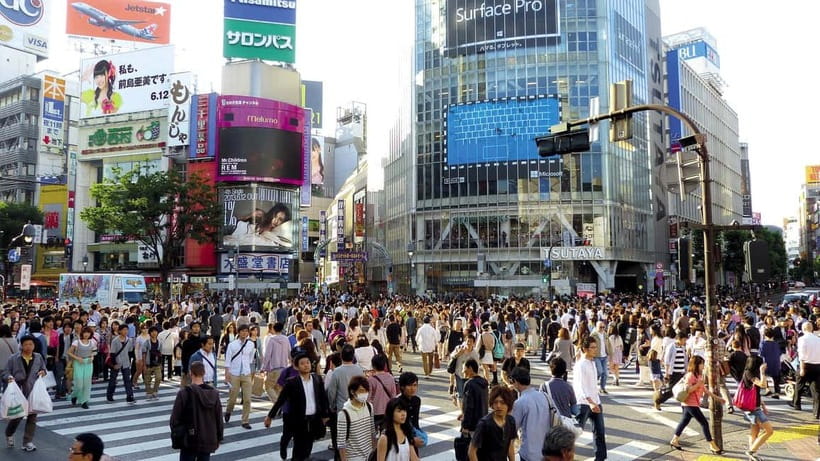
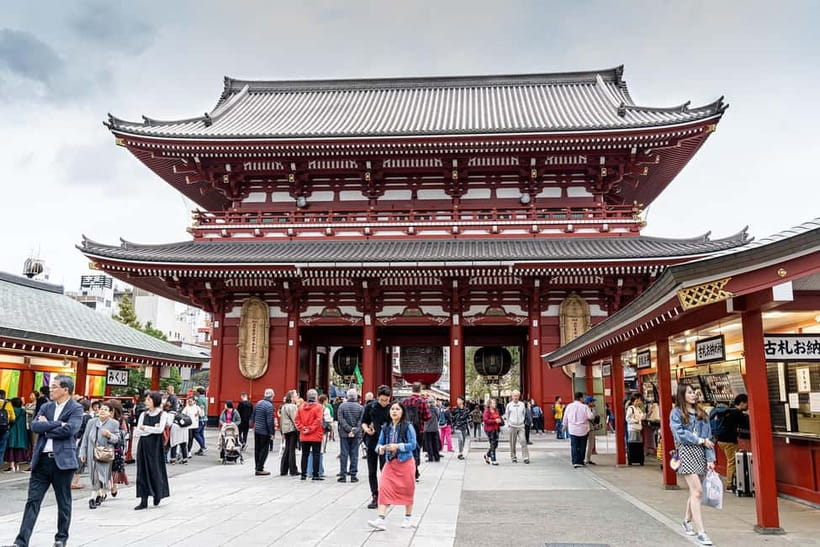
Asakusa is where the tour leans into tradition. You’re given time in Asakusa, with about 2 hours for lunch and free time. The tour description also says you’ll have the chance to visit Senso-ji Temple.
This is one of the most useful parts of the day because it includes both structure and flexibility. If you opt for lunch, you’ll eat a traditional Japanese meal at a local restaurant. If not, you can still use the time to explore at your own pace and decide what to eat based on what looks best that day.
For me, the best value in this stop is the free time. Asakusa is one of those neighborhoods where small details matter: alley atmosphere, temple approach streets, and the feeling of old-town Tokyo that doesn’t require a museum ticket.
Two practical notes:
- Bring your camera and shoot early if the light looks good to you.
- Keep your water bottle accessible. Walking in this area can add up faster than you expect.
Tokyo Skytree: the skyline payoff (and the reason to save energy)
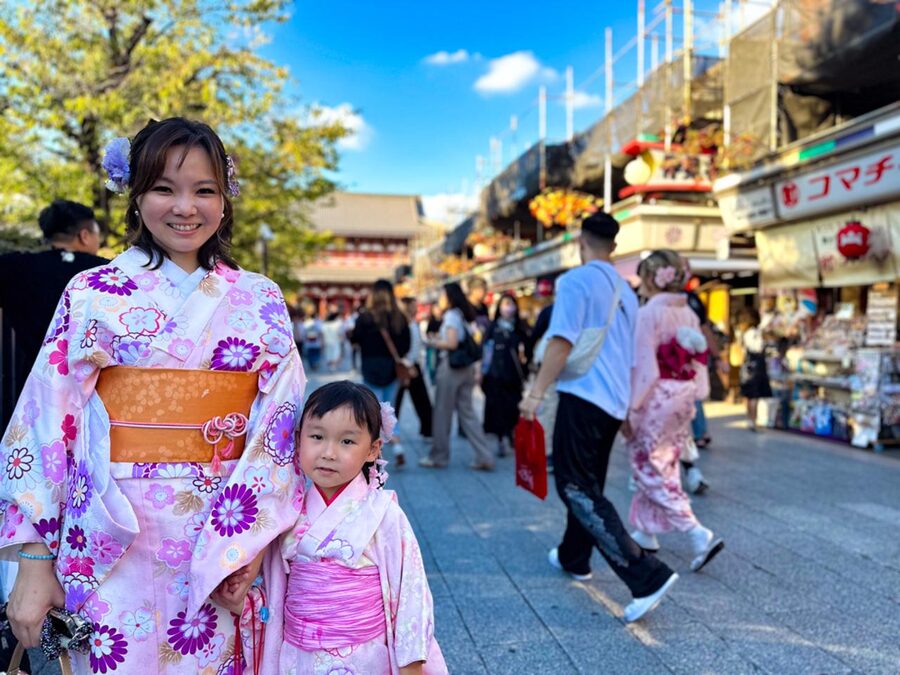
The final destination is Tokyo Skytree, where entry is included for the observation deck. This is the grand closing act, and it’s smart to end here because you’re more likely to stay focused at the end of a busy day if the last stop has big visuals.
What you’ll likely enjoy is the broad, city-scale perspective. Tokyo is dense. From Skytree, you get that sense of order and sprawl at the same time, and it helps you understand the city in a way you just can’t from street level.
Also, because this is the end point, you don’t have to worry about getting back to the start area. You just need a plan for how you’ll move on after the tour ends.
If you care about photos, you’ll want to behave like a photo person: pause, frame, take multiple shots, then move. Don’t try to “rush your way” through the view.
Price and value: what $80 buys (and where it might feel short)
The listed price is $80 per person, and the included items help justify the cost if you value structure.
What’s covered:
- Transportation from the meeting point
- A bilingual guide in English and Spanish
- Hamarikyu Gardens access
- Tokyo Skytree entrance
- Lunch only if you choose the lunch option
What’s not covered:
- Tickets to monuments (the wording is broad, so check what’s relevant to your day)
- Drinks
So, the value comes from two things: avoiding transit headaches and getting included entry to major stops. If you were doing this on your own, you’d spend time sorting transit routes and buying access for big sights like Skytree. You’d also lose the guide’s route timing, which matters when Tokyo crowds decide to show up everywhere.
That said, the biggest reason this tour can feel expensive is timing expectations. Some landmarks are brief photo stops, and the scenic-drive sections (Shibuya Crossing, Shinjuku, Akihabara) are not long neighborhood explorations. If you’re the type who wants a lot of guided talk at each stop and plenty of walking time everywhere, you may feel the schedule is doing more driving than explaining.
On the flip side, if you want a strong “Tokyo highlights” day with guided pacing, you’ll likely appreciate that the day is packed, not random.
Guide style and what you should look for on the day
You’ll travel with a live tour guide who speaks English and Spanish. On this route, guides like Pastor and George have been noted for making sure the English is clear and information is delivered even when you’re the only English speaker in the group.
That’s a key point. A bilingual guide can make a real difference when you’re trying to understand what you’re seeing, especially at places like Meiji Shrine where the symbolism is part of the experience.
Possible drawback: if you’re expecting a heavy, lecture-style history program at every stop, the format may not deliver that. This tour is designed as a highlights loop, so commentary may vary by stop and by guide style.
My advice: treat the tour as a foundation. You’re getting orientation and major sights. Then, if something really clicks, plan to return later for deeper exploration on your own.
Who should book this tour, and who should not
This tour is a good match if:
- You have limited time and want multiple top Tokyo landmarks in one day
- You like a guide to handle the route and timing
- You want both city energy and calmer spaces like shrine grounds and Hamarikyu Gardens
- You want an easy way to finish with Skytree views without doing logistics yourself
It may not be ideal if:
- You want long, deeply guided stays at every landmark
- You prefer neighborhood wandering over bus-and-snapshot stops
- You need wheelchair accessibility (the tour is listed as not suitable for wheelchair users)
Should you book this Tokyo highlights day?
Book it if you want a structured first taste of Tokyo: Shibuya views, Meiji Shrine walking time, Imperial Palace exterior photos, Asakusa free time, and a guaranteed finish at Skytree with included entry. The route makes sense for people who don’t want to spend their vacation solving transit puzzles.
Skip it (or at least reconsider) if your priority is slow, in-depth guided history at each stop. Some parts are intentionally short or scenic-drive focused, and you may end up wishing you had more time where you expected more walking and talk.
If you do book, set yourself up for success: bring comfy shoes, a hat, sunscreen, water, and your camera. And keep your expectations aligned with a highlights loop. Done that way, this is a very efficient way to see Tokyo’s greatest hits in one full day.
FAQ
Where is the meeting point?
Please meet your guide at Ginza Inz 2, right across the street from Tokyo Hands. You can reach it using Ginza Station Exit C9 or JR Yurakucho Station Central Exit. Try to arrive at least 10 minutes early for check-in.
How long is the tour, and where does it end?
The tour duration is 7 hours (starting times vary by availability). The itinerary ends at Tokyo Skytree, and the day’s finish is listed as Tokyo Sky Tree in the important notes.
Is lunch included?
Lunch is included only if you choose the lunch option. During the Asakusa portion, you’ll have time for lunch and free time.
What’s included in the price?
Included items are: bilingual guide (English and Spanish), transportation, lunch if you choose it, access to Hamarikyu Gardens, and entrance to Tokyo Skytree.
What’s not included?
Not included are tickets to monuments and drinks.
Is the tour accessible for wheelchair users?
This tour is listed as not suitable for wheelchair users.