Ghent feels different when you float. This hop-on hop-off water-tramway gives you canal views plus city stories, all tied to walks you can choose as you go. I especially like the all-day format with 6 stops, so you can fit in the sights you care about without rushing. I also like the audio system in multiple languages (Dutch, French, English, German), plus a live Dutch guide aboard. One thing to plan for: hopping on and off isn’t as constant as a city bus, so you’ll want to line up your next ride with the timetable.
You can start at any of the six stops during the day, which makes it easy to build your day around coffee, lunch, and a slow wander. And yes, it runs rain or shine, so that umbrella is not just a fashion choice.
In This Review
- Key points to know before you go
- Ghent from the water: what makes this hop-on water-tram feel special
- Ticket value: $21 for a full day of boat views and walking routes
- How the hop-on hop-off rhythm really works (and how to plan your day)
- Entering stop 1 at Gravensteen (Kraanlei): start where Ghent looks medieval
- Stop 2 at Korenlei + Graslei: the canal scene you came for
- Stop 3 at Museumsite (Bijlokekaai): easy pace, good for lunch-and-a-rest
- Stop 4 at Sint-Pietersabdij (Kantienberg): a 7th-century change of pace
- Stop 5 at Kathedraal (Reep 1): big church landmarks on both water and foot
- Stop 6 at Veldstraat (Koophandelsplein): finish with a walk, not just a ride
- The guide setup: live Dutch narration + multilingual audio for your pace
- Open-boat reality check: umbrellas, photo angles, and comfort
- Who this water-tramway is best for (and who should think twice)
- Should you book the Ghent hop-on water-tramway?
- FAQ
- How long is this experience?
- How much does the ticket cost?
- How many stops are included?
- Can I start at any stop instead of the listed meeting point?
- Is there an audio guide, and what languages are available?
- Is there a live guide onboard?
- Does the boat tour run in bad weather?
- Are pets allowed on board?
- Is it wheelchair accessible?
- What is the cancellation policy?
Key points to know before you go
- 6 waterside stops let you hop off, walk, then rejoin at the next available departure
- Audio guide in Dutch, French, English, and German means you can listen at your own pace
- Linked walking routes: you get a map of 6 walks plus a folder for a route-based day
- Top Ghent sights from the water include Graslei-Korenlei, Gravensteen, and St Peter’s Abbey area
- Open-boat practicalities: expect standing room for photos near the front and plan for weather
Ghent from the water: what makes this hop-on water-tram feel special
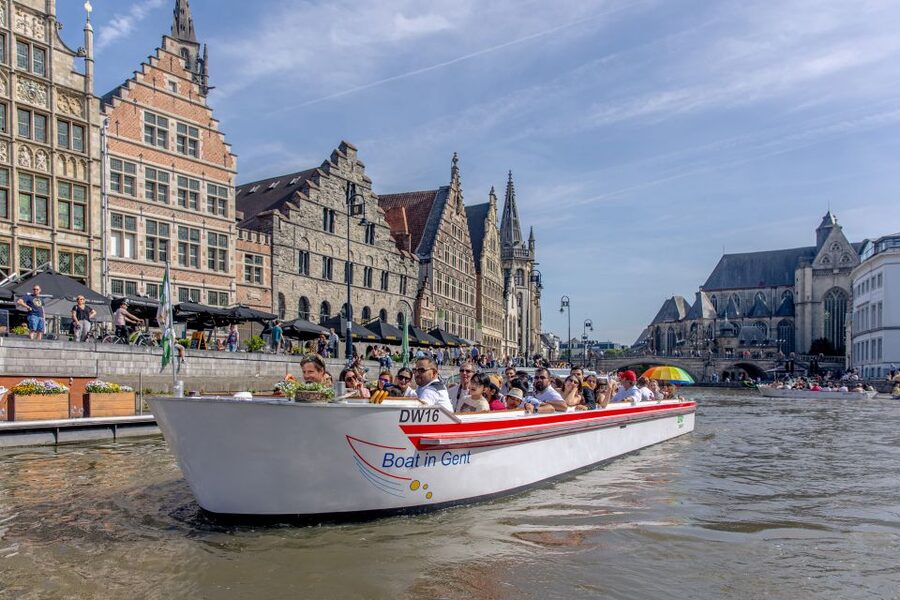
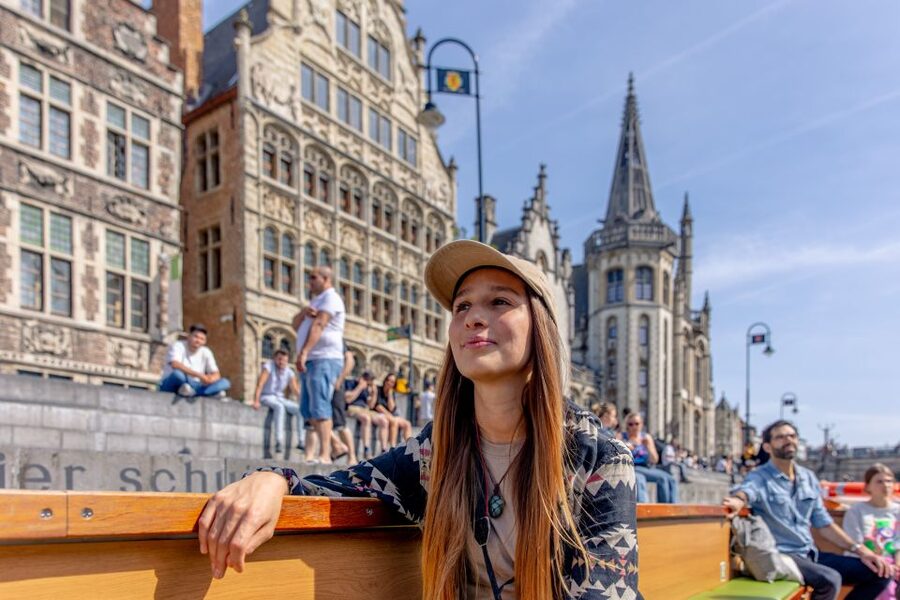
Ghent is gorgeous from street level, but the canals turn it into a different city. The water-tramway keeps you moving in a relaxed way while you pick out landmarks along the way. You’ll cruise past the medieval waterfronts and major churches, then step onto land when you want to slow down with a walking route.
What works best is the mix of viewpoints. From the water you get the long visual lines: church towers against the quay, the rhythm of bridges, and those postcard canal corners around Graslei-Korenlei. Then, once you hop off, you can convert that sight into an actual walk—so the boat is not just sightseeing. It becomes your navigation tool.
Ticket value: $21 for a full day of boat views and walking routes
At about $21 per person for a 1-day ticket, this is priced like a solid “main activity,” not a minor add-on. The key for value is that the ticket isn’t only about one short cruise. It’s built as an all-day pass with 6 stops and linked walking plans, so you can string together boat segments and foot time across a full day.
You also get a map for 6 walking tours, plus a folder at stops 1 and 2. There’s even an option to grab a booklet with 50 must-see spots in Ghent. That matters because it reduces decision fatigue. Instead of trying to plan your own route from scratch, you can follow the built-in logic: hop off, walk the connected area, then ride again when it’s time.
And the value improves if you’re the type who likes variety. One of the nice lessons from people who used the day pass is that multiple rides feel different depending on when you get on and what you do between stops.
How the hop-on hop-off rhythm really works (and how to plan your day)
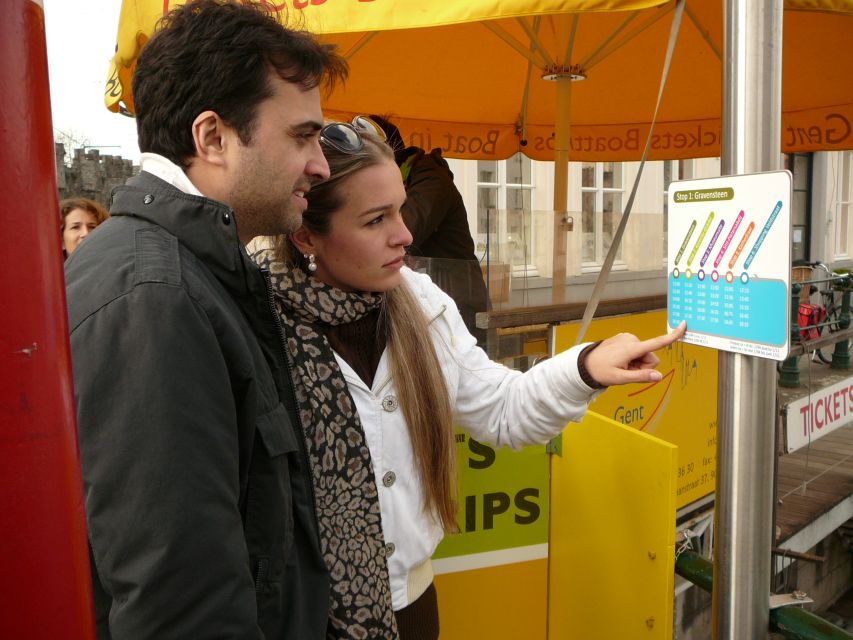
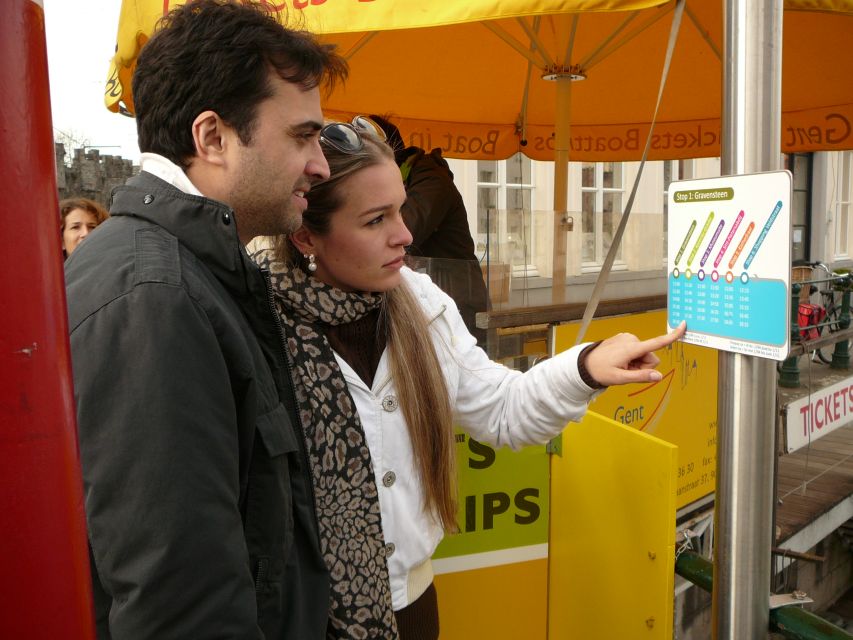
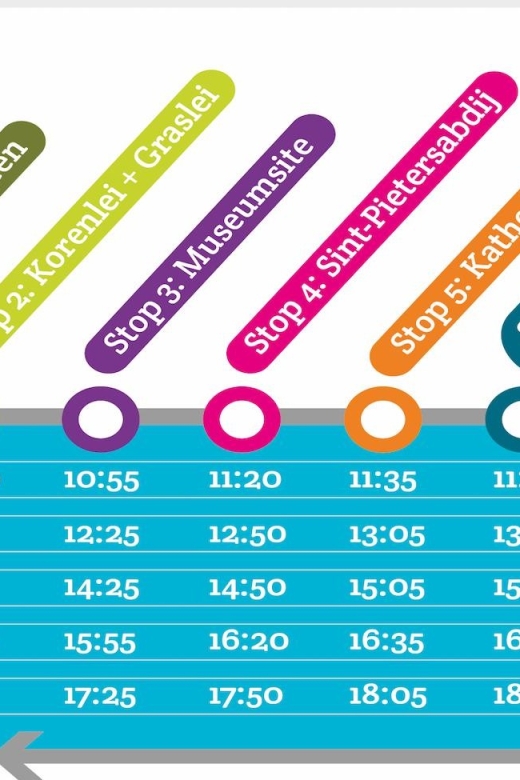
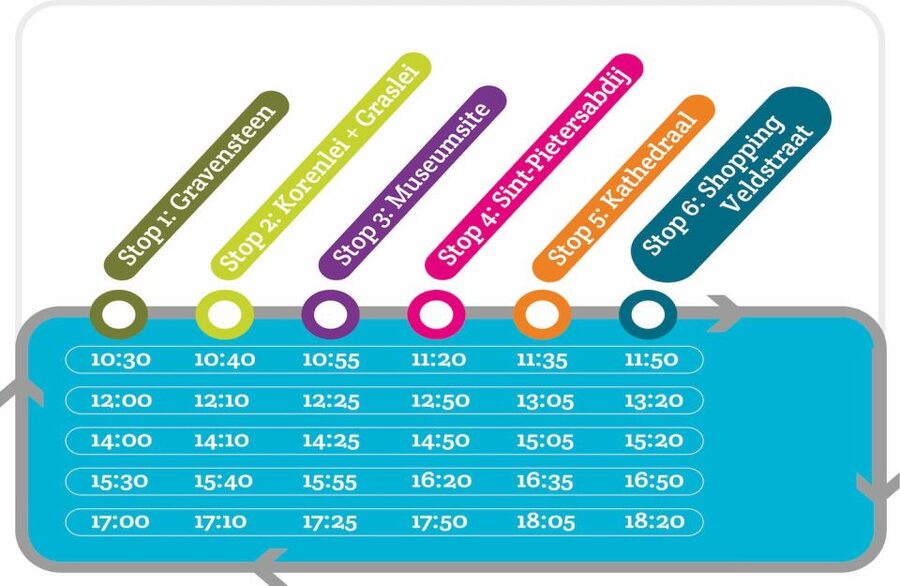
This is called hop-on hop-off, but it’s not a “wait 2 minutes and go” situation. The boat runs on departures along its route, so your hop on/hop off moments are tied to the timetable. The good news: the schedule is posted, and the experience is designed so you can start at any of the stops and build your day around the next departure.
Here’s the practical mindset I’d use: plan for a chunk of sightseeing between rides. Give yourself time for a short walk, a photo stop, and a bite to eat before you try to catch the next boat.
A few people noted the timing feels around an hour between opportunities, and sometimes closer to about 90 minutes for hopping off and later rejoining. So don’t treat it like a flexible hop-every-stop-on-your-phone setup. Treat it like a loop with walk breaks.
Entering stop 1 at Gravensteen (Kraanlei): start where Ghent looks medieval
Stop 1: Gravensteen (Kraanlei 2) is your launchpad for Ghent’s fortress vibe. Gravensteen is right there, and the area is naturally suited to a first walk because it sets the theme fast: medieval power, stone walls, and a sense of history that feels immediate.
If it’s your first stop of the day, I like starting here because you can spend time on land while your legs are fresh. Then you’re ready to ease into the canal viewpoints on the next segments.
Practical tip: at stops 1 and 2, you can buy tickets and pick up route materials (a free folder with walking routes, and there’s also a booklet option with 50 must-see points). If you want those in-hand before you start walking, make stop 1 your first stop.
Stop 2 at Korenlei + Graslei: the canal scene you came for
Stop 2: Korenlei + Graslei (Korenlei 4A) is one of the most photo-friendly zones in Ghent. This is where the waterfront becomes a highlight rather than background. You’ll see the ancient port atmosphere from the water, and once you’re on land, you can do the classic stroll that makes the canal feel like a living stage.
I like this stop because it’s a perfect “split the day” location. You can do a longer walk here if you want, or keep it short and use the canals for a breather before moving on.
Also, since the boat passes major landmarks from this general area, you’ll often get a faster understanding of Ghent’s layout. The water gives you orientation, and the walk gives you context.
Stop 3 at Museumsite (Bijlokekaai): easy pace, good for lunch-and-a-rest
Stop 3: Museumsite (Bijlokekaai 7) is a solid reset point. It’s not just a random dock—it ties into the Museumsite area and the Music Center De Bijloke. If you’re tired of doing nonstop walking, this stop is where you can slow down without feeling like you’re skipping something.
It also helps if you want to time lunch right. You can hop off, wander nearby, find a meal, then return for your next ride with less stress.
If the weather turns, Museumsite is also a convenient place to regroup. Since the day is rain or shine, having at least one “flexible” stop on your route is smart.
Stop 4 at Sint-Pietersabdij (Kantienberg): a 7th-century change of pace
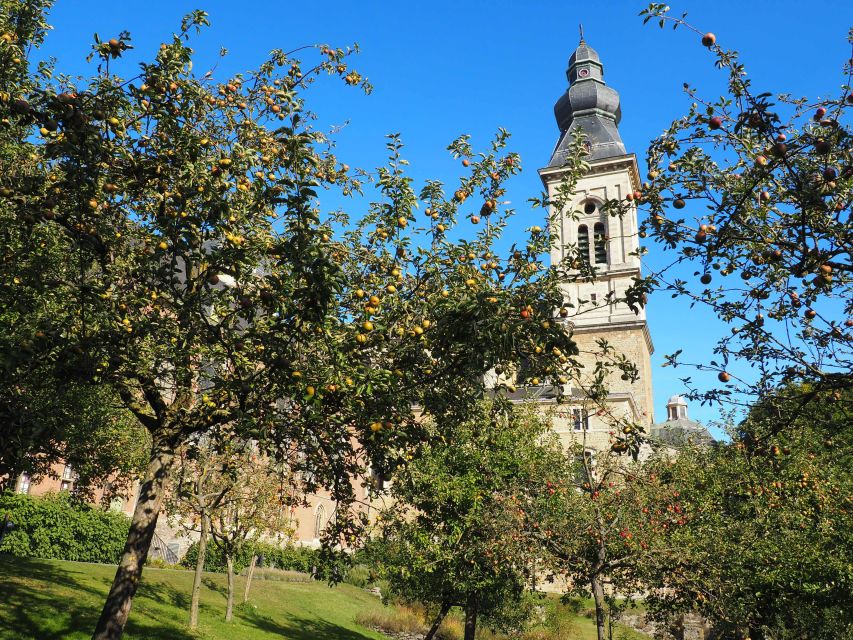
Stop 4: Sint-Pietersabdij (Kantienberg 9d) is one of the most distinctive moments on the day. This is the area tied to St Peter’s Abbey dating from the 7th century, and the broader abbey landscape includes a vineyard element that people often remember because it feels different from the town-center canal scene.
I like this stop because it breaks up the visual pattern. Instead of repeating canal angles and church towers, you get a more grounded, older-feeling part of the city. It’s a good place for a slower walk where you can actually pause and read your surroundings.
And if you’re traveling with kids, this kind of stop can work well. One of the small joys mentioned in experiences is how much people like the boat’s “under the bridge” moments—so once you’ve enjoyed those canal scenes, the abbey area gives the day a fresh chapter.
Stop 5 at Kathedraal (Reep 1): big church landmarks on both water and foot
Stop 5: Kathedraal (Reep 1) puts you near the massive draw of St Bavo’s Cathedral. From the boat you’ll get the scale and presence of the cathedral area. Then, when you hop off, you can connect the waterfront views with what you see up close on land.
This stop is also linked with the wider cathedral-and-belfry atmosphere in Ghent, the kind of area that helps you understand why Ghent’s skyline looks the way it does. If you’re doing this on a one-day timeline, St Bavo’s Cathedral is usually the anchor you don’t want to miss.
Photo tip based on practical feedback: the front of the boat can be higher than you expect, so getting forward-facing pictures may mean standing, depending on where you sit. Plan to stand briefly when you want that best view, then go back to your seat for listening.
Stop 6 at Veldstraat (Koophandelsplein): finish with a walk, not just a ride
Stop 6: Veldstraat (Koophandelsplein) is where you turn your final boat segment into an easy stroll. Veldstraat is practical if you still want time for shopping, coffee, and wandering without committing to another long walk loop.
I like ending here because it keeps your day flexible. You can use the last hour to do the slower kind of sightseeing—shop windows, side streets, and the small city rhythm that doesn’t always show up in postcard spots.
If you still have energy, you can also use this stop as your “afterthought” stop: the place you visit to mop up anything you noticed from the water and wanted to see closer.
The guide setup: live Dutch narration + multilingual audio for your pace
This is one of those activities where the format helps you get more out of it. There’s a live tour guide (Dutch) on board, and you also have an audio guide in Dutch, French, English, and German.
In real-world experience, captains and guides often bring a lively mix of jokes and clear explanations. Names that show up in descriptions include Tom, Trent, Brent, Gobe, and Astricht. What you can take from that is that the best moments aren’t only the facts. It’s the way the commentary is delivered—fun, interactive, and attentive to what people are looking at.
If you prefer to listen at your own pace, the audio helps you stay consistent even if the live narration shifts language or adds extra context.
Open-boat reality check: umbrellas, photo angles, and comfort
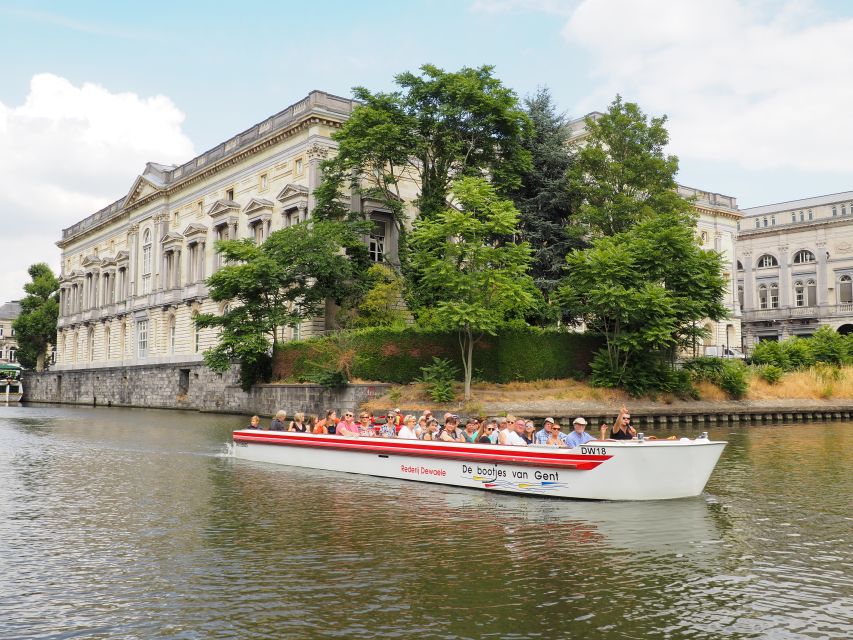
The boat can be open, so you’re not in a closed sightseeing bubble. People have mentioned using umbrellas (and that umbrellas are sometimes available through the crew when the weather breaks). Since the tour runs rain or shine, dress like you’re doing a canal-side stroll: layers and a rain plan beat a warm-weather outfit that you’ll regret later.
Also, keep in mind that the boat layout affects photos. The front can be high, so for photos toward the front you might stand up at times. If you’re traveling with a group, try to rotate who takes pictures so you’re not all standing at once.
Who this water-tramway is best for (and who should think twice)
This works especially well if you have one day in Ghent and you want a smart mix of water and land without building a route from scratch. It’s also a great choice if you like switching between walking and relaxing, because the hop-off and reboarding lets you pace yourself.
It can be a family-friendly option too. One of the repeated highlights is how much kids enjoy the experience of passing under bridges, which makes the canal time feel like an event, not just transportation.
Think twice if you’re a strict wheelchair user. This tour is not suitable for wheelchair users. Also, pets are not allowed (assistance dogs are allowed), so plan accordingly if you rely on an animal companion.
And if you expect super-frequent hop on/hop off like a bus every few minutes, you’ll want to check the timetable and plan breaks. The day still feels flexible—just not constant.
Should you book the Ghent hop-on water-tramway?
If you want an efficient, scenic day that combines canal views with guided walks, this is a strong yes. The combination of 6 stops, multilingual audio, and linked walking routes makes it easier to see more of Ghent without turning your trip into a spreadsheet.
I’d book it if:
- you like mixing boat time with on-foot exploring
- you want the cathedral-and-canals highlights without rushing
- you’re comfortable planning around departure times
I wouldn’t book it if:
- you need wheelchair accessibility
- you can’t handle gaps between boarding opportunities
- you’re looking for a strictly casual, step-on-anytime-only vibe
Overall, for a first or repeat Ghent visit, this is a practical way to get the city’s big landmarks and the canal character in one day.
FAQ
How long is this experience?
The ticket is valid for 1 day, so you can use the water-tram during the day at the stops on the route.
How much does the ticket cost?
The price is listed as $21 per person.
How many stops are included?
There are 6 hop-on hop-off stops during the day.
Can I start at any stop instead of the listed meeting point?
Yes. You can hop on or off at any of the six stops during the day. The activity notes that you don’t necessarily have to go to the listed meeting point.
Is there an audio guide, and what languages are available?
Yes. The audio guide is included and available in Dutch, French, English, and German.
Is there a live guide onboard?
There is a live tour guide with Dutch commentary.
Does the boat tour run in bad weather?
Yes. The tour takes place rain or shine.
Are pets allowed on board?
Pets are not allowed, but assistance dogs are allowed.
Is it wheelchair accessible?
No. This tour is not suitable for wheelchair users.
What is the cancellation policy?
Free cancellation is available up to 24 hours in advance for a full refund.