Himeji is the main event, and it lives up to the hype. This one-day bus tour strings together Himeji Castle and the Arima Onsen area with guide commentary and built-in time to actually walk, not just pose. You’ll also end with the wide-open views from Mt. Rokko at 931 meters.
What I like most is how the schedule gives you real breathing room: about 2 hours at Himeji, plus garden time at Koko-en, and an easy town walk in Arima. The other big plus is the meal option: Senhime Gozen is a proper Japanese set that keeps you fueled through a long day.
One thing to consider: commentary quality can vary by guide, and the day runs on a route with a lot of driving. If you’re hoping for deep, uninterrupted history at every stop, you may want to keep expectations flexible and stay focused on what you can see for yourself.
In This Review
- Key things to know before you go
- Himeji Castle and the White Heron stairs you’ll feel in your legs
- Koko-en and the Kōrōen-style garden stroll next to the castle
- Photo stops and the Himeji streetscape in between
- Senhime Gozen lunch: a set meal that keeps the schedule sane
- Arima Onsen town time: iconic hot-spring atmosphere, plus bathing rules
- Mt. Rokko at 931 meters: views can be everything, and timing matters
- Price and logistics: what $67.66 really buys you
- Comfort notes that save your day
- Who should book this one-day Himeji, Arima, and Rokko route
- Should you book this tour?
- FAQ
- What time does the tour start and where do I meet?
- How long is the trip?
- Where does the tour end?
- Is Himeji Castle admission included?
- Is Koko-en admission included?
- What does lunch include?
- Do I need a ticket for Arima Onsen bathing?
- Are tattoos or swimsuits allowed at Arima Onsen?
- Is a towel provided for hot-spring bathing?
Key things to know before you go
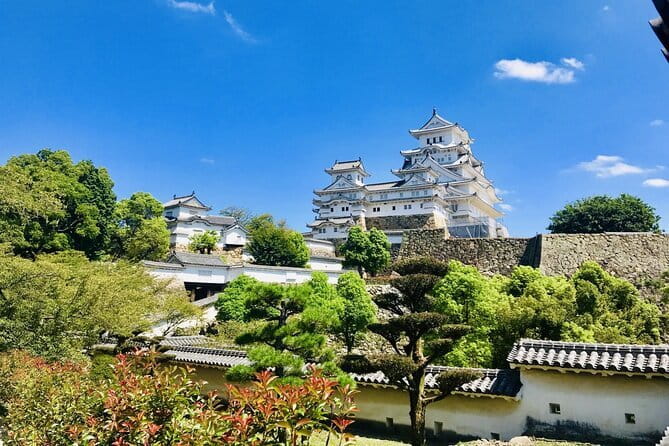
- White Heron Castle (Himeji): UNESCO site energy, plus time to climb steep stairs if you want the top views
- Koko-en: nine gardens laid out for Japan’s four seasons, next to the castle grounds
- Arima Onsen: iconic old hot-spring town, but bathing tickets and towels are not included
- Mt. Rokko: short stop, big view potential over Kobe and the Seto Inland Sea
- Lunch option: Senhime Gozen is built for a long sightseeing day
Himeji Castle and the White Heron stairs you’ll feel in your legs
Himeji Castle is the reason most people book this day. It’s Japan’s first UNESCO World Cultural Heritage site and a national treasure, and the white exterior really does look crisp even when the light changes fast. You get about 2 hours on-site, which is enough time to wander the grounds and still aim for the keep.
Inside is where your legs work. The climb to the top involves very steep, narrow staircases, and a couple of tight turns can make you slow down if you’re moving at a relaxed pace. If you want the best panorama, plan on spending time on those upper levels and don’t try to race through every room just to tick boxes.
I also like that this tour isn’t only about the big building. Along the way you’ll get little context-style photo moments, including a nod to Nene, wife of Toyotomi Hideyoshi, and a chance to frame shots using the castle roof’s shachihoko ridge end tiles. Those quick stops are the kind of detail that can make your photos feel more intentional.
Practical tip: if you’re sensitive to stairs, wear shoes with real grip. It’s a castle day, not a flip-flops day.
Koko-en and the Kōrōen-style garden stroll next to the castle
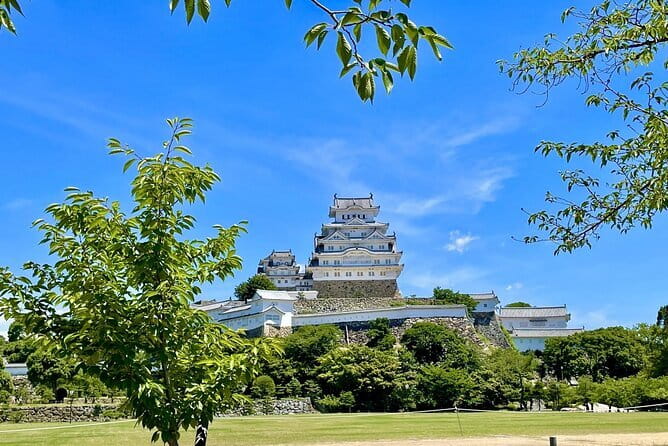
Right after you come down from Himeji, you’ll get Koko-en for about an hour. This is one of the big reasons to pair Himeji with a garden: it lets you shift from fortress drama to softer, slower walking. Koko-en is known for its carefully designed spaces that represent Japan’s four seasons, and it’s laid out across nine distinct-style gardens.
Koko-en sits right next to the castle grounds, so the logistics are easy. You’re not crossing town or hunting for a connection; you’re simply moving from one curated landscape to the next. If you like gardens, you’ll appreciate the way the layout guides you. If you don’t, you’ll still get a calm contrast to the castle’s structure and views.
You’ll also pass through the Kōrōen Former Residence Park area for about an hour. This part is more about atmosphere than big-ticket sights. It preserves the feel of past residences, and it works as a low-stress zone where you can shop, grab a snack, and reset before the day continues.
Practical tip: bring a small layer. Gardens and castle areas can be breezy, especially if you’re under shade for long stretches.
Photo stops and the Himeji streetscape in between
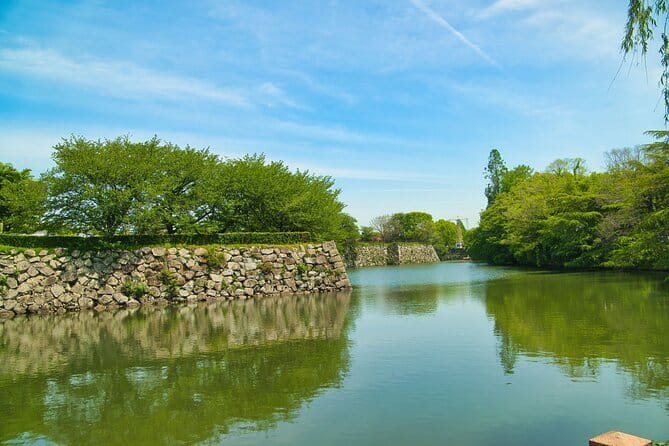
Between formal attractions, you get short, helpful glimpses of the in-between parts of Himeji. One highlight is the main street stretch from Himeji Station to Himeji Castle, which is useful if you want a quick sense of what the town feels like beyond the castle. It’s lined with restaurants, shops, department stores, and hotels, so it’s the kind of place where you can picture yourself extending the trip.
There’s also a bit of a practical rhythm to the day: you’ll move, then stop, then move again. That matters because a long bus day can blur together if every stop is just a checkpoint. The street walk and the photo opportunities help break the day into sections your brain can actually remember.
Also, the tour time allocation is realistic. You’re not getting dragged into endless shopping. Instead, you get just enough freedom to decide what you want to photograph, what you want to skip, and when you want to rejoin the group.
Senhime Gozen lunch: a set meal that keeps the schedule sane
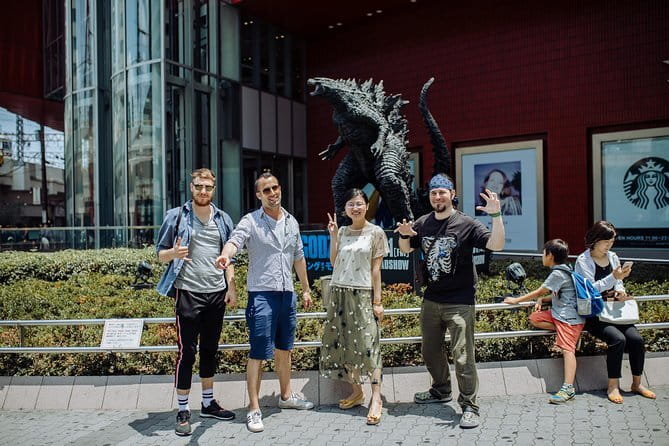
Lunch is offered as Senhime Gozen, and it’s included if you choose the lunch option. What I like about this is that it’s designed for efficiency without feeling like a sad bus-meal compromise. The set includes a mini anago rice bowl, warm mini udon, tender mini steak, tempura, and mixed fruit.
That mix matters on a 9–10 hour tour. The rice and udon give you comfort for the walking, the tempura adds crunch and variety, and the steak helps you feel like you actually ate something substantial. The fruit is a small nice touch that keeps the last part of the day more pleasant.
The biggest scheduling advantage is simple: you don’t have to gamble on finding the perfect lunch spot at the exact moment you arrive. Since the route depends on traffic and timing, a packaged lunch reduces stress and helps you stay in sync with the group.
Practical tip: if you’re sensitive to spicy food or strong flavors, check what you usually prefer before you go. Set meals are meant to be straightforward, but taste still varies.
Arima Onsen town time: iconic hot-spring atmosphere, plus bathing rules
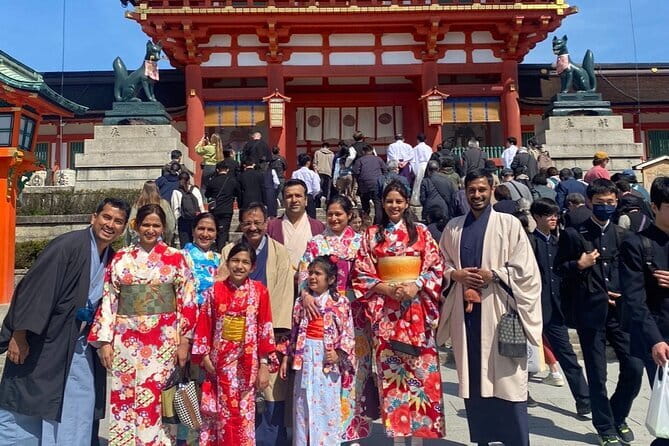
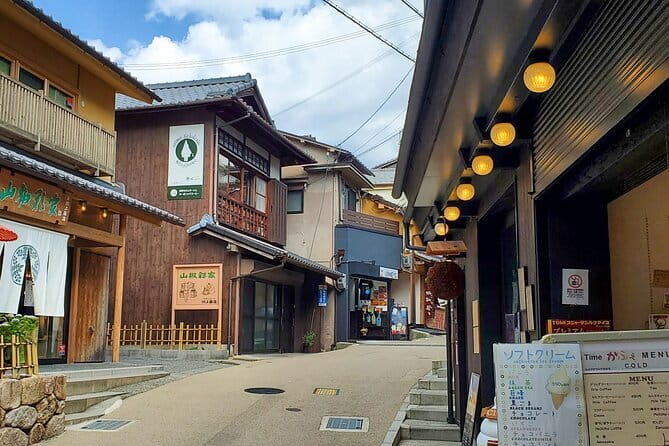
Arima Onsen is one of Japan’s oldest and most famous hot-spring areas, and this tour gives you about 1.5 hours there. What you get isn’t just a soaking slot; you also get time for a quiet walk around the town. That’s the smart way to do Arima, because the atmosphere is part of the experience even if you skip bathing.
If you do want to bathe, plan for extra realities. The tour notes that hot-spring entrance tickets are not included, and towels aren’t provided. Also, tattoos and swimsuits are not permitted. If you’re bringing a tattoo you plan to cover, I’d still take the rules seriously and be prepared to choose a different bathing plan.
There’s no pressure to rush. With 1.5 hours, you can do a slow stroll, grab a snack if you want, and then decide whether bathing fits your energy level. One review reaction that matched the setup: the onsen itself can feel more like a relaxed town stop than a full-day spa session, so if you’re expecting a long soak experience, you may need to adjust your expectations.
Practical tip: pack modest essentials for a possible bath (and remember towels aren’t included). If you’re not bathing, comfortable walking shoes still matter.
Mt. Rokko at 931 meters: views can be everything, and timing matters
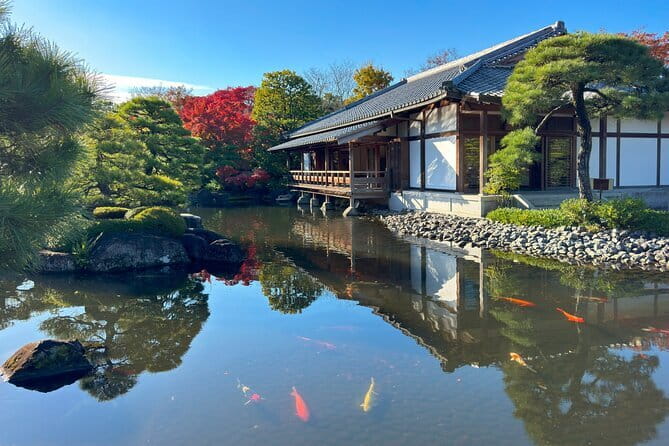
Mt. Rokko is the day’s payoff for skyline lovers. You’ll spend about 30 minutes there, and the goal is panoramic views of Kobe and the Seto Inland Sea. The mountain is 931 meters, and even a short stop can feel worth it when the sky cooperates.
Here’s the catch: a 30-minute window is tight. If clouds roll in, the view can disappoint. One of the practical lessons from the tour’s structure is that you’re at the mercy of daylight and weather. You can’t “fix” the mountain if visibility is poor.
That said, when the view is clear, this is the kind of moment that makes a long bus day feel redeemed. You’ll likely stand around, take photos, and look out in different directions to catch the layers of water and city.
Practical tip: If you tend to get cold on open overlooks, bring a light jacket. Elevation + wind can change comfort fast.
Price and logistics: what $67.66 really buys you
The headline price is $67.66 per person, and for a day that covers Himeji, two garden-based stops, Arima, and Mt. Rokko, it can be good value. You’re also traveling in an air-conditioned vehicle, and the tour includes all fees and taxes.
But there’s one budget detail you should verify before you lock it in: Himeji Castle and Koko-en entry fees are included only for tours until Feb 28. After that date, those admission fees are not included. Since castles and gardens are the core of the day, check whether your specific departure date includes those tickets.
The tour also uses mobile tickets, which is convenient. Pickup is at VIP Villa Namba (1-chōme-2-1 Nanbanaka, Naniwa Ward), with a departure time of 8:00 am, and it returns to the same meeting point. That start time is early enough that you’ll want breakfast handled before you arrive. The day runs about 9–10 hours, and traffic can change exact timing.
Guide commentary is part of the package. The tour offers English/Chinese-speaking guidance, and on some days you may hear one language more than the other depending on how the group is mixed. Reviews included praise for guides like Harry and Gary, including their history context and how they helped everyone find meeting points. There were also complaints when English clarity or interaction wasn’t as strong, so it’s fair to treat commentary quality as variable and not your only source of enjoyment.
Practical tip: if your top priority is learning, bring curiosity and don’t rely on every sentence being perfect. Use what you see and ask questions during transitions.
Comfort notes that save your day
This tour caps out at a maximum of 49 travelers, so it’s not a massive cattle run, and the bus is described as clean and comfortable. You’ll also want to travel light: the rules allow one piece of luggage per person, and it must fit in the trunk (with a maximum combined size of 155 cm for height + width + depth). Once you put items in the trunk, you won’t have access to them between stops, so keep valuables with you.
Because you’re on a tight route, plan your photo and restroom timing around the stop windows. Himeji and Koko-en involve walking and stairs, Arima is more strolling, and Mt. Rokko is a short viewing stop where you’ll want to be ready to move quickly if the schedule shifts.
Also note: the tour schedule may change due to traffic or weather, and severe disruption could reduce planned attractions without a refund. That’s not a reason to panic; it’s a reason to stay flexible and treat the day as weather-permitting.
Who should book this one-day Himeji, Arima, and Rokko route
This tour is a strong fit if you:
- Want a full day in Hyogo without planning trains and transfers
- Love architecture plus gardens (Himeji + Koko-en is a good match)
- Like mixing “big sight” moments with softer town walking (Arima)
- Are okay with a long day built around transit and set time slots
It may not be ideal if you:
- Want a slow, deep immersion at any single location
- Expect a very long hot-spring bathing experience (bathing tickets and towels aren’t included, and time is limited)
- Need highly polished English commentary at every moment
Should you book this tour?
I think you should book this tour if your dream day is structured: Himeji Castle first, then gardens, then Arima’s hot-spring town atmosphere, and finally Mt. Rokko views to close it out. For the price, it’s a lot of destination coverage in one go, and the lunch option helps you avoid decision fatigue.
If you’re more selective, book with a couple of checks: confirm whether your departure date includes Himeji and Koko-en entry fees, bring footwear for steep stairs, and pack light in line with the luggage rules. And if bathing matters to you, treat Arima’s onsen rules as real constraints because tattoos and swimsuits aren’t permitted, towels aren’t included, and the bathing ticket is on you.
FAQ
What time does the tour start and where do I meet?
The tour starts at 8:00 am at VIP Villa Namba (1-chōme-2-1 Nanbanaka, Naniwa Ward, Osaka). You should arrive about 10 minutes early.
How long is the trip?
The total duration is about 9 to 10 hours, depending on traffic conditions.
Where does the tour end?
It ends back at the same meeting point in Osaka.
Is Himeji Castle admission included?
Entry fees for Himeji Castle are included for tours valid until Feb 28 only. For tours from March 1, those fees are not included.
Is Koko-en admission included?
Koko-en entry fees are included for tours valid until Feb 28 only. For tours from March 1, those fees are not included.
What does lunch include?
Lunch is Senhime Gozen, a Japanese set meal. It includes a mini anago rice bowl, warm mini udon, tender mini steak, tempura, and mixed fruit (only if you select the lunch option).
Do I need a ticket for Arima Onsen bathing?
The hot springs entrance ticket is not included if you want to bathe, so you’ll need to arrange that separately.
Are tattoos or swimsuits allowed at Arima Onsen?
No. Tattoos and swimsuits are not permitted.
Is a towel provided for hot-spring bathing?
Towels are not provided.