One day in Hiroshima feels twice as long. You get a full Shinkansen + bus + ferry day out, plus time at Hiroshima’s most important sites and Miyajima’s iconic shrine. I especially like that lunch is included as real Hiroshima-style okonomiyaki, so you don’t have to hunt for food with your group schedule.
My second favorite part is the way the tour handles logistics: you don’t buy separate attraction tickets, and the English-speaking guide keeps the flow moving from station to station. The ferry segment also matters, because you get a classic sea view of the Great Torii instead of just seeing it from shore.
One drawback to plan around: this is a packed schedule with limited time at each stop, and there’s a fair amount of walking.
In This Review
- Key Highlights You’ll Feel Immediately
- One Long Day Plan: Shinkansen Out, Bus Around, Ferry to Miyajima
- Hiroshima Station Stops: Atomic Bomb Dome First, Then the Memorial Area
- Hiroshima Peace Memorial Museum (and the Backup Plan That Matters)
- Miyajima by Ferry: A Sea View of the Great Torii
- Itsukushima Jinja Time: Shrine Views and the Walk You’ll Actually Remember
- Omotesandō Shopping Street: Free Time That Helps You Eat Like a Local
- Okonomiyaki Lunch: What’s Included and How to Choose Your Option
- Price and Value: Is $270.88 Really Worth It?
- Pace, Walking, and Group Reality: What to Watch For
- Small Details That Make the Day Smoother
- Should You Book This Hiroshima and Miyajima Day Tour?
- FAQ
- Where do I meet the guide for the Osaka departure?
- Is the Hiroshima Peace Memorial Museum admission included?
- What happens if the Peace Memorial Museum is closed?
- What meal is included, and can I choose a dietary option?
- Do I need to buy tickets for Itsukushima Shrine or the ferry?
- When does the tour return by Shinkansen?
Key Highlights You’ll Feel Immediately
- Round-trip Shinkansen tickets included from Osaka, Kyoto, or Fukuoka, with clear meeting points for pickup and handoff.
- Peace Memorial Museum admission included, with a backup plan to Hiroshima National Peace Memorial Hall if the museum is closed.
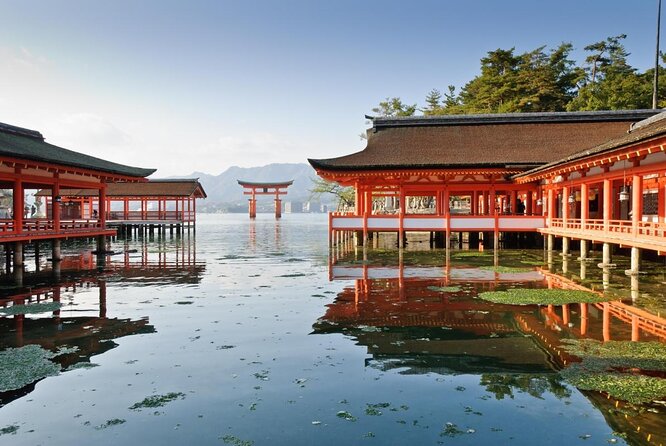
- Great Torii ferry route gets you closest to the torii from the water for unforgettable photos.
- Itsukushima Shrine time on Miyajima plus a full hour to browse Omotesandō.
- Hiroshima-style okonomiyaki lunch with multiple dietary options, prepared for your group in advance.
One Long Day Plan: Shinkansen Out, Bus Around, Ferry to Miyajima
This tour is built for one simple goal: see the best of Hiroshima and Miyajima without spending your vacation time planning trains, tickets, and routes. You leave from a major rail hub (Osaka’s Shin-Osaka, Kyoto Station, or Fukuoka’s Hakata), ride the Shinkansen to Hiroshima, then switch to a coach for the local sightseeing. It’s a long day, but the rhythm is straightforward: rail in the morning, bus for Hiroshima, ferry to Miyajima, then rail back.
If you start in Osaka, you meet your guide at Shin-Osaka Station at 8:18am (Central gate, 3rd floor). If you start in Kyoto, it’s 8:03am at Kyoto Station (Shinkansen Central gate, 2nd floor). From Fukuoka, the meeting is at 8:23am at Hakata Station (Chikushi gate, in front of 3 Mailbox). This is early enough to feel productive, but not so early that you’re still half asleep after breakfast.
Here’s what I like about how the day is structured. The tour uses station meet points that are easy to find inside big terminals, and it includes the key transport pieces so you can focus on what you came for. You’ll also have a luggage option: you can keep your bags in the bus luggage compartment during the tour, which helps a lot once you switch locations.
Hiroshima Station Stops: Atomic Bomb Dome First, Then the Memorial Area
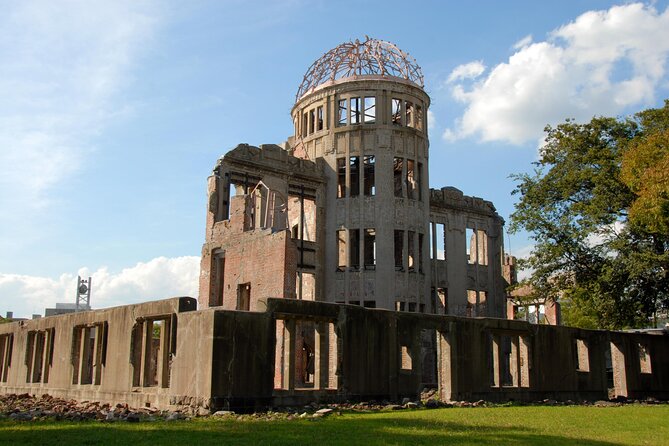
Your Hiroshima day begins right after you arrive in the city and meet your guide at Hiroshima Station (Shinkansen gate, 2F North Exit). Then you transition to the bus, and the first sightseeing stop is the Atomic Bomb Dome area.
You get about 30 minutes here. That sounds short until you realize what this place is: you don’t come for a long museum-style walkthrough. You come to stand in the same general zone, take in the surviving landmark, and understand why Hiroshima’s memory is so tightly woven into the modern city. With a guided group, 30 minutes often feels like the right amount to take photos, get orientation, and move on before the rest of the day gets squeezed.
Practical tip: bring a camera strap you trust and wear shoes that don’t punish you. The day isn’t just about sitting in a bus. You’re moving between memorial sites and then out to Miyajima, which is a different pace entirely.
Hiroshima Peace Memorial Museum (and the Backup Plan That Matters)
Next is the Hiroshima Peace Memorial Museum, with an included 60 minutes for admission and viewing. The museum experience can be emotionally heavy, and time is limited by the realities of a day tour. Still, one hour is a solid first pass: enough time to see major galleries and absorb the overall story, even if you don’t read every single label.
There’s also a very important contingency. If the Hiroshima Peace Memorial Museum is closed, the tour swaps to Hiroshima National Peace Memorial Hall for the Atomic Bomb Victims instead. The documented closure periods include Dec 30–31 and Feb 16–21. I really like that they plan for this, because nothing kills momentum like arriving and finding your main stop unavailable.
If you’re the type who likes to linger, be aware the schedule won’t let you slow down too much. A few past guests have described the museum as feeling a bit rushed. So I’d treat the hour as a guided highlight visit, not a deep study session. If you want longer reflection time, you might eventually plan a separate trip where you can spend more hours there. But for a one-day plan, this hits the core.
Miyajima by Ferry: A Sea View of the Great Torii
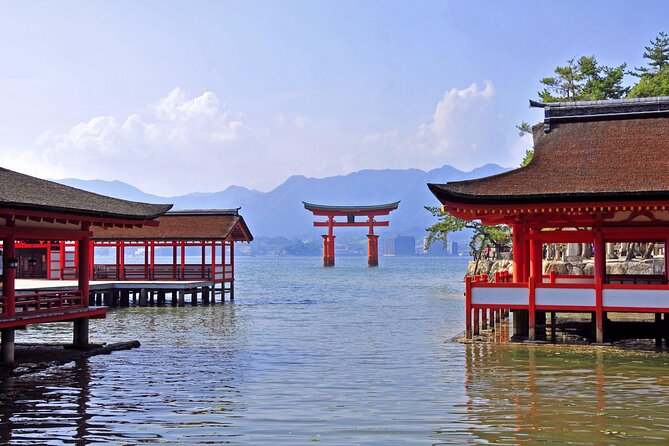
Then you switch from Hiroshima’s memorial mood to Miyajima’s calm, with a ferry ride built right into the day. You go to Miyajimaguchi, then take the ferry from Miyajima Pier on the Great Torii ferry route. This is one of the smartest parts of the tour.
Why? Because you’re not just looking at the torii gate as a landmark. You’re seeing it framed by water from the sea, which is exactly what you want for photos. Even if you’ve seen the floating-torii image before, seeing it from a moving ferry adds motion and perspective. It makes the scene feel real, not like a picture you’ve already consumed online.
The ferry also acts like a mental switch. You’re changing islands and changing tone. You’ll likely step off feeling like the day has two different chapters—and that contrast is a big part of why this combo works.
Itsukushima Jinja Time: Shrine Views and the Walk You’ll Actually Remember
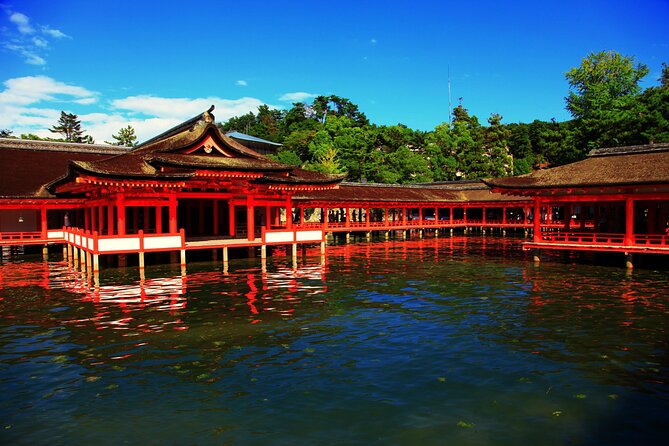
After the ferry, you get about 60 minutes at Itsukushima Jinja. This is where the tour earns its keep. The shrine is the heart of Miyajima, and guided time helps you avoid wasting minutes figuring out which paths lead where.
Think of this stop as a mix of photo time and slow strolling. Some areas can feel crowded, but you’re still moving at a human pace. If you want the best photos, aim for different angles rather than staying only in one viewpoint. The tour time is fixed, so you’ll get the best results by thinking quickly about what you want the most.
One more thing: Miyajima isn’t just temples and water. It’s an island with everyday life spilling into tourist routes. That means you’ll see small storefronts, snack smells, and lots of people doing the same route in a limited space.
Omotesandō Shopping Street: Free Time That Helps You Eat Like a Local
After the shrine, you get 60 minutes of free time at Miyajima Omotesandō Shopping Street. This is the part where you can slow down a little and choose how you want to experience the island.
Use this hour for two jobs:
1) Get a snack or drink if lunch doesn’t fully fill you up
2) Browse for small souvenirs that feel tied to Miyajima rather than mass-made tourist gear
One practical note from experience with Miyajima: the island is known for deer. They’re not as famously aggressive as in some other places, but don’t act like they can’t get close to you. Keep food zipped up and be ready for quick, annoying nudges from curious animals.
Also, because you’re in a group tour, your free time works best when you treat it like a controlled pocket of independence. Go, enjoy, and return to the meeting point on time.
Okonomiyaki Lunch: What’s Included and How to Choose Your Option
Lunch is one of the most practical inclusions on the entire tour. You get Hiroshima-style okonomiyaki served as a traditional Japanese pancake layered with ingredients. The tour data says the menu includes pork, cabbage, bean sprouts, fish powder, noodles, and eggs—and there are set options you can choose in advance.
You’ll have three options:
- Regular okonomiyaki
- No pork with eggs
- No pork, no fish powder, no eggs
You need to inform the operator about allergies and dietary restrictions when you book. A key limitation: menu changes can’t be handled on the day of the tour, so don’t assume you can adjust last-minute if you change your mind or your needs aren’t noted ahead of time. The tour also asks that you don’t bring outside food and drinks into the restaurant. That’s normal for group meal stops, but it’s worth knowing so you aren’t surprised.
If you’re deciding whether to do the tour at all, the lunch detail is a big deal. It reduces one major stressor of day trips: eating on schedule. With okonomiyaki included, you’re not trading your limited time in Hiroshima for time spent finding a place that can handle your order.
Price and Value: Is $270.88 Really Worth It?
The price is $270.88 per person, and at first glance, that’s steep for a “day trip.” Here’s the value logic that matters.
This tour includes:
- Round-trip Shinkansen tickets (from Osaka, Kyoto, or Fukuoka)
- Air-conditioned bus transport in Hiroshima
- Entrance fees for Itsukushima Shrine and the Hiroshima Peace Memorial Museum
- Ferry ticket for Miyajima
- An English-speaking guide plus a provided earphone guide system
One of the most convincing parts comes from the economics of rail. A past guest pointed out that bullet train tickets alone can be around $150 round-trip. Even if you treat that as an estimate, it shows the math: you’re paying for the big transportation piece and bundling in everything else. On a day tour, that’s where these packages often shine—your biggest variable cost (and planning overhead) is handled for you.
Are you paying for convenience? Yes. But in Japan, convenience is expensive for a reason: stations are confusing, lines are long, and group timing matters. If you’d rather spend that mental energy enjoying the sites instead of solving transit, this price starts to look fair.
Pace, Walking, and Group Reality: What to Watch For
This tour is efficient, but it’s not slow travel. The schedule is packed enough that some visitors have described limited toilet breaks and a museum stop that can feel rushed. You should expect a “see the highlight, then move” approach.
Walking is also real. You’ll be on foot at:
- the Atomic Bomb Dome area
- the Peace Memorial Museum and memorial grounds
- Itsukushima Jinja
- Omotesandō street areas
The tour note says it’s not recommended if you have difficulty walking long periods. That doesn’t mean you can’t go. It means you should be honest about how you handle long stretches and how often you’ll need to pause.
Finally, group dynamics matter. This is a popular day tour, so plan for a busy day and follow the timing rules the guide sets. One late group member can ripple through the schedule when you’re on trains and ferries with fixed departure times.
Small Details That Make the Day Smoother
A few “day trip mechanics” can make or break your experience.
- Earphone guide system: the tour provides earphones. Handle them with care and return them after use. If something is lost or damaged, a replacement fee of up to 18,000 yen may apply.
- Luggage compartment: you can store luggage in the bus compartment, which helps keep your hands free during sightseeing.
- Weather dependency: the tour requires good weather. If it’s canceled due to poor weather, you’ll be offered another date or a refund.
- Ferry and shrine timing: the Miyajima segment hinges on the ferry, so keep a close eye on the guide’s instructions.
If you like things predictable, this tour does a good job. If you prefer lots of free time, you may feel the day is too structured.
Should You Book This Hiroshima and Miyajima Day Tour?
Book it if you want:
- a high-effort, high-coverage day without planning the train and ferry logistics
- a guided visit to Hiroshima’s major memorial sites
- Miyajima’s floating-torii experience with time at the shrine and browsing in Omotesandō
- lunch handled for you, including options for dietary needs you’ve noted in advance
Skip it (or consider a different format) if you:
- need lots of quiet time at the museum
- struggle with long walks and tight schedules
- dislike being in a large group where timing can feel strict
For most visitors staying in Osaka, Kyoto, or Fukuoka, this is a smart use of a single travel day. You pay a premium, but you’re buying the hard parts: Shinkansen tickets, ferry access, and memorial-site admissions, all packed into one guided plan.
FAQ
Where do I meet the guide for the Osaka departure?
You meet at Shin-Osaka Station, Central gate 3rd Floor, at 8:18am.
Is the Hiroshima Peace Memorial Museum admission included?
Yes. Admission fees are included, and the museum time is about 60 minutes.
What happens if the Peace Memorial Museum is closed?
If the Peace Memorial Museum is closed (Dec 30–31 and Feb 16–21 are listed), the tour visits Hiroshima National Peace Memorial Hall for the Atomic Bomb Victims instead.
What meal is included, and can I choose a dietary option?
Lunch is Hiroshima-style okonomiyaki. Options include regular, no pork with eggs, and no pork/no fish powder/no eggs. You need to request dietary needs when booking, and menu changes on the day of the tour are not accommodated.
Do I need to buy tickets for Itsukushima Shrine or the ferry?
No. Entrance fees for Itsukushima Shrine and the Miyajima ferry ticket are included.
When does the tour return by Shinkansen?
From Hiroshima, the return Shinkansen is listed as:
- Osaka: NOZOMI 56, 18:43 Hiroshima to 20:04 Shin-Osaka
- Kyoto: NOZOMI 56, 18:43 Hiroshima to 20:19 Kyoto
- Fukuoka: SAKURA 565, 18:52 Hiroshima to 19:59 Hakata