Big sights, minimal planning. This hop-on hop-off Big Bus tour makes Hong Kong feel manageable fast, with Star Ferry rides built into every ticket and digital audio commentary in 9 languages to keep you oriented as you move. You can spread it over 1–2 days and choose which route fits your energy level.
The catch is price. At about $52 per person, you’re paying for convenience (and add-ons) rather than “cheap transport,” and bus frequency can mean you’ll need to plan where you get off—especially on the Kowloon route.
In This Review
- Key things I think you’ll care about
- How the Big Bus hop-on hop-off tour actually plays in Hong Kong
- Hong Kong Island Red Route: from Central to Victoria Peak (and beyond)
- Stanley Green Route: beaches, market time, and the south side pace
- Kowloon Blue Route: markets, temples, and museum stops that fill a full day
- Star Ferry rides: the harbour crossing that makes the whole pass feel smarter
- Peak Tram Sky Pass and other add-ons: how to pick what fits your interests
- Timing and frequency: where most people feel the pressure
- Price: is about $52 actually value in Hong Kong?
- Who this hop-on hop-off pass is best for
- Should you book this Hong Kong Big Bus tour?
- FAQ
- How long is the Big Bus hop-on hop-off tour valid?
- What routes are included with the ticket?
- Is the Star Ferry included?
- What optional add-ons can I choose?
- Can I select my add-on on the day of travel?
- What time do the buses start running?
- How often do the buses run on each route?
- Are headphones provided for the audio guide?
- Do I need to buy separate ticketing for the add-ons?
- Are the buses wheelchair accessible?
Key things I think you’ll care about
- Star Ferry included: single or return options, depending on the pass you choose
- 9-language digital audio with headphones on board
- Three routes, one system: Hong Kong Island (Red), Stanley (Green), Kowloon (Blue)
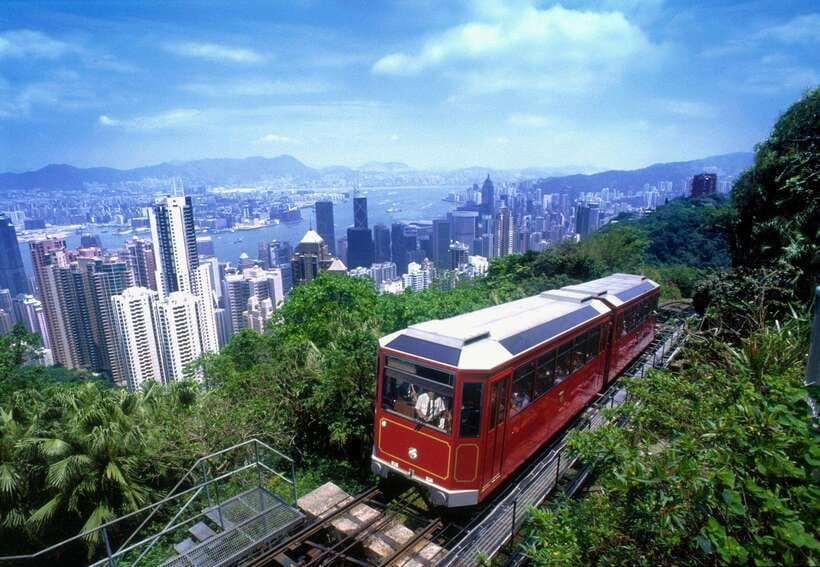
- Peak Tram upgrade options on the 48-hour pass, including Sky Terrace 428 access
- Live bus tracking in the Big Bus app so you’re not guessing stops
- Good stop coverage for first-timers, including temples, markets, and major viewpoints
How the Big Bus hop-on hop-off tour actually plays in Hong Kong
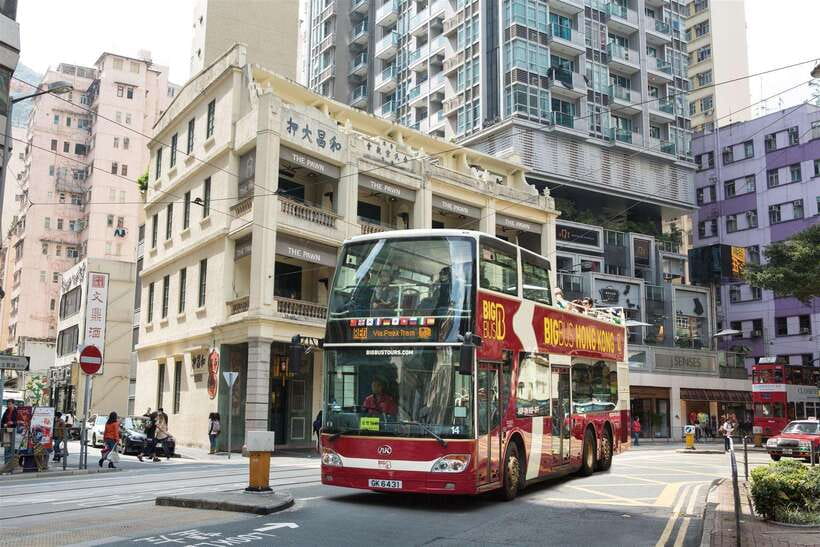
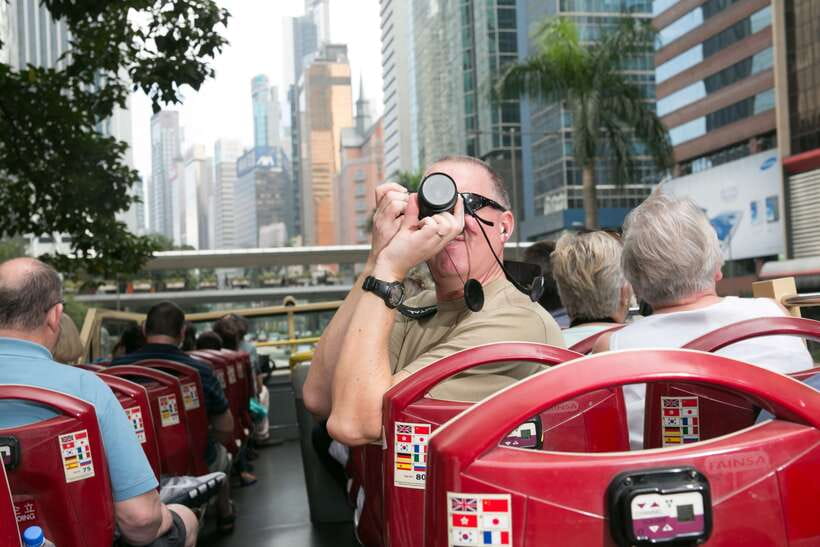
Hong Kong is dramatic, steep, and packed. This is exactly why a hop-on hop-off bus works so well here: you get skyline views without constantly figuring out stations, streets, and walking grades. The open-top double-decker setup also gives you that classic “top deck view” even if you’re doing this between other plans.
You’ll get a 24- or 48-hour ticket, and you can use up to three routes: Hong Kong Island, Stanley, and Kowloon. Each route has its own loop and timing, and the included headphones help you learn what you’re looking at as you pass it. I also like that the tour includes the Star Ferry with every option, so you’re not stuck searching for a way across Victoria Harbour at the exact moment it looks nicest.
One more practical note: the ride is set up for you to hop on and off, but Hong Kong rewards a bit of strategy. If you get off at every stop, you’ll run out of time. If you treat it like a moving “guided map,” it’s a strong value play.
Hong Kong Island Red Route: from Central to Victoria Peak (and beyond)
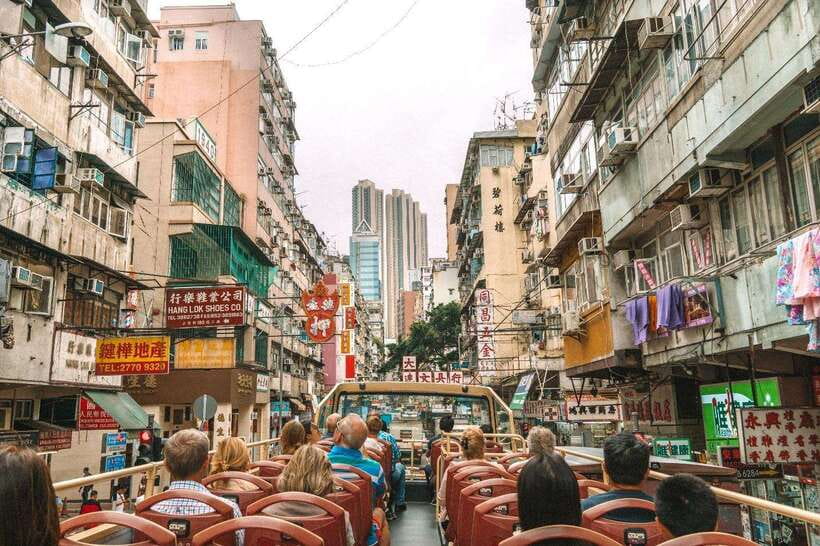
The Red Route is the one I’d prioritize for most first-timers, because it strings together classic skyline scenes and iconic attractions on Hong Kong Island. It runs for about 75 minutes and comes about every 45 minutes (with the first bus at 10:00 AM). You’ll also be riding through areas that make Hong Kong feel like a movie set: skyscrapers one minute, old temples the next.
Here’s how the Red Route stops tend to shape your day:
Central Star Ferry Pier 7 / International Finance Centre (IFC)
This is where you get into the city’s “big money, big skyline” mood. If you’re starting with the ferry, this also lines up well with making your day feel efficient.
Hong Kong Maritime Museum / Garden of Stars
This gives you a break from straight shopping streets. Even if you don’t go inside, the seafront energy helps you understand why so much of the city’s identity is tied to the harbour.
Tsim Sha Tsui Promenade / Hong Kong Observation Wheel
Tsim Sha Tsui is your postcard zone. The Observation Wheel stop is useful if you want an easy add-on idea, though the hop-on plan is what matters most: you can pause for photos and keep rolling.
Central–Mid-Levels Escalator / Queen’s Road
This is one of the most “Hong Kong” things you’ll see—an escalator system that turns hilly walking into something more manageable. If your legs are already tired, this can help you squeeze more sights into less time.
Man Mo Temple / Tai Kwun
Temples here feel like a reality check after all the glass towers. Man Mo Temple is one of those places where you’ll notice the atmosphere shift the moment you step in, while Tai Kwun helps you connect the city’s past with its cultural scene.
Lan Kwai Fong / Cat Street / Dr Sun Yat-Sen Museum
These stops cover three different Hong Kong modes: nightlife streets, browsing street character, and a history-focused anchor. If you want variety in one route, this is where it happens.
Causeway Bay Time Square / Park Lane Hotel / Victoria Park
You’re back in shopping and big-city activity. If you need a reset—coffee, people-watching, or just a place to duck out of sun—you’ll find it around here.
Victoria Peak / Peak Tram Lower Terminus (plus the Causeway Bay Typhoon Shelter area)
This is the “end game” stop. The view from Victoria Peak is the reason many people plan their whole trip around this area. In the cold months, the top deck stays chilly, so a smooth plan is to do peak later in the morning or toward afternoon, when you can still enjoy the light.
Practical drawback: because the route loops and timing matter, you may have to choose whether you want a long peak break or quick photo stops throughout. The Red Route is easy to overdo if you hop off too often.
Stanley Green Route: beaches, market time, and the south side pace
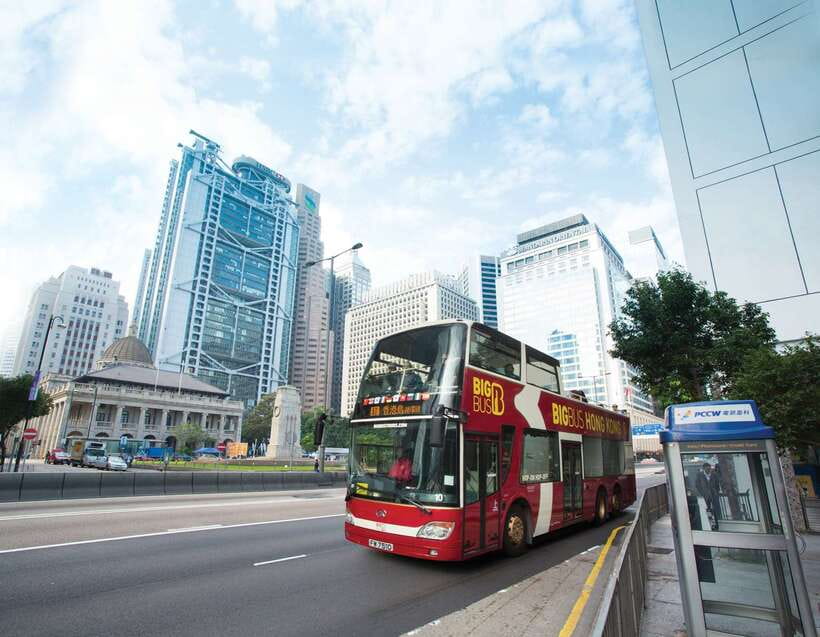
The Green Route is slower and longer—about 2 hours—and it runs more often, about every 30 minutes (first bus 10:30 AM). This route is where you go when you want Hong Kong to feel less like a checklist and more like a place with breathing room.
A typical Green Route flow looks like this:
Wan Chai Waterfront
A transition point, useful for reorienting before you head farther south.
Repulse Bay
If you want the “sea air” side of Hong Kong, this is your moment. Even if you don’t plan a long beach stop, it’s a satisfying change from the dense city blocks.
Stanley / Stanley Market
Stanley is where you slow down. The market stop is a great place to browse for snacks, small gifts, and simple souvenirs without the pressure of bigger tourist zones. Give yourself time here, because you’ll want it.
Murray House
This stop is interesting for its Victorian-era connection. It helps the Stanley area feel more layered than just beaches and promenades.
Ocean Park
If amusement-park energy is your thing, this is a direct link. If it’s not, it still works as a landmark stop so you can plan your next hop.
Aberdeen
This is where harbour life becomes the focus. It’s a good contrast to the sleek parts of Hong Kong you’ll see on the other routes.
Practical drawback: the south side can eat up time because you’ll naturally want breaks. If you’re short on days, do Stanley early so you’re not stuck rushing at the end.
Kowloon Blue Route: markets, temples, and museum stops that fill a full day
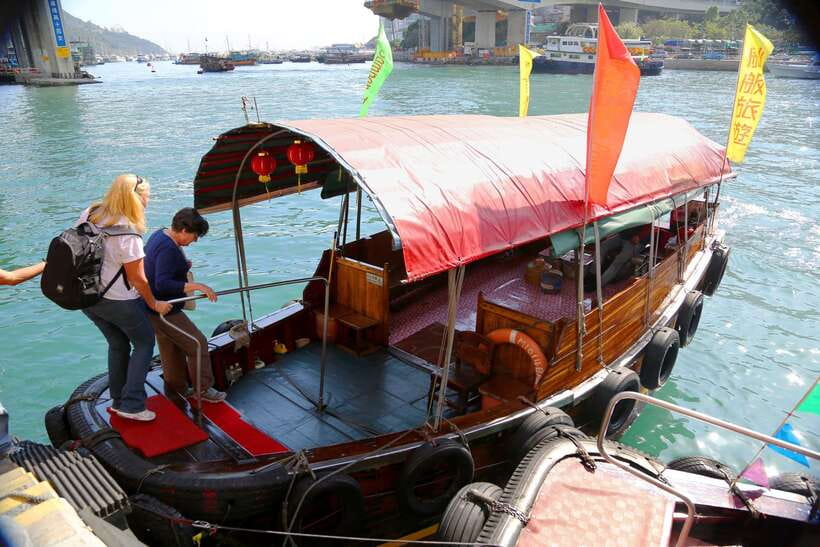
The Blue Route crosses into the Kowloon storyline: shopping streets, night-market energy, and major museums. It takes about 80 minutes per loop and runs about every 60 minutes (first bus at 10:00 AM on the overall system, with the Kowloon loop listed as hourly).
This route works well if your goal is “Hong Kong at street level,” not just skyline views.
K11 MUSEA / LEGOLAND Discovery Centre
A modern starting point. Even if you don’t go in, this area gives you a clear sense of how Kowloon mixes big brands with family-friendly attractions.
Tsim Sha Tsui Promenade / The Peninsula / Canton Road / Clock Tower
These stops create a “central corridor” for walking or photo stops. Canton Road is especially useful if you want that traditional neon-street vibe.
Temple Street / Tin Hau Temple
This is the classic temple-and-market combo. Tin Hau Temple adds spirituality and history, while Temple Street is the energy shift—handy for evening planning.
Wholesale Fruit Market
A practical local-feeling stop. Even if you don’t shop, it helps you understand the daily rhythm of the city’s market culture.
Langham Place / Ladies Market
If shopping is on your must-do list, these are the anchors. Ladies Market is also a good place to grab something small to eat and then keep moving without committing to a long sit-down.
M+ Museum / Hong Kong Palace Museum
If you want a cultural pause, these are your “sit and absorb” stops. Museums tend to work best when you’re tired of walking but still want something meaningful.
Sky100 Observation Deck (currently closed)
This one matters. Since it’s listed as currently closed, you should expect that you can’t plan on that viewpoint stop delivering the usual payoff.
Hong Kong West Kowloon Station
This is useful as a transport anchor. It gives you a natural “end of loop” feeling and helps if you’re connecting onward plans later in the day.
Practical drawback: because the Blue Route is only about hourly, you’ll feel timing pressure more than on the Green Route. Use the app to watch where the bus is instead of planning by memory.
Star Ferry rides: the harbour crossing that makes the whole pass feel smarter
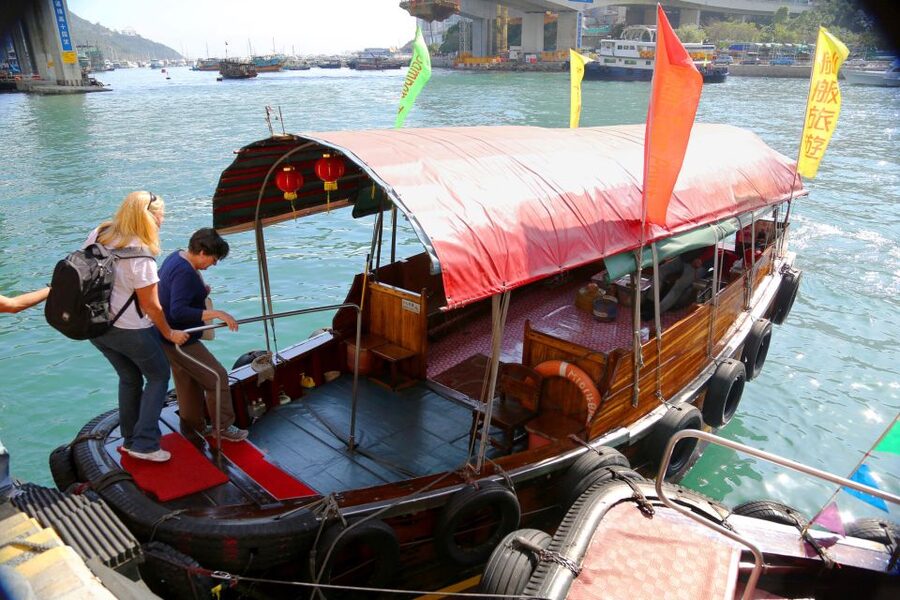
Every ticket option includes a Star Ferry ride, with the exact number and direction depending on your pass type. The tour offers:
- Discover: 1 x Star Ferry single journey
- Essential: 1 x Star Ferry return journey
- Explore: 2 x Star Ferry return journeys
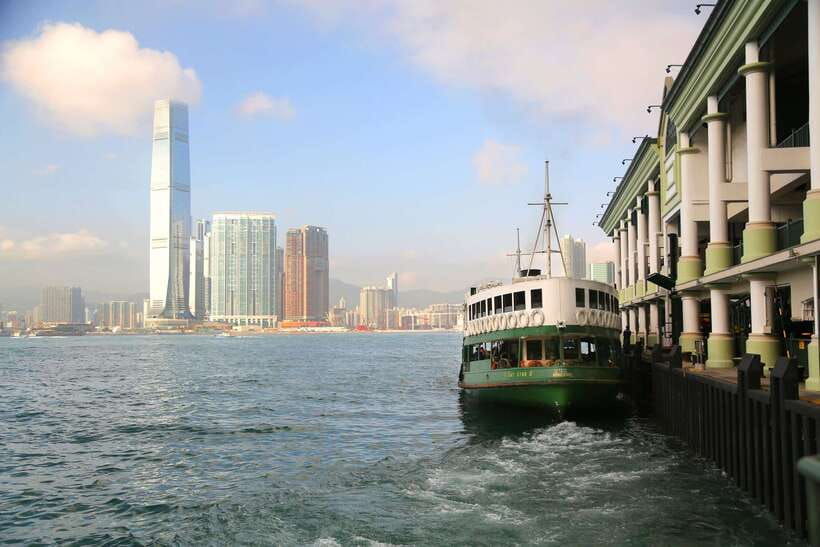
This matters because you’re paying for the crossing as part of the system, not as a separate ticket hunt. And Hong Kong’s harbour views look best when you’re moving—on water, with skyline framing your photos.
A real-world planning tip: the ferry can get crowded, so treat your ferry time like a mini event. I’d also plan the rest of your day around when you want to be on the harbour rather than trying to fit everything in between stops.
Peak Tram Sky Pass and other add-ons: how to pick what fits your interests
On the 48-hour pass, you can upgrade with one add-on choice:
- Peak Tram Sky Pass with access to Sky Terrace 428
- Hong Kong Water Taxi
- Sampan Houseboat visit
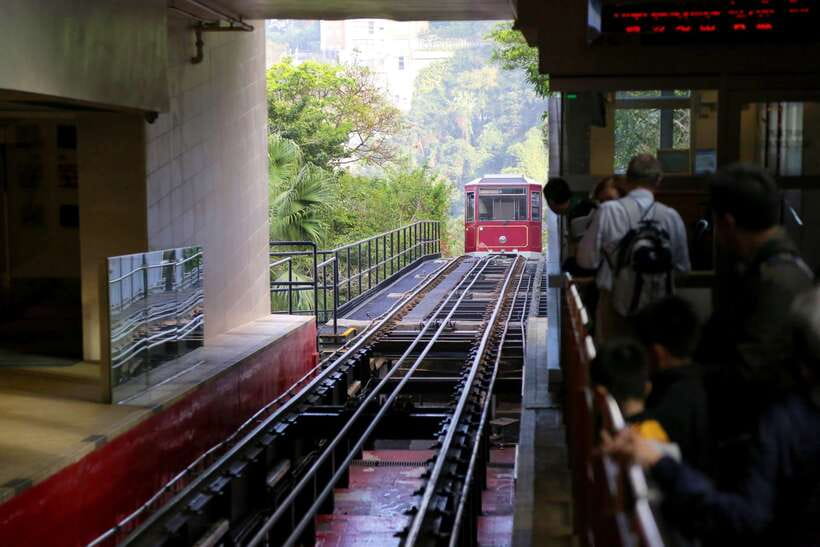
The Peak Tram option is often the most straightforward win because it directly supports the biggest viewpoint day: you can ride up, arrive at the sky deck experience, and keep your sightseeing plan flowing. Some people also like that there’s a Peak Tram-focused team support element that can reduce friction.
If you want a more “harbour life” vibe instead, the Water Taxi or Sampan Houseboat option leans into how people live and move around the water. Those can feel less like sightseeing-from-a-distance and more like experiencing Hong Kong’s waterfront personality.
One small caution: the add-on is your 48-hour upgrade choice. If you think you might want more than one harbour experience, decide early which one matters most, or you’ll feel like you’re compromising.
Timing and frequency: where most people feel the pressure
This kind of tour is only as good as your expectations about time. Here’s what the route timing tells you:
- Hong Kong Island (Red): 75 mins, every 45 mins, first bus 10:00 AM
- Stanley (Green): 2 hrs, every 30 mins, first bus 10:30 AM
- Kowloon (Blue): 80 mins, every 60 mins
On top of that, you’ll be riding an open-top deck. In cooler months, it can feel chilly up there, so many people end up going downstairs when the weather bites. That’s normal. It’s not a fault in the tour; it’s just Hong Kong being Hong Kong.
The Big Bus app helps a lot because it gives live tracking. I’d treat that as essential rather than optional. Also, the bus stop signage and maps aren’t always perfectly intuitive, so the safest approach is to confirm your stop name with the app and listen to the audio guide so you know where you are in the loop.
If you want a little humor with the advice: don’t try to “win” the schedule. Aim to enjoy the views and use the route to build a plan, not to race the city.
Price: is about $52 actually value in Hong Kong?
In a city with frequent public transport, a hop-on hop-off bus can feel expensive at first glance. That’s true here too. But the value argument is stronger when you look at what you’re stacking inside the ticket:
- multiple routes across Hong Kong Island and Kowloon
- a Star Ferry ride included with every option
- headphones and multilingual audio
- and, if you choose it, a big-ticket add-on like Peak Tram Sky Terrace 428 access
One review cited that the Peak Tram option can be a saving compared with buying separately, which is the kind of value you want in a short stay. Another common theme is that people feel the tour helps them get oriented fast, then use that to choose what to do next on foot or with other transport.
If you’re the type who likes planning to be light—especially if you don’t enjoy negotiating steep streets and long walks—this pass can make your trip feel less stressful. If you’re already comfortable building routes using public transit and walking a lot, you may feel you’re paying extra for convenience. Either answer is valid; this is about choosing your style.
Who this hop-on hop-off pass is best for
This is a good fit if:
- you want maximum sights with minimum planning
- you’re doing Hong Kong as a first trip and want an easy orientation layer
- you don’t want your entire day to be steep uphill walks
- you appreciate a guided audio approach while you’re moving
It also works well if you’re traveling solo. The structure helps you feel like you always know what’s next, and the headphones keep you from being stuck with a dead hour of “what do I do now?”
Good to know: the buses are wheelchair accessible, and infants aged 2 and under travel free of charge without needing a ticket. So it’s not just for able-bodied walking plans.
Should you book this Hong Kong Big Bus tour?
If you have 1–2 days and want a clean, low-stress way to see Hong Kong Island, the south side to Stanley, and Kowloon without building a complicated route map, I’d say yes. The included Star Ferry plus the option to add the Peak Tram Sky Pass (or a harbour-focused alternative) makes this one of the more practical sightseeing bundles.
If you’re on a tight budget and you’re confident using public transport plus walking, you might get a cheaper outcome elsewhere. But if you’d rather trade a bit of money for time, smoother planning, and fewer logistics headaches, this pass is a strong bet.
FAQ
How long is the Big Bus hop-on hop-off tour valid?
Your ticket is valid for 1–2 days, depending on whether you book a 24- or 48-hour option.
What routes are included with the ticket?
You can access up to three routes: Hong Kong Island, Stanley, and Kowloon.
Is the Star Ferry included?
Yes. Every ticket option includes Star Ferry service. The number of journeys depends on your pass type: Discover has 1 single journey, Essential has 1 return journey, and Explore has 2 return journeys.
What optional add-ons can I choose?
On the 48-hour pass upgrade, you can choose one add-on: Peak Tram Sky Pass (with access to Sky Terrace 428), Hong Kong Water Taxi, or a Sampan Houseboat visit.
Can I select my add-on on the day of travel?
Yes. You can select your add-on on the day of travel when you activate your ticket at any Big Bus service point.
What time do the buses start running?
For listed route details: the Hong Kong Island Tour first bus is 10:00 AM, and the Stanley Tour first bus is 10:30 AM.
How often do the buses run on each route?
The tour lists these intervals: Red Route every 45 minutes, Green Route every 30 minutes, and Blue Route every 60 minutes.
Are headphones provided for the audio guide?
Yes. Headphones are included, and you’ll get digital audio commentary in multiple languages.
Do I need to buy separate ticketing for the add-ons?
If you select an add-on, the tour includes it as part of your option. You may need to exchange/activate vouchers at service points on the day of travel, depending on the option you chose.
Are the buses wheelchair accessible?
Yes. The buses are wheelchair accessible.
If you want, tell me how many days you have and whether you care more about views, shopping, or local neighbourhoods, and I’ll suggest which route order to use so you don’t waste time waiting.