
Hop on, and Berlin clicks into place. I like the flexibility of a 24 or 48-hour ticket, because it turns a tight visit into a choose-your-own-adventure day. I also like that the ride comes with 13-language audio commentary and free headphones, so you get context without hunting for info. The one thing to plan around: finding the correct bus stop area (and the correct route color) can be confusing, and the audio can be finicky on busy buses.
You’ll get two different sightseeing styles. The Traditional route lines you up with big hits like Brandenburg Gate, Checkpoint Charlie, Alexanderplatz, and Victory Column. The Wall and Lifestyle route focuses more on division and its afterlife, including the East Side Gallery and the Berlin Wall Memorial area.
In This Review
- Key things to know before you ride
- Choosing Between Traditional Berlin and the Wall & Lifestyle Route
- Best Way to Use Your 24 or 48-Hour Pass (Without Wasting Time)
- Riding Comfort, Audio Headphones, and Why the App Really Helps
- Traditional Route Stops: Tauentzienstraße to Kurfürstendamm
- Wall and Lifestyle Route Stops: Spandauer Str. to East Side Gallery
- Boat Cruise Upgrade: A Second View From the Water
- Who This Berlin Bus Tour Fits Best
- Should You Book City Sightseeing Berlin?
- FAQ
- How long is the Traditional Route?
- How long is the Wall and Lifestyle Route?
- What ticket options are available?
- Are audio guides included, and is English available?
- Is Wi-Fi available on the buses?
- Where does the audio commentary get used?
- Can I use a mobile ticket or paper voucher?
- Does an upgraded ticket include anything extra?
- Is entry to attractions included?
Key things to know before you ride
- Two routes, different vibes: the Traditional route runs about 120 minutes, while the Wall and Lifestyle route is about 60 minutes.
- All Lines is the “both routes” ticket: Classic/Traditional is included in all tickets, but the Wall and Lifestyle route only comes with the All Lines option.
- Audio + headphones are included: commentary covers many languages, and you’ll use the provided headphones on board.
- Use the City Sightseeing Berlin app: it’s the fastest way to confirm the latest times and stop updates.
- Last departures matter: buses stop running from Stop 1 at 5pm, so plan your “final hop-on” earlier than you think.
- Expect occasional tech issues: some riders report sensitive audio connections and crowded seating upstairs, so test your headphones early.
Choosing Between Traditional Berlin and the Wall & Lifestyle Route
This is not one single loop. Berlin is big, and this tour gives you two ways to organize it.
On the Traditional route, your bus time works like a moving overview. You’ll pass through central landmarks and classic postcard spots, then you can jump off for pictures and short walks. It’s a great first-day move if you want to get your bearings fast.
On the Wall and Lifestyle route, you’re aiming for neighborhoods and landmarks tied to Berlin’s division and what came after. You’ll see places like the East Side Gallery and the Berlin Wall Memorial area. If you care more about how modern Berlin grew out of the Cold War era, this route feels more focused.
One practical note: if you’re using multiple routes across a day or two, double-check the route signage and your stop order. A few riders said it was easy to board the wrong route or not realize until later. The app helps, but the better habit is confirming before you sit down.
Best Way to Use Your 24 or 48-Hour Pass (Without Wasting Time)
You can choose 24-hour or 48-hour access. Either one works, but they shine for different travel styles.
If you only have a day or you hate rushing, do one route well. I’d use the Traditional route first to map the city, then come back later for anything you want to see at human speed (museum time, long photo stops, or a specific neighborhood walk).
If you have two days and you like to stack experiences, the 48-hour option is where this turns into value. You can do the Traditional loop early to set priorities, then run the Wall and Lifestyle route later for the deeper historical thread. Riders who did both routes said it was the best way to decide what deserved a second visit.
Important timing detail: for both routes, the buses run from Stop 1 until 5pm. That’s fine if you start in the morning, but it can ruin the day if you treat the tour like a late-afternoon afterthought. Plan at least your last hop-on comfortably before the end of the run.
Also, if you choose the 48-hour option, pay attention to activation. One review reported that the ticket needs to be activated on the first day or it can disappear from the system. If you have any doubt, confirm right away once you’re at your first stop.
Riding Comfort, Audio Headphones, and Why the App Really Helps
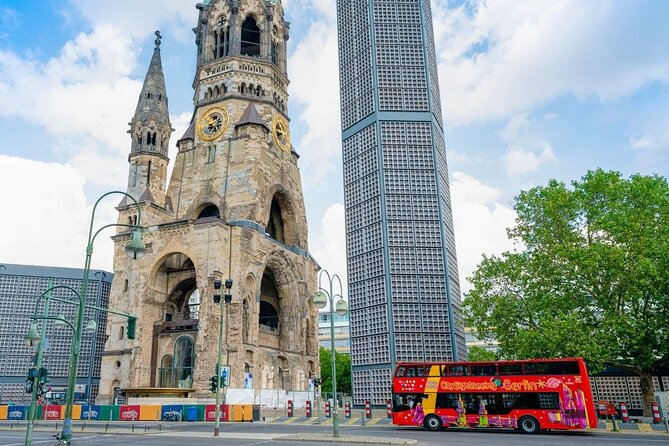
This tour is built around open-top buses and on-board audio. On paper, that sounds simple. In real life, a few practical habits make it smoother.
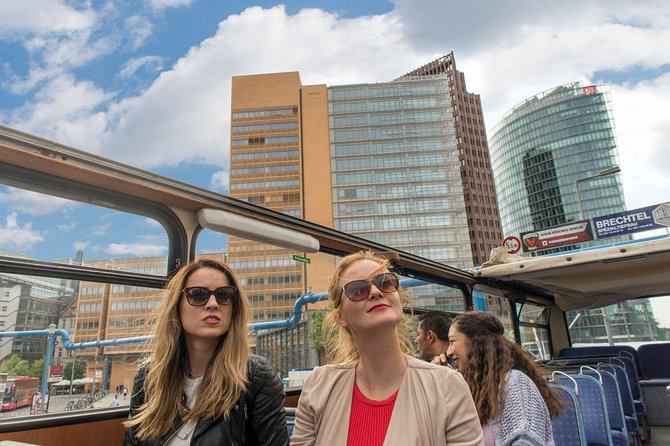
First, seating: some people report that seats can feel less comfortable, and that the buses can get crowded. When that happens, upstairs seats can be easier for views, but you may not always get a perfect spot. If audio matters to you, grab a seat where the headphones work cleanly and you can hear without fiddling.
Second, audio: multiple riders mention that the headphone connection can be sensitive. One common fix described was adjusting or wiggling the headphone cord until both sides are clear. My advice is to test the headphones early, before you commit to a long stretch.
Third, stops and signage: Berlin can be weird here. Several riders said stops weren’t clearly marked like in other cities and that finding the right boarding spot took extra time. The City Sightseeing Berlin app is your friend for live times and stop updates, especially if you’re switching routes or trying to get back on quickly.
Finally, disruptions: Berlin has protests and road closures like any big city. One rider noted a driver handled detours well during closures. Still, build buffer time into the schedule, and use the app if your bus routing looks different than expected.
Traditional Route Stops: Tauentzienstraße to Kurfürstendamm

Think of the Traditional route as a fast, organized sweep through central Berlin. You’re aiming to see the landmarks, then decide what you want to revisit more slowly.
Here’s how each stop works as a sightseeing anchor, plus what you might want to do when you hop off.
Stop 1: Tauentzienstraße (Freunde der Hebräischen Universität Jerusalem in Berlin e.V.)
This is a solid starting point for central-west Berlin and a good setup for the bus ride to swing you toward the core sights.
Stop 2: KaDeWe Berlin (MCM at KaDeWe Berlin)
KaDeWe is one of the famous department stores in Berlin. If you like shopping or people-watching around big retail spaces, this stop is handy.
Stop 3: Lützowplatz (Kulturforum Tiergarten)
This area puts you close to the cultural hub around Tiergarten. It’s a good hop-off when you want museum-area vibes without committing to a full walking day.
Stop 4: Potsdamer Platz 25 (Potsdamer Platz / Kolhoff-Hochhaus)
Potsdamer Platz is where Berlin feels modern and fast. It’s also a useful “meet-up and reset” point in the middle of your day if you want coffee and a stretch.
Stop 5: Gropius Bau (Gropiusbau)
If you’re into exhibitions and arts spaces, this is a natural stop to consider for a mid-day museum slot—assuming the exhibit schedule fits your dates.
Stop 6: Friedrichstraße 44 (Checkpoint Charlie, Friedrichstraße 45)
This is one of Berlin’s most recognized Cold War symbols. The bus lets you see it quickly from the street, then hop off for a closer look if that topic matters to you.
Stop 7: Ocean Plastics Lab (Gendarmenmarkt)
Gendarmenmarkt is one of the most photogenic squares in central Berlin. If you’re curious about climate and science learning spaces, this stop can blend sightseeing with something a bit more hands-on.
Stop 8: Spandauer Str. 8 (Neptunbrunnen / Rotes Rathaus)
This is a strong “classic Berlin” picture point: the Neptune Fountain area plus the City Hall setting. It also works well if you want a break near Rathausstrasse.
Stop 9: Allego Charging Station (Alexanderplatz / Park Inn)
Alexanderplatz is a major transport and sightseeing anchor. If you want easy onward travel options, this stop is useful because it’s central and well connected.
Stop 10: Museumsinsel (Lustgarten)
This is your gateway into the museum island area. Even if you don’t go inside, the surrounding architecture and public space make this a worthwhile hop-off.
Stop 11: B5 28 (Unter den Linden / Friedrichstraße)
Unter den Linden is one of Berlin’s big ceremonial boulevards. If you want that “walking Berlin” feel after a bus overview, this is a great place to get some stride in.
Stop 12: Hopfingerbräu am Brandenburger Tor (Brandenburger Tor)
Brandenburg Gate is one of the stops you’ll probably want to treat as a photo-moment and a time-to-breathe moment. The bus makes it easy to reach without navigating traffic.
Stop 13: Reichstag / Bundestag
If politics and symbolism matter to you, this is a must-see pass-by and a likely hop-off spot. Even when you don’t enter, the location carries weight.
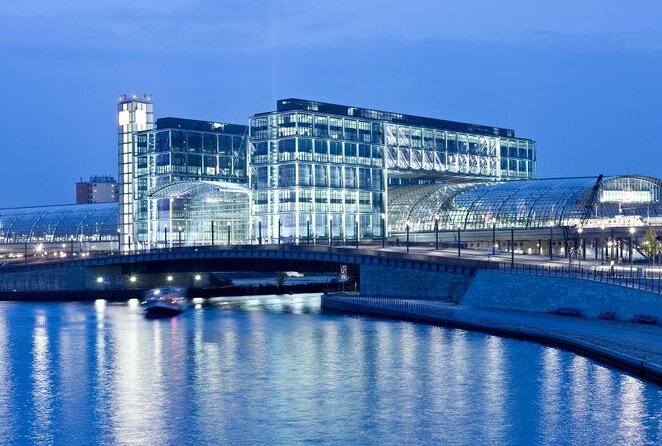
Stop 14: Call a Bike (Berlin Central Station / Hauptbahnhof area)
This stop makes the tour feel practical. Hauptbahnhof is a big transit node, so if your day plan needs flexibility, you can use this as a routing pivot.
Stop 15: Schloss Bellevue
Schloss Bellevue is connected to the German government setting and offers a quieter, more official-feeling slice of Berlin compared to some of the busier squares.
Stop 16: nextbike Berlin (Victory Column / Siegessäule area)
The Victory Column area is another “big monument” zone. It’s also a great stop if you want to see Berlin’s skyline points from above later on.
Stop 17: Elefantentor (Zoo Berlin / Elephant Gate)
If you’re traveling with kids or you like iconic landmarks, this is a classic stop. It’s also a reminder that Berlin’s major sights sit next to everyday city life.
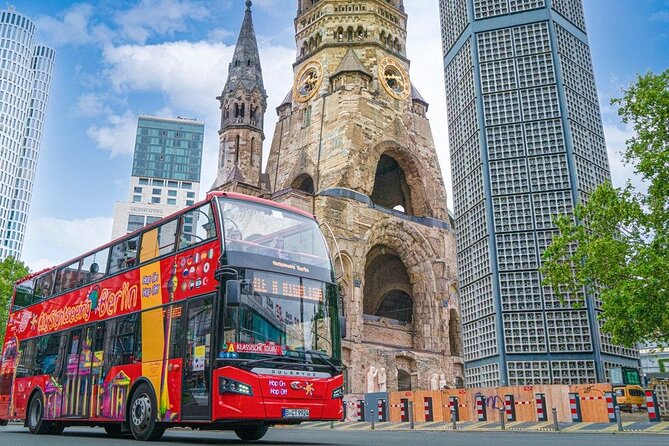
Stop 18: Kurfürstendamm 21 (Cafe Kranzler area)
Kurfürstendamm is the shopping and strolling backbone of western Berlin. This stop is good for a coffee break or a more relaxed street-level wander.
Stop 19: Kurfürstendamm 236
This continues the Kurfürstendamm approach. If you’re hopping off near the shopping strip, you’ll likely spend time walking between storefronts.
One thing to remember: your day doesn’t automatically reset at your starting point. The buses run until 5pm from Stop 1, and some riders warned that you may not end exactly where you started. For peace of mind, plan a simple “final hop-off” and then navigate back from there.
Wall and Lifestyle Route Stops: Spandauer Str. to East Side Gallery
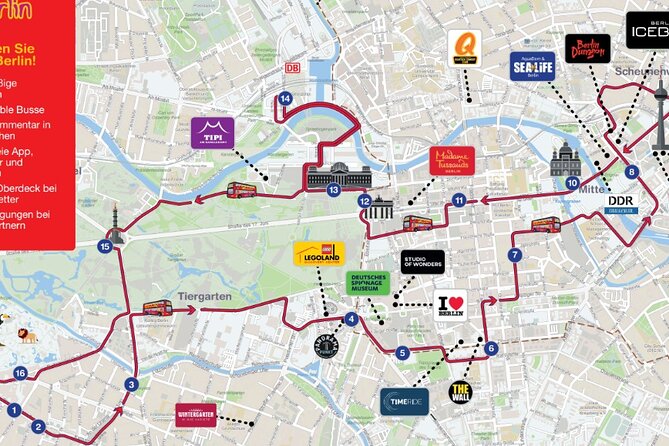
This route is shorter in ride time, which makes it feel more focused. It’s included only if you picked the All Lines ticket option.
Stop 1: Spandauer Str. 8 (Neptunbrunnen / Rotes Rathaus)
Starting near a central landmark means you can grab this route without committing to a long transfer day.
Stop 2: Oranienburger Str. 35
This keeps you moving toward the north Berlin stretch where you begin to feel the shift from central sightseeing to more historically loaded areas.
Stop 3: Bernauer Str. 25 (Mauergedenkstätte area)
This is your Berlin Wall Memorial area stop. If your goal is understanding division and its human impact, this is one of the key stops on the route.
Stop 4: Bernauer Str. 45 (Mauerpark, Bernauer Straße 45)
Mauerpark is the “what’s here now” counterpoint. It’s a good place to hop off if you want to see how public space and daily life occupy a former fracture point.
Stop 5: Alexanderplatz (Alexanderplatz / Park Inn)
You pass back through a major city hub. If you’re syncing this route with another plan, Alexanderplatz makes it easier to pivot.
Stop 6: Karl-Marx-Allee (Philma Pictures)
This stretch ties you to the grand boulevard feel of former East Berlin. It’s a strong “architecture you can read” kind of stop as you move through history.
Stop 7: LOVE HATE Sculpture (East Side Gallery)
The East Side Gallery is the iconic open-air art stretch linked to the Berlin Wall. This is where the tour turns from context to striking visuals.
Stop 8: DB Reisezentrum Berlin Ostbahnhof (Ostbahnhof)
Ostbahnhof is a major station area. It’s a convenient final anchor if you’re continuing onward, catching a train, or simply walking a neighborhood afterward.
As with the Traditional route, the biggest practical challenge is not the sights. It’s the on-the-fly logistics. Use the app, and don’t assume every bus stop looks obvious.
Boat Cruise Upgrade: A Second View From the Water

If you upgrade your ticket, your experience can include a boat cruise. This is a smart add-on if you want Berlin to feel different than it does from the street and bus window.
The value here is variety. A bus tour compresses a lot into a short time. A cruise can help you slow down and notice the riverfront and bridge lines that you’d otherwise only catch glimpses of.
Who This Berlin Bus Tour Fits Best
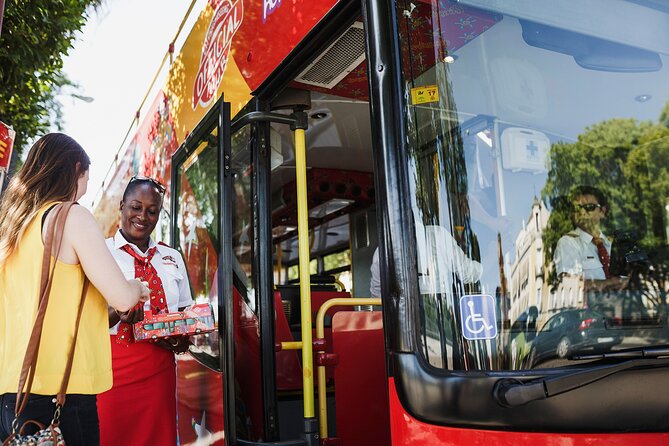
This tour is a strong pick when you want to cover a lot of ground without turning your trip into a 20-mile walking test.
I’d put it at the top of your list if:
- You’re short on time and you want a fast orientation sweep through major sights.
- You like audio commentary and prefer it to reading a guidebook between stops.
- You want an easy way to decide what to revisit later.
- You have mixed mobility days or you’re traveling in cooler weather and want warm rides between photo stops.
I’d be more careful if:
- You hate navigating to boarding points with minimal signage.
- You’re very sensitive to audio quality and need perfect headset function.
- You expect the tour to function like a single continuous loop with no planning. This one rewards a bit of structure: start early, hop off intentionally, and don’t gamble on late-day timing.
And a small note from real-world experience vibes: one rider credited an enthusiastic guide named Joaqium for a steady, audience-friendly pace. That’s the kind of thing that makes audio tours feel less like a screen in motion and more like a guided conversation.
Should You Book City Sightseeing Berlin?

Book this tour if you want a practical Berlin starter kit. The combination of major stops, hop-on flexibility, and multi-language audio makes it a good way to get oriented and then build the rest of your day around what you liked most.
Skip it or consider a different plan if you’re only motivated by one neighborhood or two ultra-specific attractions. In that case, you may get more value from targeted transit plus a walking plan. Also, if you know you’ll struggle with finding stop areas, download the app before you commit to hopping repeatedly.
If you do book, use a simple strategy: Traditional route early for overview, Wall and Lifestyle later for meaning, and always do a quick headphones check before you settle in. That small step can turn a “fine” ride into one that’s actually useful for your whole Berlin itinerary.
FAQ
How long is the Traditional Route?
The Traditional Route is about 120 minutes.
How long is the Wall and Lifestyle Route?
The Wall and Lifestyle Route is about 60 minutes.
What ticket options are available?
You can choose a 24-hour or 48-hour ticket.
Are audio guides included, and is English available?
Yes. The on-board audio commentary is available in 13 languages, including English, and free headphones are included.
Is Wi-Fi available on the buses?
Yes. Free Wi-Fi is available on all buses.
Where does the audio commentary get used?
You use the audio commentary on the bus as you pass the stops, using the free headphones provided.
Can I use a mobile ticket or paper voucher?
Yes. Mobile tickets and printed paper vouchers are accepted, and you can redeem your voucher at any of the stops along the route.
Does an upgraded ticket include anything extra?
If you upgrade your bus ticket, it can include a boat cruise.
Is entry to attractions included?
No. Entry to attractions is not included.