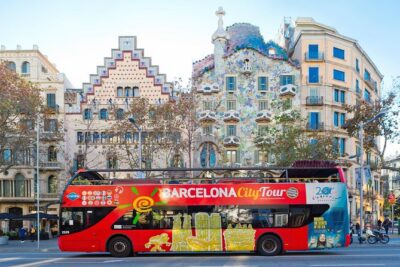
Hop-on bus days in Berlin can be painless. This hop-on hop-off tour gives you a simple way to string together major sights in about 2 hours, using an on-board audio guide in English. You also get the kind of flexibility that works well when your schedule is tight but your curiosity isn’t.
What I like most is how easy it is to ride, hop off, and re-board without over-planning. The route is built around very recognizable Berlin stops, from the Reichstag Building area to the shopping streets near Kurfürstendamm and Tauentzienstraße. With buses typically coming every 20 to 30 minutes, you can usually keep moving rather than just waiting.
One watch-out: the English commentary can feel uneven, at times loaded with crass or sarcastic jokes, and some audio devices may not work smoothly. On top of that, timing isn’t always tight, so on busy days you might wait longer than you want, with buses sometimes getting chilly.
In This Review
- Key points before you ride
- Price and value: does $30.25 make sense?
- What you actually get: mobile ticket, audio guide, and the RED app
- The loop in plain terms: how the route flows
- Kurfürstendamm and Tauentzienstraße stops: shopping streets with easy boarding
- Potsdamer Platz to Reichstag approach: squares, memorial streets, and government zones
- The final stretch to Tiergarten and back: green break and west return
- Audio guide reality check: how to get the most from the English track
- Timings and comfort: what to plan for on busy days
- Who this is best for (and who should skip)
- Should you book this hop-on hop-off Berlin tour?
- FAQ
- How much does the Hop-on Hop-off Berlin Tour cost?
- How long is the tour?
- Is the audio guide available in English?
- Do I get a mobile ticket and confirmation?
- Is there an app to help me find stops and track buses?
- Which stop is closest to Icebar?
- What is the cancellation window?
Key points before you ride
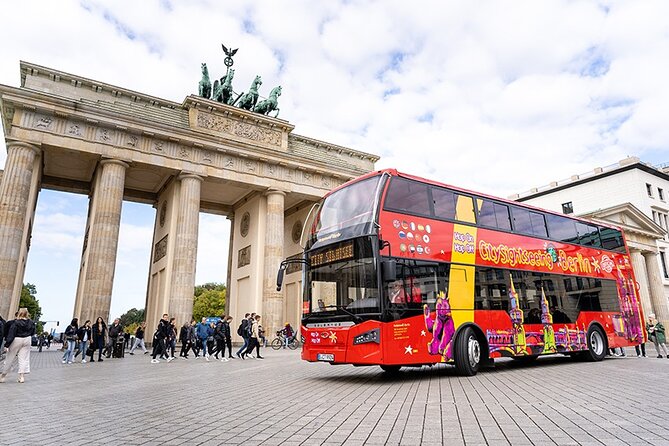
- Frequent hop-on options: expect buses roughly every 20–30 minutes, so you can keep your day moving
- English audio guide included: designed to make the ride useful even if you don’t know Berlin yet
- RED Sightseeing app helps you plan hop-offs: track where the buses are in real time and find the right stop
- Stops hit big-name areas: Potsdamer Platz, Unter den Linden, Pariser Platz, Reichstag, Tiergarten, and more
- The Rathausstraße 16 stop is the Icebar shortcut: it’s about 450 meters from the tour stop
Price and value: does $30.25 make sense?
At $30.25 per person for an approximately 2-hour loop, you’re paying for convenience and flexibility, not for a deep guided walking tour. In other words, it’s a good value if your main goal is to see a lot quickly, get oriented, and choose what to explore later on foot.
The tour’s strength is how it connects wide parts of the city. You can sample central sights, then hop off where something catches your eye—shopping streets, squares, major government buildings, and even the big green relief of Tiergarten. That “ride once, decide twice” approach can save time compared with trying to stitch together multiple bus/metro lines on your own.
Is it worth it if you want lots of detailed stories? The audio is designed to explain things, but the English track seems to divide people. If you prefer straight, respectful history, you may find it too jokey. In that case, you might still enjoy the route for transit value, but you may want to use the audio as a light guide rather than your main learning source.
What you actually get: mobile ticket, audio guide, and the RED app
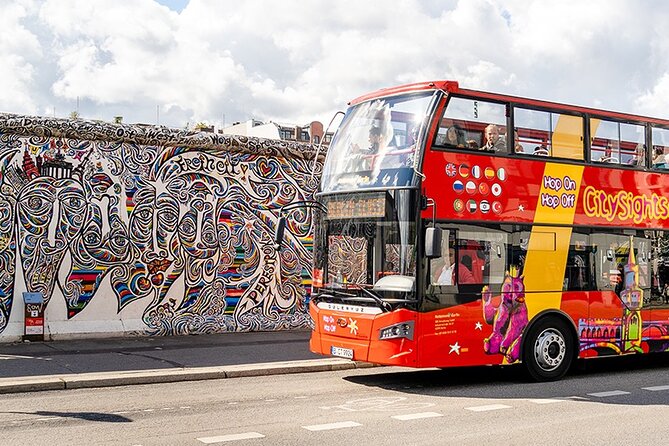
This experience comes with a mobile ticket, and you should receive booking confirmation at the time you book. It’s also offered in English, with audio delivered on board in multiple languages (so if you’re with someone who needs another language, that can help).
The big practical add-on is the official RED Sightseeing app. It’s there to help you find exactly where to hop on, and you can track buses (and boats) in real time. That matters because this type of tour is all about timing: if you know which stop to wait at and roughly when your next bus is coming, you waste less time.
Here’s a real-world tip: keep an eye on how your ticket appears at boarding. There have been moments where drivers asked for a QR code, while some ticket formats showed barcodes. You can avoid stress by making sure your mobile ticket screen shows the clearest scanning option right when you approach the door.
Also, plan to verify your audio device quickly after boarding. Some people have reported devices not working properly, which can turn a “guided” ride into a silent one. If that happens, ask for help immediately rather than waiting until you’re stuck for the full route.
The loop in plain terms: how the route flows

The route is organized around major Berlin areas, and you can experience it as a repeatable loop. One common strategy is to do the full circle once for orientation, then ride again and hop off only at the stops you want to linger at.
You’ll see stops laid out on major streets and around landmark zones, including:
- Kurfürstendamm 238
- Tauentzienstraße 15 and Tauentzienstraße 21-24
- Potsdamer Platz 10
- Niederkirchnerstraße 7
- A stop listed simply as Berlin
- Markgrafenstraße
- Rathausstraße 16 (near Icebar)
- Karl-Liebknecht-Straße
- Unter den Linden 16
- Cora-Berliner-Straße 1
- Pariser Platz
- Reichstag Building
- Ella-Trebe-Straße
- John-Foster-Dulles-Allee 10
- Tiergarten
- Budapester Str. 38-50
- Kurfürstendamm 18
If you like structure, think of it as moving from west shopping corridors toward the central historic and governmental core, then out toward Tiergarten and back to the Kurfürstendamm area.
Kurfürstendamm and Tauentzienstraße stops: shopping streets with easy boarding
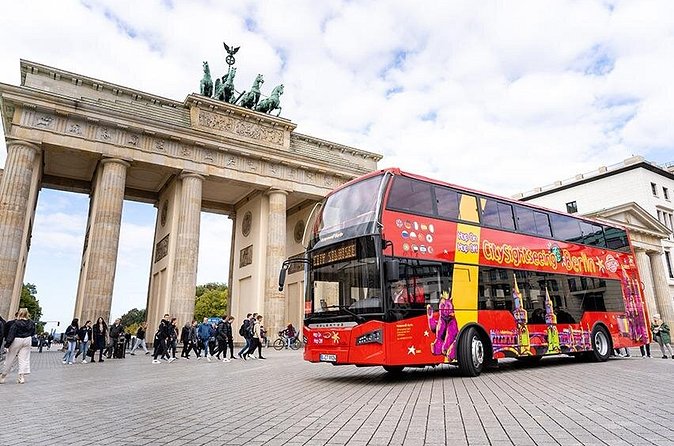
Start in the west side of Berlin around Kurfürstendamm 238. This is a strong launch point because it’s practical for getting on and off, and it anchors the tour in one of the city’s best-known shopping boulevards. If you want an easy first hop-off to stretch your legs, this is where it tends to work best.
Next, you’ll pass through Tauentzienstraße 15 and Tauentzienstraße 21-24. These stops sit in the same shopping belt, so you can treat them like a flexible “walk a bit, shop a bit, re-board later” zone. It’s also a good place to grab a coffee or snack before you head toward the more landmark-dense parts of the route.
A key value here is orientation. If this is your first day in Berlin, seeing these streets from the top level of a bus helps you understand where the shopping core sits relative to the central attractions farther east.
Then the route turns toward the big city-center transport hotspot: Potsdamer Platz 10. This is one of the best “quick wow” areas for a first-time ride. From a bus, it’s easy to scan the architecture and scale of the square without committing to a long walk.
Potsdamer Platz to Reichstag approach: squares, memorial streets, and government zones
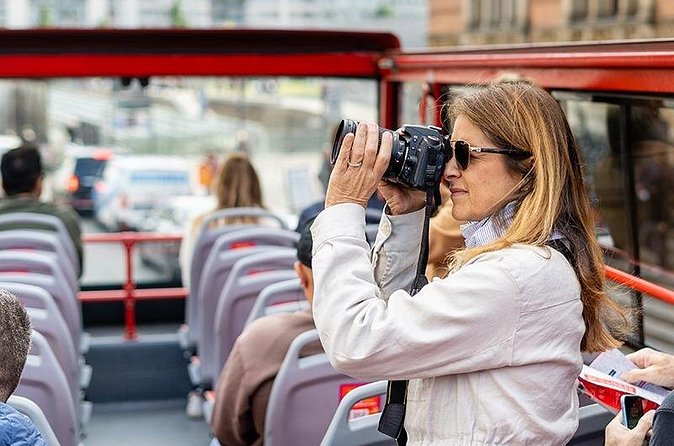
From Potsdamer Platz 10, the tour continues toward Niederkirchnerstraße 7, a street-positioned stop that sets you up for the central political and memorial-feeling districts. This is a good stretch for audio if you like broad context, but it’s also where you’ll notice the differences in commentary style most.
There’s also a stop listed simply as Berlin. Treat it like a central boarding point rather than a specific landmark stop you must photograph. It can still help if you’re hopping on and off later to shorten your walking.
Then you’ll reach Markgrafenstraße and Rathausstraße 16. That Rathausstraße stop is especially useful because it’s the nearest stop to Icebar, about 450 meters away. If Icebar is on your list, this is the one stop where the tour’s route detail actually saves you a meaningful walk.
As you move farther in, you come to Karl-Liebknecht-Straße. This stop helps connect the central grid back toward the classic “Berlin looks” area.
Next is Unter den Linden 16. This is where the tour becomes more about structure and sight lines. Even if you don’t step off, the bus view gives you a clear sense of how this avenue frames major buildings and how the central city was planned.
Then you’ll pass Cora-Berliner-Straße 1 and reach Pariser Platz and Reichstag Building. For many people, Reichstag Building is the “I’m really in Berlin” moment. Sitting above traffic and looking toward the big government area makes the whole day feel more purposeful than just riding past streets.
The final stretch to Tiergarten and back: green break and west return
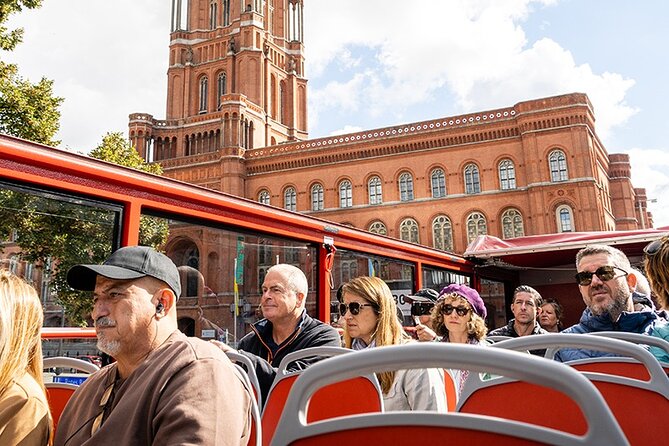
After the Reichstag area, the tour continues toward Ella-Trebe-Straße and then John-Foster-Dulles-Allee 10. These stops are part of the route’s move toward bigger open-air space and less dense street grids.
Then comes Tiergarten, which is where you get a much-needed change of pace. If your feet are tired, this stop is a natural place to hop off for a short break rather than forcing another long walk.
Finally, you head back toward the west with Budapester Str. 38-50 and Kurfürstendamm 18. These last stops are practical because they let you return to the shopping and hotel-adjacent side of town. If you’re taking the tour as a “see it now, decide later” plan, this is the zone where you can re-board and keep options open.
Audio guide reality check: how to get the most from the English track
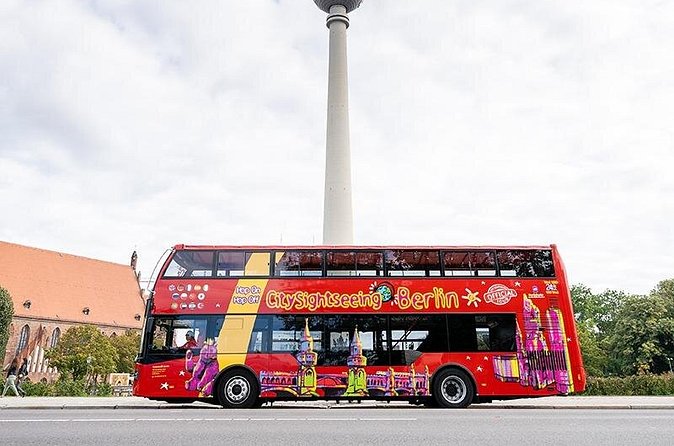
The English commentary is one of the main reasons this tour can disappoint people, and it can also be part of its charm if you like a lighter, punchier style. The problem is that some English narration leans into crass humor and can feel overly sarcastic. If you’re sensitive to that tone, you may want a different plan for learning, like downloading a separate guide or using your phone for quick context.
That said, some parts of the audio experience are genuinely helpful. The device is designed to be easy to use, so you’re not stuck wrestling with controls while you’re trying to enjoy the view.
Here’s how to protect your experience:
- Test audio early: start listening before you settle in for the full ride.
- Use the audio as a map, not a textbook: let it suggest what to look for, then read more once you hop off.
- Dress for bus conditions: some rides run crowded and can feel cold if doors are left open during stops or waits. A light layer helps.
Timings and comfort: what to plan for on busy days
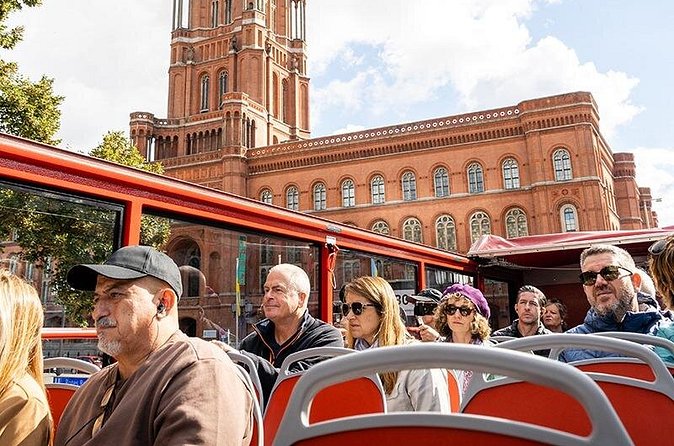
A hop-on hop-off bus is only as good as its timing. Some people have experienced long waits on weekend days, and at certain stops the bus can sit for extended stretches. If you’re on a tight itinerary, that’s the biggest risk.
Comfort can also vary. There have been reports of buses being crowded and chilly when doors are left open during long breaks. Once, there were long pauses tied to the driver’s break routine, and that kind of delay can ripple through the whole schedule.
My practical workaround is simple: use the RED Sightseeing app as your reality check. Don’t assume the bus will come exactly when you want. When you see the next bus approaching, then move to the stop.
Also, consider building flexibility into your day. If you plan a timed museum entry right after the tour, you’ll feel it when the bus runs late. If you plan something flexible nearby—coffee, a quick walk, a photo stop—you’ll feel much less stress.
Who this is best for (and who should skip)
This works best when you want maximum coverage with minimum effort. It’s a great fit if:
- you only have a short window in Berlin
- you like to hop off, wander for a while, then return to the bus
- you want an affordable way to connect major areas without getting lost
It may be less ideal if:
- you care most about detailed history and prefer a serious narrative voice
- you’re the type who gets irritated by audio glitches or device issues
- you have zero patience for delays during weekends
If you’re traveling with someone who loves organization, it can help to do the loop once, then make a second pass with a shortlist of where you actually want to go deeper. That’s how you turn a bus ride into a real day plan.
Should you book this hop-on hop-off Berlin tour?
If you’re looking for an easy orientation ride with major stops and a flexible structure, I’d say this tour is worth considering for your first Berlin day. At $30.25, the value comes from how it stitches together west shopping streets, central landmarks, and a green break at Tiergarten.
But if you’re expecting a deeply informative, perfectly paced guide in English, adjust your expectations. The audio style can be uneven, and timing isn’t guaranteed—especially on busy weekends.
My decision rule: if you want a “see a lot, decide what’s next” bus day, book. If you want an expert-led narrative and tight schedules, you’ll probably be happier with a more focused walking or small-group tour where the guide tone and timing are more controlled.
FAQ
How much does the Hop-on Hop-off Berlin Tour cost?
The price is $30.25 per person.
How long is the tour?
The duration is approximately 2 hours.
Is the audio guide available in English?
Yes, the tour is offered in English.
Do I get a mobile ticket and confirmation?
You receive confirmation at the time of booking, and the tour uses a mobile ticket.
Is there an app to help me find stops and track buses?
Yes. The official RED Sightseeing app helps you find exactly where to hop on and track buses and boats in real time.
Which stop is closest to Icebar?
The nearest stop to Icebar is Rathausstraße 16, located within about 450 meters.
What is the cancellation window?
You can cancel for a full refund up to 24 hours in advance of the experience start time.