One day. Five famous stops. And a smooth bus ride that keeps the logistics off your plate. This Jeju tour strings together UNESCO nature sites in the island’s south—starting with a short Hallasan hike and ending at the kind of waterfall walk that feels easy even when the day is packed.
I really like two things here. First, you get great variety without feeling rushed: a manageable Hallasan trail plus long enough breaks to actually enjoy each place. Second, the tour includes admission fees and uses licensed guides, so you spend less time figuring out ticket stuff and more time looking at what matters.
One thing to consider: the day is active. You’ll have a moderate hike on Hallasan, and if conditions make Mt. Hallasan inaccessible, the plan may shift to keep the day moving.
In This Review
- Key highlights at a glance
- Southern Jeju in One Shot: What This UNESCO Day Tour Covers
- Price and Logistics: Why This $61.57 Tour Can Make Sense
- Getting Going at 9:00 am: Pickups, Mobile Tickets, and Comfort
- Stop 1 on Hallasan: The Eoseungsaengak Trail Hike
- Osulloc Tea Museum Break: Green Tea, Innisfree House, and No-Pressure Time
- Jusangjeolli Cliffs and Oedolgae: Lava Columns, Sea Caves, and Legends
- Daepo Haean Jusangjeolli Cliff
- Oedolgae Rock
- Cheonjiyeon Falls: Sky Meets Land, Dolharubang, and Easy Walking
- Guide Matters: How Peter Kim Can Shape the Whole Day
- Lunch, Crowds, and the Real Pace of a 9-Hour Day
- Should You Book This Hallasan and South Jeju Tour?
Key highlights at a glance
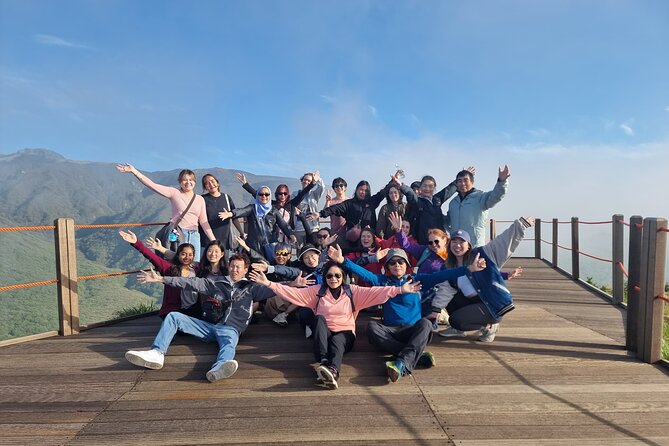
- Eoseungsaengak Trail is an easier Hallasan course, built for a one-day visit.
- Osulloc Tea Museum includes tasting time and shows how locals think about tea culture.
- Jusangjeolli Cliffs are UNESCO geopark drama: hexagonal lava columns with waves that can splash high.
- Oedolgae mixes geology with a local legend—sea cliffs, caves, and big ocean energy.
- Cheonjiyeon Falls is an easy, flat walk with dolharubang statues and ducks around the pond area.
Southern Jeju in One Shot: What This UNESCO Day Tour Covers
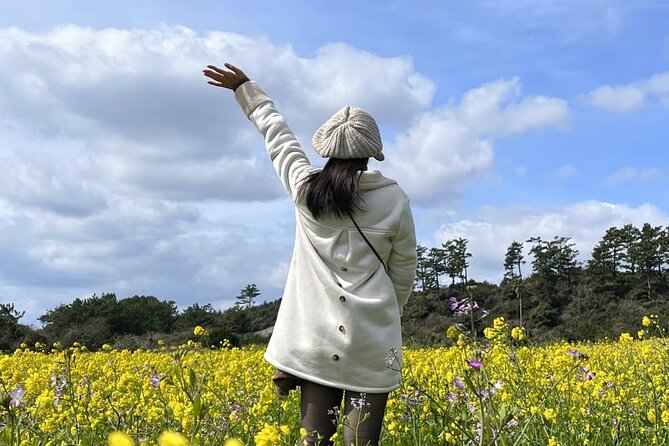
This is a classic “see the south” Jeju day. You ride in an air-conditioned vehicle, hop between stops, and hit a UNESCO-heavy route designed for one day instead of multiple trips. If your Jeju plan is tight and you want the best-known nature anchors in the southern area, this route does that job well.
The tour’s identity is clear: it connects Hallasan with southern UNESCO geoparks and natural sights. Jeju itself is recognized as a Biosphere Reserve (MAB) and also sits within UNESCO World Natural Heritage and UNESCO Global Geopark frameworks. This tour is basically a guided walk through that idea—volcano landforms, water shaping coastlines, and protected nature.
You should expect a day that’s more “active highlights” than “museum-and-shopping only.” Still, it’s not exhausting. Most stops include comfortable time to look around, take photos, and pause.
Price and Logistics: Why This $61.57 Tour Can Make Sense
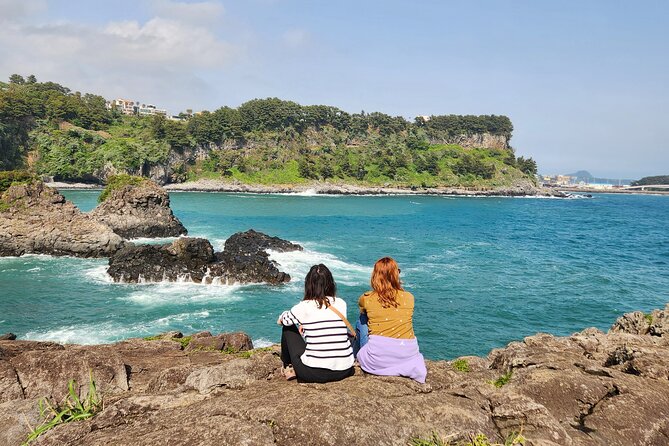
At $61.57 per person, the value depends on what you’d otherwise do on your own. The big point in your favor is that admission fees are included, plus parking fees and an air-conditioned bus.
That matters because the costs of a DIY Jeju day can creep up fast—entry tickets, transit, and time. Here, you buy one package and let the licensed guide handle the flow between places. For me, that’s the sweet spot: you trade a little flexibility for saved planning stress.
One more detail: the itinerary runs about 9 hours. That’s long enough to feel like a full day of sightseeing, but not so long that you’ll feel wrecked by the time you get back. Lunch isn’t included, so plan to eat on your own timing.
Getting Going at 9:00 am: Pickups, Mobile Tickets, and Comfort
The tour starts at 9:00 am and uses four convenient pick-up points (so you’re not playing “where is the bus” the whole morning). You’ll also get a mobile ticket, which is simple if you’re already juggling maps, translations, and a packed phone battery.
You’re riding in an air-conditioned vehicle, which is a real quality-of-life item on Jeju. Even if you love being outdoors, your day will move faster and feel calmer when you have reliable comfort between stops.
Also note the practical “ends differently” reality: this tour activity ends in a different location than it started. That can be great if it puts you closer to where you want to be next. It can also be mildly annoying if you’re counting on returning to the exact same area, so I’d plan your evening transport accordingly.
Stop 1 on Hallasan: The Eoseungsaengak Trail Hike
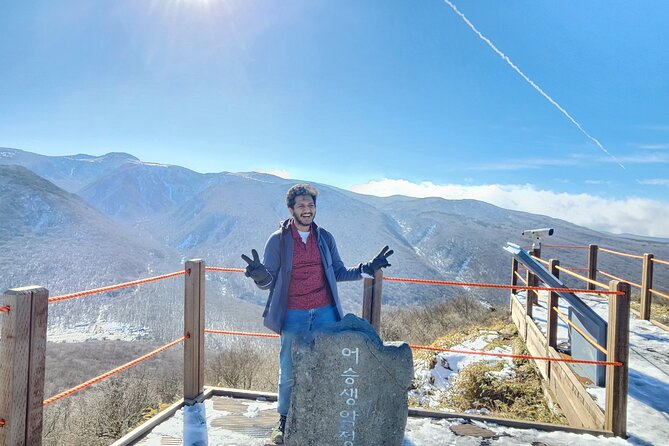
Your Hallasan portion is built around the Eoseungsaengak Trail, described as the easiest hiking course on the mountain. The hike is about 40 minutes to 1.2 hours, which is long enough to feel like you actually climbed into Hallasan nature, but short enough for a one-day tour.
This is also the rare kind of visit where the UNESCO connection isn’t just a label on a sign. Hallasan is a UNESCO World Cultural Heritage site, and hiking there makes that designation feel real. You’ll be in the actual environment instead of just reading about it.
A key practical tip: bring what you need for outdoor time, because even an “easier” trail still means uneven ground and weather changes. The tour advises moderate physical fitness, so don’t treat this as a stroll on flat ground.
And yes, weather can affect access. One review mentioned that when Mt. Hallasan wasn’t accessible due to conditions, the day still kept going with a replacement sight. So if you’re going in a rainy or windy spell, trust that the guide will adjust rather than leaving you stuck.
Osulloc Tea Museum Break: Green Tea, Innisfree House, and No-Pressure Time
After Hallasan, you shift from mountain air to a tea-country vibe at O’sulloc Tea Museum. This stop gives you about 2 hours, which is plenty to slow down. The setting is described with wide green tea fields and a museum area tied into tea culture.
You can taste fresh green tea and explore products, and the stop also includes the Innisfree House experience. I like the balance here: you get sensory variety after a hike—scents, drinks, and a calmer pace.
The best part is how the tour frames shopping. The guide shows you how to enjoy and relax there and does not pressure you to buy products. If you’re traveling with someone who loves tea souvenirs, this works for them too. If you’re not a shopper, you can still enjoy the tasting and museum area without feeling dragged into purchases.
This is also a good moment to reset before the more dramatic coastal sights. Sit for a bit, hydrate, and keep your energy for when the ocean starts doing its loud work.
Jusangjeolli Cliffs and Oedolgae: Lava Columns, Sea Caves, and Legends
Next you hit the coastline, where Jeju’s geology turns into a show.
Daepo Haean Jusangjeolli Cliff
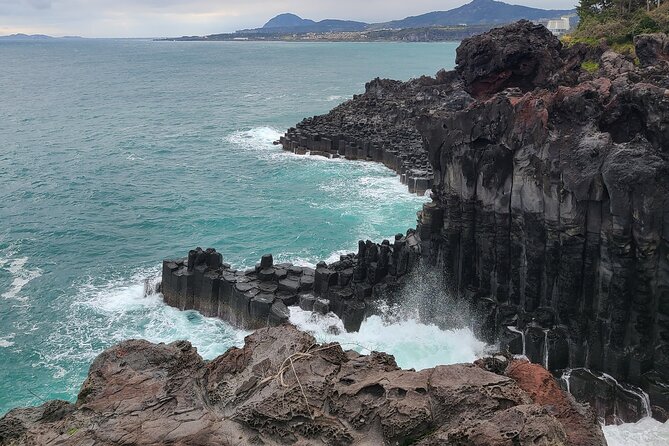
The Jusangjeolli Cliffs stop runs about 1 hour 40 minutes and includes admission. These cliffs are formed from rapid cooling of lava and then contraction, creating thick lava columns that look like overlapping hexagonal pillars. Waves crash against them, sometimes shooting water more than 20 meters high.
If you like knowing what you’re looking at, this is a strong stop. The cliffs here are described as towering (about 30 to 40 meters) and wide (around 1 kilometer) and designated as Natural Monument No. 443 in Jeju. You’re also dealing with a UNESCO geopark setting, which usually means the “why it matters” is part of the guide’s storytelling.
A practical consideration: this is an ocean spot. Wind and spray can change your comfort level fast, and footing can be slick depending on conditions. Wear shoes you trust.
Oedolgae Rock
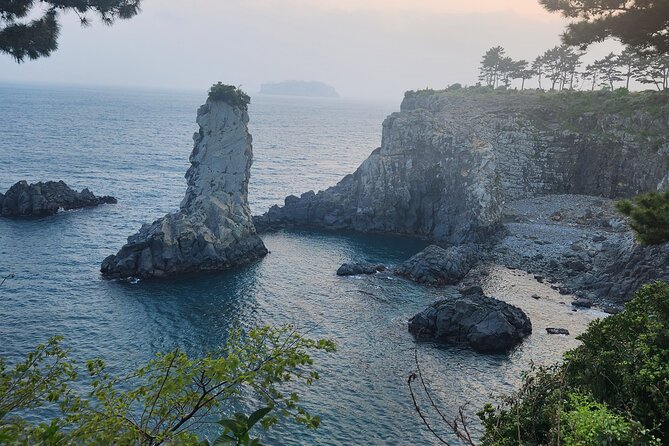
Then you go to Oedolgae, another coastal landmark with a legend attached. The rock is about 20 meters high and 7 to 10 meters wide, formed by wave erosion on lava flows, leaving vertical sea cliffs and sea caves. The story says a grandmother turned into stone while waiting for her grandfather at sea, who never returned.
This combination—geology plus myth—makes the stop feel more human. It’s not just “look at rocks.” You get a cultural explanation for the shape and presence of the landmark.
Oedolgae doesn’t list admission here, and you get about 1 hour 40 minutes of time. That’s enough to walk viewpoints at an unhurried pace and still catch the ocean mood.
Cheonjiyeon Falls: Sky Meets Land, Dolharubang, and Easy Walking
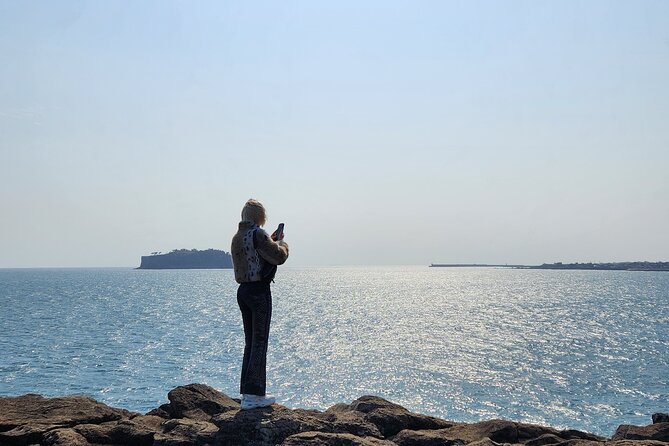
Your final major nature stop is Cheonjiyeon Falls, about 1 hour 40 minutes with admission included. Cheonjiyeon means “pond where the sky meets the land,” and the name fits the design: a waterfall feeds into a pond area below.
The waterfall length is described as 22 meters, and the pond below reaches 20 meters deep. Along the walking path, you can see dolharubang (stone grandfather statues) and ducks. That mix—waterfall plus playful everyday details—keeps the place from feeling overly serious.
The walk is described as flat and comfortable, which matters because you’re already coming off earlier stops. If your legs are tired, this is the right kind of end to the day. You can take photos without feeling like you’re racing the terrain.
Guide Matters: How Peter Kim Can Shape the Whole Day
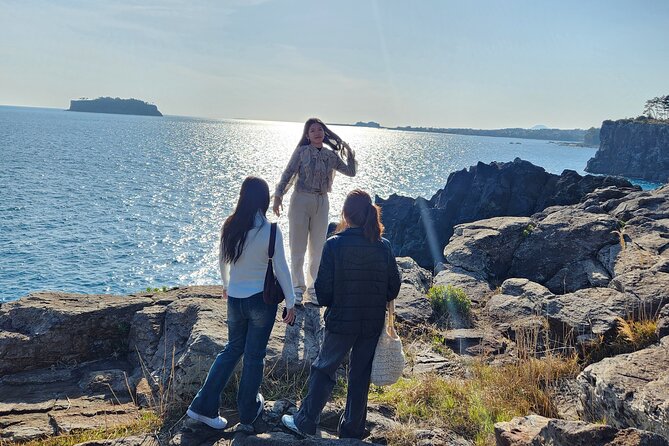
The strongest theme in the feedback is guide quality, and one name shows up again and again: Peter Kim. People praised his kindness, availability, knowledge, and passion for Jeju.
That lines up with how this tour is designed. When you’re moving between multiple nature sites, a guide isn’t just narrating facts. A good guide helps you pace the day, points out what to notice at each stop, and keeps the group organized so you’re not stuck waiting around.
One review also highlighted good timing: stops felt neither too short nor too long, and the pace avoided that bored-in-the-bus feeling. That kind of pacing is often the difference between a “checklist day” and a day that actually feels satisfying.
Lunch, Crowds, and the Real Pace of a 9-Hour Day
Lunch isn’t included, so you’ll want to plan either a packed snack or be ready to grab food on your own during downtime. With a tour like this, you don’t want to gamble on finding a perfect meal at the exact moment you’re released from a stop.
As for crowds: the tour max is 999 travelers. That sounds huge on paper, but your real experience will come down to the size of your actual bus group and how busy each stop is that day. Popular viewpoints can get crowded, especially at cliff and waterfall areas. If you care about photos without people in them, go early inside each stop window and be patient.
Also keep your expectations realistic: you’re doing multiple UNESCO-nature moments in one day. You won’t get deep, slow immersion in one single place. You’ll get a strong overview, and that can be the best move for first-timers.
Should You Book This Hallasan and South Jeju Tour?
Book it if you want a structured one-day route that covers Hallasan plus the UNESCO south-coast highlights without you planning every ticket and route. This is also a great choice if you appreciate guided context—lava formation explanations at Jusangjeolli, the ocean-erosion story at Oedolgae, and the easy-walk design at Cheonjiyeon.
Skip it or reconsider if you’re not comfortable with moderate outdoor fitness. Even the “easier” Hallasan trail still counts as a hike, and the day is active enough that tired legs can feel it.
If your top priority is maximum flexibility, you might prefer DIY. But if your priority is to see more of Jeju’s UNESCO south in one day with less hassle, this tour is a strong fit—especially when a guide like Peter Kim keeps the flow smooth and the timing sensible.