Jeju’s west side is a full-day mood. The tour packs in camellias year-round, the O’sulloc green tea area (plus an Innisfree stop), and then finishes with wind and coastal views before the day turns spiritual at Sanbangsa-style temple scenery. The icing for many people is the human part: the guide, often Fabio, is praised for clear English, good pacing, and answers that go beyond the obvious.
I especially like that you get time to actually breathe at each place: free time at the tea/cosmetics stop and at the beach break points, not just quick photo stops. And since the group stays small (up to 12), you’re not fighting for a seat or a view during walks.
One consideration: it’s a long day (570 minutes) with multiple transfers and some walking, so if you’re sensitive to wind or you want a slow, flexible itinerary, you’ll need to plan your energy and pack accordingly.
In This Review
- Key highlights from the West Jeju day
- How this West Jeju day stays manageable (even at 9.5 hours)
- Camellia Hill Botanical Garden: the flower stop that works year-round
- O’sulloc Tea Museum and Innisfree: green tea scenery plus a brand moment
- Aewol Cafe Street break: good timing and the right kind of strolling
- Hyeopjae and Geumneung Beach time: the sea-color payoff
- Sinchang Windmill Coastal Road: chasing the real Jeju wind
- Sanbang Mountain vs Songaksan vs Yongmeori: your temple-area finale
- The value math: what $88 covers and where you still spend
- Who this tour fits best (and who might want a different plan)
- Should you book this West Jeju bus tour?
- FAQ
- Where does pickup happen for this West Jeju tour?
- How long is the tour, and is lunch included?
- What’s included in the price?
- Do we visit all final scenic options at the end?
- How big is the group?
- What should I pack for Jeju wind during this tour?
Key highlights from the West Jeju day
- Camellia Hill stays pretty all year, so you’re not stuck with only seasonal luck
- O’sulloc + Innisfree is more than shopping; you’re there for the green-tea setting
- Aewol Cafe Street gives you a short stretch of relaxed strolling plus a tea/coffee break
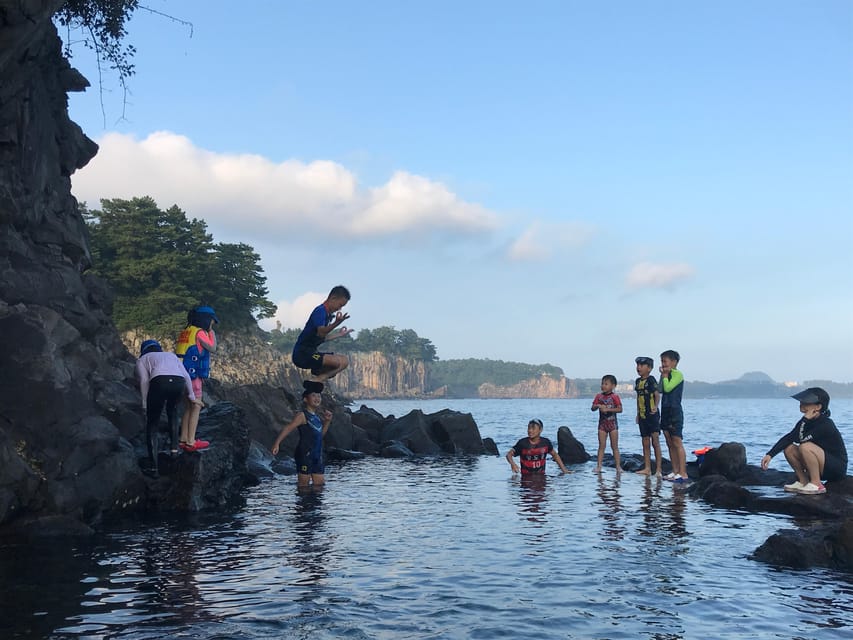
- Hyeopjae and Geumneung Beach area is built around the best part: sea-color time
- Shinchang Windmill Coastal Road delivers real “Jeju wind” with a proper coastal walk
- The finale is flexible: Sanbang Mountain, Songaksan, or Yongmeori Coast (you’ll do just one)
How this West Jeju day stays manageable (even at 9.5 hours)
This tour is long on purpose. Jeju is spread out, and the west side hits multiple different vibes in one day: gardens, tea culture, cafe street energy, ocean color, wind power, and temple-area scenery. You’re out for 570 minutes—about a long day you’ll remember, not a half-day sprint.
The practical win is that it’s set up for low stress. You’re picked up from the Seogwipo Maeil Olle Market area or other Seogwipo Old Town hotels, and if you’re staying farther out, pickup routes include the Casaloma Hotel in downtown Seogwipo as a collection point. That matters because on Jeju, “getting there” can eat half your day.
Transport is handled by a licensed driver with different vehicle sizes depending on the day (VAN, mini-bus, or bus). The important part for you: you won’t be squeezed into an uncomfortable ride for hours. The group size is also kept small (up to 12), which makes walking sections feel less chaotic.
Where you’ll want to be honest with yourself is energy level. There’s time for walking, plus a wind-and-coast segment where conditions can change fast. Jeju is windy, and the tour explicitly tells you to bring the right gear.
Camellia Hill Botanical Garden: the flower stop that works year-round
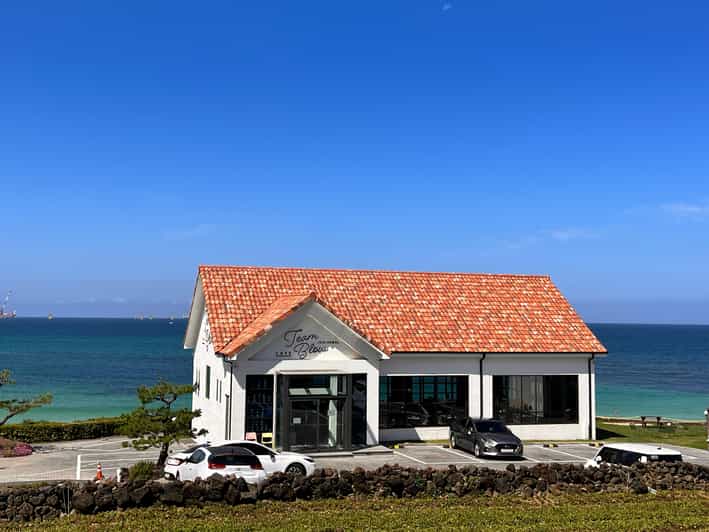
Camellia Hill is a “stop once, enjoy twice” kind of place. You get about an hour in a private-feeling flower garden, and the key detail is that it’s popular all year round. That’s a big deal if you’re traveling outside peak seasons, because you’re not gambling on bloom timing.
What you’ll likely enjoy here is the pace: you can stroll, pause, and let the colors do their job. This isn’t a museum you rush through. It’s more like a slow walk that breaks up the drive time and gets you into Jeju’s nature mode early.
Practical tips:
- Wear shoes you trust. Even if paths are well kept, you’ll be walking on outdoor ground.
- Bring a wind layer even in calmer weather. The tour later leans hard into wind, and you may as well dress for it early.
- If you like photos, this is one of your better chances because it’s a controlled garden environment.
O’sulloc Tea Museum and Innisfree: green tea scenery plus a brand moment
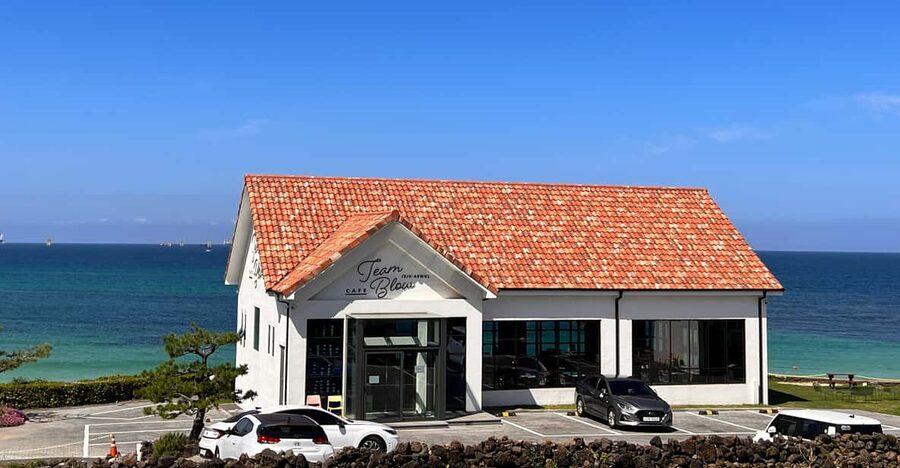
The O’sulloc area is where the day gets its “Jeju-ness” through tea. You’ll spend about an hour around the O’sulloc Green Tea Museum, and the setting is the point: green-tea trees and that rolling, plantation-style look that people come to Jeju for in the first place.
Then there’s an Innisfree cosmetic brand shop stop. Some tours gloss over this as shopping, but here it’s framed as part of the O’sulloc tea field story—more like a cultural detour tied to Jeju’s green tea identity. You’ll have time on-site, so you’re not trapped in a hard schedule.
A smart way to use this stop is to treat it as two mini-missions:
- If you care about tea: focus on the tea museum area first, then spend your remaining time on what you like most (walks, viewpoints, or the museum parts you find interesting).
- If you care about skincare or souvenirs: use the time you’ve got to compare products and decide without rushing.
One downside to flag: lunch isn’t included. So if you’re the type who needs food early, you may want a light snack strategy here and then plan your real meal for later.
Aewol Cafe Street break: good timing and the right kind of strolling
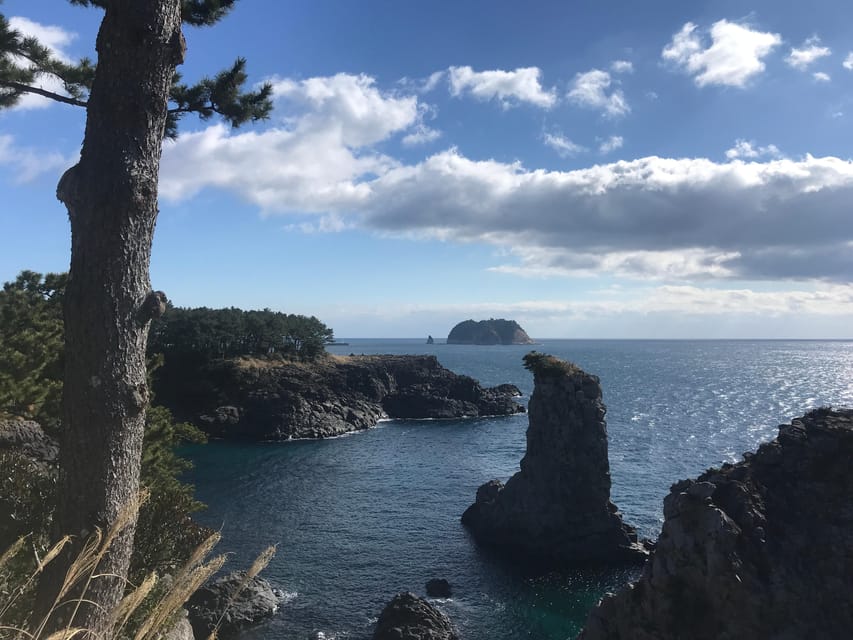
After tea and cosmetics, you’ll drive around 30 minutes to Aewol, then get about 50 minutes for the cafe street area with a light walk and a tea or coffee break.
Aewol is popular for a reason: it’s an easy place to reset. You’re not forced into a long uphill walk. Instead, you get a social, casual break where you can actually choose your pace—wander for photos, pop into a cafe, or just sit and watch the day move.
What I like about this segment is that it’s scheduled right before the ocean time. You’ll feel less travel-stiff later when you hit the beach area. Also, having a cafe break at this point means you can fix energy levels before the next wind-and-sea portions of the day.
If you want a smoother day: treat this like a planned pause, not a shopping marathon. Your best souvenir at Aewol might be a coffee you can enjoy while people-watching.
Hyeopjae and Geumneung Beach time: the sea-color payoff
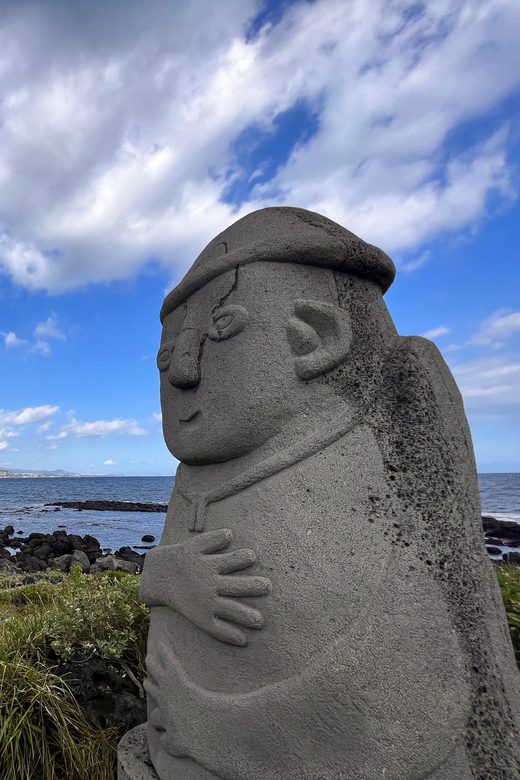
Next comes the beach segment. You’ll spend about an hour around Hyeopjae (with sightseeing and free time), with the tour description also emphasizing Hyeopjae and Geumneung beaches as a highlight area for sea color.
This is one of the best parts of Jeju because the “Jeju skill” is visual. When the weather cooperates, you’ll get those bright water colors that are hard to replicate inland or on cloudy days. Even when the light isn’t perfect, this is still a strong reset: salt air, horizon views, and a chance to walk at your own rhythm.
How to make it work for you:
- Bring something for wind. The beach can feel calm until it isn’t.
- If you’re sensitive to sun, you’ll want an umbrella or a hat. The tour specifically recommends sun blocking on bright days.
- Plan for flexible viewing. Sea color changes fast with clouds and wind.
Lunch happens at a resting and lunch area between segments (lunch itself isn’t included), so you’ll likely eat either here or soon after. If you need vegetarian or specific dietary help, the guide has helped search for options on Jeju days, so it’s worth mentioning your needs early.
Sinchang Windmill Coastal Road: chasing the real Jeju wind
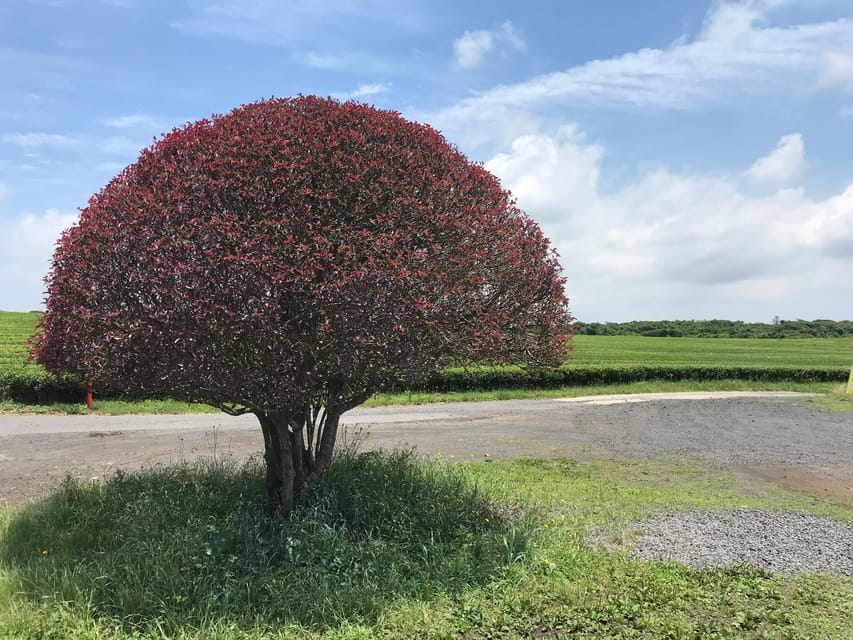
Then the day shifts from “pretty calm” to “yes, this is Jeju.” You’ll visit Shinchang Windmill Coastal Road, with about a 30-minute walk.
Jeju’s nickname is tied to this: the island is famous for wind, and this segment is designed so you feel it. Even if you think you understand what wind means, you’ll learn fast when you’re on the coast and the air is pushing sideways.
The best use of this walk is to keep it simple:
- Walk at your pace, and stop when you get a view you like.
- Don’t fight the wind. It’s not a test.
- Dress for it. A wind jacket is the correct call.
If you get lucky, you’ll also get coastal-sighting energy from the guide during the drive sections. One thing that shows up in the guide feedback: while traveling along the coastline, people have had chances to look out for dolphins. You might spot them; you might not. Either way, the coastline drive and viewpoint stops are part of the fun.
Sanbang Mountain vs Songaksan vs Yongmeori: your temple-area finale
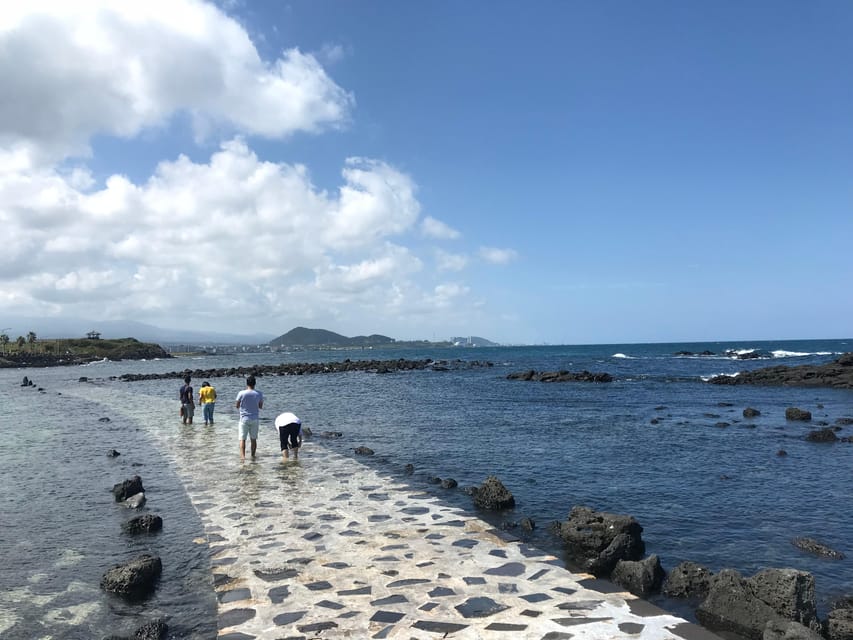
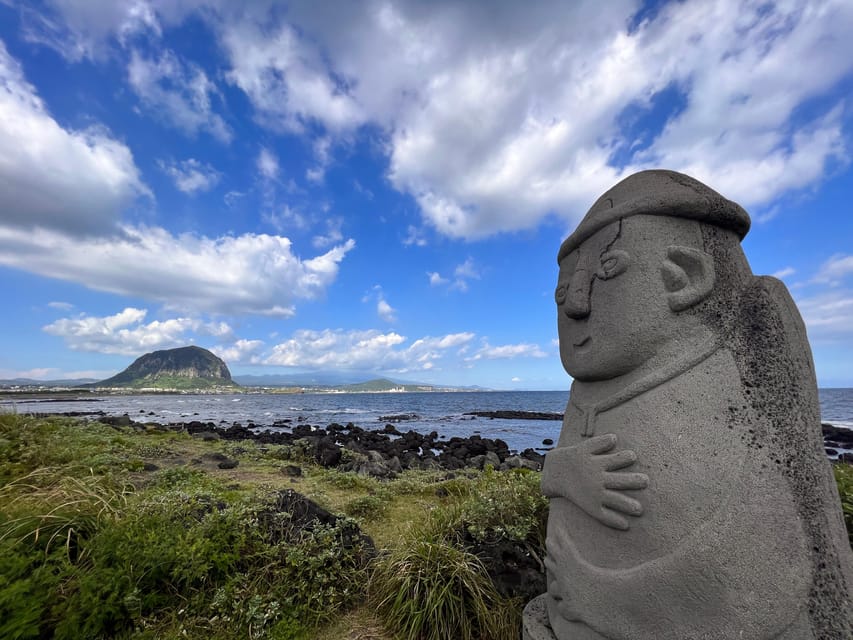
This is where the tour turns from scenic to spiritual—depending on your day. The plan is flexible at the end: you’ll only visit one of these options: Sanbang Mountain, Songaksan Mountain, or Yongmeori Coast.
On the Sanbang Mountain option, the focus is the temple area. You’ll get a guided tour and a walk toward Sanbangsa temple, with stairs designed for tourists. The tour frames the geology too: the temple climb is connected to the island’s volcanic rock features, tied to the coastal structure of nearby areas. Translation: it’s not just steps and signage. You’re seeing how the island’s shape influences what’s built and where the views land.
If you’re on the Yongmeori coast option, you’ll shift back toward coastal scenery. If you’re on Songaksan, you get yet another mountain/coast look. The guide chooses based on weather and your physical condition, which is the smart way to run a day like this on a windy island.
Why this matters for you:
- It gives you variety. One west-day doesn’t have to look like another.
- It helps you avoid weather traps. Cloudy or stormy conditions change what’s worth your walking time.
The one thing to remember: this part includes walking, and stairs are involved on the temple mountain route. If your legs tire easily, plan to take breaks and go slow.
The value math: what $88 covers and where you still spend
At $88 per person, this isn’t a “cheap bus ticket” style deal. It’s priced like a guided day, and you do get real inclusions.
Here’s what you should know is included:
- Licensed English-speaking guide (with Korean also available)
- Driver, fuel, parking fees
- Admission fees for the parks/areas you visit
- Meals for the guide and driver
- A small-group vehicle setup sized to the group day
What’s not included:
- Lunch (you’ll eat on your own during the lunch/rest period)
- Insurance, personal expenses
- Hotels and flights
- Anything not specifically stated in inclusions
In plain terms: you’re paying for time savings and for having someone handle routing and entrances. If you’re trying to DIY the west side from Seogwipo without a car, that convenience is where the value often shows up.
If you do have a rental car, the biggest difference is mental effort. You’d still need to plan parking and admissions and manage the wind timing across multiple stops. This tour wraps that into one day.
Who this tour fits best (and who might want a different plan)
This is a great pick if you:
- Want a west Jeju highlight circuit without committing to a rental car
- Like guided commentary and history-context style explanations
- Want small-group comfort (not a big-coach crush)
- Prefer a structured day with built-in free time blocks
It may not be your best choice if you:
- Want full control to stop randomly for photos whenever you like
- Hate long days and lots of transitions
- Need fully accessible routes. The tour notes it’s not suitable for people over 95, and there are walking sections plus stairs on the temple route.
Also, no pets are allowed (assistance dogs are the exception).
Should you book this West Jeju bus tour?
Yes, if you want one day that strings together the west coast’s best themes: camellias, tea, cafe downtime, ocean color, windmills, and a temple-area finale. The small-group setup plus the guide style—often Fabio, praised for friendly, professional, and engaging commentary—makes it feel more like a guided day with real attention to pacing than a rushed checklist.
I’d hold off if you’re traveling with very low stamina for walking, you’re hoping for lunch to be included, or you want a highly flexible plan with no scheduled transfers. In that case, a DIY car day might suit you better.
If you do book, pack for wind and quick weather changes. Jeju can feel dramatic fast, and being prepared turns “unexpected” into “enjoyable.”
FAQ
Where does pickup happen for this West Jeju tour?
Pickup is available from hotels in Seogwipo Old Town, and you’ll be notified of availability the day before. Your tour also can start from hotels in the area, with Casaloma Hotel listed as a pickup location for travelers staying outside Seogwipo city center. The pickup location is also stated as Seogwipo Maeil Olle Market.
How long is the tour, and is lunch included?
The tour runs for 570 minutes. Lunch is not included, so you’ll want to plan for a meal during the lunch/rest stop.
What’s included in the price?
The price includes transport (car/van/mini-bus/bus depending on group size), a licensed English-speaking guide (also Korean), the driver, gasoline and parking fees, guide and driver meals, and admission fees for all parks.
Do we visit all final scenic options at the end?
No. The tour states that you will visit only one of these options: Sanbang Mountain, Songaksan, or Yongmeori Coast. The guide chooses based on weather and travelers’ physical condition.
How big is the group?
It’s described as a small group, limited to 12 participants.
What should I pack for Jeju wind during this tour?
The tour specifically warns that Jeju is windy. Bring a wind jacket. In summer, a raincoat and flip-flops are suggested, and on sunny days an umbrella can help with sun protection.