
Lisbon is made for hop-on freedom. I like that you can choose among five routes and build your own day around the sights, especially the Belém monuments like Jerónimos Monastery and Belém Tower. I also like the practical extras: audio in 16 languages, plus a free digital walking tour for the old quarters. The main drawback to watch for is timing—some routes don’t run all day, so buying just a 24-hour ticket may feel tight if you want every line.
You start at Marquês de Pombal, then use the buses to connect major neighborhoods without wrestling with transfers. With a 48- or 72-hour ticket, the whole thing makes more sense, because you can revisit areas (or swap to the route you actually enjoy most).
In This Review
- Key points to know before you board
- How this Lisbon hop-on hop-off works (and why it’s worth it)
- Choosing the right ticket length: 24, 48, or 72 hours
- Getting on at Marquês de Pombal: start smart, save steps
- The five routes: what each one is really good for
- Belém Line: monuments plus riverfront Lisbon
- Orient Line: Parque das Nações, shopping, and museum areas
- Castle Line: Alfama-style streets and Fado mood
- Cascais Line: coastal views and sandy breaks
- Uptown (Purple) Line: modern Lisbon, shopping, and the Zoo
- Audio guides and the digital walking tour: how to get meaning, not just motion
- Audio guides in 16 languages
- Free digital walking tour for the old quarters
- Comfort, onboard perks, and real-world pacing
- Discounts that can make a difference (if you use them)
- When the night tour helps (and when it doesn’t)
- The practical downsides to consider
- Who should book this bus tour?
- Should you book? My call
Key points to know before you board

- Five separate lines let you tailor the trip to Belém, Alfama/Fado vibes, coastal Cascais/Estoril, Parque das Nações, and Lisbon’s modern shopping streets
- Audio guides in 16 languages + onboard Wi‑Fi make it easy even if you’re jumping on for just one segment
- Jerónimos Monastery and Belém Tower are covered on the Belém line, so you get the headline sights without planning a route first
- A free digital walking tour helps you transition from bus stops into the old-quarter streets on foot
- Uptown (Purple) Line is the best fit if you care about modern areas plus stops for the Lisbon Zoo and big shopping centers
- One heads-up: the experience is mostly recorded narration (not a live guide during the ride)
How this Lisbon hop-on hop-off works (and why it’s worth it)
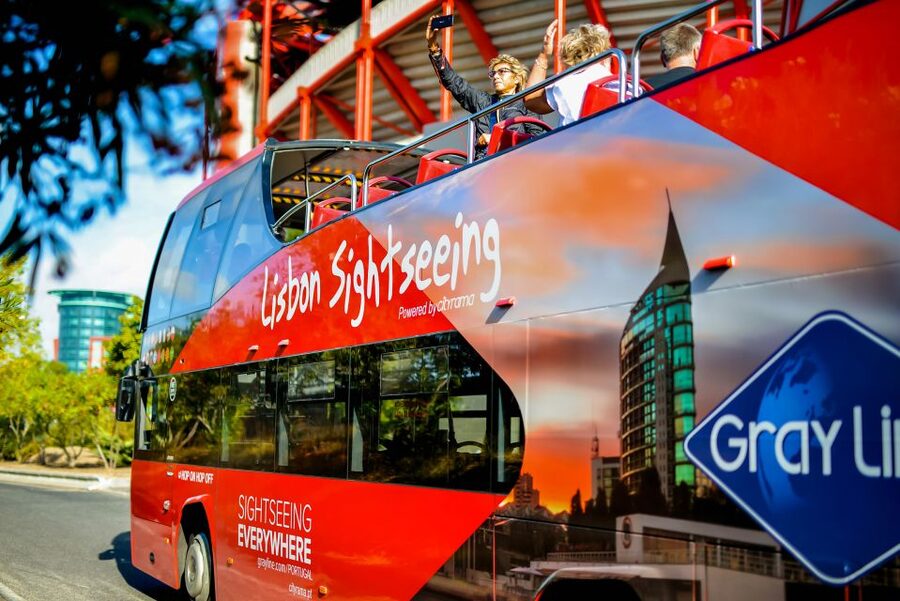
This isn’t a single loop. It’s a set of connected routes that spread across the city, so you can treat the bus like a tool for getting around—not a rigid tour that drags you along. That matters in Lisbon. The city is compact in some places and steep in others, and the quickest way to waste time is committing to one neighborhood and then getting stuck trying to “cross town” on foot.
With a hop-on hop-off setup, you can do what Lisbon rewards: pause where you care, then move when you’re ready. If you’re in the mood for monuments, you lean toward the Belém line. If you want historic streets and the right atmosphere for Fado, you use the Castle line. If you’d rather spend the day with ocean air and beaches, you shift to the Cascais line.
The other reason this style of tour makes sense is information. The buses include audio guides in 16 languages, so you’re not stuck staring at a map while everyone else seems to know what they’re seeing. You can listen for a stop or two, jump off, then come back later without losing your place.
Choosing the right ticket length: 24, 48, or 72 hours
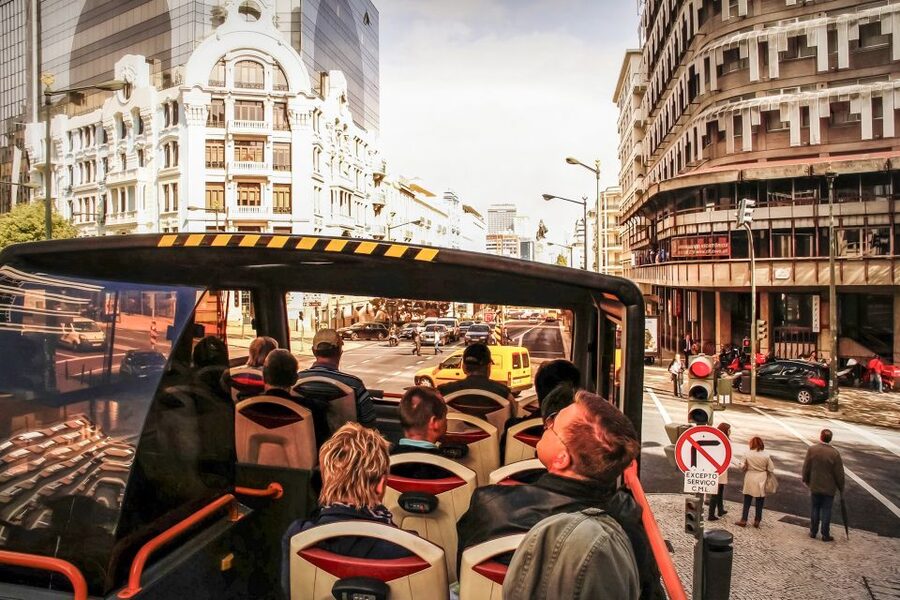
The listing price you’ll see is around $33 per person, but the real value comes from the ticket window and how many lines you plan to ride. You can buy a ticket valid 24, 48, or 72 hours, and the bus operation is scheduled to run in daytime blocks (not 24/7 sightseeing).
Here’s the practical way to choose:
- If you only want one or two areas, a shorter ticket can work. You’ll still have flexibility to hop off for a slow coffee or a quick walk between viewpoints.
- If you want the “do it all” Lisbon plan—Belém monuments one day, Alfama-style streets another, and maybe a coastal segment—then 48 or 72 hours gives you breathing room.
- If you’re tempted to buy the minimum and then force every route in, plan for disappointment. In real life, some routes don’t operate across the full day window, so you can run out of time before you get to everything.
If you like a calm itinerary, I’d lean 48 hours as a minimum, 72 hours if you’re seeing Lisbon for the first time or you know you want multiple neighborhoods.
Getting on at Marquês de Pombal: start smart, save steps

You redeem your voucher at the bus terminal at Marquês de Pombal. That’s useful because it gives you a clear starting point and a “home base” to return to later.
Before you board, do two things:
- Put on comfortable shoes. Lisbon is walkable, but not “flat walkable.”
- Leave room for walking between the stop you use and the attraction you’re aiming for. Hop-on hop-off buses get you close, but you still need a little foot time to enjoy Lisbon properly.
Also note one small but annoying rule: umbrellas aren’t allowed on the buses. If you’re traveling in a season with sudden showers, bring rain protection that can fold or stay in a bag.
The five routes: what each one is really good for
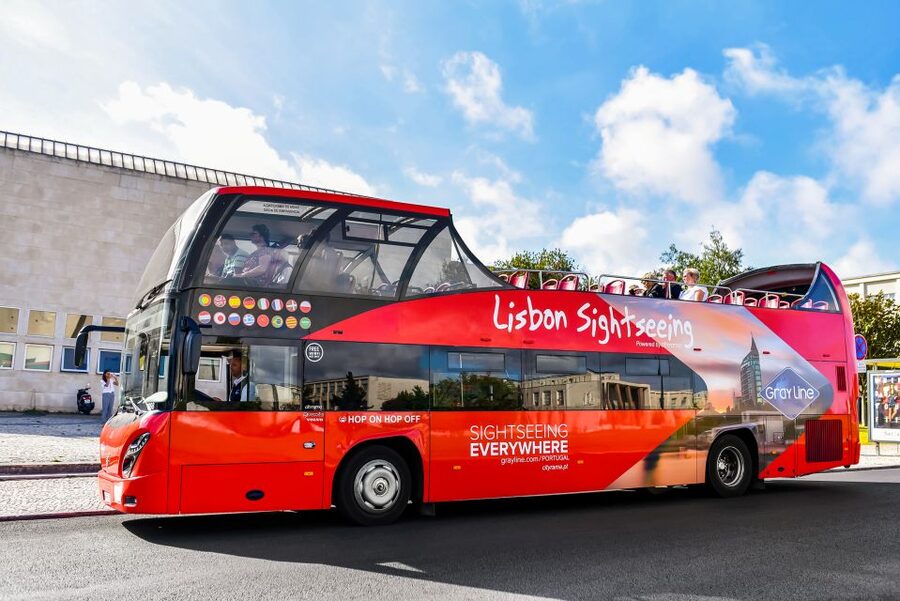
The big advantage here is that each line has a clear personality. Use that, and you’ll end up with a trip that feels curated, even though you’re choosing it yourself.
Belém Line: monuments plus riverfront Lisbon
This is the one you’ll want if you’re chasing postcard Lisbon. The Belém line is also called the Portuguese Discoveries Line, and it’s designed to connect the most famous monument area in the city.
What you can expect:
- Jerónimos Monastery and Belém Tower are part of this line’s coverage
- It’s a culture/architecture/history route, so it pairs well with audio listening while you’re riding and then time outside while you explore
Tip: if you’re hungry for monuments, use the Belém line as your first “orientation day.” Do the big sights, then decide whether you want a second visit for museums or just the waterfront atmosphere.
A practical drawback: if you’re traveling mainly on a short ticket and you also want the other neighborhoods, Belém can swallow a lot of time because the sights are popular and worth slowing down for.
Orient Line: Parque das Nações, shopping, and museum areas
The Orient line takes you to Parque das Nações, the modern district tied to the 1998 World Fair. This is a nice contrast to the older parts of Lisbon.
On this line, you’re looking at:
- The chance to visit the Lisbon Oceanarium
- Time around Vasco da Gama Shopping Centre
- Pass-by views and access to areas with museums, fashion, art, antique shops, and places to eat
- A connection toward viewpoints and traditional neighborhoods, including the area connected with Alfama
Why it matters: if you want a day that mixes sightseeing with easy indoor time (aquarium, shopping, museums), this is the line to build around. It’s also a good option if the weather turns or if you’re traveling with people who need a “sit-down” break.
Castle Line: Alfama-style streets and Fado mood
The Castle line focuses on traditional neighborhoods and the feeling of old Lisbon. It’s the best match if you want the narrow streets and the atmosphere where Fado fits naturally into the evening.
You can expect:
- Access to traditional areas and street views tied to the historic side of Lisbon
- A route that’s built around the classic feel: low houses, tight lanes, and the kind of views that make you stop often
One detail worth knowing: the Castle line uses single-decker buses, not double-deckers. That won’t ruin your day, but it can affect how you view the city and where you end up sitting.
If you’re the type who likes wandering without rigid planning, this line is the one you’ll use the most, because once you hop off, you can keep moving on foot in whatever direction looks good.
Cascais Line: coastal views and sandy breaks
If you want the Costa do Sol feel, the Cascais line is the route to prioritize. It’s designed to connect Lisbon’s city experience to the seaside mood just outside the center.
What it’s good for:
- Coastal scenery and the chance to spend time near extensive sandy beaches
- Stops connected to Cascais and Estoril, plus their history and vibe
This is a great family-friendly or relaxation-forward line. But it also requires a mindset shift: plan less, linger more. The bus gets you there; then the ocean does the rest.
Uptown (Purple) Line: modern Lisbon, shopping, and the Zoo
The Uptown line, also called the Purple Line, is a different kind of Lisbon. It gives you the modern and residential side, including business and contemporary shopping and cultural zones.
On this route, you’ll find:
- A contrast to the historic parts like Belém or Alfama
- Access to residential and university districts
- Stops at Colombo and the Lisbon Zoo, which makes it especially useful for families or anyone who wants big shopping stops
If you hate repeating the same views, this is the line that breaks the pattern. It also helps if you want an afternoon that doesn’t revolve entirely around monuments and photo stops.
Audio guides and the digital walking tour: how to get meaning, not just motion

The ride is practical, but it becomes memorable when you turn it into a guided flow.
Audio guides in 16 languages
You get audio guidance in: Basque, Catalan, Chinese, Dutch, English, French, German, Greek, Italian, Japanese, Portuguese, Russian, Spanish. That’s a lot of coverage, and it’s a big deal if your group includes different language speakers.
Do expect the narration to be recorded rather than live. Some people find that totally fine—others find it repetitive on certain lines. If you’re sensitive to that, I’d use the audio for the first pass on a route, then switch to “watch mode” while you’re walking.
Free digital walking tour for the old quarters
You also get a free digital walking tour focused on Lisbon’s old quarters, available in 5 languages. This is a smart add-on because it bridges the gap between bus stops and real street-level Lisbon.
How to use it:
- Hop off at your chosen neighborhood stop
- Start the walking tour when you’re close enough to feel the setting
- Treat it as a guide for what to look for, not a checklist you must finish
Comfort, onboard perks, and real-world pacing
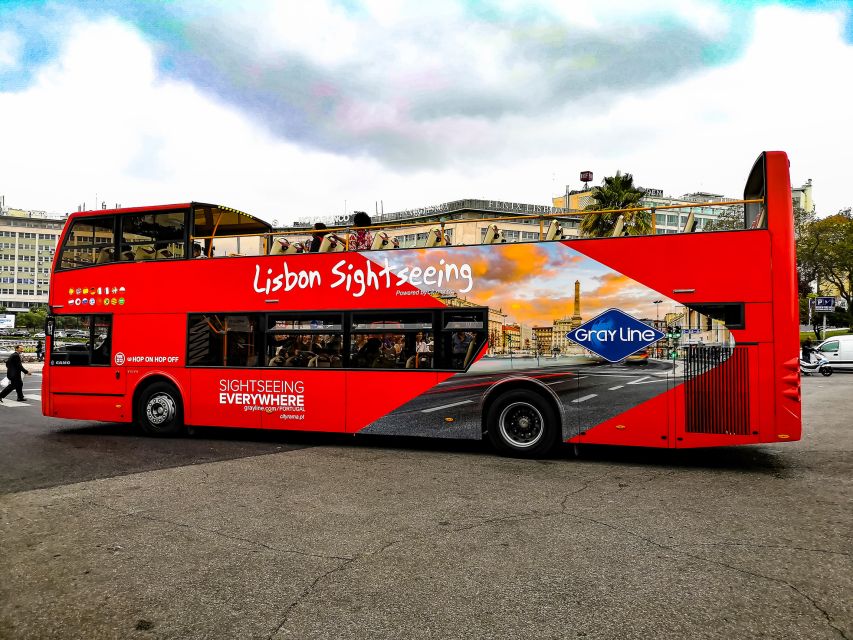
You’re not stuck in a loud, sweaty vehicle. The tour includes Wi‑Fi onboard, which can be handy for maps, translation, or sharing photos fast. And the driver provides English, which can help if you need a quick routing check.
Pacing-wise, this is designed to let you linger. One of the best things about hop-on hop-off is not rushing to the next stop just to prove you stayed on the bus. You can step off for viewpoints, a slow meal, or shopping you actually want to do, then re-board later.
A small caution: the schedules are loop-based and time-window based. One verified note points out that the shorter ticket might not cover every route because of the daytime operating hours. So if you’re a “see everything” planner, don’t assume 24 hours means full coverage.
Discounts that can make a difference (if you use them)
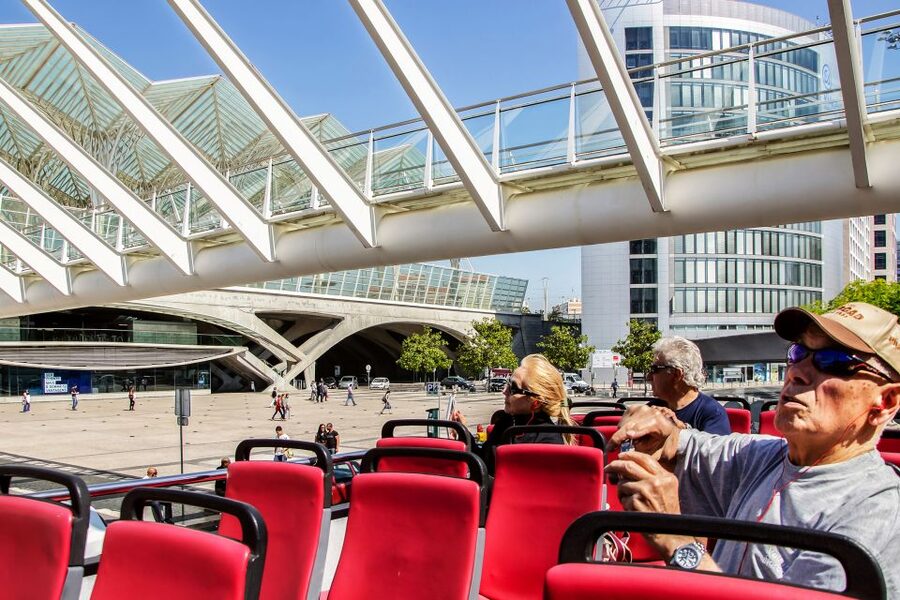
This ticket includes discounts on major attractions, museums, restaurants, and shops. The list includes:
- Gulbenkian Museum
- Navy Museum
- Royal Treasure Museum
- Quake – Lisbon Earthquake Museum
- Vasco da Gama Aquarium
- CAM
- El Corte Inglés
- Hard Rock Cafe
…and more, with discounts unlocked by presenting the hop-on hop-off ticket.
This matters because Lisbon attractions can add up quickly. If you already know you want one or two paid experiences—like a museum or the aquarium—this can nudge the deal closer to “more worth it than it looks at first glance.”
When the night tour helps (and when it doesn’t)
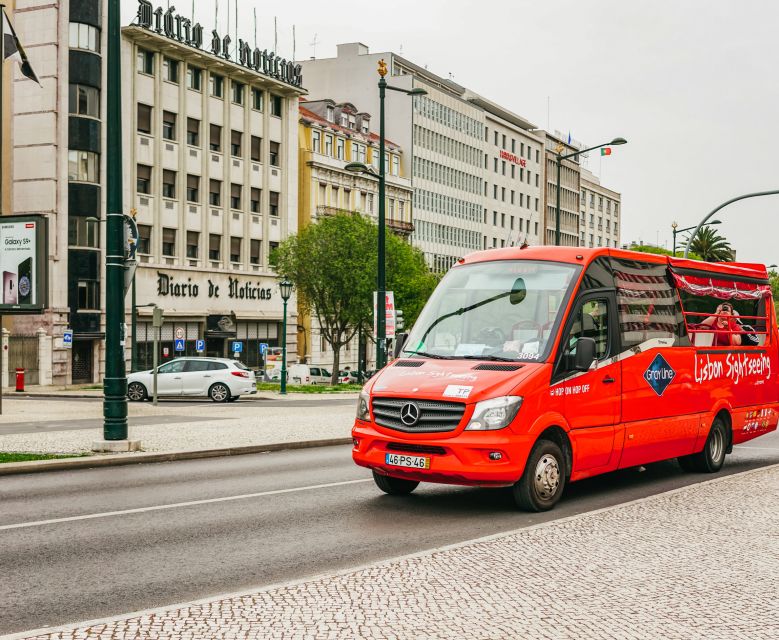
There is a night tour option that’s tied to certain ticket packages, and it departs from Restauradores Square (linked to stop number 2 on the Belém line). But it’s listed as temporarily unavailable.
If you were hoping for nighttime sightseeing, plan a backup: use your day routes to get the best viewpoints, then do evening walks on your own instead of relying on that specific tour.
The practical downsides to consider

This is a strong value style of sightseeing, but a few points can affect your enjoyment:
- Not ideal for mobility impairments. The tour is listed as not suitable for people with mobility impairments.
- Recorded audio vs live narration. Some people expect a live guide in every format and can feel disappointed when the bus narration is a recording.
- Route timing matters. If you only buy a 24-hour ticket, you may miss lines because service runs in a daytime window.
- Castle line bus type. It uses single-decker buses, which can change your viewing comfort compared to double-decker experiences.
None of these are dealbreakers for the right traveler. They just tell you how to plan.
Who should book this bus tour?
I think this works best for you if:
- You’re visiting Lisbon for the first time and want fast neighborhood coverage
- You enjoy choosing your own pace—hop off for viewpoints, monuments, shopping, then hop back on
- You like mixing big-ticket sights with flexible wandering
- Your group includes different interests: monuments (Belém), street atmosphere (Castle/Alfama vibe), coastal time (Cascais), modern shopping and attractions (Orient/Uptown)
It’s less ideal if:
- You need step-free or wheelchair-friendly access (the tour is not suitable for mobility impairments)
- You expect a live, conversational guide during the bus ride itself
- You’re trying to compress every route into a short ticket without checking service hours
Should you book? My call
Book it if you want a practical way to cover Lisbon’s major areas without building a complex transport plan from scratch. The best “win” is how it lets you match your time to your mood: monuments on the Belém line, Fado energy on the Castle line, ocean time on Cascais, and modern Lisbon on Orient and Uptown.
But if you’re the type who only wants one area and one day, you might not need the longer ticket. And if you’re aiming to ride every line, do yourself a favor and choose 48 or 72 hours, not 24—Lisbon gives you plenty to do, and the buses work best when you’re not rushing the schedule.
If you want an easy first move in Lisbon—this is a solid one.