Northern lights in Tromsø start with a good plan. This aurora safari chase pairs comfortable bus transport with a private camp stop, so you’re not just standing around hoping the sky cooperates. I like the way the experience keeps moving based on conditions, with local hosts guiding you through the night, including the kind of patient, funny energy you might get from guides like Juan.
I especially love the warm setup once you arrive: thermal gear, hot drinks, and Norwegian cake (lefse) while you wait for the sky to light up. It’s also a big plus that your guide helps with real photo work, including getting photos of you with the aurora (not just pointing at the sky and wishing you luck).
The main drawback? Aurora viewing is still weather-dependent. If clouds roll in, you may end up with a night that’s still cozy and fun, but not the lights show you came for—just like one of the clearer cautionary notes shows up in real-world expectations.
In This Review
- Key Points to Know Before You Go
- Why This Tromsø Aurora Safari Ride Feels Worth It
- Getting Started at Bus Terminal Prostneset (and Why the Bus Stage Is Part of the Deal)
- The Forecast-Driven Camp Chase: How They Improve Your Odds
- Inside the Aurora Camp: Warm Shelter, Bonfires, and Real Norwegian Snacks
- Aurora Photo Strategy: Tripods, Guide Shots, and Smartphone Reality
- What the Night’s Timing Feels Like (5 to 7 Hours of Moving Parts)
- Price and Value: What $146 Really Buys
- When Clouds Win: How to Think About Aurora Chances
- Who Should Book This Tour (and Who Might Prefer Something Else)
- Should You Book This Aurora Safari Chase?
- FAQ
- Where do I check in for the tour?
- How long is the aurora safari chase?
- What’s included in the price?
- Do I need to bring warm clothes?
- Are there bathrooms on the tour?
- Will I get photos from the tour?
- Do I get a tripod?
- What happens if the weather is cloudy?
Key Points to Know Before You Go
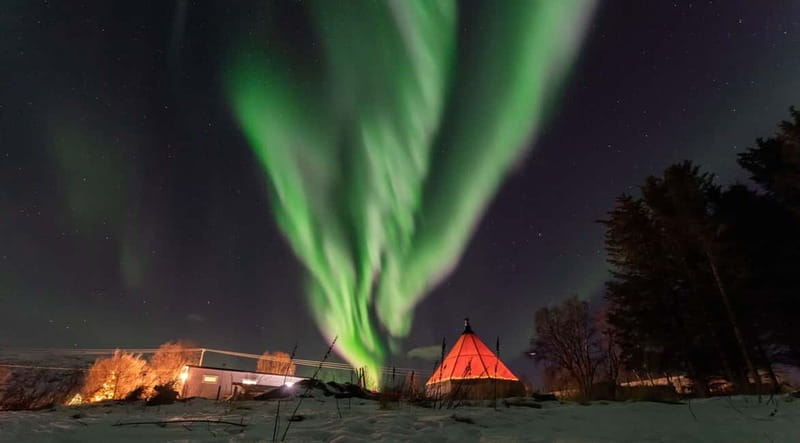
- Forecast-driven camp locations help you chase clearer skies during the tour.
- Thermal suits, warm overalls, and hot drinks turn waiting outside into something you can actually enjoy.
- Tripods plus guide photo help mean you’re not guessing your way through settings all night.
- Camp meal included (hot soup or stew, plus lefse) keeps you fueled while you hunt the lights.
- Web-resolution photos included, with optional high-resolution prints later for purchase.
- The bus experience matters too: toilet, Wi‑Fi, charging stations, and an aurora video while you travel.
Why This Tromsø Aurora Safari Ride Feels Worth It
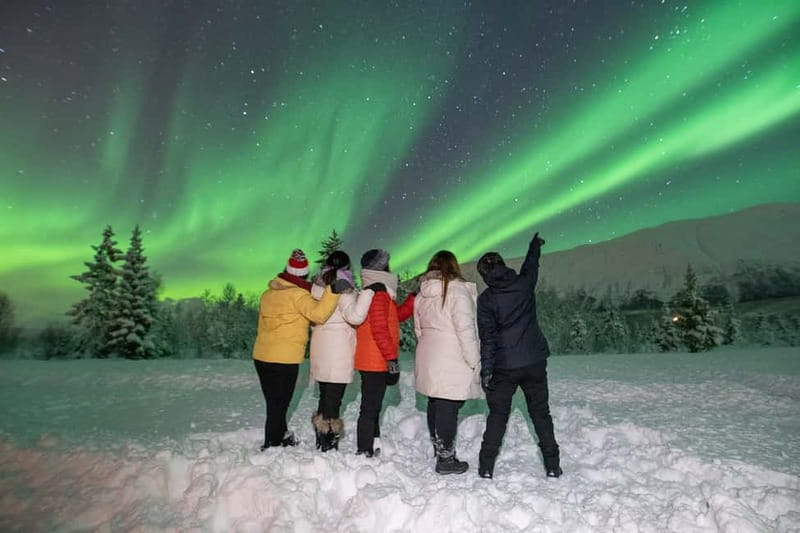
Tromsø can be magical, but aurora nights are also a game of timing and conditions. This tour is built around the practical stuff: getting you out of town comfortably, putting you in the right waiting spot, and keeping the group active if the sky turns cloudy. That’s a more reliable approach than the usual plan of hop out, stare upward, and hope.
I also like the balance between comfort and outdoors time. You’re not just stuck in a cold field; you’re given warm clothing layers to borrow, then fed, then shown how to shoot the lights. The goal is to make the night enjoyable even if the aurora is shy.
One more thing: you meet the local operators and see how their camp works, not just pass through scenery. Some guides and hosts bring personality and patience to the group, which matters when you’re moving in and out of shelter while people try to photograph a rapidly changing sky.
Getting Started at Bus Terminal Prostneset (and Why the Bus Stage Is Part of the Deal)
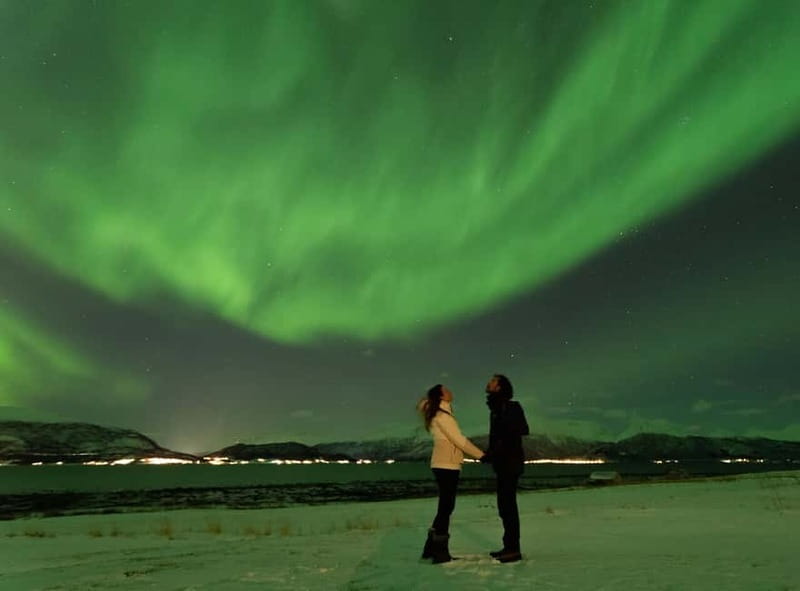
Your evening begins with check-in at the Best Arctic desk inside Bus Terminal Prostneset (Samuel Arnesens Gate 1, Tromsø), upper floor. From there, you climb aboard a comfortable coach that’s designed for long northern nights: it has an onboard toilet, plus Wi‑Fi and charging stations.
While you’re driving out, you’re not just sitting in silence. There’s a Northern Lights informative video on the bus, which helps you recognize what to look for—especially if you’re new to aurora photography. You’re also better prepared for when the first faint shimmer appears, because you’ve already been told what the lights can look like in different conditions.
Logistics-wise, the bus is part of the value. You don’t have to coordinate your own rides in the dark, and you get to arrive with energy instead of starting the night already exhausted.
The Forecast-Driven Camp Chase: How They Improve Your Odds
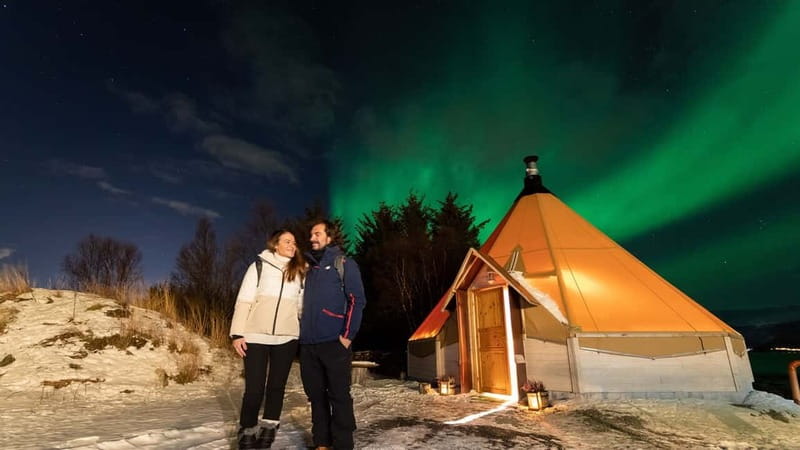
Here’s the smartest part of this experience: the tour heads to a camp chosen for the best chances of clear skies based on the weather forecast. That means you’re not randomly driving around hoping for a break in cloud cover. The guide is actively watching what the sky is doing and making the next move.
Once you arrive, you get a warm welcome from the local host at the Aurora Camp. This is where the tour feels more “real” than a roadside lookout. You’ll typically start by getting into the gear—thermal suit borrowing is part of what’s included—then settle into the camp setup while the aurora opportunity develops.
If the weather turns worse, the guide doesn’t just shrug. You finish your hot drink, climb back on the bus, and the group looks for clearer skies elsewhere. That flexibility is huge. Aurora nights can change fast, and being able to pivot without losing the whole evening is what separates a good chase from a frustrating one.
Inside the Aurora Camp: Warm Shelter, Bonfires, and Real Norwegian Snacks
The camp itself is designed for waiting comfortably. You’ll find a warm shelter where people can sit, regroup, and keep their attention on the sky without freezing. When conditions allow, there’s also a bonfire outside, which makes the wait feel like a shared experience rather than a solo endurance challenge.
Food is a major part of why I think this tour is a good buy. You get hot chocolate, coffee, tea, and Norwegian cake (lefse). On top of that, there’s an included hot meal—either fish or meat soup or stew depending on the camp, with a vegetarian alternative available on request. That matters because the cold outdoors can drain you, and then the aurora moment comes and you’re tired instead of focused.
You’ll also see why they provide gear and shelter together. The thermal suit and warm overalls help you stay comfortable enough to stand around with your camera ready, not just duck back inside every two minutes. In one night out there, that difference is the whole ball game.
One small practical note: bathrooms are available on location, and the bus also has a toilet, so you’re not stuck improvising in remote conditions.
Aurora Photo Strategy: Tripods, Guide Shots, and Smartphone Reality
If you care about photos, this tour is structured to get you results. Tripods are provided for use during your time at the Aurora Safari Camp, which saves you from the usual problem: everyone tries to shoot with a phone in the dark while holding a camera like it’s a flashlight.
Your guide also helps with the human side of photography. You can set up your tripod, but the tour also includes guide-taken photos of you with the northern lights behind you. That’s a huge improvement over “someone hold the camera for me” chaos, especially with groups.
Even if you’re mainly shooting with your smartphone, the night doesn’t leave you alone. Guides often offer pointers on how to capture auroras with phone cameras and how to get your settings closer to workable. You’ll spend time looking at the sky constantly—because auroras can show up in flashes, then fade, then return.
A detail I think you’ll appreciate: the tour includes web-resolution photos available for free shortly after the experience. If you want print-quality, logo-free images, high-resolution versions can be purchased later through the provider’s site.
And yes, sometimes you might even get extra opportunities. One of the most satisfying moments in these nights is when the coach stops en route back so you can take more photos—because the aurora might hit its strongest phase right before you go.
What the Night’s Timing Feels Like (5 to 7 Hours of Moving Parts)
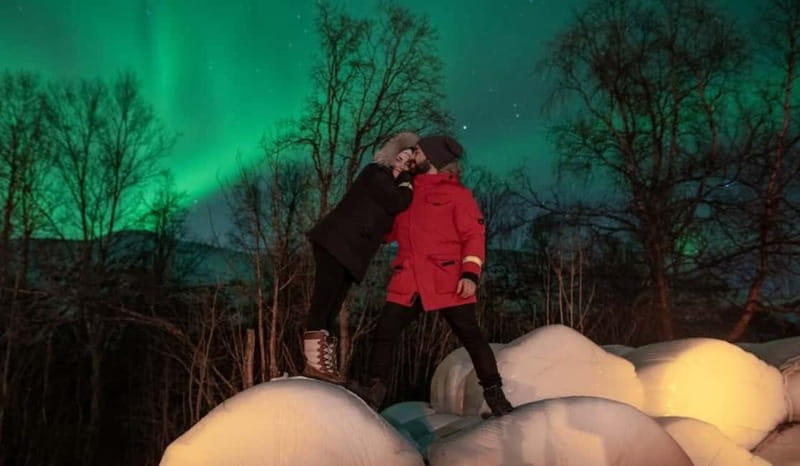
This safari chase runs between about 5 and 7 hours depending on conditions and scheduling. Plan your evening as a full chunk, not a quick stop. The time includes bus travel, camp waiting, and the possibility of moving locations if clouds block the view.
The flow usually looks like:
- Check-in, then drive out with an aurora video on the bus
- Arrive at a forecast-picked camp
- Get welcomed, put on thermal gear, and wait for aurora activity
- Eat, drink, and shoot photos as opportunities appear
- If needed, relocate by bus to chase clearer skies
Because you’re not just waiting in one place, the night can feel more active and less nerve-wracking. You’ll still be staring up a lot—but it’s productive staring.
Price and Value: What $146 Really Buys
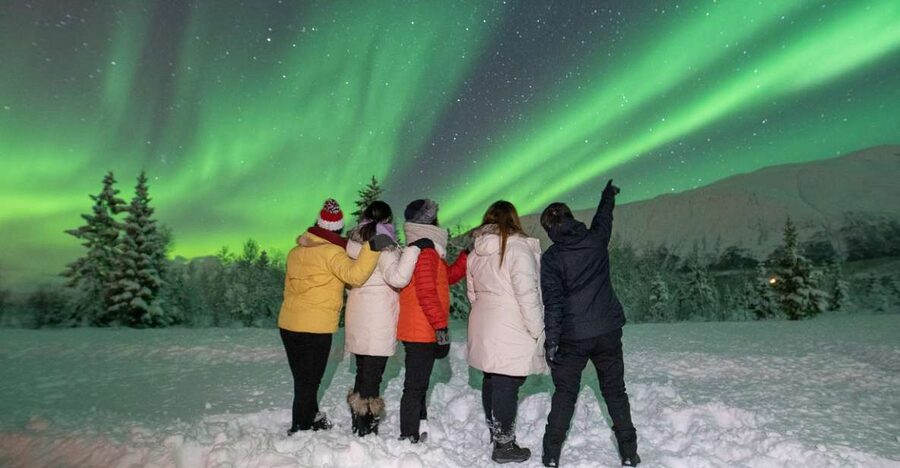
At $146 per person, you’re paying for more than transportation and a quick aurora peek. The cost covers a set of practical items and experiences that would add up fast if you tried to copy them on your own.
Here’s what’s included that affects actual comfort and photo quality:
- English-speaking guide
- Bus transport with toilet, Wi‑Fi, and charging
- Private aurora camp
- Toilet facilities on location
- Northern lights film during the drive
- Hot drinks plus lefse
- Hot soup or stew meal (with vegetarian option on request)
- Warm overalls to use at the camp
- Thermal suit borrowing
- Tripods during your camp time
- Web-resolution tour photos
Then there are what you supply yourself: warm clothing, gloves, a hat, waterproof shoes or warm boots, and a scarf. Those personal items are on you, but the tour covers the specialized outer layer gear needed for the camp.
When aurora nights can’t be guaranteed, value becomes about the quality of everything around the lights. This tour makes the waiting part enjoyable: warm shelter, real food, and photo support. Even on a partial or cloudy night, you’re still buying a structured Arctic evening rather than a gamble with nothing else going for it.
When Clouds Win: How to Think About Aurora Chances
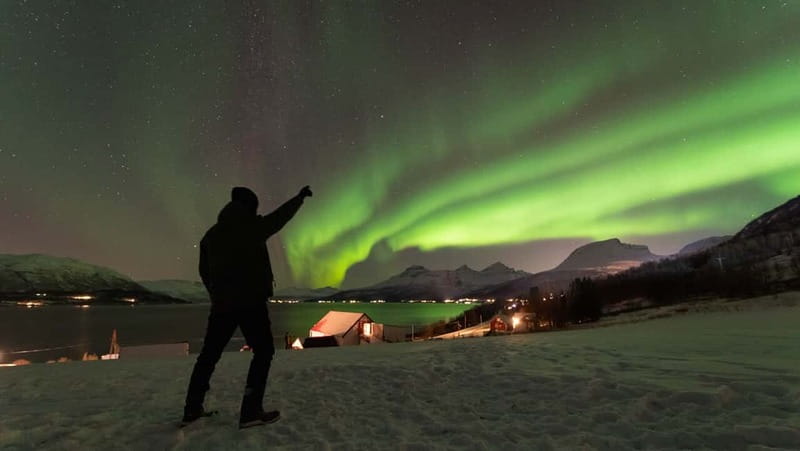
Let’s be honest: even the best aurora chase can run into cloud cover. This tour actively works around that by moving locations if the weather changes, but it can’t control the sky.
So I’d go in with the right mindset. You’re not only paying to see lights—you’re paying for a night in Tromsø’s winter outdoors with comfort, local hosting, and photo help. If you get lucky, the whole night clicks. If you don’t, you still leave with guided context, a warm camp meal, and photos you may not have expected to get.
That balance shows up in the way the tour is designed. Tripods and guide shots are there so you can capture something even when the aurora is subtle. Warm shelter keeps morale up when the sky is slow. And relocation gives you additional chances instead of closing the night early.
Who Should Book This Tour (and Who Might Prefer Something Else)
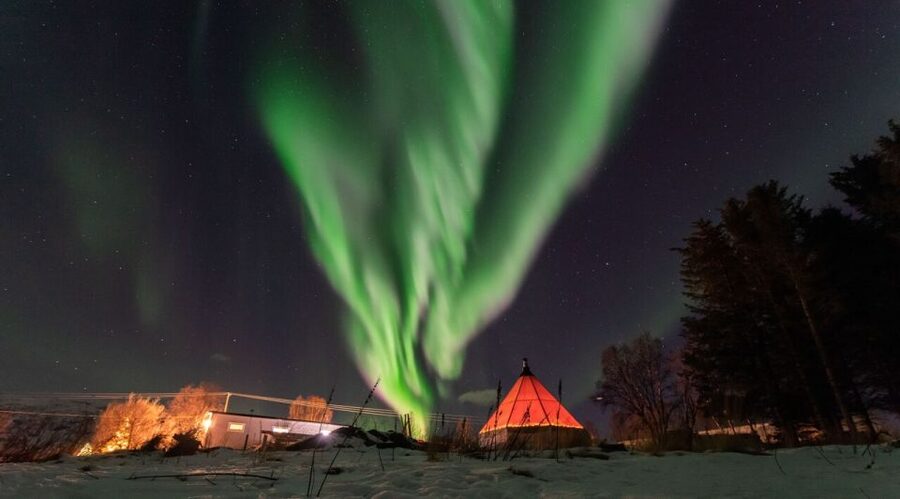
This works best if you want:
- A guided aurora experience in English
- Help with photos, including guide-taken shots and tripod support
- Comfort-first camp time with hot drinks and a proper included meal
- The chance to chase better skies with forecast-based relocation
It’s also a good fit if you’d rather not handle cold-weather logistics on your own. Between thermal suit borrowing and warm overalls, the tour removes a lot of the gear stress.
It may not be for everyone. It’s not suitable for children under 4, and it isn’t suited for people with mobility impairments. If you fall into those categories, you’ll want to look for a different format that better matches your needs.
Should You Book This Aurora Safari Chase?
I’d book it if you want a balanced aurora night: comfortable bus, warm private camp, included food, and real photo help. The structure matters. You’ll spend your time waiting in warmth, eating something hot, and getting support for your camera instead of burning energy and freezing in one spot.
I’d think twice only if you’re extremely focused on aurora intensity as the only acceptable outcome. Since cloud cover can happen, treat the lights as the highlight, not the sole reason this tour exists. The camp warmth and meal are not filler—they’re the difference between a fun Arctic night and a miserable night outdoors.
If you’re aiming for the best odds while still enjoying the experience no matter what the sky does, this Tromsø aurora safari chase is a solid choice.
FAQ
Where do I check in for the tour?
You check in at the Best Arctic desk inside Bus Terminal Prostneset (Samuel Arnesens Gate 1, Tromsø) on the upper floor.
How long is the aurora safari chase?
The tour lasts between about 5 and 7 hours.
What’s included in the price?
It includes an English-speaking guide, bus transport (with onboard toilet, Wi‑Fi, and charging), a private aurora camp, toilet facilities on location, a northern lights video on the bus, hot drinks and Norwegian cake (lefse), and a hot soup or stew meal (fish or meat, with vegetarian option available on request). It also includes warm overalls for use at the camp, thermal suit borrowing, tripods, and web-resolution tour photos.
Do I need to bring warm clothes?
Yes. You should bring warm clothing, a hat, gloves, waterproof shoes, warm shoes, and a scarf. The tour provides certain gear to borrow for camp time, but you still need your own cold-weather items.
Are there bathrooms on the tour?
Yes. There is a toilet on the bus and toilet facilities at the Aurora Camp.
Will I get photos from the tour?
Yes. Web-resolution pictures are included and can be downloaded for free shortly after the tour. High-resolution, logo-free photos for print can be purchased later.
Do I get a tripod?
Tripods are provided for use during your stay at the Aurora Safari Camp.
What happens if the weather is cloudy?
The guide will check conditions and may move to a different location to look for clearer skies.