A windy island can feel like a puzzle, but this bus tour keeps it simple. I like how the ride gives you big-picture island coverage without you wrestling with unfamiliar roads, and I also like the way the guide (often Stan) turns each stop into a clear story you can carry to the next viewpoint. One thing to keep in mind: the route is set, so you won’t get an Edgartown harbor-style detour.
The biggest win here is pacing. You get scheduled time to look, stretch your legs, and use restroom breaks, without the stress of figuring out drive times and parking on a tourist-heavy weekend. If you’re traveling in light rain or fog, that’s usually manageable too—this tour provides rain ponchos and a comfy bus with air-conditioning.
In This Review
- Key points I think you’ll care about
- A smart first-day plan for Martha’s Vineyard
- Price and value: what $60 really buys you
- Onboard experience: ponchos, A/C, and the 1800s visual screen
- East Chop Lighthouse: the viewpoint that sets the tone
- Menemsha: harbor life and a slower kind of island energy
- Aquinnah Cliffs Overlook: the views with meaning
- Orange Peel Bakery: the break that keeps the day human
- Morning Glory Farm: a grounded finish
- The guides make or break it (and this one often nails it)
- When a fixed route is a plus—and when it’s not
- Small details that add up: tickets, animals, and who should go
- Weather matters more than you think
- Should you book this Martha’s Vineyard bus tour?
- FAQ
- How long is the Martha’s Vineyard bus tour?
- What is the price per person?
- What stops are included on the tour?
- What’s included with the ticket?
- Are gratuities included?
- What if the weather is bad?
Key points I think you’ll care about
- Five planned stops that hit lighthouse views, a working harbor town, the cliffs, a snack stop, and a farm visit
- 1800s photo screen at the front of the bus to make what you see feel connected to the past
- Rain ponchos + A/C so weather and comfort don’t run your day
- A real local guide feel (Stan and other local-style leadership are repeatedly praised)
- Time to actually explore rather than constant drive-by photo stops
A smart first-day plan for Martha’s Vineyard
Martha’s Vineyard is beautiful, but it’s also one of those places where doing it “your way” can turn into a lot of backtracking. This tour solves that. In about three hours, you cover key areas that would otherwise take more effort to piece together—especially if you don’t want to drive, or if you only have a short window on the island.
You’re not just getting scenery. The tour is designed to help you interpret what you’re seeing. The bus screen shows what certain spots looked like in the 1800s, so a viewpoint becomes more than a photo. It becomes context: where people lived, how coastlines and industry mattered, and why the island shaped its own identity.
Price and value: what $60 really buys you

At $60 per person, this isn’t a budget bus tour. But it also isn’t trying to be “only transportation.” You’re paying for a packaged route with guided interpretation, comfortable transport, and a few added extras that make a difference on an island day.
Here’s what that value looks like in real life:
- Guidance you can understand fast: you’re not trying to read a map while the ocean is doing its thing. The guide keeps the story moving stop to stop.
- Comfort matters: the vehicle has air-conditioning, which is a big deal on a warm summer day.
- Weather help: rain ponchos are included, which means you’re not hunting for last-minute gear at inflated island prices.
- A built-in viewing rhythm: the tour includes scheduled stops so you’re not constantly “on the move” without time to actually look.
One practical note: gratuities are not included. If you’re the type who likes to tip, plan for that.
Onboard experience: ponchos, A/C, and the 1800s visual screen

The bus setup is part of the experience. You get an air-conditioned ride, and if rain shows up (it happens on any coast), you have rain ponchos included. That’s the kind of small thing that saves the rest of your day from feeling like a damp scramble.
Then there’s the screen at the front. It shows what certain sites looked like in the 1800s. I like this approach because it stops the tour from being just a parade of present-day views. Even if you don’t consider yourself a history person, those visuals help your brain connect the current landscape to the way the island developed.
If you’re sensitive to noise or motion, you might still prefer the quieter seating on any bus tour, but overall this is set up for an easy, explain-and-look format.
East Chop Lighthouse: the viewpoint that sets the tone
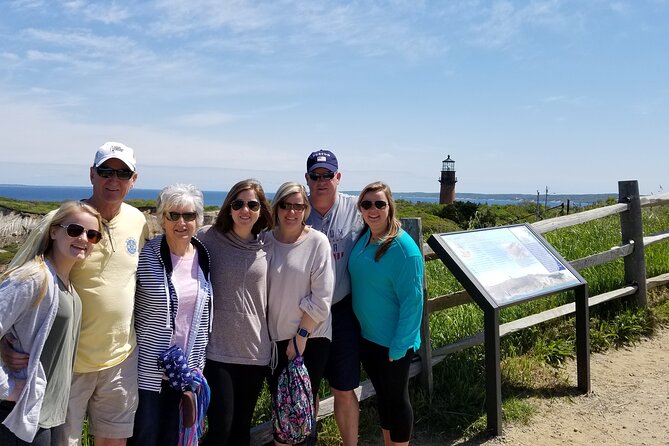
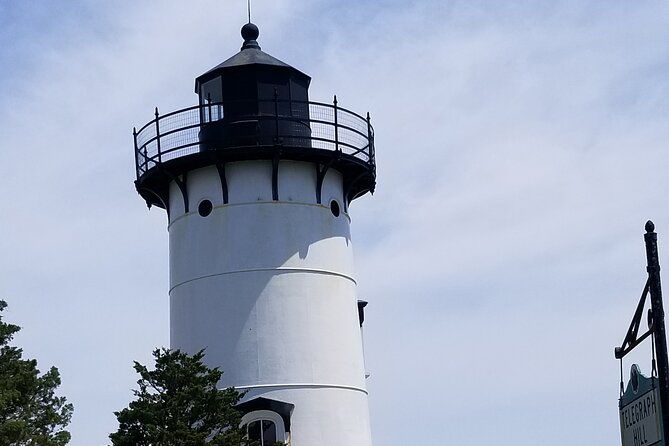
The tour begins at East Chop Lighthouse, and that’s a smart way to start. Lighthouses are practical, yes—but they also work as “anchor points” for understanding a coastline. From here, you can get oriented quickly. You’re reminded that this island’s beauty is tied to navigation, weather, and the pull of the Atlantic.
What makes this stop feel worth it is the way the guide connects the sight to what it meant historically. With the 1800s-style context in your head, the lighthouse doesn’t become just a landmark you pass; it becomes a clue about why people cared about these waters.
If you like taking photos, this is a good moment to do a few slower shots—wide coastline, lighthouse details, and then a human perspective if you want scale.
Consideration: like most coastal stops, the wind can be real. Dress like you expect it, even on a sunny day.
Menemsha: harbor life and a slower kind of island energy
Next up is Menemsha. This stop tends to give people a different mood than the lighthouse area. Instead of “look out at the sea,” Menemsha feels more like “watch the island work and live.”
Menemsha is the kind of place where you can enjoy the scene at your own speed during the scheduled exploration window. You’re not forced into a quick drive-by. That matters here because harbor towns are visual in layers—boats, shoreline edges, and the way the town sits against the water.
The guide’s historical framing adds value too. You get more than atmosphere; you get a sense of how harbor towns fit into the island’s past economy and everyday life. And once you understand that, it’s easier to read what you’re seeing without feeling like you’re guessing.
Tip for your day: if you want photos without too many people in frame, use the first part of your stop to look around, then do your photos once you’re clear on where to stand.
Aquinnah Cliffs Overlook: the views with meaning

At Aquinnah Cliffs Overlook, the island starts to feel wilder. This is where you really see the scale of the coastline—and where the tour’s historical context pays off again. When the guide explains the why behind what you’re seeing, the cliff views stop being just dramatic. They become part of a larger story about the island’s shoreline and how people experienced it over time.
This is also the stop where you’ll likely want the most time for standing back, watching the horizon, and then walking to any nearby spots where you can get a slightly different angle. Since the tour includes scheduled stop time, you’re not forced to rush through your “wow” moment.
If you’re going on a day when clouds roll in, don’t assume it will ruin the experience. Coastline weather can change quickly, and the lighting can look incredible—even when it’s not bright and perfect.
Orange Peel Bakery: the break that keeps the day human
Every good tour needs a reset. This one includes Orange Peel Bakery as a stop, which I like because it gives you a straightforward reason to step off the bus and recharge.
This isn’t just about buying something. It’s about giving your day a rhythm. You get a snack or treat, use the time to sit for a few minutes, and then head back out with less fatigue for the final stretch.
The bakery stop also makes the tour feel more “island.” It’s one of those practical travel details that stops a guided route from feeling like a checklist.
What to do: if you have a specific dietary need, plan to check what’s available when you arrive, since the tour only guarantees a stop window—not an exact menu item.
Morning Glory Farm: a grounded finish
The tour ends with Morning Glory Farm, and that final stop gives a nice balance after lighthouse-and-cliffs intensity. A farm visit tends to slow the pace in the best way: you’re reminded that the Vineyard isn’t only about scenery—it’s also about land use, production, and daily life.
If you like hands-on-ish moments, you’ll probably enjoy the atmosphere more than you expected. Even if the farm part isn’t a long activity, it’s a meaningful shift from coastal views to something closer to the island’s working texture.
Why I think this matters: a tour that only shows the coastline can leave you feeling like you barely scratched the surface. Ending here helps you leave with a broader sense of the island’s character.
The guides make or break it (and this one often nails it)
This is the part you can’t measure until you’re on the ride. This tour is consistently praised for its guide approach—clear explanations, friendly communication, and a local feel.
Stan is the name that comes up again and again, and the recurring pattern is that he connects history to what you’re standing in front of. He’s also described as accommodating, especially when something goes wrong. One example from a past day: if a bus issue disrupted a departure, the owner personally stepped in to help get people toured, even though scheduling problems were caused by a cruise ship docking crowding things out.
That kind of “problem-solving without leaving people hanging” matters more than most people realize. It’s the difference between a day that feels managed and a day that feels chaotic.
When a fixed route is a plus—and when it’s not
This tour shines when you want structure. You’ll like it if:
- you’re on a tight schedule and still want island coverage
- you don’t want to handle navigation, parking, or slow local roads
- you enjoy guided context so viewpoints feel deeper
But it’s not built for people who want complete flexibility. The biggest drawback you should know upfront is that the route doesn’t include an Edgartown harbor stop. If Edgartown is your top priority, you’ll probably want a different plan (or add it on independently before or after).
Also, coastal areas can come with narrow roads and crowds, especially during peak season. Even when a tour operator is doing everything right, crowds can affect how smoothly the day flows.
Small details that add up: tickets, animals, and who should go
The tour uses a mobile ticket, which is helpful if you’re juggling multiple bookings or keeping everything on your phone.
It’s also designed to be broadly accessible: it says most travelers can participate. Service animals are allowed. And it’s marked as not recommended for children under 5.
If you’re traveling with very young kids, that note matters. Long viewpoints, getting on and off the bus, and keeping a small one calm through multiple stops can be hard even with the best guide.
Weather matters more than you think
This experience requires good weather. If conditions aren’t right, the tour may be canceled and you’ll be offered another date or a full refund. On an island, weather isn’t rare, so it’s wise to plan something flexible for the rest of your day too.
The good news: even with rain, you’re not completely stuck. You have rain ponchos included, and the bus itself is comfortable and air-conditioned.
Should you book this Martha’s Vineyard bus tour?
I’d book it if you want the best chance of seeing a lot of the island quickly, with a guide who explains what you’re actually looking at. The combination of scheduled stops, the 1800s visuals, and the consistently praised guide style (Stan is a big name here) makes this feel like more than a sightseeing drive.
Skip it—or adjust your expectations—if you’re chasing specific places like Edgartown harbor, or if you want maximum freedom to roam off-route. This tour is structured on purpose, and that structure can feel limiting if your interests are very niche or very location-specific.
If you’re visiting Martha’s Vineyard for the first time and you want a guided backbone for your trip, this is a solid value choice at $60 for a three-hour island overview.
FAQ
How long is the Martha’s Vineyard bus tour?
It runs for about 3 hours (approx.).
What is the price per person?
The price is $60.00 per person.
What stops are included on the tour?
The tour includes East Chop Lighthouse, Menemsha, Aquinnah Cliffs Overlook, Orange Peel Bakery, and Morning Glory Farm.
What’s included with the ticket?
Included items are rain ponchos, a screen at the front of the bus showing how certain sites looked in the 1800s, air-conditioning, and the option to buy items like t-shirts and homemade goods (such as key chains and jewelry).
Are gratuities included?
No. Gratuities are not included.
What if the weather is bad?
This experience requires good weather. If it’s canceled due to poor weather, you’ll be offered a different date or a full refund.
If you want, tell me what month you’re going and what you most want to see (coastline, towns, food stops, or history), and I’ll help you decide if this route fits—or if you should pair it with extra time elsewhere on the island.