Mexico City is a whole show from a top deck. The Turibus hop-on hop-off bus tour is built for self-paced sightseeing, with 4 different routes and an onboard audio guide that walks you through the city’s major eras. You get to start where it suits you, then jump off to explore and get back on when you’re ready.
I love the freedom to switch routes using one bracelet, because you’re not locked into a single loop. You can also get real educational value from the multilingual audio guide system, including a special channel for kids, so you’re not just staring at landmarks through traffic noise.
One real consideration: the bus environment can make audio tricky. On some rides, the Spanish narration can be loud enough to overpower the English channel through the headset, so where you sit and what earphones you use matters.
In This Review
- Quick Highlights You’ll Actually Use
- Why This Turibus Hop-On Hop-Off Tour Works in Mexico City
- Price and Time: Is $21 Good Value Here?
- Where You Board: Start at Any Stop, Show Your Voucher
- The Four Routes: How to Build a Day (or Two)
- Historic Downtown Route: From Auditorio to Zócalo and Antropología
- Polanco Route: Fashionable Streets, Shopping Stops, and Soumaya
- South Route and Coyoacán Energy: Markets, UNAM Area Stops, and Frida Kahlo
- Basilica Route: Zócalo, Garibaldi, and Basílica de Guadalupe
- Audio Guide Tips That Make a Difference on Real Streets
- Practical Stuff: Comfort, Heat, and Getting Back On
- Who Should Book This Tour (and Who Might Skip It)
- Should You Book Turibus Mexico City?
- FAQ
- How long is the Turibus hop-on hop-off tour in Mexico City?
- How much does it cost?
- Where do I start the tour?
- Can I use the ticket for multiple routes?
- What languages are available for the audio guide?
- Are there restrooms on the bus?
Quick Highlights You’ll Actually Use
- One ticket, multiple routes: swap between Historic Downtown, Polanco, South, and Basilica routes with the same bracelet
- Audio guidance for the long day: digital narration covers pre-Hispanic, colonial, and modern Mexico City themes
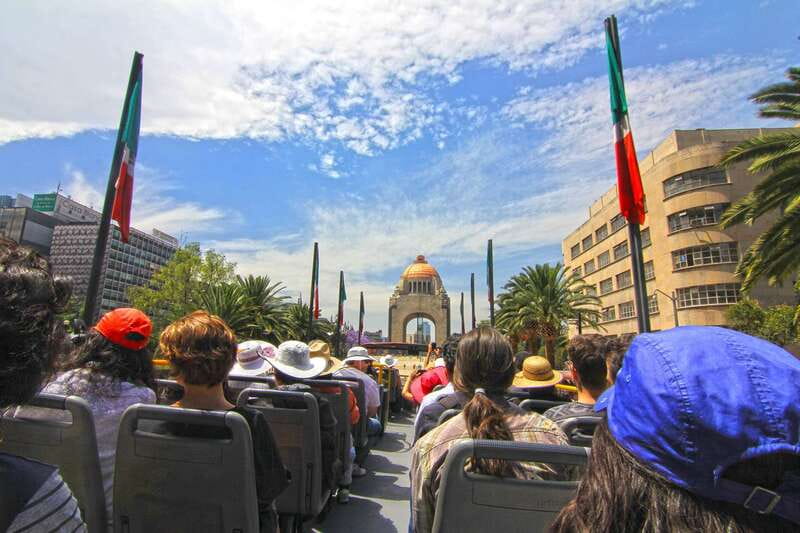
- Open-top comfort, big views: double-decker buses help you spot neighborhoods and architecture faster
- Built for planning: hop off at museums and squares, then return later without hiring a car or taxi
- Schedule-driven flexibility: buses run frequently on most routes, but traffic can shift actual wait times
Why This Turibus Hop-On Hop-Off Tour Works in Mexico City
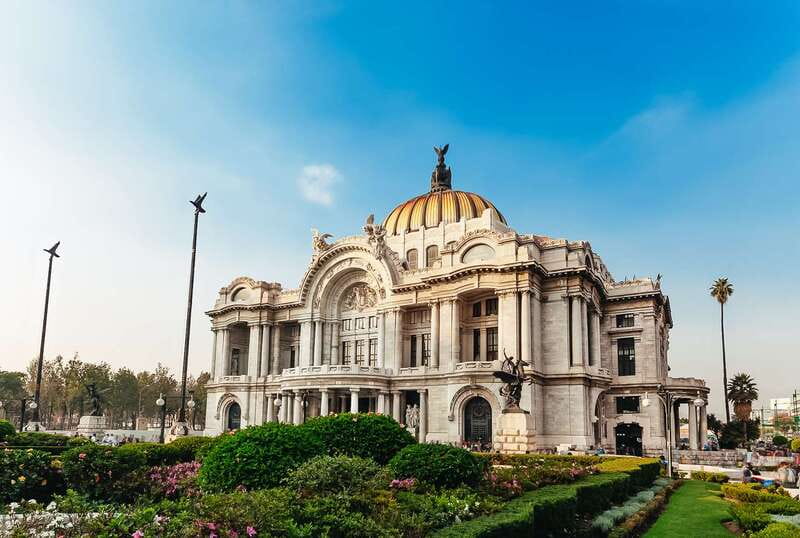
Mexico City spreads out, and that can make a tight itinerary feel like a scramble. This tour helps you solve that in a simple way: you ride a comfortable double-decker open-top bus, then pick your own off-bus priorities. Instead of trying to cover everything by foot, you use the routes as your backbone and build your day around the stops that matter most to you.
The tour is also designed for context, not just sightseeing. Through the audio system, you’ll get a running explanation of what you’re seeing as the bus moves between neighborhoods and historic landmarks. The big advantage is that you’re learning while you travel, which beats spending the whole day trying to decode the city on your own.
And yes, it’s a “hop on, hop off” setup, but it’s not random. The city is grouped into four route themes: Historic Downtown, Polanco, South/Coyoacán area, and the Basilica religious circuit. That makes it easier to match a route to your interests.
Price and Time: Is $21 Good Value Here?

At about $21 per person for a 1- or 2-day ticket, the math is usually friendly if you’re planning more than one paid ride during your stay. In practice, you’re buying two things at once: narrated transport between key areas and the chance to pause your sightseeing without re-planning every trip.
Here’s what changes with time: a 1-day ticket can work if you focus on two nearby zones, but a 2-day ticket is where the tour stops feeling rushed. You can ride in the morning, hop off for museums or markets, then come back the next day to hit what you skipped.
Timing matters too. The Historic Downtown route runs daily 9:00 am to 7:00 pm with buses about every 30 minutes. The Basilica route also runs into the early evening, while the Polanco and South routes run at set times or with a longer interval. Add Mexico City traffic, and your best strategy is to build in a buffer—especially if you’re trying to cross the city during peak hours.
Where You Board: Start at Any Stop, Show Your Voucher
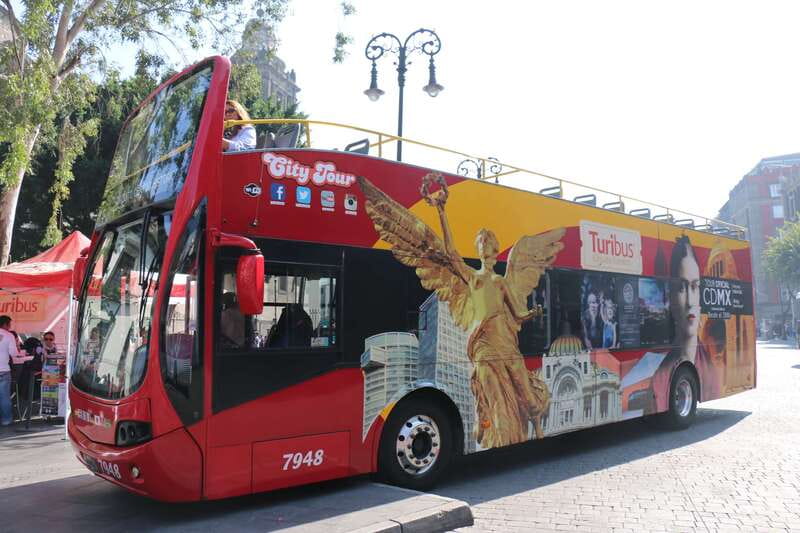
You don’t have to find a single fixed pickup point. You can begin at any listed stop and board by showing your printed or electronic voucher when you get on.
This matters because it reduces hassle. If you’re staying near Reforma, Polanco, Condesa, or the Coyoacán area, you can usually line up a stop close enough to walk to. Just remember the bus stops may not sit directly in front of the exact entrance for every attraction—so plan for a short walk once you hop off.
Also, the route transfers are built into the system. Because you’re using one ticket/bracelet across circuits, you can bounce between areas instead of committing to one long day on a single route.
The Four Routes: How to Build a Day (or Two)
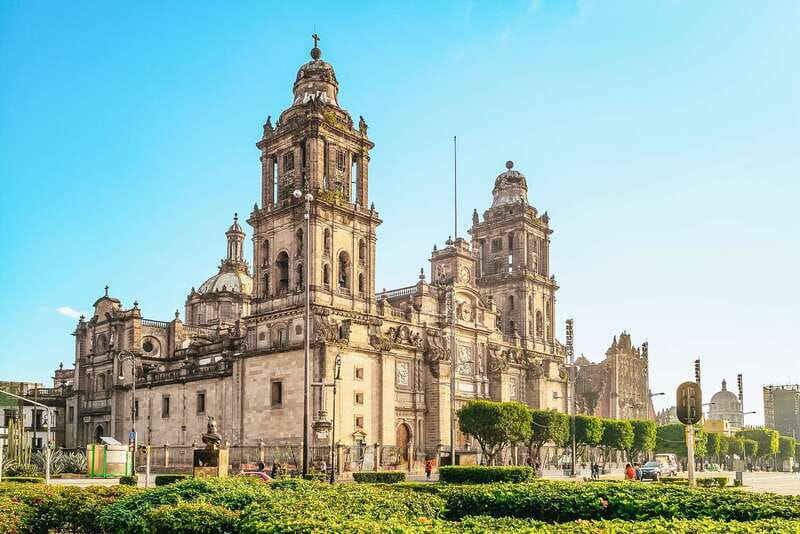
This is how I’d think about the four circuits when planning your time.
- If you want the classic “main sights” day, pick Historic Downtown.
- If you want upscale shopping and sleek modern architecture, choose Polanco.
- If you want markets, Coyoacán energy, and UNAM-related stops, go with the South route.
- If you want the most religious-focused loop, take the Basilica route.
A big plus: you can mix and match. You might ride one route in the morning, hop off for a museum, then switch routes later when you feel like changing the vibe.
Historic Downtown Route: From Auditorio to Zócalo and Antropología
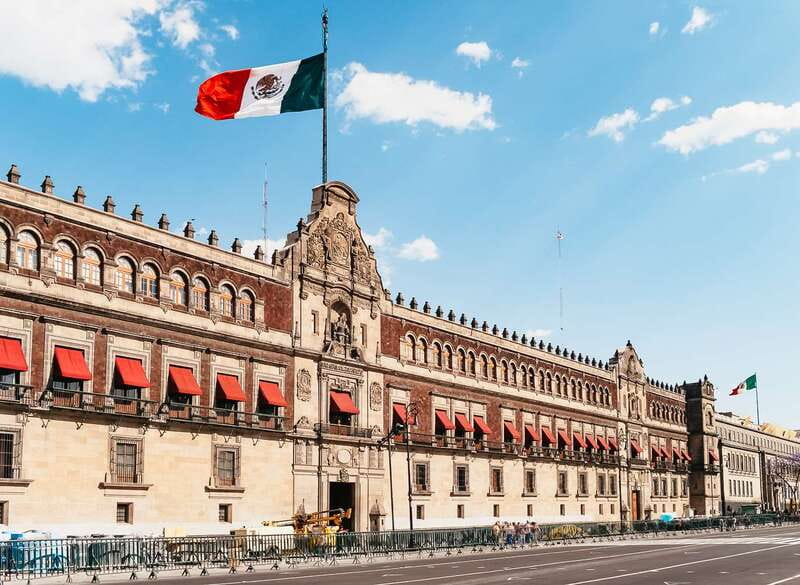
This is the route that reads like the city’s public center of gravity. The Historic Downtown circuit has 19 stops and runs daily 9:00 am to 7:00 pm, about every 30 minutes. If it’s your first time in Mexico City, this is usually the most efficient way to get oriented fast.
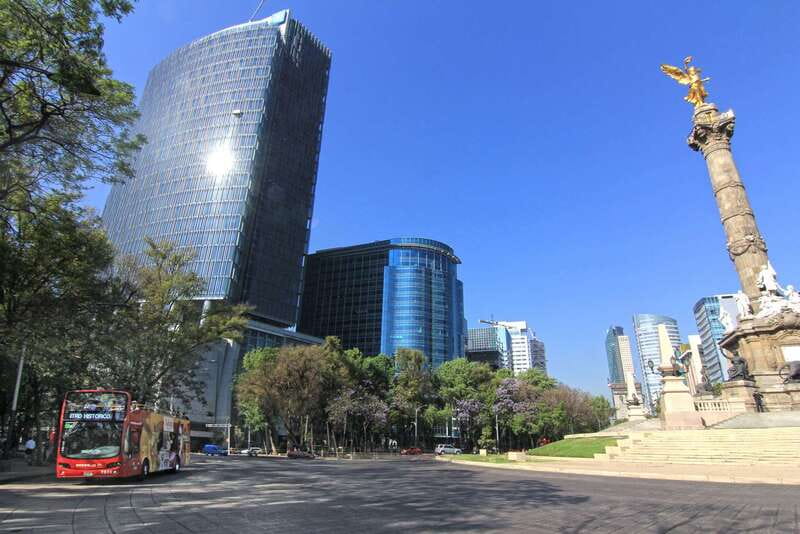
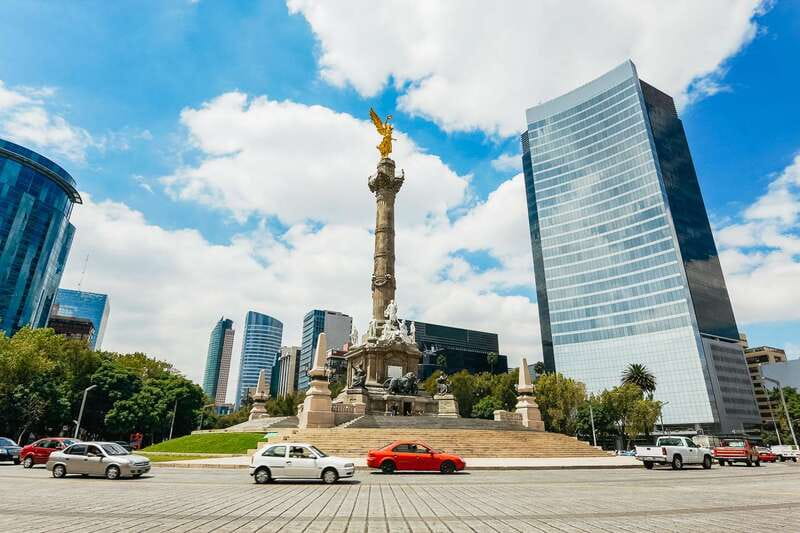
Key stops on this route include: Auditorio, Museo del Arte Moderno, Condesa, Cibeles (Plaza Madrid), Casa Lamm, Monumento a la Independencia, Reforma 222, Museo de Cera y Ripley’s, Glorieta a Colón, Hemiciclo a Juárez, Zócalo, Plaza Manuel Tolsá, Museo Franz Mayer, Monumento a la Revolución, Museo de San Carlos, Reforma-Insurgentes, Reforma Rio de la Plata, and Museo de Antropología.
What you’ll feel as the bus moves: you’re traveling along major corridors where multiple periods of Mexico City history overlap. The audio guide helps you connect the dots between the grand squares, major monuments, and top museums.
A practical way to use this route:
- Start with the Reforma corridor momentum: ride the sections between Independence and Revolution-era landmarks for big photo angles and quick orientation.
- Make Zócalo a priority stop: hop off here for a core Mexico City experience. Even if you don’t do a deep tour, it’s the kind of place you’ll want time in.
- Use Museo de Antropología as your “museum anchor”: it’s a major stop for understanding Mexico City’s pre-Hispanic roots.
One small note for comfort: this route can get busy as it moves through central areas, and traffic can stretch travel time. If you’re planning a timed ticket for a museum, build in extra time.
Polanco Route: Fashionable Streets, Shopping Stops, and Soumaya
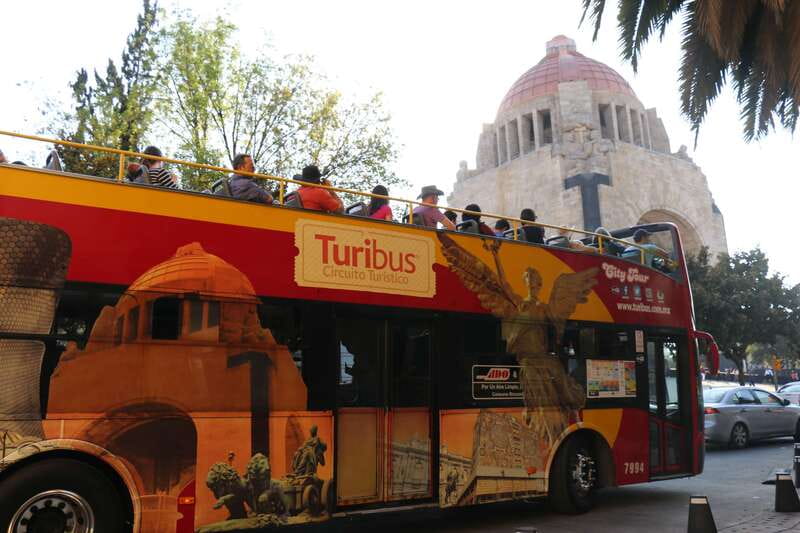
The Polanco route is shorter and more stylish in theme. It includes 7 stops and is described as the most fashionable circuit, centered on shopping and modern-looking architecture.
It runs daily from Auditorio at specific departure times: 10:00 am, 11:30 am, 1:00 pm, 2:30 pm, 4:00 pm, and 5:30 pm.
Stops include: Auditorio, Arquímedes Campos Elíseos, Masarik/Moliere, Centro Comercial Antara, Museo Soumaya, Hipódromo/Granja Las Américas, and Museo del Papalote.
Why this route is worth it:
- It helps you see the Mexico City side that feels global and design-forward.
- It’s a good “break route” if you already rode downtown and want a change of pace.
- You can line up shopping and museum time without needing to jump across the city by taxi.
A practical strategy: if you’re hoping to visit Museo Soumaya or Museo del Papalote, use the bus as a transportation shortcut first, then commit to a stop once you’re there. The Polanco route’s timed departures can be limiting if you hop off and lose time, so plan your on-bus window carefully.
South Route and Coyoacán Energy: Markets, UNAM Area Stops, and Frida Kahlo
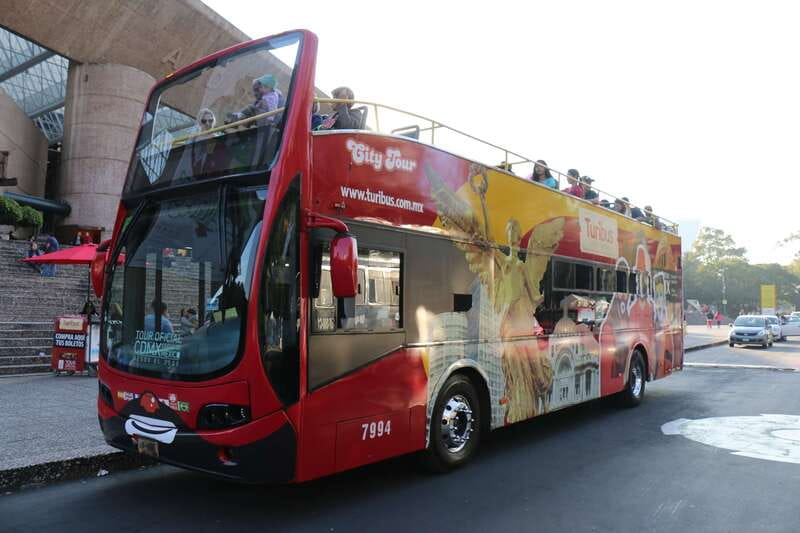
The South route is where Mexico City starts to feel more local and neighborhood-based. It has 19 stops and runs daily from 11:00 am to 7:00 pm, with buses every 1 hour to 1.5 hours (so it’s less frequent than the Downtown circuit).
The stop list includes Fuente de Cibeles, Mercado Roma, World Trade Center, Torre Manacar (Insurgentes), Museo Frida Kahlo, Centro Histórico Coyoacán, Avenida de la Paz, Centro Cultural San Ángel, Estadio de C.U, Jardín botánico, Centro Comercial Perisur, Kidzania Cuicuilco, Rectoría de la UNAM, Plaza Oasis Coyoacán, Mercado Roma Coyoacán, Centro Histórico de Coyoacán, Museo Frida Kahlo, Torre Manacar, and Fonart.
This route works best if you want to stitch together a day around a couple of real destinations rather than trying to catch every stop. It’s also a strong choice if you’re interested in Coyoacán’s older feel and the area around UNAM.
What makes the route practical:
- Frida Kahlo area stop: it’s built directly into the circuit, so you can plan a museum visit without forcing a taxi chase.
- Multiple market stops: Mercado Roma and Mercado Roma Coyoacán can help you build snack breaks without going out of your way.
- UNAM and gardens: Estadio de C.U, Rectoría de la UNAM, and Jardín botánico give you a “walkable in parts” side of the city beyond the typical monuments.
The tradeoff: because the bus interval can be longer, you need to be more deliberate. If you’re doing Frida Kahlo plus another long stop, consider doing the heavier leg early in the afternoon so you’re not waiting too long later.
Basilica Route: Zócalo, Garibaldi, and Basílica de Guadalupe
If your Mexico City focus includes religion and pilgrimage, the Basilica route is the tight, purpose-built circuit. It runs daily from Zócalo with departures at 10:00 am, 11:30 am, 1:00 pm, 2:30 pm, 4:00 pm, and 5:30 pm.
Stops are Zócalo, Garibaldi, Basílica de Guadalupe, and Palacio de los Condes de Miravalle.
This route is also a good “short list” option if you don’t want to spend your day bouncing around multiple neighborhoods. It connects a central starting point (Zócalo) with two iconic destinations tied to Mexico City’s spiritual identity.
How I’d use it:
- Treat Zócalo and Garibaldi as your warm-up and atmosphere stops.
- Use Basílica de Guadalupe as the main event.
- Don’t expect this route to replace a full downtown day. Think of it as a focused add-on that fits well into a 2-day plan.
Because the departures are specific times, check your schedule and align your hop-off/hop-back timing before you start sightseeing. Traffic can affect how fast you get between stops, so don’t plan back-to-back timed commitments right after the bus visit.
Audio Guide Tips That Make a Difference on Real Streets
This is where your experience can either feel effortless or a little annoying. The audio guide is the heart of the tour, but Mexico City soundscape is real. Street noise, overhead announcements, and volume balancing can change what you hear.
Here’s what I’d do to make it work:
- Bring your own earphones and keep them handy. Even when the tour offers audio accessories, it’s smart to be self-sufficient.
- Don’t sit right beside the bus’s speaker system. When you do, the Spanish channel can drown out the English track through the headset.
- If you’re using the English narration, keep an eye on moments when the explanation cuts short on some rides.
- If you want kid audio, make sure your headset is functioning correctly before the next stop announcement.
Languages available on the audio system include Spanish and English, plus additional channels in German, French, Italian, Chinese, Japanese, Portuguese, and Russian. There’s also a special audio channel for kids.
One more practical point: overhead stop announcements are in Spanish only, so the headset narration is what carries the language you choose.
Practical Stuff: Comfort, Heat, and Getting Back On
The buses don’t have restrooms, and they’re open-top. That sounds obvious, but it changes how you plan longer museum gaps. Also, lunch and beverages aren’t included, so if you’re planning a full day on the bus, you’ll want to build food breaks into your route.
Comfort tips that matter in the real world:
- Choose your seating for the time of day. Morning and late evening rides are usually more pleasant, especially on the upper deck.
- In hot months, afternoon sun on metal seats can be intense. If you start your sightseeing day early, you can shift outdoor time into cooler hours.
- The hop-on hop-off flow is easy once you get the rhythm, but you do need to track which bus you’ll take next at each stop.
Operationally, bus schedules are maintained as best as possible, but traffic can stretch timing. The tour also notes that frequencies can be affected by circumstances beyond their control, so your plan should be flexible.
Who Should Book This Tour (and Who Might Skip It)
I’d steer you toward this tour if:
- You’re visiting Mexico City for a short stay and want a low-stress overview.
- You like museums, historic squares, and neighborhood variety but don’t want to fight traffic with constant taxis.
- You want a self-guided way to learn as you move, using the audio guide system.
I’d be more cautious if:
- You hate waiting for buses when traffic shifts.
- You need extremely quiet, distraction-free audio to enjoy narration. The headset experience can vary depending on sound setup and where you sit.
Best fit: first-timers, couples, families with kids (because there’s a kids audio channel), and anyone who wants practical sightseeing with built-in transport.
Should You Book Turibus Mexico City?
Yes, I think it’s a strong booking choice if your goal is to see more of Mexico City without overscheduling yourself. The $21 price point feels especially fair when you use it as both transport and narration across multiple areas, and the ability to switch between the four routes with one bracelet is a real time-saver.
If you book, go in with two simple habits: bring your own earphones, and plan your main stops on the route that runs most frequently for that part of the city. Do that, and you’ll turn the day into a workable itinerary instead of a series of frantic rides.
FAQ
How long is the Turibus hop-on hop-off tour in Mexico City?
The ticket is valid for 1 or 2 days, and the main routes run daily into the early evening. The Historic Downtown route runs 9:00 am to 7:00 pm, and the Basilica route offers departures from Zócalo through the day.
How much does it cost?
The price is $21 per person.
Where do I start the tour?
You can begin at any of the listed stops. When boarding, show your printed or electronic voucher.
Can I use the ticket for multiple routes?
Yes. The ticket includes all routes and stops with a single bracelet, so you can hop between circuits during your valid 1–2 day period.
What languages are available for the audio guide?
The audio guide is multilingual, including Spanish and English, plus additional channels in German, French, Italian, Chinese, Japanese, Portuguese, and Russian. There’s also a special audio channel for kids.
Are there restrooms on the bus?
No. The buses are open-top double-decker and do not have restrooms.