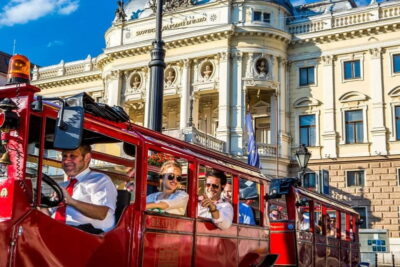
La Scala hits different in Milan. This skip-the-line museum tour helps you understand why opera became a serious force here, not just a performance. I love the live English guide storytelling and the way the museum shows you the objects and instruments that shaped composers like Bellini, Rossini, and Verdi.
The main thing to consider is that your chance to see the inside theatre from a box depends on what the venue allows that day, especially during rehearsals or special events.
In This Review
- Key things to know before you go
- Entering La Scala Museum: skip the line, start with the right energy
- What you’ll actually see inside the museum halls
- The theatre box moment: the best part, but not always guaranteed
- Why the guide style matters more than you think
- Tour timing: how to get the most from an hour
- Optional add-on: the 2-day hop-on hop-off bus for wider Milan
- Price and value: what $41.62 gets you in real terms
- Practical tips to avoid day-of headaches
- Who should book this La Scala Museum tour
- Should you book it
- FAQ
- How long is the La Scala tour part?
- Where do we meet, and where does it end?
- Is the tour wheelchair accessible?
- Do I need to buy separate tickets for La Scala?
- What language is the tour guide?
- Can I bring food or drinks?
Key things to know before you go
- Guaranteed skip-the-line access to La Scala Museum with licensed English-speaking guide
- Personal audio headsets so you don’t miss the anecdotes and context
- A museum route featuring composers and singers shown through busts and paintings (including Verdi and Arturo Toscanini)
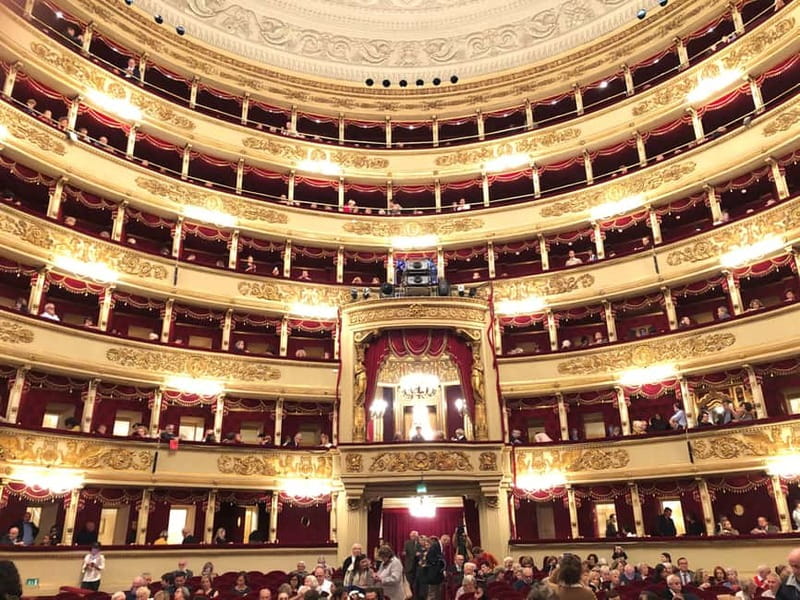
- A potential inside-theatre view from a box, usually brief, and not always possible
- Optional 2-day hop-on hop-off panoramic bus ticket to connect La Scala with the rest of central Milan
Entering La Scala Museum: skip the line, start with the right energy
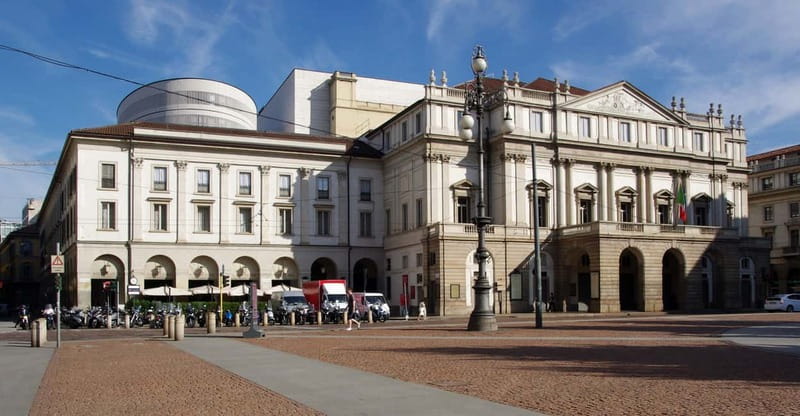
If you only have a short window in Milan, this kind of tour is a smart move. You meet in front of the La Scala Museum entrance and go straight in with skip-the-line and guaranteed access. That matters here because the opera house is a popular stop, and the museum experience works best when you are not stressed about timed entry.
Once inside, you get a live English-speaking guide plus personal audio headsets. Those headsets are not a small perk. They help a lot in a building like this, where groups can cluster and sound can vary from room to room. You’ll hear stories tied to the museum objects instead of walking through as a solo spectator.
This is a 1-hour tour. So you’re not waiting around for a long schedule. It’s built to give you meaning fast: what you’re seeing, why it matters, and how La Scala shaped famous opera performers and the music they made.
What you’ll actually see inside the museum halls
La Scala Museum is not just a collection of framed photos. It’s built around the stuff that made opera work: instruments, artifacts, and the visual culture around the performers and composers who turned Milan into a worldwide opera magnet.
You’ll explore a mix of museum galleries that connect composers and performance history. Expect the guide to connect the dots to major names associated with La Scala, including Bellini, Rossini, and Verdi. The tour also points out the theatre’s musical importance, so you’re not just admiring items—you’re learning how this place supported the creation and staging of important works.
One of the most rewarding parts is how the museum uses art to tell a story. You’ll see a gallery of busts and paintings portraying key opera composers and singers, including Giuseppe Verdi and Arturo Toscanini. Even if opera is new to you, those faces and names make it easier to follow what the guide is saying.
The guide’s job here is to bring the museum to life with anecdotes. That’s where this tour often wins people over. A good guide can make you notice details you would otherwise miss, like how certain objects link back to specific eras and performance styles.
If you are a longtime opera fan, this tour also gives you a chance to match your favorite composer names to the physical setting where opera evolved. If you are new, it turns La Scala from a famous landmark into a place with real mechanics—how it looked, how music culture grew here, and why the building mattered.
The theatre box moment: the best part, but not always guaranteed
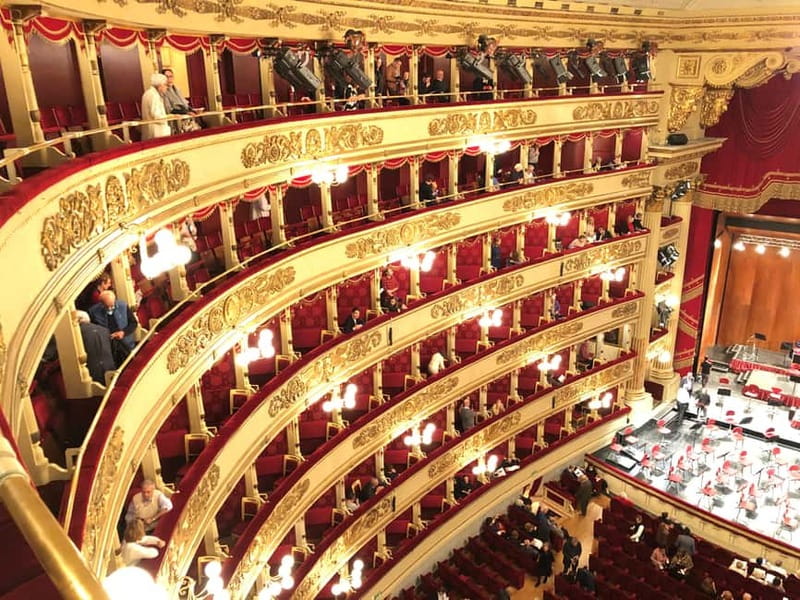
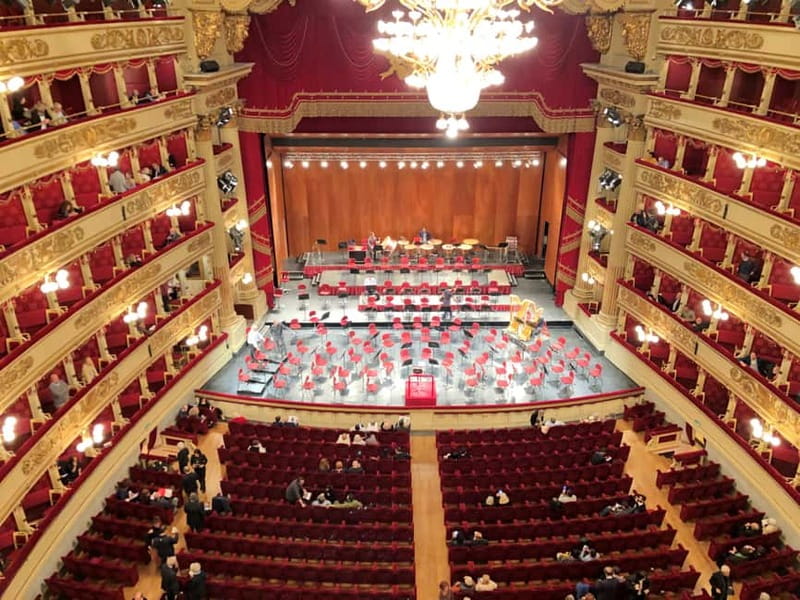
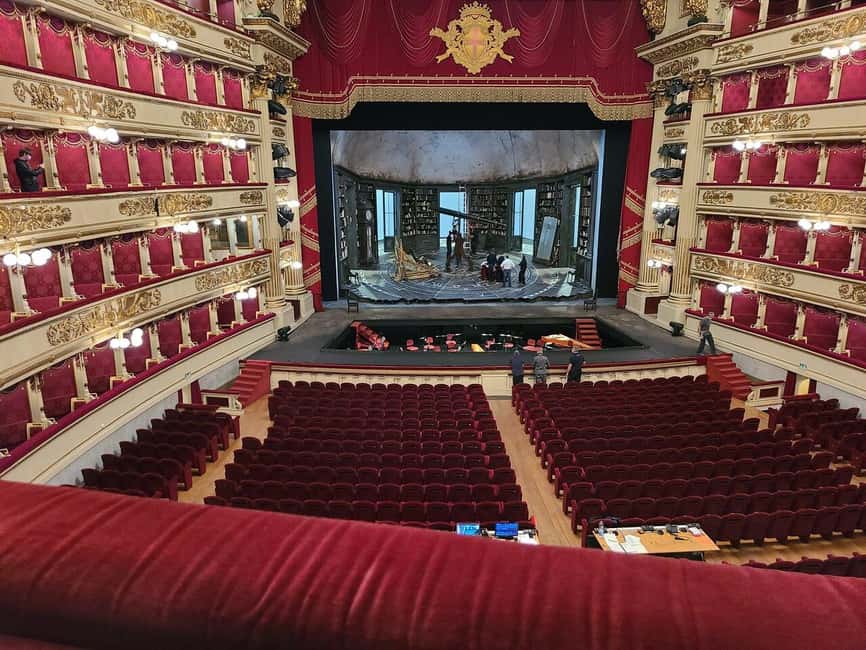
The big headline feature is the opportunity to see inside the theatre from one of the boxes. That’s a rare feeling: you’re not on the stage and you’re not in the audience floor seats, but you’re seeing the performance space from a privileged vantage point.
Here’s the practical truth you should plan around: theatre access can be limited. The visit of the theatre may not be permitted during rehearsals or special events. Even when access is allowed, your time inside can be short.
So treat the theatre view as a bonus that can run with conditions. When it works, it can be the highlight—people often focus on photographing the interior and soaking in the proportions and ornamentation. But the museum portion is where you’ll reliably spend your time, and it’s still worth it even if the theatre moment is brief or restricted.
A tip for managing expectations: if seeing the theatre interior is the one thing you’re dreaming about, consider building a little flexibility into your schedule on the day of your visit. That way, even if access changes, you still get a strong experience from the museum and the guided stories.
Why the guide style matters more than you think
This tour can succeed or fail based on the guide, and that’s exactly where your value lives. This is not a silent walk. You’re paying for someone to connect music names to objects and spaces, and to do it in a way that keeps a group moving.
The guide experience seems to vary person to person, but the best versions follow a clear pattern:
- Clear explanations tied to what you’re seeing
- A good sense of humour that keeps it from feeling like a lecture
- Storytelling that helps you picture the people behind the instruments and artworks
Some guides have even led guests toward small observational moments connected to rehearsals, like a quick look during a short window. That kind of moment can make the tour feel less like museum time and more like a peek behind the curtain.
Still, there can be downsides tied to group logistics. A larger group can make the theatre box feel crowded, and audio equipment issues can happen. If you are sensitive to sound, know that the museum headsets are included, but any guide microphone or room acoustics can affect how crisp the commentary feels in certain areas.
Names you might encounter include guides like Martina and Serena, and both are associated with highly positive storytelling energy. If you see a guide listed in that style, you’re likely in for a tour that keeps opera moving instead of slowing to a stop.
Tour timing: how to get the most from an hour
With a 1-hour duration, you should treat this as a focused hit, not a slow museum day. You’ll move through key spaces efficiently, which is exactly what you want if you’ve got other Milan plans.
Because the theatre view can be short, don’t spend your mental energy trying to predict minutes inside the box. Instead, use that time to really look at the space: how it frames the stage area and how the box vantage changes your sense of scale.
For the museum portion, plan to listen actively. Headsets help, but you still need to do your part:
- Keep close to the guide when you can
- Don’t let your attention drift onto photos and ignore the object explanations
- If something catches your interest, ask your guide follow-up questions if the timing allows
If you’re the type who often leaves museums feeling like you saw lots of things but learned little, this format is designed to fix that. You’re basically buying guided meaning, not just access.
And if you are thinking it might feel boring because it’s short—don’t overthink it. The goal is to keep the narrative moving, even if opera isn’t your usual genre.
Optional add-on: the 2-day hop-on hop-off bus for wider Milan
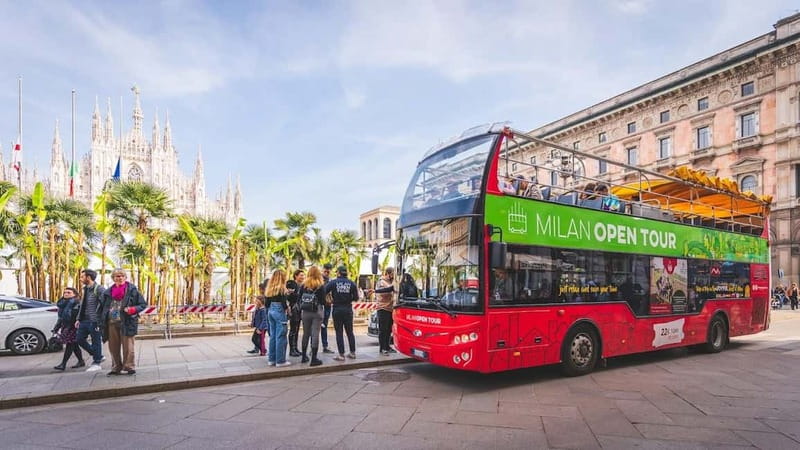
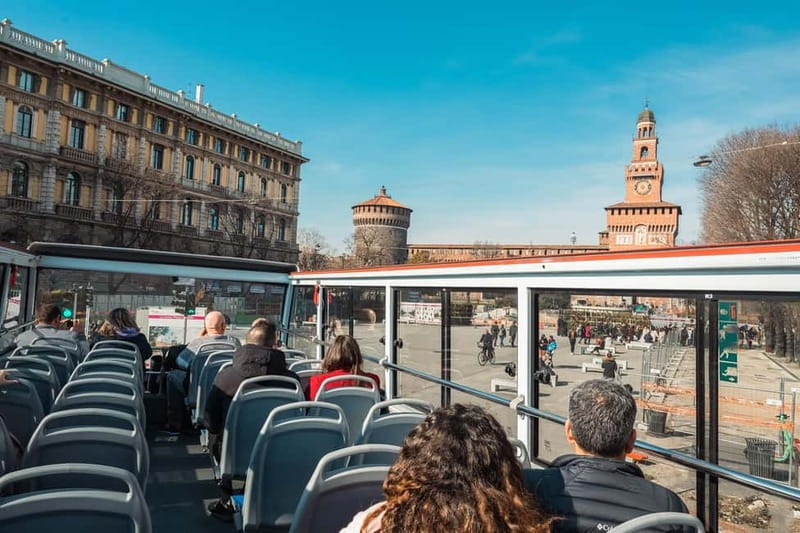
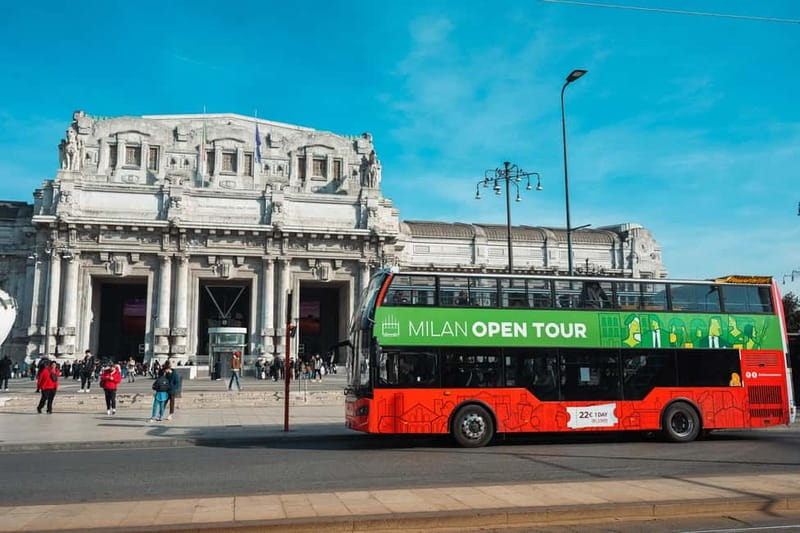
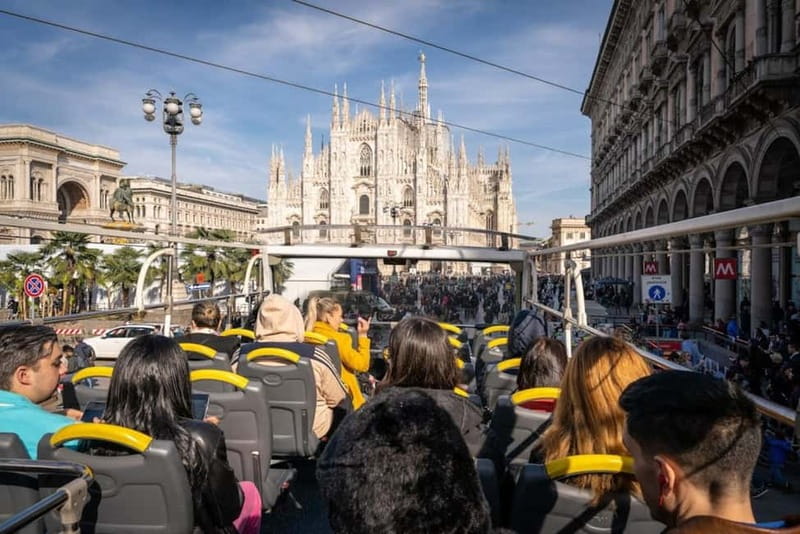
The tour can also include an optional 2-day hop-on hop-off sightseeing bus ticket. This is a practical add-on if your goal is to string together a few Milan highlights without hiring extra taxis or constantly recalculating routes.
Since the La Scala tour is only an hour, the bus option gives you an easy “what’s next” plan. Hop on for panoramic routes, hop off when you want to explore on foot, and use the second day to cover any areas you didn’t get to the first time.
I like this add-on for two reasons:
- It turns your La Scala visit into part of a bigger day, not a standalone appointment.
- It reduces decision fatigue. You get a simple structure for seeing different neighborhoods.
Just remember: this bus ticket is an add-on. It’s not a substitute for time on foot around the sights. You’ll still want to walk where the city makes it rewarding, especially around the historic core.
Price and value: what $41.62 gets you in real terms
At $41.62 per person, this sits in the mid-range for a guided, skip-the-line entry to a major cultural venue. The question is whether you’re buying enough to justify the cost.
Here’s what you are paying for, in tangible terms:
- Skip-the-line and guaranteed access, which saves time and stress
- A licensed English-speaking guide who turns museum objects into a story
- Audio headsets, which help you hear the guide clearly
- The potential bonus of seeing inside the theatre from a box when permitted
- And if you add it, a 2-day hop-on hop-off bus ticket
If your priority is meaning—understanding what you’re looking at—this price can feel fair. You’re not just entering; you’re getting interpretation.
Where value can drop a bit is when your theatre access is limited by rehearsals or events, or if the theatre view ends up being very brief. That’s not something the tour can fully control. So the best way to make this purchase feel like a win is to go in knowing the museum portion is the dependable core.
Practical tips to avoid day-of headaches
A few rules matter here, and they can affect how you pack:
- Food and drinks are not allowed.
- You should not bring knives, ceramic mugs, or anything that could be used as a blunt weapon.
- The venue also forbids taking food and liquids, plus certain items that could be considered unsafe.
So if you’re tempted to bring a snack, rethink it. Plan to eat before or after the tour. Keep your bag light and simple.
Also note that the theatre visit might not be permitted during rehearsals or special events. That means you should treat any inside-theatre box access as a bonus rather than a guaranteed checklist item.
Finally, show up at the meeting point early enough to get oriented in front of the museum entrance. Clear signage is helpful here, but you’ll still move faster if you’re not rushing.
Who should book this La Scala Museum tour
This tour fits best if you want:
- A guided intro to La Scala that explains why the building matters
- A structured visit that works in a single hour
- Skip-the-line access so you can spend your day on actual sightseeing
- A chance to see the inside theatre space from a box, when allowed
- The option to add a 2-day bus ticket so your day doesn’t end at the museum doors
You might skip the add-on if you already have transport plans and want to focus on walkable Milan routes only.
Should you book it
I’d book this tour if you want a clean, high-impact way to experience La Scala without wrestling with lines or figuring out what to care about. The biggest payoff is the guide plus headsets—your time turns into understanding, not just sightseeing.
If you are laser-focused on getting a long, uninterrupted look inside the theatre, go in with flexibility. Theatre access can change around rehearsals and special events, and box viewing may be short or limited. Still, the museum route plus the storytelling can stand on its own.
If you add the hop-on hop-off bus, you also buy yourself an easier second act in Milan—an efficient way to connect La Scala with the rest of the city.
FAQ
How long is the La Scala tour part?
The tour duration is 1 hour.
Where do we meet, and where does it end?
You start in front of the La Scala Museum entrance and the activity ends back at the meeting point.
Is the tour wheelchair accessible?
Yes, it is wheelchair accessible.
Do I need to buy separate tickets for La Scala?
No. The tour includes skip-the-line and guaranteed access to La Scala.
What language is the tour guide?
The tour guide is provided in English.
Can I bring food or drinks?
No. Food and drinks are not allowed, and certain items like liquids and forbidden objects are also not permitted.