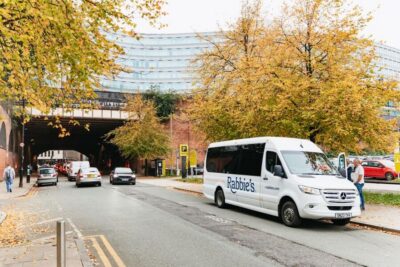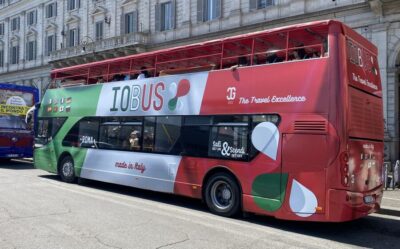
Montreal clicks into place fast on a bus. I love the Mount Royal views and the English/French live commentary that turns each stop into a mini lesson. The only catch: you’re moving a lot, so you’ll get quick photo-and-stroll moments instead of long hangs in one neighborhood.
You start at 1001 Rue du Square Dorchester, then you cover the sights most first-timers miss. It’s a smart plan when you want the city’s main neighborhoods in one go, without worrying about routes, parking, or tram lines.
In This Review
- Key things to know before you ride
- A 210-minute overview tour that actually helps
- Start at 1001 Rue du Square Dorchester: how to show up without stress
- Old Montreal and Place Jacques Cartier: the postcard zone with real depth
- From the Old Port to the St. Lawrence: why Montreal feels different near the water
- McGill University and Université de Montréal: two hill campuses, one Montreal identity
- City Hall, Bonsecours Market, and Montreal’s civic center
- Mont Royal Park and St. Joseph’s Oratory: the view that explains everything
- Chinatown, Place des Arts, and Place Ville Marie: culture, contrast, and practical stops
- Olympic Park and the Bell Centre: sports landmarks with real personality
- What makes the guide and driver pairing work so well
- Who this tour suits best (and who might want more)
- Price and value: is $26 worth it?
- Should you book this Montreal guided bus tour?
- FAQ
- How long is the Montreal guided bus tour?
- How much does it cost?
- Where does the tour start, and how do I get there?
- What languages is the guide speaking?
- Is there live commentary during the tour?
- What’s included in the price?
- What’s the meeting time rule?
- Is free cancellation available?
Key things to know before you ride
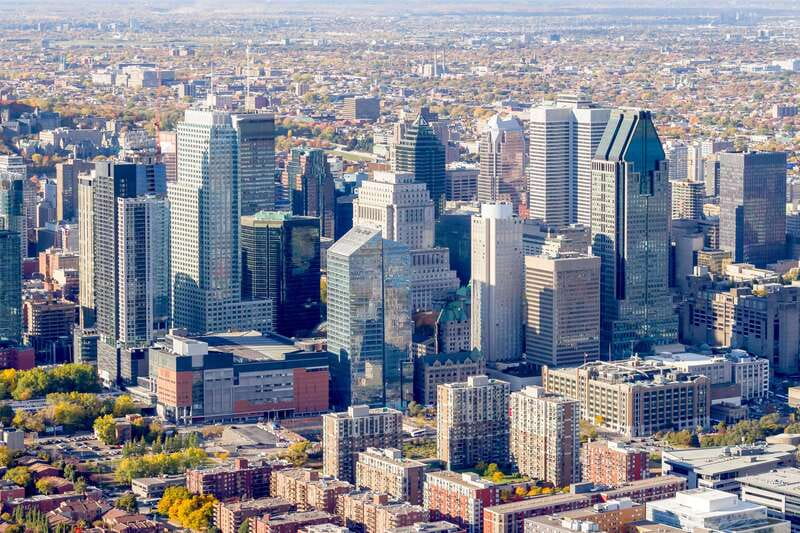
- 200+ points of interest delivered by a bilingual guide as you travel
- Old Montreal + Place Jacques Cartier gives you a classic walk and great photo angles
- Mont Royal Park and St. Joseph’s Oratory for the big panoramic view over the city
- Civic stops like Bonsecours Market and Montreal City Hall, for how the city runs
- Chinatown, Place des Arts, and Place Ville Marie to mix culture with shopping energy
- Olympic Park and the Bell Centre area for sports-and-design landmarks (and extra fun if your departure includes it)
A 210-minute overview tour that actually helps
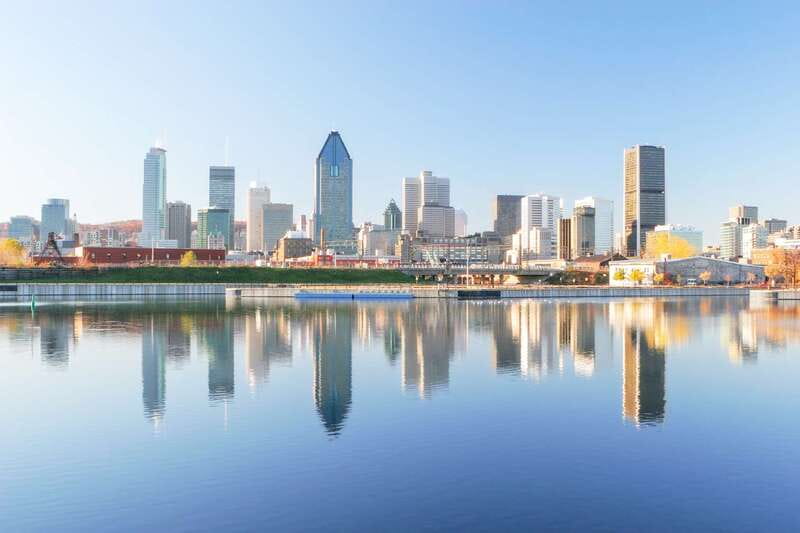
This is the kind of Montreal tour you take early in your trip, when you want to understand the city’s shape before you start wandering on your own. In a little over three hours, you’ll see the places that anchor Montreal’s story: old streets by the harbor, university areas on the hill, and the bold landmarks up top.
What makes it feel worth it isn’t just seeing icons from the bus window. It’s the way the guide connects what you’re looking at to how Montreal developed. That means you’re not just collecting photos—you’re building a mental map.
Start at 1001 Rue du Square Dorchester: how to show up without stress
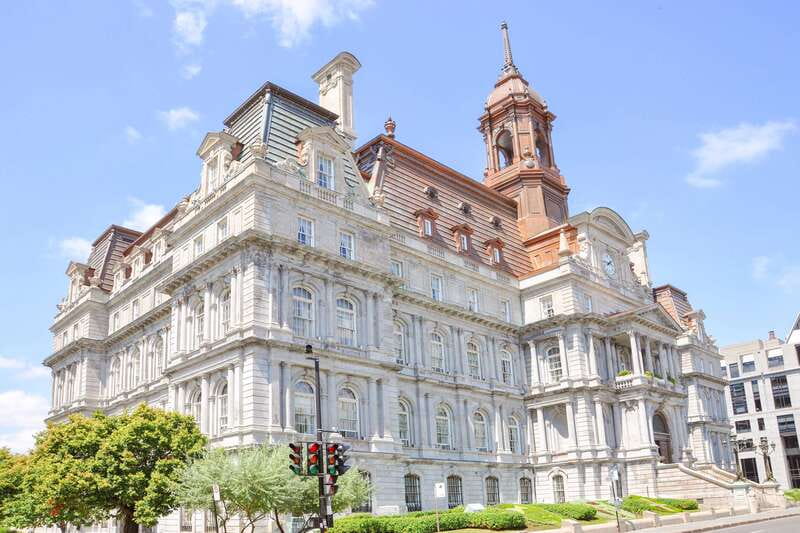
All tours depart from 1001 Dorchester Square. If you’re using public transit, the closest metro options listed are Peel (green line) and Bonaventure (orange line). Give yourself extra time, because you’re asked to arrive at least 30 minutes early.
This matters more than it sounds. Montreal streets can be tricky, and a smooth start keeps the whole tour from feeling rushed. If you’re early, you’ll also have a moment to settle, find your seat, and get oriented before the commentary starts.
Old Montreal and Place Jacques Cartier: the postcard zone with real depth

Your tour spends real time in Old Montreal, not just a drive-by. This is where you can slow down for a bit and soak up the old-town vibe between the river side and downtown.
In the heart of it all is Place Jacques Cartier. It’s the kind of public square that instantly helps you read the area: you can see how streets funnel toward key points, where people gather, and why this part of town feels like Montreal’s historical center.
If you like walking with purpose, this stop is a win. You’ll get a short stroll where the buildings and street layout do most of the talking. Just keep expectations realistic: you’re here for a quick wander, not an all-afternoon roam.
From the Old Port to the St. Lawrence: why Montreal feels different near the water
Next you shift toward the Old Port of Montreal and the St. Lawrence River. This isn’t just scenery. You’re looking at the geography that shaped the city’s economy and growth.
One detail worth paying attention to is the claim that Montreal’s port is an ocean port 1,000 miles (1,600 km) from the sea. That’s the kind of fact that makes the river feel less like a view and more like a working highway for trade.
If you’re the type who likes spotting changes in neighborhoods by small cues—shipping areas, waterfront structure, industrial buildings—this segment helps you see those patterns quickly.
McGill University and Université de Montréal: two hill campuses, one Montreal identity

On the next stretch, you’ll pass McGill University and then see the hilltop campus of Université de Montréal. This is a smart inclusion because these are not just schools on a map. They’re major drivers of the city’s culture, research energy, and architecture.
On a guided route, campus areas are especially useful. The guide can point out what to look for—how institutions shape surroundings, and how different parts of the city rise as you climb toward the hill. From the bus, you’ll still get the big-picture view, and the commentary helps you make sense of it in real time.
City Hall, Bonsecours Market, and Montreal’s civic center
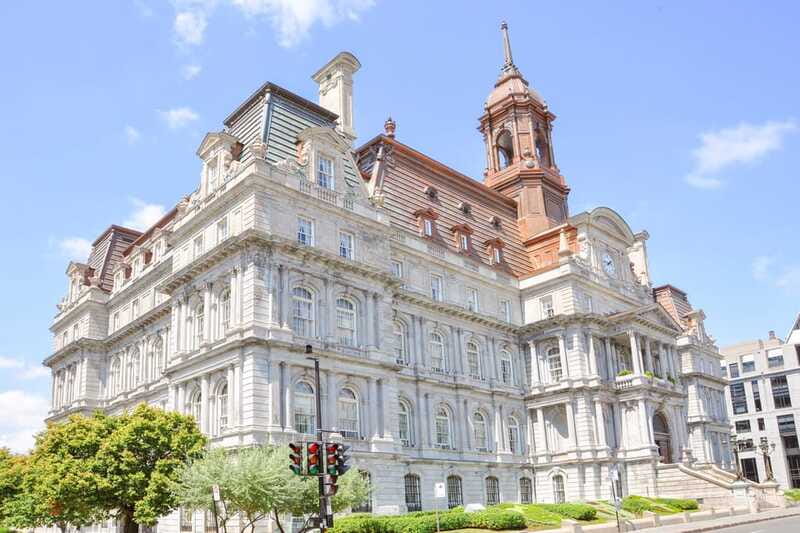
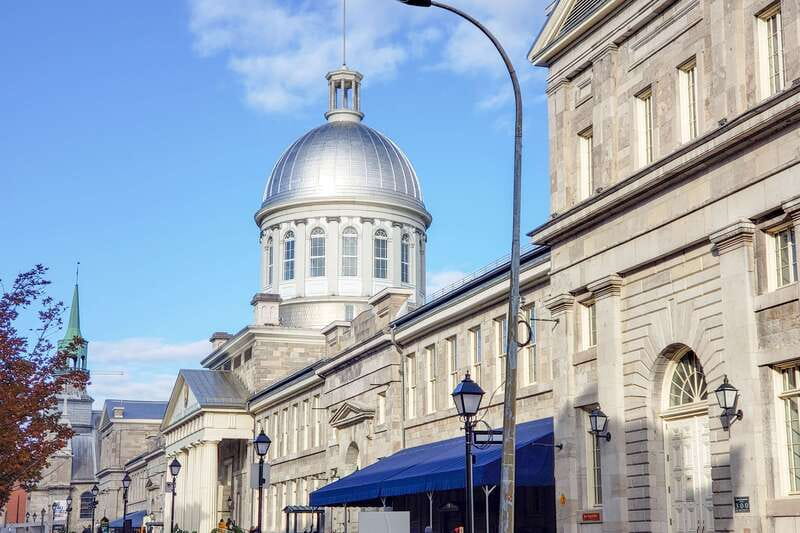
You’ll see the former city hall building at what’s now Bonsecours Market, and then you’ll visit the area of the current Montreal City Hall. These stops are perfect if you want to understand Montreal beyond its nightlife or food.
Civic buildings tell you what a city values: design, public space, and how people move through the center. Bonsecours in particular gives you that sense of continuity—old purpose, new use—without needing you to dig for museum hours.
This segment is also useful for planning your future walks. When you understand where the city’s administrative core sits, you can navigate other neighborhoods with less guessing later.
Mont Royal Park and St. Joseph’s Oratory: the view that explains everything
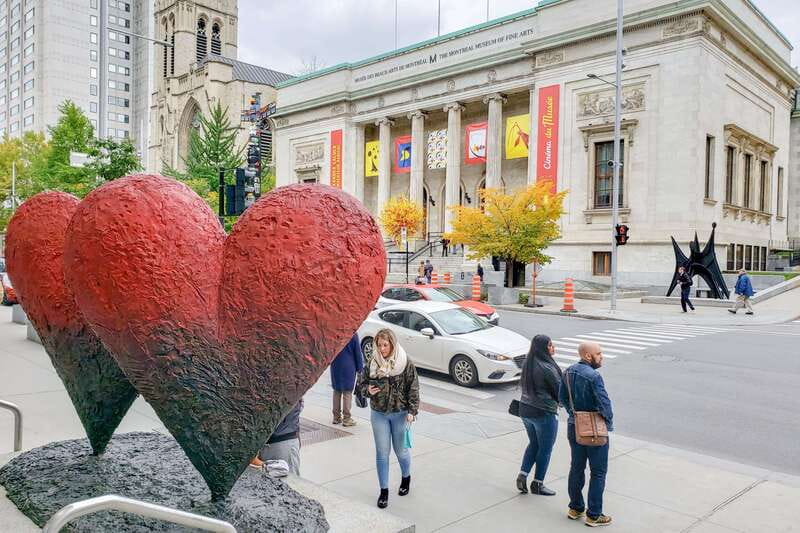
This is the emotional highlight for many people for a reason: St. Joseph’s Oratory atop Mont Royal Park. You’re up on the summit, looking out over Montreal and the river area, which helps you understand why the city feels layered—flat downtown, then rising neighborhoods, then the big institutional and recreational spaces on the hill.
The Oratory itself is described as a massive basilica, and that scale matters. From the viewpoint, it’s not just impressive architecture. It becomes a visual anchor that makes everything else on your mental map click into place.
Practical tip: wear comfy shoes even if you’re not doing a long hike. The moment you’re off the bus and standing around for photos, you’ll be glad you didn’t decide to dress like it’s the runway.
Chinatown, Place des Arts, and Place Ville Marie: culture, contrast, and practical stops
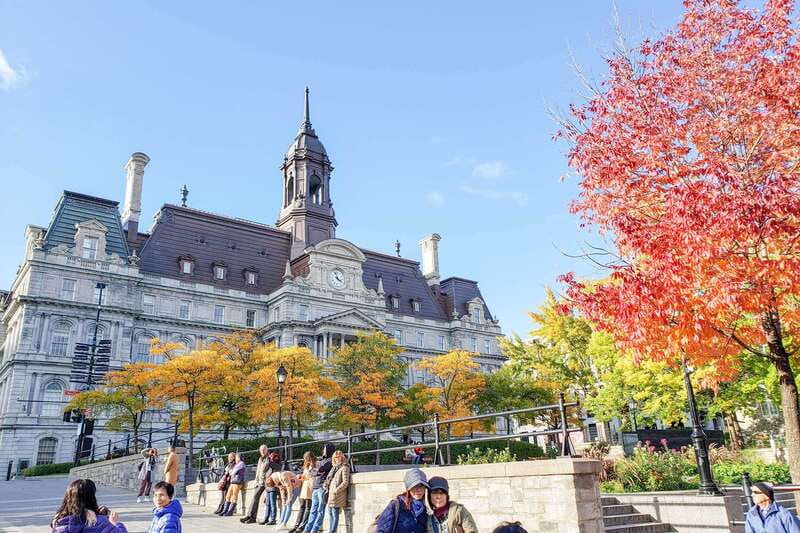
After the hill views, the tour shifts into a different Montreal mood: street life near Chinatown, culture at Place des Arts, and then the shopping-meets-city-living vibe of Place Ville Marie, the underground luxury shopping center.
This trio is smart because it covers three different ways people experience the city:
- Chinatown gives you that immediate neighborhood feel—dense, walkable energy.
- Place des Arts brings you into the arts-and-performance center side of Montreal.
- Place Ville Marie shows you how Montreal adapts to weather and daily routines by building underground connections.
Even if you don’t plan to shop or catch a show, these areas help you picture how locals move through the city. On a first visit, that kind of context is gold.
Olympic Park and the Bell Centre: sports landmarks with real personality
You’ll head to Montreal Olympic Park, where you can see the tallest inclined building in the world at the site. If you’re into architecture or just like seeing engineering show off, this is one of the easiest places to appreciate from a bus route.
You’ll also be in the zone of the Bell Centre, the home of the Montreal Canadiens. Even if you don’t follow hockey closely, the Bell Centre area is one of those landmarks that instantly signals what Montreal is proud of.
Bonus details show up depending on your departure. Some guides and drivers have been noted for adding fun moments like a lap around the Formula One racetrack area, which makes the Olympic stop feel less like a museum view and more like a lively city moment.
And yes, the driver matters here. Montreal streets can be narrow and busy, and reviews repeatedly mention drivers handling tricky conditions smoothly, including snow-filled routes. If you’re visiting in winter, you’ll appreciate that comfort.
What makes the guide and driver pairing work so well
This tour runs on two skills working together: a guide who can explain what you’re seeing, and a driver who gets you there comfortably. Reviews frequently praise bilingual hosts by name—Yang, Julian, Francis, and Dominic—and drivers such as Angelo, Norman, and Salle are also mentioned.
What you can take from that, even before you board, is this: the best part is not just the stops. It’s the commentary that ties the stops together. That’s how you leave knowing why Montreal looks the way it does, not only what you photographed.
If you’re traveling alone, the guide’s pace can also help you feel less lost. The bus gives you structure, and the narration gives you choices for later.
Who this tour suits best (and who might want more)
I think this tour fits best if:
- it’s your first time in Montreal and you want a fast orientation
- you have limited time but want a lot of major neighborhoods covered
- you prefer learning through commentary and short strolls rather than long walking days
- winter weather or heat makes you want fewer transfers and less route-planning
You might want a different plan (or at least add extra time on your own) if you’re the type who needs long, slow visits in a single place. There’s just so much to cover, and the tour keeps things moving. One review comment even pointed out that they wished some stops were longer, which is a fair heads-up if you love spending hours in one neighborhood.
Price and value: is $26 worth it?
At $26 per person for 210 minutes, this isn’t priced like a premium, long-stay experience—it’s priced like an effective intro. The value comes from what you get bundled in: bus transportation, local taxes, and live bilingual commentary.
More importantly, you’re paying for time-saving. Without a guided route, you’d spend energy figuring out transit, scheduling, and the order of neighborhoods. Here, the bus does the hard part, and you use the guide to learn what you’d otherwise only learn after hours of reading.
If you’re trying to build a “what to do next” list, the tour sets you up for that. I’d treat it like your guided map—then follow up later with deeper walks where you felt the strongest connection.
Should you book this Montreal guided bus tour?
Yes, if you want a quick, guided overview that hits Old Montreal, the river area, the university hill, civic landmarks, Mont Royal, Chinatown, and Olympic-sports Montreal. It’s a good way to get the big themes of the city without spending your whole trip commuting.
Book it even more confidently if you care about learning. Live English/French commentary is included, and guides on past departures have been praised for humor and lots of interesting facts. That combination makes the ride feel like you’re getting something extra, not just being transported.
If you hate the idea of brief stops, plan to do your deeper exploration afterward. This tour is about seeing enough to choose well.
FAQ
How long is the Montreal guided bus tour?
The tour duration is 210 minutes.
How much does it cost?
The price is $26 per person.
Where does the tour start, and how do I get there?
All tours depart from 1001 Rue du Square Dorchester. The closest metro stations listed are Peel (green line) and Bonaventure (orange line).
What languages is the guide speaking?
The live tour guide provides commentary in English and French.
Is there live commentary during the tour?
Yes, the tour includes live commentary from the driver/guide.
What’s included in the price?
Included are bus transportation, the driver/guide, live commentary (English and French), and local taxes.
What’s the meeting time rule?
Please arrive at least 30 minutes prior to your scheduled departure time.
Is free cancellation available?
Yes. You can cancel up to 24 hours in advance for a full refund.