Mount Fuji in one long day. This tour strings together the classic photo stops—starting at Arakurayama Sengen Park and continuing to Oshino Hakkai—so you see a lot of the Fuji area without juggling trains and buses. I like the free-entry rhythm at most stops and the tight, photo-focused pacing that keeps the day moving. The one big consideration is weather: Mt. Fuji can disappear behind clouds or rain, and that can affect how perfect the views look.
It’s about 10 hours from Tokyo (starting around Tokyo Station) with a mobile ticket, an in-person guide, and multiple English-support options. As a practical touch, the day before departure you’ll receive key contact info by email, so you’re not left guessing.
In This Review
- Key points before you go
- Why this Mt. Fuji day trip works better than DIY
- Getting from Tokyo: timing, meeting point, and what to pack
- Arakurayama Sengen Park: the Fuji panorama with four-season drama
- Honmachi Street and Hikawa Clock Shop: lantern vibes, Fuji in the background
- Oshino Hakkai: eight ponds fed by snowmelt
- The Kawaguchiko Lawson stop: a photo challenge with real-world road safety
- Oishi Park on Lake Kawaguchi: upside-down Fuji and seasonal flower changes
- Food and the real cost of the day: plan around lunch
- Guide quality: when good coaching turns a schedule into a win
- Price and value: what you’re really paying for at $78.66
- When this tour fits you, and when it doesn’t
- Should you book this Mt. Fuji and Lake Kawaguchi tour?
- FAQ
- How long is the Mt. Fuji and Lake Kawaguchi one-day bus tour?
- Where does the tour start?
- Is the ticket mobile?
- Are there entrance fees at the stops?
- Is lunch or dinner included?
- Are there bathrooms on the bus?
- What languages does the guide speak?
- How big is the group?
- What seasonal attraction is visited at Lake Kawaguchi?
- What should I do about the meeting point and timing?
Key points before you go
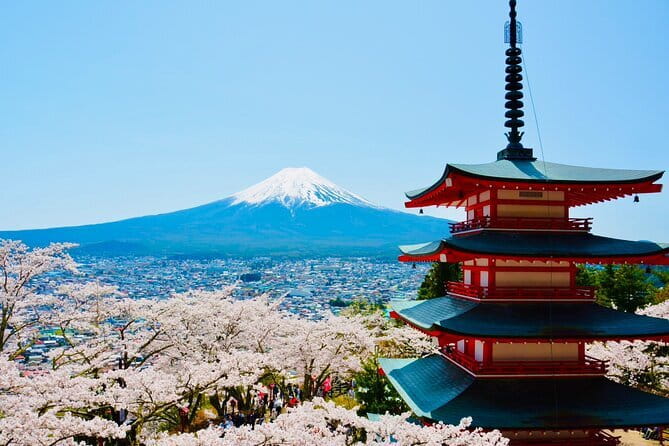
- Arakurayama Sengen Park gives you wide Fuji views with seasonal scenery changing through cherry blossom, autumn color, or winter snow.
- Oshino Hakkai is built around eight clear ponds fed by Mt. Fuji snowmelt—calm, photogenic, and very “country Japan.”
- Lake Kawaguchi at Oishi Park is the payoff for the upside-down Fuji reflection, plus seasonal flowers or foliage depending on the month.
- Small group size (up to 10 travelers) makes it easier to move, line up photos, and avoid feeling lost on a bus tour.
- Guides can shape your photos: some guides are known for photo timing and quick location summaries so you can explore within the allotted time.
Why this Mt. Fuji day trip works better than DIY
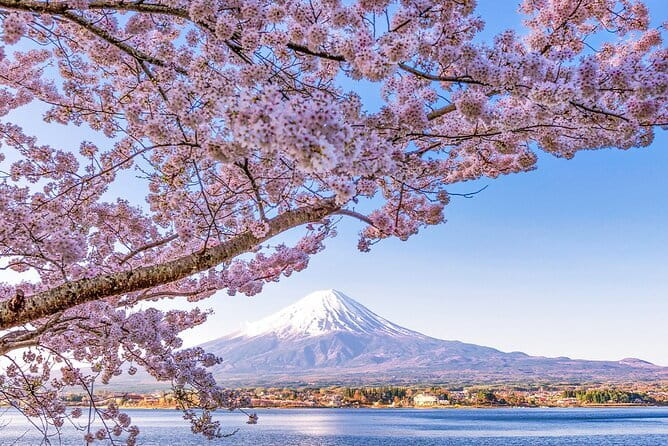
If you’ve ever tried planning a Mt. Fuji day from Tokyo, you know the trap: you spend half the day commuting and the other half rushing viewpoints. This one-day bus tour keeps you on a simple route through the best-known areas around Mt. Fuji, so your energy goes toward seeing and photographing—not coordinating.
I also like the value structure. Most of the stops in the day are listed as free admission, and the tour price includes parking fees and fuel surcharge, plus the guide language support (English, Mandarin, Korean, Japanese). For a single day, that’s a lot of coverage for the money.
The pacing is photo-friendly. You’ll get short, focused time windows at multiple spots rather than one long stop where you feel bored or stuck waiting for light.
Getting from Tokyo: timing, meeting point, and what to pack

The day starts from Tokyo Station, and departure times can vary by boarding location, so check what your booking confirms. The guide holds a yellow flag with the Gogoday logo at the meeting point, and you’re expected to arrive about 15 minutes early; late arrivals can miss the group with no refund.
Expect a practical bus-day setup:
- You’ll have a free-baggage allowance of one piece, and extra luggage costs 2000 yen per additional piece.
- Bathrooms are not available on the bus, so treat stops as your schedule anchors.
- You’ll receive basic contact info around 9 PM the day before departure via email, including the guide’s phone number and the vehicle license plate—save that message to your phone so you can find it fast.
Pack for temperature swings. Mt. Fuji-area mornings and evenings can feel colder than Tokyo, and you’ll be standing around for views and photos.
Arakurayama Sengen Park: the Fuji panorama with four-season drama
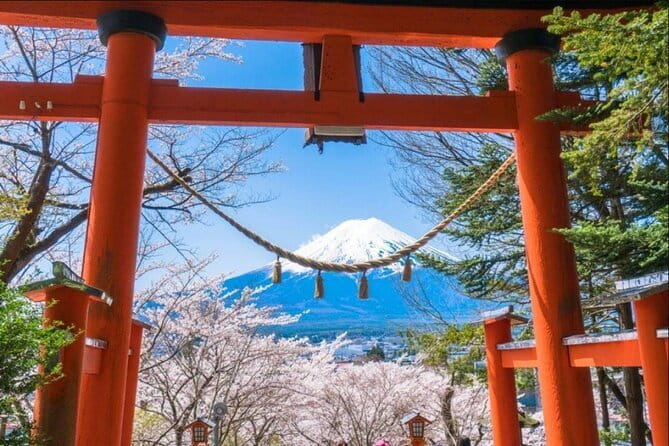
This is where the tour grabs your attention. Arakurayama Sengen Park is built around wide, panoramic views of Mt. Fuji, and the scenery changes throughout the year—cherry blossoms in spring, autumn leaves later on, and winter snow when conditions allow. You also look out over streets of Fujiyoshida City, so you get a mountain-and-town combo rather than just a single peak shot.
You get about one hour here. That’s enough time to take a few photos from different angles, then slow down and just watch the sky and cloud movement. If you’re serious about pictures, this is the stop where you’ll want to spend a little extra care—light direction matters, and Mt. Fuji can look totally different just 30 minutes later.
One practical note: clouds are a real thing around Mt. Fuji. The park gives you a lot of coverage visually, so even partial views can still produce decent photos.
Honmachi Street and Hikawa Clock Shop: lantern vibes, Fuji in the background

Next comes the slower, more street-level mood. Honmachi Street is described as quaint and nostalgic, with shop signs and lanterns—and power lines visible overhead in the frame. The idea is simple: Fuji rises behind the street scene when the sky cooperates, and the whole place feels like you’ve stepped into a postcard world.
The Hikawa Clock Shop stop is very time-limited (about 20 minutes), but it’s exactly the kind of short window that works for street photography. If you see clear Fuji in the background, you’ll likely want to shoot immediately rather than wait for the perfect moment.
It’s also a good moment to reset your camera settings. Move from the wide panorama style at the first stop to tighter compositions here—this is where your photos start to look varied.
Oshino Hakkai: eight ponds fed by snowmelt
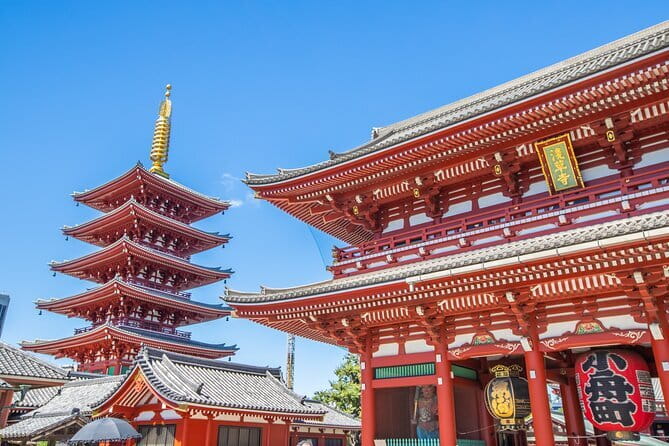
Oshino Hakkai is the tour’s calm break. The highlight is eight clear ponds that gather snowmelt from Mt. Fuji, creating a gentle rural scene you don’t see much in the city. You’ll also notice thatched-roof buildings and waterwheel-style scenery, giving the area a timeless feel.
You get about 1 hour 30 minutes, which is generous for a guided day trip. This longer window matters because ponds and reflections reward patience. You can walk the area at a relaxed pace, take photos without feeling rushed, and step away from your camera for a minute to actually enjoy the quiet.
One smart approach: treat this like your “wander time.” The tour is photo-focused, but Oshino Hakkai is the kind of place where you’ll naturally slow down.
The Kawaguchiko Lawson stop: a photo challenge with real-world road safety
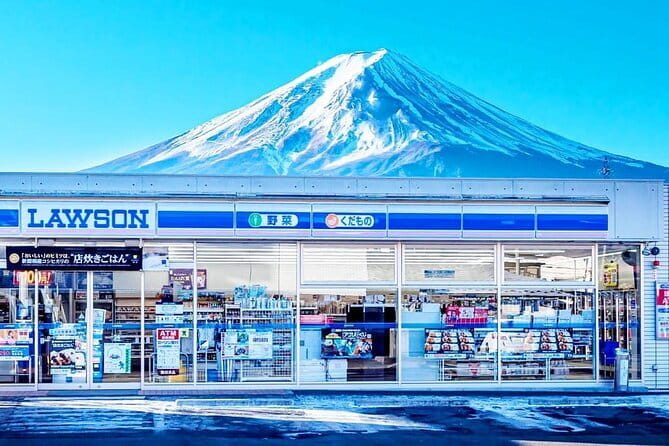
This is the quirky part of the day, and I mean that in a good way. The tour includes a brief stop at LAWSON Kawaguchiko Station, aimed at capturing street-scene photos across the road. The instructions are specific: set a tripod across the street, use portrait mode, and wait for the crowd to thin out before you shoot.
The time window is only 20 minutes, so you’ll need to move quickly—set up fast, shoot efficiently, then pack up. And please take the road-safety warning seriously. A tripod and impatient timing are not a great mix.
Also keep the expectations realistic. The tour notes that if scenery doesn’t meet expectations because of weather or other uncontrollable factors, refunds aren’t issued for unsatisfactory photos. So you’re paying for access and guidance, not guaranteed results.
Oishi Park on Lake Kawaguchi: upside-down Fuji and seasonal flower changes
This is the visual payoff. Oishi Park sits on Lake Kawaguchi, one of the five lakes of Mt. Fuji, and it’s known for the upside-down Mt. Fuji reflection across the water. When it’s clear and calm, it’s one of the most iconic Mt. Fuji looks in Japan.
You’ll have about 50 minutes here to stroll and photograph. The tour’s emphasis is on an easy lakeside walk—admire distant mountains, then focus on reflection angles.
Then the season decides the mood of your photos. Depending on the time of year, the park visit is paired with:
- Lavender (June–July)
- Azalea and Daisy (July–September)
- Kochia (October)
- Autumn leaves corridor (October 20–November 23)
- Cherry blossom festival (April 5–April 14)
This is where the day becomes more than just mountain spotting. The seasonal plants give you color and texture in foreground shots, which helps when the mountain isn’t perfectly crisp.
As always with Mt. Fuji reflections, water conditions and cloud cover matter. The tour can’t control that, so use this stop to chase the best you can get, not the fantasy shot you dreamed about.
Food and the real cost of the day: plan around lunch
Lunch and dinner aren’t included. Bathrooms are not on the bus, so food planning matters less than timing your stops, but budget planning matters a lot.
One highlight from reviews: a Japanese restaurant lunch can be a great add-on, with eel rice specifically mentioned as delicious. If you’re hoping to eat something special, treat the meal as part of your day plan rather than an afterthought.
A simple strategy: carry water, and decide in advance whether you’ll spend on one memorable meal at a restaurant or keep it casual with convenience-store snacks during the free time windows.
Guide quality: when good coaching turns a schedule into a win
The biggest difference between a good Mt. Fuji day and a forgettable one often comes down to the guide. This tour offers multilingual support, and reviews point to two guide names in particular: Mario and Brews.
Mario gets called out for getting people to and from the places with ease and for helping travelers get great photos. Brews is described as enthusiastic, knowledgeable in a practical way, and especially good at summarizing where you are so you can explore more on your own within the time limit.
That summary skill matters. In a one-day schedule, you don’t need a lecture. You need help reading the scene, choosing viewpoints quickly, and moving efficiently before crowds build.
There’s also a cautionary note from the lowest rating: someone reported a lack of contact and trouble finding the group at the meeting point. The tour does provide an email the night before with phone number and vehicle plate, so my advice is straightforward: check that email the evening before, save the phone number, and confirm the meeting location in writing so you’re not relying on memory.
Price and value: what you’re really paying for at $78.66
At around $78.66 per person, you’re paying for a package that includes:
- Round-trip bus service from Tokyo
- Parking fees and fuel surcharge
- A guide with multiple language options
- Mobile ticket convenience
- Multiple free-admission stops across the Fuji area
What you’re not paying for is time flexibility. This is a fixed-day route with set stop durations, so it’s best when you’re okay following a plan. If you want a slow, custom itinerary, this won’t feel as free.
Where the price feels strongest is in reducing friction. Transport to the Fuji area can be time-consuming and expensive if you do it alone, especially if you’re not sure which lakeside angles to prioritize. Here, the day is arranged around the highest-demand views: Arakurayama Sengen Park, Oshino Hakkai, and Lake Kawaguchi at Oishi Park.
One more value point: the tour is capped at a small group size (maximum 10 travelers). That often means less chaos at photo stops than big coach tours.
When this tour fits you, and when it doesn’t
This tour is a strong match if you want:
- A one-day Mt. Fuji hit without complex planning
- A photo-focused route across the most famous spots
- A guided day with enough time to look around, not just stare out a window
It may not fit if you’re expecting deep, Japan-wide cultural education. One review called out that it isn’t the right choice if you want an informative tour about Japan beyond the sights.
Also, if you’re extremely weather-dependent (for example, you only want the perfect reflection shot), know that Mt. Fuji is famous for changing its mood fast. The best plan is to go expecting partial magic and then enjoy the scenery you get.
Should you book this Mt. Fuji and Lake Kawaguchi tour?
I’d book it if you’re short on time and you want the Fuji highlights arranged into a practical day. The mix of classic viewpoints, rural pond scenery, and the Lake Kawaguchi reflection angle is exactly what most first-timers want, and the free-entry stops help your budget stay sane.
I’d hesitate only if your schedule is rigid around exact weather outcomes or if you prefer fully self-paced wandering. A guided day like this is built for efficient seeing, not for long detours.
My final push: check the weather the day before, charge your phone for photos, and show up early for the Gogoday meeting point with your email contact info ready. Do those small things, and you’ll give yourself the best chance at one of Japan’s most dramatic mountain days.
FAQ
How long is the Mt. Fuji and Lake Kawaguchi one-day bus tour?
It runs for about 10 hours (approx.).
Where does the tour start?
The tour starts from Tokyo Station.
Is the ticket mobile?
Yes. You’ll receive a mobile ticket.
Are there entrance fees at the stops?
The tour info lists admission as free at the listed stops.
Is lunch or dinner included?
No. Breakfast, lunch, and dinner are not included, and you can purchase food during the attraction stops.
Are there bathrooms on the bus?
No. Bathrooms are not available on the bus.
What languages does the guide speak?
The guide language options offered are English, Mandarin, Korean, and Japanese.
How big is the group?
The tour/activity has a maximum of 10 travelers.
What seasonal attraction is visited at Lake Kawaguchi?
Seasonal visits vary. Depending on the season, it may include Oishi Park with lavender (June–July), azalea and daisy (July–September), or Kochia (October), or it may include the Autumn Leaves Corridor (October 20–November 23) or the Cherry Blossom Festival (April 5–April 14).
What should I do about the meeting point and timing?
The guide will be holding a yellow flag with the Gogoday logo. Arrive at the meeting location about 15 minutes before the scheduled time. Late arrivals or no-shows cannot be refunded.