A day trip that feels like countryside therapy. You get a scenic Amanohashidate cruise with seagulls and a Kayabuki no Sato village that actually shows rural Japan, not just quick photo stops. My only caution: this day runs on a tight schedule, and the bus leaves on time, so you have to be at the right meeting point early.
I like that it packs big sights into a smooth 9 to 10 hours with air-conditioned comfort, clear time blocks, and an included meal that fits the route. If you want nature views without the stress of transfers, this is a strong “set it and go” option.
One drawback to plan around: the experience depends on good weather, and that matters most for the cruise and outdoor views. If the day is cloudy or rainy, your best moments can still happen, but the vibe may be less magical.
In This Review
- Key Highlights You’ll Actually Feel That Day
- Why Amanohashidate and Miyama Make Sense in One Day
- Meeting Points in Osaka or Kyoto: Start Clean, Don’t Miss the Bus
- Chion-ji Temple: Zen Calm Before the Views
- Amanohashidate Cruise: The Boat Ride That Makes the Sandbar Click
- Kasamatsu Park Cable Car and the Matanozoki Pose
- Lunch: Traditional Amanohashidate Set Meal, With a Vegetarian Option
- Kayabuki no Sato: Thatched-Roof Houses and Real Rural Atmosphere
- Guide Style, Shared Buses, and How to Stay Confident
- Price and Value: Is $79.17 a Good Deal?
- Who This Tour Fits Best (and Who Might Skip It)
- Should You Book This Amanohashidate and Miyama Bus Tour?
- FAQ
- How long is the tour from Osaka or Kyoto?
- Where do I meet the tour?
- Is hotel pickup or drop-off included?
- What’s included in the price?
- Is lunch included, and are there vegetarian options?
- How long is the Amanohashidate cruise?
- How do you reach Kasamatsu Park?
- What happens if the weather is poor?
Key Highlights You’ll Actually Feel That Day
- Amanohidate cruise with seagull-feeding: A quick boat ride (about 12 minutes) that’s fun even if you are not a boat person.
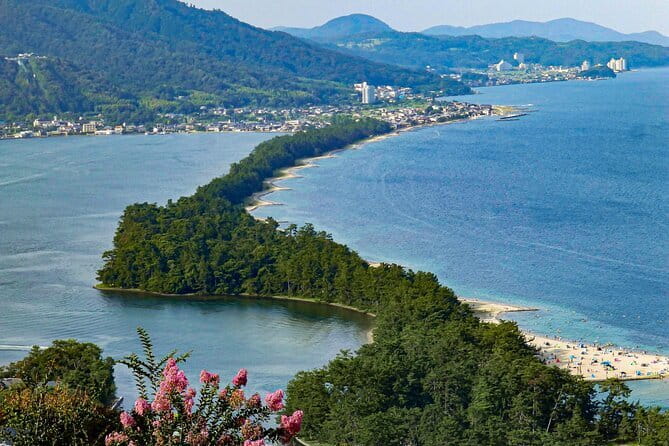
- Kasamatsu Park panoramas: Cable car or chairlift gets you up for that famous sandbar look.
- Matanozoki moment: The upside-down between-the-legs pose is a real thing here, and it’s an easy group photo win.
- Chion-ji Temple calm: A peaceful stop before the scenery gets loud.
- Thatched-roof houses at Kayabuki no Sato: A rural feel that shifts you away from city Japan for part of the day.
- Lunch is included and adjustable: You get a traditional set meal, and vegetarian options are available.
Why Amanohashidate and Miyama Make Sense in One Day
This tour works because it strings together the region’s “greatest hits” in the right order. You start with a temple visit, then you hit Amanohashidate—the sandbar that Japan calls a famous Three Scenic Views—and you finish in Miyama’s countryside with well-preserved thatched houses.
The best part is pacing. You are not spending half the day commuting or guessing trains. Instead, you ride together in a comfortable bus, move from viewpoint to viewpoint, and get lunch positioned so you are not hungry during the outdoor sections.
Also, the route is built for photos, sure—but it’s really built for perspective. The cruise and the park viewpoint give you two different angles on the same “Bridge to Heaven” idea, so you actually understand what people mean.
Meeting Points in Osaka or Kyoto: Start Clean, Don’t Miss the Bus

You choose one of two starting spots: VIP Villa Namba in Osaka or the Kyoto VIP Lounge. The tour is near public transportation, and you get a mobile ticket, so you should be able to get yourself there without drama.
But here’s the non-negotiable part: arrive about 10 minutes early at your selected meeting point. The bus and guide are assigned to that location, and late arrivals (or showing up at the wrong place) can mean you miss the tour with no refund.
A practical tip: before you leave, scan the QR code on the product page and double-check the meeting point reference. It’s the simplest way to avoid the one problem that can’t be solved once the bus departs on time.
Chion-ji Temple: Zen Calm Before the Views
Chion-ji Temple is close to the Amanohashidate area and gives you a quiet reset before the sightseeing ramps up. It’s part of the Rinzai Zen sect, and it’s dedicated to Monju Bosatsu, the Bodhisattva of Wisdom.
This stop isn’t long, but it’s meaningful in a real way. You get to step into traditional temple architecture and feel the slower pace. If you like small rituals, you’ll likely notice ema plaques—people leave wishes here, often related to wisdom and success.
If you’re the type who always thinks temples are “too quick,” try to treat this as a breather. The rest of the day is outdoors and scenic. Starting calm helps you enjoy the contrasts later.
Amanohashidate Cruise: The Boat Ride That Makes the Sandbar Click
Then you go straight to the water for an Amanohashidate cruise. The sightseeing boats mainly run between Amanohashidate Pier and Ichinomiya Pier, and the ride is about 12 minutes.
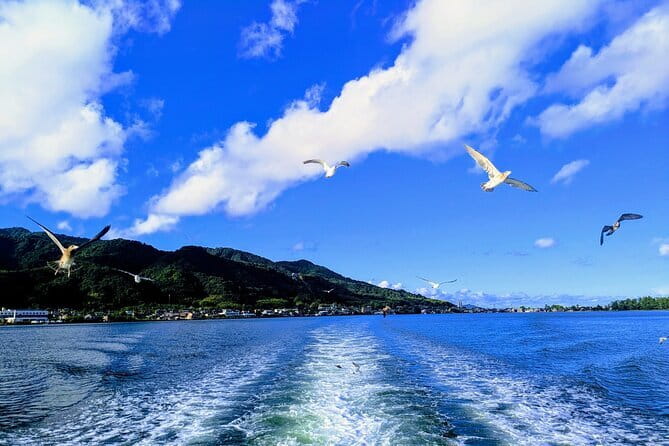
It’s short, but that’s part of the appeal. You get the water perspective without losing half your day. During the cruise, you can enjoy the views of the sandbar and the surrounding scenery, and—this is the fun bit—you can feed seagulls from the boat.
One practical note: because it’s weather-dependent, your experience can feel very different on a bright day versus rain or wind. If you get flexible with your expectations, you’ll still have a good time. But if you hate being cold or wet, plan for layers.
Kasamatsu Park Cable Car and the Matanozoki Pose
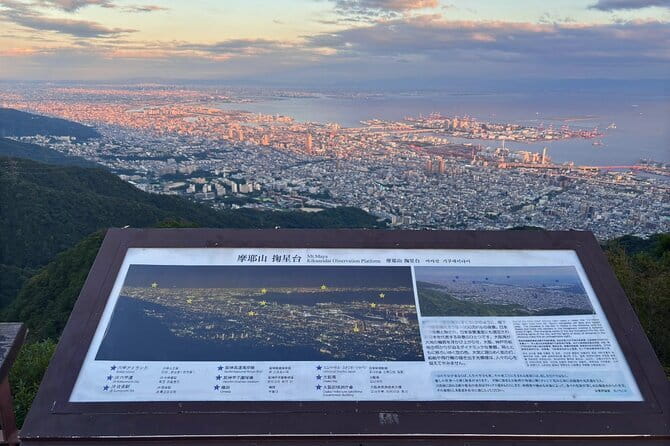
Next up is Kasamatsu Park on the northern side of the sandbar. This is where you see Amanohashidate from above, and it’s often considered one of the Three Scenic Views.
To get there, you use a cable car or chairlift, and you’re given time (about 50 minutes) to enjoy the panoramas. The park is also famous for Matanozoki, a goofy-but-famous pose where people bend over and look at the scenery upside-down between their legs. The idea is that it helps the sandbar resemble a bridge to heaven.
If you want the best photos, go early in your time window and move around a bit before you take your shot. Viewing spots can feel competitive during busy moments, and this is one place where positioning matters.
Lunch: Traditional Amanohashidate Set Meal, With a Vegetarian Option
Lunch is built into the flow, not tacked on randomly. You head to a local restaurant for a traditional Amanohashidate set meal focused on local flavors.
You also have a key comfort detail: vegetarian options are available. That’s not always true on day trips, so it’s worth noting if you plan meals carefully.
The lunch slot is about 45 minutes. That means you need to treat lunch like fuel, not a long sit-down feast. If you eat a little earlier than you would on your own trip, you’ll feel less rushed when you head to the village afterward.
Kayabuki no Sato: Thatched-Roof Houses and Real Rural Atmosphere
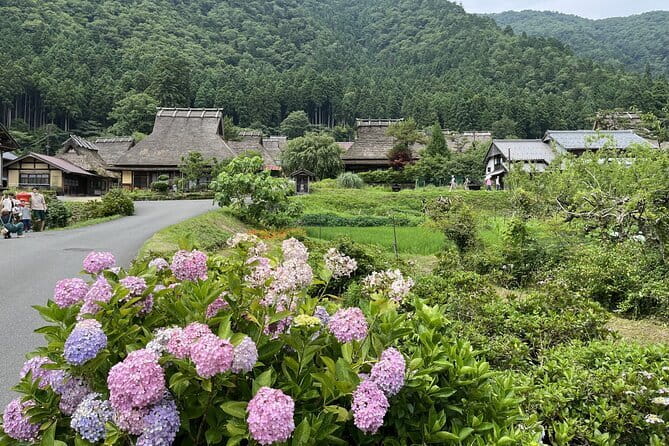
After lunch, you go to Miyama Village’s Kayabuki no Sato, a picturesque rural area known for well-preserved thatched-roof houses. This is one of those places where the goal is to slow down and notice details.
You’re given around 50 minutes here, which is enough time to walk the village paths, take in the architecture, and get a sense of how rural Japan lived in the past. The houses and the countryside feel like a different world compared to central Kyoto or Osaka.
Here’s my advice: don’t rush straight to photos. Spend a few minutes just looking at the village layout and the texture of the buildings. The charm comes from the small, human scale of the place.
Also remember: if the weather is poor, outdoor walking can feel less pleasant. Keep your expectations flexible, especially if rain or wind is in the forecast.
Guide Style, Shared Buses, and How to Stay Confident

This tour runs with an English-speaking guide or a Chinese-speaking guide. Depending on group size, both language groups may share the same bus, so you may find yourself in mixed-company days.
The good news is that the guides seem to keep things moving and explanatory. In past tours, people specifically mentioned guides like Mr. Eric, Harry, and Liu for doing a great job and keeping things organized. That kind of on-the-fly help matters most when you’re bouncing between a temple, a boat, viewpoints, and a village all in one day.
Two practical habits help a lot:
- Bring something small for time gaps (a snack or water), especially if you personally get hungry between stops.
- Keep your phone charged enough for photos and for the QR-based meeting point reference.
And yes, it’s a group day—maximum around 45 travelers—but the structure is what keeps it from feeling chaotic.
Price and Value: Is $79.17 a Good Deal?
At about $79.17 per person, this is not a “cheap and simple” tour, but it is also not trying to be a luxury day. The value comes from what’s included:
- Round of organized transportation in an air-conditioned vehicle
- Temple, cruise, cable car/chairlift, and village entry costs covered as part of the plan
- Lunch included
- A guide (English or Chinese)
- All fees and taxes
If you were to price out those pieces separately—transport, boat ticket, cable car, and a guided itinerary—you’d usually spend more than you expect. For people who want the scenery of Amanohashidate and Miyama without navigating multiple transit steps, this feels like a fair trade.
Where it might not be worth it: if you already know the area well and you prefer to control your own timing, a DIY plan could save money. But for a one-day hit with minimal stress, the included activities do a lot of heavy lifting.
Who This Tour Fits Best (and Who Might Skip It)
This tour is a great match if you:
- Want nature and countryside views without a complicated transit plan
- Like structured days where the ticket and timing parts are handled
- Appreciate a mix of temples, water views, and rural architecture
- Need lunch included and vegetarian-friendly
You might want to consider a different option if:
- You hate strict schedules and late-arrival rules
- You strongly prefer unguided wandering with lots of freedom
- You are very sensitive to weather impacts, since the cruise and outdoor stops depend on it
If you’re staying in Osaka or Kyoto and your schedule is tight, this is one of the more efficient ways to get out into the region for a full day.
Should You Book This Amanohashidate and Miyama Bus Tour?
I’d book it if your goal is to see Amanohashidate plus Kayabuki no Sato in a single day with a guide, a cruise, scenic viewpoints, and lunch included. It’s especially worth it when you want the area’s best visuals without spending your energy on transfers and tickets.
Before you click confirm, do two things: check the day’s weather, and plan to arrive at the meeting point early and on the right side of town. Get those right, and you’ll have a fun, scenic day that feels like you left city life behind.
FAQ
How long is the tour from Osaka or Kyoto?
The tour runs about 9 to 10 hours, depending on traffic conditions that day.
Where do I meet the tour?
You meet at either VIP Villa Namba in Osaka or the Kyoto VIP Lounge. The tour uses a specific meeting point, so you should arrive about 10 minutes early.
Is hotel pickup or drop-off included?
No. The tour does not provide hotel pickup or drop-off.
What’s included in the price?
All fees and taxes, air-conditioned vehicle transportation, lunch, and an English-speaking guide or Chinese-speaking guide are included. Admission for the listed activities is also covered as part of the tour stops.
Is lunch included, and are there vegetarian options?
Yes. Lunch is included, and vegetarian options are available.
How long is the Amanohashidate cruise?
The cruise time is about 12 minutes, traveling between Amanohashidate Pier and Ichinomiya Pier.
How do you reach Kasamatsu Park?
You reach Kasamatsu Park via cable car or chairlift, and the ticket for this is included.
What happens if the weather is poor?
This experience requires good weather. If it’s canceled due to poor weather, you’ll be offered a different date or a full refund.