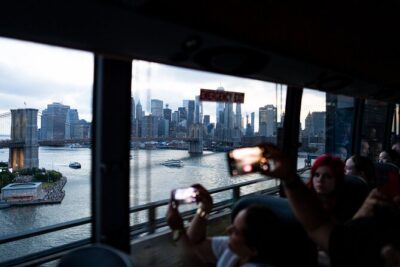
A city bus tour in Nairobi sounds basic until you realize you’re pairing it with a KICC helipad skyline view and a guided cultural window through areas most people skip. You stay inside an air-conditioned van for the long stretches, then you step out for a short market break and a proper photo view over the city.
I especially like two things: the small group (up to 8) keeps the experience calm, and the guide-led storytelling makes neighborhoods like uptown vs. downtown feel understandable instead of random. One drawback to plan for: Nairobi traffic can be slow, and parts of the drive may feel more like waiting than cruising.
In This Review
- Key things worth knowing before you go
- Nairobi from the road: why the air-conditioned van matters
- Pickup, safety briefing, and getting your bearings fast
- Guided city drive: what you’ll actually see from inside
- Market time in Nairobi: fruit salad and souvenir shopping without pressure
- KICC helipad skyline view: where the city makes sense
- The real timetable: making the most of a 4-hour city loop
- Price and value: what $17 buys you in Nairobi terms
- Who this tour is best for (and who should skip it)
- Quick practical advice: how to make the day smoother
- Should you book this Nairobi City Site-Seeing Bus Tour?
- FAQ
- Is the KICC rooftop/helipad entry fee included?
- What’s included in the price besides the tour?
- How long is the tour?
- Do I get picked up from my hotel?
- Is the fruit salad definitely included?
- What language is the guide?
- Is the tour okay for people with mobility issues or motion sickness?
Key things worth knowing before you go
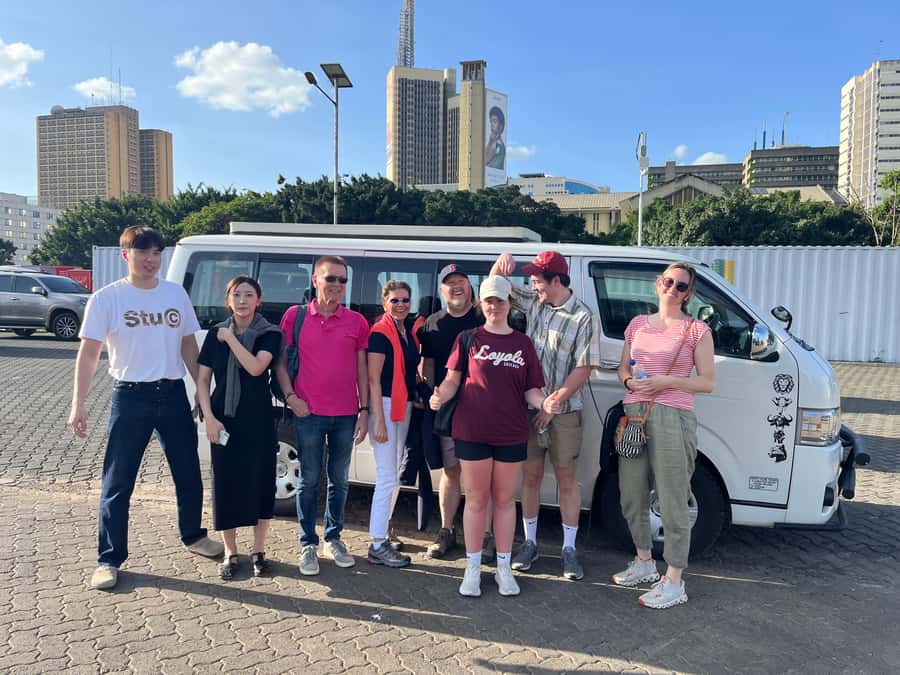
- Air-conditioned van comfort: you see Nairobi without baking in the heat.
- Market time with fruit salad: a short break for local flavor and souvenir browsing.
- No-stress downtown viewing: you don’t have to get out during busy stretches.
- KICC rooftop/helipad views: skyline photos plus clean facilities and a cafe stop.
- Guides with real city context: people like Jacqueline and Dennis have been singled out for being clear and helpful with the city.
Nairobi from the road: why the air-conditioned van matters

This tour works for people who want a first look at Nairobi without the fatigue of constant walking. You’ll ride in an enclosed, air-conditioned van for most of the experience, which is a big deal in a city where the weather can feel relentless. It also helps reduce decision-making stress. You’re not trying to figure out traffic, routes, or where to stop for photos.
There’s another practical reason this format helps: it gives you a more controlled, guided flow through areas you might otherwise feel unsure about. The tour isn’t trying to scare you—just using the comfort of the van to keep you moving steadily while a guide handles the pacing. If your priority is seeing lots of Nairobi in one afternoon, this is a strong fit.
Pickup, safety briefing, and getting your bearings fast
You start with hotel pickup in Nairobi (or organized transport to the meeting point if your location needs it). Once everyone’s together, there’s a safety briefing before the sightseeing really begins. It’s not the kind of lecture that kills the mood. It’s more like a quick setup so you know what to expect, where you’ll be headed, and how to handle small moments during the day.
A key part of the value here is that you’re not on your own with a route. Your guide leads the experience in English and Swahili, and you’ll get explanations that make the neighborhoods click. Names you might hear include areas like Eastlands, Westlands, and regions you can spot from the skyline view later on.
And because the group is capped at 8 people, you’re more likely to get real answers than you are on a giant bus.
Guided city drive: what you’ll actually see from inside

Once you’re moving, the tour focuses on viewpoints from the vehicle. You get scenic drives, photo moments, and guided context while Nairobi slips by outside the windows. A short stop is built in (around 10 minutes) for quick viewing/refreshment-style moments, then the longer segments keep you comfortable and moving.
Here’s how to think about it: this isn’t a “hop-on, hop-off everywhere” style tour. Instead, it’s a guided loop with stops chosen to keep you comfortable. In downtown stretches, you typically stay seated. The reason isn’t about fear. It’s about comfort—downtown can be intense and the flow of people and activities makes it less pleasant to stand around longer than necessary. So you get the view, but without the chaos.
Also note the real Nairobi factor: traffic. One person highlighted that portions of the tour felt like standing in slow-moving traffic. So bring patience. The scenery you’re aiming for is worth it, but don’t plan to feel like you’re cruising the whole time.
Market time in Nairobi: fruit salad and souvenir shopping without pressure
A key moment comes when the tour shifts from “drive and view” to “step into the local rhythm.” You’ll walk into a market area for time that includes a food market and arts & crafts market stop. This is where the tour becomes more than scenery.
You’ll also have a chance to enjoy a free fruit salad while you’re driving through Nairobi and/or during the market break (it’s described as optional, so you’re not stuck with something you don’t want). It’s a smart add-on because it feels local without requiring a long meal plan. It’s also a nice reset if you’ve been on the road for a while.
Souvenir shopping is part of the plan. You can look for items like flowers and small crafts, and you may find souvenir stalls with fixed pricing that’s set up to be easy for visitors. This is the moment to be a confident buyer: check quality, compare a couple stalls, and don’t assume the first price is the final price for every item.
KICC helipad skyline view: where the city makes sense

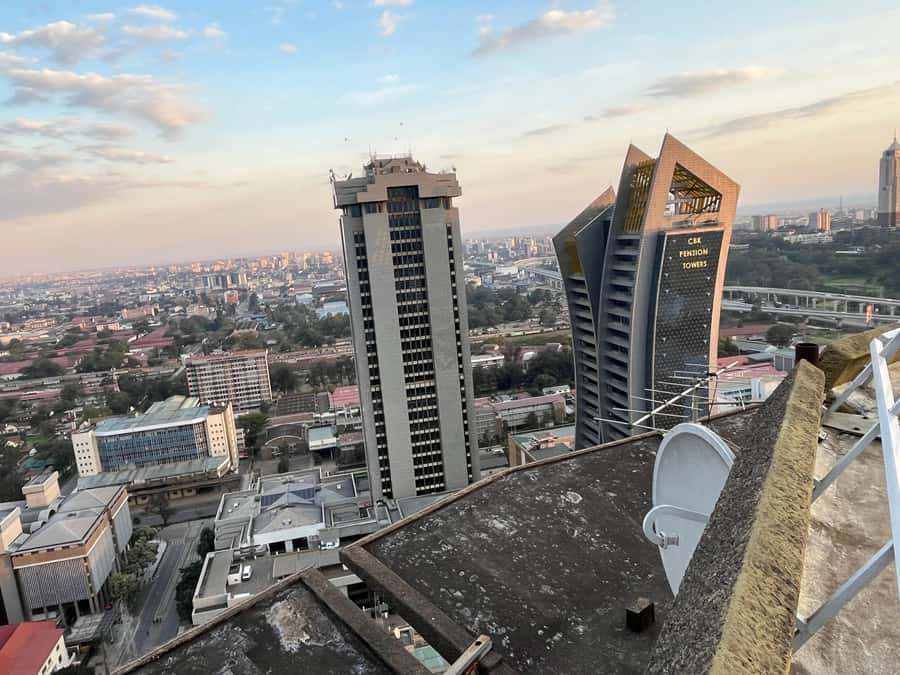
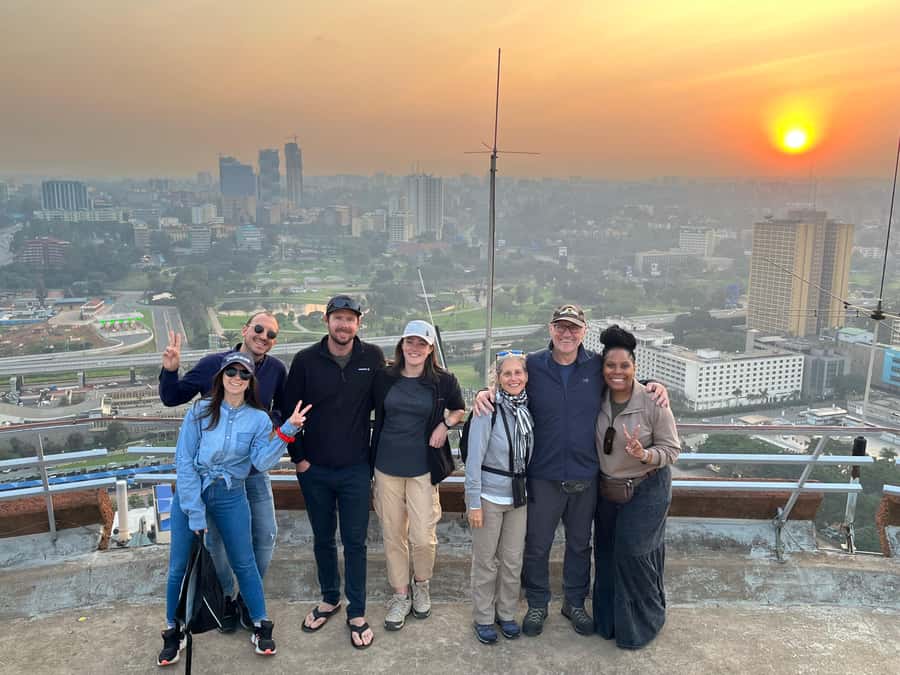
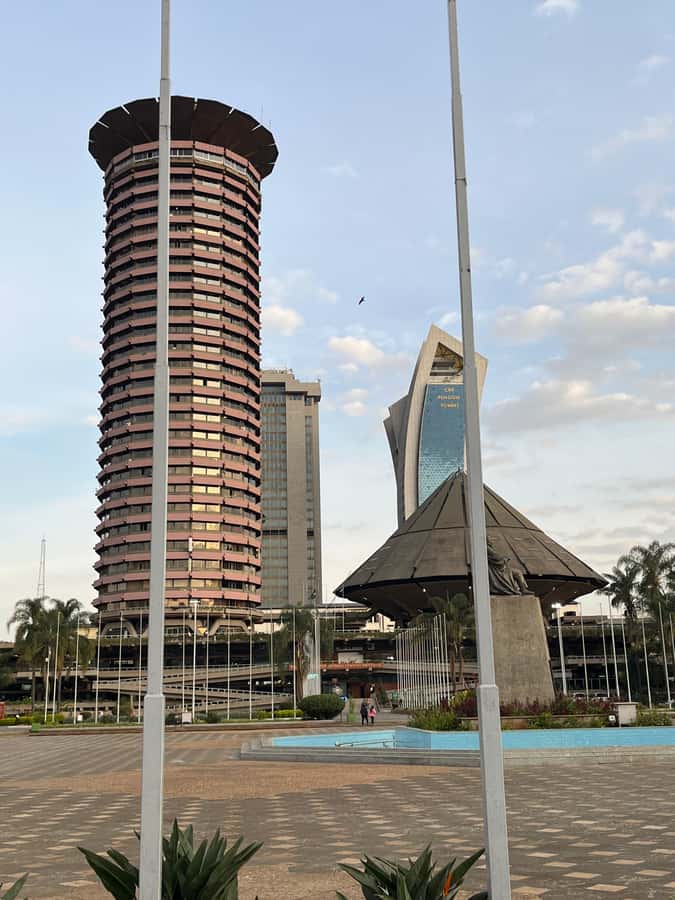
The highlight stop is a planned ascent to the Kenyatta International Conference Centre (KICC) helipad. This is the payoff moment. Nairobi from street level can feel like a blur of motion and change, but up high you can start placing the city in your mind.
From the rooftop area, you get a panoramic view that can include big landmarks you can name and remember, along with recognizable districts such as Parliament building, Karura forest (in the broader view), Uppehill, Eastlands, Westlands, and even Nairobi National Park when conditions line up. Not every horizon will be equally clear on every day, but the point is that you’re given a skyline map you can photograph and use later.
KICC also gives you practical comfort. You’ll have access to clean washrooms, and there are ATMs, a sitting area, and a cafe. That matters when you’re touring for about four hours total—you need a break that isn’t stressful.
One important detail: the KICC entry fee is not included in the tour price. There’s a stated cost of $4 paid by credit/debit card only (no cash) for the rooftop/helipad. There’s also a note that KICC can close abruptly due to private government functions or VIP presence, so build in the possibility that the rooftop moment might be adjusted.
The real timetable: making the most of a 4-hour city loop
This tour is designed for a 4-hour window, and it moves with a steady rhythm:
- time to gather and do the safety briefing,
- guided sightseeing drives with short stops,
- market time for food and crafts,
- and the KICC skyline visit.
What that means for you is pacing. You won’t see Nairobi like a slow documentary, and you won’t get hours and hours for photos. Instead, you get a structured overview that helps you decide what to explore next day.
If you’re sensitive to motion, pay attention to the ride. It’s a drive-focused tour, and it’s specifically labeled as not suitable for people with motion sickness. If you know you’re affected easily by vehicle movement, this is your cue to choose a different format.
Also bring practical clothing choices. Wear comfortable clothes and shoes, because you’ll do short walking around the market. The tour isn’t a long trek, but you do need enough comfort to move.
Price and value: what $17 buys you in Nairobi terms

At $17 per person, this tour is positioned as a low-cost way to get guided orientation plus a skyline view. The value isn’t just the sightseeing. It’s the package of small conveniences that add up fast in Nairobi:
- hotel pickup and drop-off
- safe bottled water
- WiFi
- a guide who explains what you’re seeing
- and included experiences like fruit salad, plus market access and other paid add-ons such as shoe cleaning (mentioned as part of the value the tour covers)
So where does the money go? Most of it is covering transport, time, and guide attention. That can be hard to recreate on your own if you’re trying to coordinate safe, timed stops quickly.
What’s not included is mainly the KICC rooftop fee. Also, if KICC access changes due to events, you may still be on the schedule but the rooftop component could be different than expected. Still, even with that caveat, the overall plan tends to deliver a strong “first afternoon in Nairobi” picture.
Who this tour is best for (and who should skip it)

This is a smart pick if you want:
- a first-time Nairobi overview in one go,
- a guided view of both parts of town without constant indecision,
- and a skyline stop that helps you orient yourself for future plans.
It’s also described as friendly for people with some physical challenges because it’s not a long walking tour. But there’s an important boundary: it’s still listed as not suitable for wheelchair users and not suitable for people with mobility impairments. So if you need wheelchair access or have mobility limitations that require step-free routing, skip this one.
On the other side, it may be less ideal if you:
- get motion sick in vehicles,
- want a lot of time on the street for wandering,
- or are hoping for a fully DIY schedule.
Quick practical advice: how to make the day smoother
Before you go, bring a credit card (for the KICC rooftop fee if access is open) and comfortable clothing. There’s also a list of items not allowed, including alcohol and drugs, pets, electric wheelchairs, fireworks, military-style clothing, and nudity. The basics matter, but it’s also a reminder to dress normally—no costume energy needed.
One more city rule worth remembering: it’s illegal to smoke in public. If you smoke, don’t plan to do it curbside.
Finally, expect Nairobi to feel like Nairobi—traffic can slow you down, and the day is structured around that reality.
Should you book this Nairobi City Site-Seeing Bus Tour?
Book it if you want an efficient, guided introduction to Nairobi with comfort, context, and a skyline payoff. The small group size, guided explanations, and KICC views make it a good value for the price, especially if it’s your first time in town and you want to understand where things sit.
Skip it if you’re looking for lots of independent wandering, you’re very prone to motion sickness, or you need wheelchair-friendly access. If you fit the “4-hour overview” goal, this tour is built for you.
FAQ
Is the KICC rooftop/helipad entry fee included?
No. The tour lists the KICC entry ticket as not included. There is a $4 fee for the rooftop, and it’s paid by credit/debit card only (no cash). The provider also notes KICC can close abruptly for private government functions or VIP presence.
What’s included in the price besides the tour?
The tour includes hotel pickup and drop-off, safe bottled water, WiFi, and a guide. It also adds value by paying for experiences like fruit salad and other local add-ons (including shoe cleaning).
How long is the tour?
The duration is 4 hours. Starting times depend on availability.
Do I get picked up from my hotel?
Yes. The tour includes pickup and drop-off, and you should be at a convenient location at your hotel/residence (main entrance or pickup/drop-off area). If your location is far or needs coordination, the provider may organize transport to meet them, and in some cases they may help with Uber/taxi arrangements.
Is the fruit salad definitely included?
It’s described as free and tasty, with the fruit salad being optional during the market moment. If you prefer not to have it, the tour description indicates it’s not something you’re forced into.
What language is the guide?
The live tour guide operates in English and Swahili.
Is the tour okay for people with mobility issues or motion sickness?
The tour notes it is not suitable for wheelchair users and people with mobility impairments. It also says it’s not suitable for people with motion sickness. If you’re able to handle short walks in markets and you don’t react to vehicle movement, the van format may feel easier than a full walking tour.