
Some cities feel huge. New Orleans feels bigger.
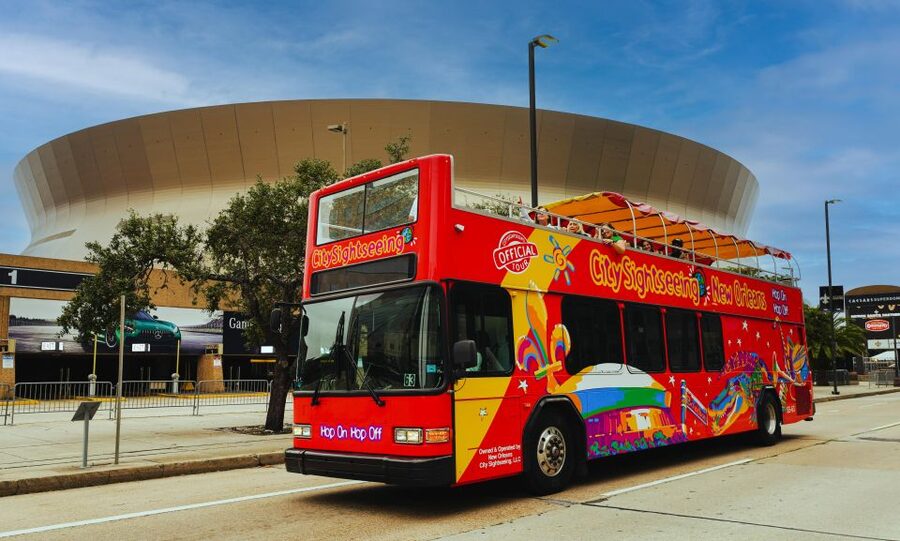
I like this open-top hop-on hop-off setup because it helps you see a lot without committing to one fixed day plan. You can ride the loop, hop off to explore, then get back on when you’re ready, while live guides talk history along the way.
I also love the live commentary style from guides like Paige (Garden District) and Logan, plus the practical way the bus stops drop you near neighborhoods you’d otherwise have to hunt for. And if you choose the right ticket, you get guided walking time too: the 2-day option adds a Garden District walk, and the 3-day option adds a French Quarter walk.
One possible drawback: the service day is shorter than you might expect, with the last full loop starting around 4:00 PM and major events causing stop closures. If you’re the type who likes a late afternoon museum detour, plan your get-off points earlier.
In This Review
- Quick Highlights You’ll Actually Use
- The Big Value: Getting Oriented in New Orleans Fast
- How the Loop Timing Works (and How to Avoid the Last-Bus Panic)
- Riding Comfort: Upper Deck Views and Real-World Heat
- Your Stops, Explained: What Each Area Offers
- 1) Jackson Square (700 Decatur St.) and the French Market Energy
- 2) Esplanade Avenue: A Different View of the Same Story
- 3) Tremé and Lafitte Area: Neighborhood Texture, Not a Theme Park
- 4) Basin St. Station and Canal Street: Your Crossroads
- 5) Central Business District and the Big Stops: WWII Museum and Superdome Area
- 6) Magazine Street: Shop-and-Stroll Energy
- 7) Garden District and St. Charles Ave: The Neighborhood Walk Bonus
- 8) Arts District and Riverfront (Creole Queen) Area
- 9) Harrah’s Casino on S. Peters and Canal Place: Easy Add-Ons
- The Included Walking Tours: What You Gain (and What to Watch)
- Garden District walk (2-day and 3-day)
- French Quarter walk (3-day only)
- Guides Matter More Than You Think
- Using the Deals and Discounts Along the Route
- Who This Pass Is Best For
- Price Reality Check: When It’s Worth It, and When You Might Overbuy
- Should You Book This New Orleans Hop-On Hop-Off Bus?
- FAQ
- How long is the hop-on hop-off bus experience?
- Is the tour hop-on hop-off?
- Where can I start the bus?
- What walking tours are included?
- Are attraction tickets included?
- What time does the bus run?
- How often do buses depart?
- Are restrooms available on the bus?
- What items are not allowed on board?
Quick Highlights You’ll Actually Use

- Open-air views from the upper deck, plus covered seating on the lower deck when the sun gets intense
- Hop on and off anywhere across a network of stops, so you can build your own order of neighborhoods
- Live history talk from the bus guides, with different personalities and stories depending on who’s on board
- Garden District walking tour included on the 2-day pass (with guides like Colin and Alan noted for building context)
- French Quarter walking tour included on the 3-day pass, usually centered around the core architecture area
- Deals along the route at attractions, restaurants, and gift shops (worth grabbing when you board)
The Big Value: Getting Oriented in New Orleans Fast
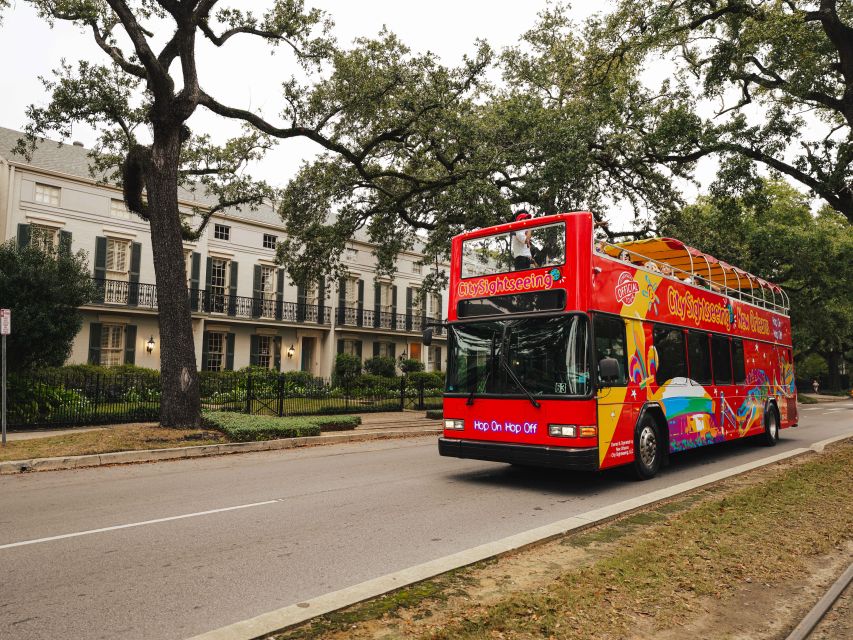
New Orleans can be confusing in the best way. Streets bend, neighborhoods shift fast, and one corner can feel like a different city. This bus tour helps you get your bearings in real time. You’ll see the main “spines” of the city, then you can return later on foot for anything that pulls you in.
At $47 per person for a 90-minute ride structure, the price is mostly about flexibility. You’re not buying a single fixed experience. You’re buying time and convenience across multiple stops, with the option to use the bus again over 2 or 3 days. If you’re planning a short trip and don’t want to spend money and energy on constant rideshare hopping, this kind of pass often pays for itself in mental effort alone.
How the Loop Timing Works (and How to Avoid the Last-Bus Panic)
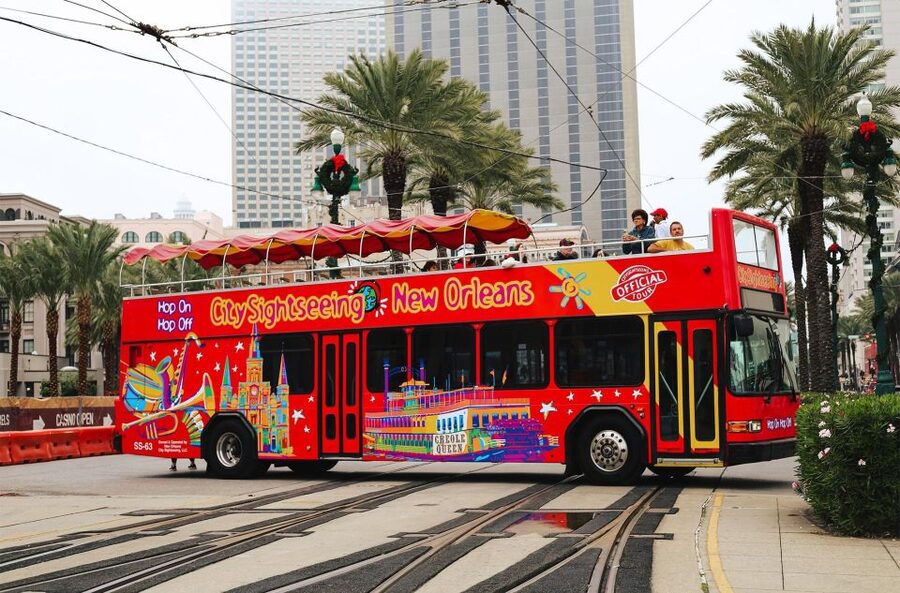
The buses run 7 days a week, from 9:30 AM to 5:30 PM, with departures from each stop every 30 minutes. The key detail is that you don’t have unlimited evening time. The last full tour is from any stop at 4:00 PM.
That means your day needs a “close-the-loop” mindset. I’d treat the bus like a daytime organizer: use it to get to your top sights, then plan your last major stop with enough margin to reach a bus return point before the end of service. If you’re thinking of settling in for an afternoon that might run late, pick a museum or walking stop that finishes comfortably before the last loop.
There are also occasional schedule changes on major dates (like New Year’s Eve and Mardi Gras parade days), and some stops can be closed during big festivals. If your trip overlaps those periods, check what’s open before you plan your day.
Riding Comfort: Upper Deck Views and Real-World Heat
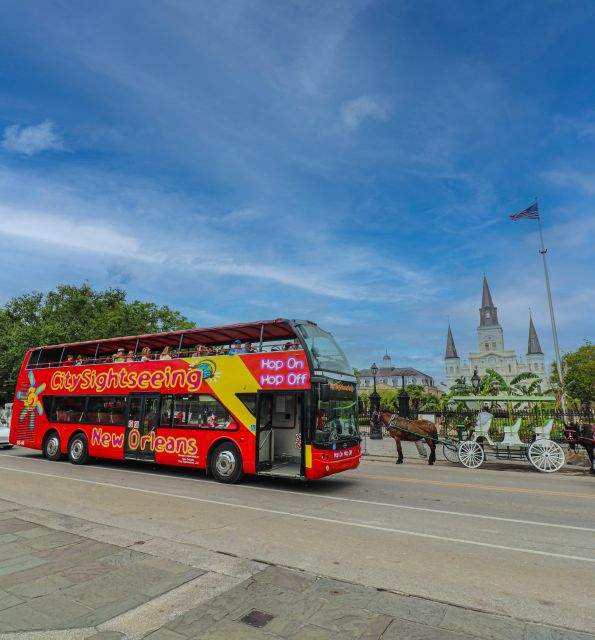
This is an open-top double-decker bus. I love two things about that:
1) the upper deck makes it easy to see street life and architecture as you move
2) the lower deck is usually your “recover” option when the sun gets rough
New Orleans weather is part of the story, not something to fight. Bring water and expect strong sun. One rider noted the heat and heat index felt brutal around 90°F to 100°F, and another mentioned at least one bus not feeling air-conditioned. Either way, plan to cool down at stops with shade or indoor breaks.
Also note: there are no restrooms on board, and there’s no luggage storage. So if you’re carrying bags, keep them light and treat the bus as transport, not a place to hang out for hours.
Your Stops, Explained: What Each Area Offers

Here’s how the route makes sense as a day-by-day tour, even though you’re hopping on and off.
1) Jackson Square (700 Decatur St.) and the French Market Energy
Starting around 700 Decatur St. puts you right by the classic New Orleans postcard zone. Jackson Square is where street performers, artists, and a lot of the city’s pageantry gather. It’s also an easy place to begin because most people can find it without stress.
Next, you pass the French Market area. This is where the city feels more commercial and lively, and where you can browse between bites. If you’re building a “first day orientation loop,” this portion helps you learn what parts of the French Quarter you actually want to linger in later.
2) Esplanade Avenue: A Different View of the Same Story
As the bus rolls along Esplanade Avenue, you’ll start seeing the city stretch out beyond the Quarter’s tight vibe. This segment helps you spot where neighborhoods loosen up and where you might want to walk later instead of riding all day.
If you’re taking photos, this is a stretch where the changing skyline and street rhythm can be more interesting than the single-square stops.
3) Tremé and Lafitte Area: Neighborhood Texture, Not a Theme Park
The bus heads toward Tremé, near Rampart & Ursulines Avenue. Tremé is one of those places where New Orleans history feels present in daily life. Even if you only hop off for a short walk, you’ll get a stronger sense of local neighborhoods than you would staying locked into the main tourist core.
4) Basin St. Station and Canal Street: Your Crossroads
Stops around Basin St. Station and Canal Street are useful because they connect you to multiple directions. Canal is busy, and that’s the point. You’ll see how the city routes traffic and movement, and you’ll get a feel for where you can transition between areas.
If you’re using this as a planning tool, this is where I’d decide what my next hour should be. Hop off near Canal when you want easy walking access. Stay on the bus when you want to get across town faster.
5) Central Business District and the Big Stops: WWII Museum and Superdome Area
The route moves into the Central Business District area, then heads toward major landmarks like the National WWII Museum and the Louisiana Superdome area (both on the route stops list).
The WWII Museum is the kind of stop you might underestimate until you’re there. Even if you don’t book a full deep-ticket program, it’s a strong “anchor” stop: you can plan a several-hour break or a smaller visit and still feel like you did something substantial.
The Superdome zone is more about scale and city layout. It’s also a handy waypoint if you want to break up your day into manageable travel sections.
6) Magazine Street: Shop-and-Stroll Energy
Magazine Street is one of the best places to hop off and slow down. It’s the kind of corridor where you can browse, pause, and make decisions on the fly. If you find yourself enjoying walking, this stretch gives you that option without making you navigate tiny back streets.
7) Garden District and St. Charles Ave: The Neighborhood Walk Bonus
This is where the pass options start to feel like more than just bus rides. The 2-day ticket includes a guided Garden District walking tour, and the 3-day ticket adds a guided French Quarter walking tour as a bonus.
On the bus route itself, you’ll also pass through areas tied to Garden District and St. Charles Avenue. This makes the guided walk feel like a natural continuation rather than a random side activity.
Walking with a strong guide helps you see details quickly—house layouts, streetscape, and the way the neighborhood’s vibe changes as you move block to block. Guides like Colin and Alan were called out as knowledgeable and helpful, and I’d expect the best experience when you ask questions instead of treating it like a lecture.
8) Arts District and Riverfront (Creole Queen) Area
The route includes the Arts District and Riverfront | Creole Queen stop. This side of the city is where you might go if you want open space, water views, and a “step back” from crowds.
I like this portion because it gives your legs a break. You can treat it as a casual stroll and photo time, then return to the bus when you want to go back into denser areas.
9) Harrah’s Casino on S. Peters and Canal Place: Easy Add-Ons
Finally, the tour hits Harrah’s Casino on S. Peters Street and Canal Place. These stops are practical even if you’re not planning to gamble. They’re big landmarks and easy reference points, which makes the loop easier to manage when you’re hopping across town.
If you’re thinking of transport planning, Canal Place can also work well as a landing point near central waterfront movement.
The Included Walking Tours: What You Gain (and What to Watch)

This tour includes walking only when you choose the matching ticket type.
Garden District walk (2-day and 3-day)
The Garden District guided walking tour is included with the 2-day pass. I like that because it turns part of your trip from “ride and look” into “ride and understand.” The guide’s job is to connect the neighborhood’s look to why it exists and how it developed.
Based on guide feedback I’ve seen, people really respond to guides who answer questions and point out specific recommendations for what to do next, such as suggestions like stopping at Parasol Pub after the tour.
One caution: walking tours take time. Wear shoes you can handle and expect the day to be structured around the group’s pace.
French Quarter walk (3-day only)
The 3-day ticket adds a guided walking tour through the French Quarter. This one can be more compact depending on the day and group, and the focus tends to be around the architecture and key area around Jackson Square.
I’d treat it like an on-foot primer. If you want maximum independence afterward, this format helps. If you specifically want longer walking coverage, you may want to plan extra self-guided time after your tour ends.
Guides Matter More Than You Think

The bus guide experience is a big part of the value here. People reported different guide personalities adding different stories and not always reading the exact same script. That means you can ride multiple loops over 2 or 3 days and still feel like you learned more instead of repeating the same talk.
Names that stood out from guide feedback include Logan, Paige, Mary, Nicoll, Gena, and Colin, along with other guides like Courtney, Zelda, Alan, Jonathan, and Linda. Not every guide will match your humor style. But the general pattern is that the best rides come when you pay attention and follow the guide’s suggestions for what to see next.
Using the Deals and Discounts Along the Route
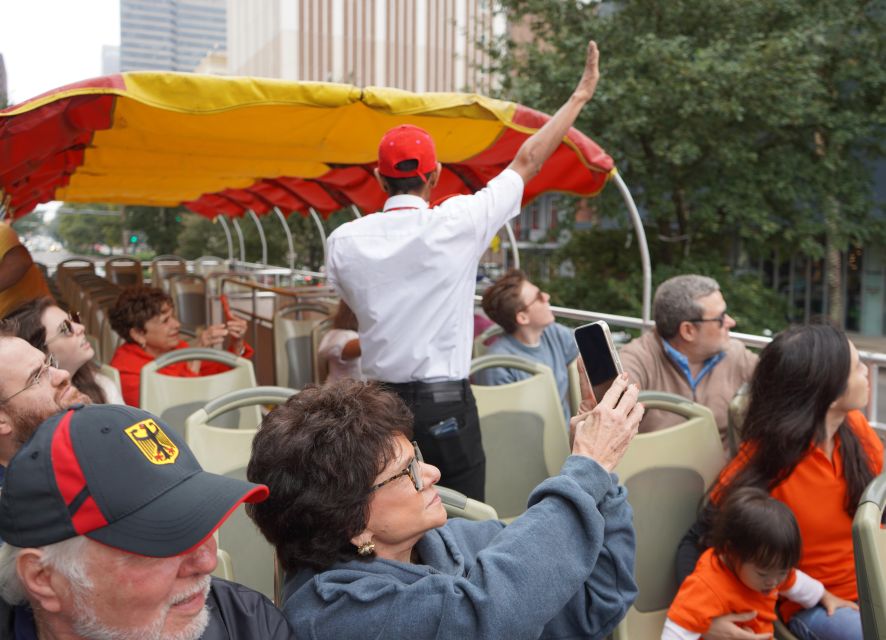
One real perk is the deals and discounts offered at various attractions, restaurants, and gift shops along the route. It’s not a full “everything is free” situation, but it can shave the edges off your spending.
My practical advice: keep an eye out for where the vouchers or discount info is shared when you board. Then match deals to your actual plan. If you see a deal for something you were already considering, that’s where this feature earns its keep.
Who This Pass Is Best For
This is a great fit if you:
- want an easy way to get oriented without a complicated plan
- are short on time and don’t want to keep guessing routes
- prefer flexible sightseeing with the option to hop off and wander
- want to add guided walking to make the neighborhoods make more sense
It can also work well for solo travelers, since you’re not dependent on finding a ride to get across town. For anyone with mobility needs, the buses are wheelchair accessible and stroller accessible, and service animals are allowed on board.
If you’re traveling with a lot of luggage, remember there’s no luggage storage on the bus. Keep your load manageable.
Price Reality Check: When It’s Worth It, and When You Might Overbuy

The pass is priced to cover multiple days of riding and guided walking (depending on the option you pick). You’re likely to feel good about the purchase if you:
- actually plan to ride more than once
- want both bus context and at least one walking tour
- will use the stops as a way to structure your day rather than just jumping randomly
If you only want one tight set of highlights, you might feel like you’re paying for extra rides you don’t use. Still, the flexibility helps even then, because you can hop on later if you decide to extend a day.
Should You Book This New Orleans Hop-On Hop-Off Bus?
I’d book it if you want a simple backbone for your New Orleans trip. It’s especially strong for first-timers who want to learn the city quickly, plus anyone who likes the idea of adding the Garden District walking tour and possibly the French Quarter walk without doing extra heavy planning.
I’d hesitate only if your trip style is very “late afternoon everything” or you’re traveling during major parade/festival dates when stops can close. Also, if you hate waiting on schedules, remember buses leave every 30 minutes, so your day will be slightly tied to that rhythm.
If you want an efficient way to move across New Orleans while learning what you’re seeing, this is a solid, practical choice.
FAQ
How long is the hop-on hop-off bus experience?
The activity duration is 90 minutes, and you can ride the route using hop-on hop-off access across your chosen pass validity period.
Is the tour hop-on hop-off?
Yes. You can hop on and off at any of the listed stops and present your voucher to board.
Where can I start the bus?
You can start at any of the 19 stops, including major points like Jackson Square (700 Decatur St.), French Market (N. Peters & Ursulines Ave.), Canal St., and Canal Place (301 Canal St.).
What walking tours are included?
The 2-day pass includes a guided walking tour of the Garden District. The 3-day pass includes the Garden District walking tour plus a guided walking tour of the French Quarter.
Are attraction tickets included?
No. Attraction tickets are not included in the tour price.
What time does the bus run?
The tour runs 7 days a week from 9:30 AM to 5:30 PM, with the last full tour starting from 4:00 PM.
How often do buses depart?
Buses depart from each stop every 30 minutes.
Are restrooms available on the bus?
No. The buses are not equipped with restrooms.
What items are not allowed on board?
Selfie sticks, food, and alcohol and drugs are not allowed. Pets are also not allowed (service animals are allowed).