
Okinawa looks best from a bus window. This long but well-paced ride strings together the big north-coast hits with a smart audio guide that works on your phone as you travel. I like the freedom of choosing either the Churaumi Aquarium or the Tropical Dream Center, depending on your mood that day.
I also really like how the tour is built around photo-and-views moments: crossing the Kouri Bridge over emerald water, then stopping at scenic Cape Manza with its famous rock. It’s the kind of route that helps you get your bearings on Okinawa fast, even if you only have a short stay.
The main drawback is simple: it’s a long day. You’ll get solid time at each stop, but you won’t linger for long walks, slow meals, or extra detours in any one place.
In This Review
- Key things to know before you ride
- A full-day Okinawa highlight route, built for getting oriented
- First step: where you meet and how to spot the Cerulean Blue bus
- Ocean Expo Park: Aquarium time (or the orchids option)
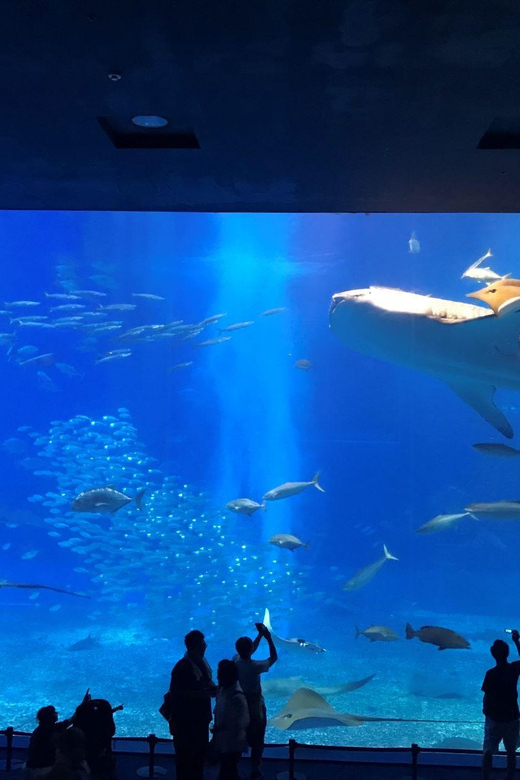
- Option A: Okinawa Churaumi Aquarium
- Option B: Tropical Dream Center
- Either way: plan for lunch on your own
- Motobu and the “drive-between” views you’ll actually remember
- Kouri Island: quick shopping, beach views, and the famous bridge crossing
- Okashigoten for Beniimo tarts and snack hunting
- Cape Manzamo: the elephant rock and a small cash fee
- American Village and Sunset Beach: a change of pace
- Smart audio guidance: how to make it work smoothly
- Price and value: how $45 holds up for a long day
- Who this tour suits best (and who should skip it)
- A few practical tips to make the day easier
- Should you book Okinawa Churaumi or Tropical Kouri American Village BusTour?
- FAQ
- Which attraction is included: Churaumi Aquarium or Tropical Dream Center?
- Is lunch included in the tour price?
- Do I need my phone for the audio guide?
- Where does pick-up happen, and how do I find the right bus?
- Is the Manza Cape fee included?
- Are there live guides on the bus?
Key things to know before you ride
- Smart audio on your phone uses GPS and comes in several languages, but you need it to work on your device (no refund if it doesn’t).
- Pick-up points are spread out in Naha and Chatan, and the tour starts when the first bus leaves the first location.
- You choose one main attraction: Churaumi Aquarium or Tropical Dream Center entrance is included, but not both.
- Kouri Island is short but scenic, with bridge views plus quick time for shopping and a fruit market.
- Manza Cape has a small cash fee (100 JPY) collected on site for environmental protection.
- No live English guide on the bus, so plan on relying on the audio rather than conversation.
A full-day Okinawa highlight route, built for getting oriented
This tour is designed for one thing: helping you see a lot of Okinawa without renting a car. The day runs about 630 minutes (yes, it’s long), but it’s structured with frequent stops and clear “what to do next” moments so you’re not stuck wondering where you should be.
The “how” matters, too. There’s no traditional bus guide narrating live from the front. Instead, you’ll use a smart audio guidance app that follows the bus’s GPS position. When it’s working, you get culture and history explanations synced to the drive times—useful when you’re watching passing scenery and want it to mean something.
If you’re coming from Naha and you want the north-coast “greatest hits” in a single day, this tour has strong value. If you’re the type who wants to slow down and stay for hours in just one place, you may find the schedule a bit tight.
First step: where you meet and how to spot the Cerulean Blue bus
You have three pick-up locations. Choose the one that best matches where you’re sleeping, because that impacts convenience more than you might think after a long day.
- 08:35 meeting / 08:45 departure: Palette Kumoji area, in front of Nippon Rent-A-Car (across from the Okinawa Prefectural Office)
- 09:05 meeting / 09:15 departure: Side entrance opposite the monorail station at DFS Galleria Omoromachi, across from Aoyama Tailor Naha Shintoshin
- 09:45 meeting / 09:55 departure: Chatan Tourist Information Center
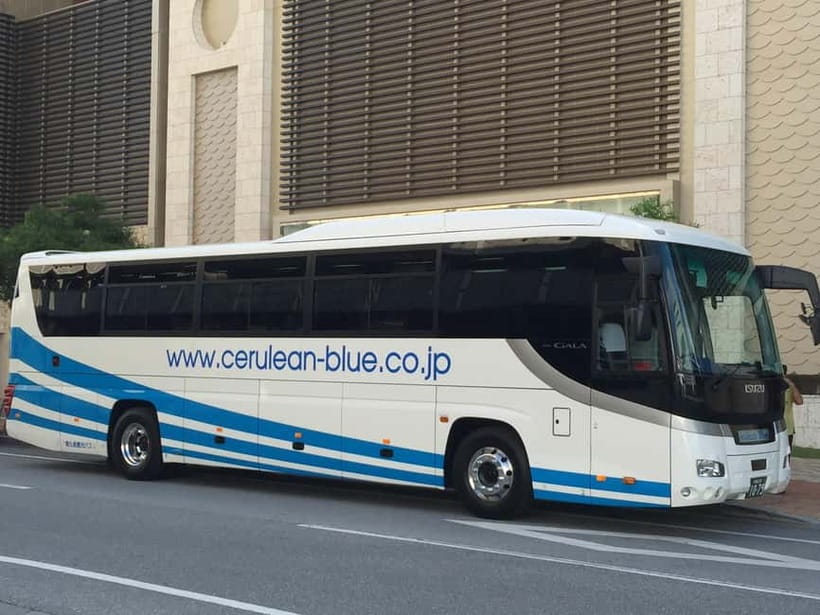
Important practical detail: there’s no specific bus stop sign. Look for a coach with Cerulean Blue written on it, and also a C.D sign on the windshield. If you show up late, you might lose your spot for that day’s route.
One more logistics note I’d take seriously: the reference start time is when the bus leaves the first pick-up point. So even if you board later, you’re still on the same overall timeline.
Ocean Expo Park: Aquarium time (or the orchids option)
Your day starts with a big stop at Ocean Expo Park—about 150 minutes. From there, you branch into your main attraction choice:
Option A: Okinawa Churaumi Aquarium
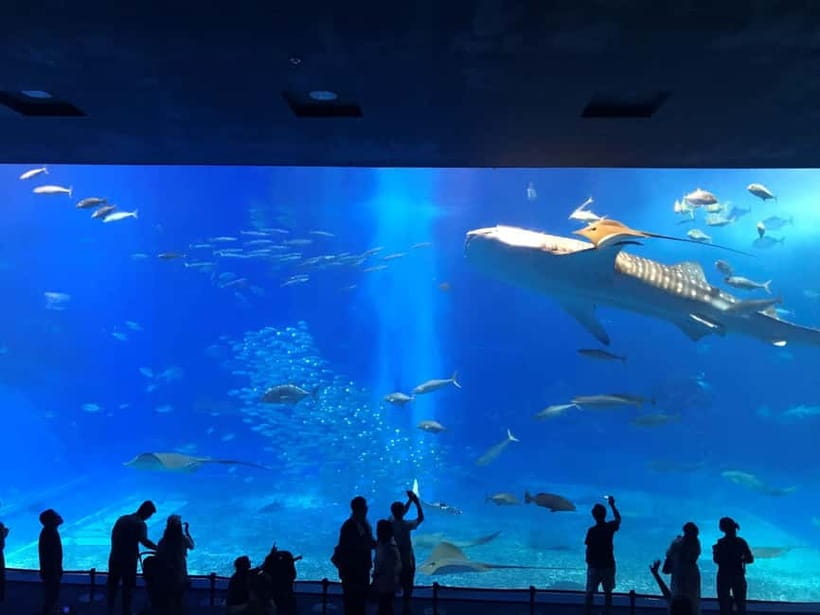
If you pick the Aquarium option, you’ll get about 2.5 hours on-site. This place is built around massive tanks and lots of ocean life. Expect multiple levels of exhibits featuring deep-sea creatures, sharks, coral, and tropical fish. If you like aquariums that feel like a science center as much as a show, you’ll probably enjoy the layout and the scale.
One detail to keep in mind: a review noted that the bus was parked far from the Aquarium entrance. That’s not a reason to skip the tour, but it does mean you should wear comfortable walking shoes and plan for a bit of extra walking when you first arrive.
Option B: Tropical Dream Center
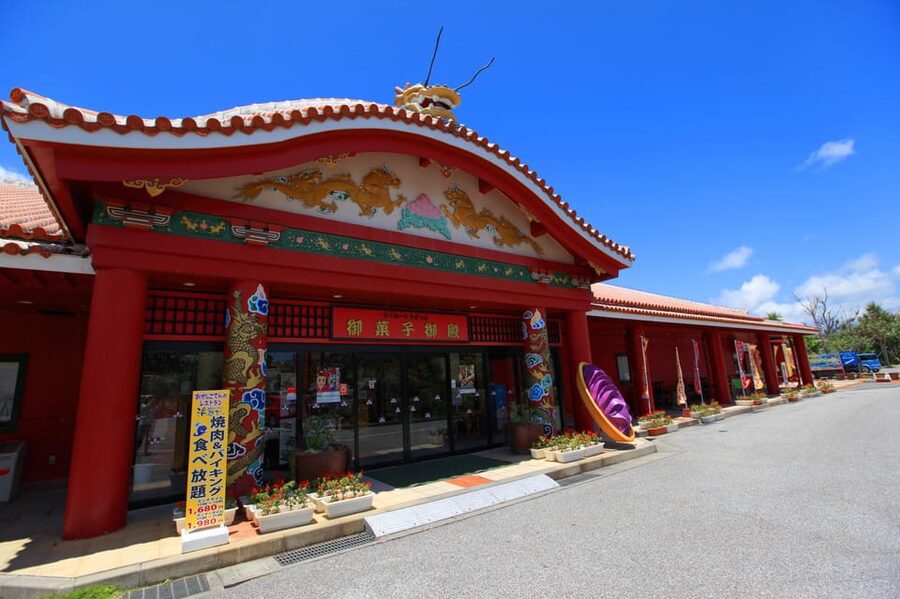
Choose this option if you’d rather trade tanks for flowers. You’ll get about 2.5 hours at the Tropical Dream Center with photo time and free time. The focus is on greenhouses with over 2,000 orchids. If you’re traveling with someone who finds aquariums repetitive, orchids are a nice change of pace. It’s also a great stop for photos—especially when the air-con and greenhouse lighting help you avoid the midday heat.
Either way: plan for lunch on your own
Lunch isn’t included. The tour note says to have lunch during free time at Churaumi Aquarium, but in practice you should still expect to buy something there or nearby. Bring a small snack backup if you’re the kind of person who gets cranky waiting for mealtime.
Motobu and the “drive-between” views you’ll actually remember
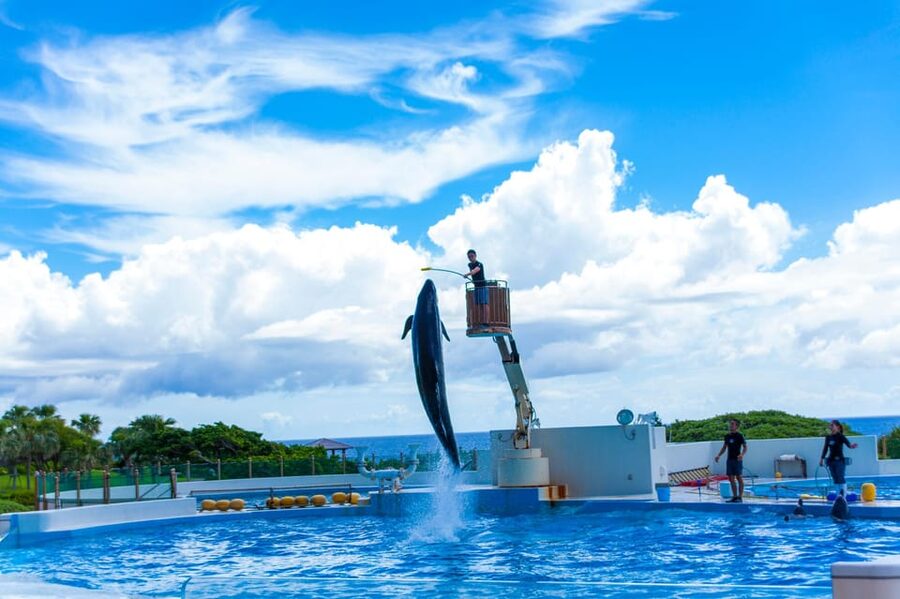
Between the main stops, the bus passes through areas around Motobu with about 40 minutes of sightseeing/bus time. This is not a “hop off and wander for hours” segment. Think of it as a repositioning period where the audio guide helps you interpret what you’re seeing from the road.
This is where the smartphone audio becomes more than entertainment. As you travel north, Okinawa’s coastline shapes the story. The audio gives you context while you’re watching the ocean, capes, and coastal development slide by outside the windows.
Kouri Island: quick shopping, beach views, and the famous bridge crossing
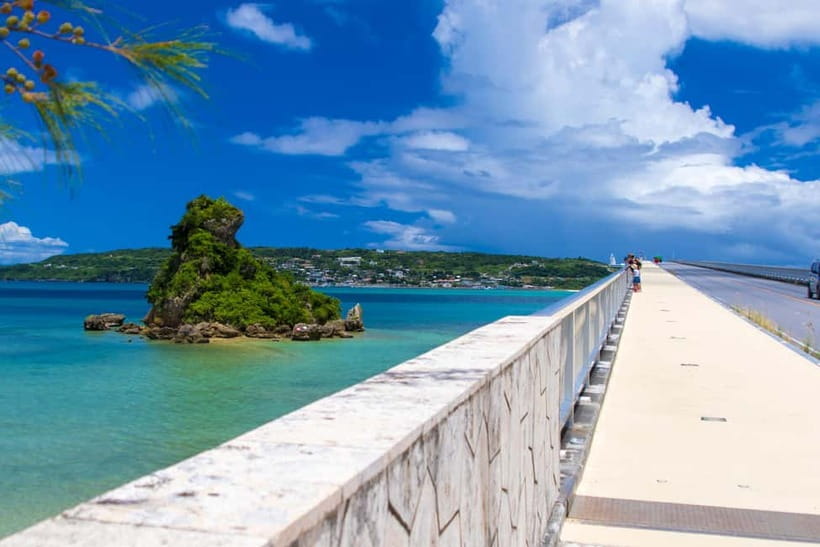
Next up: Kouri Island with about 20 minutes. Before you even get there, you cross the Kouri Bridge, a 2 km stretch over emerald-blue sea. That bridge view is the kind of moment that makes the whole “long day” feel worth it, because you get a clean, dramatic coastline perspective in a short time.
Once on Kouri, your stop includes:
- Photo time
- Free time
- Shopping
The schedule also mentions a tropical fruit market and breathtaking ocean views. It’s not enough time to do a full island explore, but it’s perfect for grabbing a small souvenir, tasting something local if available, and getting that classic Kouri photo.
Okashigoten for Beniimo tarts and snack hunting
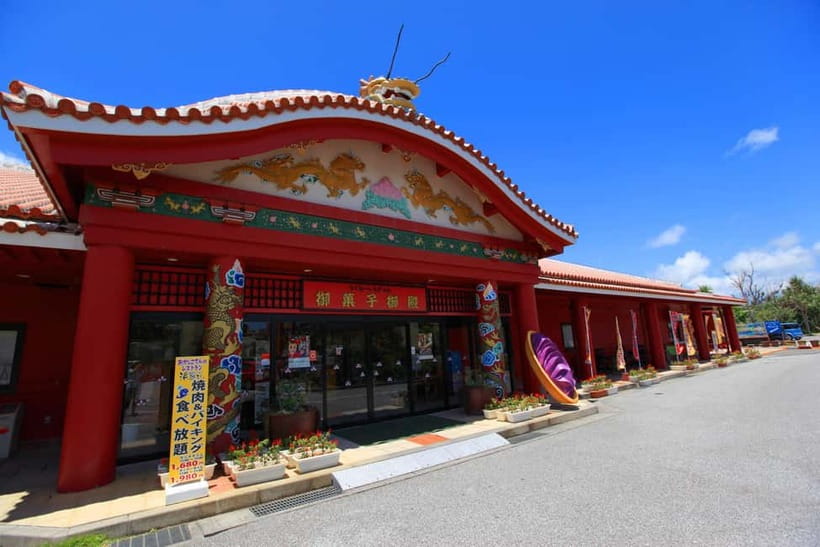
After the Kouri stop, you’ll have about 20 minutes at Okashigoten. This is a sweet-tooth stop focused on Beniimo Tarts. Even if you don’t buy tarts, it’s useful as a “quick win” for souvenirs—something you can take home that feels Okinawan rather than generic candy from a convenience store.
If you’re traveling with colleagues, family, or anyone who wants edible gifts, this is the kind of stop that prevents last-minute shopping stress.
Cape Manzamo: the elephant rock and a small cash fee
Then comes Cape Manzamo (Manza Cape) for about 20 minutes, including a photo stop and short sightseeing. The highlight here is an iconic scenic spot known for its rock formation often described as elephant-shaped.
There’s one important item for your wallet: an environmental protection fee of 100 JPY is collected on site (paid in cash). Bring a few bills if you can. Okinawa isn’t hard to use with cards everywhere, but fees like this often come with onsite cash expectations.
You can also take this time for Okinawan donuts if they’re being sold at the stop (the tour notes mention them as an option here). It’s a good “stretch your legs while you snack” moment.
American Village and Sunset Beach: a change of pace
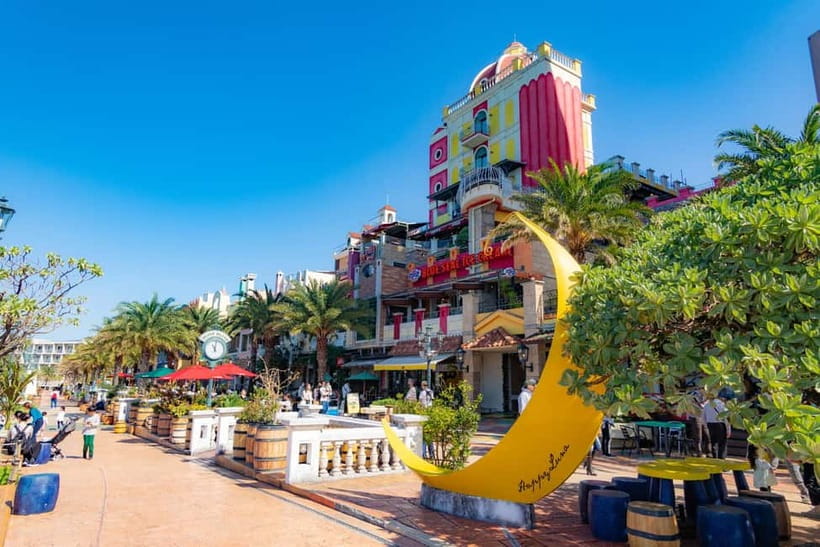
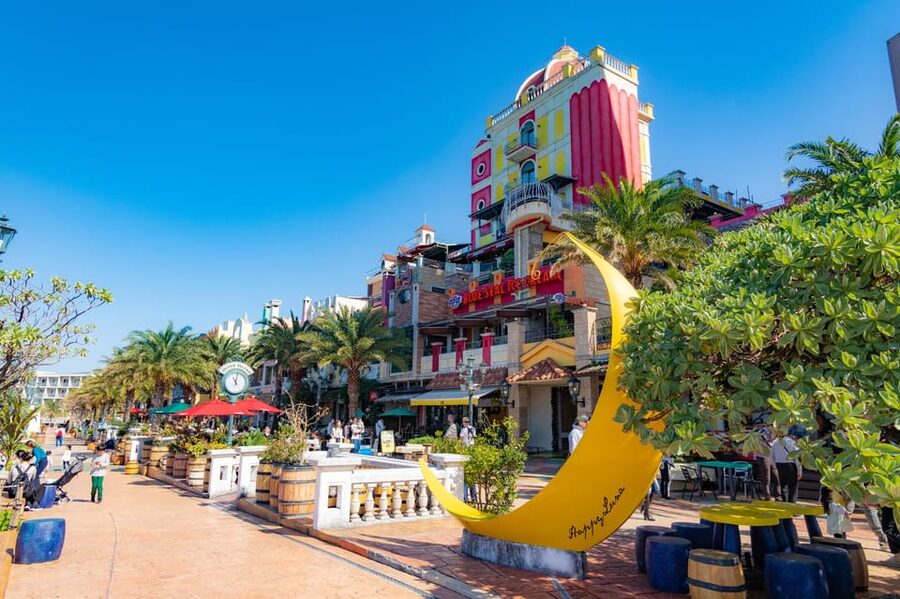
To finish the day (or partway through your finish), you’ll reach American Village for about 50 minutes. This is a lively shopping and dining area with a Western-style vibe—fashion shops and casual foods like burgers and hot dogs are specifically mentioned.
If you’re looking for something different from the aquarium-orchids-and-coastline pattern, this stop delivers. It’s also a practical place to reset: use restrooms, buy last-minute items, and decide whether you want to hang around for beach time.
The tour also points you to Sunset Beach, described as an ideal spot to watch the sunset. Even with only a limited window, the timing can line up well for photos and a calmer end to the day’s driving.
Smart audio guidance: how to make it work smoothly
This tour leans hard on audio, so don’t treat it as optional background noise.
Your phone gets smart audio guidance in multiple languages, including English, Japanese, Korean, French, and Spanish (plus simplified and Cantonese Chinese options). The service runs based on the bus’s GPS, and it’s listed as free—but with a catch: there’s no refund if it doesn’t work.
So I’d do two simple things:
- Charge your phone fully before you board.
- Bring your own earphones. A review specifically said audio works as long as you have phone connection, and that earphones help.
Also, remember there are no bus guides narrating live. A bus attendant may be there, but your interpretation of Okinawa will mostly come from the audio track while you watch the scenery.
One more practical bonus from reviews: the bus can be equipped with WiFi and phone chargers upon request. That’s not guaranteed as a guarantee-of-the-universe thing, but it’s worth asking if your battery is sliding toward zero.
Price and value: how $45 holds up for a long day
At $45 per person for roughly 10.5 hours, the value depends on two choices you make.
1) Choose the right included ticket.
If you select the Aquarium or Tropical Dream Center option, the corresponding entrance fee is included. That matters because those aren’t “small add-ons.” It turns your money into time on the major attraction, not just transportation.
2) Accept the style of the tour.
This is not a slow travel day. It’s an efficient “hit the highlights” route, which is exactly why the price can stay reasonable. You’re paying for the vehicle, the route planning, and the audio experience—not for lingering at each place.
What’s not included is also clear:
- Lunch
- The Manza Cape 100 JPY ecological fee
- And you can’t include both aquarium and orchid center admissions in this pricing structure
Net: if you want a single-day overview of Okinawa’s north coast and don’t want to worry about routing and driving, $45 feels fair.
Who this tour suits best (and who should skip it)
This tour fits best if:
- You’re short on time and want an efficient overview.
- You like major sights but don’t need hours at each one.
- You’re comfortable using a phone-based audio guide rather than chatting with a live guide.
It may not be ideal if:
- You want deep time at just one attraction (like spending half a day in the aquarium alone).
- You hate “drive + photo stop + back on the bus” pacing.
- You’re relying on the audio working flawlessly and your phone is unreliable with GPS/connection.
A few practical tips to make the day easier
Bring the usual Okinawa gear:
- Comfortable shoes (you’ll be walking more than you think at stops)
- A hat and sunscreen (coastal sun is not subtle)
- Water (especially with greenhouse stops and lots of sun after)
- A camera, if you like photos of sea views and bridge angles
Rules to remember: no smoking on the vehicle, and no food or alcohol on the bus.
Also plan around timing. The schedule may shift due to traffic, and the tour says it can finish later depending on road conditions. If you have a flight right after, build in at least two hours of buffer.
Should you book Okinawa Churaumi or Tropical Kouri American Village BusTour?
I’d book it if you want a one-day plan that covers the north-coast big hitters: Churaumi Aquarium or orchid houses, Kouri Bridge views, Manzamo photos, and American Village as a fun finish. The $45 price works best when you treat this as an overview day rather than a slow roam.
I wouldn’t book it if you want a flexible day with long stays and minimal time pressure. This tour is built for movement. If that fits your travel style, you’ll likely feel happy at the end of the day—with pictures, souvenirs, and a clearer sense of where Okinawa’s best coastal scenery shows up.
FAQ
Which attraction is included: Churaumi Aquarium or Tropical Dream Center?
You choose one option. If you book the tour with the Churaumi Aquarium ticket, the Aquarium entrance fee is included. If you book with the Tropical Dream Center ticket, that entrance fee is included. There is no option that includes both entrance fees.
Is lunch included in the tour price?
No. Lunch isn’t included. The tour notes suggest using free time at Churaumi Aquarium for lunch if you chose that option.
Do I need my phone for the audio guide?
Yes. The audio guidance runs on your smartphone using GPS. The service is listed as free, but there’s no refund if it doesn’t work, so bring earphones and keep your phone charged.
Where does pick-up happen, and how do I find the right bus?
Pick-up is available at three locations in Naha and Chatan: in front of Nippon Rent-A-Car (Palette Kumoji area), next to DFS Galleria Omoromachi (Omoromachi), and at the Chatan Tourist Information Center. There’s no specific bus stop sign, so look for a bus with Cerulean Blue written on it and a C.D sign on the windshield.
Is the Manza Cape fee included?
No. You’ll need to pay the Manza Cape environmental protection fee yourself onsite (100 JPY, in cash).
Are there live guides on the bus?
No. This tour does not include a live bus guide. Information is provided through the smartphone audio guide, and a bus attendant may assist if issues come up.