Want Bonaire highlights fast? Luc’s Private Group Bonaire Open Bus Tour is built for unblocked photos and local stories, with quick stops that mix town life, salt history, wildlife, and a beach swim option.
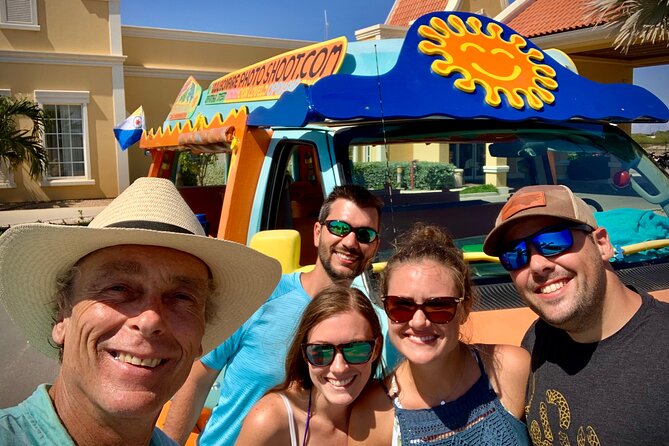
It’s a private group experience (up to 12) that keeps the pace relaxed enough to enjoy the view, but efficient enough to see a lot in about 3 hours.
I especially love the easy hotel pickup and the way the open bus keeps you looking forward without that stuffy, window-only feeling. You’ll also get photo-friendly stops throughout, plus extra printed info cards and visuals to help you understand what you’re seeing.
One thing to consider: this is open-air, so sun and wind are part of the experience. If you’re chasing long, slow hangs, the stop times are short, and you’ll be moving on fairly often.
In This Review
- Key points I’d plan around
- Getting Your Bearings in Kralendijk
- Bonaire National Marine Park: reef protection plus big views
- Hilma Hooker: the shipwreck stop that comes with context
- Salt Pier, Pink Beach, and the Slave Hut Sites (not just photos)
- Kiteboarding Bonaire and the Flamingo Sanctuary: timing your best wildlife odds
- Willemstoren Lighthouse and Lac Bay: wind, coast, and a gear-change in mood
- Sorobon Beach: your swim or snorkel window
- Price and Logistics: is $390 per group worth it?
- Practical tips for an open-air ride (and a better photo day)
- Should you book Luc’s Private Group Bonaire Open Bus Tour?
- FAQ
- How long is Luc’s Private Group Bonaire Open Bus Tour?
- What does the tour cost and how many people can be in a group?
- Is pickup offered from hotels in Bonaire?
- Is this a private tour or shared with other people?
- Do we get a chance to snorkel or swim?
- What’s the general route like?
- Can I choose a morning or afternoon tour?
Key points I’d plan around
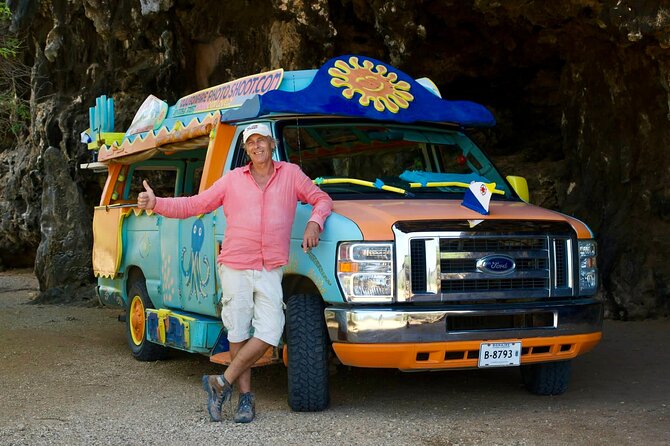
- Hotel pickup + private group: you’re not squeezed with strangers on a big bus.
- Open-air bus for photo ops: constant forward views on Bonaire’s coast and salt flats.
- Salt-mines history stops: salt crystals, pink beaches, and slave hut sites with context.
- Wildlife viewing included: flamingos at the sanctuary, plus a kiteboarding beach with sea-turtle context.
- Beach time for snorkeling or swimming: a longer final stretch at Sorobon Beach.
- Your group sets the vibe: you can usually choose the morning or afternoon slot to fit your plans.
Getting Your Bearings in Kralendijk
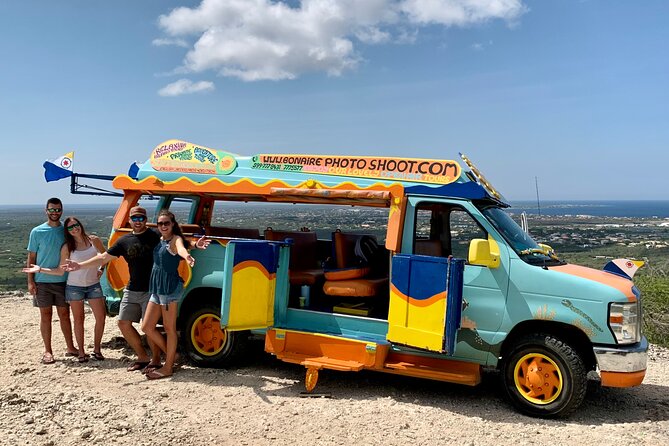
The tour starts in Kralendijk with a drive from the center into nearby residential areas. This is a smart move because it helps you get your bearings fast. You’re not just chasing postcard spots—you’re also learning what everyday Bonaire looks like, with explanations that tie culture and history to the real places you pass.
The open bus matters here. You get cleaner photo angles than you would from a bus with heavy framing, and the constant motion keeps the momentum going. Stop 1 is brief (around 10 minutes), but it sets the tone: you’re going to see the island through stories, not just scenery.
Bonaire National Marine Park: reef protection plus big views
Next up is Bonaire National Marine Park. Even when you’re not going in the water, the area sells the island’s underwater reputation: turquoise water, clear viewpoints, and a sense of the protected reef system.
The value isn’t just the view. You’ll get context about Bonaire’s approach to reef protection and the sea life that makes this place so well-known. Expect another short stop (about 10 minutes), but it’s timed well—right after you’ve seen town life, you pivot to the marine side of Bonaire and you start connecting the dots.
A practical note: it helps to bring a camera with quick zoom capability. With short stops, you’ll want to grab distant water shots fast.
Hilma Hooker: the shipwreck stop that comes with context
Hilma Hooker is the shipwreck stop on this route, and it’s often described as a top scuba destination on the island. Luc brings you right to the dive site area and shares the story in a way that makes the wreck feel real, not just a name on a map.
You also get extra photo sheets—useful for understanding what you’re looking at and why the site matters. Even if you’re not scuba certified (or you’re skipping underwater time), this stop gives you that “I get it now” feeling. It’s another quick stop, about 10 minutes, but it’s one of the most memorable because it blends island lore with a specific location.
If you do snorkel later, this earlier wreck stop also helps you understand what you’re likely to notice in the water.
Salt Pier, Pink Beach, and the Slave Hut Sites (not just photos)
Now you hit Bonaire’s signature story: salt. The tour gives you multiple salt-related stops, each with a different feel.
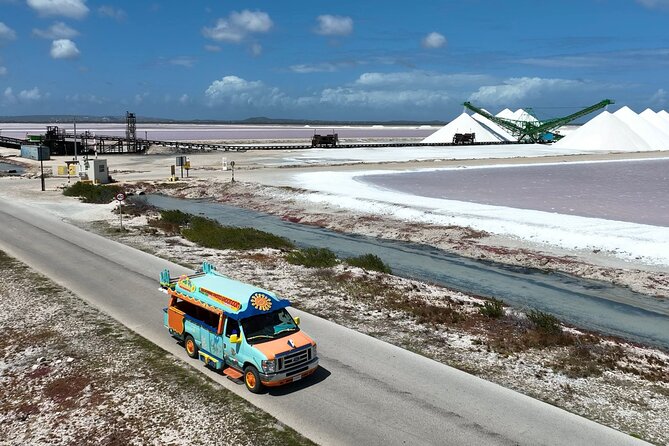
Salt Pier is where you’ll see salt mountains and pink salt pans along the Caribbean coast. The stop is around 15 minutes, and you can take your time with photos and the terrain. There’s even a small takeaway: salt crystals are given as a present. That’s a nice touch because it makes the salt part feel tangible, not abstract.
Then comes Pink Beach, described as a natural monument with a fascinating mix of colors and history. This is one of those spots where you can practically see why Bonaire became known for salt production. You’ll look out over an old salt pan area and see references to the plantation house and white slave houses in the surrounding setting. Stop time is about 10 minutes, so plan to shoot first, then listen, not the other way around.
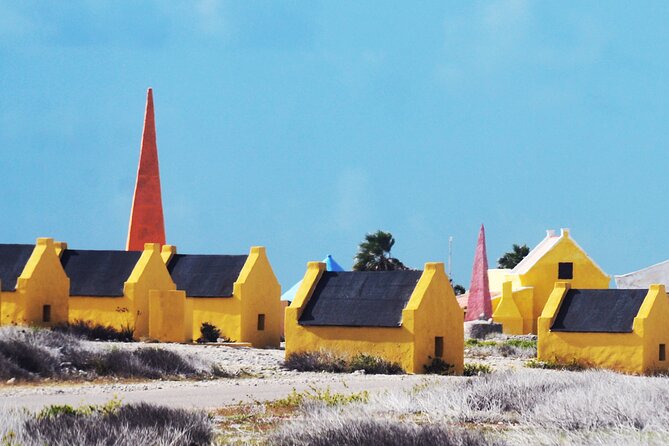
The route continues into Slave Huts at White Pan and later Red Slave Huts at the Orange pan area. These are sobering sites, and Luc’s role here is crucial: he explains where and how the salt ships docked along the coast and the story of the people who lived in these small huts. One stop (White Pan area) is around 10 minutes, while another (Red Slave Huts) stretches to about 15 minutes—long enough to crawl into a small hut if you want to, or at least take photos from a small window opening.
Here’s how to make this part work for you: keep it respectful, and don’t rush your attention. Even if photography is your goal, take a moment to absorb what the physical space is telling you.
Kiteboarding Bonaire and the Flamingo Sanctuary: timing your best wildlife odds
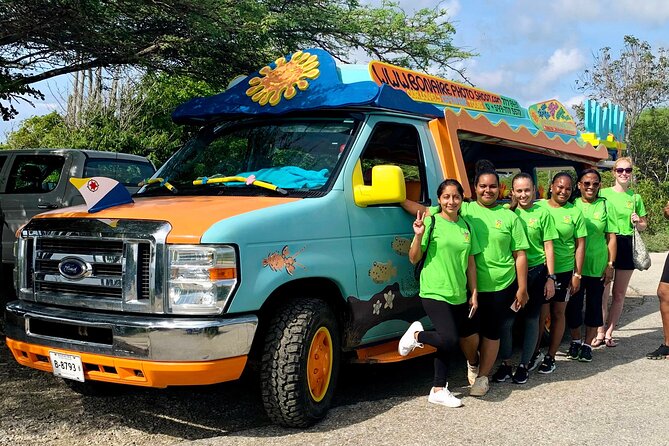
After all that salt history, the route pivots to living nature.
At Kiteboarding Bonaire, you’ll stop at a beach setting where wind is almost always part of the picture. It’s also framed as a place where turtles lay eggs, which adds an extra layer to what you’re seeing. Stop time is about 10 minutes, so it’s more about the setting and the chance to notice the ecosystem details than about long beach time.
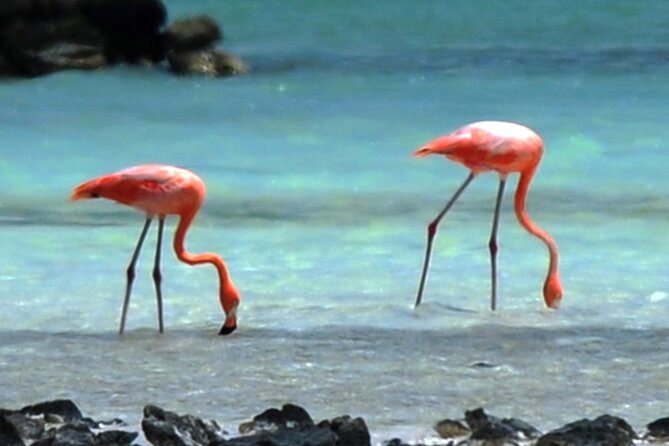
Then you go to Pekelmeer Flamingo Sanctuary, which is one of the tour’s big wildlife draws. Flamingos can be shy and prefer quiet. Luc’s approach here is the reason this stop gets highlighted—he typically works to spot them, and the sanctuary is set up for the best viewing chances.
Expect around 10 minutes. Bring your patience, and don’t get discouraged if you don’t see a whole flock immediately. When it clicks, it’s the kind of wildlife moment that makes your photos feel alive instead of staged.
Willemstoren Lighthouse and Lac Bay: wind, coast, and a gear-change in mood
The next shift is coastal wildness and open air.
At Willemstoren Lighthouse, you’ll feel the wind and see the Willemstoren structure, the first lighthouse built on Bonaire in 1837. Luc explains lighthouse-keeper stories too, which helps you picture the human side of navigation and safety on a rugged coast. This is a 10-minute stop, but it can easily become one of your favorite “turning points” because the mood changes fast from salt to open sea.
Then comes Lac Bay, where the scenery is described as between the coral reef and a beach, with windsurfing vibes. You’ll stop for about 10 minutes. It’s short, but the location gives you a strong sense of why this stretch of Bonaire is popular with water sports and why the views can look almost unreal when light hits the water.
At this point in the tour, you’ll likely want to re-check your camera battery and wipe the lens. Open-air rides mean fine dust and salt spray can sneak into the air.
Sorobon Beach: your swim or snorkel window
The final stretch is Sorobon Beach, with around 30 minutes on the ground. You’ll visit the small local fishing harbor area and see mangrove trees up close.
This is the stop where you decide how active you want to be. The tour includes the option to go swimming and snorkeling, so it’s not just another quick look. If you’ve been touring for a few hours, this is a great way to shift from “looking and learning” to “doing.”
Practical advice: bring a simple swim kit if you want to get in the water (bathing suit, towel, and something to protect your phone or camera). If you’re only stretching your legs, you can still enjoy the harbor setting and mangrove views without needing to get wet.
Price and Logistics: is $390 per group worth it?
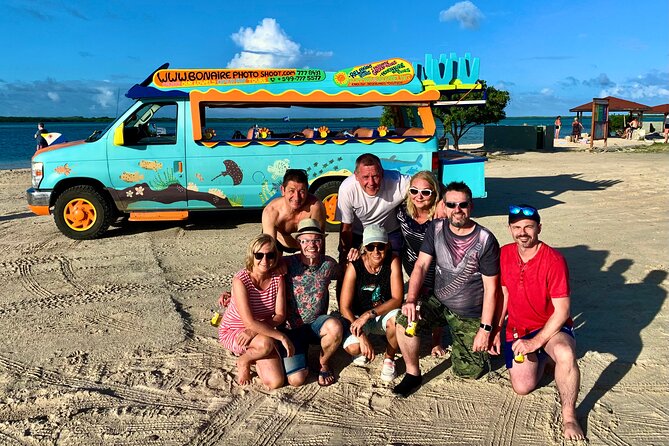
The price is $390 per group up to 12, and that’s the key to evaluating value.
For a private group, you’re paying for time, flexibility, and a guide who can tailor how quickly you move through stops. A three-hour route that hits Kralendijk, the national marine park area, multiple salt-history locations, wildlife viewing, and finishes at a beach with swim/snorkel time is a lot to compress. If you’re paying for a taxi hop-by-hop or trying to coordinate multiple stops independently, the cost adds up quickly—especially when you’re factoring in parking time and navigation stress.
This is also a strong choice when your time is limited. If you have only a short window on Bonaire, the “big highlight circuit” format is built to keep you from feeling like you missed everything important.
Where you’ll get the most value: groups of 6–12, families who want one shared plan, and travelers who like being outdoors and taking lots of photos without wrestling with a self-guided schedule.
Practical tips for an open-air ride (and a better photo day)
Because it’s an open-air bus experience, I treat it like a sun-and-wind day on the water. I bring:
- Sunscreen and sunglasses (you’ll be out in the open).
- A hat or light cap for the strongest sun windows.
- Water for the day, even if you’re not going into the water right away.
- A camera strap you actually trust. You’ll be snapping quickly at multiple stops.
- Comfortable shoes, since some sites involve short walks and uneven ground.
If you’re bringing a multigenerational group, it helps that Luc is used to adapting for slower movers. At the same time, be realistic: stops are short, and the experience is built around moving between viewpoints.
Should you book Luc’s Private Group Bonaire Open Bus Tour?
Book it if you want Bonaire to feel like a guided story, not a checklist. This tour hits the island’s defining themes—salt, wildlife, coast, and a real beach time—without wasting your afternoon on logistics. The open-air setup is excellent for photography, and the route is dense enough that you’ll leave feeling like you truly saw a meaningful slice of the island.
Skip it (or consider another style of day) if you prefer long time in fewer places. This is a “see it all” format. You’ll get lots of viewpoints and context, but you won’t have hours to linger at one spot.
If you fit the sweet spot—small group, time-limited schedule, and a love for photos and island stories—this tour is an easy yes.
FAQ
How long is Luc’s Private Group Bonaire Open Bus Tour?
The tour lasts about 3 hours.
What does the tour cost and how many people can be in a group?
It costs $390 per group and is up to 12 people.
Is pickup offered from hotels in Bonaire?
Yes, pickup is offered.
Is this a private tour or shared with other people?
This is a private tour. Only your group participates.
Do we get a chance to snorkel or swim?
Yes. At Sorobon Beach, you can choose to snorkel or swim.
What’s the general route like?
You’ll visit Kralendijk, Bonaire National Marine Park, Hilma Hooker, salt and pink beach sites, flamingo sanctuary, a lighthouse, Lac Bay, and end at Sorobon Beach.
Can I choose a morning or afternoon tour?
Yes, you can choose from a morning or afternoon option to match your schedule.