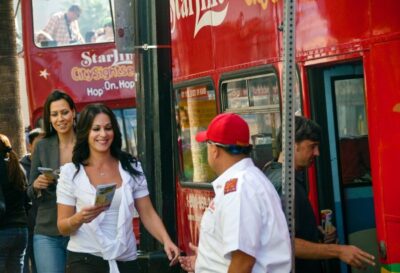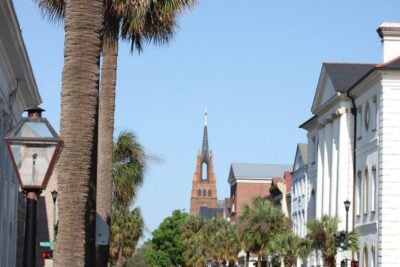
Philadelphia moves fast, and this bus helps. This hop-on hop-off route is one of the easiest ways to see major history blocks with open-top views and live narration, even if you’re short on time. I like that you get a big-picture overview plus real choices at the stops, and I’ve especially enjoyed guides like Harris and John bringing the city to life with jokes and clean explanations. One thing to plan for: buses can run behind schedule, with waits stretching beyond the advertised intervals.
You start near the action, at the Bourse Building across from Independence Hall and the Liberty Bell, so your day’s story is already lined up. I also like the mix of sights and practical stops: markets for a quick bite, big-name museums for a longer pause, and photo-friendly skyline views as you ride between neighborhoods.
A final heads-up: this tour isn’t for wheelchair users, and it isn’t the best match if you hate walking once you hop off. Wear comfortable shoes, and keep an eye up if you’re tall—there are overhead lines on city streets where you’ll want to duck.
In This Review
- Key points before you ride
- Why a double-decker hop-on hop-off tour works in Philly
- Price and value: is $39 a good deal?
- Getting on board: where you start and how the route runs
- The Independence Hall–Liberty Bell spine: your first big history hits
- Chinatown to City Hall views: photo stops without the wandering
- Reading Terminal Market and the food-friendly stops
- Benjamin Franklin Parkway museums: where the bus becomes a time-saver
- The Rocky Steps and the long climb to the top
- Eastern State Penitentiary and the prison-museum effect
- North and central-city passes: zoo, observation deck, and city institutions
- Society Hill, Antiques Row, and the calmer neighborhood pace
- War memorials and Penn’s Landing: ending near the water
- How the live guide and multilingual audio work in real life
- Comfort, safety, and what to wear on the top deck
- Who this tour fits best
- Should you book this Philadelphia hop-on hop-off bus?
- FAQ
- How long is the tour?
- What languages are available for the audio?
- Is there a live guide?
- Where do I start the tour?
- What is included in the ticket price, and what is not?
- Is this tour wheelchair accessible?
- Can I cancel and get a refund?
Key points before you ride
- Bourse Building start puts Independence Hall and the Liberty Bell within easy reach from your first ride.
- 16 miles, 26 stops means you can mix a full loop with targeted hopping for the day you want.
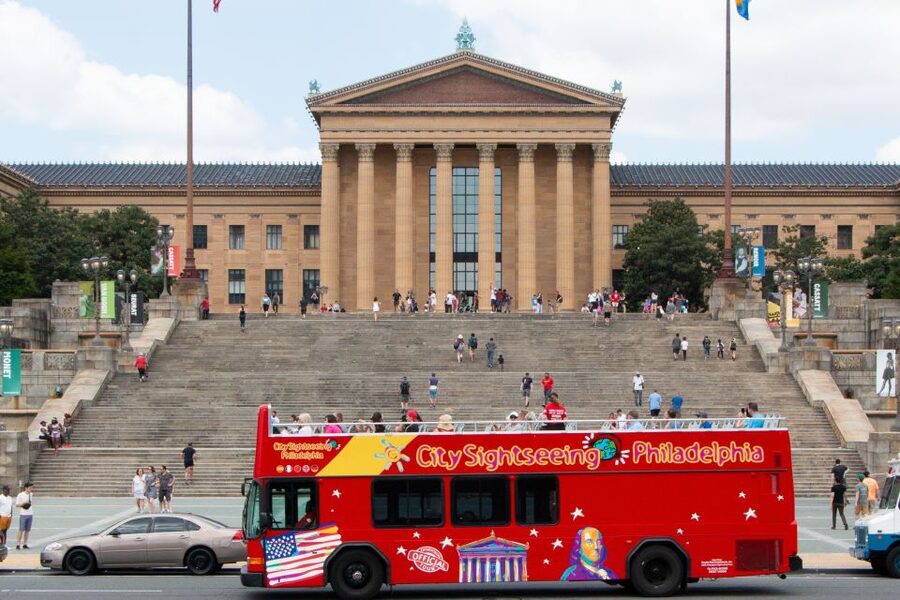
- Rocky’s 72 stone steps turn a movie moment into a real climb and a great viewpoint.
- Museums along Franklin Parkway let you jump off for major stops like the Barnes Foundation.
- Live guides in English plus multilingual audio make it easier to match different language needs.
- City traffic affects timing so build in slack between hops.
Why a double-decker hop-on hop-off tour works in Philly
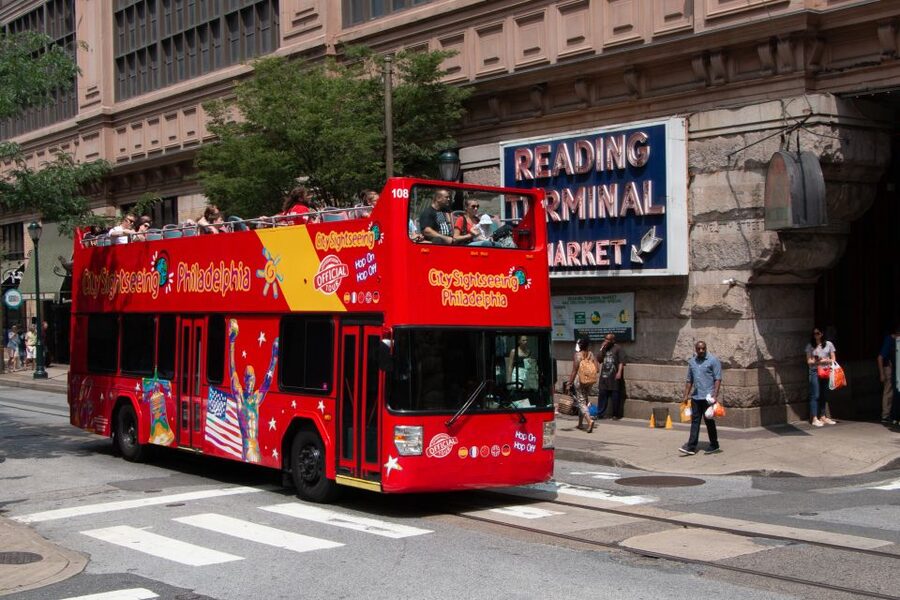
Philadelphia is a city you can see a lot of in a day, but it’s also a city where the details matter. You’re going to pass Constitution-era landmarks, walkable neighborhoods, and museums that are far enough apart that bouncing around by foot or rideshare can eat your time.
That’s where this tour shines. From the top deck you get an instant sense of spacing—how Independence Hall sits next to the bustle, how the museum strip along Benjamin Franklin Parkway stretches out, and how the city transitions toward the Delaware River at the end. Then, when you find a stop that fits your interests, you can get off and spend real time there. The flexibility is the point, not just the ride.
I also like that the guides don’t treat the city like a list. In the best moments, you get short, punchy context right before you arrive—why a building matters, what you’re looking at, and what to notice once you step off. That’s how a 90-minute route can turn into a day that feels longer.
Price and value: is $39 a good deal?
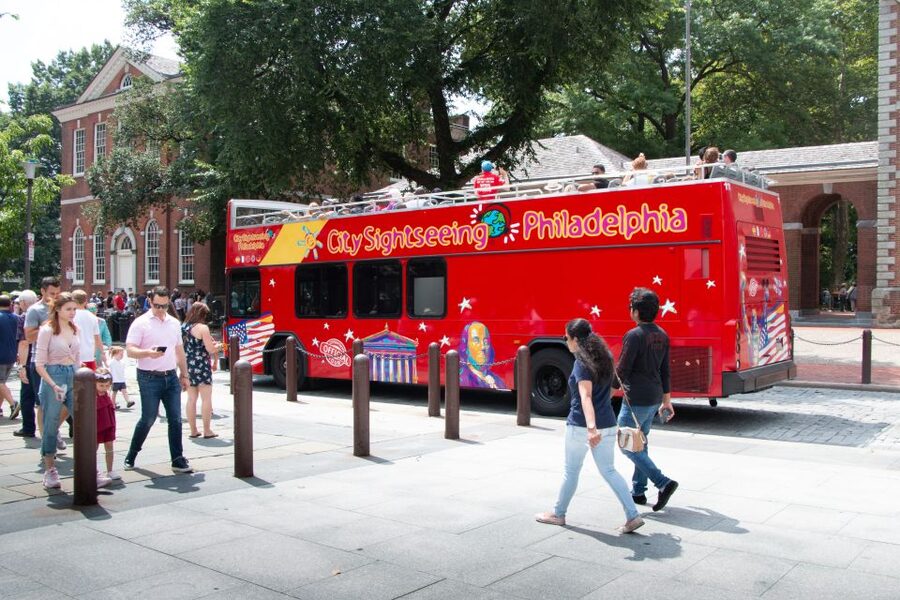
At about $39 per person, this tour is priced for value if you use it the way it’s meant to be used: as a way to replace a bunch of separate planning moves.
A few reasons it can be worth it:
- You’re paying for transport plus a guided story, not just for a bus loop.
- You can choose a 1-day pass and still get a workable overview, or go longer (the ticket supports 1, 2, or 3 days) if you want slower museum time.
- Many of the stops are built around places where you’d otherwise spend time figuring out routes, parking, and timing.
It’s not a bargain if you only plan to stay on the bus and never hop off. The big payoff comes when you use the stops like a menu.
Also note: entrance fees aren’t included. So if you’re hoping this ticket covers museum admission, plan to budget for those. The tour helps you get there fast and pick what’s worth your money once you arrive.
Getting on board: where you start and how the route runs
You’ll want to confirm your meeting point when you book, since it can vary depending on the option. The tour begins at the Bourse Building area, across from Independence Hall and the Liberty Bell, but the company lists starting location options like Eightegrity and Lerardi Patrice DDS, and drop-off locations can also vary.
The schedule pattern matters. Tours are 90 minutes, and departures run every 30 minutes from 10:00 AM to 4:30 PM (departing from stop 1). That means you can often build a day around your other plans. Still, don’t treat the timing as perfect. Some riders have experienced longer waits—traffic and detours can stretch intervals—so keep your connections loose.
Practical planning tip: if you have a ticketed museum timed entry later in the day, aim to hop off early enough that a longer wait at a stop won’t strand you.
The Independence Hall–Liberty Bell spine: your first big history hits
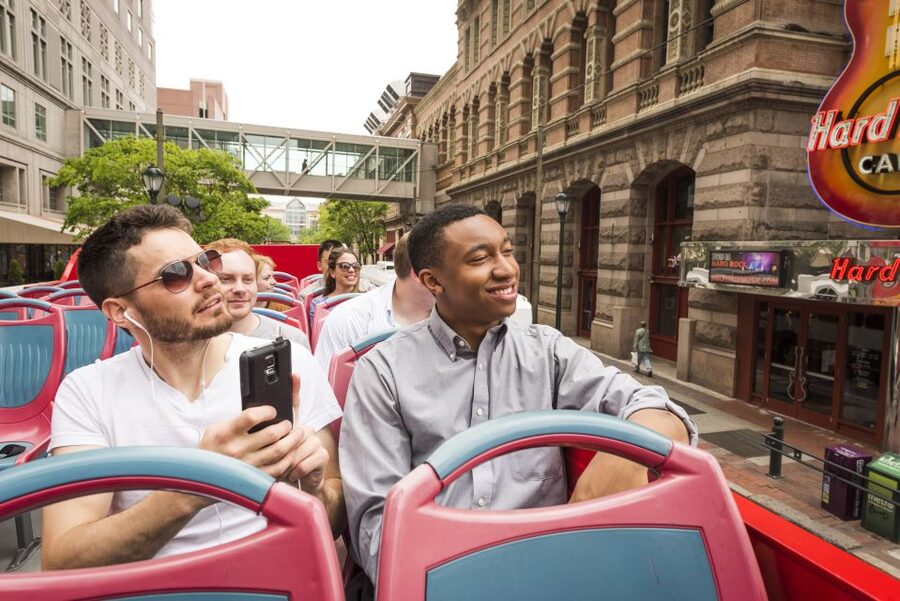
This route makes your founding-era story easy to follow because key landmarks cluster around your early ride.
Here’s what you’ll catch near the start and why it’s worth your attention:
- Bourse Building area: this is your launch pad, positioned so you’re already oriented toward Independence Hall and the Liberty Bell. It’s a smart start because you begin with the big names, then work outward.
- Betsy Ross House: you’ll pass by it as part of the founding-era story. It’s a quick visual stop on the ride, and a reminder that these sites sit inside real neighborhoods, not a theme park.
- National Constitution Center: as you pass, you’re in the orbit of America’s constitutional milestones. If you hop off here, you’re choosing a focused stop in the middle of everything.
- Christ Church Philadelphia and Christ Church Burial Grounds: these are deeper-gravity history stops near the end of the loop. If you like old stone, personal stories, and burial-ground context, it’s a great match.
You’ll also pass the Liberty Bell itself as a major end-cap to the loop. That’s the kind of stop that’s easy to see once and hard to forget, especially if you’ve spent the day learning how the different institutions fit together.
Chinatown to City Hall views: photo stops without the wandering
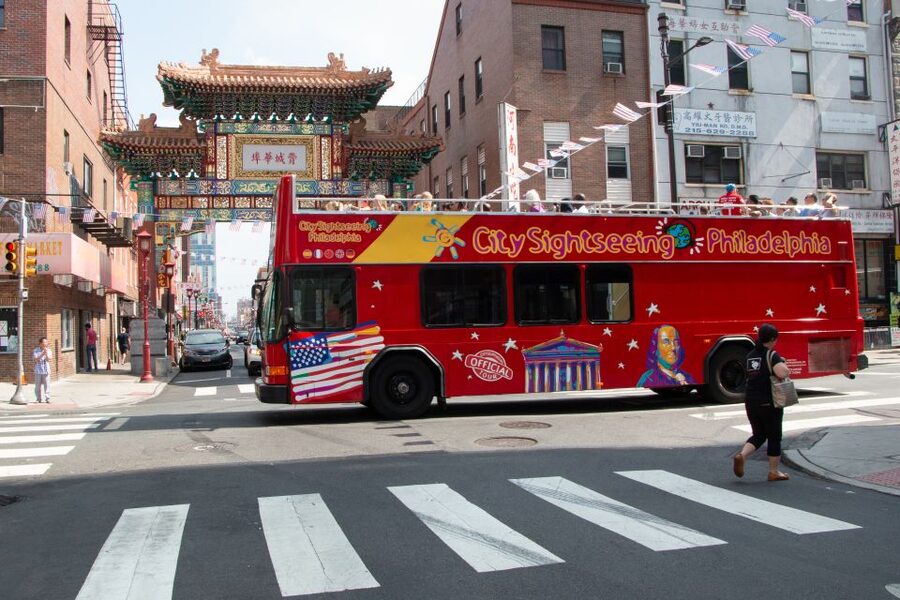
Once you’re moving beyond the founding core, the tour keeps you from having to navigate city blocks on your own.
As you ride:
- Chinatown is a standout for atmosphere. You’ll pass the Friendship Gate, a quick marker that you’ve crossed into a different Philadelphia identity.
- Love Park is a classic city pause point. It’s also a useful place to understand how the city’s open spaces connect with street life.
- Philadelphia City Hall is worth the window-time. The tour route is positioned so you get a clear view from the bus as you pass.
This segment is also a good place to decide your strategy. If you’re tired, you can stay on board and just absorb. If you’re energized, hop off at areas where you want to browse on foot.
Reading Terminal Market and the food-friendly stops
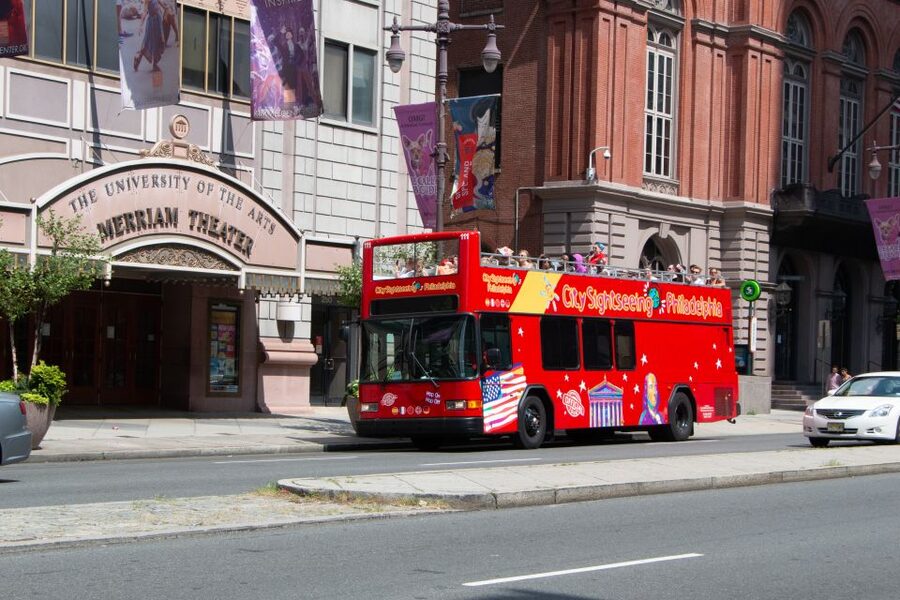
Philadelphia is famous for food, and this is where the tour gives you a practical advantage. You’ll pass the Reading Terminal Market, which is built for a quick plan: grab snacks, eat like a local, and get back on the bus.
Also nearby in the rhythm of the route:
- Headhouse Square: it’s another easy urban anchor where a short walk can turn into a meal mission.
- Avenue of the Arts: you’ll see the theater-and-street-energy feel as you roll through.
Food stops work best when you don’t overthink them. If you hop off for a meal, aim to be back at the bus stop before you feel hungry again. That keeps your day moving and prevents long detours from turning into missed buses.
Benjamin Franklin Parkway museums: where the bus becomes a time-saver
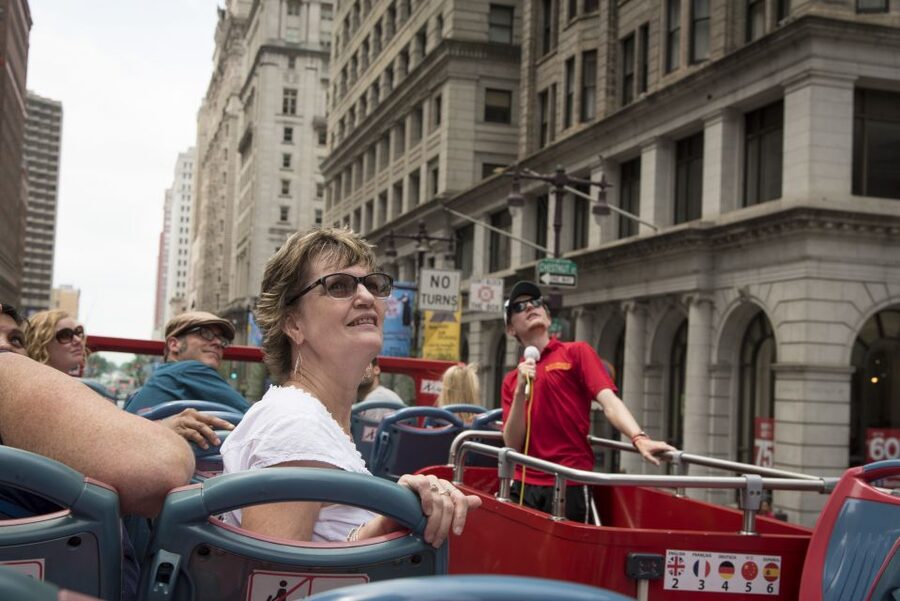
A huge reason people enjoy this tour is that it lines up your museum options in a manageable way. The route takes you past major spots along Benjamin Franklin Parkway, where distances by foot can be misleading.
Some of your key museum-friendly stops include:
- Rodin Museum: good for art lovers who want something more sculptural and less museum-mall.
- Perelman Building: you’ll pass it as part of the broader Parkway scene, which helps you frame how these institutions cluster.
- Franklin Institute: a science anchor that’s ideal if you want hands-on style learning without extra transit planning.
- Mutter Museum: yes, it’s the oddball option. If that kind of museum energy is your thing, it’s a very “only-in-Philadelphia” stop.
One highlight in the Parkway stretch is the Barnes Foundation, noted for housing the world’s largest collection of post-impressionist art (as described for this experience). If you care about art history or just want a museum with serious pull, this is a logical stop to prioritize.
And if you want to keep it lighter:
- Please Touch Museum can be a fun choice, especially for families. In one account I read, staff helped coordinate a shuttle connection so it’s not always just a straight hop-and-walk situation.
The Rocky Steps and the long climb to the top
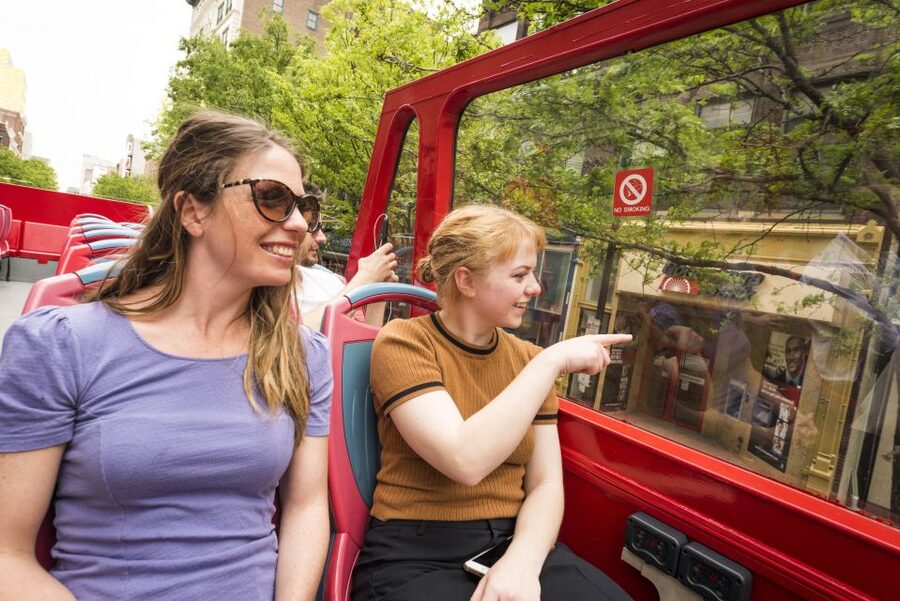
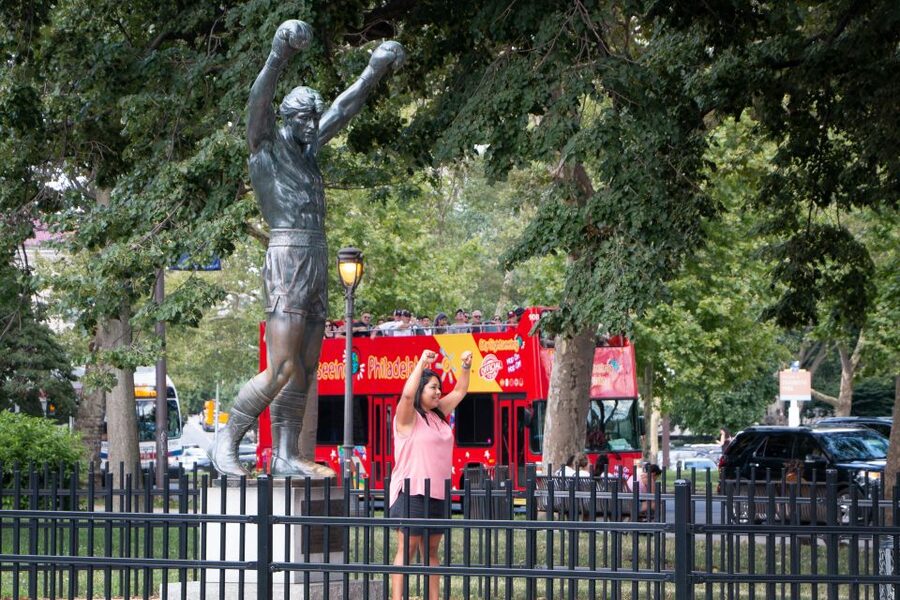
The Rocky Steps stop is the moment most visitors instantly recognize. The tour highlights the 72 stone steps Rocky once climbed, and the reason that matters is simple: it turns a pop-culture landmark into a real workout plus real views.
When you get off here, you’re choosing a physical break from the bus. It’s steep, so if you’re planning photos, bring patience. The bus helps because it gets you to the base without you having to figure out the most direct route on your own.
Also keep an eye on what’s around this stop:
- West Entrance of the Philadelphia Museum of Art and Boat House Row: if you hop off for the climb, you’ll likely want to spend time in this area for the broader scenery and the river-adjacent feel.
In short: it’s worth it if you like viewpoints and don’t mind the effort. It’s not the best first stop if your legs are already tired from a previous day.
Eastern State Penitentiary and the prison-museum effect
Eastern State Penitentiary is one of those places where the bus route is genuinely helpful. It’s far enough that a guided ride reduces friction, and it’s specific enough that you want time there rather than a quick look from the street.
The value is in the theme. A prison museum gives you a different lens on American life—justice, punishment, and architecture as social statements. Even if you only spend a short window inside, the outside area and setting make it feel like its own mini world.
One note from a rider: depending on how the day is working, you might get support arranging a short shuttle connection onward (example given around moving to Please Touch Museum). That kind of help can reduce the hassle of stitching stops together yourself.
North and central-city passes: zoo, observation deck, and city institutions
Not every stop is a long walk; some are quick passes that help you map where things are.
As you move through the route, you’ll pass:
- Philadelphia Zoo: a good “file this away” stop if you might return later for a full visit.
- One Liberty Observation Deck: another orientation point where you can decide if you want city views from above.
- Logan Circle: a neighborhood anchor that’s often visually satisfying from the bus when you’re on a tight schedule.
- Cathedral Basilica of Saints Peter and Paul: the architecture is what sells this, and you’ll see it with better context when you’ve already been learning the city’s historical timeline.
These are the stops that make the bus feel like a smart scouting trip. You’re not committing to a full day inside every site, but you’re leaving with a mental map of what to return for.
Society Hill, Antiques Row, and the calmer neighborhood pace
One of the best surprises on this route is how it shifts from major institutions to older neighborhood vibe.
On this tour you’ll pass:
- Society Hill, Antique Row: this area gives you a softer pace and a chance to see Philadelphia’s character beyond monumental buildings.
- Mother Bethel A.M.E Church: a stop that adds depth and community identity to the day’s story.
- Headhouse Square and Antiques Row together create a nice contrast: one is community square energy, the other has that browsing-and-strolling feel.
The tour makes sense here because it prevents you from getting stuck in the “only museum, only monument” loop. The city isn’t just famous for founding documents and grand facades; it’s also a place where daily life and historic neighborhoods overlap.
War memorials and Penn’s Landing: ending near the water
As you approach the end of the route, the city shifts again. You’ll ride toward:
- Vietnam & Korean War Memorials and Korean War Memorial Park: these stops are more reflective, and they’re the kind of place where the bus angle helps you understand what’s been placed where and why.
- Civil War Memorial: another layered layer in the city’s memory.
- Penn’s Landing: the Delaware River area brings the day into a new setting, with open-air views and a sense that you’re heading out of the densest historic core.
Then the loop closes with more founding-era anchors:
- Museum of the American Revolution
- Christ Church Philadelphia
- Liberty Bell
If you like your history chronological, this end section provides closure. If you like it thematic, these memorials and museum sites together create a bigger picture of how the city remembers.
How the live guide and multilingual audio work in real life
The tour includes:
- A live tour guide in English
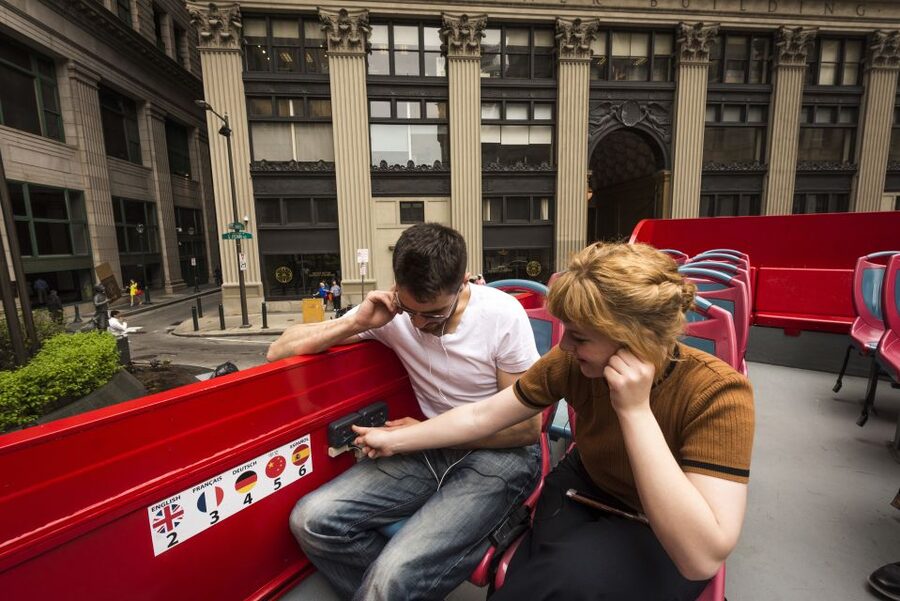
- Multilingual audio commentary with options like Spanish, French, German, Chinese, Korean, Portuguese, Japanese, Hindi
The live guide is the biggest quality difference. In multiple accounts, guides are described as lively, humorous, and willing to explain what you’re seeing rather than just reading a script. Names that came up include Harris, John, Jim, Mike, and Mat/Matthew, plus Sebastian/Sébastian.
A practical caveat: audio can be hit-or-miss at certain seats. One account mentioned that multilingual audio outlets weren’t working and that moving to find working connections helped. Another account said the final narration was hard to hear. So if your audio sounds weak, shift seats rather than giving up.
Also, if you’re prone to checking your phone for updates, resist. The tour is built to work as a guided experience. Stay present on the bus top deck and listen as you pass each landmark.
Comfort, safety, and what to wear on the top deck
This is an open-top style ride with a top deck that can feel hot or snug depending on weather. One rider mentioned it can be warm under the deck cover on a nice day, and others talked about rain making visibility and comfort harder.
Bring:
- Comfortable shoes (you’ll walk once you hop off)
- A layer if the weather swings (Philadelphia can change fast)
Also consider this from the rider accounts: there’s overhead wiring where you may need to duck. If you’re tall or you carry a camera bag that blocks your view, watch the clearance as you move under power lines.
On policy basics: pets aren’t allowed, smoking isn’t allowed, and luggage or large bags aren’t allowed. If you travel light, the day feels easy.
Who this tour fits best
I think this tour fits best if:
- You want a guided overview without spending hours planning each leg.
- You like history and landmarks but also want choices—hop off when something interests you.
- You have limited time and want to cover major districts in a structured way.
It’s less ideal if:
- You need wheelchair accessibility (the tour is not suitable).
- You hate waiting between stops or you’re trying to hit strict timed appointments back-to-back.
Should you book this Philadelphia hop-on hop-off bus?
Yes, I’d book it if you’re doing Philly in a time-box and you want to get your bearings fast. The value isn’t only the price; it’s the combination of transportation, a guided story, and a stop list that matches real visitor priorities like Independence-area landmarks, the museum strip, and the Rocky Steps.
I’d hesitate only if your schedule is extremely tight or if you’re the type who needs guaranteed exact timing at each stop. The ride is great, but the city’s traffic can stretch intervals.
If you’re flexible and ready to hop off selectively, this is one of the smarter ways to see Philadelphia in 1 to 3 days without turning the trip into a logistics puzzle.
FAQ
How long is the tour?
The experience is offered as 1, 2, or 3-day tickets. The individual tour runs for 90 minutes and departs every 30 minutes from 10:00 AM to 4:30 PM.
What languages are available for the audio?
The audio guide is included in Spanish, English, French, German, Chinese, Korean, Portuguese, Japanese, and Hindi.
Is there a live guide?
Yes. The tour includes a live guide in English, plus multilingual audio commentary.
Where do I start the tour?
Your meeting point may vary depending on the option booked. The tour begins at the Bourse Building area across from Independence Hall and the Liberty Bell, with listed starting location options including Eightegrity and Lerardi Patrice DDS.
What is included in the ticket price, and what is not?
Included is bus transportation, a guide, and multilingual audio commentary (with 1, 2, or 3-day ticket options). Entrance fees to attractions and food and drinks are not included.
Is this tour wheelchair accessible?
No. It is not suitable for wheelchair users.
Can I cancel and get a refund?
Yes. Free cancellation is available up to 24 hours in advance for a full refund.