Porto in motion beats aimless wandering. This 24- or 48-hour hop-on hop-off bus connects Porto, Vila Nova de Gaia, and Matosinhos, with audio guide plus optional Douro cruise and port tastings. It’s a smart way to save energy while still hitting the big sights.
I especially like that the ticket lets you repeat routes without feeling rushed, which matters in a city where you’ll want a café stop every few stops. I also like the optional port wine cellar visit with free tastings, because it turns a scenic day into something hands-on and practical.
One thing to keep in mind: the bus audio may run out of sync at times, and the optional cruise may not include its own commentary.
In This Review
- Quick reasons you’ll like this hop-on pass
- How the Porto, Gaia and Matosinhos routes help you plan your days
- 24 vs 48 hours: the time math that actually matters
- Entering the bus lines: where you’ll hop on and why each route is useful
- Orange Line: Gaia viewpoints and classic cellar-area energy
- Blue Line: Porto highlights from riverfront to grand architecture
- Green Line: Matosinhos coast, beach zone, and seafood streets
- What the included audio guide can do for you (and how to use it smartly)
- Optional Douro heritage cruise: scenic payoff, limited expectations
- Port wine cellar tours: the part you’ll remember longer
- Panoramic Night Tour (48-hour tickets): seeing Porto after dark from the bus
- Digital Walking Tour + museum discounts: small add-ons that help you fill gaps
- Practical tips: making the pass feel effortless
- Where to start on day one (a simple pacing strategy)
- Should you book this Porto pass?
Quick reasons you’ll like this hop-on pass
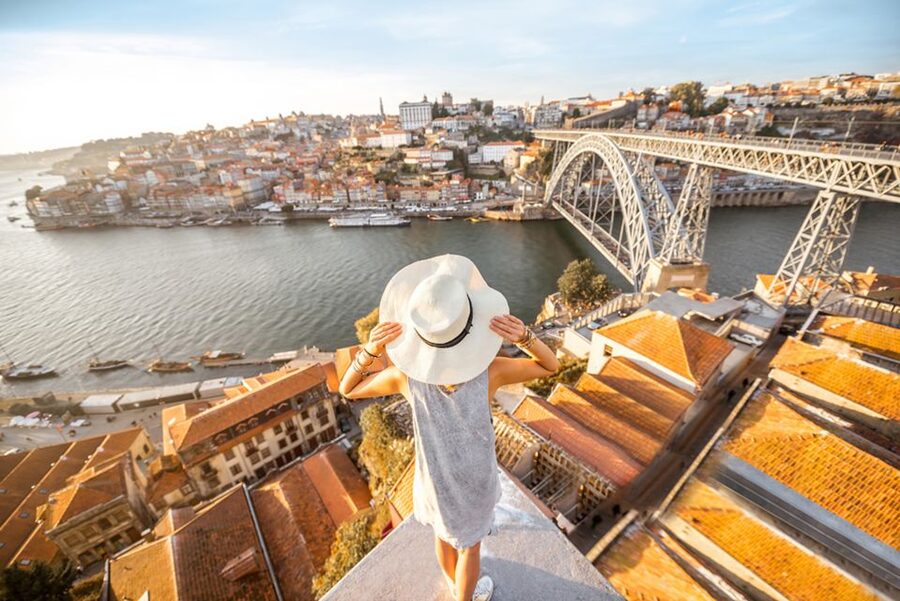
- 24 or 48 hours of flexibility across three districts, so you can build your own day plan
- Audio guide on the buses, in many languages, to help you make sense of what you’re seeing
- Optional Douro river cruise for a different angle on Porto and Gaia
- Port wine cellar visits with free tasting, tied to major names like Quinta da Boeira and Real Companhia Velha
- Night panoramic tour (48-hour options only) that adds illuminated city views without hunting for parking
- Digital Walking Tour to use between bus stops when you feel like stretching your legs
How the Porto, Gaia and Matosinhos routes help you plan your days
The biggest win here is simple: the bus pass is built for real sightseeing flow, not just “ride around and hope.” You’ll cover Porto (city center and riverfront), Vila Nova de Gaia (port cellars and the bridge views), and Matosinhos (beach area and seafood zone). That mix is ideal if it’s your first time in Porto, or if you want variety without committing to a packed group tour schedule.
Instead of walking long stretches in every direction, you can jump on and off near the sights that fit your mood—cathedrals and viewpoints one hour, ocean and restaurants the next. And if you decide you want to do something twice (a viewpoint, a church, a neighborhood stroll), the pass makes that easy.
Also, the routes are grouped into clear lines (Orange, Blue, Green), so your day has structure even when you’re going at your own pace.
24 vs 48 hours: the time math that actually matters
At about $31 per person for a 1–2 day ticket, the real value is how many “different places” you can reach without paying separate transport again. If you have only a day, the 24-hour pass can work if you focus on one side of the river plus a couple of key stops.
If you can do two days, the 48-hour pass is where the value really clicks. You get enough time to spread out your sightseeing, plus the optional add-ons become more comfortable to fit in. There’s also the Panoramic Night Tour, which is included only with the 48-hour ticket options and runs until March 2026.
A practical way to think about it: Porto isn’t a “one loop and done” city. With the longer pass, you can do a relaxed day (river + viewpoints) and a second day that includes the coast side, plus the night lights.
Entering the bus lines: where you’ll hop on and why each route is useful
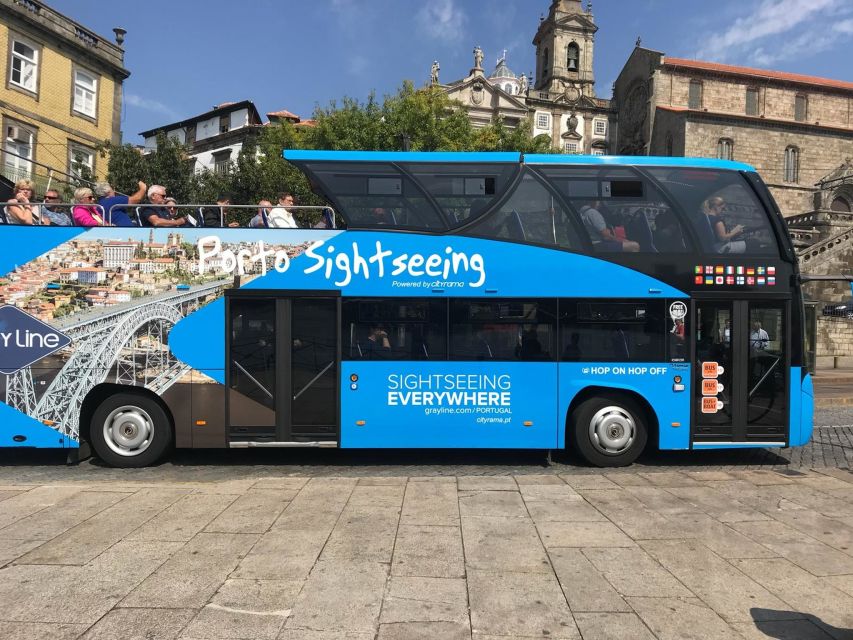
Your hop-on hop-off freedom comes from three route lines, each with its own personality. You’ll see a lot more by using the route design than by trying to walk between distant stops.
Orange Line: Gaia viewpoints and classic cellar-area energy
The Orange Line gives you a strong Gaia connection, which is key if you want to experience port wine territory without guessing your way around. Stops include Cais de Gaia and Jardim do Morro (great for river views), plus Quinta da Boeira—one of the featured tasting options.
If you love the idea of doing port wine cellar visits plus scenic breaks, Orange is your “day one structure” route.
Blue Line: Porto highlights from riverfront to grand architecture
The Blue Line is the busiest-feeling route because it threads through many of Porto’s headline areas. You’ll pass Palácio de Cristal, Casa da Música, and Fundação Serralves, and you’ll also reach the coast side with stops like Castelo do Queijo/Sealife and Foz do Douro.
This is the route I’d lean on for first-time orientation: it’s easier to understand where things are once you’ve seen the major landmarks from the bus window.
Green Line: Matosinhos coast, beach zone, and seafood streets
The Green Line is your Matosinhos guide. Expect beach-area stops like Praia de Matosinhos and the lively food and shopping stretch around Mercado de Matosinhos and restaurants. You’ll also go by Castelo do Queijo/Sealife (shared connection) and Casa da Arquitectura/Conserveiras, which adds a more local, working-influenced feel to the day.
If you want a break from city-center walking—salt air, casual meals, and a slower rhythm—Green is your lane.
What the included audio guide can do for you (and how to use it smartly)
You get an audio guide with the bus ticket, and that’s a big deal because Porto’s streets can feel like a puzzle. Hearing the story behind the stops helps you decide what’s worth leaving the bus for.
That said, one real-world detail to keep in mind: the audio can be out of sync at times. When that happens, don’t fight it. Use the stop names and your own eyes as the primary guide, and treat audio as a helpful bonus rather than a perfect timing device.
If you like to take photos, having the guide running while you’re moving is still useful. A lot of Porto’s best views happen at bus-window speed—especially along the river.
Optional Douro heritage cruise: scenic payoff, limited expectations
The cruise option is about seeing Porto from the water, which changes how you understand the city’s layout. If you like river views, bridges, and that classic “from here everything makes sense” feeling, the cruise is a strong add-on.
One caution: it may feel different from a narrated tour. Some people found the cruise itself to be missing commentary. So go in for the scenery and the atmosphere, not for a deep audio explanation.
Timing can be gorgeous. One guest described a sunset cruise around 50 minutes, which sounds like a sweet spot for keeping the day easy.
Port wine cellar tours: the part you’ll remember longer
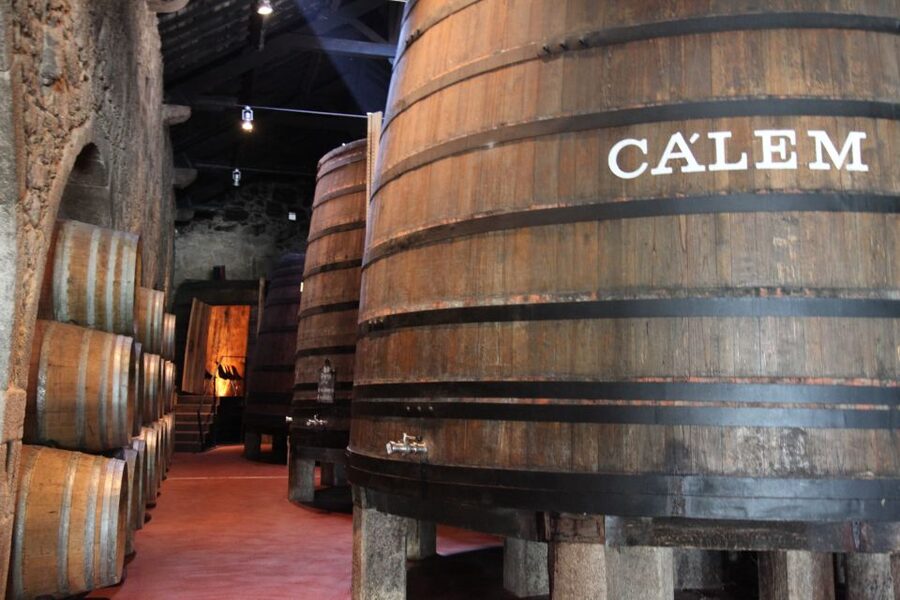
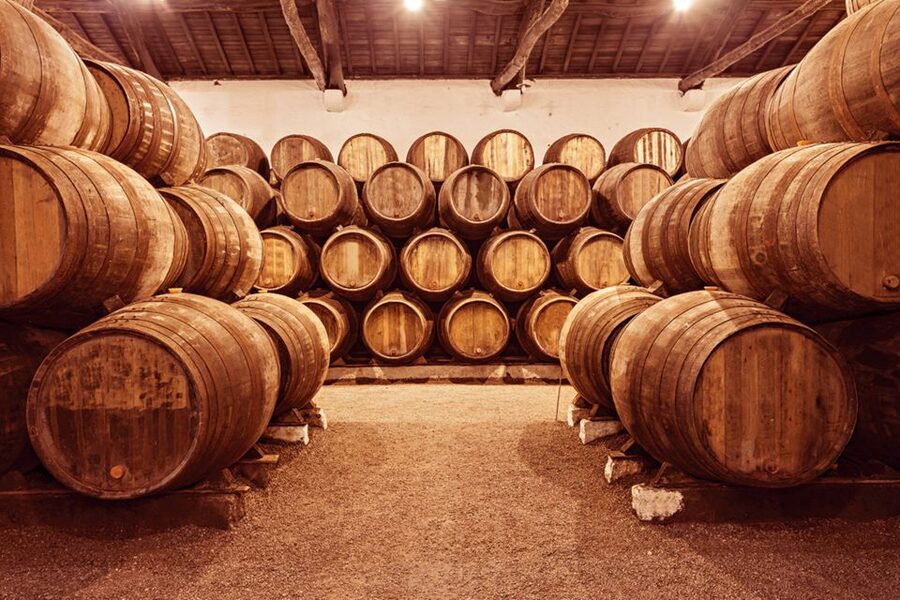
This is where the experience shifts from “transport with views” to “why Porto is Porto.” If you choose the optional cellar upgrade, you’ll visit port wine cellars and get a free wine tasting.
The included tasting options can include well-known names like:
- Quinta da Boeira
- Real Companhia Velha
- The Quevedo Lodge
- Sogevinus Wine Shop (Rua das Flores)
What I like about this is that it gives you context for what you’re drinking. You learn about the historical and cultural importance of port wine production, and you leave with a clearer mental picture of why the Douro region matters.
A small but useful tip: some tastings are described as including two glasses at the end. That means you can treat it like a planned stop, not just a quick sip.
Also, don’t underestimate the “location magic” factor. One person described the view from inside a cellar as magical, which is exactly what you want from a wine visit in Gaia.
Panoramic Night Tour (48-hour tickets): seeing Porto after dark from the bus
If you’re in Porto at the right time, the night tour is one of the easiest ways to experience the city’s evening mood. The Panoramic Night Tour is included only with the 48-hour ticket options, and it’s available until March 2026.
It’s not a hop-on hop-off route (so no stops along the way), but that’s also the point. You sit back while the bus travels past key illuminated areas, including:
- Praça da Batalha (departure)
- Ponte do Infante
- Avenida dos Aliados
- Cordoaria
- Estação de São Bento
- Marginal do Porto
- Sé Catedral
This is a good fit if you want night views without committing to finding a parking spot or arranging extra transport.
Digital Walking Tour + museum discounts: small add-ons that help you fill gaps
Beyond the bus itself, you get a Digital Walking Tour. You can use it on foot when you want to slow down, connect stops, or get a calmer, more detailed look at an area you’re already seeing from the bus.
You also get 10% discount on museum entries. That’s handy if one museum calls your name once you’re already in the right neighborhood.
These extras don’t replace the main sightseeing plan, but they help you smooth the edges of a 1–2 day trip.
Practical tips: making the pass feel effortless
Here’s how to make this ticket work smoothly in real life.
First, redeem your voucher at the official store at Rua Mouzinho da Silveira 222 or directly with your driver. Doing that early saves you stress later.
Second, use the tracking tool if it’s available to you. One guest specifically recommended the Gray Line app to locate buses in real time. That’s the difference between “waiting” and “planning.”
Third, keep expectations realistic about timing. Departure frequency can change due to road closures or unforeseen circumstances. So build a small buffer into your day, especially if you want to match a cruise or cellar visit.
What to bring: a sun hat and a camera. And note the basics: no smoking and no pets (assistance dogs allowed).
Finally, this experience is not suitable for people with mobility impairments. If that’s relevant for you, it’s worth looking at alternatives that offer accessible transport.
Where to start on day one (a simple pacing strategy)
If you’re optimizing for first-time orientation, start with a route that crosses your major interests. Many people find it easiest to begin around the city center and then work outward.
A simple plan that matches the way this pass is designed:
- Morning: ride a main highlight route to pick up context (Blue Line works well here)
- Afternoon: cross into Gaia and aim for port wine territory (Orange Line is useful)
- Evening: if you’re on the 48-hour plan, save energy for the night panoramic tour
- Day two: use Green Line to enjoy Matosinhos beach and food streets without squeezing everything into the same day
If you’re the type who likes repeating good viewpoints, you can do that too. With 48 hours, you’ll feel less pressure and more freedom.
Should you book this Porto pass?
Book it if you want a practical, low-stress way to cover Porto + Gaia + Matosinhos with built-in audio and the option to add two big experiences: a Douro cruise and port wine cellars with tasting. It’s especially good value if you can spare two days, because the 48-hour option also includes the night panoramic tour.
Skip it (or consider adjusting) if you’re expecting a fully narrated cruise experience or perfect audio timing all the way through. It’s still a strong transport-and-experience combo, but it works best when you treat the audio as helpful and the real “wow” as the views, the stops, and the wine visit.
If your goal is smart sightseeing without planning every route stop by hand, this pass is a very workable choice for Porto.