Quebec City gets easier from the top deck. This hop-on hop-off double-decker ride gives you panoramic views and multilingual audio on included headphones, with the flexibility to get off, linger, then catch the next bus. One thing to consider: it can feel pricey if you only hop off once or twice, and a few stops can make you ride longer than you’d like to reach the next cluster.
I like how the route starts right where you want to begin—Place d’Armes near Château Frontenac—so you can roll into Old Québec feeling oriented, not lost. The loop timing is also realistic: buses run about every 30 to 45 minutes (season-dependent), and one full circuit takes roughly 1 hour 45 minutes to 2 hours.
The audio is solid and easy to follow in lots of languages, but the content leans more historical than “here’s exactly what to look at.” Also, top-deck comfort depends on the day—some riders found seats a bit stiff—so dress for weather and bring your patience for the hills.
In This Review
- Key points you’ll care about
- A quick way to read Quebec City from the top deck
- Price and ticket options: what $48 buys you
- How the hop-on hop-off route really works in a hilly city
- Top deck views and multilingual headphones: the real sightseeing engine
- Stop-by-stop guide to the Red City Loop
- Timing and comfort tips for a smooth 1-day bus day
- When a live driver adds extra stories (Pierre, Martin, Michel, Leon)
- Who should book this bus tour—and who might skip it
- Should you book Quebec City Hop-on Hop-off Bus Tour?
- FAQ
- Where is the first stop to start the tour?
- How many hop-on hop-off stops are included on the Red City Loop?
- How long does one loop take?
- Is there a 1-day or 2-day ticket option?
- What languages are available for the audio commentary?
- Are earphones included?
- How often do buses depart?
- Is the tour wheelchair accessible, and are pets or large bags allowed?
Key points you’ll care about
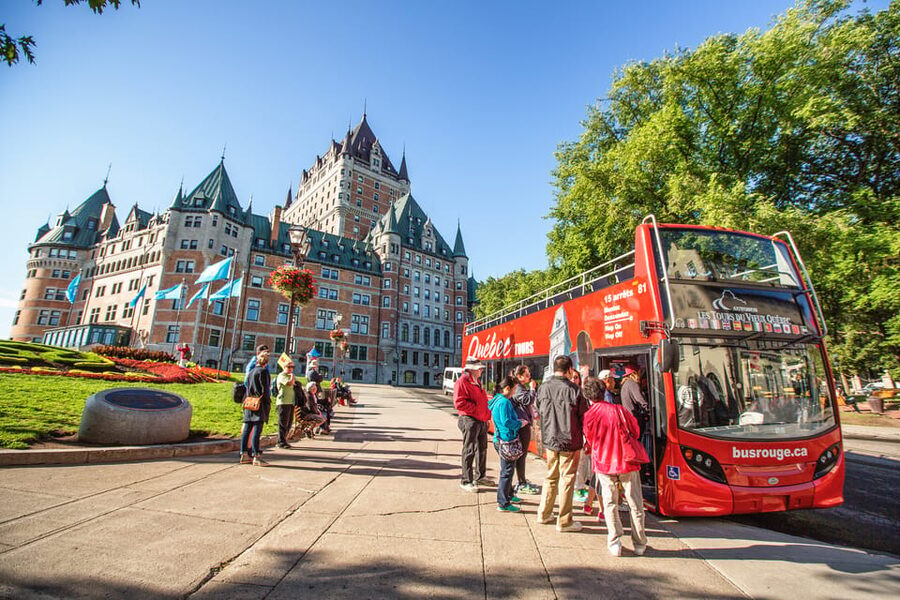
- 15 smart stops across Old Québec and key viewpoints, including Château Frontenac area, Plains of Abraham, and the Citadelle
- Open-air top deck views that help you understand the city’s steep streets fast
- Multilingual taped commentary with included earphones and multiple language options
- Choose your pace: do the whole loop for orientation, or hop off and build your own day
- Drivers can add live color on top of the recording, and some have been notably funny and helpful
A quick way to read Quebec City from the top deck
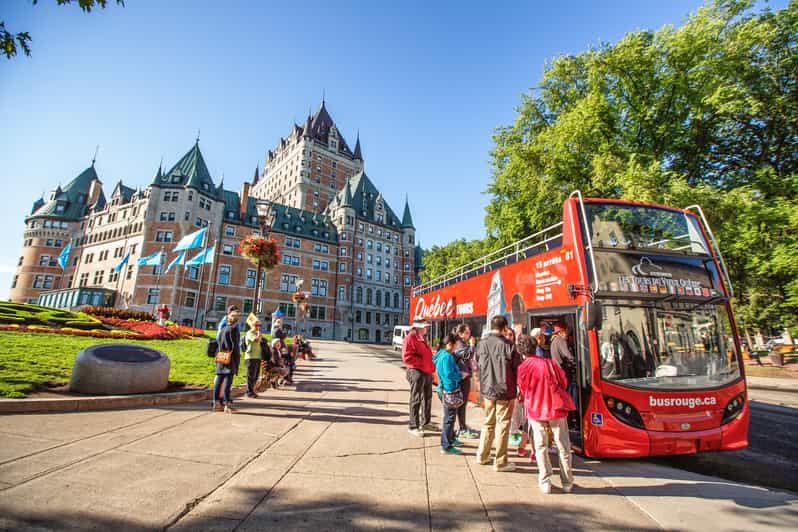
If Quebec City is your first stop on a Canada trip, you’ll probably want two things quickly: good orientation and a low-effort way to reach the big sights. This hop-on hop-off bus is built for exactly that. You get a moving “map” view as you cross from Old Québec to the flatter-to-slope mix around the riverfront and uphill viewpoints.
The open-top, double-decker design matters more than you might think. Quebec City has that classic walled core, but the angles and elevations tell the story. From up high, you can spot where major neighborhoods sit, where the stairs and viewpoints connect, and which sights feel close together (walking distance) versus which ones deserve a bus jump.
Two other practical wins: included audio on headphones and the fact that you can choose how many times you stop. You’re not stuck listening through every minute. If you want photos, you grab them. If you want time, you spend time.
Price and ticket options: what $48 buys you
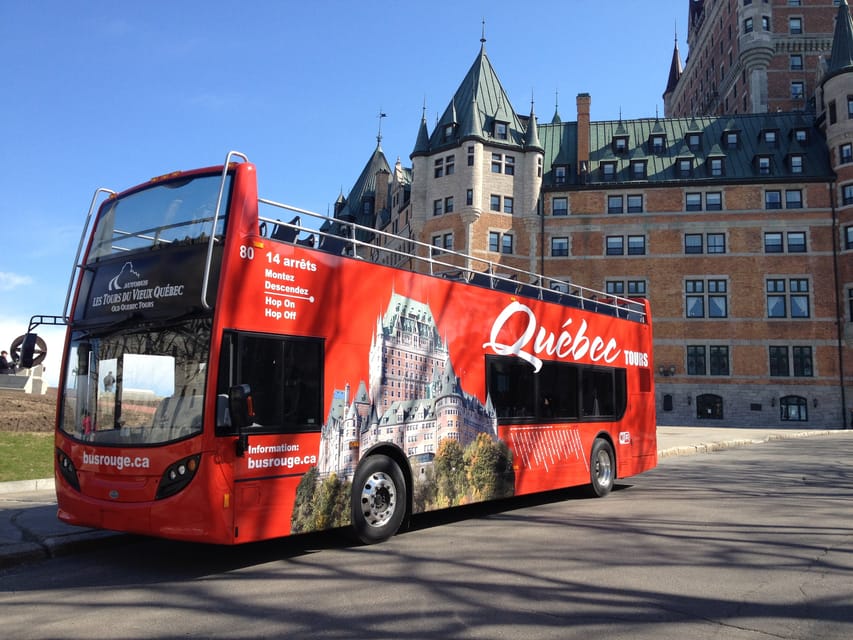
The listed price is $48 per person for the 1-day option, and you can also choose a 1- or 2-day hop-on hop-off ticket depending on what you book. Is it worth it at $48? For most people, the value comes from saving your legs and buying back time on a hilly city.
Here’s the way I think about it. If you’re just doing Old Québec and you’re already fit and willing to climb, you might skip the bus. But if you want panoramic viewpoints, faster repositioning between neighborhoods, and the option to hop off without planning every route, $48 starts looking fair. You also get a structured “see the musts” sweep that helps you decide what to repeat later.
A note to keep you grounded: one rider felt it was expensive at a higher price point. That doesn’t mean the tour is bad—just that it pays off more if you actually use the hop-on hop-off freedom across multiple stops (not just a single photo stop).
If you have two days in Quebec City, the 2-day option can be smarter because you can do the loop once for orientation and then return to the spots that pulled you in.
How the hop-on hop-off route really works in a hilly city
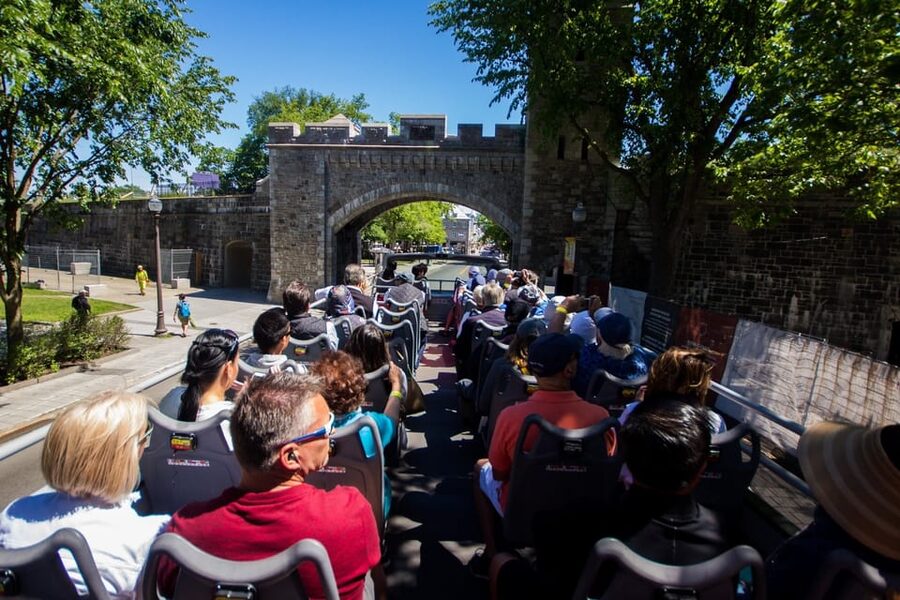
You can hop on at any of the stops along the route, and the first stop for the loops is Place d’Armes near Château Frontenac at 7 Rue de Fort. The tour offers three starting location options and also lists three drop-off locations—so you’re not forced into a single “out-and-back” pattern. That flexibility is useful when your day includes meals, tours, or timed museum visits.
One loop is about 1 hour 45 minutes to 2 hours. Buses depart every 30 to 45 minutes depending on the season. In real life, that means you can build a day without obsessing over the clock—but you should still plan for occasional traffic slowdowns and seasonal schedule changes.
This is the key strategy: do one full loop with headphones first. Then, when you hop off for a second pass, you already know what’s worth your time on foot. Quebec City’s elevations can trick you—things that look close on a map can be a slog of stairs and gradients. The bus helps you avoid that “why is this uphill again” moment.
The main trade-off is stop spacing. Some stops are spaced in a way that can require riding the full loop if you want to move from a mid-route spot to the end of the line. That’s not a dealbreaker, but it changes how you plan your hop-off timing.
Top deck views and multilingual headphones: the real sightseeing engine
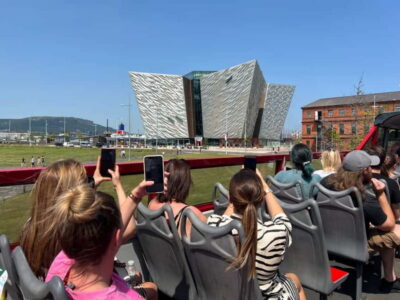
The open-air top deck gives you that postcard angle on Old Québec and the surrounding viewpoints. Even if you’re not a “photo person,” the top deck is how you quickly understand the city’s structure—river side versus upper areas versus the major monuments and forts.
What really powers the experience, though, is the audio commentary. Headphones are included, and the recording is available in a long list of languages: Spanish, Chinese, English, French, German, Italian, Japanese, Arabic, Portuguese, Russian. That’s a big deal if you’re traveling with mixed-language friends or family.
Sound quality is also practical. One rider specifically called out that the headphones were clearer than expected on similar bus tours. If your plan is to use the audio as your main “guide,” you’ll be glad you’re not fighting tinny audio.
One more nuance to set expectations: the recording can be more historical than “what you’re seeing right now.” So pair it with active looking. If the audio says a place was important, glance around and try to connect the story to the actual streets, walls, and elevations you can see outside.
Stop-by-stop guide to the Red City Loop
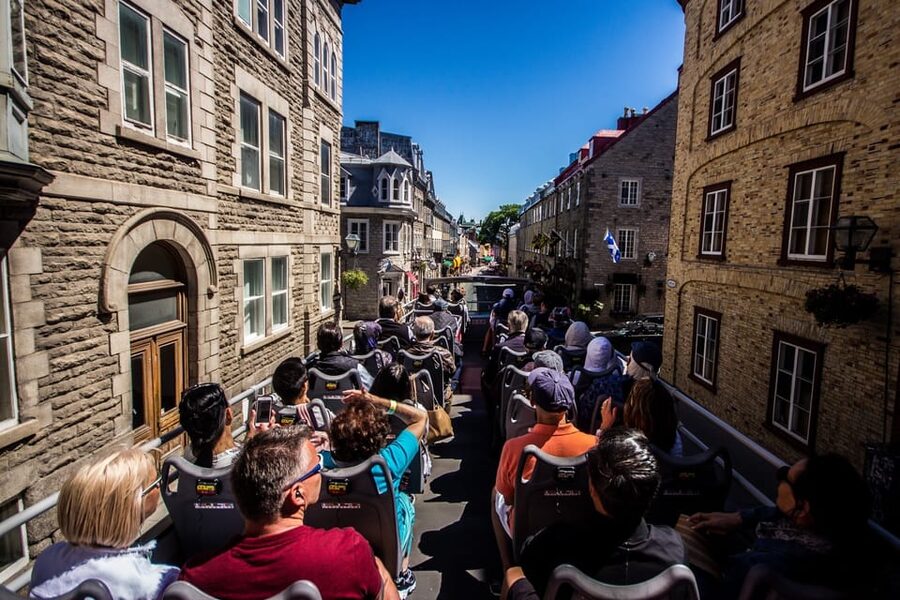
This loop is designed to hit the core sights and the viewpoints that make Quebec City feel like Quebec City. Plan to either stay on for the full circuit for orientation or hop off at a few key places and then rejoin later.
Place d’Armes (Château Frontenac area)
This is the natural starting anchor. You’re right by Old Québec’s most famous skyline, so it’s a great first hop-off point—especially if you want photos early before crowds or weather shift. If you’re new to the city, this stop sets your mental map fast.
Quartier St-Roch
St-Roch adds a different texture from the postcard core. It’s a useful stop for understanding how the city extends beyond the tightly packed historic center. If you want a break from the steep core, this is a good place to feel the city’s rhythm at street level.
Musée de la Civilisation
If museums are your thing, this stop puts you near one of the city’s major cultural attractions. Even if you don’t go in, the area helps you understand how Quebec City balances heritage with modern public life.
Place Royale
This is where Old Québec’s story feels most concentrated. Expect it to be a strong photo and stroll option—especially if you want that classic historic square vibe. It’s also a smart hop-off for anyone planning a self-guided walk afterward.
Marché du Vieux-Port
This stop is good for grabbing snacks, browsing, or simply changing tempo. If your plan includes food breaks, it’s a great place to hop off without feeling like you’re “wasting time.” It also works well mid-day when you want a more local-feeling stop compared to pure monuments.
Centre des Congrès
This is a practical stop if your itinerary includes events or if you want to position yourself for certain directions. It can be useful as a bridge point, helping you move through the city without adding extra uphill trekking.
Observatoire de la Capitale
This is your “look back and understand everything” viewpoint stop. If you’re trying to connect the city’s geography—the river, the upper areas, and the historic core—this observation stop is where it clicks. You’ll also get another chance for wide-angle photos.
Manège Militaire
A strong choice if you want a cultural or historic stop tied to the city’s military past. This area can be a good reset point before the route climbs toward the bigger battlefield and fort-related sights further along.
Plaines d’Abraham
This is one of the standout historical grounds on the loop. It’s an excellent stop if you want space to walk a bit and absorb the setting. Even if you don’t go heavy on reading, the open terrain helps you understand why these locations mattered.
National Museum of Fine Arts of Quebec
This stop suits anyone who wants at least one museum in the day. If you’re short on time, even a quick visit can be worth it, because the museum stop gives your hop-off day a clear “anchor” rather than endless wandering.
Quartier Saint-Jean-Baptiste
This neighborhood stop is valuable for texture. Old Québec can feel like a single theme; this adds residential streets and local character. If you like to break the day into “sights by bus, neighborhood by feet,” this is where that works well.
Avenue Cartier
Avenue Cartier is a practical transit-feeling stop along the loop. It can help you reach areas without making the whole day one long climb. If you want an in-between stop—neither heavy sightseeing nor pure waiting—this is that middle ground.
Place d’Youville
This is a good option for anyone who wants another central square-type stop to regroup, take photos, or catch the next bus. It also helps if your timing is off because it gives you a place to pause without committing to a long attraction.
Citadelle de Québec
This is the big finish feeling stop. The Citadelle area gives you that “I’m in the fortified story of Quebec City” moment. If you only hop off once more after your orientation loop, make it a fort-related stop like this.
Timing and comfort tips for a smooth 1-day bus day
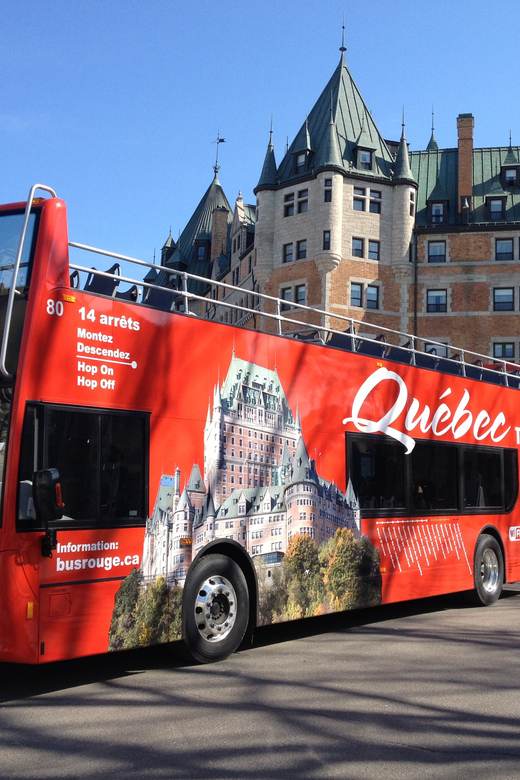
A one-day tour works best when you treat the loop like your backbone. Start early (if possible) so you’re not chasing daylight and so the streets aren’t as packed. Since buses can run every 30 to 45 minutes, you have flexibility, but not infinite time.
For comfort, plan like Quebec City weather can change your mood fast. Bring comfortable shoes. Even if you’re on the bus a lot, you’ll still be walking when you hop off. If it’s sunny, a sun hat helps. If it’s cold or damp, wear layers—especially because open-air top decks can feel colder than you expect once you’re moving.
Seat comfort is a mixed bag. Some people found the seats a bit uncomfortable, so if you know you’re sensitive to that, consider staying up top for the view and using that energy for photos and quick observations instead of long stretches of sitting.
Also remember what’s not allowed: no pets, and no luggage or large bags. If you’re traveling light with a daypack, you’re fine. If you’ve got bulky items, rethink the plan.
When a live driver adds extra stories (Pierre, Martin, Michel, Leon)
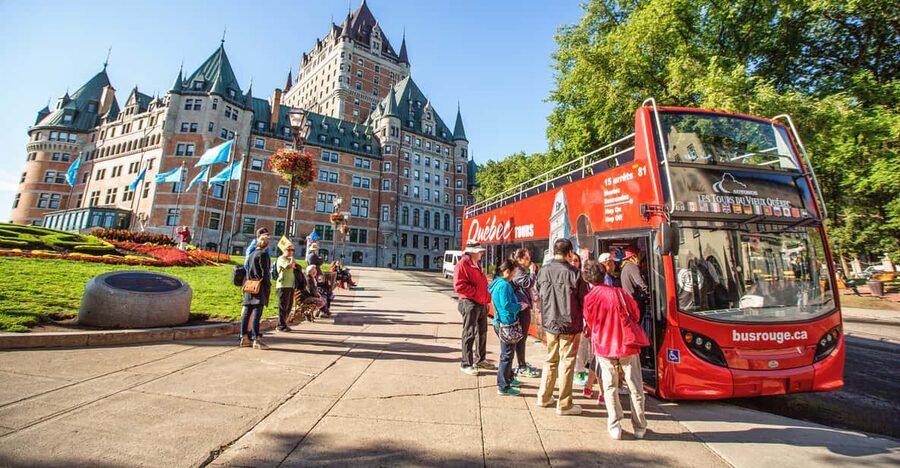
Even though you’ll have the taped commentary in multiple languages, the tour experience can level up when the driver adds live flavor. Several riders specifically highlighted drivers like Pierre and Michel, plus a friendly and funny vibe from Martin (sometimes spelled similarly) and Leon.
If your driver takes the time to add extra context—especially during photo stops—that can make the difference between a “ride with information” and a “ride that teaches you how to see.” The sweet spot is when the recording gives structure, and the driver gives local personality.
To get the best use out of the audio plus any live additions, do this: listen actively for what’s coming next. When you hear a key name or historical reference, look out the window before the bus fully stops. It turns the ride into a moving “spot the clues” game.
Who should book this bus tour—and who might skip it
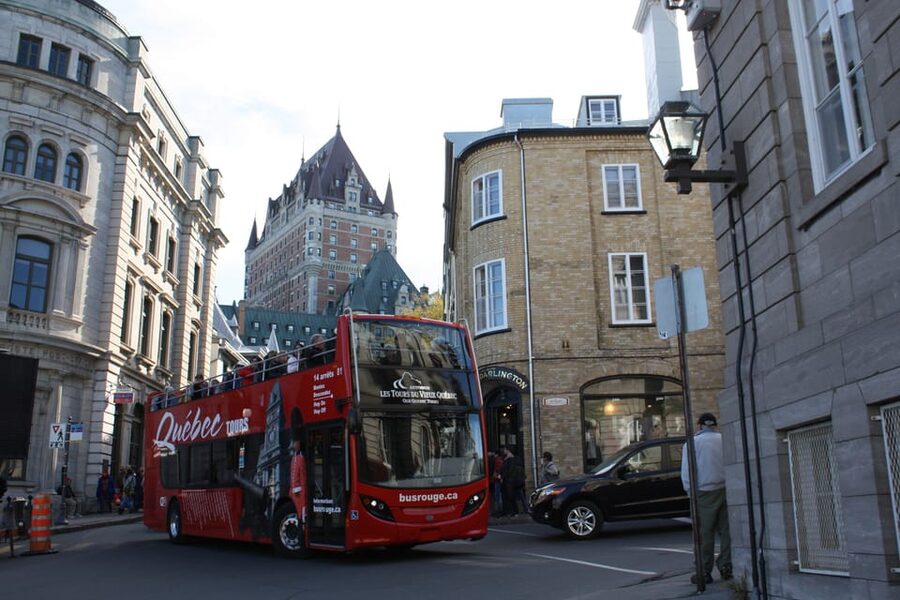
This tour fits best when you:
- Want an easy way to see the top sights without overplanning routes
- Need a break from hills and long walks
- Like panoramic views and using audio as your guide
- Are on a first visit and want a fast orientation loop
It may be less ideal if you:
- Plan only one or two quick photo stops and nothing more
- Prefer fully live, walk-and-talk guiding over taped narration
- Have a tight schedule with timed entries and very specific windows, since bus timing can shift with traffic
If you’re deciding between a self-guided walking day and a bus day, this option is often the middle path. It gets you the “big picture” first, and then you can spend time where your curiosity actually lands.
Should you book Quebec City Hop-on Hop-off Bus Tour?
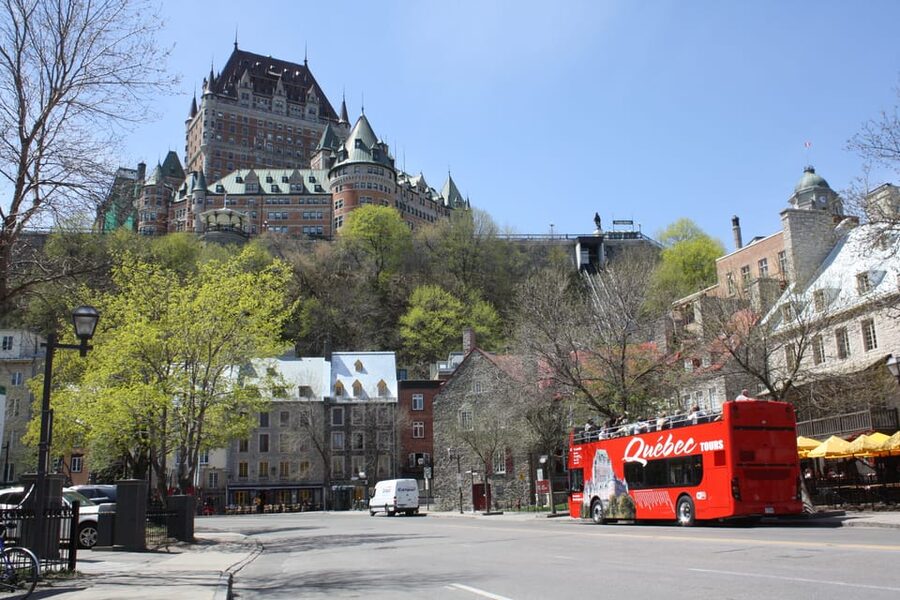
Book it if you want a low-stress way to get your bearings and see key sights in a hilly city, with included multilingual audio and the option to hop off multiple times. At around $48 for a 1-day ticket, it’s strongest when you’ll use the hop-on freedom—ideally doing one full loop for orientation, then coming back to the stops that caught your attention.
Skip or reconsider if you’re expecting constant live narration at every stop, or if you know you’ll only use a small fraction of the route. Also factor in your comfort needs: the experience is easy, but you will still spend time standing or walking when you hop off.
If you’ve got even a partial day to explore and you want your sightseeing to feel organized, this bus tour is a practical way to make Quebec City click fast.
FAQ
Where is the first stop to start the tour?
The first stop of the loops is Place d’Armes near Château Frontenac at 7 Rue de Fort in Quebec City.
How many hop-on hop-off stops are included on the Red City Loop?
The Red City Loop includes 15 bus stops, with major stops such as Place Royale, Plains of Abraham, and Citadelle de Québec.
How long does one loop take?
One loop takes about 1 hour 45 minutes to 2 hours.
Is there a 1-day or 2-day ticket option?
Yes. Tickets are available as 1- or 2-day hop-on hop-off options depending on what you choose.
What languages are available for the audio commentary?
Audio commentary is available in Spanish, Chinese, English, French, German, Italian, Japanese, Arabic, Portuguese, and Russian.
Are earphones included?
Yes. Earphones/headphones are included with the tour.
How often do buses depart?
Tours depart every 30 to 45 minutes depending on the season, and departures may vary due to traffic or other issues.
Is the tour wheelchair accessible, and are pets or large bags allowed?
The tour is wheelchair accessible. Pets are not allowed, and luggage or large bags are not allowed.