Rome looks different from the Tiber. This IoBus&RomeBoat combo pairs an open-top hop-on hop-off bus with a Tiber River cruise, so you can pace Rome your way. I like the 30-hour flexibility for hitting big sights and the included on-board audio in multiple languages; the one thing to factor in is that boat size can vary and river conditions can trigger small itinerary changes.
You can start on the water or land: the bus runs from 08:30 to 20:30, and the cruise runs daily from 10:00 to 18:00. The stops are close to major landmarks, and the hop-on format means you’re not stuck riding past what you care about.
This is a smart choice if you want an efficient overview without turning every hour into a long hike. It’s also handy for first-time planning, since you’re given a simple rhythm with a bus loop of about 2 hours and a cruise of about 1 hour 15 minutes, letting you build your day around your energy levels and priorities.
In This Review
- Key points to know before you ride
- Two rides, one ticket: how this Rome bus-and-boat combo really works
- Start on the bus or start on the Tiber: a smart way to plan your day
- The bus loop: from Termini to Trevi, with easy hop-off access
- Terminal areas and key stops you can use
- What each major stop is good for
- The Tiber cruise: Tiber Island to Ara Pacis, plus that watery Rome perspective
- River stops you’ll use (and what they’re for)
- Audio guide power: learning without stopping your feet
- The big landmarks you’ll actually see (and how to use the stops)
- Price and value: is $51.24 a good deal for this mix?
- Who this Rome combo suits best (and who should reconsider)
- Should you book the IoBus & RomeBoat combo?
- FAQ
- How long is the Tiber River cruise?
- When do the bus and boat run?
- Where can I board the hop-on hop-off bus?
- What river stops are included on the cruise?
- Is an audio guide included, and what languages are offered?
- Do I need to pay for food with this ticket?
Key points to know before you ride
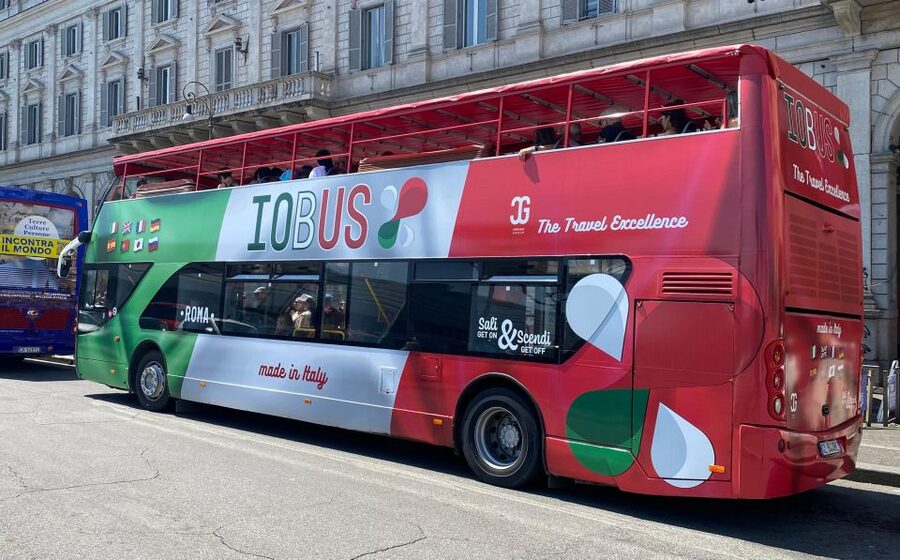
- A 2-in-1 pass: open-top hop-on bus for Rome + hop-on River Tiber cruise
- Frequent departures: bus every 15 minutes, boats about every 30 minutes
- Big sights on easy stops: Colosseum, Circus Maximus, Piazza Venezia, Vatican area, Trevi Fountain, plus Tiber views
- Audio guide included: Spanish, English, German, Italian—on-board, so you can learn while moving
- Self-paced timing: your ticket is valid for 1 day and gives you up to 30 hours on the bus side
Two rides, one ticket: how this Rome bus-and-boat combo really works
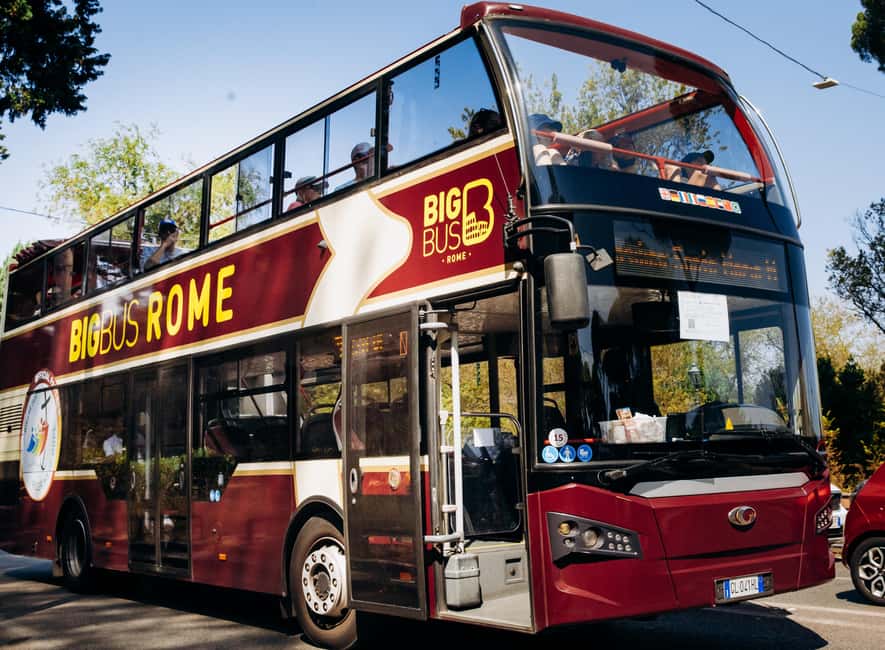
This is one of those Rome products that makes sense when you’re juggling a lot of landmarks. You get an open-top hop-on hop-off bus to connect the city’s main monument zones, and you get a Tiber River cruise that gives you a totally different angle—Rome from the waterline.
The best part is the freedom. With a ticket valid for 1 day and a 30-hour window for the bus hop-on hop-off experience, you can do a quick orientation ride in the morning, then come back to specific stops later. If you’re tired, you can sit longer on the bus; if you feel good, you can hop off for museums, churches, and photo moments and still keep the day moving.
The cruise is where the city changes mood. Even if you only do one loop, you’ll start noticing how the river threads through Rome’s historic centers. And since this is a hop-on style river ticket, you’re not locked into one fixed start point.
One practical note: the supplier reserves the right to change the itinerary due to river conditions or other factors. So if you’re traveling at a time with heavy weather or river activity, keep your expectations flexible.
Start on the bus or start on the Tiber: a smart way to plan your day
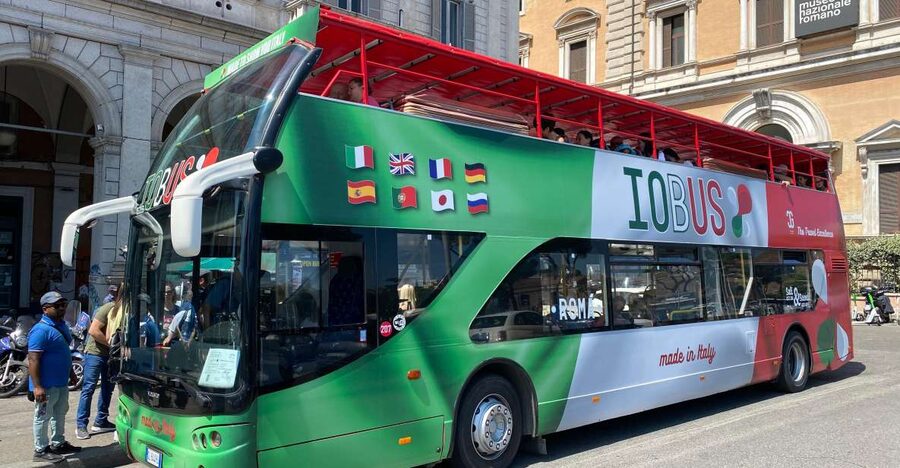
You can choose your first move. The cruise departs from set piers on the river, and the bus has multiple terminals and stops across key areas. If you’re deciding what order to do, here’s the way I’d think about it.
If you want the easiest first win, start with the bus. You’ll get oriented fast—Termini area to Santa Maria Maggiore, then toward major landmarks like the Colosseum and Piazza Venezia. After that, the river cruise feels like a highlight, not a detour, because you already know what you’re seeing from the water.
If you’re chasing the best “Rome wow” moment early, start on the Tiber cruise. The cruise takes about 1 hour 15 minutes, and it runs daily from 10:00 to 18:00 with boats leaving about every 30 minutes. Doing it earlier often means calmer lighting and fewer crowds for the views.
Either way, the ticket is designed for you to build your own pacing. You’re not forced into one long, draining schedule where you spend the whole day on one vehicle.
The bus loop: from Termini to Trevi, with easy hop-off access
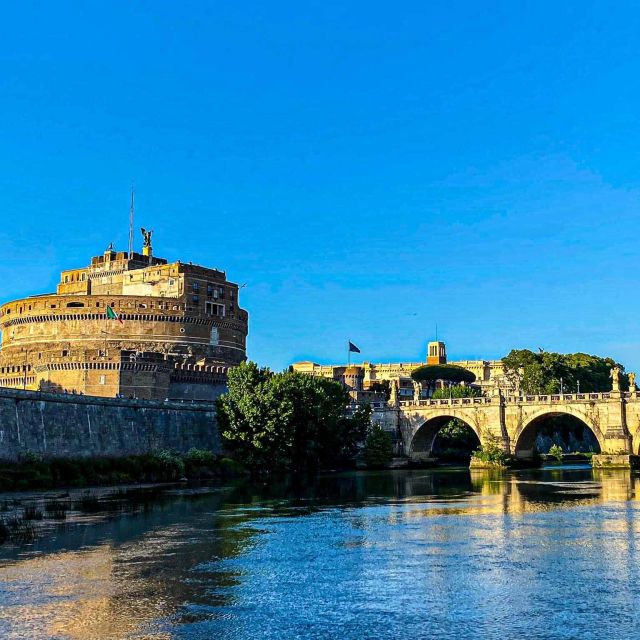
The hop-on bus is your main backbone for land sightseeing. A full loop takes about 2 hours if you stay on the vehicle without getting off. The big advantage is that the bus runs often—every 15 minutes—so you’re not gambling with long waits when you want to re-board.
Terminal areas and key stops you can use
You can board around these areas:
- TERMINAL A (Termini – Marsala) at Via Marsala, 7
- TERMINAL B (Largo di Villa Peretti) at Largo di Villa Peretti, 1
- Santa Maria Maggiore at Via dell’Esquilino, 8
- Colosseum at Via di San Gregorio
- Circo Massimo at Piazzale Ugo La Malfa
- Piazza Venezia at Via di Teatro Marcello 12
- Vatican at Via della Conciliazione, 4
- Piazza di Spagna
- Trevi Fountain at Via del Tritone, 59
A tiny sanity tip: treat the bus stops like a menu. If your day is tight, don’t try to hop off for everything. Pick two or three zones to explore properly, then use the bus to reconnect you to the rest.
What each major stop is good for
- Santa Maria Maggiore area: a convenient early landmark zone if you want to start nearer the Termini side and work your way across town.
- Colosseum stop: perfect for seeing the ancient centerpiece from multiple directions, with easy connection onward toward the city’s political/ceremonial heart.
- Circo Massimo: a great stop if you want a “big scale” view without needing to plan a full day around one single ticketed venue.
- Piazza Venezia: one of those Rome squares that acts like a hub. If you plan to move between the Colosseum zone and more central sights, this is a natural place to pause.
- Vatican stop: useful as a bridge between central sights and the Vatican area, especially if you plan to move in and out rather than committing to a single long block.
- Piazza di Spagna and Trevi Fountain: both are ideal for quick breaks, photos, and strolling. Trevi is the obvious coin-toss moment, but Piazza di Spagna is often where you can slow down and enjoy the “street Rome” feel.
If you’re the type who likes to wander without a strict checklist, this bus is built for you. If you’re the type who wants to see one major museum plus nothing else, you might find the bus slightly more “overview” than “deep dive.” But that’s not a flaw—it’s the product’s purpose.
The Tiber cruise: Tiber Island to Ara Pacis, plus that watery Rome perspective
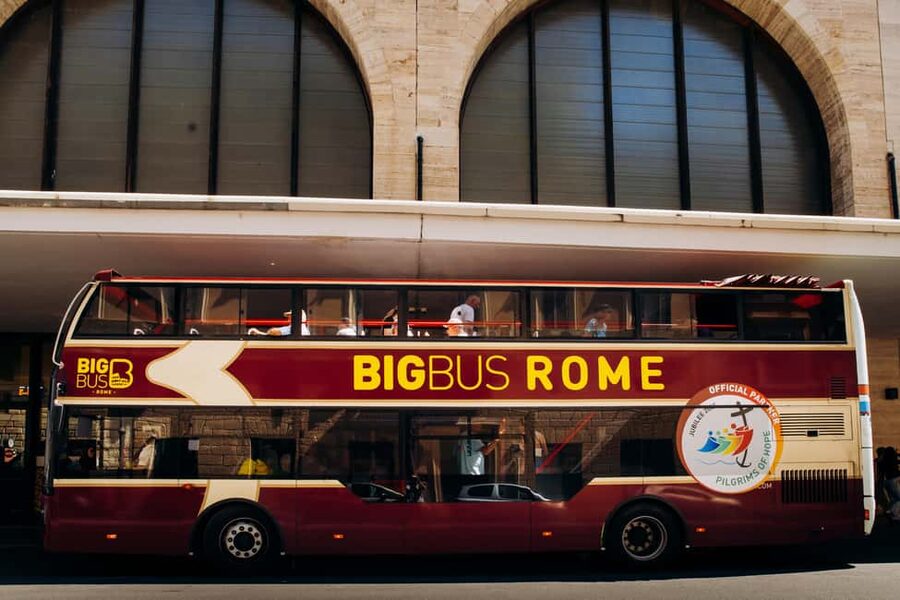
The river cruise is shorter than you might expect, but it’s long enough to feel like a real change of pace. The cruise duration is about 1 hour 15 minutes, with departures daily from 10:00 to 18:00.
Boats depart every 30 minutes from the piers at Tiber Isle and Ponte S. Angelo. From there, the route sails to Ponte Nenni (close to Piazza del Popolo) and back.
River stops you’ll use (and what they’re for)
You’ll hop on and off at:
- Tiber Island (Lungotevere degli Anguillara)
- Ponte Sisto (Lungotevere dei Tebaldi)
- Castel Sant’Angelo Bridge (Lungotevere tor di Nona)
- Ara Pacis (Lungotevere in Augusta)
Here’s why those stops matter. This is a Rome that reads differently from the water:
- Tiber Island is a classic “this is Rome” anchor point. If you want photos with historic framing, it’s a strong starting visual.
- Ponte Sisto is a handy “crossing” moment—great for camera angles and for re-positioning yourself without a complicated walk.
- Castel Sant’Angelo area is one of the most recognizable waterfront scenes, and it pairs naturally with the feeling of being near the Vatican side of town.
- Ara Pacis brings in a more modern monument presence along the river, which helps you balance the Ancient Rome and Baroque vibe you’ll see on land.
One detail that’s worth keeping in mind: boat conditions and scheduling can be affected by river conditions. If you’re traveling with a tight plan, give yourself a bit of breathing room so you’re not stressed if the exact timing shifts slightly.
Also, based on past on-the-ground experiences with this kind of operation, boat size can vary. One boat may feel more cramped, while another can be bigger and more comfortable on the same route. If you can, go with the next available departure rather than waiting for a specific “perfect” one.
Audio guide power: learning without stopping your feet
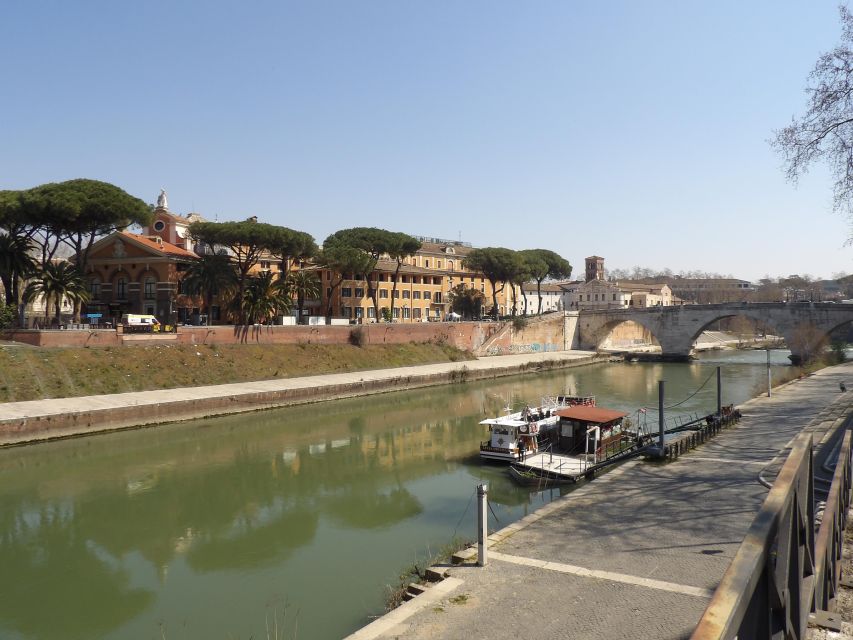
The on-board audio guide is included, with languages listed as Spanish, English, German, Italian. This matters more than it sounds, because the bus and boat don’t just move you—they narrate the city as you go.
When you use the audio well, you get three benefits:
- You stop guessing what you’re looking at.
- You don’t need to constantly pull out a phone.
- You can time your off-bus walks around what you just heard.
This combo is especially good for understanding how Rome layers itself over time. You’re shown Ancient Rome monuments like the Colosseum and Circus Maximus, plus major visual stops tied to later eras. And you’ll also hit the practical “must-see” moments like the Trevi Fountain, where the included story format helps the area feel more meaningful than just a photo stop.
If you like learning in motion, this is the part that makes the ticket feel more like value and less like just transportation.
The big landmarks you’ll actually see (and how to use the stops)
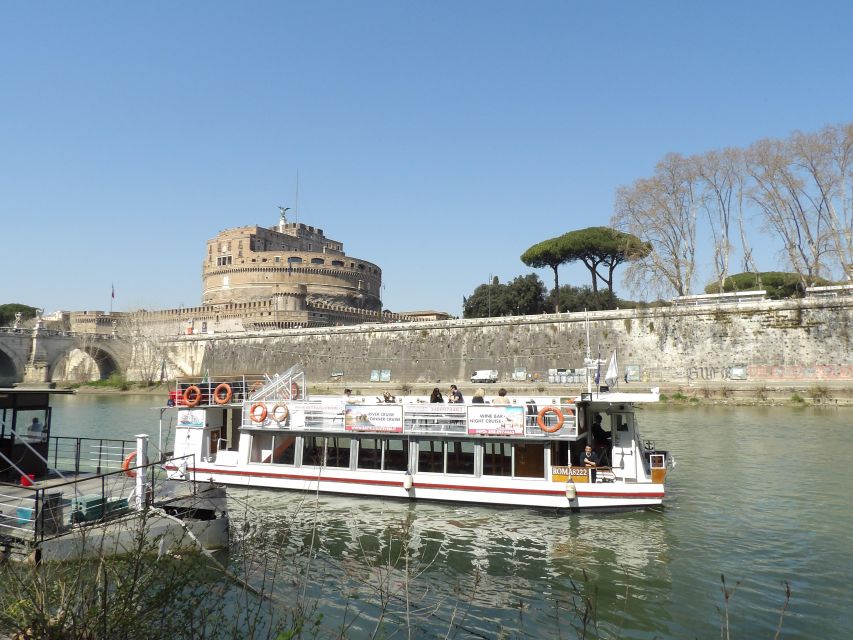
The itinerary is designed around Rome’s headline monuments and the classic “walkable from the stop” setup. Here are a few you’ll recognize immediately:
- Colosseum: Ancient Rome’s icon; you can treat it as a longer explore stop or a photo-and-orientation stop depending on your time.
- Circus Maximus: another massive ancient space, ideal when you want scale.
- Piazza Venezia: a major central square, often used as a hub for moving around.
- Castel Sant’Angelo: near the Vatican side, it’s a strong pairing with the river cruise perspective.
- Trevi Fountain: the famous coin toss moment.
- Bocca della Verità (Mouth of Truth) in the church of Santa Maria in Cosmedin: the pass is set up to bring you close to this kind of iconic curiosity, even if your exact walking route depends on the time you spend at each stop.
One practical strategy: when you hop off, don’t do the “grab everything in 20 minutes” plan. Instead, hop off once you’re in the right zone, then give yourself a focused block. The bus and cruise do the reconnecting; you do the choosing.
Price and value: is $51.24 a good deal for this mix?
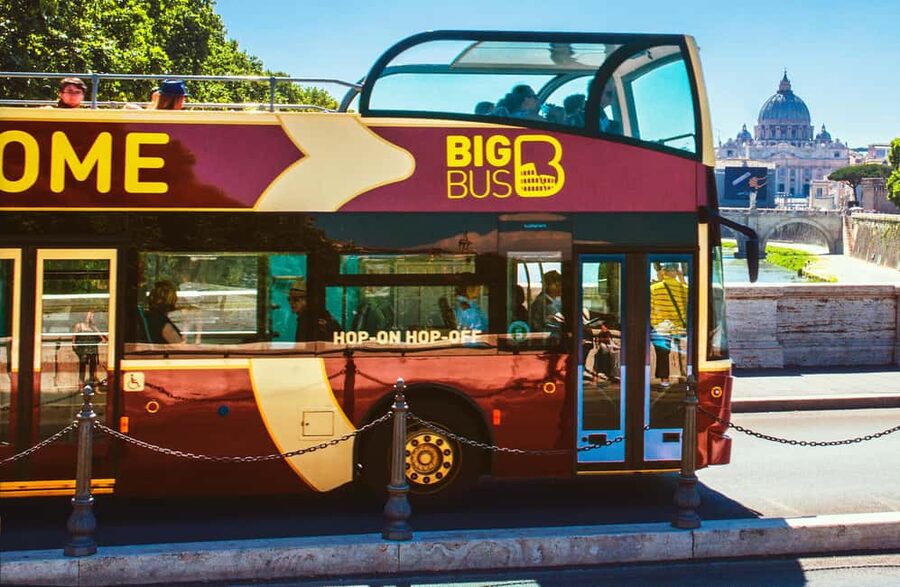
$51.24 per person is not a tiny impulse purchase, but it can be good value if it matches how you like to move through cities.
What makes it potentially worth it:
- You’re getting two modes of sightseeing: bus and Tiber cruise.
- You can hop on and off multiple times within a 1-day validity window and a 30-hour bus window.
- You get included audio commentary, which turns the rides into learning time rather than just transit time.
- There’s mention of skipping the ticket line, which can save you time during busy stretches.
What can make it less worth it:
- If you’re the kind of traveler who already plans to walk nearly everywhere and only needs one short transport ride, you might decide you don’t need both vehicles.
- You’ll still have to decide how long you spend on land. The pass doesn’t replace museum tickets or timed entries for attractions that require them (food and beverages also aren’t included).
My practical advice: if your plan is to see multiple major zones in a single day with minimal navigation stress, this combo usually fits well. If your plan is deep museum hopping with lots of walking anyway, you might be happier with either a bus pass alone or simply using public transport for a cheaper approach—depending on your day.
Who this Rome combo suits best (and who should reconsider)
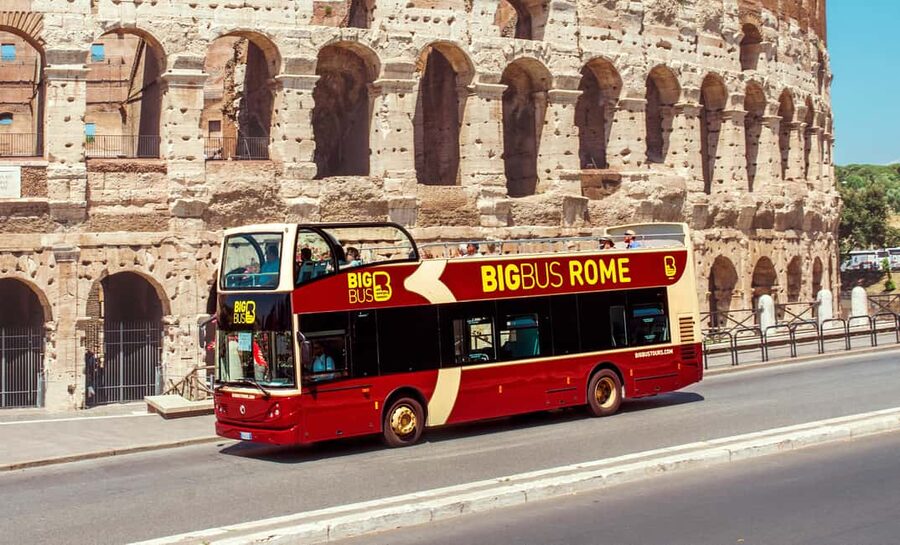
This is a strong match for you if:
- You want an easy overview route with clear landmarks.
- You like learning on the go with audio.
- You want to see both Ancient Rome icons and later landmarks without feeling like you need a perfect itinerary.
- You prefer flexibility: ride, hop off, re-board, and shift plans as your energy changes.
You might want to reconsider if:
- You’re only interested in one or two areas and don’t mind navigating on foot.
- You dislike waiting for scheduled departures (though the bus frequency is fairly frequent at about every 15 minutes).
- You’re very sensitive to the idea that the river experience could adjust slightly due to river conditions.
Should you book the IoBus & RomeBoat combo?
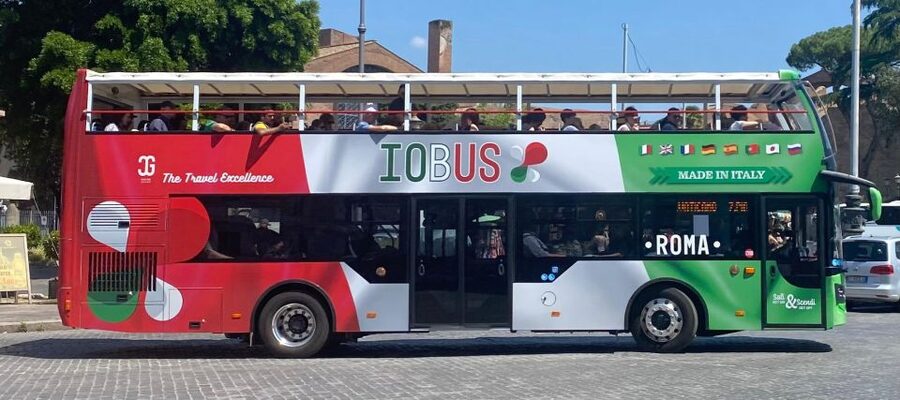
If you’re building a first-day plan or a high-coverage day, I’d say yes, especially because you’re not paying just for transport—you’re buying a structured set of stops plus an on-board story in several languages. The land and water mix is the selling point. Rome from the Tiber gives you a view you can’t easily recreate by walking streets.
But book with your best-day planning mindset. Pick the zones you care about most, use the bus to jump between them, and use the cruise as your pacing reset. If you’re the type who likes to feel in control of time, the hop-on format and frequent bus service make this easier than it looks.
And if you tend to get nervous about weather or timing: remember the supplier can adjust the itinerary because of river conditions. Build in a little slack, and you’ll enjoy it more.
FAQ
How long is the Tiber River cruise?
The river cruise takes approximately 1 hour and 15 minutes.
When do the bus and boat run?
The hop-on hop-off bus runs daily from 08:30 to 20:30, with buses departing every 15 minutes. The river cruise runs daily from 10:00 to 18:00, with boats departing every 30 minutes.
Where can I board the hop-on hop-off bus?
You can start at Terminal A (Termini – Marsala, Via Marsala, 7) or Terminal B (Largo di Villa Peretti, Largo di Villa Peretti, 1), plus additional stops including Santa Maria Maggiore, the Colosseum, Circo Massimo, Piazza Venezia, the Vatican area, Piazza di Spagna, and Trevi Fountain.
What river stops are included on the cruise?
The cruise stops include Tiber Island (Lungotevere degli Anguillara), Ponte Sisto (Lungotevere dei Tebaldi), Castel Sant’Angelo Bridge (Lungotevere tor di Nona), and Ara Pacis (Lungotevere in Augusta).
Is an audio guide included, and what languages are offered?
Yes. The audio guide is included and is available in Spanish, English, German, and Italian.
Do I need to pay for food with this ticket?
No. Food and beverages are not included.
If you tell me your travel dates and whether you want to focus more on Ancient Rome or Vatican/Baroque areas, I can suggest a simple order for using the bus and cruise during your one day.