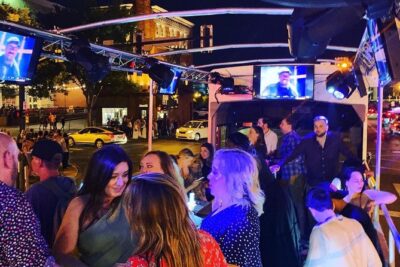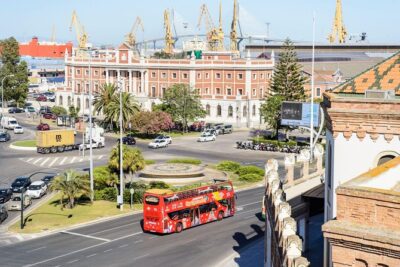
A day that pairs wine country tastings with city sightseeing is a win. This San Francisco combo stacks a Napa/Sonoma wine tour with a 24-hour hop-on hop-off bus so you can keep moving even after the last tasting. It also drops you right into classic San Francisco neighborhoods, not just scenic overlooks.
I really like the clear structure: the half-day version is 2 wineries, and the full-day option is 3 wineries. I also enjoy that the bus route hits the postcard stops you actually want—Ferry Building, Union Square, Alamo Square, Haight-Ashbury, and the Golden Gate Bridge viewpoint—without you needing to plot transit or rides between neighborhoods.
One thing to plan for: wine tours can mean heavy traffic once you’re back in the Bay Area. If roads slow down, your timing for hopping around San Francisco can feel tighter than you expected.
In This Review
- Key highlights worth planning around
- The big idea: one ticket that keeps you sightseeing longer
- Napa and Sonoma wineries: what the half-day option is really like
- Full-day Napa: the 3-winery option and how to pace it
- Big Bus Red Route: starting at 99 Jefferson St and finding your rhythm fast
- Stop-by-stop: what you gain at the main San Francisco landmarks
- The 1PM Chinatown walking tour: a smart add-on if your timing fits
- Meeting points, day planning, and making the 24 hours feel worth it
- Price and value: is $169 per person a fair deal?
- Who this tour fits best (and who should skip it)
- Should you book this San Francisco wine tour and 24-hour bus pass?
- FAQ
- How long is the tour?
- What language is the tour offered in?
- Where do I need to meet or redeem my ticket?
- How many wineries does the half-day option include?
- How many wineries does the full-day option include?
- Does the pass include sightseeing in San Francisco?
- Is the Chinatown walking tour included, and when does it depart?
- Are there any age rules for consuming alcohol?
- Can I take the tours on separate days?
- Is cancellation free?
Key highlights worth planning around
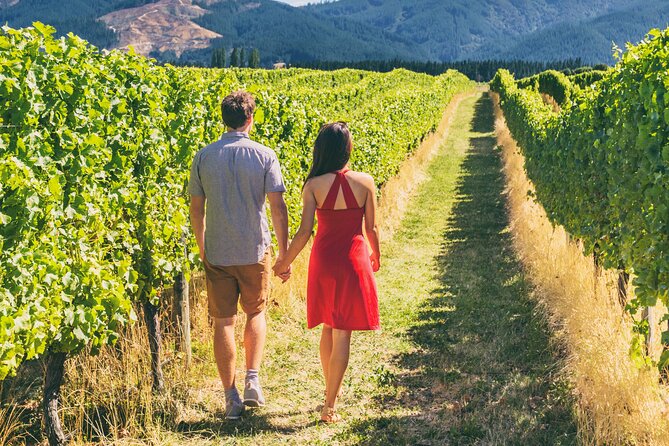
- 2 or 3 winery stops depending on half-day vs full-day
- One ticket, two experiences: wine tour plus a 24-hour Big Bus ride
- Neighborhood-to-neighborhood routing with stops at North Beach/Chinatown, Union Square, and Haight-Ashbury
- Golden Gate Bridge North Vista Point is an actual bus stop, not just a detour
- Golden Gate Park coverage changes by day (Mon–Sat vs Sundays/public holidays)
- Alcohol rules: guests consuming alcohol must be over 21
The big idea: one ticket that keeps you sightseeing longer
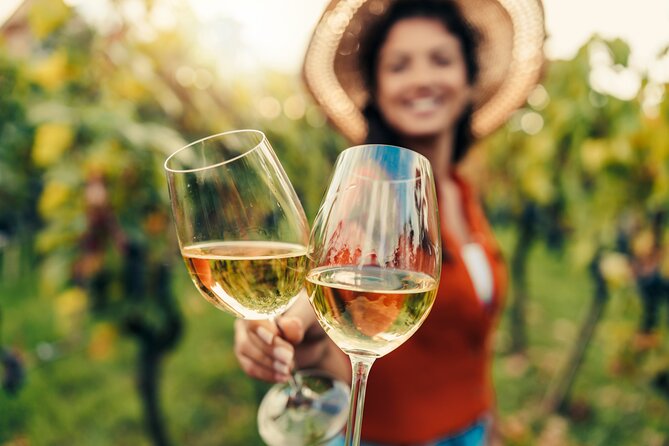
This tour works because it gives you two kinds of days. First, you get the planned wine outing in Napa and Sonoma. Then you get a full 24-hour hop-on hop-off pass to re-shape the rest of your day around your pace.
That matters in San Francisco. One hour you’re at a waterfront food hall. The next hour you’re at a hilltop view. Without a bus pass, most people end up paying for too many separate rides. With this setup, you can aim for one or two “anchor stops,” then let the rest be flexible.
You also have options for how you use the day. The information provided says the tours may be taken on separate days, so you can line up the winery portion with your energy level and still use the bus pass to explore the city when it suits you.
Napa and Sonoma wineries: what the half-day option is really like

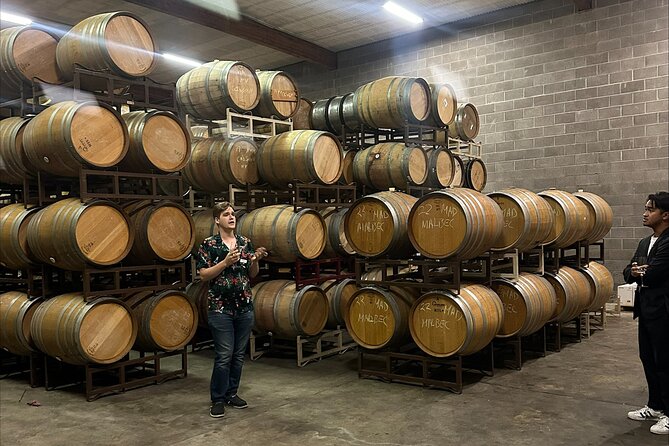
The half-day format visits 2 wineries. For many visitors, that’s the sweet spot: enough time to do tastings and get a feel for the region, without turning the whole day into a long bus slog.
Here’s how to think about it. Two wineries typically means you’ll spend more time tasting at each stop and less time “on the way” between them. That can be a plus if you want wine as an experience, not a full-day project. It’s also easier on your schedule if you’d like to keep your evening open in San Francisco.
Since the exact wine estates aren’t listed here, I suggest you treat this as a structured introduction. If you have very specific vineyard dreams, you might find you need extra research beyond what’s bundled.
Full-day Napa: the 3-winery option and how to pace it
The full-day tour visits 3 wineries. More stops usually means more variety, and that can be great if you like comparison—different winemaking styles, different tasting-room vibes, and different views.
But pacing is everything. With three wineries, you’ll want to keep your expectations realistic. By the third stop, you may be focused on what you like rather than sampling everything blindly. If alcohol is on the table, build in your own slow rhythm so you stay sharp enough to enjoy the ride back and the rest of your day.
A key consideration is time. The one detailed negative note shared with this offering points straight at traffic and time loss. In other words, even when wineries are great, your schedule can still get nudged by Bay Area commuting patterns.
Big Bus Red Route: starting at 99 Jefferson St and finding your rhythm fast
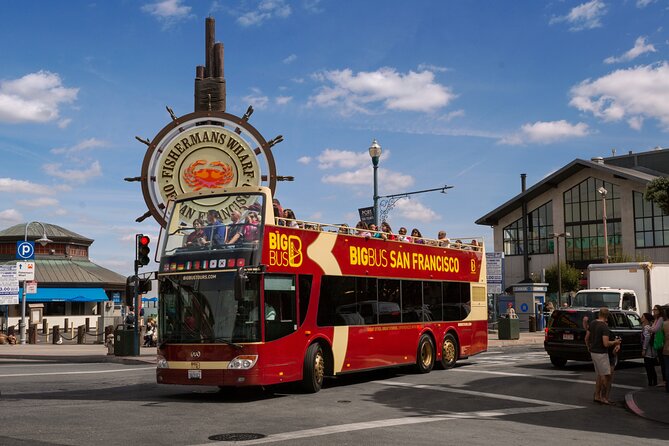
Your pickup and ticket redemption point is 99 Jefferson St, at Big Bus Stop 1. This is a smart place to start because it sits in the core where a lot of visitor routes converge. Once you’re on the bus network, you can jump off, walk, and hop back on without feeling like you need a new plan every hour.
The route itself is built around iconic San Francisco scenes, and it keeps re-positioning you across the city. The trick is to decide what you want most: views, neighborhoods, or landmark-hunting. Then use the hop-on part to reduce stress.
Stop-by-stop: what you gain at the main San Francisco landmarks
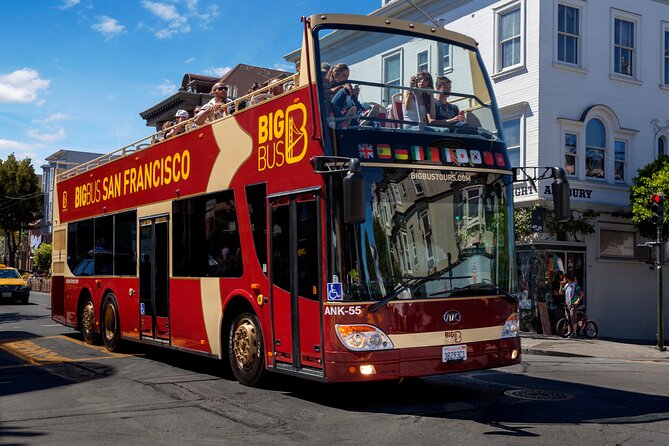
Below is how I’d use the route stops in real life—what each one gives you, and what to watch for.
Stop 1: 99 Jefferson St (Big Bus Visitors’ Center)
Start here to get oriented. Even if you plan to move quickly, this stop is where you settle into the day because the route is already laid out for you.
Stop 2: 329 Columbus Ave (North Beach / Chinatown)
This is where the city energy kicks in. It’s ideal for wandering streets and grabbing a quick bite before or after the wine portion. There’s also a Chinatown walking tour that departs at 1PM daily from this stop, so it’s worth mapping your day around that if you want the guided add-on.
Stop 3: Embarcadero Center
If you want to feel the downtown core, this is a good point. It’s also handy if you’re trying to stitch together waterfront plans with city-center errands without changing transportation modes.
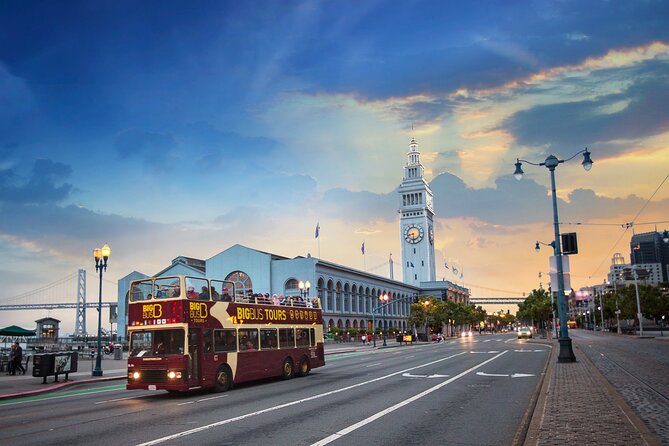
Stop 4: 1 Market St (Ferry Building)
This is one of the best “hop on, walk a loop, hop off” stops. You can treat it like a reset point: take a stroll, browse, and get back on when you’re ready for the next neighborhood.
Stop 5: 280 Geary St (Union Square South)
Union Square is convenient for shopping, people-watching, and easy access to other visitor areas. If you want a central location that’s hard to miss, this is it.
Stop 6: 200 Mason St (Redemption Center / Hilton Hotel)
This stop is useful if you’re staying nearby or want a clear marker that’s tied to a major hotel zone. It can make it simpler to plan breaks and regroup points.
Stop 7: Earl Warren Building (Civic Center)
This is more about architecture and the civic feel. If you like seeing how a city is laid out beyond the tourist core, this stop adds that layer.
Stop 8: 944 Fell St (Alamo Square)
Alamo Square is one of those places where you’ll likely want photos first, then a short walk. It’s a great stop for that classic San Francisco look that people come for.
Stop 9: 1816 Haight St (Haight-Ashbury)
This stop is your doorway to the Haight-Ashbury vibe—distinct, walkable, and very “San Francisco.” It’s also a good choice if you want to spend time in a neighborhood rather than just look at landmarks from the curb.
Stop 10 / Stop 11: Golden Gate Park access changes by day
This is important. The route lists Golden Gate Park (stop 10) on Mondays through Saturdays only, and Golden Gate Park (stop 10/stop 11 area) for Sundays and public holidays. If your trip lands on a Sunday, make sure you’re looking at the correct Golden Gate Park stop location so you don’t get dropped off at the wrong end of the park.
Stop 12: Golden Gate Bridge North Vista Point
This is a big win because it’s an actual bus stop aimed at the bridge viewpoint. If you’re short on time and want the view without additional transfers, this is the place to prioritize.
Stop 13: 1105 Gorgas Ave (Palace of Fine Arts)
Palace of Fine Arts is a calm, picturesque stop that’s easy to linger at. It’s also a nice shift from the more crowded city corners.
Stop 14: 2101 Lombard St (Marina / Cow Hollow)
This is your move for coastal neighborhoods and a more relaxed feel. If you want a different side of the city from downtown, this stop helps you get it quickly.
Stop 15: 1599 Lombard St (Lombard Street)
Yes, Lombard Street is famous for a reason. But it can get crowded. If you hop off here, I’d give yourself time to walk slowly and still enjoy it rather than rushing for a photo and sprinting back to the curb.
Stop 16: 35 San Francisco Pier 33 (Alcatraz Island)
This is your access point to the pier area tied to Alcatraz. Even if you’re not going to the island itself, the waterfront setting is worth stepping into.
Stop 17: PIER 39
Pier 39 is classic. It’s lively and easy to find. I’d use it as a flexible endpoint—if you still have energy, you can wander; if you don’t, you can just enjoy the location and then head back on the bus.
The 1PM Chinatown walking tour: a smart add-on if your timing fits
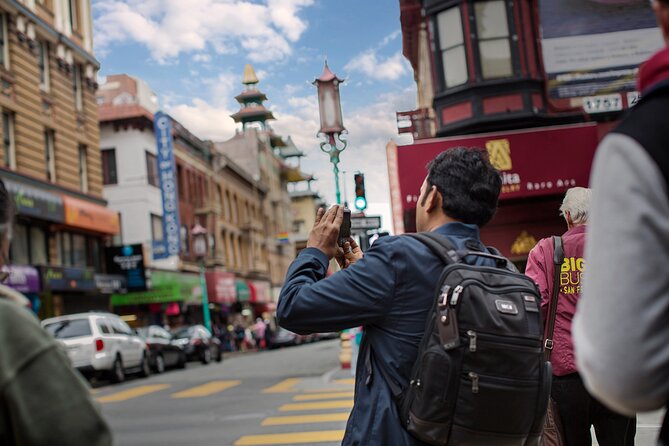
There’s a Chinatown walking tour that departs daily at 1PM from Stop #2 (North Beach / Chinatown). This is a good option if you want more than window-dressing.
How to use it: plan one neighborhood stop as your “home base” around that hour. Then decide whether you want the guided walk before you hop back onto the bus, or after you’ve already explored on your own. Either way, Stop #2 makes it easy to connect the walking tour with the hop-on route.
Meeting points, day planning, and making the 24 hours feel worth it
Because the wine portion and the bus pass both live in your day, you’ll get the best results if you choose a simple plan:
- Pick a couple of must-see SF stops (for most people: Ferry Building, Golden Gate Bridge viewpoint, and one neighborhood like Haight-Ashbury).
- Treat the rest as optional based on how you feel.
- If the wine portion uses more time than expected due to traffic, don’t panic. You can shift your day because the bus is available for 24 hours.
Also, you can take the tours on separate days. That’s handy if you want to recover from the long ride or if you’d rather explore the city first, then head to wine country with fresher energy.
Price and value: is $169 per person a fair deal?
This experience is priced at $169 per person and is structured for about a day. The value comes from bundling transportation + guided winery stops + a 24-hour city sightseeing pass.
Here’s the honest way to judge value:
- If you’re going to do wine tastings anyway and you don’t want to drive, the organized winery part can be worth it.
- If you’re also likely to ride around San Francisco multiple times, the hop-on pass can save you from paying for separate rides or wasting time.
The potential weak spot is that winery tours can feel limited depending on your wine goals. Three wineries in a full day is not enough for deep, nerdy specialization. The negative note tied to traffic and wines not meeting expectations is a reminder that your experience depends partly on timing and on what you personally expect from tastings.
So I think it’s best for visitors who want:
- A smooth, guided wine outing
- Plus a solid way to see a large slice of San Francisco in the same trip window
Who this tour fits best (and who should skip it)
This package is a good match if you’re:
- In town for a short time and want efficient sightseeing
- Curious about Napa/Sonoma but don’t want the stress of driving
- The type who likes the convenience of a bus route with multiple “tap out” points
It might not fit if you’re:
- Looking for a very specific set of wineries and want total control
- Expecting a super flexible schedule day-by-day once you’re in the wine region, since traffic can affect timing
If you’re a wine fanatic, you may want to pair this with extra planning for tasting rooms on a separate day. If your goal is variety and an easy introduction, this setup is practical.
Should you book this San Francisco wine tour and 24-hour bus pass?
I’d book it if you want a stress-reducing day that still feels like you did a lot. The combination of 2–3 winery stops and a 24-hour way to see major San Francisco neighborhoods is the real strength. It’s the kind of plan that helps first-timers feel oriented fast.
Skip it if you’re extremely sensitive to schedule changes. Wine country routes can get delayed, and you don’t want to build your day around precise arrival times for multiple fixed plans.
If you do book, my best advice is simple: choose one or two SF priorities you truly care about (Golden Gate Bridge North Vista Point is an easy favorite), then let the rest of the bus route fill in the gaps while you recover from the wine day.
FAQ
How long is the tour?
The experience is listed as approximately 1 day.
What language is the tour offered in?
The tour is offered in English.
Where do I need to meet or redeem my ticket?
Ticket redemption is at 99 Jefferson St, San Francisco, CA 94133, USA.
How many wineries does the half-day option include?
The half-day tour visits 2 wineries.
How many wineries does the full-day option include?
The full-day tour visits 3 wineries.
Does the pass include sightseeing in San Francisco?
Yes. It includes a 24-hour hop-on hop-off bus tour with a Red Route through multiple neighborhoods and landmarks.
Is the Chinatown walking tour included, and when does it depart?
A Chinatown walking tour departs at 1PM daily from Stop #2 (North Beach / Chinatown). The tour information provided does not state whether it is automatically included with your ticket.
Are there any age rules for consuming alcohol?
Yes. Guests consuming alcohol must be over age 21.
Can I take the tours on separate days?
Yes. The tours may be taken on separate days.
Is cancellation free?
Yes. You can cancel for a full refund if you cancel at least 24 hours in advance of the experience start time.