A UNESCO village, all in one day. This Nagoya day trip strings together Edo-period Takayama and the UNESCO-listed Shirakawa-go so you get big atmosphere without planning transfers. On top of that, you can add an optional lunch at Koshiyama for a proper Hida beef meal.
I especially like the way this tour focuses your time: Takayama’s heritage streets paired with Shirakawa-go’s gassho-zukuri rooftops means you see two different sides of old Japan. I also like the food options, from Hida beef at Koshiyama (and in Takayama depending on what you choose) to the ability to go with a tofu or vegan-leaning lunch option if you need it.
One consideration: English may not be guaranteed the way you hope. The tour can run with English and Chinese commentary on the same bus, and there are a few unhappy reports where the language mix felt off, so it’s worth checking expectations before you go.
In This Review
- Key highlights to know before you ride
- Why Takayama and Shirakawa-go pair so well
- From Nagoya: how the day works on the bus
- Takayama stop: Edo-era streets, quick wandering, real choices
- Optional lunch at Koshiyama: Hida beef with an oden bonus
- Shirakawa-go walk time: gassho roofs, bridges, and viewpoints
- Guides, language, and group size: what you can realistically expect
- Winter reality: road closures can change your whole day
- Price and what you actually get for $65.78
- Should you book this tour?
- FAQ
- How long is the Shirakawago & Takayama bus tour from Nagoya?
- Where do I meet the bus in Nagoya?
- Is lunch included?
- What are the stop times for each main location?
- What languages are offered during the tour?
- What happens in winter if roads close to Shirakawa-go?
- Is hotel pickup included?
- Are there luggage limits?
- Can the itinerary change due to weather or traffic?
- What if I need to cancel?
Key highlights to know before you ride
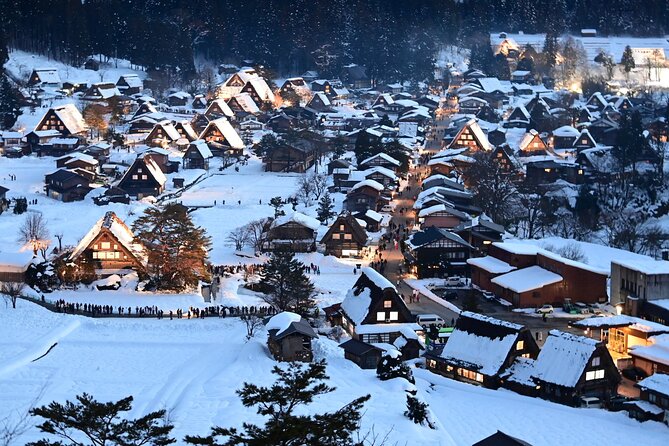
- Takayama + Shirakawa-go in one day with structured stops and free time to walk
- Optional Koshiyama lunch built around Hida beef, with oden included for meal plan guests
- Shirakawa-go walking stops like the Encounter Bridge, a shrine, and a sericulture history spot
- A scenic observation deck reached by shuttle (300 yen one way) or a 10-minute walk
- Winter backup plan: possible swap to Gujo Hachiman if roads close
- Group size and guide setup: up to 90 people, plus possible bilingual commentary on the same bus
Why Takayama and Shirakawa-go pair so well
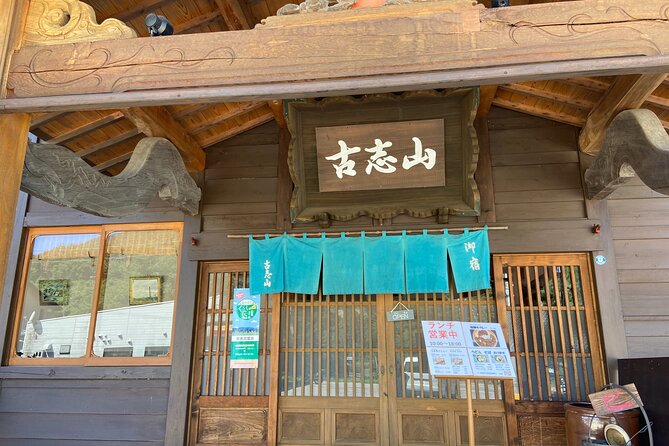
Takayama and Shirakawa-go feel like they belong to the same postcard, but they don’t feel the same on the ground. Takayama has more of the town energy. Shirakawa-go is quieter, more rural, and built around thatched-roof life in the mountains.
What I like about the pairing is how it gives your day a clean rhythm. You start with a historic market-town vibe, then you move into the UNESCO village where the scenery starts doing the talking. The itinerary keeps both stops long enough to matter, without pretending you can fully “live” in either place.
Also, you’re not just sightseeing. Food is part of the plan. The optional Koshiyama lunch is one of the most “worth-it” parts because it turns travel time into a real meal, not just snack hunting. And Takayama is the kind of place where you can easily build your own food choices around what you see near the streets.
From Nagoya: how the day works on the bus
This is a 9 to 10 hour day trip, and yes, you’ll feel the drive. Think of it like this: you’re buying access to two far-apart destinations, and the bus time is the price of admission.
The tour is round-trip from Nagoya with a guaranteed departure, so you don’t have to handle trains, transfers, or rental cars. That’s the value for travelers based in Nagoya who want a big cultural hit without extra logistics.
Practical note: the meeting point is specific. You start at the VIPLINER Nagoya bus stop (20-20 Tsubakichō, Nakamura Ward) at 8:00 am, and you should arrive no later than 10 minutes early. The bus won’t wait for late arrivals, so don’t treat the start time like a suggestion. The bus stops near Nagoya Station on the route, but your safest move is still showing up at the listed meeting stop.
Luggage also matters. You’re allowed one piece of luggage per person, and it needs to fit in the trunk under a maximum combined size (155 cm total). Items in the trunk won’t be accessible between stops, so keep valuables with you—especially if you carry a camera setup, medicine, or your phone charger.
Takayama stop: Edo-era streets, quick wandering, real choices
Takayama is your first stop, about 1 hour 30 minutes. It’s set up as a walk-and-explore window rather than a museum-style visit, and that’s a good match for first-time visitors.
During this chunk of time, you get the “old town” feel—old-fashioned streets and historic atmosphere—without needing to commit to a full multi-day Takayama stay. In a short visit, that matters. It’s enough time to pick a couple sights, stroll a bit, and eat something you actually want.
One thing to watch: 1.5 hours passes fast, especially with rain. There are reports of limited time in Takayama due to bad weather, and even stopping to buy rain gear. If you’re going in colder months, plan your outfit like you expect slick ground and sudden showers.
Food is part of the Takayama experience, even if lunch is not included in this stop. You’ll be on your own for lunch here, which is both freedom and responsibility. Freedom because you can choose what sounds good. Responsibility because a guided tour can’t control your hunger. If you want something specific, look up your target before you arrive at Takayama so you’re not spending your whole stop deciding.
Optional lunch at Koshiyama: Hida beef with an oden bonus
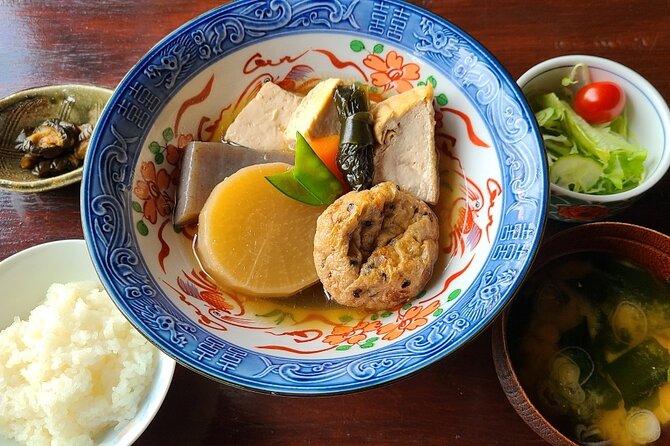
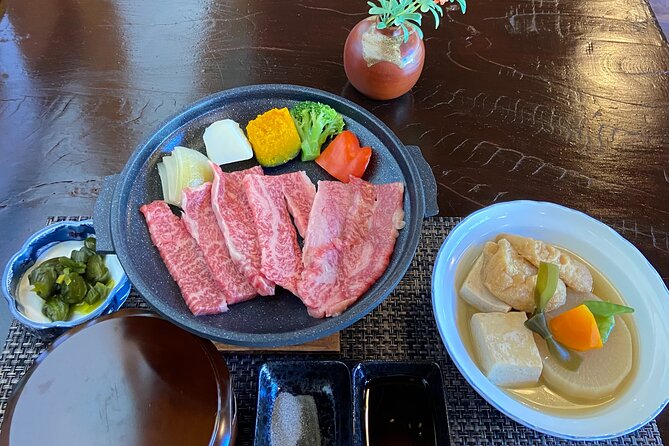
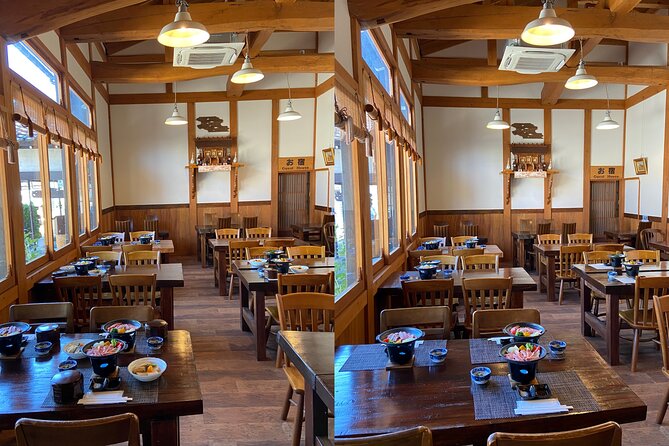
If you choose the meal plan, lunch happens at Koshiyama for about 45 minutes. This is one of the cleanest value-adds of the tour because it solves the “where do I eat” problem for a remote area.
The core idea is a Japanese-style teppanyaki set featuring Hida beef (Hida gyu). Hida beef is one of Japan’s famous beef varieties, and the tour’s selling point is that you’re eating it in a setting tied to the Shirakawa-go area, not as a random stop along the highway.
What stands out in the lunch options:
- The standard meal plan focuses on the Hida beef set.
- Guests who choose the meal plan also get an oden set (not part of the default, for meal-plan guests only).
- There’s also evidence of a tofu lunch option that works as a vegan-friendly alternative for some people.
If you skip the lunch option, you’ll still have time to eat on your own, but you may lose the convenience of a scheduled meal. Given the short stop lengths elsewhere, I think the optional lunch makes the day feel less like sprinting.
Shirakawa-go walk time: gassho roofs, bridges, and viewpoints
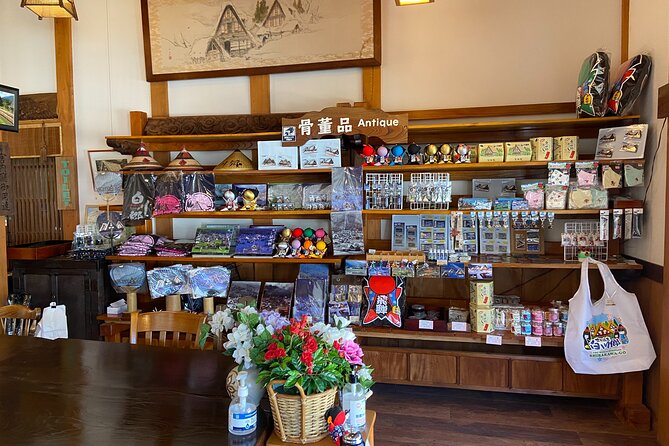
Your Shirakawa-go time is about 1 hour 30 minutes, and the tour uses that time well with a mix of village walking and specific “don’t miss” stops.
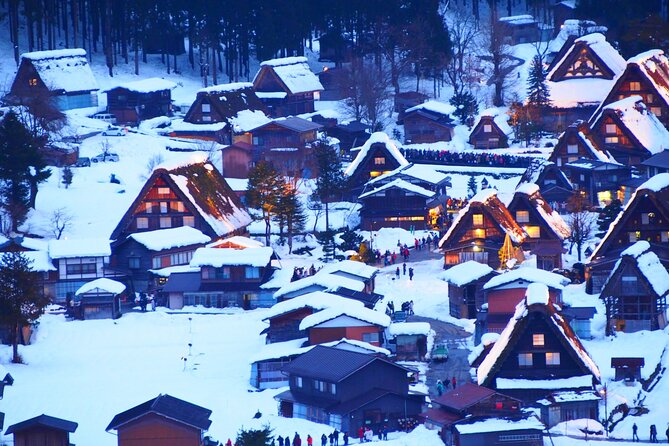
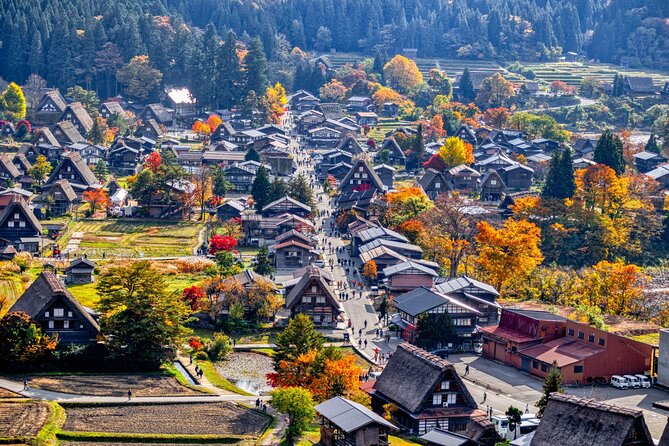
The heart of it is the gassho-zukuri architecture—the thatched-roof style houses that give Shirakawa-go its UNESCO identity. When the village is quiet, the scale of those rooftops hits differently. You’re surrounded by rice paddies and mountain air, and the walking route gives you the sense of how the village fits into the valley life.
Here are the standout parts included in the walking circuit:
- The Encounter Bridge: made of concrete and narrow, with a swaying feel. It’s short, but it adds fun. The best part is that it’s more memorable than yet another photo point.
- An observation deck view: you’ll get countryside scenery of forest-covered hills, rice fields, and village farms. You can get there either by shuttle bus (300 yen one way) or by walking about 10 minutes. This is one of the few places where you’ll want to decide early: do you want minimal effort (shuttle) or a little extra movement (walk)?
- Sericulture history: there’s a stop where you can learn about raising silkworms in Shirakawa-go. Even if you don’t read every label, it helps you understand how the village economy fit into the architecture.
- A preserved gassho area: a section of wooden houses built in the gassho style in the late 19th century. This is where the village feels “designed for viewing,” but it’s still grounded in real historic style.
- A shrine stop: a powerful-feeling shrine experience is described as if it had presence, like a real god. Even if you’re not a religious traveler, it gives you a change of pace from purely architectural sightseeing.
The practical downside: 1.5 hours disappears quickly if you stop at every shop and photo angle. Also, Shirakawa-go can get slippery. Wear shoes you trust, especially if you’re visiting in winter or during rain.
If you love atmosphere more than shopping, you’re in good shape here. If you’re the type who wants long hangs for photos, you may wish you had another hour—but that’s the tradeoff for doing Takayama and Shirakawa-go in one day.
Guides, language, and group size: what you can realistically expect
This tour runs with an English or Chinese-speaking conductor. Commentary may be bilingual depending on participant numbers, and the bus can include up to 90 travelers.
That setup can work smoothly when everyone’s on the same page. And the good side is real. Multiple guides are praised for being punctual and informative, and names come up clearly—Bara-san gets credit for punctual, kind, informative guidance. Alberro and Alberto are also mentioned for organization and friendly, helpful explanations.
There’s also praise for “you get the guidance, then you go explore” pacing. Some reviews mention WhatsApp communications and practical suggestions from guides, plus the bus being clean and comfortable.
Now the caution side. Some reviews describe language problems—English expected but not delivered, or a Chinese guide with English treated as an afterthought. Another report says the experience felt more self-guided than guided, even when a guide was present.
So here’s the best approach for you: treat the guide as helpful, but not as your only source of meaning. Have a few anchors in your head before you arrive (gassho roofs, UNESCO village feel, sericulture background). That way, even if translation isn’t perfect, you still get value.
If hearing the guide is important to you, plan to sit where you can hear and don’t rely on perfect audio in a big coach. Rain also makes it harder to hear instructions, so keep an eye on where the group gathers.
Winter reality: road closures can change your whole day
If you visit in winter, you’re not just visiting a place—you’re visiting the weather. The tour notes that snowfall may occasionally lead to road closures to Shirakawa-go.
If that happens, the plan switches you to a substitute route that takes you to Gujo Hachiman, described as the Little Kyoto of Gifu. You’d still get historic streets and traditional buildings, but with a different character than Shirakawa-go.
This is a big deal for planning because it prevents the day from turning into a refund-only situation. You’re still getting a structured outing. Still, it’s worth knowing that severe weather can affect timing, which can reduce planned attractions without refunds if traffic is affected by holidays or adverse conditions.
If you’re going in peak winter and you strongly want Shirakawa-go specifically, build flexibility into your expectations. The substitute plan is designed to keep the day alive; it just won’t be the exact same village experience.
Price and what you actually get for $65.78
At $65.78 per person, this is priced like a value day trip. What you’re paying for is transportation plus the structure, not a long deep-dive of every detail.
Your money includes:
- Round-trip bus fare and other fees
- English or Chinese-speaking conductor
- Lunch only if you choose the meal option
You should also know what you’re not getting:
- No hotel pickup or drop-off
So the real value question is simple: can you get to the meeting point on time, and do you want to visit both Takayama and Shirakawa-go without extra planning?
If yes, then the price feels reasonable. The optional lunch is the other big value lever. For me, the meal plan makes sense because the day is time-tight and Shirakawa-go isn’t the kind of place where you want to spend your precious walk window hunting for food.
Also, the tour is capped at a maximum group size of 90, which is large, but it’s still within a range where the experience can run efficiently. When the guide setup is good, you get the benefits of organization without feeling like you’re stuck in a rigid schedule.
Should you book this tour?
Book it if you want:
- A one-day hit of Takayama plus UNESCO Shirakawa-go without logistics headaches
- A bus-day schedule that’s structured enough for a short stay in Nagoya
- Optional lunch at Koshiyama if you want Hida beef and an oden set without extra searching
Skip it or think twice if:
- You’re very sensitive to language delivery and need clear, consistent English throughout
- You expect long time at each stop. The visit windows are short by design, and rain can make them feel even shorter
- You hate walking on slick surfaces. Shirakawa-go can be slippery, and shoes matter
My practical takeaway: if your priority is seeing the big sights and you’re okay treating the day as a well-run highlights route, this is a solid match. If you want a slower, more conversational experience with guaranteed English, then you should do extra checking on language expectations before you commit.
FAQ
How long is the Shirakawago & Takayama bus tour from Nagoya?
It runs about 9 to 10 hours, depending on traffic conditions.
Where do I meet the bus in Nagoya?
You meet at the VIPLINER Nagoya bus stop at 20-20 Tsubakichō, Nakamura Ward, Nagoya (near Nagoya Station). The start time is 8:00 am.
Is lunch included?
Lunch is included only if you choose the optional meal plan. Takayama lunch is at your own expense.
What are the stop times for each main location?
Takayama is about 1 hour 30 minutes, Koshiyama is about 45 minutes, and Shirakawa-go is about 1 hour 30 minutes.
What languages are offered during the tour?
The tour lists an English or Chinese-speaking conductor. English and Chinese commentary might be given on the same bus depending on the number of participants.
What happens in winter if roads close to Shirakawa-go?
If snowfall leads to road closures, the tour transitions to a substitute journey to Gujo Hachiman, known as the Little Kyoto of Gifu.
Is hotel pickup included?
No. Hotel pickup and drop-off are not included.
Are there luggage limits?
Yes. You can bring one piece of luggage per person, and it must fit in the trunk. The maximum combined trunk size is listed as 155cm (height + width + depth).
Can the itinerary change due to weather or traffic?
Yes. The schedule may change due to traffic, and severe weather can lead to reduced attractions without refunds. There is also a note that the experience requires good weather.
What if I need to cancel?
You can cancel up to 24 hours in advance for a full refund. If the experience is canceled due to poor weather, you’ll be offered a different date or a full refund.