Silves has one of the Algarve’s most interesting backstories. This full-day bus tour strings together Moorish Silves, a walk through Monchique, and a viewpoint at Fóia, the Algarve’s highest point, all in one packed but manageable day.
What I like most is how the day mixes walking with standout sights: you get a guided stroll through Silves’ center, then time to take in the castle setting and views. I also like the practical touches like hotel pickup/drop-off (so you’re not figuring out buses), plus air-conditioned coach comfort and WiFi onboard.
One thing to watch: the schedule is time-boxed. If you’re the type who wants a slow lunch in town or extra minutes at the viewpoint, you may feel a little rushed—especially around Monchique and the mountain stop.
In This Review
- Key Highlights You’ll Actually Feel
- Silves’ Moorish Streets: Where the Day Starts
- Castelo de Silves: Castle Territory and the View Payoff
- Silves Cathedral: A Stepping Stone to the Fortress Feel
- Monchique’s Town Vibe: Quiet Streets and Craft Shops
- Fóia Mountain Viewpoint: The Algarve at Its Highest
- Coach Comfort, Pickup Reality, and How the Day Flows
- What You’ll Pay For: Value vs. Add-Ons
- Best Fit: Who Should Book This Day Trip
- Should You Book Silves and Monchique for a Single Full Day?
- FAQ
- What is the duration of the Silves and Monchique full day bus tour?
- What time does the tour start?
- Is hotel pickup and drop-off included?
- Where is pickup offered?
- What language is the tour conducted in?
- Is a mobile ticket used?
- Is WiFi available on the bus?
- Are meals included?
- Do I need to pay for Silves Castle and Silves Cathedral?
- Is there an admission fee for Fóia?
- What is the cancellation policy?
Key Highlights You’ll Actually Feel
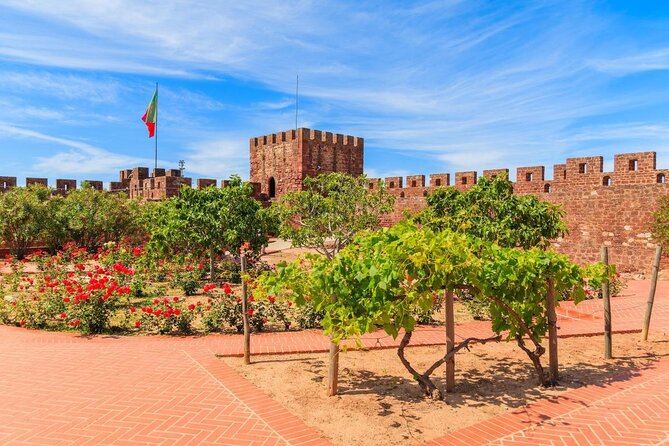
- Moorish Silves walking tour with clear context on why the town mattered
- Silves Castle area and town views from an 11th-century fortress setting
- Silves Cathedral included on the route (you’ll pay entry on-site)
- Fóia viewpoint at about 902 meters, with photo time and a shop stop
- Air-conditioned coach + WiFi for a long but easier ride
- Small-ish group size (up to 49 people), which helps the pace feel less chaotic
Silves’ Moorish Streets: Where the Day Starts
You’ll start with hotel pickup and a northbound drive toward Silves, a town shaped by Moorish presence long before the Algarve became a beach-and-buffet destination. Once you arrive, the tone shifts from travel time to old-town time fast. You’ll walk cobblestone streets with terracotta-roofed buildings around you, and your guide puts the place in context as you go.
This is one of those towns where the details matter. Silves wasn’t just pretty—it was strategically important after the Moors arrived in the 8th century, and the town benefited when wealth flowed in to support its role. Then came the hard resets: conflicts with invaders and the later Lisbon earthquake changed its fortunes. That storyline makes the walking tour feel more than just “see the sights.” You understand why certain areas exist and what you’re looking at.
I also like that you’re shown the transition from older power to later rebuilding. A lot of what you see in the modern streets and architecture is from the 19th century, when Silves came back into prominence. It’s a helpful reminder that towns don’t freeze in time—Silves layers eras the way many Portuguese towns do.
Practical note: wear comfortable shoes. The center is walkable, but cobblestones aren’t forgiving, and you’ll likely do a decent amount of walking between stops.
Castelo de Silves: Castle Territory and the View Payoff
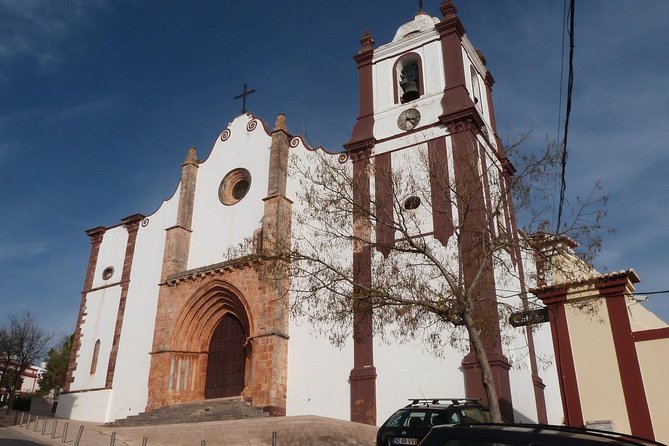
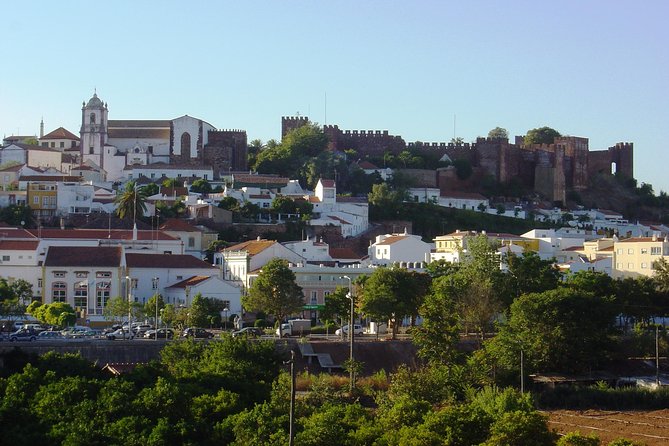
After the guided walk, you’ll move toward Silves Castle. The castle sits above the town, and that elevation is part of the experience: you feel the scale of the hill-top position as you get your bearings. This is where your day’s “wow” moment is built.
The castle area itself is tied to an older footprint—your stop centers on a fortress you’ll see described as dating back around the 11th century, with restoration work done later in the 1940s and ’50s. Even if you don’t go inside (entry is typically on your own expense), the setting helps you picture how people lived here: defensive walls, tight placement, and the need to control movement.
One of the most interesting bits your guide points out is the practical water system. The castle’s water collection approach fed an underground cistern, which helped provide fresh water to local dwellings. That detail makes the castle feel less like a museum backdrop and more like infrastructure for survival. It’s the kind of explanation that sticks when you’re taking photos.
Then there’s the best reward: the views. From the walls, you get broad looks over Silves and out toward the Algarve. This isn’t just a scenic break; it helps you understand why Silves mattered in the first place. If you like photography, this is the stop where you slow down a touch and frame your shots.
Timing reality: you’ll have about an hour in this whole early-castle portion. If you want longer inside the castle buildings, you may have to prioritize what you see fast—walls and views first, interiors second.
Silves Cathedral: A Stepping Stone to the Fortress Feel
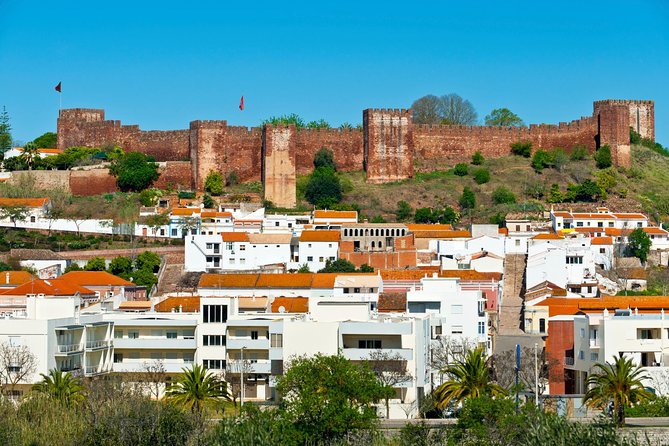
Next up is Silves Cathedral. You’ll wander the streets leading from the town center toward the fortress and see how the route naturally funnels you upward. Cathedral stops on tours can sometimes feel like a quick photo-and-go thing, but this one fits because it links the religious landmark to the castle’s broader story of power and control in the region.
Cathedral entry is something you handle directly on-site, so budget a bit for that. Inside, the architecture and the way restoration is referenced give you a sense of what was preserved and what was rebuilt over time. The guide also ties it back to the 11th-century castle idea, reinforcing the idea that these sites weren’t random—they’re connected by geography and history.
From the cathedral-to-castle movement, you also get one more payoff: the view over town and the Algarve from higher points as you follow the guided flow. If you care about perspective shots, you’ll be in a good position to capture them here.
Tip for your comfort: bring a small water bottle if you can. The tour doesn’t include food or drinks, and you’ll likely be outside longer than you think once you start exploring and waiting for the group to reconvene.
Monchique’s Town Vibe: Quiet Streets and Craft Shops
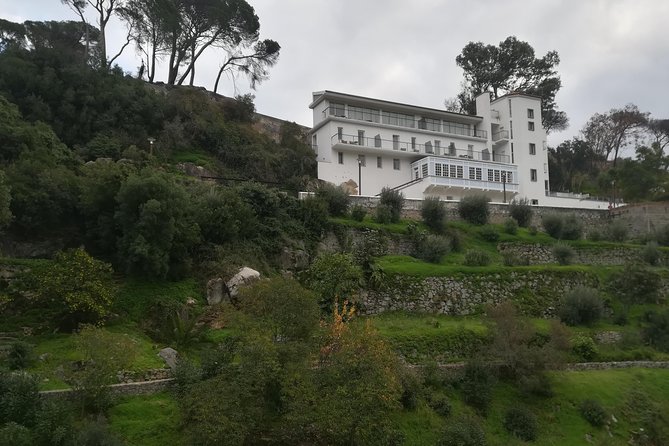
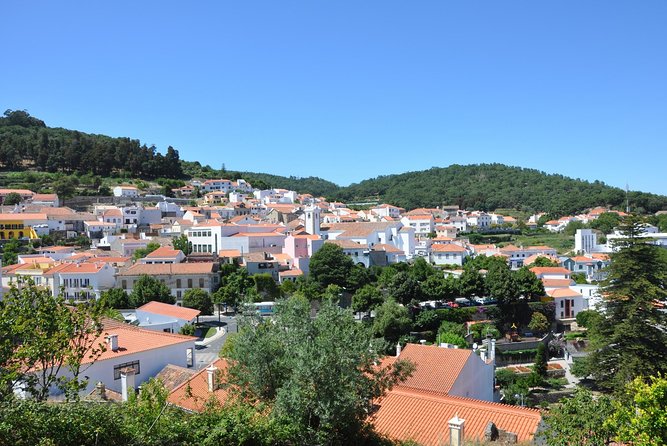
Then the tour swings north again to Monchique, a Roman spa town with a different feel than Silves. Where Silves is about fortified structure and Moorish-era importance, Monchique is more about a slower, tree-shaded rhythm: cobbled streets, a square that feels made for lingering, and 19th-century buildings mixed into the scene.
The day gives you leisure time here. That’s good news if you like browsing. You may spot boutique-style shops with local crafts, and there’s often a chance to taste typical regional liqueurs. It’s a small cultural detour that’s worth taking seriously: these liqueurs are a real part of Algarve mountain character, not just souvenir candy.
This stop is also where the “how the day feels” can change. If your group moves smoothly, Monchique feels like a pleasant break in the middle of the day. If your schedule is tight, it can feel like you just arrive and then quickly move on.
I’d call out what to plan for: the time split between the town and the viewpoint can make or break this portion. Some people want extra town time for lunch or browsing; others want more mountain view time. Either way, go with the expectation that the tour is designed to do everything, not do one place perfectly.
Fóia Mountain Viewpoint: The Algarve at Its Highest
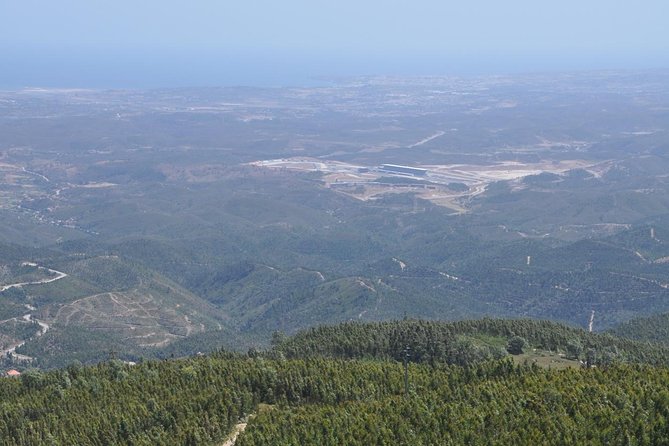
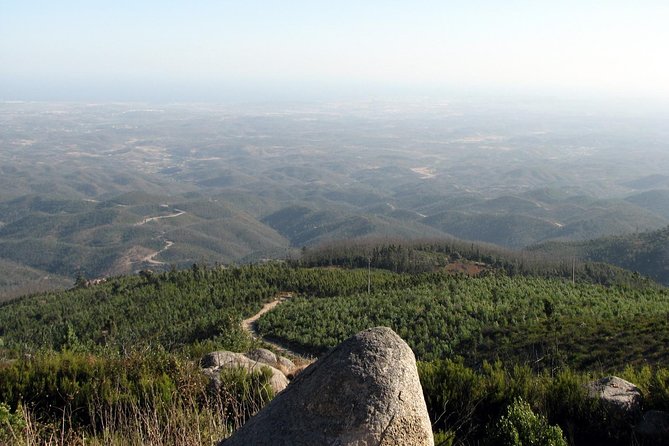
The top stop is Fóia, the highest point in the Algarve at about 902 meters. You’ll go up into the Monchique mountains, and the tour gives you a set window for pictures and a bit of shop time. Admission here is free per the tour info, and that helps keep the cost manageable compared to the castle stops in Silves.
This is the part of the day that can feel dramatic fast. When the weather cooperates, you get big panoramic views down across the region, and it’s the perfect place to zoom out after a day focused on street-level details. It also helps you understand why mountain towns sit above the coast: you’re literally seeing the geography that shapes daily life.
Weather matters. If fog or low clouds roll in, the viewpoint can become more muted than you hoped. Still, even a cloudy day can be atmospheric—just don’t plan around perfect visibility. Bring a light layer too, since higher elevations can feel cooler.
Practical photo tip: don’t wait for the group to be totally ready. Find your viewpoint stance early, then take a few shots while the light is stable. Once you start waiting for everyone, the “best moment” can slip away.
Coach Comfort, Pickup Reality, and How the Day Flows
This is a group tour, with a maximum of 49 travelers, so you’ll feel the logistics of a shared day. The good part: hotel pickup and drop-off reduce your mental load. The not-so-glamorous part: you’re dependent on where everyone is staying, so your pickup time can vary within the morning window.
The tour starts at 9:30 am, and it typically runs about 8 to 9 hours. That’s long enough to feel like a real day trip, but short enough that you’re back the same evening for dinner plans.
On the comfort side, you get an air-conditioned coach and WiFi onboard, which helps on longer drives. There’s also a professional guided tour in English, and the description says the guide is multilingual. In practice, that means you’ll likely get solid explanations, but if you’re relying on very specific language support, it’s smart to confirm what you’ll receive.
One more thing: heat can be a factor in Portugal summer, and a long day on wheels means conditions inside the bus matter. If you’re sensitive to heat, aim for the coolest spot you can when boarding, and bring sun protection. (And yes, even if the bus is supposed to be air-conditioned, keep your own comfort plan.)
What You’ll Pay For: Value vs. Add-Ons
At about $50.57 per person, this tour has a clear value story: you’re paying for transportation, guided context, and a full circuit of major stops across Silves, Monchique, and Fóia. The major costs you’ll add on yourself are site entries and any meals you choose.
Here’s what’s explicitly not included:
- Food and drinks
- Castle and Cathedral entries (Silves Castle and Silves Cathedral are on your own expense)
Fóia is listed as admission free for the viewpoint stop. That helps offset the fact that Silves has paid entry items.
To decide if it’s good value for you, think about what you’re actually buying:
- If you want a guided walk through Silves with historical explanations and a logical route through the towns, the price is often fair.
- If you plan to visit Silves and Monchique anyway with no guided component, you could spend less by going independently—though you’d still deal with timing, transport, and entry fees.
The tour’s biggest “value lever” is time efficiency. It compresses a lot of sightseeing into one day with pickup, which is especially helpful if you’re staying in the more tourist-heavy areas like Albufeira, Vilamoura, Portimão, or Lagos (pickup covers many of those zones).
Best Fit: Who Should Book This Day Trip
This is a strong choice if you:
- Like guided history that makes the streets and buildings feel connected
- Want one day that covers both a hill town (Silves) and a mountain viewpoint (Fóia)
- Prefer hotel pickup over renting a car or stitching together buses
It’s also a decent match if you enjoy a light craft-and-liqueur stop in Monchique and you want a break from the coastal routine.
I’d be a little cautious if you:
- Hate rushed schedules and prefer long, unstructured time
- Expect the Monchique stop to be all about the town and the viewpoint
- Need very specific language support beyond English
Should You Book Silves and Monchique for a Single Full Day?
If your goal is to see Silves’ Moorish-side story, stand in and around Silves Castle for views, then top it off with Fóia’s panorama, I think this tour is a solid booking for many people. The day is set up to give you the “why” behind the sights, not just where to stand for a photo.
If you’re the type who wants maximum time in Monchique town or you’re hoping for a long, slow lunch, you should mentally adjust your expectations before you book. This trip is designed to cover multiple highlights, not to linger.
My practical recommendation: book it if you want a structured day that makes Silves and the mountain part of the Algarve easy. Skip it if your style is slow travel with lots of flexibility, because the schedule will pull you along even when you’d rather linger.
FAQ
What is the duration of the Silves and Monchique full day bus tour?
The tour runs about 8 to 9 hours.
What time does the tour start?
The start time is 9:30 am.
Is hotel pickup and drop-off included?
Yes. Hotel pickup and drop-off are included. If pickup at your hotel isn’t available, a nearby location is provided.
Where is pickup offered?
Pickup is offered from centrally located hotels in Faro, Quarteira, Vilamoura, Albufeira, Armação de Pera, Carvoeiro, Lagos, Portimão, Vau, and Alvor.
What language is the tour conducted in?
The tour is offered in English, and the guided tour is described as professional and multilingual.
Is a mobile ticket used?
Yes, mobile tickets are included.
Is WiFi available on the bus?
Yes, WiFi is available onboard.
Are meals included?
No. Food and drinks are not included.
Do I need to pay for Silves Castle and Silves Cathedral?
Yes. Silves Castle and Silves Cathedral have admission tickets that are not included, and you pay on-site.
Is there an admission fee for Fóia?
No. Fóia is listed as having free admission for the viewpoint stop.
What is the cancellation policy?
You can cancel for a full refund up to 24 hours before the experience starts.