Tokyo is huge; start with this easy loop. This open-top hop-on hop-off bus is a simple way to cover Tokyo’s big sights on your own schedule, with unlimited access to all routes for 1–2 days and commentary delivered to your device.
I like how the route design links major areas without you needing to plan every transfer. I also like the multilingual audio guide that you can use on your own smartphone or tablet, so you’re not stuck listening to a small bus speaker.
One consideration: it’s open-air, and on hot or rainy days you’ll feel it. Also, the bus can be busy, and there may be gaps between buses, so if you miss one, you may wait.
In This Review
- Key things I’d zero in on
- Why this Tokyo hop-on hop-off bus is a smart first move
- Getting on fast: Mitsubishi Building meeting point and QR boarding
- Open-top ride comfort: seats, no AC, ponchos, and simple rules
- Route strategy: how to use 1–2 days without overloading your brain
- Route 1: SkyTree course (Asakusa, Ueno, Akihabara) for classic Tokyo energy
- Route 2: Tokyo Tower + Tsukiji Ginza course for central sights and city bustle
- Route 3: Shinjuku Shibuya course for west-side Tokyo and big visual contrast
- Audio guide on your phone: 10 languages, less fumbling, more control
- Timing and spacing: the part that can make or break your day
- What you actually see: major named stops that anchor your itinerary
- Price and value: is $30 worth it in Tokyo?
- Should you book the Sky Hop hop-on hop-off bus?
- FAQ
- Where is the meeting point for the Tokyo hop-on hop-off bus?
- Can I board at any stop using my voucher?
- How long do I need for this ticket?
- Is the audio guide included, and do I need my own device?
- How many languages are available on the audio guide?
- Is the bus air-conditioned?
Key things I’d zero in on
- Unlimited access across 3 core courses so you can hop off, explore, then re-board when you’re ready
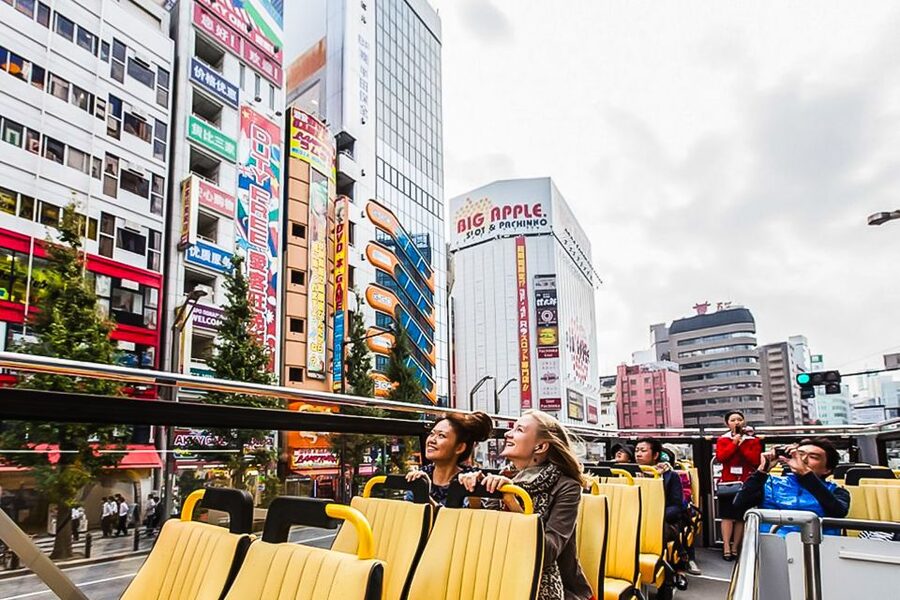
- Open-top panoramic viewing with clear rules (no umbrellas on board, standing prohibited while moving)
- Audio guide on your phone/tablet in 10 languages (bring your device and earphones)
- Major stops grouped logically: SkyTree/Asakusa/Ueno/Akihabara, then Tower/Tsukiji/Ginza, then Shinjuku/Shibuya
- Anchored meeting point at the Mitsubishi Building for easy orientation
- Plan for timing since buses can run less frequently than you might expect, especially during busy periods
Why this Tokyo hop-on hop-off bus is a smart first move
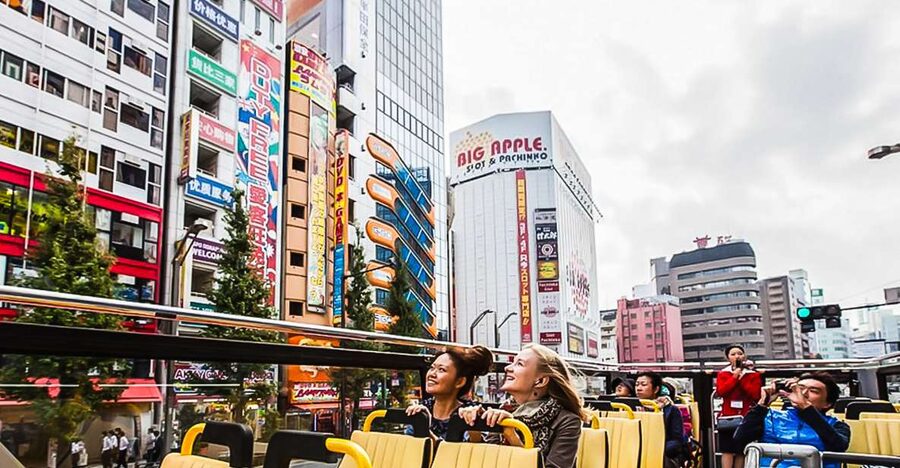
Tokyo doesn’t do small. Even “central” can still feel like a lot to manage in one day. A hop-on hop-off bus gives you a rolling overview while you’re figuring out neighborhoods, train lines, and what you actually want to prioritize.
For me, the best part is the flexibility. Your ticket lets you hop off whenever something catches your eye, then hop back on later without restarting your sightseeing plan. That matters in Tokyo because you can’t always predict crowd levels, weather, or how long a stop will take once you’re standing there looking around.
You’ll also get built-in structure. The routes are designed to connect recognizable landmarks and busy districts rather than random stops. That means you can make progress even if your day starts with jet lag and mild confusion.
Getting on fast: Mitsubishi Building meeting point and QR boarding
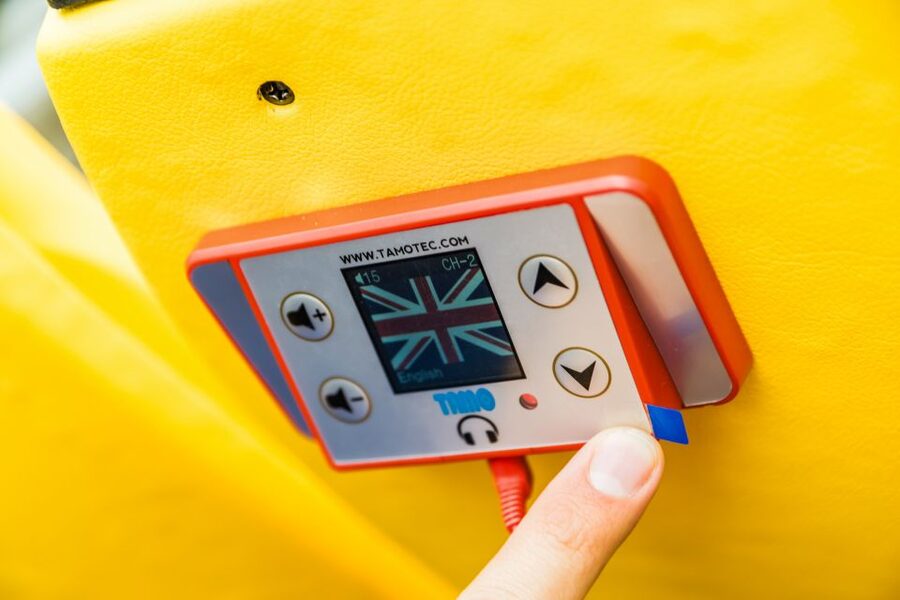
The meeting point is in front of the Mitsubishi Building. If you’d rather not guess, the voucher you receive includes a QR code you can use to board from bus stops around Tokyo.
Here’s the practical mindset I use in cities like this: treat the QR code as your backup plan. If you don’t want to walk back to the main meeting point, you can find a stop with your QR code and board from there. That reduces stress on a first day, especially when you’re still learning the map.
Also note the “not a reservation” reality. If a bus is full, you’ll board the next one. That’s why it helps to give yourself some slack in your schedule rather than aiming for a perfectly timed visit.
Open-top ride comfort: seats, no AC, ponchos, and simple rules

This is an open-air bus. There’s no air-conditioning, so weather becomes part of the experience. Raincoats are distributed if needed, but umbrellas are prohibited on board. On a calm day, the open roof is great for photos and wide views. In heat, it can be less fun fast.
One detail that matters: passenger seating is only on the second floor. The first floor is for storage. If you board expecting to grab a seat right away anywhere, you might be surprised—so aim for the second floor when you can.
A few onboard rules help you avoid annoying moments:
- Standing is prohibited while the bus is in motion.
- Plan for delays if traffic is heavy.
- If conditions are severe (typhoons or thunderstorms), the tour may not operate.
You might also find staff prepared for weather extremes. Some departures can end up feeling less like a scenic ride and more like practical survival. The upside is that the bus staff are there to keep the flow moving and make sure everyone gets on and off safely.
Route strategy: how to use 1–2 days without overloading your brain
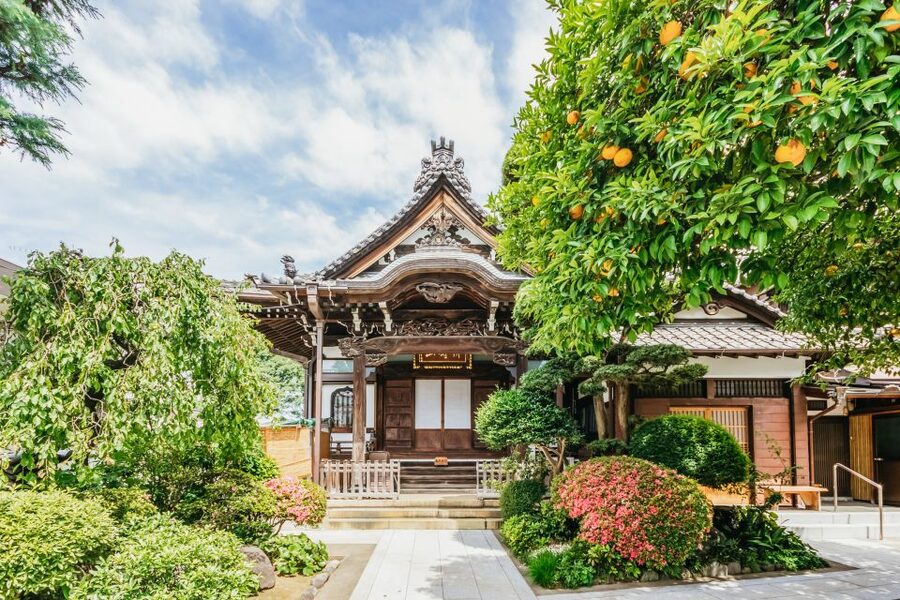
Your ticket is set up for 1–2 days, and it includes access to all routes. If you’re short on time, you can do one loop and then fill the rest of the day with walking and trains. If you want to be comfortable, I’d treat it as a two-day orientation tool: use day one to build your bearings, then choose your favorites on day two.
A key tip: don’t try to hop off every five minutes. The whole point of the bus is to save energy. If you stack too many short stops, you’ll lose time waiting between buses and you’ll end up doing frantic marathon sightseeing instead of enjoying Tokyo.
From what I’ve learned by watching how people use these systems, the sweet spot is usually:
- Ride a route once to learn the area.
- Hop off at one or two priorities.
- Re-board later when you’re ready for the next neighborhood jump.
Route 1: SkyTree course (Asakusa, Ueno, Akihabara) for classic Tokyo energy
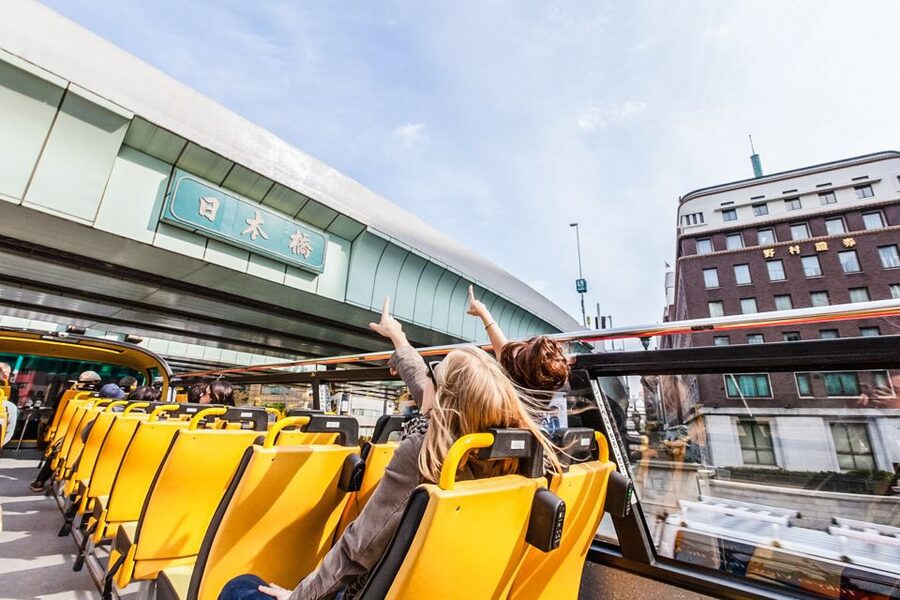
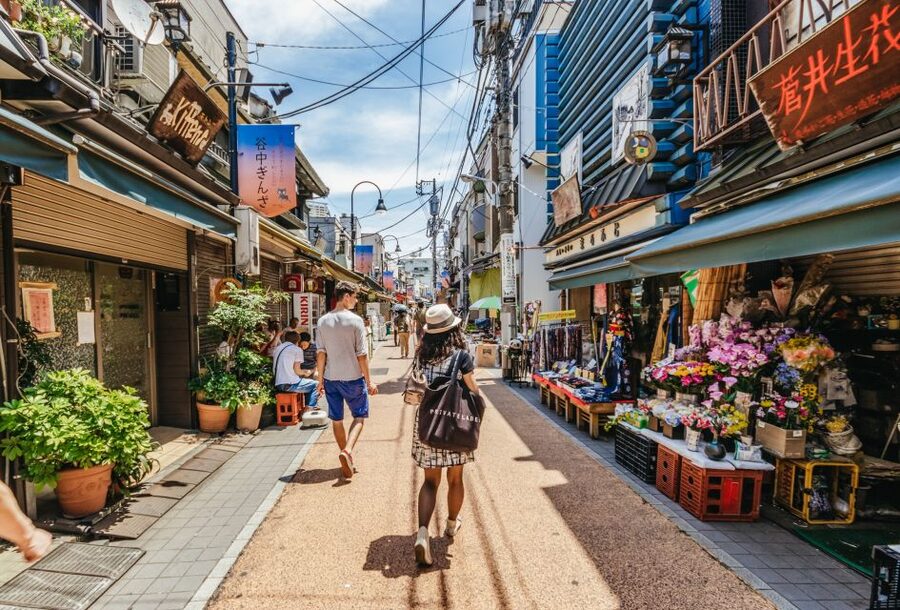
Route 1 is built around the Tokyo SkyTree area and then threads through some of Tokyo’s most walkable and famous electronics-leaning districts. If you like old-meets-new Tokyo, this is the loop to start with.
The full course runs:
Marunouchi Mitsubishi Building — Kodemacho Station — Ryogoku Edo-Tokyo Museum — TOKYO SKYTREE station — Asakusa Hanakawado — Asakusa Tawaramachi — Ueno Matsuzakaya — Akihabara (Suehirocho) — Shin-Nihombashi Station — Marunouchi Mitsubishi Building.
Why this route works:
- You get a major viewpoint anchor with TOKYO SKYTREE station.
- You get Asakusa connected via Hanakawado and Tawaramachi, so you can hop off right where it’s convenient.
- You transition into Ueno and then Akihabara, which are ideal for wandering with no strict itinerary.
Where people often get the most value on this course is when they pick a single “anchor stop” and build a half-day around it. For example, if SkyTree is your target, you can use the bus to drop you nearby, then come back later without trying to re-map the whole city from scratch.
Route 2: Tokyo Tower + Tsukiji Ginza course for central sights and city bustle
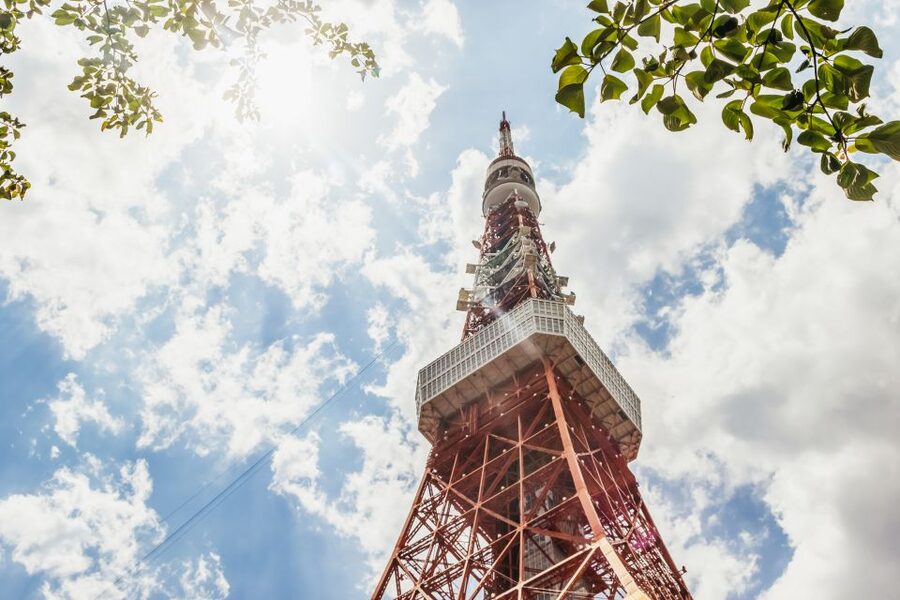
Route 2 focuses on Tokyo Tower and then pulls you toward Tsukiji and Ginza—two areas that feel like the heartbeat of central Tokyo. This is a strong choice if you want iconic skyline views plus shopping-and-street energy.
The course is:
Marunouchi Mitsubishi Building — Tokyo Tower — Tokyo Prince Hotel/Zojo-ji Temple — Tokyo Teleport Station — Tsukiji Ginza — Marunouchi Mitsubishi Building.
What I like about this layout:
- It keeps everything in a tighter “central Tokyo” feeling instead of bouncing deep into separate boroughs.
- It gives you a Tower stop and a temple-related stop right in the same course: Zojo-ji Temple is named on the route, so you can plan a hop-off around that area if it fits your interests.
Practical advice: this course can be a natural “photo loop.” When you’re on an open-top bus, the ride time becomes part of the sightseeing. If you want photos, be ready to angle yourself for better viewing, and keep an eye on the stops so you don’t rush your hop-off.
Route 3: Shinjuku Shibuya course for west-side Tokyo and big visual contrast
Route 3 is for the part of Tokyo where your brain starts to feel like it’s watching scenes from a movie: dense streets, major stations, and famous neighborhoods side-by-side.
The full course runs:
Marunouchi Mitsubishi Building — Shinjuku-gyoemmae Station — Shinjuku Station South Exit/Hotel Century Southern Tower — Shinjuku Mitsui Building (Nishi-Shinjuku) — Shibuya City Hall/Harajuku/Meiji Jingu Shrine — Marunouchi Mitsubishi Building.
Why this route is worth it:
- You hit Shinjuku twice in practical ways: one at Shinjuku-gyoemmae, and another with Shinjuku Station South Exit plus a named hotel area.
- You get a Nishi-Shinjuku stop at Shinjuku Mitsui Building, which is useful if your goal is to see how the skyline and office towers sit in real city space.
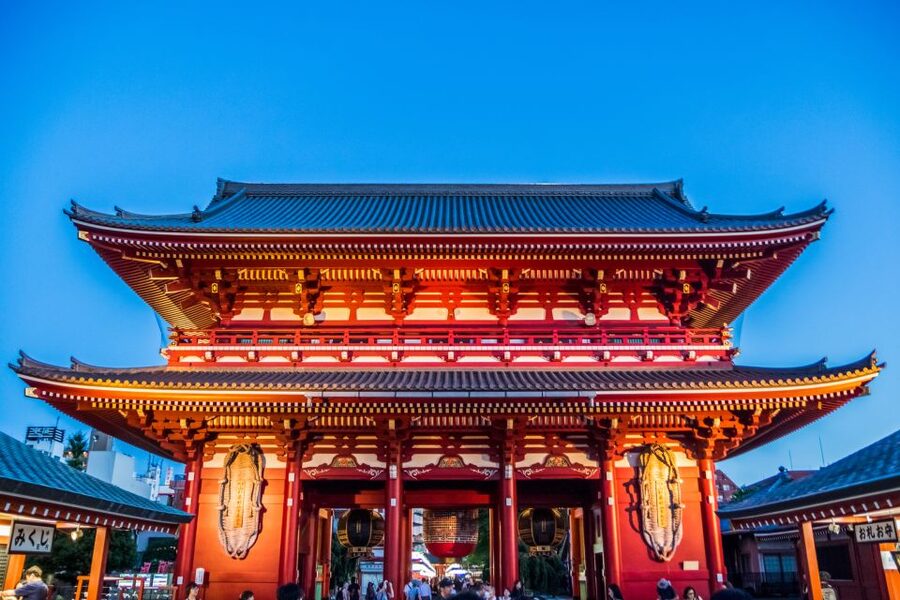
- Then you move toward Shibuya and Harajuku, with Meiji Jingu Shrine mentioned on the route.
This is also a good option for people who don’t want to cram multiple neighborhoods into walking-only plans. The bus gives you structure, and you can decide at each stop whether you want to walk a bit longer or simply enjoy the ride and keep moving.
Audio guide on your phone: 10 languages, less fumbling, more control
This hop-on hop-off bus includes a multilingual audio guide system designed to work with your own device. There’s also mention that some buses may use a vehicle-mounted system, but the big practical point is: you might need to rely on the personal device system.
The personal device audio guide supports 10 languages:
Japanese, English, Korean, Chinese, French, German, Spanish, Thai, Vietnamese, and Indonesian.
A few important realities you should plan for:
- You need to bring your own smartphone or tablet and earphones.
- Data charges may apply and are your responsibility.
- The bus is open-air, so audio clarity can vary with wind and crowd noise.
I’d treat your device like part of your “tour equipment.” Charge it before you board. If you notice the commentary isn’t playing cleanly, switch to the personal-device system rather than forcing yourself through silence. Some people also report commentary can cut mid-sentence, so having a working backup setup helps.
Also, keep your ears free enough to stay aware. You’re going to want to know when to get off, and you don’t want to miss the stop while you’re deep into a story.
Timing and spacing: the part that can make or break your day
This is where your expectations matter. The buses can be comfortable and organized, but service frequency may not feel like the hop-on hop-off you’ve used in other countries. There can be longer waits between buses, and if a bus is full, the next one might be later than you hoped.
Traffic congestion can also delay the route. And when you’re using hop-on hop-off, waiting costs you time twice: once while you wait, and again while you adjust your plan.
Here’s what helps you avoid frustration:
- Give yourself buffer time between hop-offs.
- If you get off mid-route, take a quick photo of the stop timetable and use your phone maps to pin the exact spot.
- If you’re trying to cover a lot in one day, consider using trains between areas rather than relying only on the bus.
For your planning: a full lap is roughly around 2 hours for many loops, so build your day like you’re spending time riding, not just zipping through.
If you’re the type who hates waiting (I get it), consider doing fewer hop-offs and using the bus for positioning. You’ll still see a lot, and you’ll spend less time watching the street waiting for a vehicle to arrive.
What you actually see: major named stops that anchor your itinerary
The value here is that the routes place you near major, named sights instead of making you wander blind across a giant city. Your ticket includes routes that hit highlights such as:
- Tokyo SkyTree and the Asakusa area
- Tokyo Tower
- Tsukiji Ginza
- Ginza-linked central areas via the course routing
- Shinjuku and Shibuya zones
Even if you don’t plan to enter every location, you’ll get something useful: a clear sense of where these places sit relative to each other. That turns later days into easier decisions. Once you know the bus can drop you at the right neighborhood, you can confidently use trains and walking for the deeper stuff.
Price and value: is $30 worth it in Tokyo?
At about $30 per person, you’re paying for convenience and time. You’re not buying a long walking tour. You’re buying orientation and flexibility: unlimited access to the routes over 1–2 days, plus panoramic open-top views and included audio.
The value is strongest if:
- You have limited time and want to see the big clusters fast.
- You want to choose what to explore without committing to one fixed itinerary.
- You like the idea of riding, viewing, and then deciding on the fly.
The price is less convincing if:
- You refuse open-air rides and want air-conditioned transport.
- You want very frequent buses with minimal waiting.
- You’re hoping the system replaces every train trip. It won’t. It’s a backbone for getting oriented, not a full substitute for Tokyo’s public transit.
If you’re deciding between 1 and 2 days, my bias is towards 2 days in a city like Tokyo. It turns the experience from a sprint into something calmer. You can do one loop to set your bearings and then return for the stop you truly cared about.
Should you book the Sky Hop hop-on hop-off bus?
Book it if you’re arriving in Tokyo with more curiosity than time, or if you want a low-effort way to connect SkyTree/Asakusa, Tokyo Tower/Tsukiji/Ginza, and Shinjuku/Shibuya neighborhoods. It’s an easy tool for getting your bearings fast—especially with the included audio guide on your device.
Skip it (or be cautious) if you know you’ll be miserable in heat because the bus has no air-conditioning and it’s open-air. Also think twice if you can’t tolerate waiting between buses or if you plan to hop off constantly every time the city offers a new idea.
If you want Tokyo in big, named chunks—with a comfortable ride and the freedom to choose your pace—this ticket is a strong fit.
FAQ
Where is the meeting point for the Tokyo hop-on hop-off bus?
The meeting point is in front of the Mitsubishi Building.
Can I board at any stop using my voucher?
Yes. You can board directly from any bus stops with the QR code sent in your voucher, and you can also go to the main meeting point.
How long do I need for this ticket?
The ticket is valid for 1–2 days. You’ll want to check availability for starting times.
Is the audio guide included, and do I need my own device?
Yes, the audio guide is included. You should bring your own smartphone or tablet and earphones for the personal-device audio system, and data charges may apply.
How many languages are available on the audio guide?
The personal-device system supports 10 languages: Japanese, English, Korean, Chinese, French, German, Spanish, Thai, Vietnamese, and Indonesian.
Is the bus air-conditioned?
No. The bus is open-air and does not have air-conditioning.