Tokyo in one big morning sounds almost too good. Yet this deluxe coach route is built for fast orientation: you hit Meiji Jingu, the Imperial Palace area, and then finish in Asakusa with time to roam on your own. Two things I really like are the mix of famous sights plus hands-on moments (like learning shrine etiquette), and the practical comfort perks like air-conditioning and onboard Wi-Fi.
What makes it extra useful is the guided flow. You get a professional English-speaking guide along the way, plus multilingual audio headsets, so you are not just staring out the window. My only caution: it is a 210-minute, stop-and-go morning, so you will want patience for traffic and quick photo stops, especially if you prefer slow, lingering sightseeing.
In This Review
- Key highlights you’ll feel on day one
- Why this 3.5-hour morning coach tour makes sense
- Picking your start point: Ginza or Shinjuku Love sculpture
- On the coach: Wi-Fi, audio headsets, and what to do with them
- Meiji Jingu Shinto Shrine: where Tokyo noise fades
- The Imperial Palace area: Edo-era layers and crisp photo moments
- Harajuku drive-by and Omotesando: pop culture to polished streets
- Akihabara and Ueno corridor: anime energy plus a market-photo moment
- Asakusa finish at Sensō-ji: Nakamise shopping and big gate photos
- The matcha experience: Uji premium taste and choice options
- How much walking should you expect, and what to bring
- Price and value: is $90 worth it?
- Who should book this Tokyo morning tour
- Should you book this Tokyo Morning Sightseeing Bus Tour?
- FAQ
- What is the duration of the Tokyo morning sightseeing bus tour?
- Where does the tour start?
- Where does the tour end?
- Is there a live guide?
- Are audio headsets included, and which languages are available?
- Is matcha included?
- Does the tour include lunch?
- Is Wi-Fi available on the bus?
- What should I wear or bring?
- Is the itinerary fixed, or can it change?
Key highlights you’ll feel on day one
- English-speaking live guide who explains what you’re seeing, not just names of places
- Multilingual audio headsets plus Wi-Fi on a comfortable air-conditioned coach
- Meiji Jingu Shinto etiquette lesson, including how to visit properly
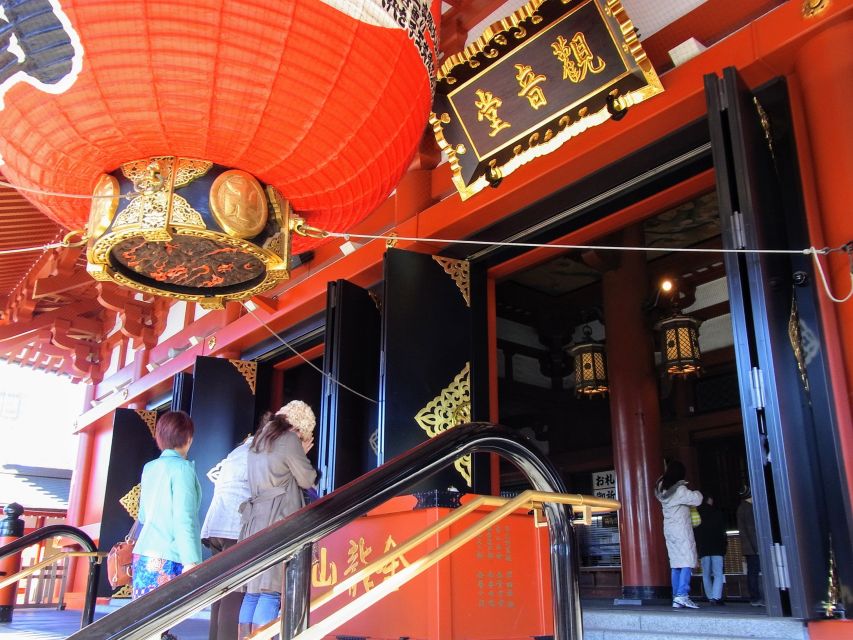
- Asakusa finish with free time at Sensō-ji and the Nakamise street area
- Premium matcha experience in Asakusa (with options like gelato or matcha beer)
- Efficient landmark route designed to cover about 12 key Tokyo hits fast
Why this 3.5-hour morning coach tour makes sense
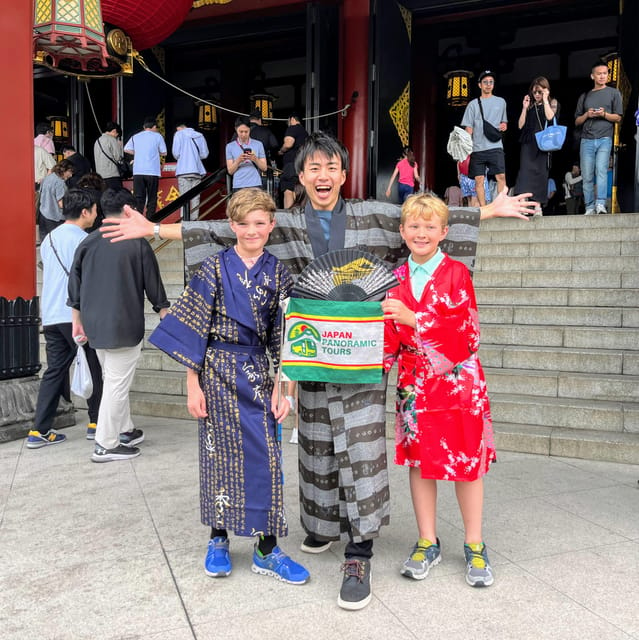
Tokyo can overwhelm you fast: crowds, neighborhoods, transit choices, and more temples than you can count. A morning coach loop is a smart way to get oriented without burning your whole day on logistics.
This tour is listed at 210 minutes, which means you’re mostly moving efficiently by bus while still getting genuine moments on foot. You do not just pass by landmarks either. You stop at places like Meiji Jingu and you spend real time at Asakusa to shop and take photos.
Picking your start point: Ginza or Shinjuku Love sculpture
Your morning begins around 8:00 am, with two possible starting points depending on the option you book. One is in Ginza at the Robert Indiana sculpture titled Love (4-chōme-1-2 Ginza). The other is in Shinjuku at the Love statue spot.
If you are staying near central Tokyo, this flexibility helps you avoid a long commute just to start the tour. Either way, the day’s rhythm is the same: you get a coach ride that fans out across popular districts, with planned stops and a clear finish in Asakusa.
On the coach: Wi-Fi, audio headsets, and what to do with them
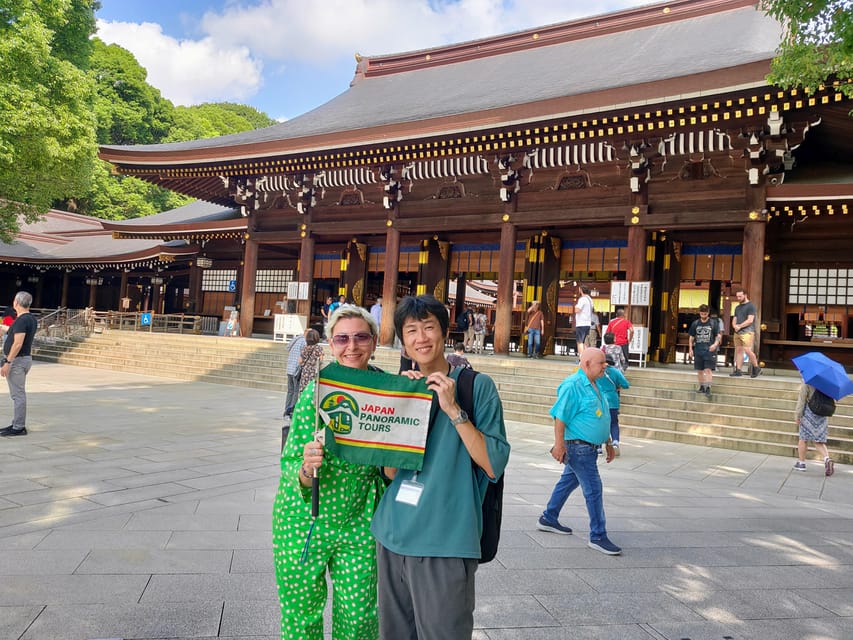
This is a deluxe air-conditioned bus, and it comes with free Wi-Fi. The vehicle also has antibacterial coating and regular ventilation, which matters in a dense city like Tokyo.
You will also receive audio headsets for several languages. The tour information lists audio availability in English, French, Italian, Spanish, German, Portuguese, and UK, and the included headset languages also explicitly cover Spanish, French, Italian, German, Portuguese, and Ukrainian. Use them like a second layer of explanation: listen during driving time so you arrive at each stop with context.
If your group includes people with different language comfort levels, the audio system is a real quality-of-life upgrade. It cuts down the awkward moment where some people hear more detail than others.
Meiji Jingu Shinto Shrine: where Tokyo noise fades
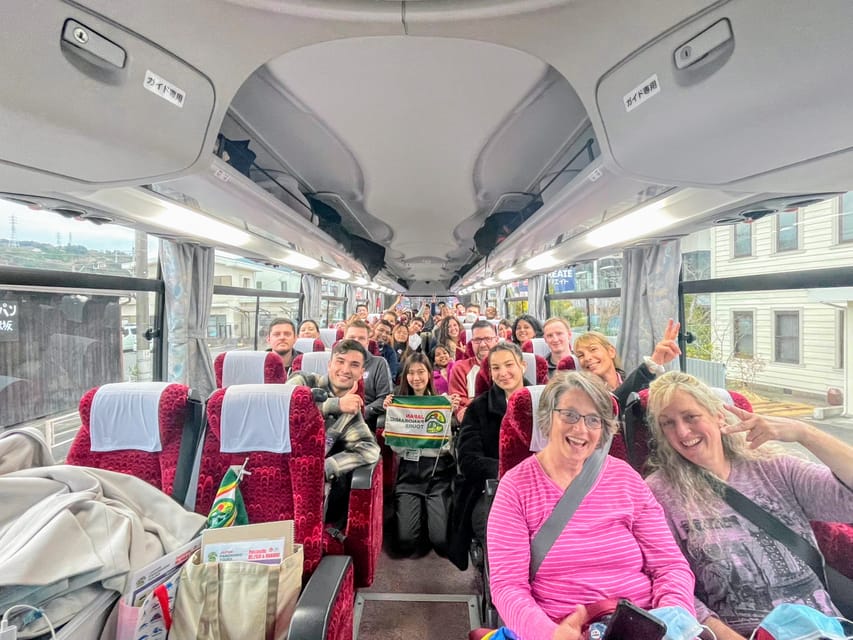
The first major stop is Meiji Jingu Shinto Shrine, one of Japan’s best-known Shinto sites. It was built in 1921 and is surrounded by a forest-like setting, which is exactly what you want early in the day. Even though you’re still in Tokyo, the atmosphere shifts quickly.
A big part of the value here is not just seeing the shrine. You learn the traditional way of visiting. That means you’re less likely to feel awkward at the steps, and more likely to participate respectfully rather than treating it like a photo-only stop.
Practical tip: wear comfortable shoes and keep your headspace slow for this one. Meiji Jingu works best when you actually pause, take a breath, and let the space reset your pace.
The Imperial Palace area: Edo-era layers and crisp photo moments
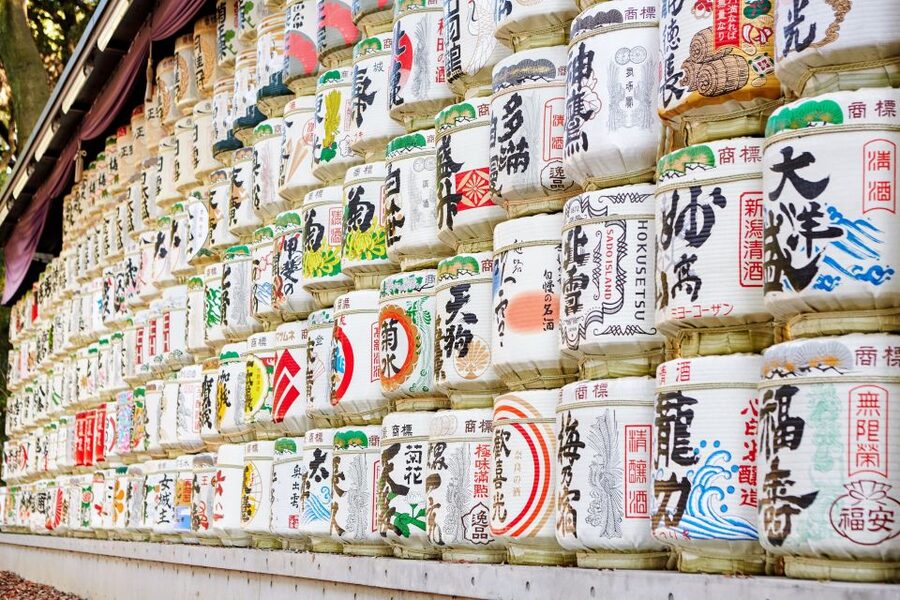
After getting a taste of central Tokyo life from the bus windows, the tour makes a stop at the Imperial Palace area. This is the current residence of the Imperial family and also sits on the historic footprint of Edo Castle.
You will visit either the East Garden (traditional Japanese gardens) or the Niju-bashi Bridge in the Outer Garden, depending on conditions. Either option is a strong “first Tokyo” win because both give you that grand, historic feel without needing a long, complicated itinerary.
This stop is also very useful for understanding Tokyo visually. You see how modern Japan frames imperial history in the middle of a huge urban region. If you love architecture or historical layouts, the framing here is a quick but meaningful lesson.
Harajuku drive-by and Omotesando: pop culture to polished streets
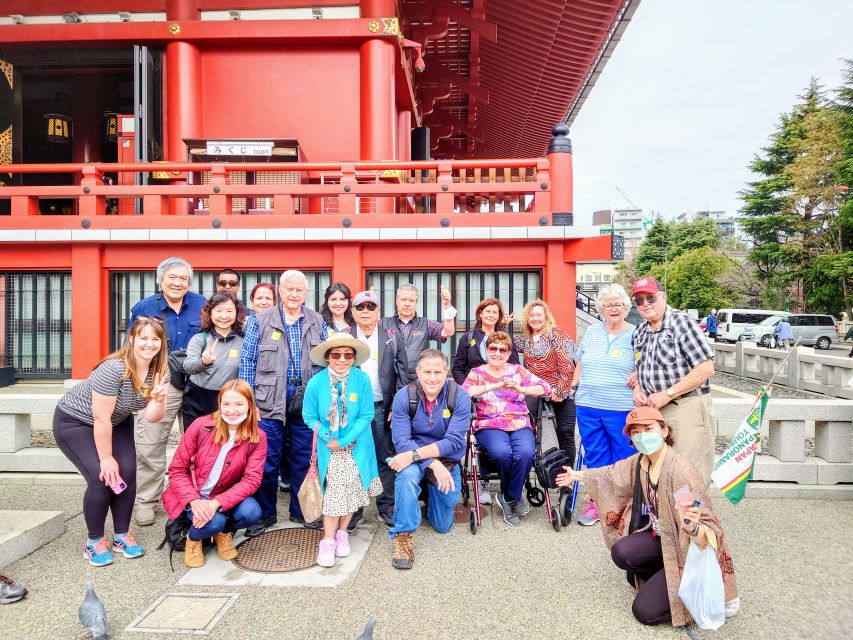
The bus passes through major corridors like Takeshita Avenue (Harajuku) and then heads toward the Omotesando shopping district. This is one of those Tokyo comparisons that works even if you only glance out the window: youthful street energy in one direction, sleek and upscale in the other.
You will also pass by the National Diet Building. The building’s symmetrical look is part of its appeal, and the ride-by still gives you a solid chance to spot it clearly without squeezing into city streets.
This section is less about deep walking and more about “get your bearings.” If you later want to return to specific neighborhoods, this morning route helps you choose where you’ll spend real time.
Akihabara and Ueno corridor: anime energy plus a market-photo moment
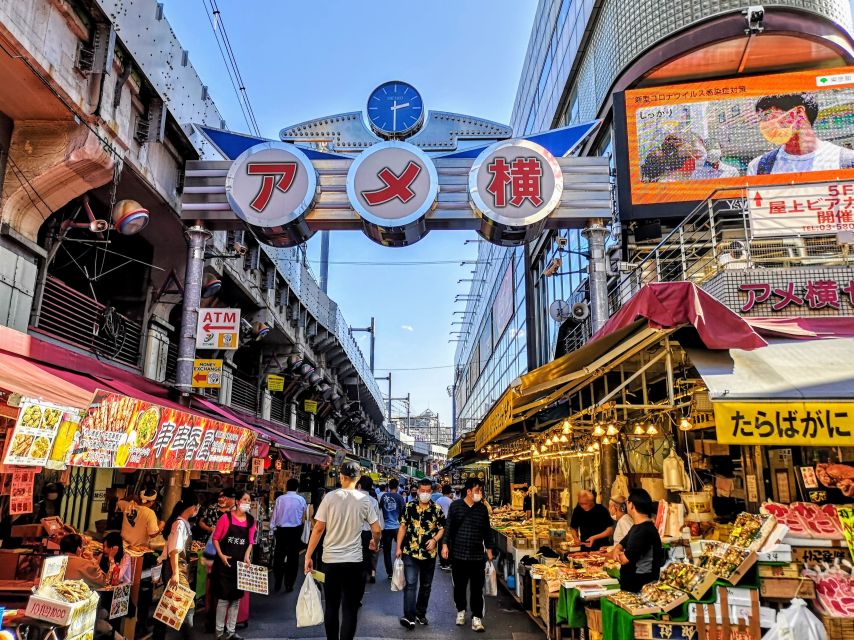
The tour drives through Akihabara, Tokyo’s center for otaku culture. If you are into anime, games, or tech shops, it’s helpful to at least see the district’s scale from the coach, because it can feel totally different than what you picture from the internet.
Next up is the Ueno area, including a pass by Ueno, known as Japan’s oldest park. Even if your main focus is temples and history, this stop gives you a sense of Tokyo’s “big public spaces” style.
Then you pass by Kappa-bashi market street. This is where food replicas and kitchen-related items come into view. Even from the road, it gives you ideas for what to seek later if you want specialty knives, kitchenware, or that fun food-display aesthetic.
Asakusa finish at Sensō-ji: Nakamise shopping and big gate photos
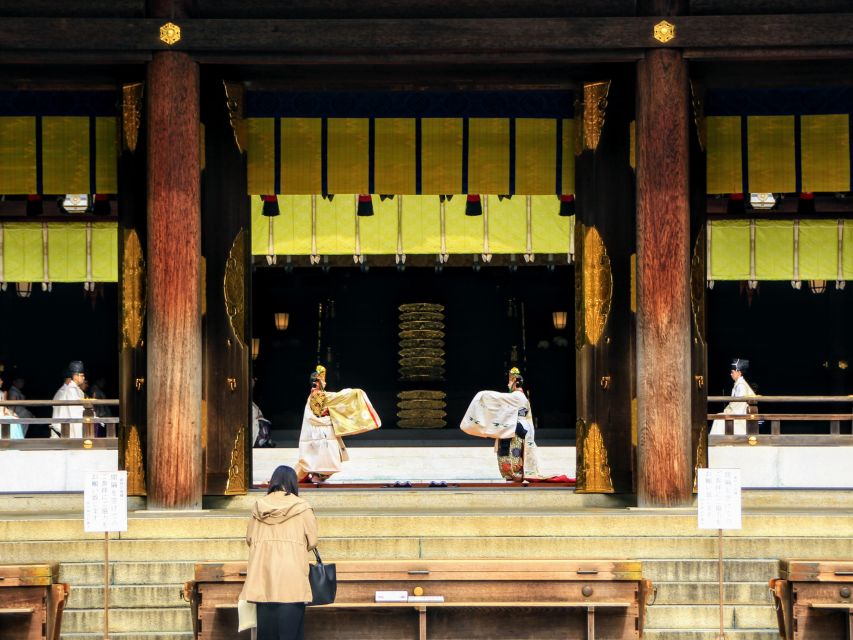
The tour wraps up at Sensō-ji, in Asakusa. After all the driving and planned stops, this is where you get to slow down a little—at least for shopping and photos—because you can spend as much time as you like at Asakusa after the tour ends.
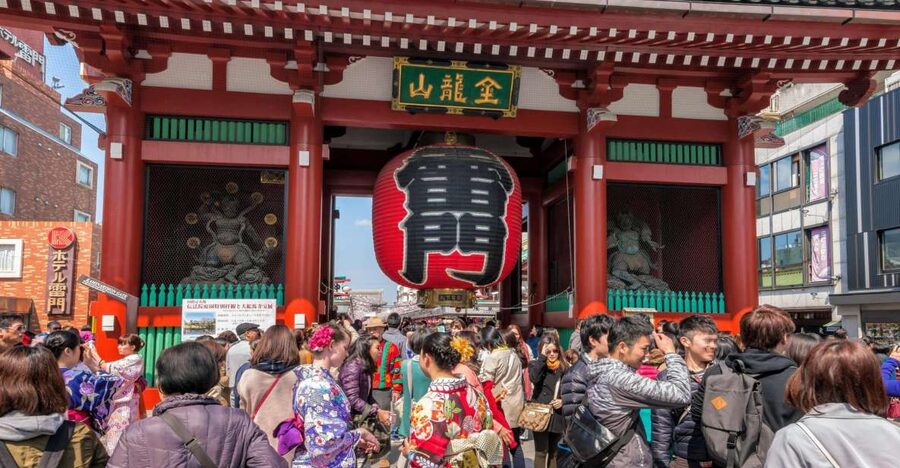
During the Asakusa portion, you will explore Nakamise Avenue and take photos at Kaminari-mon Gate, the iconic red lantern gate. This is one of Tokyo’s most recognizable visuals, and you get it without having to plan your route through multiple transit lines.
A practical way to enjoy this portion: think of Nakamise as your “Tokyo snacks and souvenirs lane.” Prices vary by stall, and the street is famous for attracting both quick grab-and-go purchases and small gifts.
The matcha experience: Uji premium taste and choice options
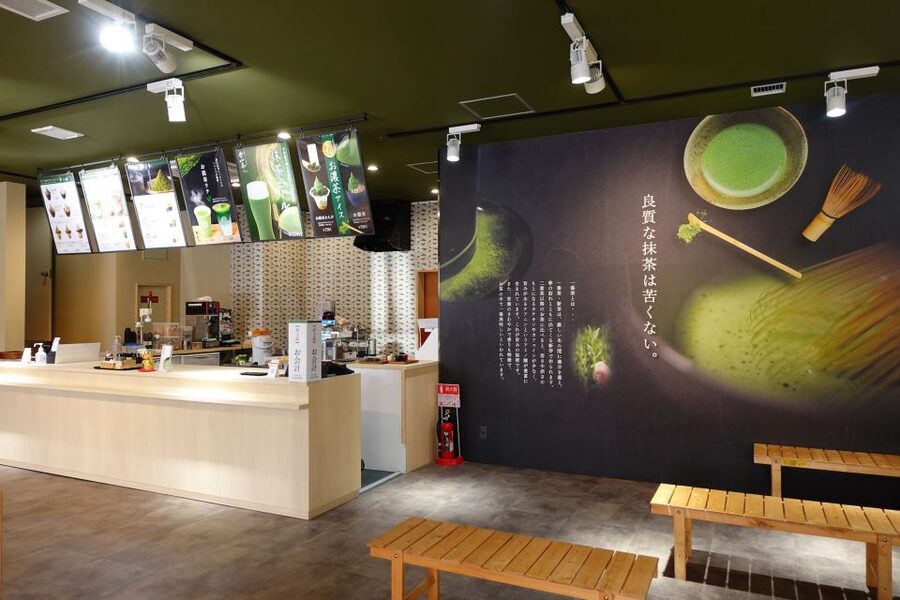
Now for the highlight food moment. The tour includes an authentic Uji matcha experience at a historical place in Asakusa. The matcha is described as Not Bitter Matcha Green Tea, labeled as Premium Matcha, using ichibancha (first flush) from Uji, Kyoto.
You may also choose options for sweet matcha gelato or matcha beer. Even if you are not a lifelong matcha fan, this is a good way to taste a more refined style instead of the bitter, powdered green tea many people associate with matcha.
Tip for enjoying it: treat the matcha stop as a reset. Tokyo mornings can be loud. A warm cup (or a cold gelato option) gives you a human pace break before you shop and photograph your way through Sensō-ji.
How much walking should you expect, and what to bring
Even though this is a coach tour, you will still do short visits and guided stops. You will need comfortable shoes because temples and shopping streets can involve uneven sidewalks and lots of standing around for photos.
Also plan to handle your own luggage loading and unloading from the trunk. That means if you have a stroller or wheelchair, you’ll be coordinating that movement yourself as the tour requests.
This is not the kind of tour where you want to arrive in flip-flops or brand-new shoes. The morning is long enough that foot comfort matters more than you think.
Price and value: is $90 worth it?
At $90 per person, you’re paying for a morning that covers a lot of ground with structure. Here’s what you’re actually getting for the money: an English live guide, air-conditioned deluxe transport, free Wi-Fi, and multilingual audio headsets. You’re also getting a matcha drink or matcha gelato included.
So the real question is whether those inclusions save you time versus DIY transit. If you have limited time in Tokyo or you want a clear “top sights” run, the value is strong. You’re also buying convenience: one guide, one route, and fewer decisions before you’re even in the city.
If you already know Tokyo well and you prefer to wander on your own with no set stops, you might feel $90 is more than you need. But for first-time visitors, or for anyone who wants an efficient morning without losing the joy of the sights, it’s a fair trade.
Who should book this Tokyo morning tour
This tour fits you best if:
- You are new to Tokyo and want a fast, accurate orientation.
- You like temples, classic landmarks, and a guided flow instead of building your own route from scratch.
- You want a food experience (premium matcha) tied to a meaningful stop in Asakusa.
- You prefer guided explanations with both live commentary and audio headsets.
It may feel less ideal if:
- You want ultra-long time at one place and very little driving.
- You dislike bus rides and prefer deep neighborhood exploration with minimal time on the coach.
- You are expecting a fully unhurried pace at every photo spot.
Should you book this Tokyo Morning Sightseeing Bus Tour?
I think it’s a smart choice for most first-timers. You get the big identity landmarks—Meiji Jingu, the Imperial Palace area, and Asakusa—without spending your morning working out transit connections. The Shinto etiquette lesson is a standout because it turns a shrine visit into something you can do correctly, not just watch from the sidelines.
If you care about comfort and clarity, the combination of a live English guide, multilingual audio, air-conditioning, and Wi-Fi helps a lot. And the finish in Asakusa is the right kind of payoff: you end where you can actually keep exploring after the tour.
Book it if your goal is a confident start to Tokyo with minimal stress. If your goal is maximum slow travel, you may want a more focused, neighborhood-by-neighborhood day instead.
FAQ
What is the duration of the Tokyo morning sightseeing bus tour?
The tour is 210 minutes (about 3.5 hours).
Where does the tour start?
It starts at one of two locations depending on the option booked: Ginza (Robert Indiana sculpture titled Love) or Shinjuku at the Love statue.
Where does the tour end?
The tour ends at Sensō-ji in Asakusa. The information notes there is no extra drop-off service after the tour ends.
Is there a live guide?
Yes. There is a live English-speaking tour guide.
Are audio headsets included, and which languages are available?
Audio headsets are included. The information specifies languages including English, French, Italian, Spanish, German, Portuguese, and Ukrainian (with UK also listed in the language availability details).
Is matcha included?
Yes. The tour includes a matcha drink or matcha gelato.
Does the tour include lunch?
No. Lunch is not included.
Is Wi-Fi available on the bus?
Yes. Free Wi-Fi service is provided on the bus.
What should I wear or bring?
The tour recommends comfortable shoes.
Is the itinerary fixed, or can it change?
The order can change depending on traffic, weather, or operational reasons, and an alternative place may be visited if a site is closed.